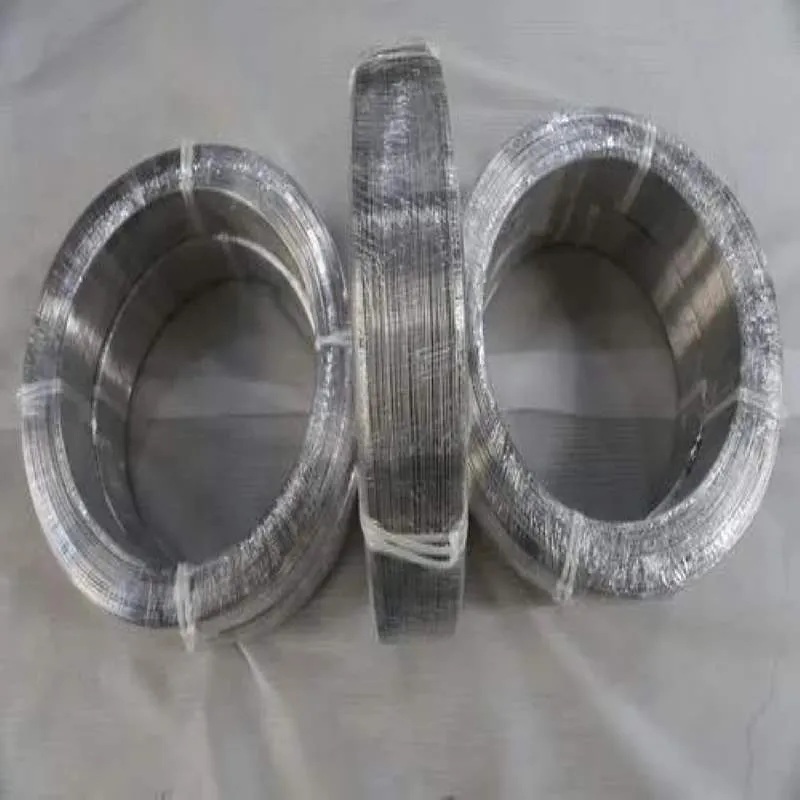
InduSteel Wire,CLC 1.2316S Prehardened Mold Steel Wire (300HB) with Improved Machinability
Product Code : STI-GSTI-388-CU
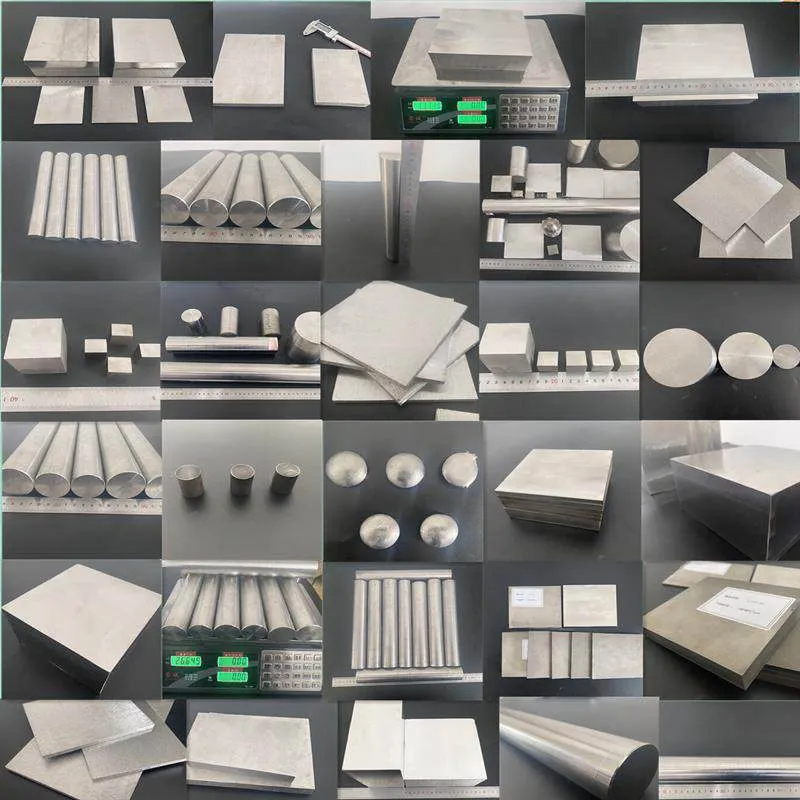
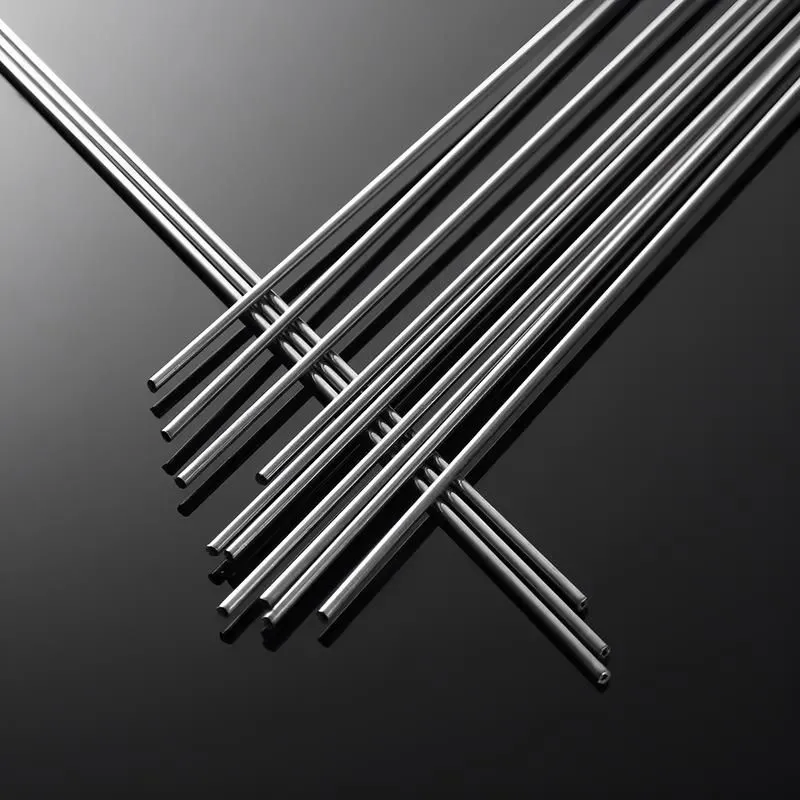
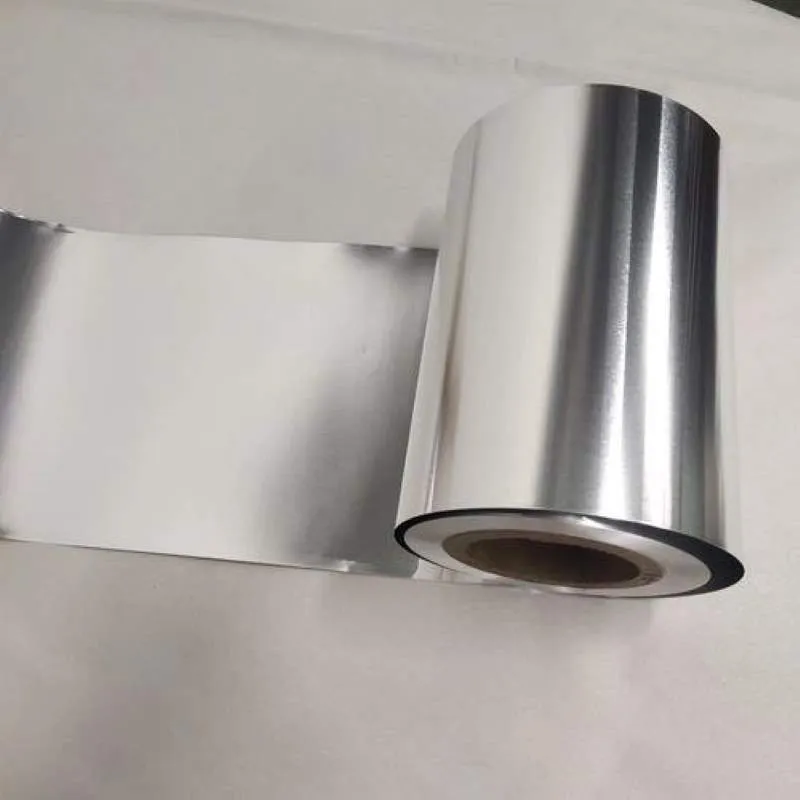
We provide InduSteel Wire CLC 1.2316S Prehardened Mold Steel Wire (300HB) with Improved Machinability is available in Bar (Round bar, Flat bar), Ribbon, Wire, Rods, Tube,Seamless Tube,Pipe, Ingots, Plate, Sheet, Strip and Forging Stock.,Purity, chemical composition, size, etc. can all be customized to meet specific requirements.
Please contact us if you need customized services. We will contact you with the price and availability in 24 hours.
InduSteel Wire CLC 1.2316S Prehardened Mold Steel Wire (300HB) with Improved Machinability Product Information
-:-
For detailed product information, please contact sales.
-:
InduSteel Wire CLC 1.2316S Prehardened Mold Steel Wire (300HB) with Improved Machinability Synonyms
-:-
For detailed product information, please contact sales.
-:
Industeel CLC 1.2316S Prehardened Mold Steel (300HB) with Improved Machinability Product Information
-:-
For detailed product information, please contact sales.
-:
# **Product Introduction: Industeel CLC 1.2316S Prehardened Corrosion-Resistant Mold Steel (Free-Cutting Grade)**
## **1. Overview**
**Industeel CLC 1.2316S** is a **premium, free-cutting, prehardened martensitic stainless mold steel**, engineered as the machinability-enhanced variant of the standard CLC 1.2316. Supplied in a **quenched and tempered (prehardened) condition** with a hardness of approximately **300 HB (31-33 HRC)**, it retains the excellent corrosion resistance of its base grade while incorporating a **controlled sulfur content** to dramatically improve machinability. This material is specifically designed for molds requiring the corrosion resistance of stainless steel but with extensive, complex machining where reduced cycle time and improved tool life are critical economic factors. The **CLC (Cleanliness and Consistency)** quality ensures optimal control over sulfide inclusion morphology and distribution, providing predictable performance and minimizing the anisotropic effects typically associated with free-cutting grades.
## **2. International Standards & Specifications**
This material is a specialized, sulfur-modified version of the standard corrosion-resistant mold steel grade.
* **Primary Base Standard:**
* **DIN 1.2316 / EN ISO 4957 X36CrMo17:** The standard for corrosion-resistant plastic mold steel. The "S" suffix denotes the free-machining variant.
* **Key Designations & Equivalents:**
* **Industry Designation:** **1.2316 S / 1.2316+S** – Commonly used to indicate the free-cutting version.
* **Comparative Grade:** The stainless steel equivalent to **1.2312** within the corrosion-resistant family.
* **Manufacturer's Designation:**
* **Industeel CLC 1.2316S:** The proprietary designation indicating **CLC (Cleanliness and Consistency)** quality applied to the free-cutting variant. This ensures superior control over the sulfur addition process.
## **3. Chemical Composition (Weight %, Typical for Free-Cutting Variant)**
The composition mirrors standard 1.2316 with the critical addition of sulfur to enable free-machining characteristics.
| Element | Composition Range (%) | Role & Benefit |
|---------|----------------------|----------------|
| **Carbon (C)** | 0.33 – 0.40 | Provides base strength and hardness. |
| **Chromium (Cr)** | 15.50 – 17.50 | **Primary corrosion-resisting element.** Forms a protective passive chromium oxide layer. |
| **Molybdenum (Mo)** | 1.00 – 1.30 | Enhances pitting corrosion resistance and hardenability. |
| **Manganese (Mn)** | ≤ 1.00 | Combines with sulfur to form **manganese sulfide (MnS) inclusions**, crucial for the free-machining effect. |
| **Silicon (Si)** | ≤ 0.40 | Deoxidizer. |
| **Sulfur (S)** | **0.05 – 0.07 (Key Feature)** | **The defining additive.** Forms soft, elongated MnS inclusions that act as internal chip breakers and provide lubrication at the tool-chip interface, significantly reducing cutting forces and improving chip evacuation. |
| **Other Elements:** Vanadium (V) may be present in trace amounts (<0.10%) for grain refinement. |
## **4. Typical Physical & Mechanical Properties (As Prehardened)**
* **Delivery Condition:** Quenched and tempered at the mill, ready for machining.
* **Hardness:** **290 – 320 HB (31 – 33 HRC)** – Uniform throughout the cross-section.
* **Tensile Strength:** 1000 – 1150 MPa (145,000 – 167,000 psi)
* **Yield Strength (0.2% Offset):** 850 – 950 MPa (123,000 – 138,000 psi)
* **Elongation:** ≥ 10% (in 50mm)
* **Impact Toughness (Charpy V-Notch):** **Moderate, with anisotropy.** Typically **15 – 25 J (11 – 18 ft-lb)** at room temperature. **Toughness is lower than standard 1.2316** and is directional; properties transverse to the rolling direction (where MnS stringers are aligned) are reduced.
* **Corrosion Resistance:** **Excellent.** Equivalent to standard 1.2316 in most molding environments. The MnS inclusions have minimal impact on the overall passivation capability of the high-chromium matrix.
* **Machinability:** **Outstanding / Excellent.** **Significantly better than standard 1.2316.** Rated **85-90% of 1% carbon steel**. Enables higher cutting speeds (15-30% increase), heavier feeds, longer tool life, and better chip control. This is the primary reason for selecting this grade.
* **Polishability:** **Good to Very Good, but with limitations.** The MnS inclusions can be pulled out during fine polishing, potentially creating micro-pits and limiting the ability to achieve a **perfect, flawless mirror finish (SPI A1)**. Fine satin and textured finishes (SPI A2-A3) are readily achievable.
* **Weldability:** **Poor to Fair.** The sulfur content significantly increases susceptibility to **hot cracking (solidification cracking)**. Welding is **generally not recommended** for critical mold areas. If unavoidable, it requires expert procedures, ultra-low sulfur filler metals, extensive pre-heat, and post-weld heat treatment.
* **Physical Properties:** Similar to standard 1.2316.
## **5. Product Application**
CLC 1.2316S is the strategic choice for complex molds in corrosive environments where machining constitutes a major portion of the manufacturing cost and time.
* **Large, Complex Molds for Corrosive Plastics:**
* **Mold bases, frames, and support structures** for PVC, flame-retardant, or acidic plastic molds requiring extensive milling and drilling.
* **Cavities and cores with intricate cooling channels or deep pockets** in corrosive plastic applications.
* **Medical and Technical Molds (Non-Optical Surfaces):**
* Molds for internal components or housings where corrosion resistance is critical but the highest optical polish is not required.
* **Prototype and Low-Volume Production Molds:** Where rapid machining and material removal are priorities.
* **Molds for Engineering Plastics** in humid environments, where the ease of machining large blocks is advantageous.
## **6. Key Features & Advantages**
* **Superior Machinability:** The primary advantage. Drastically reduces machining time and cost for complex stainless steel molds, improving workshop throughput.
* **Excellent Chip Control:** Produces short, broken chips that are easy to evacuate, enhancing operator safety and machine efficiency.
* **Maintained Corrosion Resistance:** Retains the excellent chemical resistance of the 1.2316 family, suitable for all standard corrosive molding applications.
* **No Heat Treatment Required:** Eliminates distortion risks associated with post-machining hardening.
* **Good Dimensional Stability:** Predictable behavior during machining of complex geometries.
* **Cost-Effectiveness:** The savings in machining time and tooling costs can substantially offset the material premium, especially for molds with high metal removal rates.
## **7. Processing Guidelines & Important Trade-offs**
* **Machining:** Exploit its free-cutting properties. Use sharp carbide tools, higher speeds and feeds than for standard 1.2316. Excellent for high-efficiency roughing and semi-finishing.
* **Polishing:** Manage expectations. For surfaces requiring SPI A1 polish, consider using standard 1.2316 inserts in critical areas. Sequential polishing with fine abrasives is still effective for high-quality finishes.
* **Welding: AVOID IF POSSIBLE.** This is the major trade-off. Design the mold to minimize weld repairs. If welding is unavoidable, consult with welding specialists.
* **EDM:** Performs well with standard parameters.
* **Design Consideration – Anisotropy:** Be aware of directional properties. For components subject to high impact loads, orient the part to load parallel to the rolling direction where toughness is higher.
**Summary:**
Industeel CLC 1.2316S is a specialized engineering solution that makes a calculated performance trade: it exchanges a degree of polishability and all weldability for dramatically improved machinability, while fully preserving corrosion resistance. It is not a drop-in replacement for standard 1.2316 but a targeted choice for specific scenarios. For mold manufacturers facing the challenge of machining large, complex blocks of corrosion-resistant steel, CLC 1.2316S provides a powerful tool to reduce cycle times, lower machining costs, and improve productivity, making the fabrication of stainless steel molds more efficient and economically viable. Its use should be guided by a clear understanding of the final mold's surface finish requirements and repair strategy.
-:-
For detailed product information, please contact sales.
-:
Industeel CLC 1.2316S Prehardened Mold Steel (300HB) with Improved Machinability Specification
Dimensions
Size:
Diameter 20-1000 mm Length <7044 mm
Size:We can customized as required
Standard:
Per your request or drawing
We can customized as required
Properties(Theoretical)
Chemical Composition
-:-
For detailed product information, please contact sales.
-:
Industeel CLC 1.2316S Prehardened Mold Steel (300HB) with Improved Machinability Properties
-:-
For detailed product information, please contact sales.
-:
Applications of InduSteel Wire CLC 1.2316S Prehardened Mold Steel Wire (300HB) with Improved Machinability
-:-
For detailed product information, please contact sales.
-:
Chemical Identifiers InduSteel Wire CLC 1.2316S Prehardened Mold Steel Wire (300HB) with Improved Machinability
-:-
For detailed product information, please contact sales.
-:
Packing of InduSteel Wire CLC 1.2316S Prehardened Mold Steel Wire (300HB) with Improved Machinability
-:-
For detailed product information, please contact sales.
-:
Standard Packing:
-:-
For detailed product information, please contact sales.
-:
Typical bulk packaging includes palletized plastic 5 gallon/25 kg. pails, fiber and Steel Wire drums to 1 ton super sacks in full container (FCL) or truck load (T/L) quantities. Research and sample quantities and hygroscopic, oxidizing or other air sensitive materials may be packaged under argon or vacuum. Solutions are packaged in polypropylene, plastic or glass jars up to palletized 3515 gallon liquid totes Special package is available on request. E FORUs’ is carefully handled to minimize damage during storage and transportation and to preserve the quality of our products in their original condition