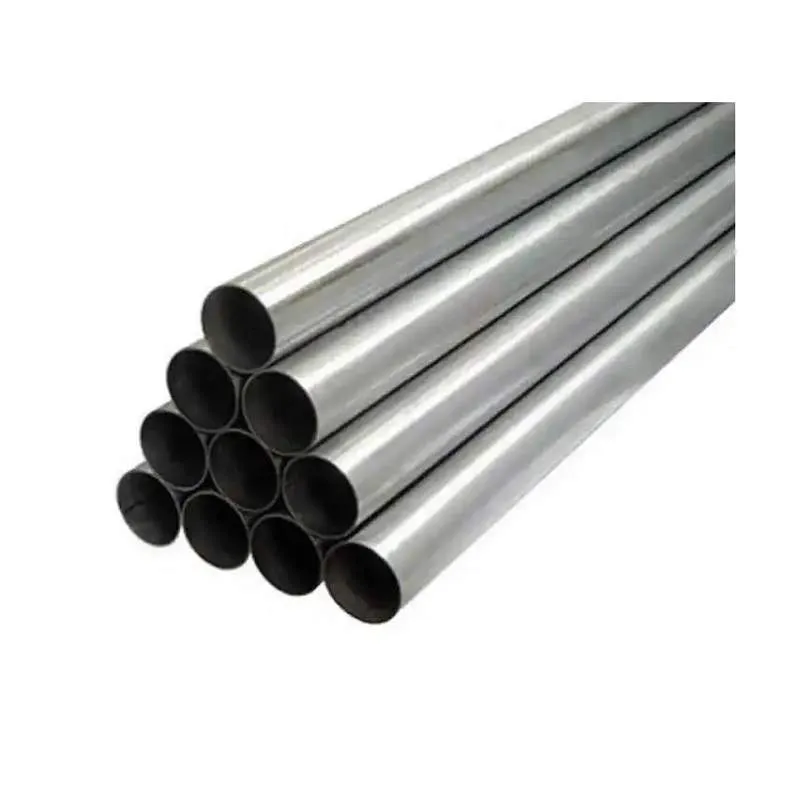
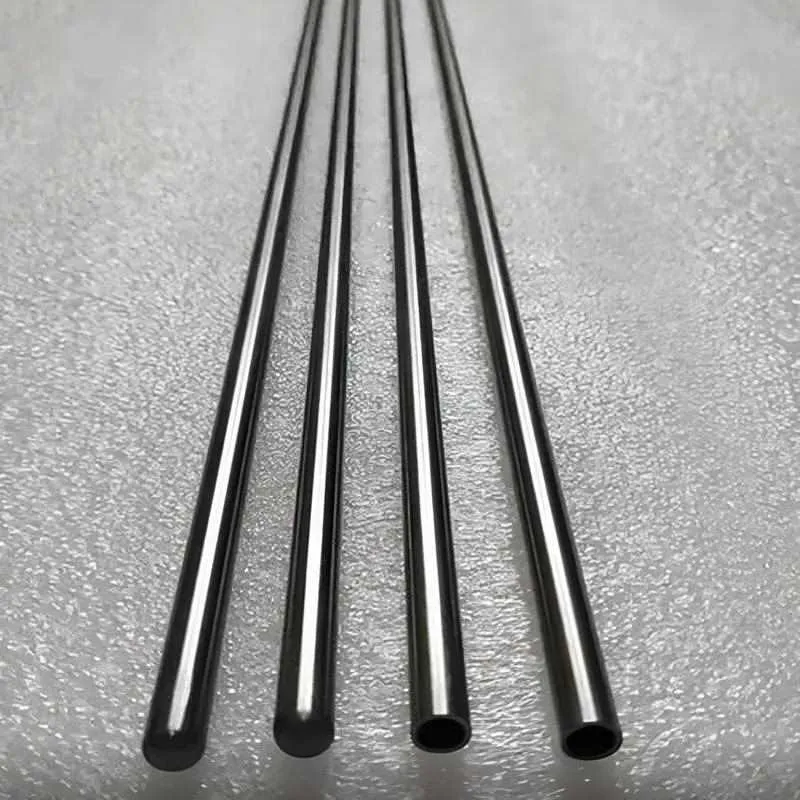
Iron Rod/Bar SAE J434c Grade D7003
Product Code : STI-IFe-052-CU
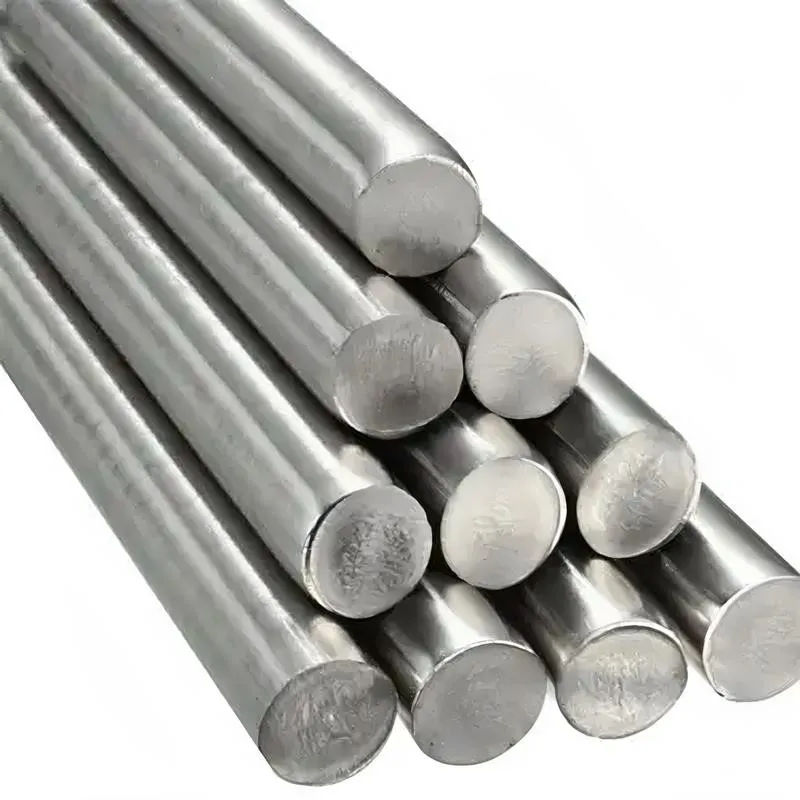
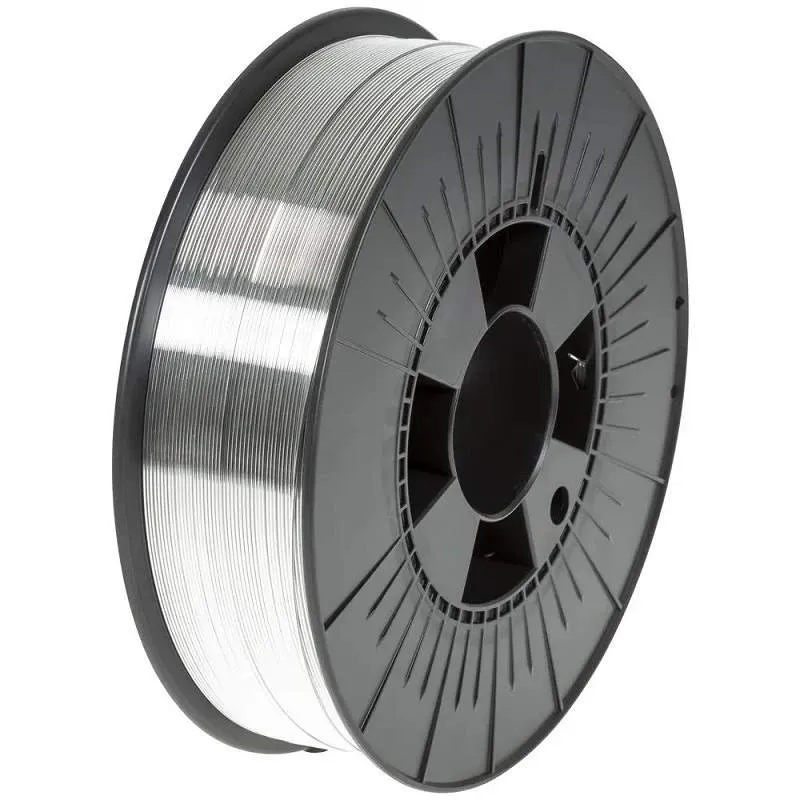
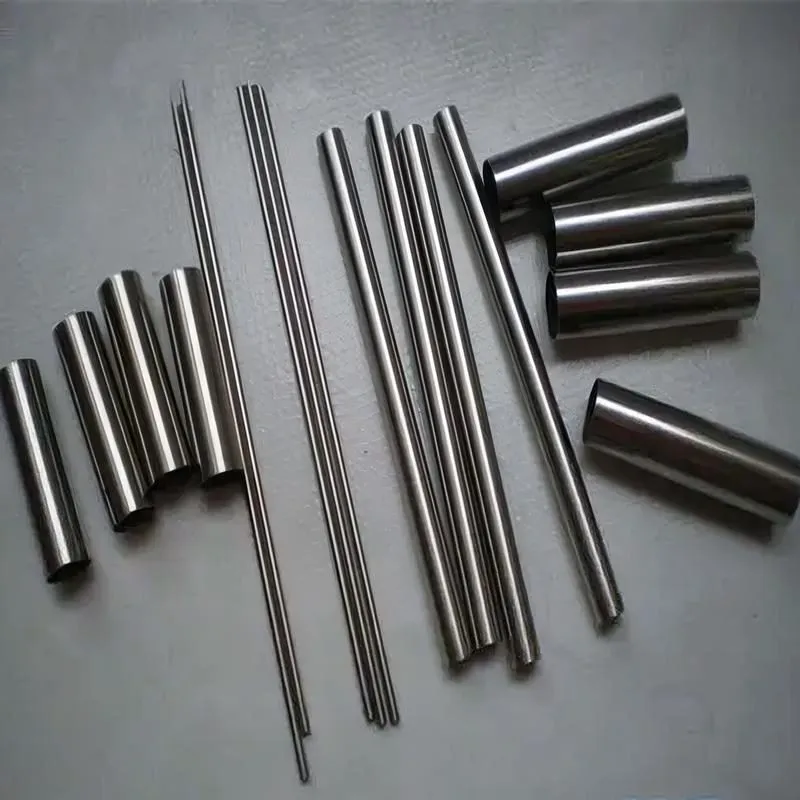
We provide Ductile Iron Rod/Bar SAE J434c Grade D7003 is available in Bar (Round bar, Flat bar), Ribbon, Wire, Rod/Bars, Tube,Seamless Tube,Pipe, Ingots, Plate, Sheet, Strip and Forging Stock.,Purity, chemical composition, size, etc. can all be customized to meet specific requirements.
Please contact us if you need customized services. We will contact you with the price and availability in 24 hours.
Ductile Iron Rod SAE J434c Grade D7003 Product Information
-:-
For detailed product information, please contact sales.
-:
Ductile Iron Rod SAE J434c Grade D7003 Synonyms
-:-
For detailed product information, please contact sales.
-:
Ductile Iron SAE J434c Grade D7003 Product Information
-:-
For detailed product information, please contact sales.
-:
### **Product Technical Data Sheet: Ductile Iron (Nodular Iron) – SAE J434c Grade D7003**
---
#### **1. Product Overview**
SAE J434c Grade **D7003** is a **very high-strength, low-ductility ductile iron** specification defined by the Society of Automotive Engineers (SAE) for extreme-duty automotive and heavy equipment applications. The "D7003" designation indicates **minimum tensile strength (70 ksi or 485 MPa) and minimum elongation (3%)**. This grade represents the upper echelon of strength in the conventional SAE ductile iron series, engineered to deliver **exceptional yield strength, wear resistance, and load-bearing capacity** where component weight and space are at a premium. It is typically achieved through a **quenched and tempered (QT) or austempered (ADI)** heat treatment process, resulting in a martensitic or ausferritic microstructure. This grade is the SAE equivalent to **ASTM A536 100-70-03** and is specified for the most critically stressed components.
---
#### **2. Governing Standards & Specifications**
This high-performance grade is defined within the SAE framework, with performance often further detailed by heat treatment standards.
* **Primary Standard: SAE J434c (Current) / SAE J434** - *Ductile Iron Castings*. The grade is designated as **D7003**.
* **Direct Cross-Equivalencies:**
* **ASTM A536:** **Grade 100-70-03** (100 ksi tensile, 70 ksi yield, 3% elongation).
* **ISO 1083 / EN 1563:** **EN-GJS-700-2** (700 MPa tensile, 420 MPa yield, 2% elongation) or **EN-GJS-800-5**. *Note: Direct equivalence is less precise; D7003 is functionally a high-strength, heat-treated grade.*
* **Heat Treatment Standards:** Often produced to **ASTM A897/A897M** (Austempered Ductile Iron - ADI) specifications, such as Grade 850/550/10 or higher.
* **UNS Designation:** **F34800**
* **Key Referenced Testing Standards:**
* **Tensile Test:** ASTM E8
* **Hardness:** ASTM E10 (Brinell) / ASTM E18 (Rockwell C)
* **Impact Test:** ASTM E23 (Charpy) may be specified.
* **Microstructure:** ASTM A247
* **Automotive Quality Protocols:** Requires stringent control per:
* **IATF 16949**
* **CQI-9 Heat Treat System Assessment**
* **Full PPAP (Production Part Approval Process)** with significant validation testing.
---
#### **3. Typical Chemical Composition (Base Iron for Heat Treatment)**
Achieving this strength level requires deliberate alloying for hardenability and microstructural control.
| Element | Typical Range for QT/ADI (%) | Critical Role for D7003 |
| :--- | :--- | :--- |
| **Carbon (C)** | 3.5 - 3.7 | Provides strength potential; balanced for hardenability and graphitization. |
| **Silicon (Si)** | **2.4 - 2.8** | **Crucially high for ADI.** Suppresses carbide formation, promotes high-carbon austenite stability, and increases tempering resistance in QT. |
| **Manganese (Mn)** | **0.30 - 0.50** | Provides hardenability but is controlled to minimize segregation and the risk of intercellular carbides. |
| **Magnesium (Mg)** | 0.03 - 0.05 | Essential for nodulization. |
| **Copper (Cu)** | **0.8 - 1.2** | **Primary alloy.** Strong hardenability agent and pearlite/bainite promoter, ensuring through-thickness strength. |
| **Molybdenum (Mo)** | **0.2 - 0.4** | **Critical for hardenability.** Prevents the formation of soft transformation products (e.g., pearlite) during quenching, especially in heavy sections. |
| **Nickel (Ni)** | 0.5 - 1.0 | Often used with Mo to improve hardenability, refine microstructure, and enhance toughness. |
| **Chromium (Cr)** | ≤ 0.10 | Strictly limited due to strong carbide-forming tendency. |
| **Phosphorus (P)** | ≤ 0.03 | Very low to minimize boundary embrittlement. |
| **Sulfur (S)** | ≤ 0.015 | Very low. |
---
#### **4. Physical & Mechanical Properties**
This grade is defined by ultra-high strength and hardness, with moderate toughness.
| Property | SAE J434c D7003 / ASTM 100-70-03 Requirement | Typical Value / Notes |
| :--- | :--- | :--- |
| **Tensile Strength, min.** | **689 MPa (100,000 psi)** | Can exceed 830 MPa (120 ksi) with optimized QT/ADI processes. |
| **Yield Strength (0.2% offset), min.** | **483 MPa (70,000 psi)** | Exceptionally high, enabling lightweight, high-stress design. |
| **Elongation, min.** | **3%** (in 2 in. / 50 mm) | Limited ductility is characteristic; components operate within elastic limits. |
| **Hardness (Brinell)** | **241 - 302 HBW** | Typically 269-285 HBW (approx. 28-31 HRC). Provides excellent wear and deformation resistance. |
| **Modulus of Elasticity** | 165 - 175 GPa (24 - 25.5 x 10⁶ psi) | High stiffness maintained. |
| **Charpy Impact (V-Notch)** | Often specified; **10 - 20 J @ 21°C (Typical for QT)**
**15 - 30 J @ 21°C (Typical for ADI)** | **ADI offers superior toughness** at equivalent strength. A key differentiator. |
| **Fatigue Endurance Limit** | **~310 - 350 MPa** (≈ 0.45-0.5 x UTS) | Very good fatigue strength, a critical benefit for cyclically loaded parts. |
| **Density** | 7.1 - 7.2 g/cm³ (0.256 lb/in³) | |
| **Typical Microstructure** | **QT:** Tempered Martensite.
**ADI:** **Ausferrite** (acicular ferrite + high-carbon austenite). | The ausferritic structure of ADI provides the best combination of ultra-high strength and good toughness. |
---
#### **5. Product Applications**
SAE D7003 is reserved for the most demanding applications where failure is not an option and performance limits are pushed.
* **High-Performance & Heavy-Duty Powertrain:** **Crankshafts for high-output diesel and performance gasoline engines, camshafts, high-load transmission gears (pinions, synchronizer hubs), and heavy-duty differential ring gears.**
* **Chassis & Suspension:** **High-performance steering knuckles, spindle supports for severe-service trucks, and upper control arm shafts.**
* **Off-Highway & Mining:** **Track rollers and links for large excavators, final drive planetary carriers, crusher components, and hydraulic pump rotors.**
* **Industrial:** **High-stress press rams, anvil blocks, rolls for metal processing, and heavy-duty bearing races.**
---
#### **6. Fabrication & Quality Notes**
* **Condition:** **Exclusively Heat-Treated.** Supplied in either **Quenched & Tempered (QT)** or **Austempered (ADI)** condition. "As-cast" to this grade is not feasible.
* **Machinability:** **Very Difficult.** Almost all machining must be performed in a soft, annealed state prior to final heat treatment. Post-heat treatment machining is limited to grinding, honing, or hard turning with PCBN/PCD tools.
* **Weldability:** **Not Recommended.** The carefully engineered microstructure is severely compromised by welding heat. Components are designed not to be welded; repair is highly specialized and often impractical.
* **Quality & Validation Requirements:**
* **Full Traceability:** Heat code to finished part.
* **Comprehensive MTR:** Including pre-and post-heat treatment chemistry, mechanical properties, and microstructure analysis (nodularity, matrix).
* **Rigorous NDT:** 100% magnetic particle inspection (MPI) and ultrasonic testing (UT) for critical internal soundness are standard.
* **Extended Validation:** Often requires component-level fatigue testing (e.g., rotating bending fatigue for crankshafts) and functional bench testing.
---
#### **7. Ordering Information**
Specification must be explicit regarding the heat treatment process.
**Specify:** **"Ductile Iron Castings, SAE J434c Grade D7003, Austempered per ASTM A897 Grade 850/550/10 [or Quenched & Tempered per Specification XYZ-123]."**
**Mandatory Requirements:**
* **Exact Heat Treatment Process & Standard.**
* **Minimum Mechanical Properties** (may exceed SAE minimums).
* **Section Size & Weight** of casting (for hardenability validation).
* **Certification Requirements:** Full traceability MTR, heat treatment charts, mechanical test reports, microstructure report, and NDT reports.
* **Special Testing:** Charpy impact, fatigue testing, or other validation as required by design.
**SAE J434c Grade D7003 (ASTM 100-70-03) represents the pinnacle of high-strength ductile iron technology in the automotive sector, offering a cast material solution with performance rivaling high-alloy steels for the most extreme service conditions.**
-:-
For detailed product information, please contact sales.
-:
Ductile Iron SAE J434c Grade D7003 Specification
Dimensions
Size:
Diameter 20-1000 mm Length <6527 mm
Size:We can customized as required
Standard:
Per your request or drawing
We can customized as required
Properties(Theoretical)
Chemical Composition
-:-
For detailed product information, please contact sales.
-:
Ductile Iron SAE J434c Grade D7003 Properties
-:-
For detailed product information, please contact sales.
-:
Applications of Ductile Iron Rod SAE J434c Grade D7003
-:-
For detailed product information, please contact sales.
-:
Chemical Identifiers Ductile Iron Rod SAE J434c Grade D7003
-:-
For detailed product information, please contact sales.
-:
Packing of Ductile Iron Rod SAE J434c Grade D7003
-:-
For detailed product information, please contact sales.
-:
Standard Packing:
-:-
For detailed product information, please contact sales.
-:
Typical bulk packaging includes palletized plastic 5 gallon/25 kg. pails, fiber and Steel Rod drums to 1 ton super sacks in full container (FCL) or truck load (T/L) quantities. Research and sample quantities and hygroscopic, oxidizing or other air sensitive materials may be packaged under argon or vacuum. Solutions are packaged in polypropylene, plastic or glass jars up to palletized 2998 gallon liquid totes Special package is available on request. E FORUs’ is carefully handled to minimize damage during storage and transportation and to preserve the quality of our products in their original condition