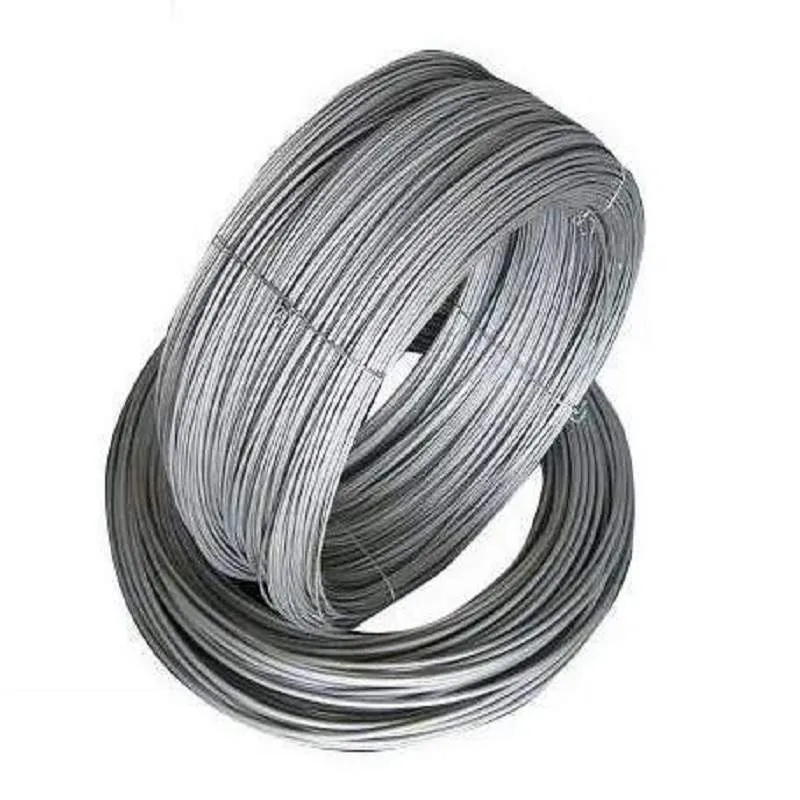
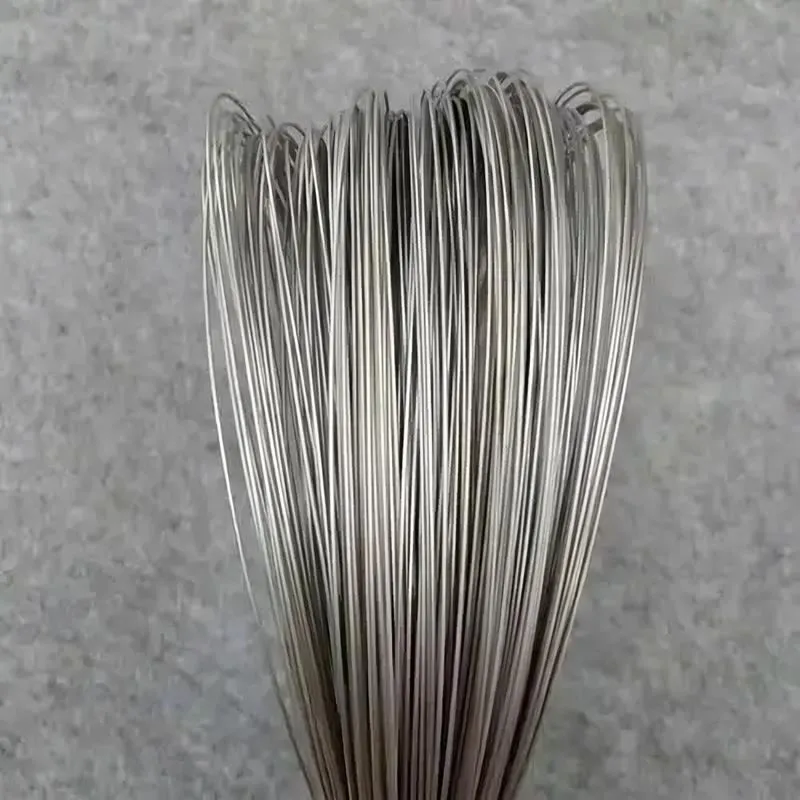
Iron Wire MIL-I-24137 Class C
Product Code : STI-IFe-055-CU
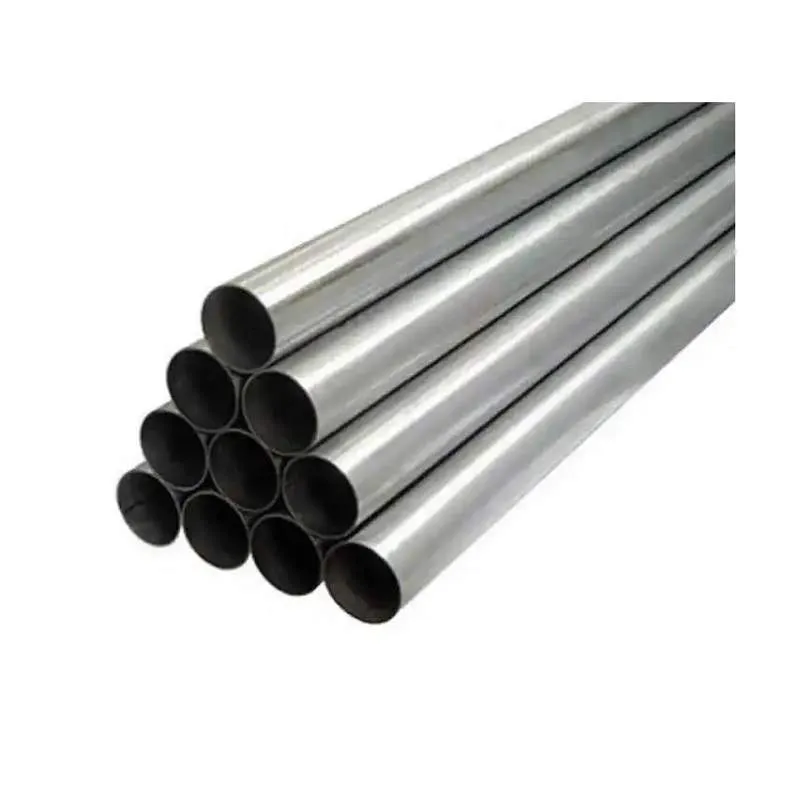
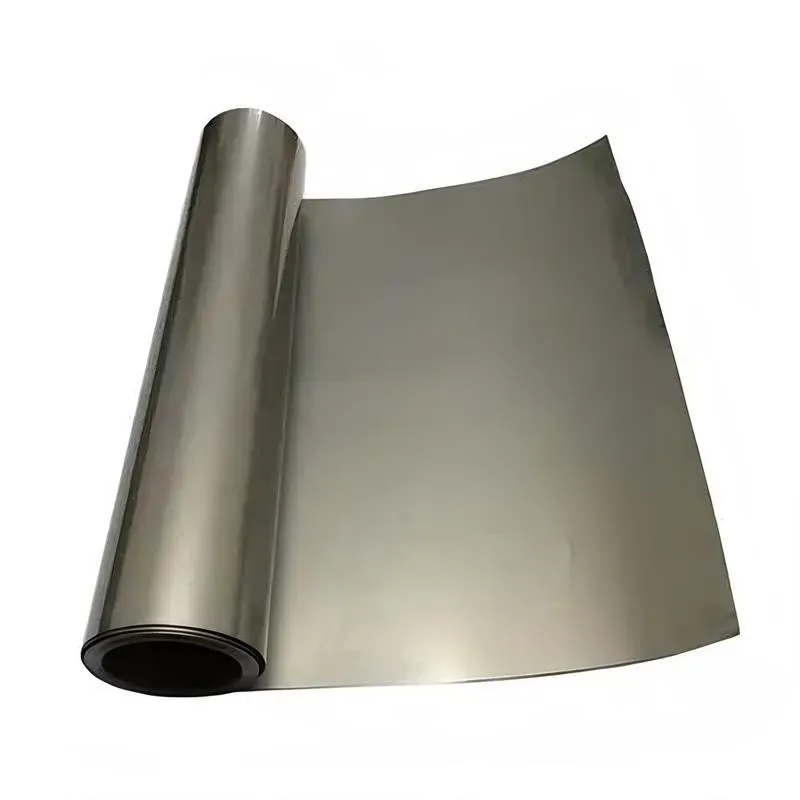
We provide Ductile Iron Wire MIL-I-24137 Class C is available in Bar (Round bar, Flat bar), Ribbon, Wire, Rods, Tube,Seamless Tube,Pipe, Ingots, Plate, Sheet, Strip and Forging Stock.,Purity, chemical composition, size, etc. can all be customized to meet specific requirements.
Please contact us if you need customized services. We will contact you with the price and availability in 24 hours.
Ductile Iron Wire MIL-I-24137 Class C Product Information
-:-
For detailed product information, please contact sales.
-:
Ductile Iron Wire MIL-I-24137 Class C Synonyms
-:-
For detailed product information, please contact sales.
-:
Ductile Iron MIL-I-24137 Class C Product Information
-:-
For detailed product information, please contact sales.
-:
### **Product Technical Data Sheet: Ductile Iron – MIL-I-24137 Class C (High-Hardness, Pearlitic Grade)**
---
#### **1. Product Overview**
**MIL-I-24137 Class C** is a **high-hardness, predominantly pearlitic ductile iron** specification established by the United States Military for defense applications requiring exceptional **wear resistance, high strength, and good fatigue performance**. As with other classes in this standard, it is **inactive/superseded** for new design but remains vital for the **sustainment and exact replacement of components in legacy military systems**. Class C provides the **highest strength and hardness within the MIL-I-24137 series**, sacrificing some ductility and impact toughness for superior surface durability and load-bearing capacity. It is typically produced in the **normalized, quenched & tempered, or alloyed as-cast condition** to achieve a pearlitic or tempered martensitic matrix, analogous to commercial grades like ASTM A536 80-60-03 or 100-70-03.
---
#### **2. Governing Standards & Specifications**
This high-performance grade was defined by a rigorous military specification focused on results, with specific processing often dictated by the foundry to meet the property targets.
* **Primary Standard: MIL-I-24137 (INACTIVE/SUPERSEDED)** - *Iron Castings, Ductile*. The active successor is **MIL-DTL-24137**.
* **Cross-Equivalencies & References:**
* **ASTM A536:** **Grade 80-60-03** (closest common equivalent) or **Grade 100-70-03** (with more aggressive heat treatment).
* **SAE J434c:** **Grade D5506** or **D7003**.
* **AMS 5314C:** Aerospace Material Specification for "Ductile Iron Castings, Pearlitic" may be a functional successor.
* **Key Testing Standards (as invoked):**
* **Tensile Test:** ASTM E8
* **Hardness:** ASTM E10 (Brinell) – **A primary control property for this class.**
* **Impact Test:** ASTM E23 (Charpy) – Required, but with lower minimums than Classes A & B.
* **Microstructure:** ASTM A247
* **Quality Assurance:** Governed by **MIL-STD-453**. Required **lot testing and stringent inspection**.
---
#### **3. Chemical Composition Requirements**
Chemistry for Class C allows for significant alloying to achieve hardenability and high strength.
| Element | MIL-I-24137 Class C Requirement / Typical Practice (%) | Functional Rationale |
| :--- | :--- | :--- |
| **Carbon (C)** | 3.30 - 3.70 | Slightly lower than softer grades to strengthen the metallic matrix. |
| **Silicon (Si)** | 1.80 - 2.40 | Controlled to limit ferrite formation, allowing a pearlitic/martensitic matrix. |
| **Manganese (Mn)** | **0.60 - 1.00** | **High.** Primary alloy for hardenability and pearlite stabilization, essential for through-section strength. |
| **Phosphorus (P)** | **≤ 0.05** | Kept low. |
| **Sulfur (S)** | **≤ 0.02** | Kept very low. |
| **Magnesium (Mg)** | Residual | For nodulization. |
| **Copper (Cu)** | **0.50 - 1.00** (Typical) | **Intentionally added.** Strong, uniform pearlite promoter; increases strength and hardness. |
| **Molybdenum (Mo)** | **0.20 - 0.40** (As agreed) | **Often specified.** Critical for hardenability in heavy sections to prevent ferrite formation. |
| **Nickel (Ni)** | 0 - 1.50 (As agreed) | May be used with Mo to improve hardenability and toughness. |
| **Chromium (Cr)** | ≤ 0.10 (Max) | Strictly limited unless specified for special wear resistance (with approval). |
---
#### **4. Physical & Mechanical Properties**
Class C is defined by its high strength and hardness, with guaranteed but reduced toughness.
| Property | MIL-I-24137 Class C Requirement | Notes & Significance |
| :--- | :--- | :--- |
| **Tensile Strength, min.** | **621 MPa (90,000 psi)** | **Very high strength**, suitable for heavily loaded components. |
| **Yield Strength (0.2% offset), min.** | **414 MPa (60,000 psi)** | High resistance to plastic deformation. |
| **Elongation, min.** | **3%** (in 2 inches) | Minimal ductility; components are designed to operate within elastic limits. |
| **Hardness (Brinell)** | **241 - 302 HBW** | **Primary defining characteristic.** This high hardness provides excellent resistance to abrasion, galling, and contact stress. |
| **Impact Resistance (Charpy V-Notch)** | **≥ 7 J (5 ft-lbf) @ 21°C (70°F)** | **Toughness is reduced** but still specified and tested, ensuring some fracture resistance despite high hardness. |
| **Fatigue Strength** | High (Not specified, but inherent) | The fine pearlitic or tempered martensitic matrix provides very good fatigue resistance. |
| **Modulus of Elasticity** | ~165 - 172 GPa | Consistent. |
| **Typical Microstructure** | **Spheroidal Graphite** in a matrix of **>90% fine pearlite** or **tempered martensite**. Ferrite is minimal. | The hard matrix is responsible for the strength and wear properties. |
---
#### **5. Product Applications**
Class C was specified for military components subject to severe wear, high contact stresses, and heavy loads where deformation must be minimized.
* **Tracked Vehicle Running Gear:** **Track shoes, road wheels, drive sprockets, and idler wheels** for tanks and armored personnel carriers.
* **Weapon System Components:** **Gear trains for turret traverse and elevation mechanisms, recoil system components, and cradle bearings.**
* **Naval Deck Machinery:** **Components for winches, windlasses, capstans, and cable sheaves** subject to abrasive wear and high loads.
* **Aircraft Landing Gear (Heavy):** **Taxiing blocks, bogie pivots, and high-stress fittings** on cargo and bomber aircraft.
* **High-Pressure Hydraulics:** **Pump housings, valve bodies, and actuator cylinders** for systems requiring pressure integrity and resistance to wear from moving seals.
---
#### **6. Fabrication & Quality Assurance Notes**
* **Heat Treatment Condition:** **Almost always heat-treated.** Common processes include **Normalizing** (for pearlite) or **Quenching & Tempering (QT)** (for tempered martensite). "As-cast" is possible only with high alloy content.
* **Machinability:** **Difficult.** The high hardness requires carbide tooling, lower speeds/feeds, and ample cooling. Machining is often performed in an annealed state prior to final hardening when possible.
* **Weldability:** **Very Poor / Not Recommended.** The high alloy content and required microstructure are severely compromised by welding. Repair is highly specialized and often not permitted.
* **Military Quality Requirements:**
* **Certification:** **C of C** and **MTRs** are mandatory, with chemistry and mechanical properties from separately cast test bars.
* **Testing:** **Tensile, hardness, and Charpy impact tests are required per lot.** Hardness is a critical acceptance criterion.
* **Inspection:** Subject to **GSI**. **Non-Destructive Testing (NDT)** is almost always required, including **magnetic particle inspection (MPI)** for surface cracks and often **radiographic inspection** for critical internal soundness.
---
#### **7. Ordering & Procurement Information**
**Specify:** **"Ductile Iron Castings, MIL-I-24137 Class C, Heat Treated [Normalized or Quenched & Tempered]."**
**Critical Information to Include:**
* **Reference the exact specification revision** invoked for the contract.
* **Part Drawing & Application.**
* **Required Heat Treatment:** Should be stated if known (e.g., "QT to 269-285 HBW").
* **Required Certifications:** C of C and complete test reports (chemistry, tensile, hardness, impact).
* **Inspection & NDT Requirements:** Specify all required NDT methods and acceptance criteria.
* **Marking:** Requirement for material class, foundry ID, heat number, and possibly heat treat lot.
**Disclaimer:** **MIL-I-24137 Class C is an inactive specification.** Its contemporary use is exclusively for **legacy system MRO and exact replacement**. For new designs requiring similar properties, engineers should specify **ASTM A536 high-grade ductile iron with defined heat treatment** or relevant **AMS specifications**, which offer modern, controlled alternatives with full supply chain support.
-:-
For detailed product information, please contact sales.
-:
Ductile Iron MIL-I-24137 Class C Specification
Dimensions
Size:
Diameter 20-1000 mm Length <6530 mm
Size:We can customized as required
Standard:
Per your request or drawing
We can customized as required
Properties(Theoretical)
Chemical Composition
-:-
For detailed product information, please contact sales.
-:
Ductile Iron MIL-I-24137 Class C Properties
-:-
For detailed product information, please contact sales.
-:
Applications of Ductile Iron Wire MIL-I-24137 Class C
-:-
For detailed product information, please contact sales.
-:
Chemical Identifiers Ductile Iron Wire MIL-I-24137 Class C
-:-
For detailed product information, please contact sales.
-:
Packing of Ductile Iron Wire MIL-I-24137 Class C
-:-
For detailed product information, please contact sales.
-:
Standard Packing:
-:-
For detailed product information, please contact sales.
-:
Typical bulk packaging includes palletized plastic 5 gallon/25 kg. pails, fiber and Steel Wire drums to 1 ton super sacks in full container (FCL) or truck load (T/L) quantities. Research and sample quantities and hygroscopic, oxidizing or other air sensitive materials may be packaged under argon or vacuum. Solutions are packaged in polypropylene, plastic or glass jars up to palletized 3001 gallon liquid totes Special package is available on request. E FORUs’ is carefully handled to minimize damage during storage and transportation and to preserve the quality of our products in their original condition