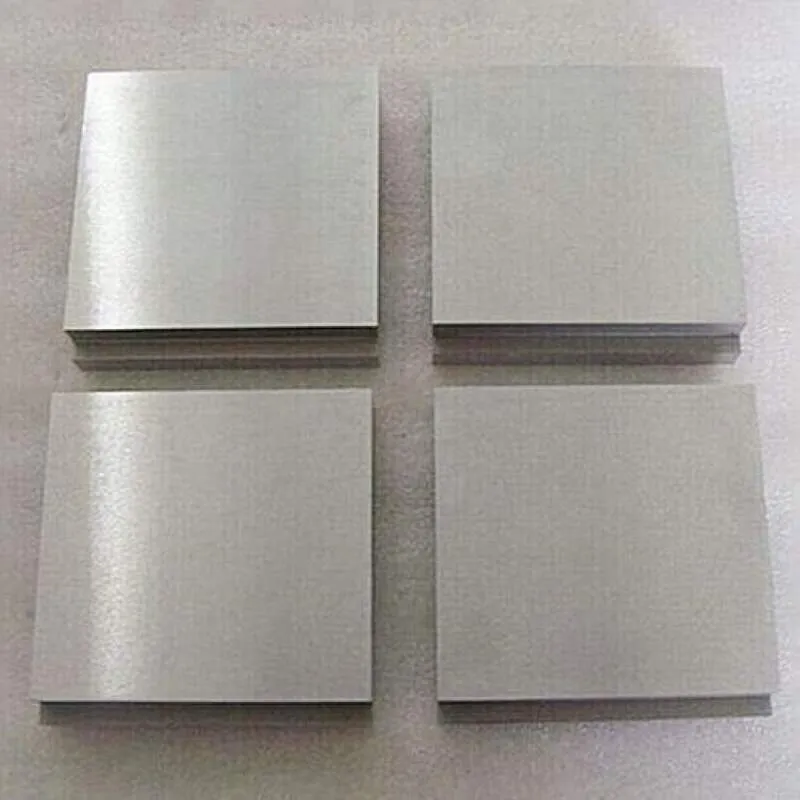
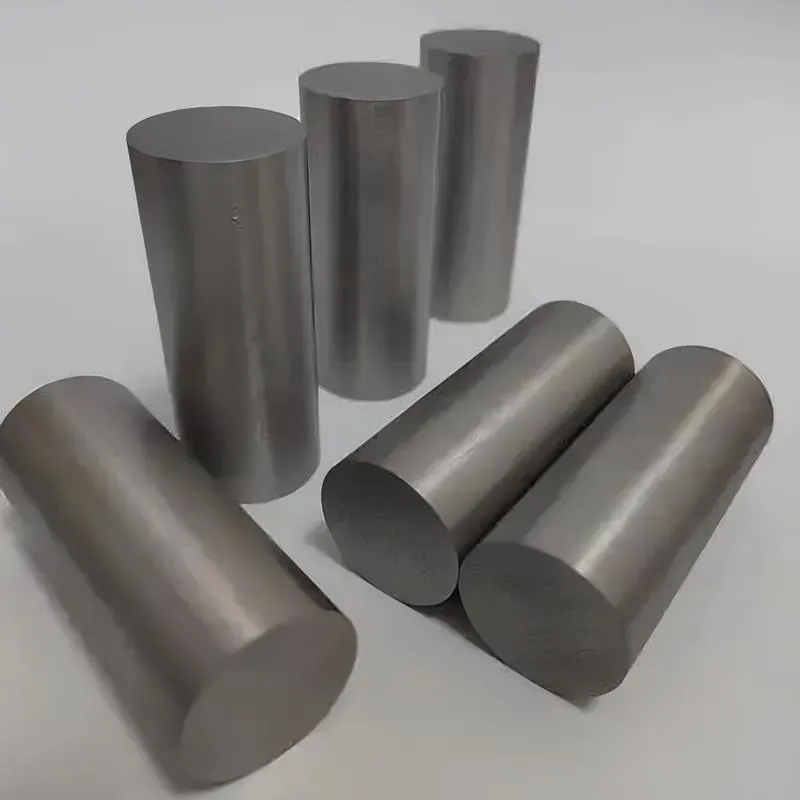
JIS SK2 Water Hardening Tool Steel Sheet,Plate
Product Code : STI-GSTI-130-CU
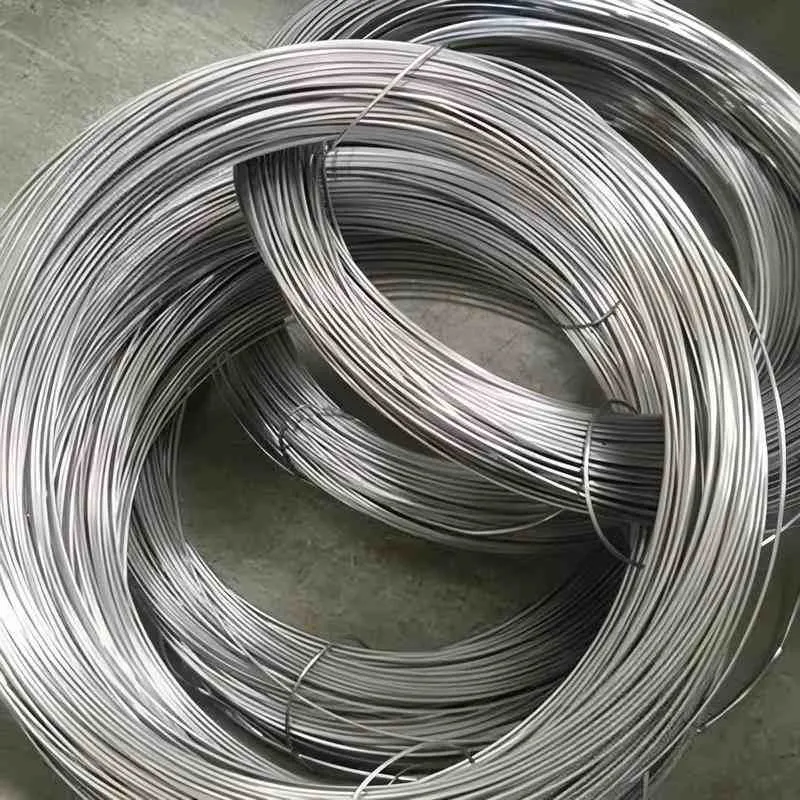
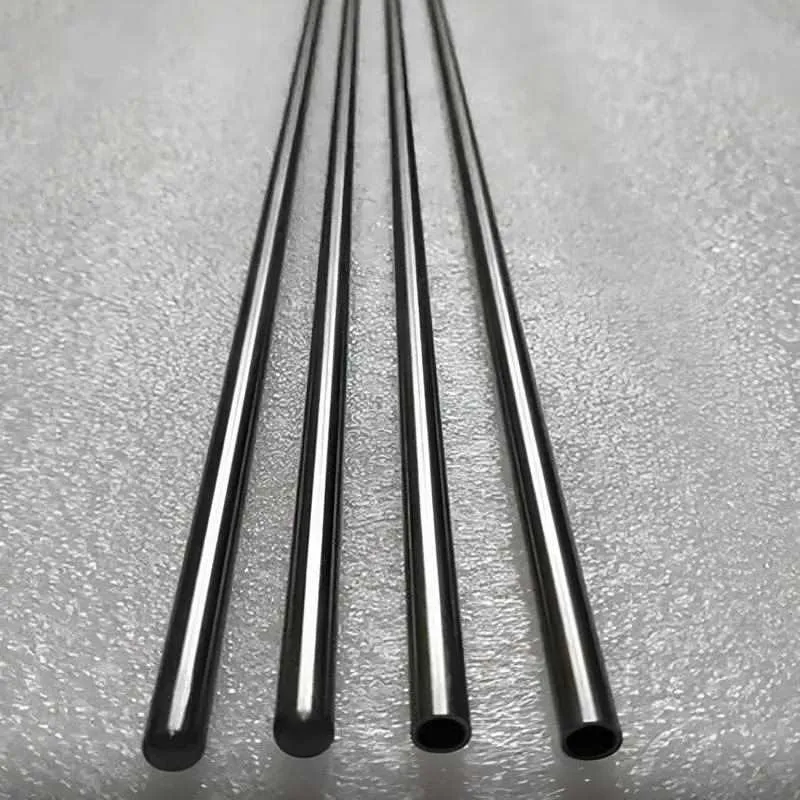
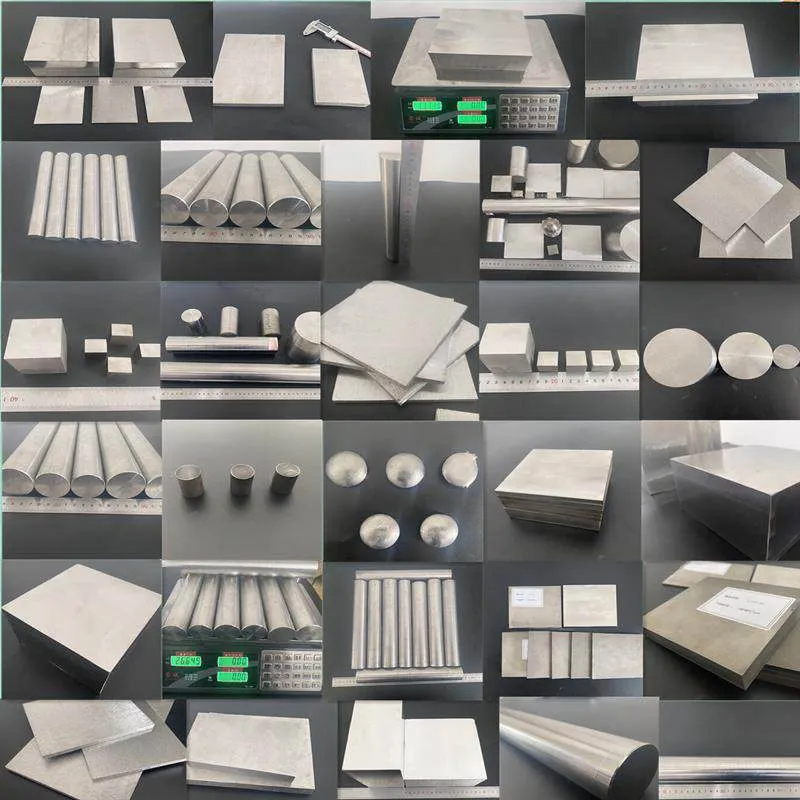
We provide JIS SK2 Water Hardening Tool Steel Sheet/Plate is available in Bar (Round bar, Flat bar), Ribbon, Wire, Rods, Tube,Seamless Tube,Pipe, Ingots, Plate, Sheet/Plate, Strip and Forging Stock.,Purity, chemical composition, size, etc. can all be customized to meet specific requirements.
Please contact us if you need customized services. We will contact you with the price and availability in 24 hours.
JIS SK2 Water Hardening Tool Steel Sheet/Plate Product Information
-:-
For detailed product information, please contact sales.
-:
JIS SK2 Water Hardening Tool Steel Sheet/Plate Synonyms
-:-
For detailed product information, please contact sales.
-:
JIS SK2 Water Hardening Tool Steel Product Information
-:-
For detailed product information, please contact sales.
-:
# **Product Introduction: JIS SK2 Water Hardening Tool Steel**
## **Overview**
**JIS SK2** is a **high-carbon, non-alloyed water-hardening tool steel** within the Japanese Industrial Standards (JIS) carbon tool steel series (SK). Positioned just below SK1 in carbon content, SK2 is designed to deliver **very high hardness and good wear resistance** while offering slightly better toughness and manufacturability than the highest-carbon SK1. It is a classic **plain carbon tool steel** used for a wide range of cutting, shearing, and forming tools where extreme edge hardness is required, but where the severe brittleness of SK1 must be mitigated. As with all water-hardening grades, it requires careful and severe quenching, resulting in shallow hardenability and high risk of distortion.
## **1. Chemical Composition (JIS G 4401 Standard)**
SK2 has a simpler, lower-carbon composition than SK1.
| Element | Content (%) | Primary Function |
|---------|------------|------------------|
| **Carbon (C)** | **1.10 - 1.30** | **Primary element.** High carbon ensures high attainable hardness (up to ~66-67 HRC) and provides good wear resistance through cementite formation. |
| **Silicon (Si)** | ≤ 0.35 | Deoxidizer. |
| **Manganese (Mn)** | ≤ 0.50 | Provides slight hardenability improvement. |
| **Phosphorus (P)** | ≤ 0.03 | Impurity, kept low. |
| **Sulfur (S)** | ≤ 0.03 | Impurity, kept low. |
| **Chromium (Cr)** | ≤ 0.30 | Residual, not an intentional alloy. |
| **Nickel (Ni)** | ≤ 0.25 | Residual. |
| **Copper (Cu)** | ≤ 0.25 | Residual. |
| **Iron (Fe)** | Balance | Base metal. |
**Key Chemistry Note:** SK2 is a **hypereutectoid plain carbon steel**. Its **carbon content (1.1-1.3%)** is slightly lower than SK1, which provides a critical balance: it still allows for **very high hardness** while reducing the volume of brittle primary cementite networks. This results in **moderately better toughness and slightly lower quench cracking sensitivity** compared to SK1, while retaining excellent wear resistance. The absence of grain-refining elements like vanadium means austenitizing temperature control is crucial to prevent excessive grain growth.
## **2. Physical & Mechanical Properties**
*Typical properties in the hardened and tempered condition.*
| Property | Typical Value / Condition |
|----------|--------------------------|
| **Density** | ~7.85 g/cm³ |
| **Melting Point** | ~1480°C (2695°F) |
| **Thermal Conductivity** | ~48 W/m·K |
| **Coefficient of Thermal Expansion** | ~12.4 × 10⁻⁶/K (20-100°C) |
| **Modulus of Elasticity** | 205-210 GPa |
| **Annealed Hardness** | 192-223 HB |
| **As-Quenched Hardness (Water)** | **Up to 65-67 HRC**. |
| **Hardened & Tempered Hardness** | **60-64 HRC** (Common working range for tools). |
| **Tensile Strength** | High (1900-2100 MPa) but with low ductility. |
| **Impact Toughness** | **Low.** Still brittle, but marginally better than SK1. |
| **Wear Resistance** | **Very Good.** Excellent for a carbon steel due to high hardness and cementite content. |
| **Hardenability** | **Very Shallow.** Effective hardening depth typically **< 5 mm (0.2 in)**. |
| **Hot Hardness** | **Very Poor.** Begins to soften significantly above **~200-250°C (390-480°F)**. |
| **Machinability (Annealed)** | Fair. More machinable than SK1 due to lower carbon. |
| **Grindability** | Good. |
## **3. International Standards & Cross-References**
| Standard | Designation | Notes |
|----------|------------|-------|
| **JIS** | **SK2** (JIS G 4401) | |
| **AISI (USA)** | **~W1-11, W1-12** (AISI W1 with 1.1-1.2% C) | Closest direct equivalent. |
| **ISO (International)** | **~C120U** (ISO 4957) | |
| **DIN (Germany)** | **~C125W** (1.1750) | |
| **BS (UK)** | **~BW1B** (High-carbon variant) | |
| **GB (China)** | **T12** (Carbon tool steel, similar carbon range) | A common equivalent. |
| **Common Name** | **1.2% Carbon Tool Steel** | |
## **4. Product Applications**
SK2 is used for a variety of tools requiring a hard, wear-resistant edge where some improvement in toughness over SK1 is beneficial.
**Primary Applications:**
* **Cutting Tools:** **Hand saw blades, band saw blades, shears, knives** for metal and wood.
* **Woodworking Tools:** **Chisels, plane blades, carving tools, auger bits.**
* **Metal-Forming Tools:** **Blankng and piercing punches, dies** for thin sheet metal.
* **Measuring & Precision Tools:** **Calipers, gauges, straight edges.**
* **Files and Rasps** (though SK1 is more common for heavy-duty files).
* **Springs** for mechanical tools and instruments.
**Applications to Avoid:**
* Tools subject to heavy impact (cold chisels for thick metal, heavy punches).
* Complex shapes with sharp corners or holes.
* High-temperature or high-speed cutting applications.
* Tools requiring deep, uniform hardness in thick sections.
## **5. Heat Treatment Guidelines**
Heat treatment requires skill to balance hardness and avoid cracking.
* **Annealing:** Heat to **750-780°C (1380-1435°F)**, slow furnace cool for spheroidization.
* **Hardening:**
1. **Preheating:** Preheat to **700-750°C (1290-1380°F)**.
2. **Austenitizing:** Heat to **770-820°C (1420-1510°F).** A common target is **780-800°C (1435-1470°F)**. Soak for 10-20 min/inch.
3. **Quenching:** Quench **immediately in agitated water or brine.** For all but the simplest shapes, use an **interrupted quench**: quench to ~300-400°C then transfer to oil or air.
* **Tempering:**
* **Temper immediately** (within 30-60 min).
* For cutting tools: Temper at **150-200°C (300-390°F)** for 1-2 hours to achieve 62-64 HRC.
* For better toughness: Temper at **250-350°C (480-660°F)**, but note this range risks tempered martensite embrittlement; rapid cooling from temper is advised.
* **Double tempering** is recommended.
## **6. Key Advantages & Limitations**
**Advantages:**
* **High achievable hardness** (65+ HRC).
* **Good wear resistance** for its low cost.
* **Better toughness and manufacturability than SK1** due to lower carbon.
* **Simple to re-sharpen and re-harden.**
**Severe Limitations (Inherent to Water-Hardening):**
* **Low Toughness:** Brittle compared to alloy tool steels.
* **Very Shallow Hardenability:** Cannot through-harden even moderate sections.
* **High Distortion & Cracking Risk:** Water quenching induces severe stresses.
* **Poor Thermal Stability:** Softens at low temperatures.
* **Decarburization Susceptibility:** Loses carbon from surface easily during heat treatment.
**Modern Perspective:** While still used for traditional tools, SK2 has been largely superseded for industrial applications by **oil-hardening (JIS SKS, AISI O1) and air-hardening (JIS SKD, AISI A2) steels**. These grades offer:
* **Deeper, more uniform hardening.**
* **Far less distortion and almost no quench cracking.**
* **Better toughness at equivalent hardness.**
* **Superior dimensional stability and reliability.**
**Conclusion:** JIS SK2 is a **competent, traditional high-carbon tool steel** that fills a specific niche where maximum hardness and low cost are prioritized, and the severe limitations of water quenching are accepted. For most modern tooling, however, moving to an oil- or air-hardening grade is a **dramatic improvement in performance, reliability, and manufacturability**, making SK2 primarily a choice for specific legacy applications or cost-sensitive, simple tools.
---
**Disclaimer:** Heat treating JIS SK2 carries a **significant risk of cracking and distortion**. It is not suitable for precision tools or complex geometries without expert handling. This steel should not be used in applications involving impact, heat, or where dimensional tolerances are tight. For new designs, **oil-hardening steels like SKS3 (JIS) / O1 (AISI) are strongly recommended.** The information provided is for traditional reference; successful application requires extensive heat treatment experience.
-:-
For detailed product information, please contact sales.
-:
JIS SK2 Water Hardening Tool Steel Specification
Dimensions
Size:
Diameter 20-1000 mm Length <6786 mm
Size:We can customized as required
Standard:
Per your request or drawing
We can customized as required
Properties(Theoretical)
Chemical Composition
-:-
For detailed product information, please contact sales.
-:
JIS SK2 Water Hardening Tool Steel Properties
-:-
For detailed product information, please contact sales.
-:
Applications of JIS SK2 Water Hardening Tool Steel Sheet,Plate
-:-
For detailed product information, please contact sales.
-:
Chemical Identifiers JIS SK2 Water Hardening Tool Steel Sheet,Plate
-:-
For detailed product information, please contact sales.
-:
Packing of JIS SK2 Water Hardening Tool Steel Sheet/Plate
-:-
For detailed product information, please contact sales.
-:
Standard Packing:
-:-
For detailed product information, please contact sales.
-:
Typical bulk packaging includes palletized plastic 5 gallon/25 kg. pails, fiber and Steel Sheet/Plate drums to 1 ton super sacks in full container (FCL) or truck load (T/L) quantities. Research and sample quantities and hygroscopic, oxidizing or other air sensitive materials may be packaged under argon or vacuum. Solutions are packaged in polypropylene, plastic or glass jars up to palletized 3257 gallon liquid totes Special package is available on request. E FORUs’ is carefully handled to minimize damage during storage and transportation and to preserve the quality of our products in their original condition