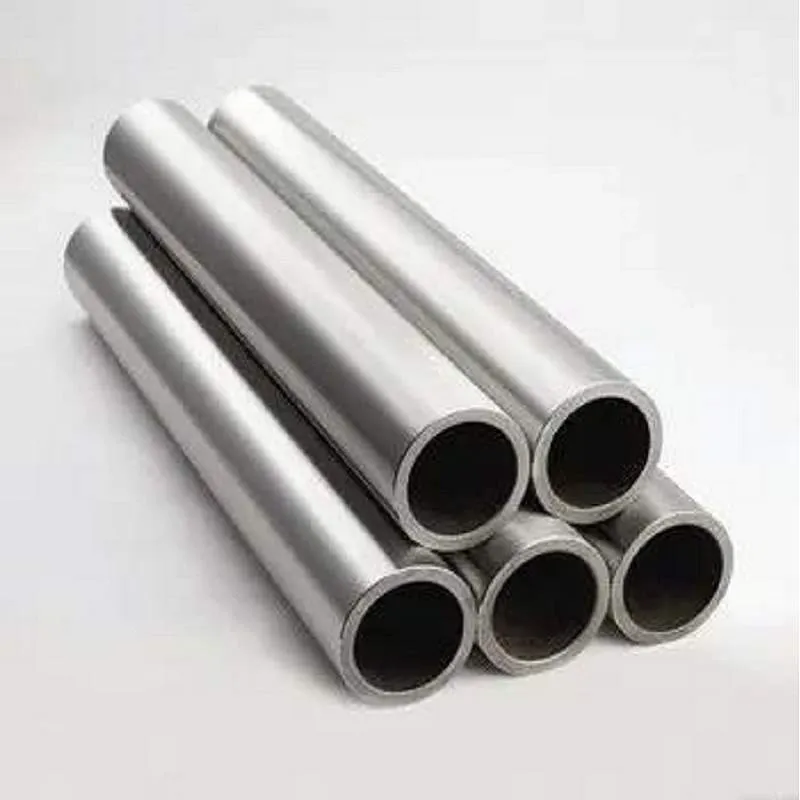
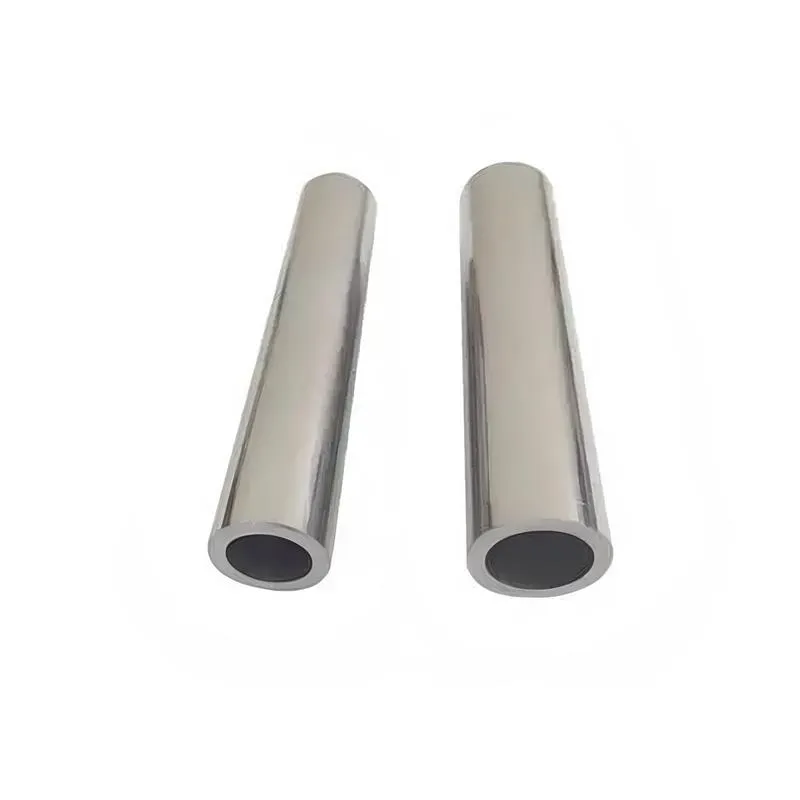
JIS SK2M Water-Hardening Tool Steel
Product Code : STI-GSTI-131-CU
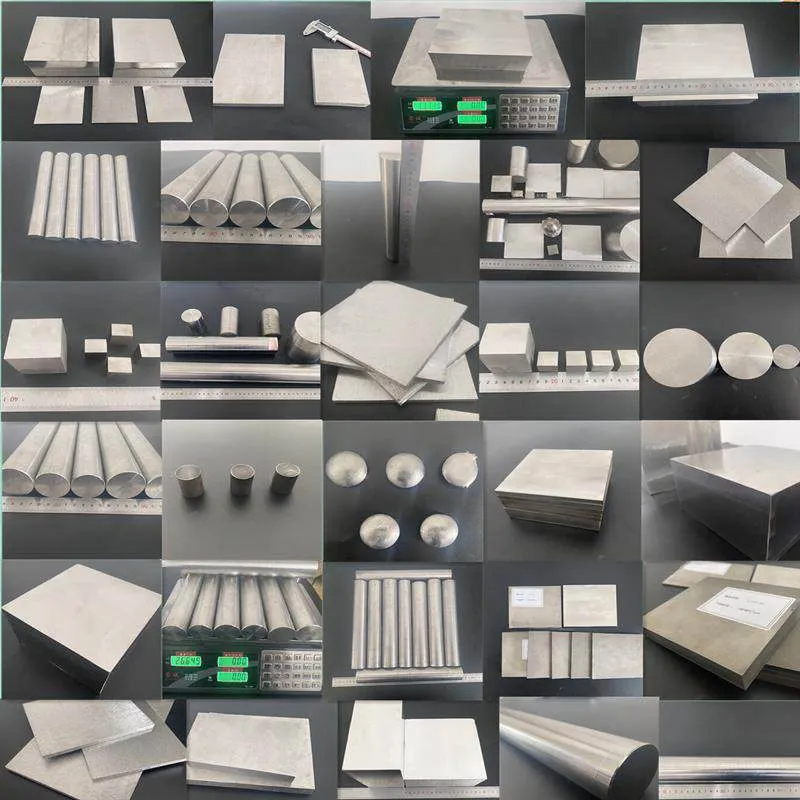
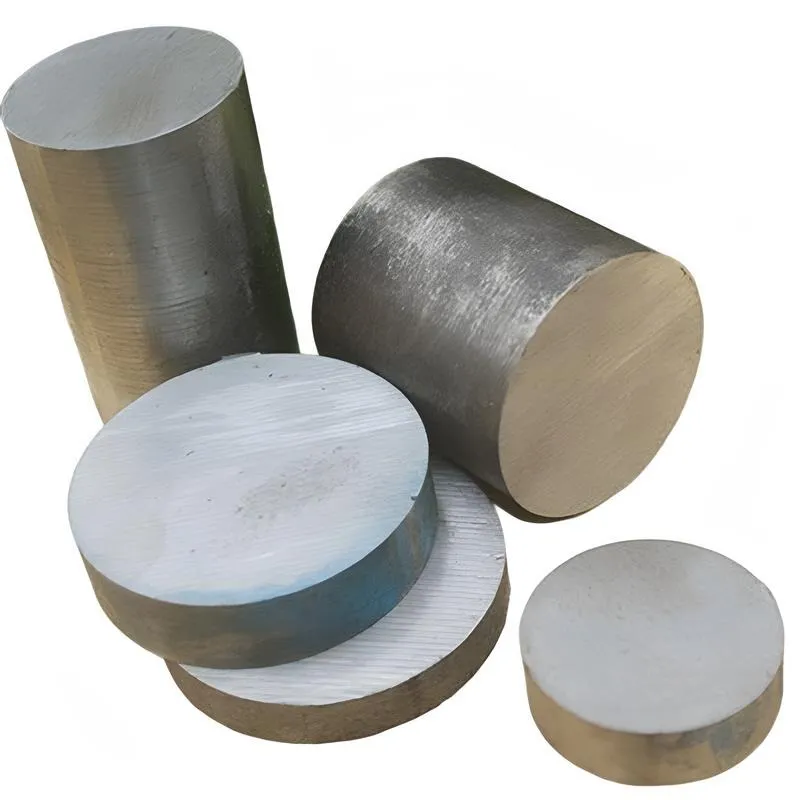
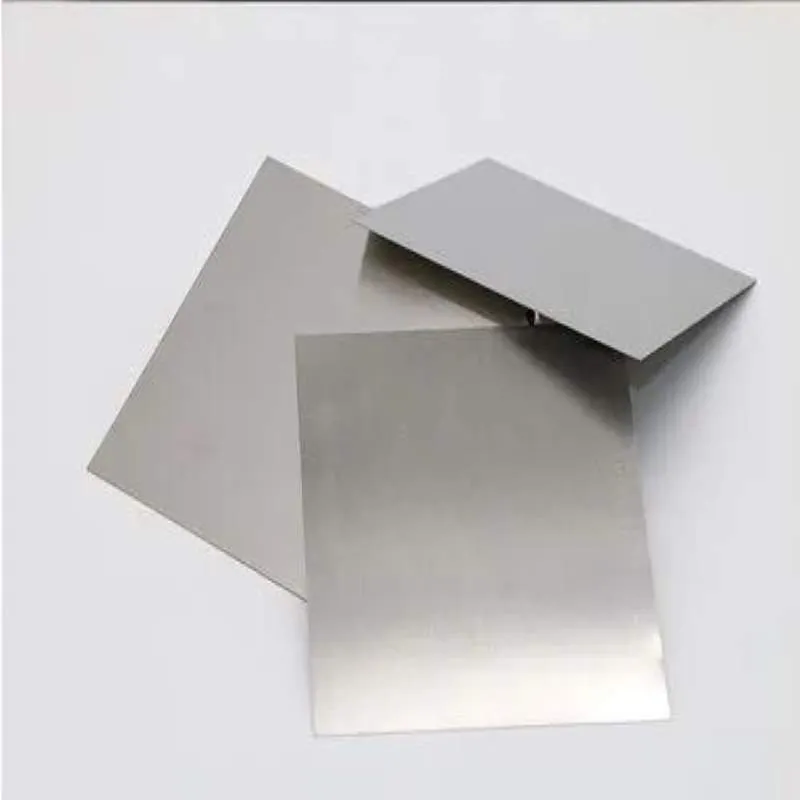
We provide JIS SK2M Water-Hardening Tool Steel is available in Bar (Round bar, Flat bar), Ribbon, Wire, Rods, Tube,Seamless Tube,Pipe, Ingots, Plate, Sheet, Strip and Forging Stock.,Purity, chemical composition, size, etc. can all be customized to meet specific requirements.
Please contact us if you need customized services. We will contact you with the price and availability in 24 hours.
JIS SK2M Water-Hardening Tool Steel Product Information
-:-
For detailed product information, please contact sales.
-:
JIS SK2M Water-Hardening Tool Steel Synonyms
-:-
For detailed product information, please contact sales.
-:
JIS SK2M Water-Hardening Tool Steel Product Information
-:-
For detailed product information, please contact sales.
-:
# **Product Introduction: JIS SK2M Free-Machining Water-Hardening Tool Steel**
## **Overview**
**JIS SK2M** is a **free-machining, high-carbon, water-hardening tool steel** defined within the Japanese Industrial Standards (JIS) as a variant of the standard SK2 grade. The **"M" suffix designates a free-machining variant**, meaning it contains intentionally added sulfur (and sometimes selenium or lead) to dramatically improve machinability in the annealed state. While retaining the basic high-carbon composition and water-hardening characteristics of SK2, SK2M is specifically engineered for **high-volume production of complex tools** where machining time, tool life, and surface finish in the soft state are critical. This comes at the cost of reduced mechanical properties, particularly toughness and weldability, in the hardened state.
## **1. Chemical Composition (JIS G 4404 - Free-Cutting Tool Steels)**
SK2M modifies the base SK2 chemistry with sulfur for machinability.
| Element | Content (%) | Primary Function |
|---------|------------|------------------|
| **Carbon (C)** | **1.10 - 1.30** | Provides high hardness and wear resistance upon hardening. |
| **Sulfur (S)** | **0.08 - 0.15 (Min)** | **Key differentiator.** Forms manganese sulfide (MnS) inclusions which act as chip breakers and lubricants during machining, drastically improving machinability. |
| **Manganese (Mn)** | **0.60 - 1.00** | **Elevated.** Increased to safely combine with the high sulfur, forming MnS inclusions and preventing brittle iron sulfide (FeS) formation at grain boundaries. |
| **Silicon (Si)** | ≤ 0.35 | Deoxidizer. |
| **Phosphorus (P)** | ≤ 0.03 | Impurity. |
| **Chromium (Cr)** | ≤ 0.30 | Residual. |
| **Nickel (Ni)** | ≤ 0.25 | Residual. |
| **Copper (Cu)** | ≤ 0.25 | Residual. |
| **Iron (Fe)** | Balance | Base metal. |
**Key Chemistry Note:** The **high sulfur content (≥0.08%)** is the defining feature of SK2M. The manganese is proportionally increased to ensure all sulfur is tied up as benign **globular MnS inclusions**. These inclusions:
* **Promote chip breaking**, reducing long, stringy chips.
* **Provide internal lubrication** at the tool-chip interface.
* **Result in superior surface finish** and allow higher machining speeds/feeds.
However, these same inclusions **reduce transverse ductility and impact toughness**, make the steel **non-weldable**, and can act as stress concentrators.
## **2. Physical & Mechanical Properties**
*Properties after hardening and tempering are similar to SK2 but with anisotropy due to inclusions.*
| Property | Typical Value / Condition |
|----------|--------------------------|
| **Annealed Hardness** | 192-223 HB (Excellent machinability). |
| **Hardened & Tempered Hardness** | **60-64 HRC** (Achievable, but toughness is lower than SK2). |
| **Machinability (Annealed)** | **Excellent.** Rated 80-100% of 1212 free-machining steel, vastly superior to standard SK2. |
| **Impact Toughness** | **Low, and anisotropic.** Significantly lower in the transverse direction than longitudinal due to stringered MnS inclusions. Unsuitable for shock loads. |
| **Wear Resistance** | **Good.** Similar to SK2 when hardened. |
| **Hardenability** | **Very Shallow.** Identical to SK2. |
| **Hot Hardness** | **Very Poor.** |
| **Weldability** | **Very Poor.** High sulfur causes hot cracking; not recommended for welding. |
| **Grindability** | Good. |
## **3. International Standards & Cross-References**
| Standard | Designation | Notes |
|----------|------------|-------|
| **JIS** | **SK2M** (JIS G 4404) | Free-cutting tool steel standard. |
| **AISI (USA)** | No direct equivalent. Closest is a **sulfurized version of W1** (e.g., W1-F). | "F" denotes resulfurized free-machining grade in AISI system. |
| **ISO (International)** | No direct equivalent. | |
| **DIN (Germany)** | No direct equivalent. | |
| **Common Name** | **Free-Machining 1.2% Carbon Tool Steel, Sulfurized SK2** | |
## **4. Product Applications**
SK2M is used for **high-volume production of tools with complex shapes** that are difficult or expensive to machine from standard SK2, and where the final tool will be used in **stable, non-impact applications**.
**Primary Applications:**
* **Complex Cutting Tools:** **Taps, dies, reamers, and form cutters** produced in large quantities where machining costs dominate.
* **Intricate Forming Tools:** **Punches and dies** with complex profiles for stamping or molding.
* **Precision Gauges and Fixtures** requiring extensive machining.
* **Screws and Fasteners** requiring high hardness (for specialized applications).
* **Parts requiring extensive drilling or threading** prior to hardening.
**Applications to Avoid:**
* **Any tool subject to impact, bending, or shock loading** (low toughness).
* **Tools requiring welding or repair.**
* **Tools for high-temperature service.**
* **Applications where directional properties are critical** (anisotropy).
## **5. Heat Treatment Guidelines**
Heat treatment is similar to SK2 but requires extra caution due to sulfur content.
* **Annealing:** Supplied annealed. If necessary, anneal at 750-780°C, slow cool.
* **Hardening:**
* **Preheat thoroughly** to minimize thermal shock.
* **Austenitize at 770-820°C.** The sulfur does not change the hardening temperature significantly.
* **Quench in water or brine.** The risk of cracking is **even higher than with standard SK2** because the MnS inclusions can act as stress raisers. **Interrupted quenching is almost mandatory** for any non-simple shape.
* **Tempering:**
* **Temper immediately.**
* Use similar tempering temperatures as SK2 (150-350°C).
* **Double tempering** is highly recommended to relieve stress around inclusions.
## **6. Key Advantages & Critical Limitations**
**Advantages:**
* **Exceptional Machinability:** Drastically reduces production time and cost for complex tools.
* **Good Surface Finish** in as-machined condition.
* **Retains High Hardness** capability of SK2.
* **Ideal for high-volume, intricate tool production.**
**Critical Limitations:**
* **Severely Reduced Toughness:** Particularly in transverse direction. **Not for impact tools.**
* **High Quench Cracking Sensitivity:** More prone to cracking than SK2 due to inclusions.
* **Non-Weldable.**
* **Anisotropic Properties:** Mechanical properties vary with direction.
* **All limitations of water-hardening steels remain:** shallow hardenability, distortion, poor hot hardness.
**Modern Context & Alternatives:**
SK2M represents a **niche solution for a specific manufacturing problem**. For most modern applications, alternative strategies are preferred:
1. **Use a more machinable, oil-hardening steel:** **AISI O2** or **O6** offer much better machinability than standard O1 with safer quenching.
2. **Use powder metallurgy (PM) high-speed steels:** For complex shapes, PM steels can be machined in the soft state and offer vastly superior final properties.
3. **Electrical Discharge Machining (EDM):** Allows complex shapes to be machined into fully hardened, tougher tool steels (like A2 or D2), bypassing the machinability issue entirely.
**Conclusion:** JIS SK2M is a **specialized manufacturing-grade material**. Its use is justified **only when** all of the following are true: 1) The tool design is complex and expensive to machine, 2) The final tool will be used in a purely wear-based, non-impact application, 3) Traditional water-hardening is acceptable, and 4) Volume is high enough to realize the machining cost savings. For most tooling applications, the compromises in toughness and reliability are too great, making oil-hardening free-machining grades or modern machining processes a better choice.
---
**Disclaimer:** **JIS SK2M is a brittle material with high quench cracking sensitivity.** It should not be specified for any safety-critical or impact-resistant component. The improved machinability comes with significant sacrifices in mechanical integrity. Heat treatment, especially quenching, must be performed with extreme care. Always validate the tool's performance in the actual application, considering its anisotropic nature. For new designs, explore oil-hardening free-cutting steels or alternative manufacturing methods first.
-:-
For detailed product information, please contact sales.
-:
JIS SK2M Water-Hardening Tool Steel Specification
Dimensions
Size:
Diameter 20-1000 mm Length <6787 mm
Size:We can customized as required
Standard:
Per your request or drawing
We can customized as required
Properties(Theoretical)
Chemical Composition
-:-
For detailed product information, please contact sales.
-:
JIS SK2M Water-Hardening Tool Steel Properties
-:-
For detailed product information, please contact sales.
-:
Applications of JIS SK2M Water-Hardening Tool Steel
-:-
For detailed product information, please contact sales.
-:
Chemical Identifiers JIS SK2M Water-Hardening Tool Steel
-:-
For detailed product information, please contact sales.
-:
Packing of JIS SK2M Water-Hardening Tool Steel
-:-
For detailed product information, please contact sales.
-:
Standard Packing:
-:-
For detailed product information, please contact sales.
-:
Typical bulk packaging includes palletized plastic 5 gallon/25 kg. pails, fiber and steel drums to 1 ton super sacks in full container (FCL) or truck load (T/L) quantities. Research and sample quantities and hygroscopic, oxidizing or other air sensitive materials may be packaged under argon or vacuum. Solutions are packaged in polypropylene, plastic or glass jars up to palletized 3258 gallon liquid totes Special package is available on request. E FORUs’ is carefully handled to minimize damage during storage and transportation and to preserve the quality of our products in their original condition