JIS SK4M Water-Hardening Tool Steel
Product Code : STI-GSTI-135-CU
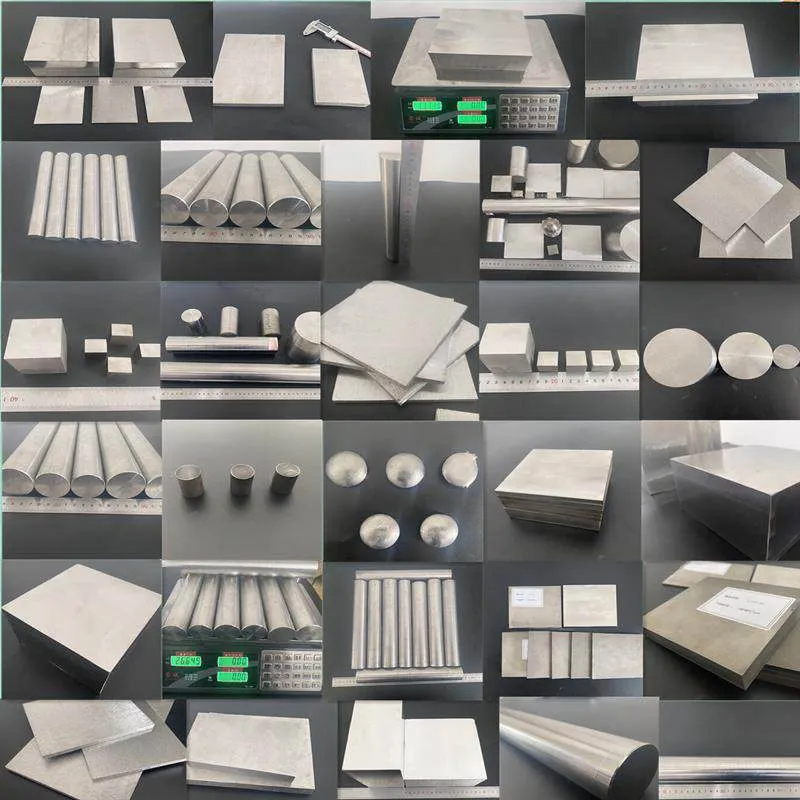
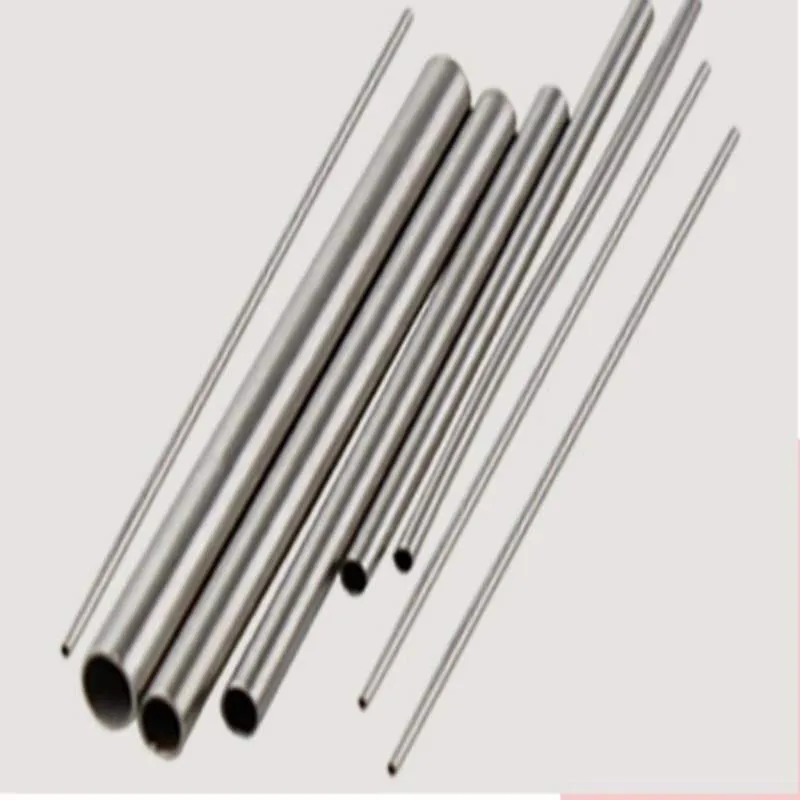
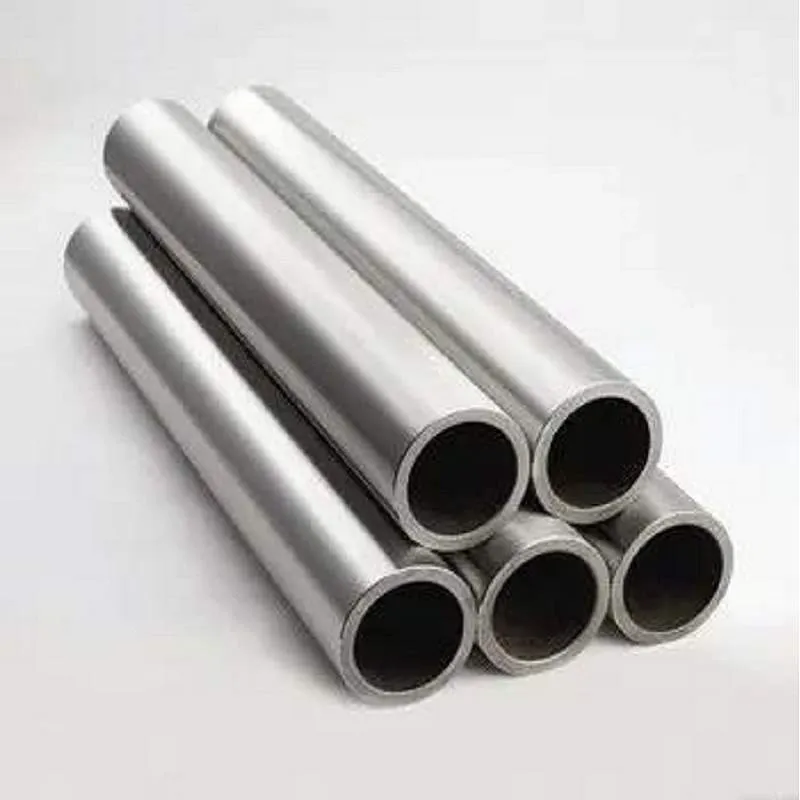
We provide JIS SK4M Water-Hardening Tool Steel is available in Bar (Round bar, Flat bar), Ribbon, Wire, Rods, Tube,Seamless Tube,Pipe, Ingots, Plate, Sheet, Strip and Forging Stock.,Purity, chemical composition, size, etc. can all be customized to meet specific requirements.
Please contact us if you need customized services. We will contact you with the price and availability in 24 hours.
JIS SK4M Water-Hardening Tool Steel Product Information
-:-
For detailed product information, please contact sales.
-:
JIS SK4M Water-Hardening Tool Steel Synonyms
-:-
For detailed product information, please contact sales.
-:
JIS SK4M Water-Hardening Tool Steel Product Information
-:-
For detailed product information, please contact sales.
-:
### **Product Technical Datasheet: JIS SK4M Water-Hardening Tool Steel**
---
#### **1. Product Overview**
**JIS SK4M** is a high-carbon **water-hardening tool steel** compliant with the Japanese Industrial Standard (JIS) G 4404. It is a **molybdenum-modified** variant of the standard SK4 grade, where the addition of molybdenum enhances **hardenability** and slightly improves **toughness** compared to conventional SK4 steel. SK4M maintains the fundamental characteristic of achieving very high surface hardness through water or brine quenching but offers better control over quenching severity and reduced risk of cracking in moderately thicker sections. It remains a cost-effective choice for tools requiring extreme hardness and wear resistance without the need for high-temperature performance.
---
#### **2. International Standard Cross-Reference**
SK4M is primarily defined under JIS, with functional equivalents in other major standards.
| Standard System | Equivalent / Similar Grade | Note |
| :--- | :--- | :--- |
| **JIS G 4404 (Japan)** | **SK4M** | Defining standard (Molybdenum-type) |
| **ASTM (USA)** | W2-1.0C (Mo variant) | Similar high-carbon water-hardening grade with Mo |
| **DIN (Germany)** | ~1.2002 (Modified) | Not a direct equivalent, but similar purpose |
| **BS (UK)** | **BW1B (Mo-modified)** | Water-hardening grade with Mo addition |
| **ISO** | ~TC105 (Modified) | Similar in application |
| **GB (China)** | **~T10Mo (T10A modified)** | High-carbon tool steel with Mo |
---
#### **3. Chemical Composition (Typical, weight % JIS G 4404)**
The key difference from SK4 lies in the intentional addition of Molybdenum.
| Element | Carbon (C) | Silicon (Si) | Manganese (Mn) | **Molybdenum (Mo)** | Phosphorus (P) | Sulfur (S) |
| :--- | :--- | :--- | :--- | :--- | :--- | :--- |
| **Content (%)** | 0.90 - 1.00 | 0.10 - 0.30 | 0.30 - 0.60 | **0.10 - 0.25** | ≤ 0.030 | ≤ 0.030 |
**Key Impact of Molybdenum (Mo):**
* Increases **hardenability**, allowing slightly deeper hardening than SK4.
* Promotes a finer grain structure during heat treatment, improving **toughness**.
* Enables the use of slightly less severe quenchants (e.g., warm water or brine) in some cases, reducing **distortion and cracking risk**.
---
#### **4. Physical & Mechanical Properties**
* **Density:** ~7.85 g/cm³
* **Thermal Conductivity:** Moderate.
* **Machinability (Annealed State):** Fair to Good. Similar to SK4; the Mo addition does not significantly affect machinability in the annealed state.
* **Hardenability:** **Low to Moderate (Improved over SK4).** The Mo addition allows for a marginally deeper hardened zone and more consistent through-hardening in medium sections.
* **Primary Quenching Medium:** **Water or Brine.** The presence of Mo provides a slightly wider safety margin during quenching.
* **Typical Achievable Hardness:**
* **Annealed State:** ~ 192 HB Max
* **Hardened & Tempered State:** **63 - 66 HRC** (Can achieve the same peak surface hardness as SK4).
---
#### **5. Heat Treatment Guidelines**
* **Forging:** Heat to 1050-850°C. Cool slowly (in ashes or furnace).
* **Annealing:** Heat to 750-780°C, slow furnace cool. Produces a spheroidized structure for optimal machinability.
* **Hardening:**
1. **Preheat:** 650-700°C (essential).
2. **Austenitizing Temperature:** **790-820°C.** Soak adequately.
3. **Quench:** Vigorous agitation in **water or brine.** The Mo addition may allow for quenching in mildly agitated warm water for certain geometries to minimize stress.
* **Tempering:** **Must be performed immediately** after quenching. Typical range: **150-200°C** for 1-2 hours to relieve internal stresses while retaining high hardness. Avoid tempering above 200°C for extended periods to prevent excessive softening.
---
#### **6. Product Applications**
SK4M is used for applications similar to SK4 but where slightly better control over heat treatment or marginally improved performance in thicker sections is desired.
* **Cutting & Shearing Tools:** **Blades for woodworking planes, heavy-duty chisels, shear blades** for metal, paper, and leather.
* **Stamping & Forming Tools:** **Punches, dies, and perforators** for mild steel, brass, and aluminum.
* **Measuring Tools:** **High-wear gauge parts, scribers, and precision rules.**
* **Agricultural & Garden Tools:** **High-wear components of mowers, heavy-duty pruner blades.**
* **Miscellaneous Tools:** **Springs, lathe center points, and knurling tools** requiring high surface hardness.
---
#### **7. Advantages & Limitations**
| Advantages | Limitations |
| :--- | :--- |
| • **Improved hardenability and toughness** over SK4 due to Mo addition.
• Capable of achieving **very high surface hardness (63-66 HRC).**
• **Cost-effective** compared to alloy tool steels.
• **Finer grain structure** for slightly better wear performance. | • **Still requires severe water quenching** with associated risks.
• **Poor deep-section hardenability** compared to oil-hardening or high-alloy steels.
• **Low red-hardness;** unsuitable for high-speed or hot-work applications.
• **Limited shock resistance** at full hardness. |
---
#### **8. Comparison with SK4 and Selection Guide**
* **vs. JIS SK4:** SK4M offers **better hardenability control and slightly improved toughness** due to the molybdenum addition. It is a **preferred upgrade** for applications where standard SK4 exhibits excessive brittleness or inconsistent hardening in critical sections.
* **Selection Advice:** Choose **SK4M over SK4** when manufacturing tools with moderate cross-sections or complex shapes where the risk of quenching cracks with plain SK4 is a concern. For very simple, thin-section tools, SK4 may be sufficient. For even better hardenability and much lower distortion, consider **oil-hardening steels like SKS93 or SKS31.**
**Conclusion:**
JIS SK4M represents an optimized version of traditional water-hardening steel, balancing the **ultra-high hardness capability** of plain carbon steel with the **processing benefits of a minor alloy addition.** It is an excellent material choice for toolmakers seeking a performance upgrade from SK4 without moving to significantly more expensive alloy steel grades. Success depends on **precise heat treatment practice** tailored to the specific tool geometry.
-:-
For detailed product information, please contact sales.
-:
JIS SK4M Water-Hardening Tool Steel Specification
Dimensions
Size:
Diameter 20-1000 mm Length <6791 mm
Size:We can customized as required
Standard:
Per your request or drawing
We can customized as required
Properties(Theoretical)
Chemical Composition
-:-
For detailed product information, please contact sales.
-:
JIS SK4M Water-Hardening Tool Steel Properties
-:-
For detailed product information, please contact sales.
-:
Applications of JIS SK4M Water-Hardening Tool Steel
-:-
For detailed product information, please contact sales.
-:
Chemical Identifiers JIS SK4M Water-Hardening Tool Steel
-:-
For detailed product information, please contact sales.
-:
Packing of JIS SK4M Water-Hardening Tool Steel
-:-
For detailed product information, please contact sales.
-:
Standard Packing:
-:-
For detailed product information, please contact sales.
-:
Typical bulk packaging includes palletized plastic 5 gallon/25 kg. pails, fiber and steel drums to 1 ton super sacks in full container (FCL) or truck load (T/L) quantities. Research and sample quantities and hygroscopic, oxidizing or other air sensitive materials may be packaged under argon or vacuum. Solutions are packaged in polypropylene, plastic or glass jars up to palletized 3262 gallon liquid totes Special package is available on request. E FORUs’ is carefully handled to minimize damage during storage and transportation and to preserve the quality of our products in their original condition