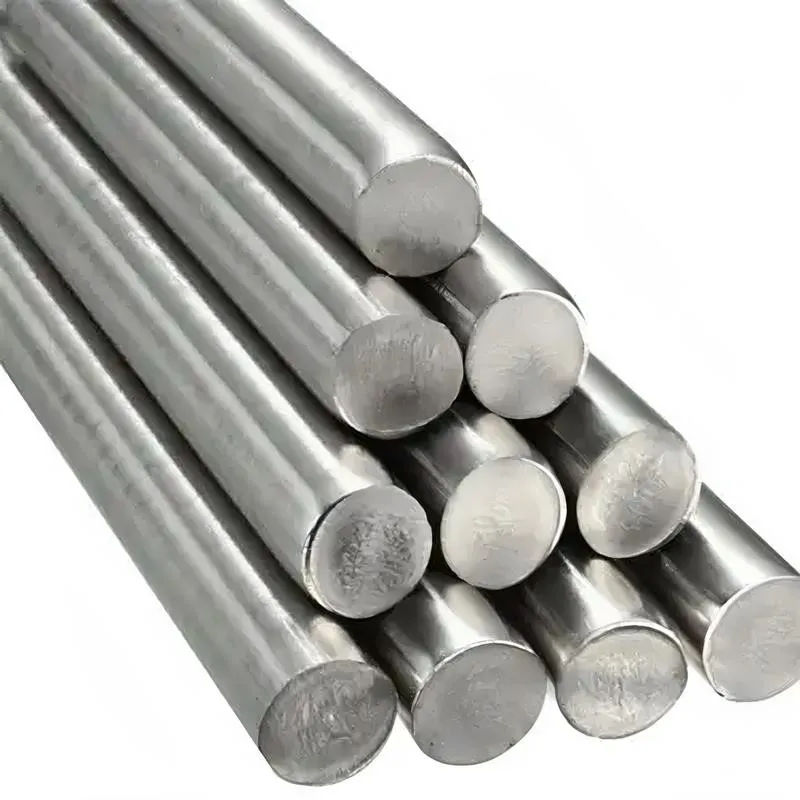
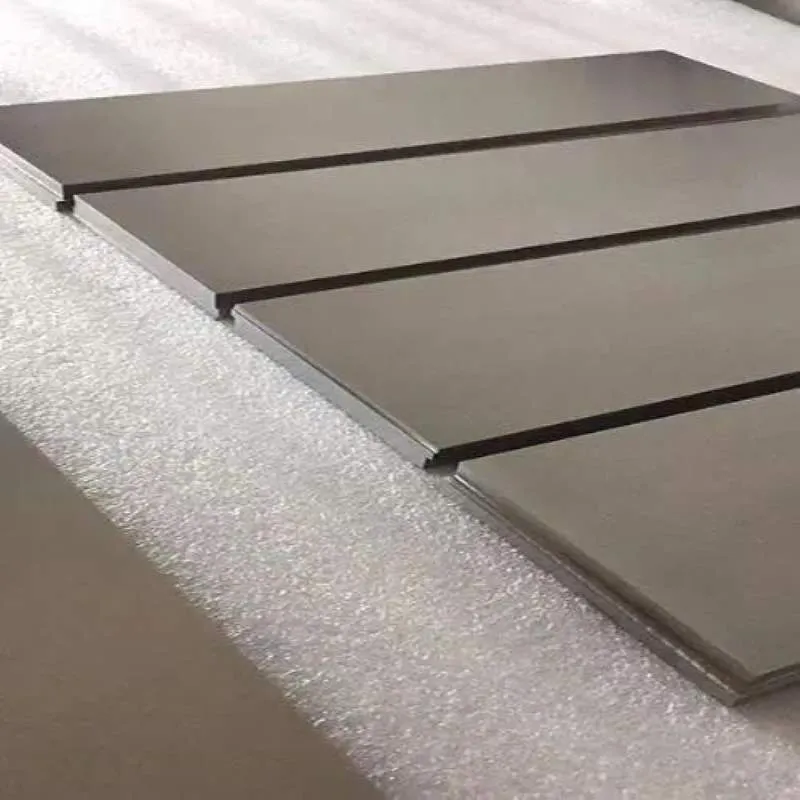
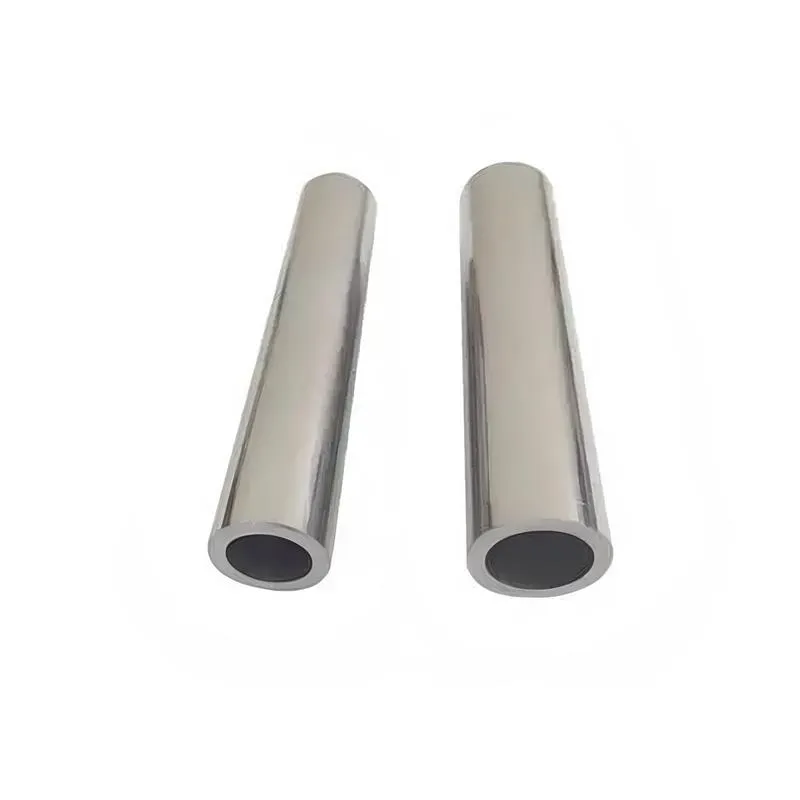
JIS SK5 Water Hardening Tool Steel Rod/Bar
Product Code : STI-GSTI-136-CU
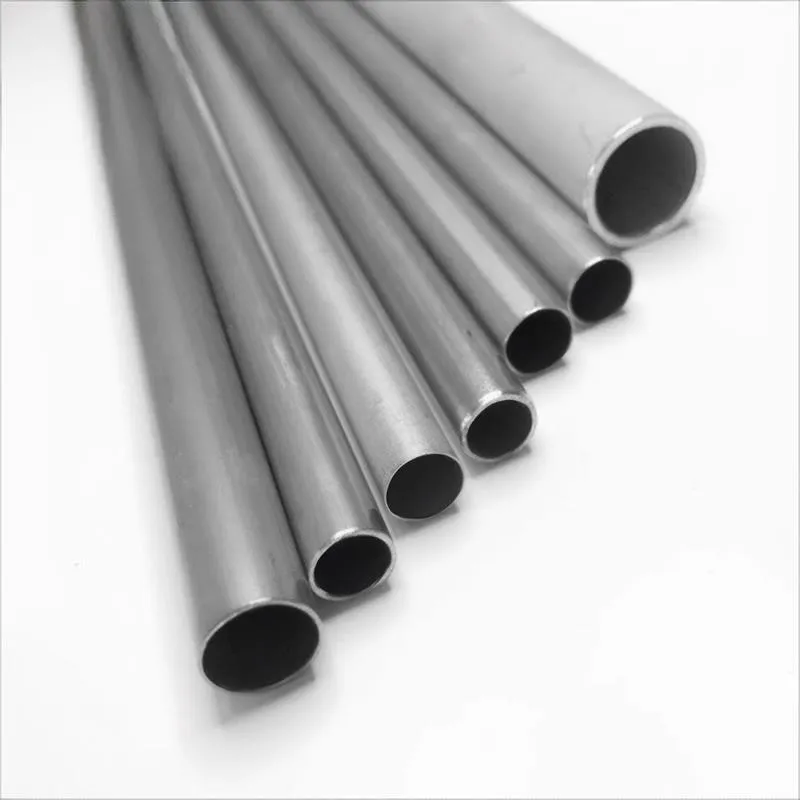
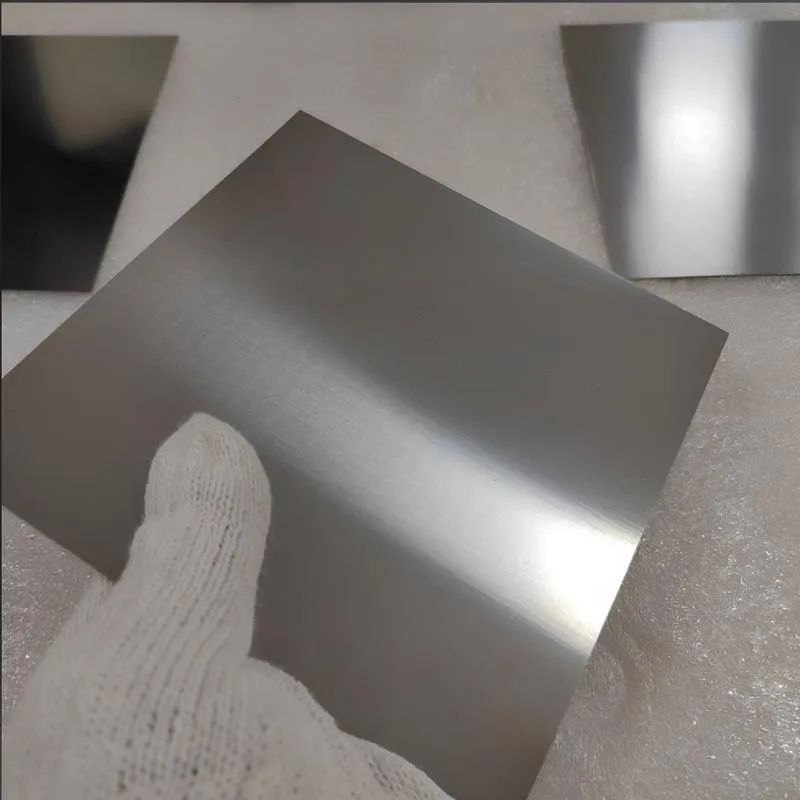
We provide JIS SK5 Water Hardening Tool Steel Rod/Bar is available in Bar (Round bar, Flat bar), Ribbon, Wire, Rod/Bars, Tube,Seamless Tube,Pipe, Ingots, Plate, Sheet, Strip and Forging Stock.,Purity, chemical composition, size, etc. can all be customized to meet specific requirements.
Please contact us if you need customized services. We will contact you with the price and availability in 24 hours.
JIS SK5 Water Hardening Tool Steel Rod Product Information
-:-
For detailed product information, please contact sales.
-:
JIS SK5 Water Hardening Tool Steel Rod Synonyms
-:-
For detailed product information, please contact sales.
-:
JIS SK5 Water Hardening Tool Steel Product Information
-:-
For detailed product information, please contact sales.
-:
### **Product Technical Datasheet: JIS SK5 Water-Hardening Tool Steel**
---
#### **1. Product Overview**
**JIS SK5** is a very high-carbon, non-alloy tool steel specified under the Japanese Industrial Standard (JIS) G 4401 for carbon tool steels. It belongs to the **water-hardening (W-group)** family and represents the highest standard carbon content (typically 0.80-0.90% C) among commonly used SK grades before reaching the extremely brittle range. SK5 is renowned for its capacity to achieve an exceptional combination of **high surface hardness** and **good wear resistance** after water quenching, while retaining marginally better toughness and shock resistance than the highest carbon grades like SK3. It is a cost-effective solution for applications demanding a durable, sharp cutting edge where extreme hardness is paramount but some resistance to chipping is still required.
---
#### **2. International Standard Cross-Reference**
JIS SK5 has direct equivalents in other major international standards due to its well-defined composition and common application.
| Standard System | Equivalent Grade | Key Similarity |
| :--- | :--- | :--- |
| **JIS (Japan)** | **SK5** | Defining Standard |
| **ASTM (USA)** | W1-0.9C / W109 | Similar high-carbon water-hardening grade |
| **DIN (Germany)** | C90W1 / 1.1740 | Similar carbon content and application |
| **BS (UK)** | BW1B (0.9C variant) | Water-hardening tool steel type |
| **ISO** | TC90 | ISO designation for similar composition |
| **GB (China)** | **T9(A)** | Nearly identical carbon content and properties |
| **AISI/SAE (USA)** | 1095 (modified for tools) | Similar carbon range, often used for springs and blades |
---
#### **3. Chemical Composition (Typical, weight % JIS G 4401)**
The composition features a very high carbon content with minimal alloying elements, characteristic of plain carbon tool steels.
| Element | Carbon (C) | Silicon (Si) | Manganese (Mn) | Phosphorus (P) | Sulfur (S) |
| :--- | :--- | :--- | :--- | :--- | :--- |
| **Content (%)** | 0.80 - 0.90 | ≤ 0.35 | ≤ 0.50 | ≤ 0.030 | ≤ 0.030 |
*Note: Chromium (Cr) and Nickel (Ni) may be present in trace amounts as residual elements, typically ≤0.25% and ≤0.25% respectively, but are not intentionally added for alloying effects.*
---
#### **4. Physical & Mechanical Properties**
* **Density:** Approximately 7.85 g/cm³
* **Thermal Conductivity:** Moderate.
* **Machinability (Annealed State):** Fair. The high carbon content makes it more difficult to machine than low-carbon steels, but it remains better than many alloy tool steels in its fully annealed, spheroidized condition.
* **Hardenability:** **Very Low (Shallow Hardening).** Like other water-hardening steels, it achieves high hardness primarily at the surface, with a rapidly decreasing hardness profile towards the core. The core remains relatively softer and tougher.
* **Quenching Medium:** **Water, Brine, or Caustic Soda Solution.** An aggressive quench is required to achieve full hardness, which inherently carries a significant risk of distortion and quench cracks, especially in parts with non-uniform cross-sections.
* **Typical Achievable Hardness:**
* **Annealed State:** ~ 187 - 217 HB
* **Hardened & Tempered State:** **62 - 65 HRC** (Dependent on exact carbon content within the range and heat treatment precision).
---
#### **5. Heat Treatment**
* **Forging:** Heat uniformly to 1050-850°C. Cool slowly in sand, ashes, or a furnace after forging to prevent cracking.
* **Annealing:** Heat to 750-780°C, soak thoroughly, then furnace cool slowly (≤20°C/hour) to approximately 550°C, followed by air cooling. This produces a soft, pearlitic or spheroidized structure ideal for machining.
* **Hardening:**
1. **Preheat:** Always preheat at 650-700°C to minimize thermal shock.
2. **Austenitizing:** 780-810°C. Soak time: approximately 20-30 minutes per inch of thickness.
3. **Quench:** Agitate vigorously in **water, brine (5-10%), or a polymer solution.** Brine provides the fastest cooling and highest hardness but also the highest stress.
* **Tempering:** **Must be performed immediately** after quenching (when the part is cool enough to handle, ~50-70°C). Typical tempering range is **150-200°C for 1-2 hours**. Tempering within this range relieves quenching stresses with minimal loss of hardness.
---
#### **6. Product Applications**
SK5 is ideally suited for tools that require a keen, wear-resistant edge and are subject to moderate abrasion but not severe impact or high temperatures.
* **Cutting & Slitting Tools:** **Hand saw blades (for wood and metal), garden shear blades, paper cutters, leather knives, and industrial slitter knives.**
* **Stamping & Forming Tools:** **Simple punches, dies, and blanking tools** for thin gauge materials like aluminum, copper, brass, and cardboard.
* **Hand Tools:** **Chisels (wood and cold), screwdriver tips for high-torque applications, and scrapers.**
* **Agricultural Tools:** **Scythes, sickles, and hoe blades.**
* **Springs & Wear Parts:** **Flat springs, lock parts, and hardened washers** where high elastic limit and wear resistance are needed.
* **Blades:** **Industrial blades for cutting rubber, textiles, and plastics.**
---
#### **7. Advantages & Limitations**
| Advantages | Limitations |
| :--- | :--- |
| • **Lower cost** compared to alloy tool steels.
• **Capable of very high surface hardness** and excellent sharpness.
• **Good wear resistance** in non-shock applications.
• **Simple heat treatment process** that doesn't require special atmosphere furnaces.
• **Easier to forge and machine in annealed state** than many high-alloy steels. | • **Very Poor Hardenability:** Only surface hardens; unsuitable for thick sections (>10-12mm often problematic).
• **High Risk of Distortion & Quench Cracking:** Due to severe water quenching required.
• **Poor Toughness & Impact Resistance:** Brittle at full hardness; prone to chipping.
• **Very Low Red (Hot) Hardness:** Hardness deteriorates rapidly above 150-200°C; completely unsuitable for high-speed or hot work.
• **Dimensional instability** during heat treatment compared to oil-hardening grades. |
---
#### **8. Selection Guidance**
* **Choose SK5 when:** You need maximum hardness and wear resistance on a budget, for simple-shaped tools, and where the tool will be used at room temperature without heavy impact.
* **Consider an alternative when:**
* The tool has complex geometry or variable thickness → Use **oil-hardening steel (e.g., SKS93, O1).**
* The tool requires good toughness and shock resistance → Use **shock-resisting steel (e.g., SKS4, S7).**
* The tool operates at elevated temperatures or high speeds → Use **high-speed steel (e.g., SKH51, M2).**
* You require deep, uniform hardening in thicker sections → Use **medium-alloy air-hardening steel (e.g., SKD11, A2).**
**Conclusion:**
JIS SK5 is a classic, economical **water-hardening tool steel** that offers an outstanding **hardness-to-cost ratio** for a well-defined range of applications. Its successful implementation is highly dependent on **skillful heat treatment** to manage its inherent quenching risks. It remains a fundamental material for manufacturing a wide variety of **low-stress cutting, forming, and wear components** where its limitations can be effectively designed around. For more demanding applications, moving to alloy tool steels is strongly recommended.
-:-
For detailed product information, please contact sales.
-:
JIS SK5 Water Hardening Tool Steel Specification
Dimensions
Size:
Diameter 20-1000 mm Length <6792 mm
Size:We can customized as required
Standard:
Per your request or drawing
We can customized as required
Properties(Theoretical)
Chemical Composition
-:-
For detailed product information, please contact sales.
-:
JIS SK5 Water Hardening Tool Steel Properties
-:-
For detailed product information, please contact sales.
-:
Applications of JIS SK5 Water Hardening Tool Steel Rod
-:-
For detailed product information, please contact sales.
-:
Chemical Identifiers JIS SK5 Water Hardening Tool Steel Rod
-:-
For detailed product information, please contact sales.
-:
Packing of JIS SK5 Water Hardening Tool Steel Rod
-:-
For detailed product information, please contact sales.
-:
Standard Packing:
-:-
For detailed product information, please contact sales.
-:
Typical bulk packaging includes palletized plastic 5 gallon/25 kg. pails, fiber and Steel Rod drums to 1 ton super sacks in full container (FCL) or truck load (T/L) quantities. Research and sample quantities and hygroscopic, oxidizing or other air sensitive materials may be packaged under argon or vacuum. Solutions are packaged in polypropylene, plastic or glass jars up to palletized 3263 gallon liquid totes Special package is available on request. E FORUs’ is carefully handled to minimize damage during storage and transportation and to preserve the quality of our products in their original condition