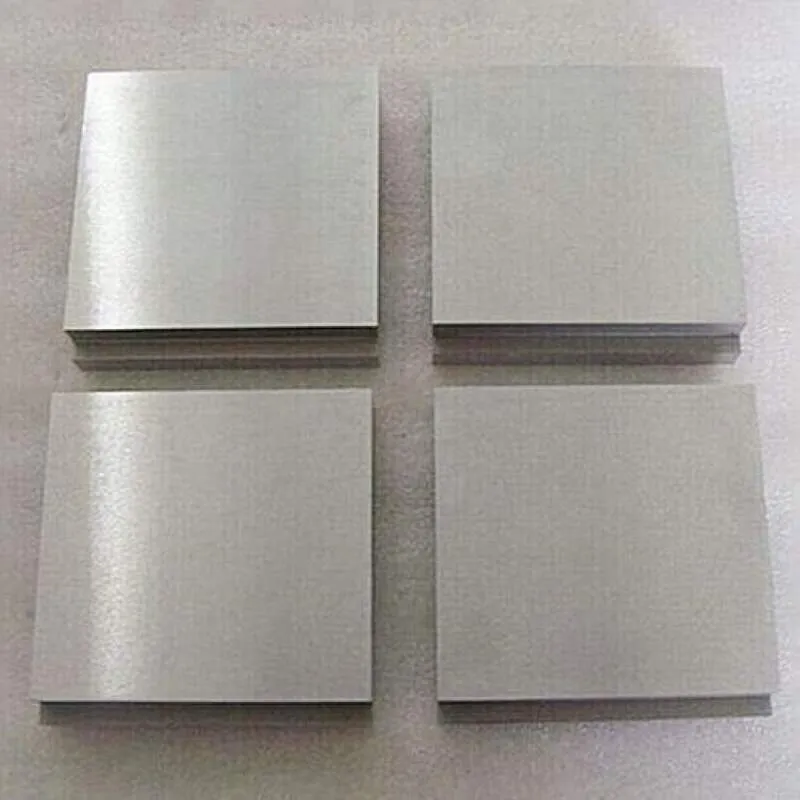
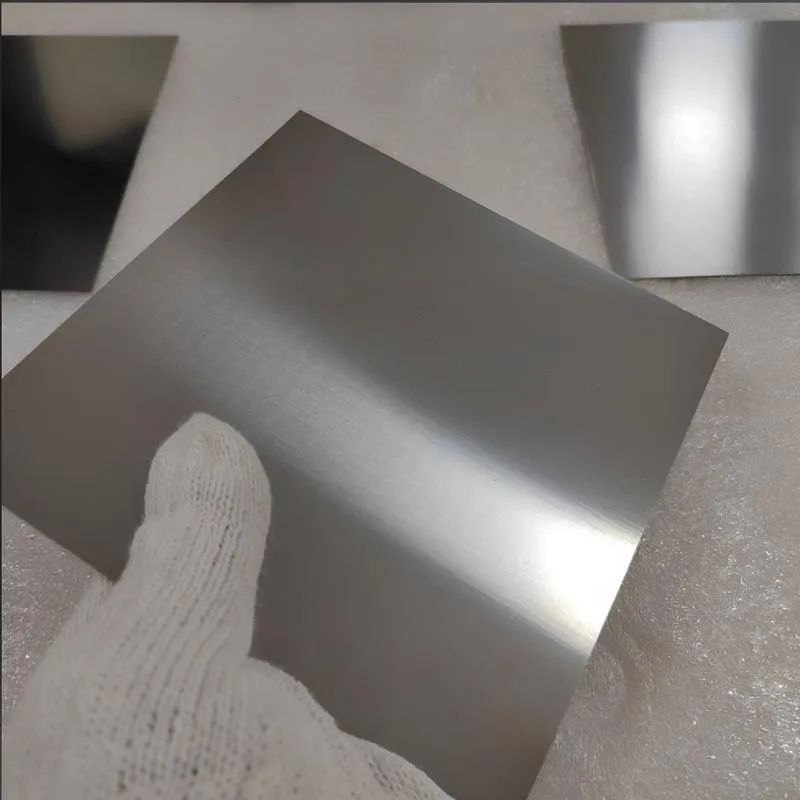
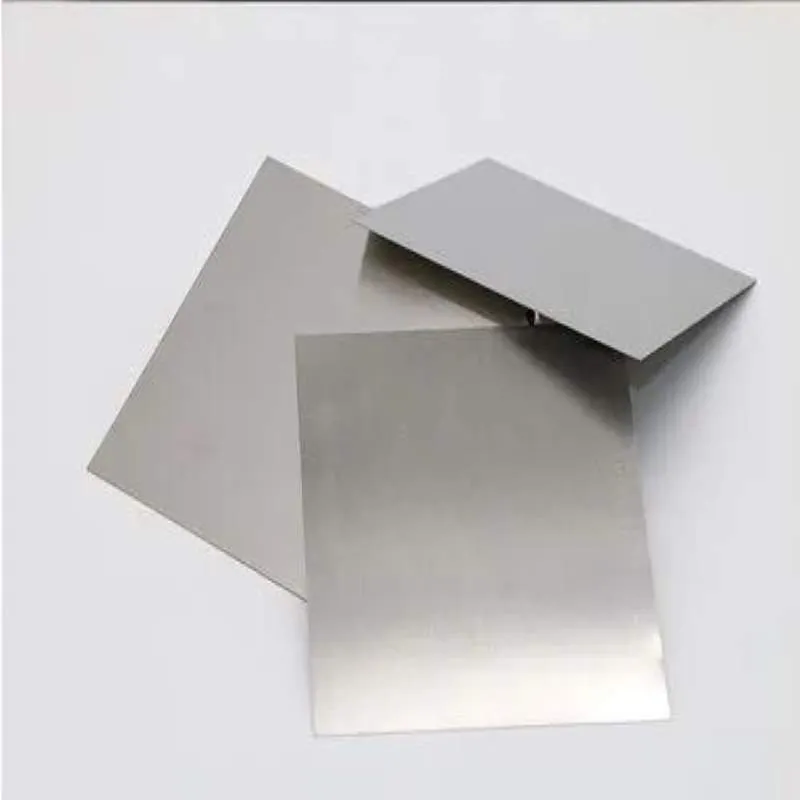
JIS SKC11 Low-Alloy Tool Steel Sheet,Plate
Product Code : STI-GSTI-140-CU
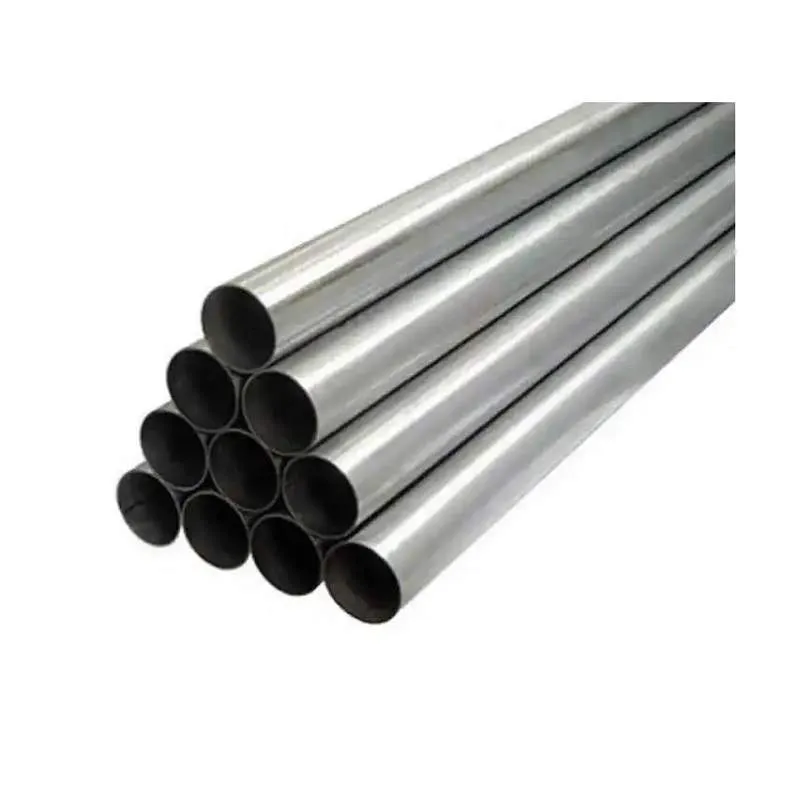
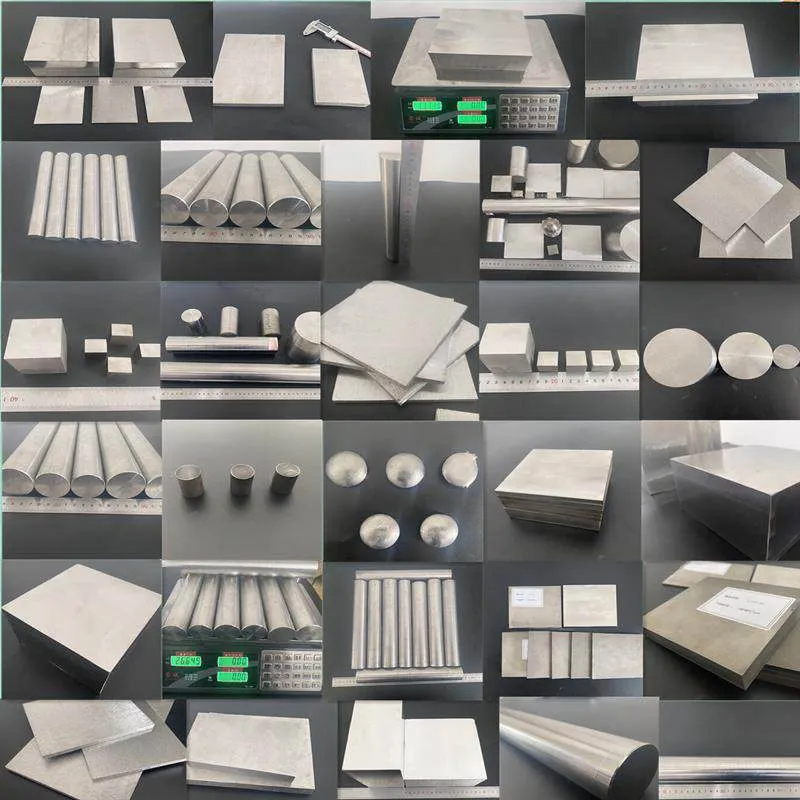
We provide JIS SKC11 Low-Alloy Tool Steel Sheet/Plate is available in Bar (Round bar, Flat bar), Ribbon, Wire, Rods, Tube,Seamless Tube,Pipe, Ingots, Plate, Sheet/Plate, Strip and Forging Stock.,Purity, chemical composition, size, etc. can all be customized to meet specific requirements.
Please contact us if you need customized services. We will contact you with the price and availability in 24 hours.
JIS SKC11 Low-Alloy Tool Steel Sheet/Plate Product Information
-:-
For detailed product information, please contact sales.
-:
JIS SKC11 Low-Alloy Tool Steel Sheet/Plate Synonyms
-:-
For detailed product information, please contact sales.
-:
JIS SKC11 Low-Alloy Tool Steel Product Information
-:-
For detailed product information, please contact sales.
-:
### **Product Technical Datasheet: JIS SKC11 Low-Alloy Tool Steel**
---
#### **1. Product Overview**
**JIS SKC11** is a low-alloy, non-deforming cold work tool steel classified under the Japanese Industrial Standard (JIS) G 4404. It is specifically designed as an **oil-hardening grade**, offering significant advantages over traditional water-hardening steels (SK series) in terms of reduced distortion, lower risk of cracking, and better hardenability. SKC11 provides a balanced combination of **good wear resistance, moderate toughness, and excellent dimensional stability** during heat treatment. Its alloy composition, featuring chromium and tungsten, allows it to achieve adequate hardness for many cold work applications while maintaining simpler and safer heat treatment procedures compared to air-hardening grades. It serves as a reliable and economical choice for precision tools and dies where dimensional accuracy is critical.
---
#### **2. International Standard Cross-Reference**
SKC11 has direct and close equivalents in other major tool steel standard systems.
| Standard System | Equivalent / Similar Grade | Note |
| :--- | :--- | :--- |
| **JIS G 4404 (Japan)** | **SKC11** | Defining Standard |
| **ASTM (USA)** | **O1** | The most common direct equivalent (Oil-hardening, non-deforming) |
| **DIN (Germany)** | **1.2510 / 100MnCrW4** | Nearly identical composition |
| **BS (UK)** | **BO1** | Oil-hardening non-deforming tool steel |
| **AISI (USA)** | **O1** | Identical grade designation |
| **GB (China)** | **9CrWMn** | Very similar composition (China's equivalent to O1) |
| **ISO** | **~80MnCrW4-2-2** | ISO designation for similar composition |
---
#### **3. Chemical Composition (Typical, weight % per JIS G 4404)**
The composition includes strategic low-level additions of alloying elements to enhance hardenability and wear resistance.
| Element | Carbon (C) | Silicon (Si) | Manganese (Mn) | Chromium (Cr) | Tungsten (W) | Phosphorus (P) | Sulfur (S) |
| :--- | :--- | :--- | :--- | :--- | :--- | :--- | :--- |
| **Content (%)** | 0.90 - 1.00 | ≤ 0.35 | 1.00 - 1.30 | 0.40 - 0.70 | 0.40 - 0.70 | ≤ 0.030 | ≤ 0.030 |
**Function of Key Alloying Elements:**
* **Carbon (0.90-1.00%):** Provides high hardness and wear resistance.
* **Manganese (1.00-1.30%) & Chromium (0.40-0.70%):** Significantly increase hardenability, allowing oil quenching and deeper hardening than plain carbon steels.
* **Tungsten (0.40-0.70%):** Forms hard carbides for improved wear resistance and contributes to grain refinement and a degree of hot hardness.
* This combination makes SKC11 a **non-deforming or minimal-distortion steel**.
---
#### **4. Physical & Mechanical Properties**
* **Density:** ~7.85 g/cm³
* **Thermal Conductivity:** Moderate.
* **Machinability (Annealed State):** Fair to Good. Better than many higher-alloy steels but more challenging than plain carbon steels due to its alloy content.
* **Hardenability:** **Good (Oil-Hardening).** Capable of through-hardening sections up to approximately 75-100mm diameter in oil. This is a major advantage over water-hardening steels.
* **Primary Quenching Medium:** **Oil.** This slower, more controlled quench is the source of its minimal distortion characteristics.
* **Dimensional Stability:** **Excellent.** Exhibits very low volume change and distortion during heat treatment compared to water-hardening steels.
* **Typical Achievable Hardness:**
* **Annealed State:** ~ 192 - 229 HB
* **Hardened & Tempered State:** **60 - 63 HRC** (Tempered at low temperatures, 150-200°C).
---
#### **5. Heat Treatment Guidelines**
* **Forging:** Heat to 1050-850°C. Cool slowly in furnace or insulating material.
* **Annealing:** Heat to 750-780°C, slow furnace cool to ~500°C, then air cool. Achieves a fully spheroidized structure for best machinability.
* **Stress Relieving (after machining):** 600-650°C, slow cool.
* **Hardening:**
1. **Preheat:** 650-700°C (highly recommended).
2. **Austenitizing:** **780-820°C.** Soak adequately (approx. 20-30 min/inch).
3. **Quench:** Agitate in **well-circulated, medium-speed quenching oil** until hand-warm.
* **Tempering:** Perform immediately. Temper at **150-200°C for 1-2 hours** for maximum hardness. For higher toughness, temper at **250-400°C**, accepting a lower hardness (55-60 HRC). **Note:** A slight secondary hardening peak may occur around 200-250°C.
---
#### **6. Product Applications**
SKC11 (O1) is one of the most widely used general-purpose cold work tool steels due to its excellent balance of properties and reliable heat treatment.
* **Precision Gauges & Measuring Tools:** **Plug gauges, thread gauges, ring gauges, and master templates** where dimensional stability is paramount.
* **Blankng & Forming Dies:** **Precision blanking dies, bending dies, forming dies, and coining dies** for sheet metal.
* **Cutting Tools:** **Taps, reamers, broaches, and precision knives** for low-to-medium production runs.
* **Molds & Tooling:** **Plastic injection molds (for low-abrasive materials), zinc die-casting molds, and pattern dies.**
* **Machine Parts:** **Cams, guides, pins, and shafts** requiring wear resistance and stability.
* **Hand Tools:** **High-quality wrenches, sockets, and precision screwdrivers.**
---
#### **7. Advantages & Limitations**
| Advantages | Limitations |
| :--- | :--- |
| • **Minimal distortion during heat treatment** (Non-deforming).
• **Low risk of quench cracking** due to oil quenching.
• **Good hardenability** for through-hardening of moderate sections.
• **Good machinability and grindability** in annealed state.
• **Excellent dimensional stability** for precision tools.
• **More consistent and predictable heat treatment** than water-hardening steels. | • **Lower wear resistance** compared to high-carbon, high-chromium steels (e.g., SKD11/D2).
• **Limited hot hardness;** not suitable for high-speed cutting or hot work.
• **Less tough** than some shock-resistant grades (e.g., SKS series).
• **Can be susceptible to decarburization** during heat treatment if not protected. |
---
#### **8. Comparative Selection Guide**
* **vs. Water-Hardening (SK series):** SKC11 is **vastly superior in dimensional control and suitable for complex shapes.** It should be the default upgrade from water-hardening steels for precision tools.
* **vs. Air-Hardening (e.g., SKD11/A2/D2):** SKC11 has **simpler heat treatment (no need for controlled atmosphere for small parts)** and better machinability, but offers **lower wear resistance and less dimensional stability for very large, intricate dies.** Air-hardening grades are preferred for maximum wear and minimal size change.
* **vs. Other Oil-Hardening Grades:** It is the **standard and most common grade** in this category. Grades like SKS3 (similar) might offer slight variations in alloy balance.
**Conclusion:**
JIS SKC11 (Oil-hardening O1 steel) is a **fundamental and indispensable grade in the toolmaker's inventory.** It perfectly fills the niche for **precision cold-work tooling that requires excellent dimensional accuracy, good all-around performance, and straightforward heat treatment.** Its reputation for reliability and consistency makes it a first-choice material for a vast range of gauges, dies, and molds. While not the ultimate in wear resistance or toughness, its balanced performance and user-friendly nature ensure it remains a cornerstone of tool and die manufacturing worldwide.
-:-
For detailed product information, please contact sales.
-:
JIS SKC11 Low-Alloy Tool Steel Specification
Dimensions
Size:
Diameter 20-1000 mm Length <6796 mm
Size:We can customized as required
Standard:
Per your request or drawing
We can customized as required
Properties(Theoretical)
Chemical Composition
-:-
For detailed product information, please contact sales.
-:
JIS SKC11 Low-Alloy Tool Steel Properties
-:-
For detailed product information, please contact sales.
-:
Applications of JIS SKC11 Low-Alloy Tool Steel Sheet,Plate
-:-
For detailed product information, please contact sales.
-:
Chemical Identifiers JIS SKC11 Low-Alloy Tool Steel Sheet,Plate
-:-
For detailed product information, please contact sales.
-:
Packing of JIS SKC11 Low-Alloy Tool Steel Sheet/Plate
-:-
For detailed product information, please contact sales.
-:
Standard Packing:
-:-
For detailed product information, please contact sales.
-:
Typical bulk packaging includes palletized plastic 5 gallon/25 kg. pails, fiber and Steel Sheet/Plate drums to 1 ton super sacks in full container (FCL) or truck load (T/L) quantities. Research and sample quantities and hygroscopic, oxidizing or other air sensitive materials may be packaged under argon or vacuum. Solutions are packaged in polypropylene, plastic or glass jars up to palletized 3267 gallon liquid totes Special package is available on request. E FORUs’ is carefully handled to minimize damage during storage and transportation and to preserve the quality of our products in their original condition