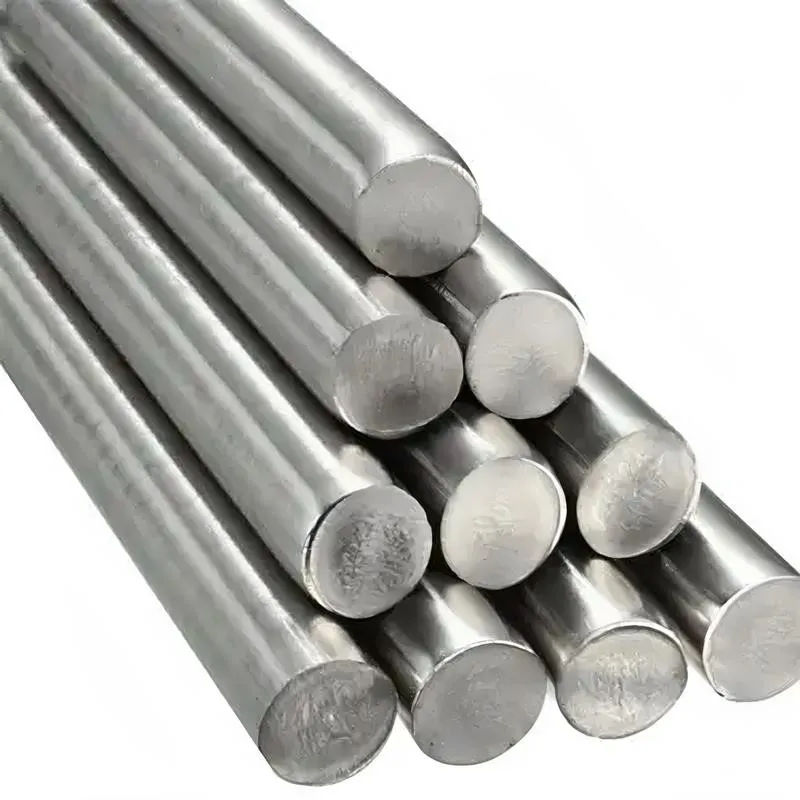
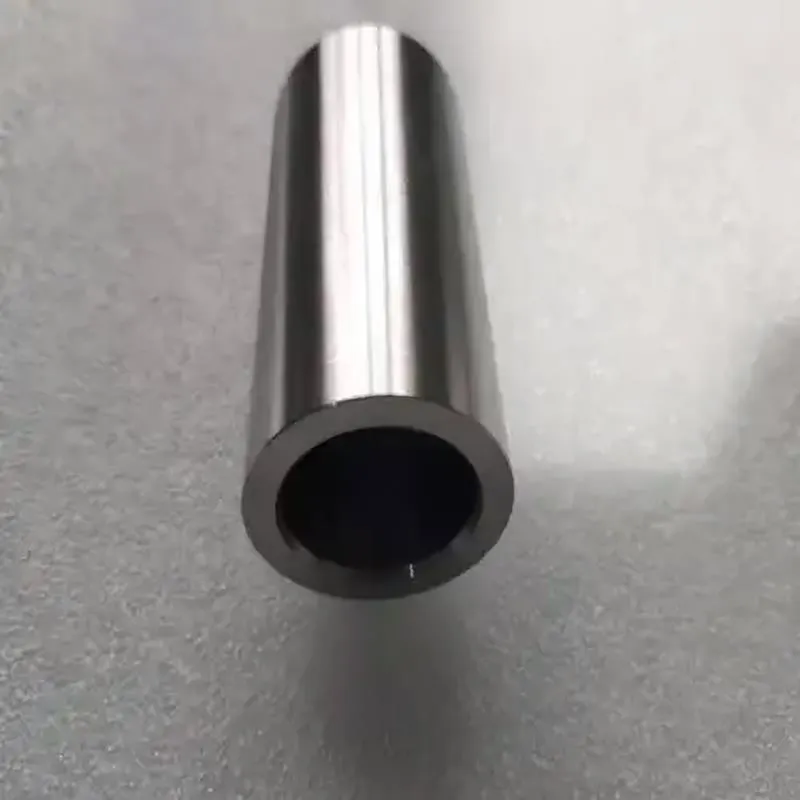
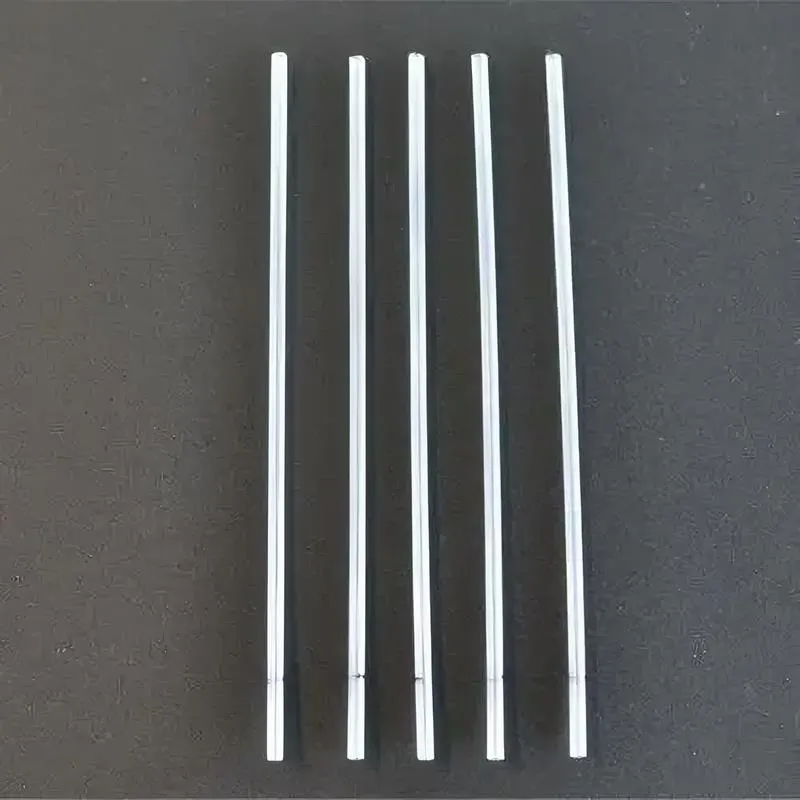
JIS SKD11 Tool Steel Rod/Bar
Product Code : STI-GSTI-143-CU
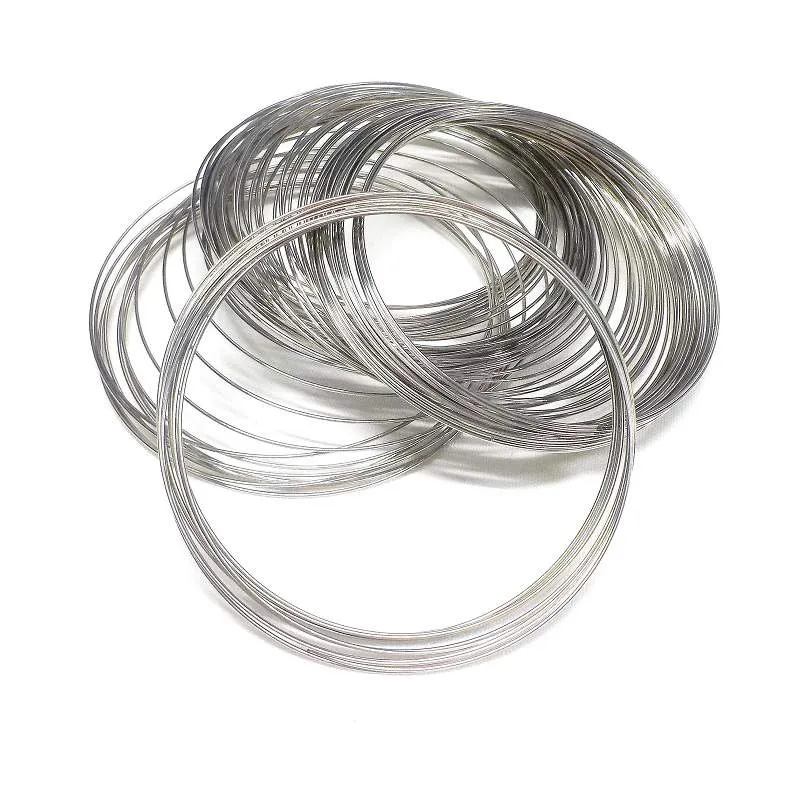
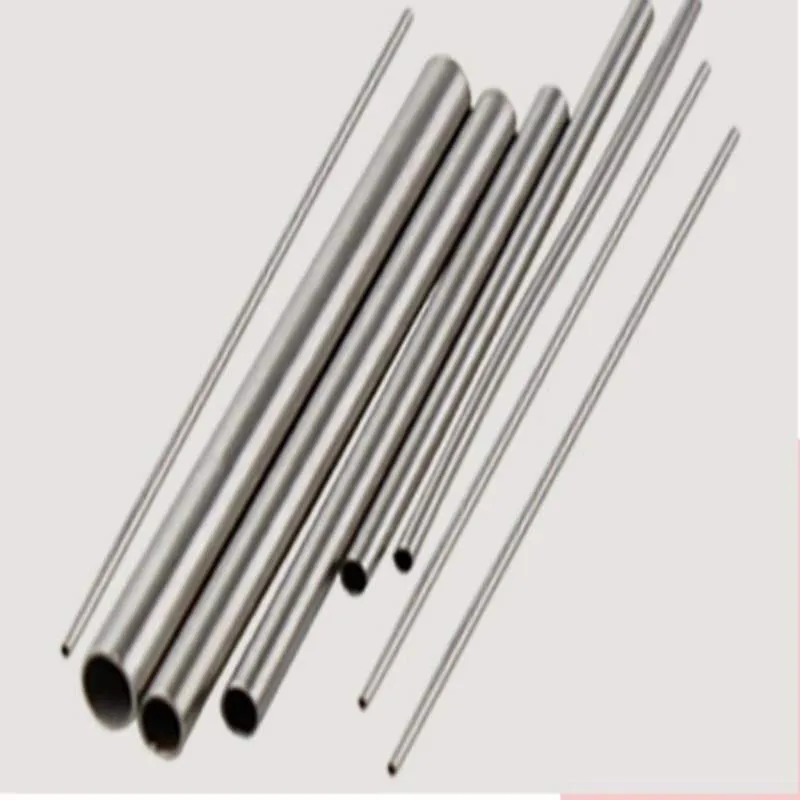
We provide JIS SKD11 Tool Steel Rod/Bar is available in Bar (Round bar, Flat bar), Ribbon, Wire, Rod/Bars, Tube,Seamless Tube,Pipe, Ingots, Plate, Sheet, Strip and Forging Stock.,Purity, chemical composition, size, etc. can all be customized to meet specific requirements.
Please contact us if you need customized services. We will contact you with the price and availability in 24 hours.
JIS SKD11 Tool Steel Rod Product Information
-:-
For detailed product information, please contact sales.
-:
JIS SKD11 Tool Steel Rod Synonyms
-:-
For detailed product information, please contact sales.
-:
JIS SKD11 Tool Steel Product Information
-:-
For detailed product information, please contact sales.
-:
### **Product Technical Datasheet: JIS SKD11 High-Carbon, High-Chromium Cold Work Tool Steel**
---
#### **1. Product Overview**
**JIS SKD11** is a premier **high-carbon, high-chromium, air-hardening cold work tool steel** specified under Japanese Industrial Standard (JIS) G 4404. It is renowned for its exceptional combination of **high wear resistance, good hardenability, and excellent dimensional stability** during heat treatment. As one of the most widely used tool steels globally, SKD11 achieves its outstanding properties through a high volume of hard chromium carbides in a hardened martensitic matrix, coupled with the low-distortion benefits of air hardening. It is the benchmark material for demanding cold-work applications requiring long service life under abrasive conditions.
---
#### **2. International Standard Cross-Reference**
SKD11 is a fundamental grade with direct, well-established equivalents across all major standards.
| Standard System | Equivalent Grade | Note |
| :--- | :--- | :--- |
| **JIS G 4404 (Japan)** | **SKD11** | Defining Standard |
| **AISI (USA)** | **D2** | The most common international designation. |
| **DIN (Germany)** | **1.2379 / X153CrMoV12** | Nearly identical composition. |
| **BS (UK)** | **BD2** | High-Carbon, High-Chromium Type. |
| **ISO** | **~160CrMoV12** | ISO chemical designation. |
| **GB (China)** | **Cr12Mo1V1** | China's national equivalent. |
---
#### **3. Chemical Composition (Typical, weight % per JIS G 4404)**
The high alloy content, particularly chromium, molybdenum, and vanadium, is responsible for its superior performance.
| Element | Carbon (C) | Silicon (Si) | Manganese (Mn) | Chromium (Cr) | Molybdenum (Mo) | Vanadium (V) | Phosphorus (P) | Sulfur (S) |
| :--- | :--- | :--- | :--- | :--- | :--- | :--- | :--- | :--- |
| **Content (%)** | 1.40 - 1.60 | ≤ 0.40 | ≤ 0.60 | 11.00 - 13.00 | 0.80 - 1.20 | 0.20 - 0.50 | ≤ 0.030 | ≤ 0.030 |
**Function of Key Alloying Elements:**
* **Carbon (1.40-1.60%) & Chromium (11.00-13.00%):** Combine to form a high volume (approx. 12-16%) of extremely hard **chromium carbides (M₇C₃ type)**, providing exceptional wear and abrasion resistance.
* **Molybdenum (0.80-1.20%):** Enhances hardenability, improves toughness, refines grain structure, and reduces tempering sensitivity.
* **Vanadium (0.20-0.50%):** Forms hard, fine vanadium carbides that further increase wear resistance and refine the grain during heat treatment, improving toughness.
---
#### **4. Physical & Mechanical Properties**
* **Density:** ~7.70 g/cm³ (slightly lower than carbon steels due to high Cr content).
* **Thermal Conductivity:** Low (~20 W/m·K at 20°C). This necessitates careful preheating and slower heating rates.
* **Thermal Expansion Coefficient:** ~10.4 x 10⁻⁶ /K (20-200°C) – lower than many steels, contributing to stability.
* **Machinability (Annealed State):** **Fair to Poor.** The high carbide content makes it abrasive and challenging to machine, requiring rigid setups and suitable tooling (e.g., CBN inserts).
* **Hardenability:** **Excellent (Air-Hardening).** Can be fully through-hardened in very large sections (over 300mm) with minimal risk of distortion or cracking due to the slow, uniform cooling in air or still gas.
* **Dimensional Stability:** **Outstanding.** Exhibits minimal size change (typically < +0.05%) during the air-hardening process, crucial for precision tools.
* **Typical Achievable Hardness:**
* **Annealed State:** ~ 210 - 255 HB
* **Hardened & Tempered State:** **58 - 62 HRC** (Standard working hardness). It can achieve up to ~63 HRC with deep freezing and low tempering.
---
#### **5. Heat Treatment Guidelines**
* **Forging:** Heat slowly to 1050-1100°C. Forge carefully between 1050-850°C. Cool slowly in furnace or insulating material to 500°C, then air cool.
* **Annealing:** Heat to 850-880°C, hold, then furnace cool very slowly (≤15°C/hour) to 600°C, then air cool. Results in a spheroidized structure (~210-255 HB).
* **Stress Relieving (after rough machining):** 650-700°C, slow cool.
* **Hardening:**
1. **Preheating:** **CRITICAL.** Preheat in two stages: first at 400-500°C, then at 800-850°C to minimize thermal shock.
2. **Austenitizing:** **1000-1040°C.** Higher temperatures increase hardness and wear resistance but reduce toughness. Soak time is critical (30-45 min/inch).
3. **Quench:** Cool in **still air or slightly circulated inert gas (air-hardening).** For maximum size stability, furnace cool under partial pressure or in a vacuum furnace is ideal.
* **Tempering:** **Double or triple tempering is mandatory** to transform retained austenite and achieve maximum toughness and dimensional stability.
* Temper immediately after quenching to 50-70°C.
* **Typical Cycle:** 180-200°C or 480-540°C, for 2+ hours each, repeated twice. The higher tempering range (500°C+) utilizes **secondary hardening** for peak hot hardness and excellent tempering resistance.
* **Sub-Zero Treatment:** Often performed between tempers at -70°C to -100°C to further convert retained austenite, increasing hardness, wear resistance, and dimensional stability.
---
#### **6. Product Applications**
SKD11 is the material of choice for severe, high-wear, and precision cold-work applications.
* **Blankng & Shearing Dies:** **High-production blanking dies, fine-blanking dies, and shear blades** for hardened steel, silicon steel, and other tough materials.
* **Forming & Drawing Dies:** **Cold forming dies, drawing dies, and roll forming tools** for automotive and appliance parts.
* **Thread Rolling & Forming Dies:** **Flat dies, cylindrical dies, and planetary dies** for producing threads on fasteners.
* **Slitting & Cut-off Tools:** **Circular slitter knives, rotary cutters, and carbide-tipped saw body plates** for metal, paper, and plastics.
* **Molds:** **Plastic injection molds** for abrasive, glass-filled, or high-volume production resins.
* **Precision Gauges & Machine Parts:** **Wear-resistant gauges, guide rails, cams, and liners.**
---
#### **7. Advantages & Limitations**
| Advantages | Limitations |
| :--- | :--- |
| • **Exceptional wear and abrasion resistance** due to high carbide volume.
• **Superior dimensional stability** from air hardening.
• **Excellent through-hardenability** for very large, complex dies.
• **Good compressive strength** and resistance to softening upon tempering (secondary hardening).
• **Good resistance to galling and seizing.** | • **Relatively low toughness/impact resistance** compared to lower-carbon steels. Prone to chipping in severe impact applications.
• **Poor machinability and grindability** in annealed/hardened states.
• **Susceptible to corrosion** despite high chromium (carbides tie up Cr); not stainless.
• **Complex and critical heat treatment process** requiring precise control to avoid issues like retained austenite or grain growth. |
---
#### **8. Selection Guidance**
* **Choose SKD11/D2 when:** The primary failure mode is **abrasive wear**, the tool/die requires **precision and minimal distortion**, and the application involves **minimal heavy shock**.
* **Consider an alternative when:**
* **High Impact/Shock:** Use **shock-resisting steels (S7, SKT4)** or **tougher cold-work steels (A2, SKS3).**
* **Better Machinability/Polishability:** Use **oil-hardening steels (O1/SKC11)** or **lower-alloy steels (P20/SKC31).**
* **Superior Toughness at High Hardness:** Use **powder metallurgy (PM) high-speed steels** or **PM versions of D2.**
* **Corrosion Resistance:** Use **Corrosion-resistant grades (440C, Stavax).**
**Conclusion:**
JIS SKD11 (AISI D2) is a **legendary workhorse in the world of cold work tool steels.** Its unparalleled **wear resistance and stability** make it the default choice for long-running, precision tooling subjected to severe abrasion. While its processing demands skill and its toughness has limits, its performance in the right applications is unmatched by most conventional steels. For toolmakers and manufacturers seeking to maximize tool life in demanding cold-work conditions, SKD11 remains an **indispensable and top-tier material solution.**
-:-
For detailed product information, please contact sales.
-:
JIS SKD11 Tool Steel Specification
Dimensions
Size:
Diameter 20-1000 mm Length <6799 mm
Size:We can customized as required
Standard:
Per your request or drawing
We can customized as required
Properties(Theoretical)
Chemical Composition
-:-
For detailed product information, please contact sales.
-:
JIS SKD11 Tool Steel Properties
-:-
For detailed product information, please contact sales.
-:
Applications of JIS SKD11 Tool Steel Rod
-:-
For detailed product information, please contact sales.
-:
Chemical Identifiers JIS SKD11 Tool Steel Rod
-:-
For detailed product information, please contact sales.
-:
Packing of JIS SKD11 Tool Steel Rod
-:-
For detailed product information, please contact sales.
-:
Standard Packing:
-:-
For detailed product information, please contact sales.
-:
Typical bulk packaging includes palletized plastic 5 gallon/25 kg. pails, fiber and Steel Rod drums to 1 ton super sacks in full container (FCL) or truck load (T/L) quantities. Research and sample quantities and hygroscopic, oxidizing or other air sensitive materials may be packaged under argon or vacuum. Solutions are packaged in polypropylene, plastic or glass jars up to palletized 3270 gallon liquid totes Special package is available on request. E FORUs’ is carefully handled to minimize damage during storage and transportation and to preserve the quality of our products in their original condition