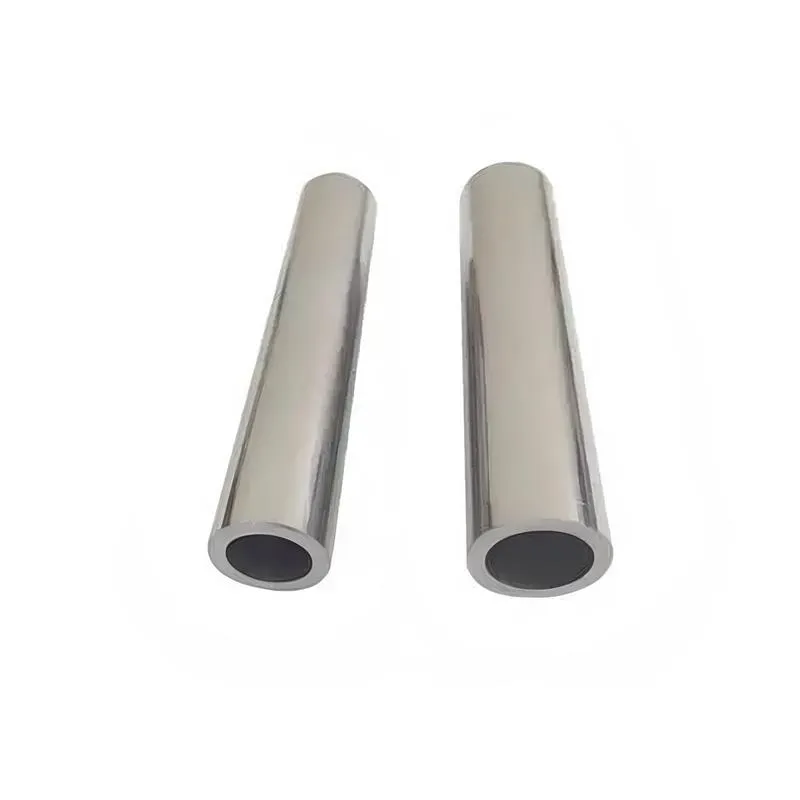
JIS SKH53 Molybdenum High Speed Tool Steel
Product Code : STI-GSTI-157-CU
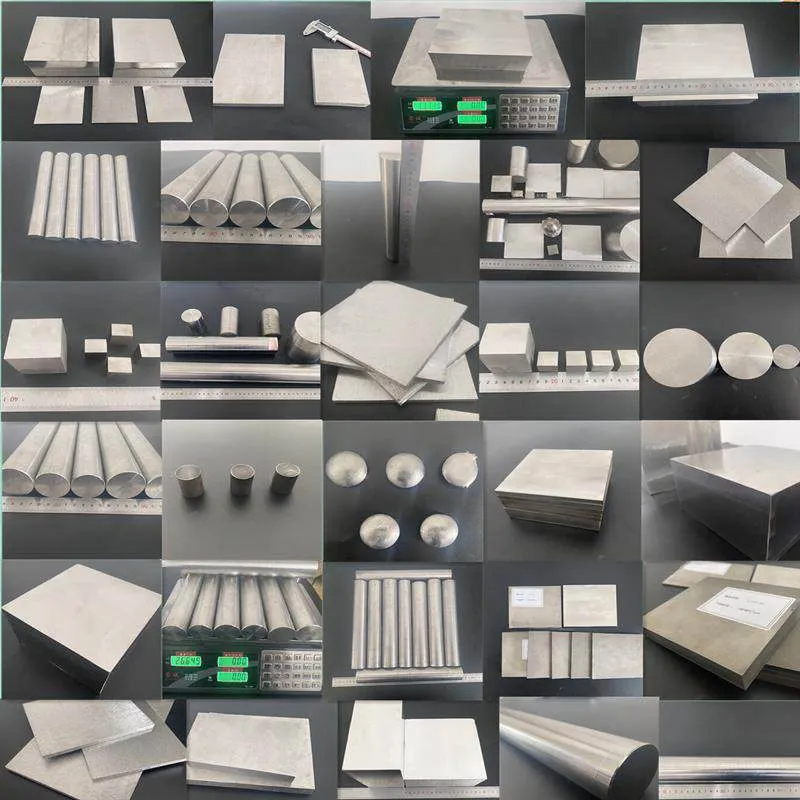
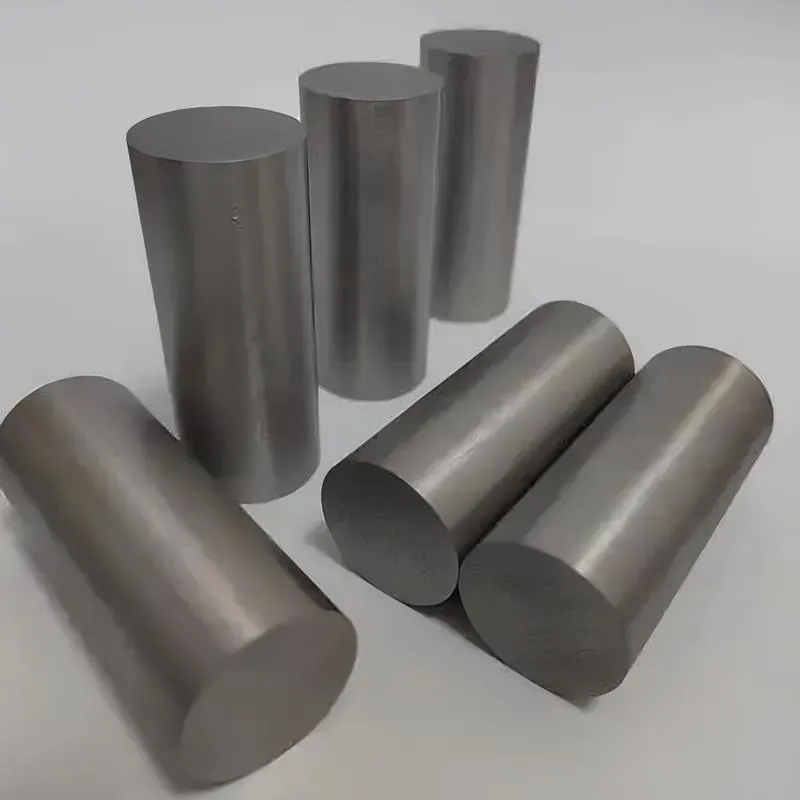
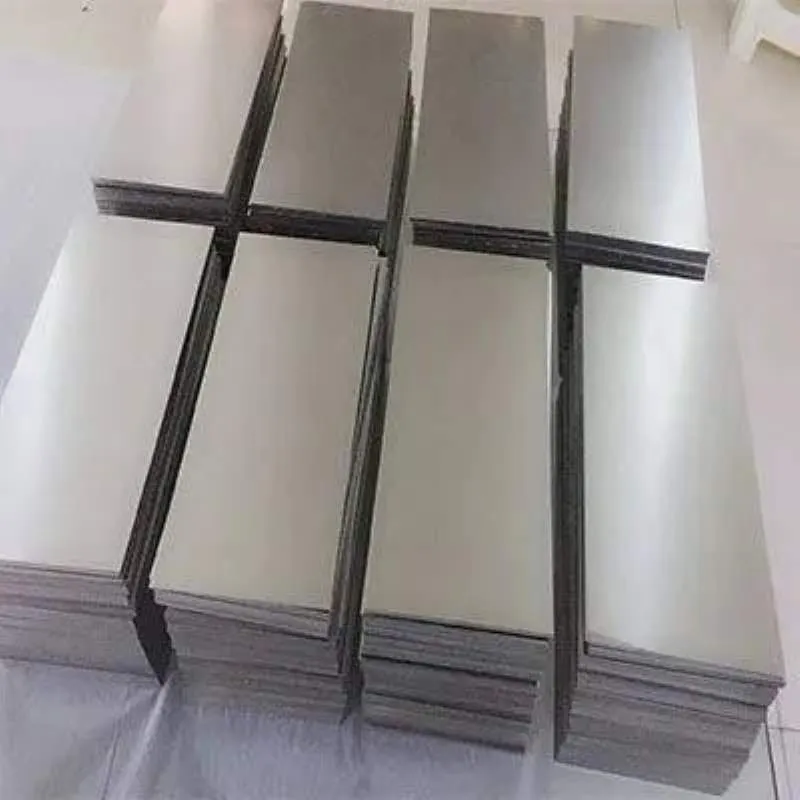
We provide JIS SKH53 Molybdenum High Speed Tool Steel is available in Bar (Round bar, Flat bar), Ribbon, Wire, Rods, Tube,Seamless Tube,Pipe, Ingots, Plate, Sheet, Strip and Forging Stock.,Purity, chemical composition, size, etc. can all be customized to meet specific requirements.
Please contact us if you need customized services. We will contact you with the price and availability in 24 hours.
JIS SKH53 Molybdenum High Speed Tool Steel Product Information
-:-
For detailed product information, please contact sales.
-:
JIS SKH53 Molybdenum High Speed Tool Steel Synonyms
-:-
For detailed product information, please contact sales.
-:
JIS SKH53 Molybdenum High Speed Tool Steel Product Information
-:-
For detailed product information, please contact sales.
-:
# **JIS SKH53 Molybdenum High-Speed Tool Steel**
**International Standard:** JIS G4403 (Japan Industrial Standard) - High-Speed Tool Steels
---
## **1. Overview**
JIS SKH53 is a **high-vanadium, molybdenum-based high-speed steel** representing the Japanese equivalent to the **AISI M3 Class 2** grade. Distinguished by its **exceptionally high vanadium content (2.4-2.8%)**, this steel is specifically engineered to deliver **superior wear resistance and abrasion performance** beyond standard M2-type grades. While maintaining good red hardness, its primary design focus is to withstand extreme abrasive wear conditions, making it ideal for machining abrasive materials and for applications where tool life is limited by flank wear rather than thermal softening. SKH53 offers a specialized balance, prioritizing wear resistance while maintaining sufficient toughness for demanding cutting operations.
---
## **2. Chemical Composition (Typical Weight %)**
| Element | Content (%) |
| :------ | :---------- |
| C | 1.05–1.20 |
| Si | 0.20–0.45 |
| Mn | 0.15–0.40 |
| Cr | 3.80–4.50 |
| Mo | 5.00–5.80 |
| W | 5.90–6.70 |
| V | 2.40–2.80 |
| Co | ≤ 0.50 |
| P (max) | 0.030 |
| S (max) | 0.030 |
**Balance:** Iron (Fe).
**Key Characteristics:** The defining feature is the combination of **high carbon (1.05-1.20%) and very high vanadium (2.4-2.8%)**. This creates a high volume fraction of extremely hard **vanadium carbides (VC)**, which are primary contributors to its exceptional abrasion resistance.
---
## **3. Physical & Mechanical Properties**
### **Physical Properties**
- **Density:** ~8.1 g/cm³
- **Thermal Conductivity:** Slightly lower than M2 due to higher carbide volume (~22 W/m·K at 20°C)
- **Coefficient of Thermal Expansion:** ~11.0 ×10⁻⁶ /K (20–500°C)
- **Specific Heat Capacity:** ~0.46 kJ/kg·K
### **Mechanical Properties (Heat-Treated)**
- **Annealed Hardness:** ≤ 277 HB
- **Typical Hardened & Tempered Hardness:** 64–66 HRC
- **Red Hardness:** **Very Good** – Comparable to SKH51 (M2), effectively up to ~600°C.
- **Abrasion/Wear Resistance:** **Excellent** – Superior to SKH51 and SKH52 due to high-volume, hard vanadium carbides.
- **Transverse Rupture Strength:** Moderate, typically ~2,800 – 3,200 MPa. High carbide content can reduce toughness compared to lower-vanadium grades.
- **Toughness:** **Moderate** – Lower than SKH51/M2. More suitable for steady cuts than severe interruptions.
---
## **4. Heat Treatment Specifications**
### **1. Annealing**
- **Temperature:** 850–900°C
- **Process:** Heat uniformly, hold for 2–4 hours, furnace cool slowly (15–20°C/h) to about 600°C, then air cool.
- **Resulting Hardness:** ≤ 277 HB
### **2. Hardening (Quenching)**
- **Preheating:** **Essential.**
- **First Preheat:** 400–500°C
- **Second Preheat:** 800–850°C
- **Austenitizing (Hardening) Temperature:** **1190–1220°C** (Careful control required; higher temperatures increase carbide solution but risk grain growth).
- **Soaking Time:** 2–4 minutes per 25mm section. Sufficient time is needed to dissolve enough carbon and alloy into the austenite.
- **Quenching Medium:** Oil or salt bath preferred for complex shapes.
### **3. Tempering**
- **Mandatory:** **Must be tempered immediately** after quenching to 50–80°C.
- **Temperature Range:** 540–580°C
- **Cycle:** **Triple tempering is strongly recommended** to ensure complete transformation of retained austenite and stress relief.
- **Process:** Temper at selected temperature (e.g., 560°C) for 1–2 hours, air cool to room temperature. Repeat twice.
- **Note:** The high alloy content may result in significant secondary hardening.
---
## **5. Key Features & Advantages**
1. **Exceptional Wear/Abrasion Resistance:** The primary advantage. The high volume of hard vanadium carbides provides outstanding resistance to flank and crater wear, especially against abrasive materials.
2. **Good Red Hardness:** Maintains adequate cutting edge strength at elevated temperatures typical of high-speed machining.
3. **High Hardness Potential:** Can achieve and maintain high hardness levels (65-66 HRC) suitable for demanding applications.
4. **Balanced for Abrasive Conditions:** Offers a more cost-effective solution for wear problems than moving to carbide for certain applications.
**Trade-offs:**
- **Reduced Toughness:** Higher susceptibility to chipping under impact or severe interrupted cuts compared to M2.
- **More Difficult Grindability:** Hard vanadium carbides make grinding slower and require appropriate wheel selection (e.g., CBN or specialized alumina wheels).
- **Complex Heat Treatment:** Requires precise control to optimize the carbide solutioning without compromising grain structure.
---
## **6. Typical Applications**
SKH53 is the **specialist choice for abrasive machining and wear-intensive applications** where standard M2 tools wear out too quickly.
### **Primary Cutting Tool Applications:**
- **Machining Abrasive Materials:**
- Fiber-reinforced plastics (FRP, GFRP, CFRP)
- Hard rubber, bakelite, and composite materials
- Abrasive cast irons (e.g., high-silicon content)
- Pre-hardened steels and certain tool steels
- **Specific Tools:**
- **Broaches:** Where fine finish and minimal wear are critical.
- **Gear Hobs & Shaper Cutters:** For cutting abrasive materials.
- **End Mills & Router Bits:** Specifically for composites and plastics.
- **Form Tools & Thread Rolling Dies:** Requiring extreme wear resistance.
- **Solid Carbide Tool Substitutes:** In some cases, as a more cost-effective or tougher alternative.
### **Non-Cutting Wear Applications:**
- **Wear Parts:** Guide pins, wear plates, and rolls in abrasive environments.
- **Cold Work Tooling:** Punches and dies for forming abrasive materials (e.g., certain laminates).
---
## **7. International Standard Equivalents**
| Standard | Grade Designation | Notes |
| :--------------- | :------------------ | :----------------------------------------- |
| **JIS** | SKH53 | Original specification (JIS G4403) |
| **AISI/SAE (USA)**| M3 Class 2 | **Direct Equivalent** (High-C, High-V M3) |
| **DIN (Germany)** | 1.3344 / HS6-5-3 | European standard equivalent |
| **ISO** | HS6-5-3 | International designation |
| **GB (China)** | W6Mo5Cr4V3 | Chinese equivalent (M3:2 type) |
| **UNS** | T11313 | Unified Numbering System |
---
## **8. Machining & Fabrication Guidelines**
### **Machining (In Annealed State):**
- More difficult than SKH51 due to higher hardness and abrasiveness of the annealed microstructure.
- **Use carbide tools** with positive rake angles and adequate coolant.
### **Grinding:**
- **Major Consideration:** Grindability is challenging.
- **Wheel Choice:** **Cubic Boron Nitride (CBN) wheels are highly recommended** for efficiency and finish. Premium ceramic-aluminum oxide (SG) wheels can also be used.
- **Practice:** Use light infeeds, sharp wheels, and **copious coolant** to prevent overheating and grinding cracks. Dressing wheels frequently is essential.
### **Electrical Discharge Machining (EDM):**
- A viable method for machining in the hardened state.
- The **recast white layer is hard and brittle**; it **must be completely removed** by subsequent grinding or polishing, followed by a low-temperature stress relief.
### **Welding:**
- **Generally not recommended** due to high crack sensitivity.
- Any repair welding requires extreme care: high preheat (500°C+), precise temperature control, and full post-weld heat treatment.
---
## **9. Surface Treatment**
While already wear-resistant, surface treatments can further enhance performance:
1. **Nitriding:** Can be applied but offers less relative improvement compared to lower-alloy steels, as the substrate is already very hard. Must be done at low temperatures (~500°C).
2. **PVD Coatings (TiAlN, AlCrN, TiSiN):** Highly beneficial. The coating provides a lubricious, hard surface that reduces friction and adhesion, complementing the substrate's abrasion resistance. This is common for SKH53 cutting tools.
---
## **10. Summary**
JIS SKH53 (AISI M3 Class 2) is a **specialized, high-wear-resistance high-speed steel** designed to solve problems caused by **extreme abrasion**. It sacrifices some toughness and ease of grinding compared to the standard SKH51/M2 to gain a dramatic increase in tool life when machining abrasive non-metallics or wear-prone metals.
**Select SKH53 when:**
* The primary failure mode of your current HSS tools is **excessive flank wear**.
* You are machining **highly abrasive non-metallic materials** (composites, plastics, hard rubber).
* You need longer tool life in continuous cutting of abrasive alloys and cannot justify solid carbide.
* Application conditions are stable without severe impact.
In essence, **SKH53 is the "abrasion specialist"** of the molybdenum high-speed steel family, providing a crucial performance tier between standard M2 and more expensive or brittle alternatives like carbide or high-cobalt high-vanadium grades.
-:-
For detailed product information, please contact sales.
-:
JIS SKH53 Molybdenum High Speed Tool Steel Specification
Dimensions
Size:
Diameter 20-1000 mm Length <6813 mm
Size:We can customized as required
Standard:
Per your request or drawing
We can customized as required
Properties(Theoretical)
Chemical Composition
-:-
For detailed product information, please contact sales.
-:
JIS SKH53 Molybdenum High Speed Tool Steel Properties
-:-
For detailed product information, please contact sales.
-:
Applications of JIS SKH53 Molybdenum High Speed Tool Steel
-:-
For detailed product information, please contact sales.
-:
Chemical Identifiers JIS SKH53 Molybdenum High Speed Tool Steel
-:-
For detailed product information, please contact sales.
-:
Packing of JIS SKH53 Molybdenum High Speed Tool Steel
-:-
For detailed product information, please contact sales.
-:
Standard Packing:
-:-
For detailed product information, please contact sales.
-:
Typical bulk packaging includes palletized plastic 5 gallon/25 kg. pails, fiber and steel drums to 1 ton super sacks in full container (FCL) or truck load (T/L) quantities. Research and sample quantities and hygroscopic, oxidizing or other air sensitive materials may be packaged under argon or vacuum. Solutions are packaged in polypropylene, plastic or glass jars up to palletized 3284 gallon liquid totes Special package is available on request. E FORUs’ is carefully handled to minimize damage during storage and transportation and to preserve the quality of our products in their original condition