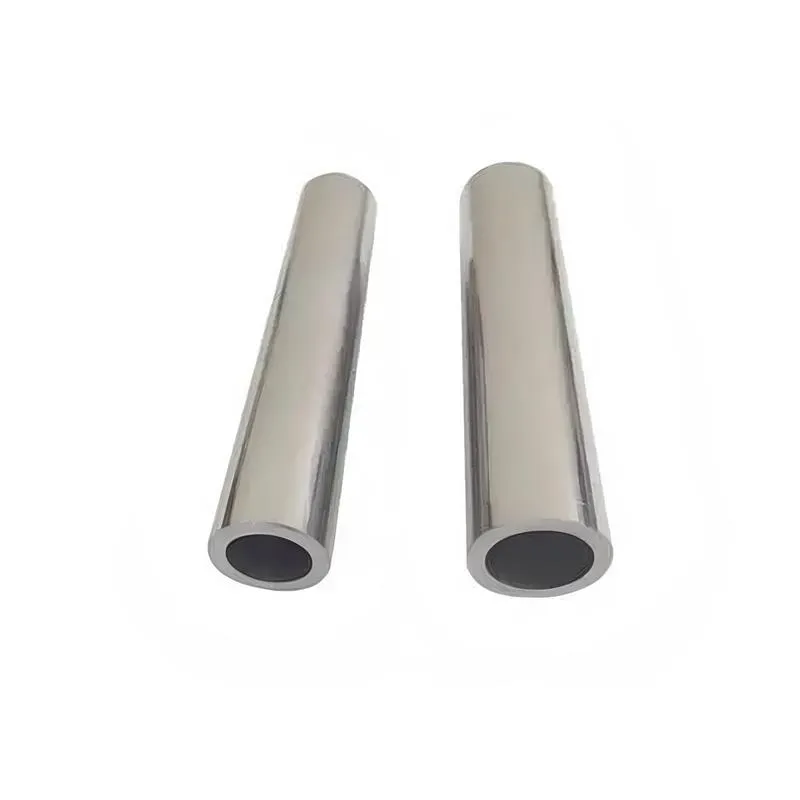
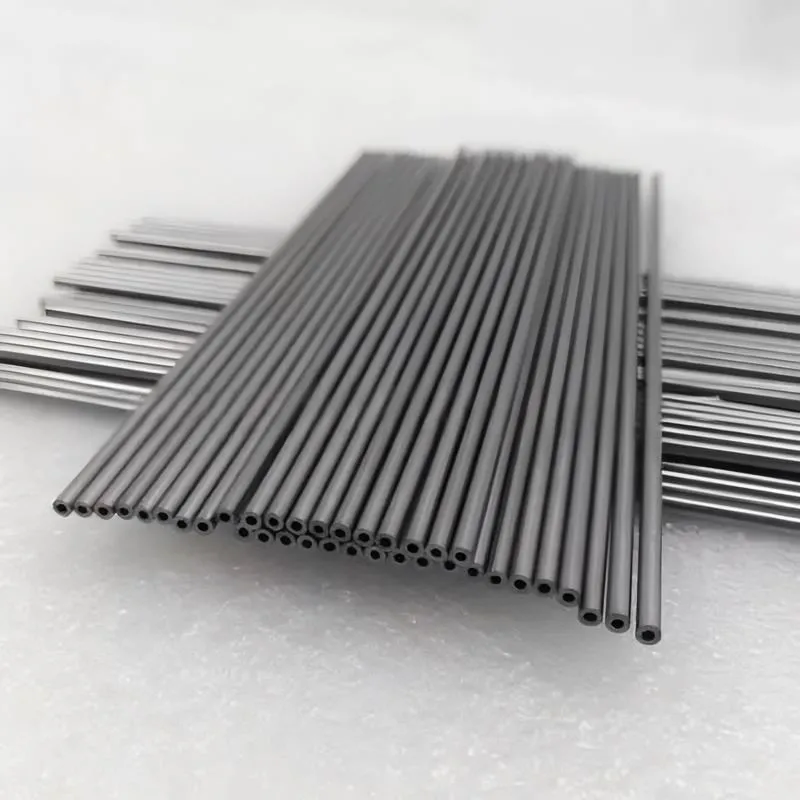
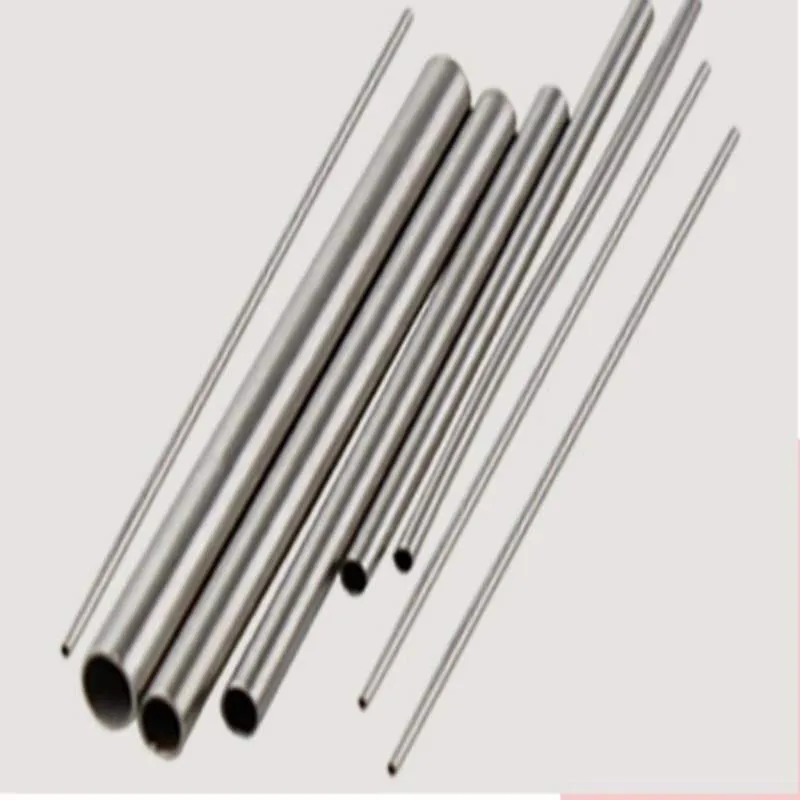
JIS SKH56 Molybdenum High Speed Tool Steel Tube,Pipe
Product Code : STI-GSTI-159-CU
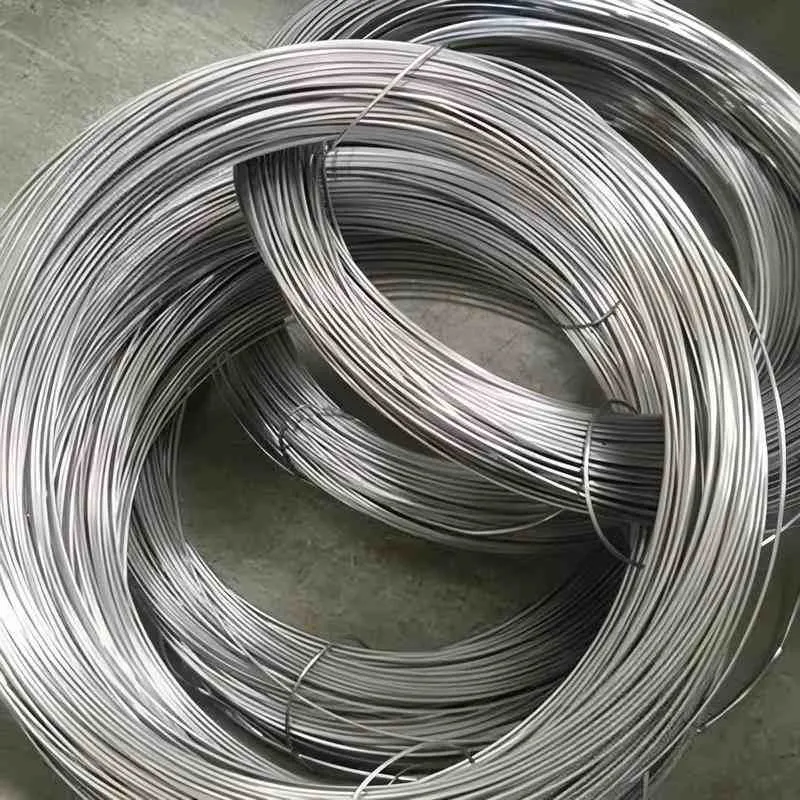
We provide JIS SKH56 Molybdenum High Speed Tool Steel Tube is available in Bar (Round bar, Flat bar), Ribbon, Wire, Rods, Tube,Seamless Tube,Pipe, Ingots, Plate, Sheet, Strip and Forging Stock.,Purity, chemical composition, size, etc. can all be customized to meet specific requirements.JIS SKH56 Molybdenum High Speed Tool Steel Pipe
Please contact us if you need customized services. We will contact you with the price and availability in 24 hours.
JIS SKH56 Molybdenum High Speed Tool Steel Tube Product Information
-:-
For detailed product information, please contact sales.
-:
JIS SKH56 Molybdenum High Speed Tool Steel Tube Synonyms
-:-
For detailed product information, please contact sales.
-:
JIS SKH56 Molybdenum High Speed Tool Steel Product Information
-:-
For detailed product information, please contact sales.
-:
# **JIS SKH56 Molybdenum High Speed Tool Steel**
**International Standard:** JIS G4403 (Japan Industrial Standard) - High-Speed Tool Steels
---
## **1. Overview**
JIS SKH56 is a **premium high-cobalt, high-vanadium molybdenum-based high-speed steel** developed for extreme wear resistance and high-temperature applications. This advanced alloy represents one of the highest-performing conventional high-speed steel grades, offering a superior combination of **ultra-high hardness, exceptional red hardness, and outstanding abrasion resistance**. SKH56 is specifically engineered for machining the most challenging materials, including hardened steels, superalloys, and highly abrasive composites where both thermal resistance and wear resistance are critical.
---
## **2. Chemical Composition (Typical Weight %)**
| Element | Content (%) |
| :------ | :---------- |
| C | 1.25–1.40 |
| Si | 0.15–0.50 |
| Mn | 0.15–0.40 |
| Cr | 3.75–4.50 |
| Mo | 3.50–4.50 |
| W | 5.50–6.50 |
| V | 3.50–4.25 |
| Co | 9.50–10.50 |
| P (max) | 0.030 |
| S (max) | 0.030 |
**Balance:** Iron (Fe).
**Key Characteristics:** SKH56 features an **extremely high combined alloy content** with **very high vanadium (3.5-4.25%) and cobalt (9.5-10.5%)**, complemented by elevated carbon content. This composition creates a dense population of hard vanadium carbides within a cobalt-strengthened matrix, resulting in exceptional wear resistance and hot hardness.
---
## **3. Physical & Mechanical Properties**
### **Physical Properties**
- **Density:** ~8.15 g/cm³
- **Thermal Conductivity:** **Excellent** – Enhanced by high cobalt content (~28-32 W/m·K at 20°C), facilitating heat dissipation from cutting edges
- **Coefficient of Thermal Expansion:** ~11.2 ×10⁻⁶ /K (20–500°C)
- **Specific Heat Capacity:** ~0.46 kJ/kg·K
- **Magnetic Response:** Ferromagnetic in all conditions
### **Mechanical Properties (Heat-Treated)**
- **Annealed Hardness:** ≤ 300 HB
- **Hardened & Tempered Hardness:** **67–70+ HRC** (capable of reaching ultra-high hardness levels)
- **Red Hardness:** **Superior** – Maintains effective hardness up to ~650-670°C
- **Hot Hardness at 600°C:** ~59-61 HRC, among the highest for conventional HSS
- **Wear Resistance:** **Exceptional** – Extremely high due to abundant vanadium carbides
- **Transverse Rupture Strength:** 2,600–3,000 MPa (relatively lower due to high carbide volume)
- **Compressive Strength:** 3,500–4,000 MPa
- **Toughness:** **Moderate to Low** – High carbide content reduces impact resistance; optimal for continuous cutting applications
---
## **4. Heat Treatment Specifications**
### **1. Annealing**
- **Temperature:** 850–900°C
- **Process:** Heat uniformly, hold for 3–4 hours, furnace cool slowly (10–15°C/h) to 600°C, then air cool
- **Resulting Hardness:** ≤ 300 HB
- **Spheroidize Annealing:** Recommended for optimal machinability and carbide distribution
### **2. Stress Relieving**
- **Temperature:** 600–650°C
- **Hold Time:** 2 hours per 25mm thickness minimum
- **Purpose:** Minimize distortion during final hardening, especially critical for complex tools
### **3. Hardening (Quenching)**
- **Preheating:** **Essential multi-stage process:**
- **First Preheat:** 450–550°C (slow heating recommended)
- **Second Preheat:** 800–850°C
- **Austenitizing Temperature:** **1190–1220°C** (Precise control critical)
- **Soaking Time:** 2–4 minutes per 25mm section (avoid over-soaking)
- **Quenching Medium:** Oil quenching recommended; salt bath or controlled atmosphere for precision tools
### **4. Tempering**
- **Immediate Tempering Required:** Begin when tool reaches 50–80°C
- **Temperature Range:** 540–580°C
- **Cycle:** **Triple tempering mandatory** – Each cycle: 2 hours minimum at temperature, air cool completely between cycles
- **Optimal Process:** Temper at 560–570°C three times for maximum secondary hardness
- **Hardness Peak:** Strong secondary hardening response; achieves 68–70+ HRC
### **5. Sub-Zero Treatment**
- **Highly Recommended:** Treatment at -80 to -100°C between quenching and first temper
- **Benefits:** Maximizes transformation of retained austenite, improves dimensional stability, and increases final hardness
---
## **5. Key Features & Advantages**
1. **Ultra-High Wear Resistance:** The very high vanadium content (3.5-4.25%) creates an exceptional volume of hard vanadium carbides, providing superior resistance to abrasive wear
2. **Exceptional Red Hardness:** High cobalt content (9.5-10.5%) ensures excellent hardness retention at elevated temperatures, outperforming most conventional HSS grades
3. **High Thermal Conductivity:** Cobalt enhances heat transfer away from the cutting edge, reducing thermal damage and allowing higher cutting speeds
4. **Superior Hot Strength:** Maintains cutting edge integrity under extreme thermal and mechanical loads
5. **Excellent Grindability for its Class:** Despite high hardness, relatively good grindability when proper techniques are employed
**Trade-offs:**
- **Lower Toughness:** Not suitable for interrupted cuts or impact loading
- **High Cost:** Significant cobalt and vanadium content makes it expensive
- **Complex Heat Treatment:** Requires precise control and expertise
- **Limited Availability:** Less common than standard HSS grades
---
## **6. Typical Applications**
SKH56 is reserved for **the most demanding specialized applications** where extreme wear and heat resistance are paramount.
### **Primary Cutting Tool Applications:**
- **Machining Highly Abrasive Materials:**
- Advanced composites (CFRP, GFRP, metal matrix composites)
- High-silicon aluminum alloys (over 12% Si)
- Abrasive plastics and reinforced polymers
- Hardened steels (55-65 HRC)
- Superalloys in hardened condition
- **Precision Finishing Operations:**
- **Broaches:** For superalloy and hardened steel components requiring fine finish and tight tolerances
- **Reamers:** For precision hole finishing in abrasive materials
- **Honing Tools:** For finishing hardened components
- **High-Performance Cutting Tools:**
- **End Mills:** For machining composites and hardened materials
- **Solid Carbide Alternatives:** Where higher toughness than carbide is required
- **Thread Mills:** For precision threading in abrasive alloys
- **Gear Cutting Tools:** For hardened gear manufacturing
### **Specialized Industrial Applications:**
- **Aerospace:** Machining engine components, landing gear, and structural composites
- **Mold & Die:** Machining highly abrasive plastic injection molds and die casting dies
- **Automotive:** Machining high-strength components and composite parts
- **Oil & Gas:** Tools for machining hardened downhole components
### **Non-Cutting Applications:**
- **Wear Parts:** For extreme abrasive environments where conventional materials fail quickly
- **Cold Work Tooling:** Specialized punches and dies for abrasive materials
---
## **7. International Standard Equivalents**
| Standard | Grade Designation | Notes |
| :--------------- | :------------------ | :----------------------------------------- |
| **JIS** | SKH56 | Original specification (JIS G4403) |
| **AISI/SAE (USA)**| M48* | Similar performance grade (Note: M48 is a proprietary grade with varied compositions) |
| **Custom/Proprietary** | Various | Often corresponds to specialized high-V, high-Co grades from major steel producers |
| **DIN (Germany)** | Similar to 1.3249 | High-performance cobalt HSS |
| **GB (China)** | Special high-V, high-Co grades | Custom formulations for specific applications |
**Note:** SKH56 does not have a direct, universally standardized equivalent like SKH51/M2 or SKH55/M42. It represents a specialized high-performance grade with specific Japanese industrial applications.
---
## **8. Machining & Fabrication Guidelines**
### **Machining (In Annealed State):**
- **Difficult Machinability:** The annealed state is hard and abrasive due to carbide content
- **Tooling:** **Carbide tools essential** – Use grades suitable for hard materials
- **Parameters:** Low to moderate speeds, consistent feed rates, ample coolant
- **Work Hardening:** Minimize dwell time to prevent work hardening
### **Grinding:**
- **Critical Process:** Requires specialized approach
- **Wheel Selection:**
- **Primary:** Cubic Boron Nitride (CBN) wheels – most efficient
- **Alternative:** Diamond wheels for certain operations
- **Conventional:** Premium ceramic aluminum oxide wheels with soft grade
- **Parameters:** Light infeeds (0.005-0.02mm/pass), high wheel speed, copious coolant
- **Wheel Dressing:** Frequent dressing to maintain sharp cutting edges
- **Coolant:** High-pressure coolant essential to prevent thermal damage
### **Electrical Discharge Machining (EDM):**
- **Effective Method:** Suitable for complex shapes in hardened state
- **Parameters:** Use fine finishes with multiple passes
- **Post-Processing:** **Mandatory** removal of white layer by grinding or polishing
- **Stress Relief:** Low-temperature tempering (300-400°C) recommended after EDM
### **Wire EDM:**
- **Excellent for:** Profile cutting and intricate shapes
- **Considerations:** Slower cutting speeds than conventional steels
- **Post-Processing:** Annealing of affected zone may be necessary for critical applications
---
## **9. Surface Treatment**
SKH56 benefits significantly from advanced surface treatments:
1. **PVD Coatings:**
- **Recommended:** TiAlN, AlTiN, AlCrN, TiSiN
- **Benefits:** Thermal barrier properties, reduced friction, increased surface hardness (up to 3500 HV)
- **Application:** Applied after final polishing and cleaning; typical thickness 2-5 μm
2. **CVD Coatings:**
- **For Certain Applications:** TiCN, Al₂O₃ multilayer coatings
- **Consideration:** Higher application temperatures may affect substrate properties
3. **Nitriding:**
- **Process:** Plasma nitriding at 480–520°C
- **Case Depth:** 0.03–0.10 mm (shallower than for lower-alloy steels)
- **Surface Hardness:** 1200–1500 HV
- **Caution:** Temperature must remain below final tempering temperature
4. **Surface Texturing:**
- **Laser Texturing:** For improved chip flow and reduced cutting forces
- **Micro-blasting:** For controlled edge preparation
---
## **10. Performance Comparison**
### **Compared to Other High-Speed Steels:**
| Property | SKH56 | SKH55 (M42) | SKH53 (M3:2) | SKH51 (M2) |
|-----------------------|--------------|--------------|--------------|--------------|
| **Wear Resistance** | **Best** | Very Good | Excellent | Good |
| **Red Hardness** | **Best** | Excellent | Very Good | Good |
| **Toughness** | Lowest | Low | Moderate | Best |
| **Grindability** | Most Difficult | Good | Difficult | Best |
| **Cost** | Highest | High | Moderate | Lowest |
| **Optimal Application**| Extreme abrasion + heat | High heat | High abrasion | General purpose |
### **Compared to Alternative Materials:**
- **vs. Carbide:** Higher toughness, better for interrupted cuts, but lower hot hardness
- **vs. Cermet:** Better toughness, but lower wear resistance at high temperatures
- **vs. Ceramic:** Lower hardness and hot hardness, but much higher toughness
---
## **11. Quality Control Considerations**
### **Material Certification:**
- Full chemical analysis for each heat
- Microcleanliness assessment (ASTM E45)
- Carbide size and distribution analysis
### **Heat Treatment Validation:**
- Hardness mapping across tool sections
- Microstructure examination (grain size, carbide distribution)
- Temper embrittlement testing for critical applications
### **Non-Destructive Testing:**
- Ultrasonic inspection for internal defects
- Magnetic particle inspection for surface cracks
- Dimensional verification after heat treatment
---
## **12. Economic Considerations**
### **Cost Factors:**
- **Raw Material:** High due to cobalt and vanadium content
- **Processing:** Higher grinding and heat treatment costs
- **Tool Life:** Extended life in appropriate applications can justify initial cost
- **Productivity:** Enables higher cutting speeds and reduced downtime
### **Return on Investment Analysis:**
- Justified when machining costs exceed tool costs
- Beneficial for critical operations where tool failure is costly
- Optimal for batch production of high-value components
---
## **13. Summary & Selection Guidelines**
JIS SKH56 represents the **ultimate in conventional high-speed steel technology** for applications demanding both extreme wear resistance and high-temperature performance. Its unique combination of very high vanadium and cobalt content creates a material capable of withstanding the most severe machining conditions.
**Select SKH56 when:**
1. Machining **highly abrasive materials** (composites, high-silicon aluminum)
2. Operations involve **both high heat generation and abrasive wear**
3. **Tool life with standard HSS is unacceptably short** due to wear
4. **Superior finish and precision** are required in abrasive machining
5. **Justified by reduced downtime and increased productivity**
**Avoid SKH56 when:**
1. Applications involve **significant impact or interrupted cuts**
2. **Cost sensitivity** outweighs performance benefits
3. **Heat treatment capabilities** are limited
4. **Lower-alloy steels** provide adequate performance
**Strategic Position:** SKH56 occupies a specialized niche between ultra-high-performance powder metallurgy HSS and carbide tools. It offers the **best combination of wear resistance and toughness** in conventional HSS form, making it invaluable for specific challenging applications where neither standard HSS nor carbide provides optimal performance.
For manufacturers facing extreme machining challenges with abrasive, high-strength materials, SKH56 provides a **technological solution that extends tool life, improves productivity, and enhances machining quality**. Its use represents a strategic investment in manufacturing capability for the most demanding industrial applications.
**Future Developments:** While SKH56 represents peak conventional HSS performance, ongoing developments in powder metallurgy HSS and advanced coatings continue to push performance boundaries. However, for applications requiring the specific balance of properties offered by SKH56, it remains a critical material in the advanced manufacturing toolkit.
-:-
For detailed product information, please contact sales.
-:
JIS SKH56 Molybdenum High Speed Tool Steel Specification
Dimensions
Size:
Diameter 20-1000 mm Length <6815 mm
Size:We can customized as required
Standard:
Per your request or drawing
We can customized as required
Properties(Theoretical)
Chemical Composition
-:-
For detailed product information, please contact sales.
-:
JIS SKH56 Molybdenum High Speed Tool Steel Properties
-:-
For detailed product information, please contact sales.
-:
Applications of JIS SKH56 Molybdenum High Speed Tool Steel Tube
-:-
For detailed product information, please contact sales.
-:
Chemical Identifiers JIS SKH56 Molybdenum High Speed Tool Steel Tube
-:-
For detailed product information, please contact sales.
-:
Packing of JIS SKH56 Molybdenum High Speed Tool Steel Tube
-:-
For detailed product information, please contact sales.
-:
Standard Packing:
-:-
For detailed product information, please contact sales.
-:
Typical bulk packaging includes palletized plastic 5 gallon/25 kg. pails, fiber and Steel Tube drums to 1 ton super sacks in full container (FCL) or truck load (T/L) quantities. Research and sample quantities and hygroscopic, oxidizing or other air sensitive materials may be packaged under argon or vacuum. Solutions are packaged in polypropylene, plastic or glass jars up to palletized 3286 gallon liquid totes Special package is available on request. E FORUs’ is carefully handled to minimize damage during storage and transportation and to preserve the quality of our products in their original condition