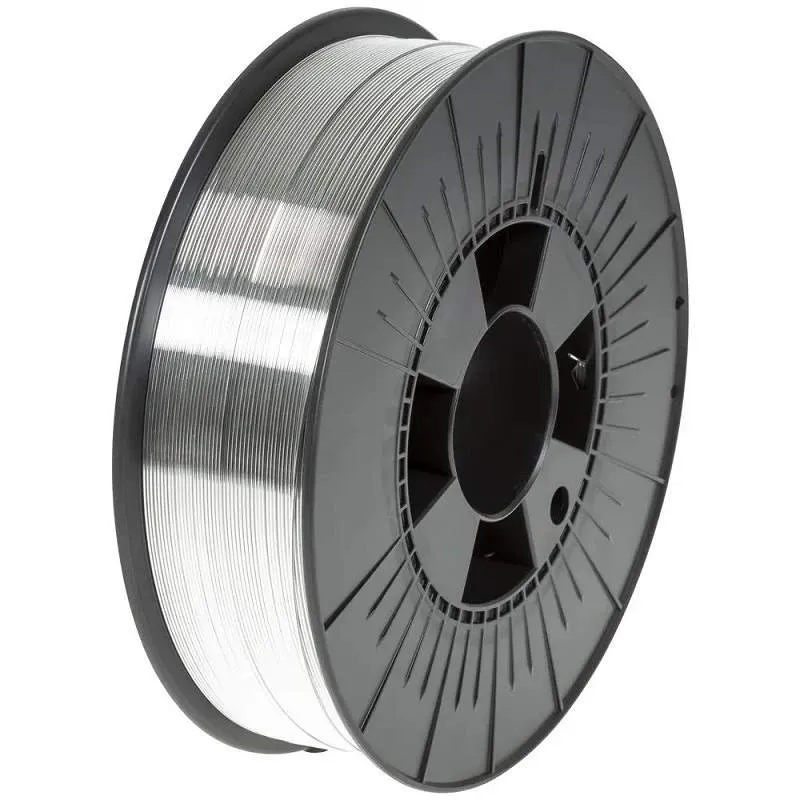
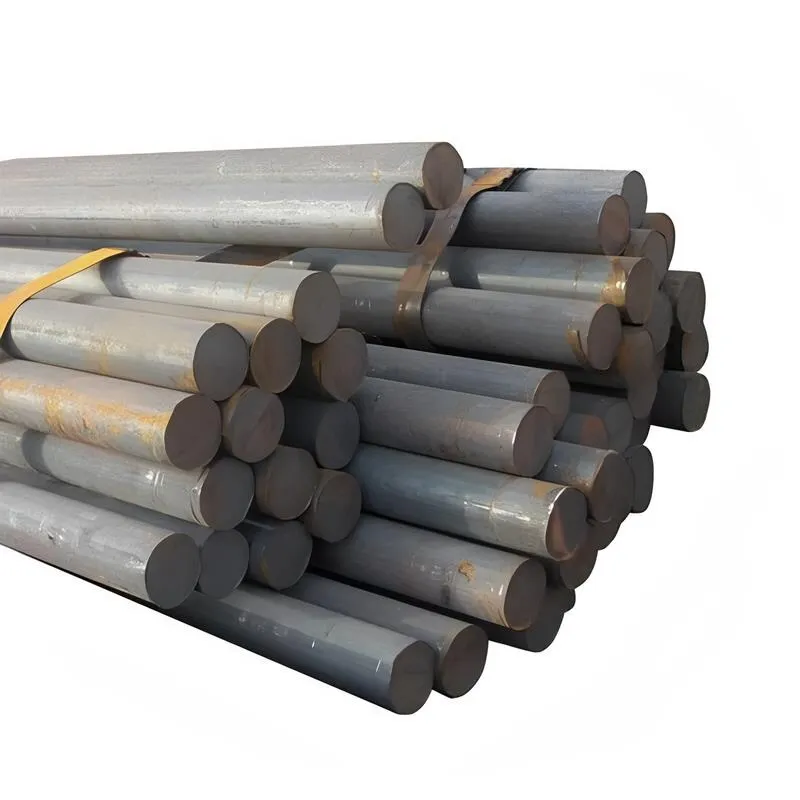
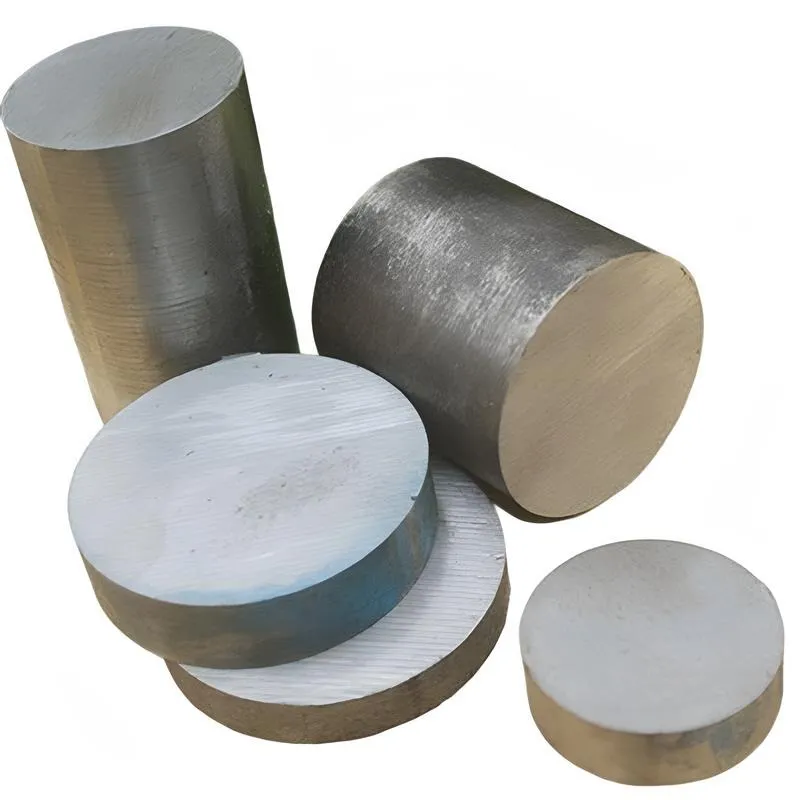
JIS SKS21 Oil-hardening Cold Work Tool Steel Wire
Product Code : STI-GSTI-164-CU
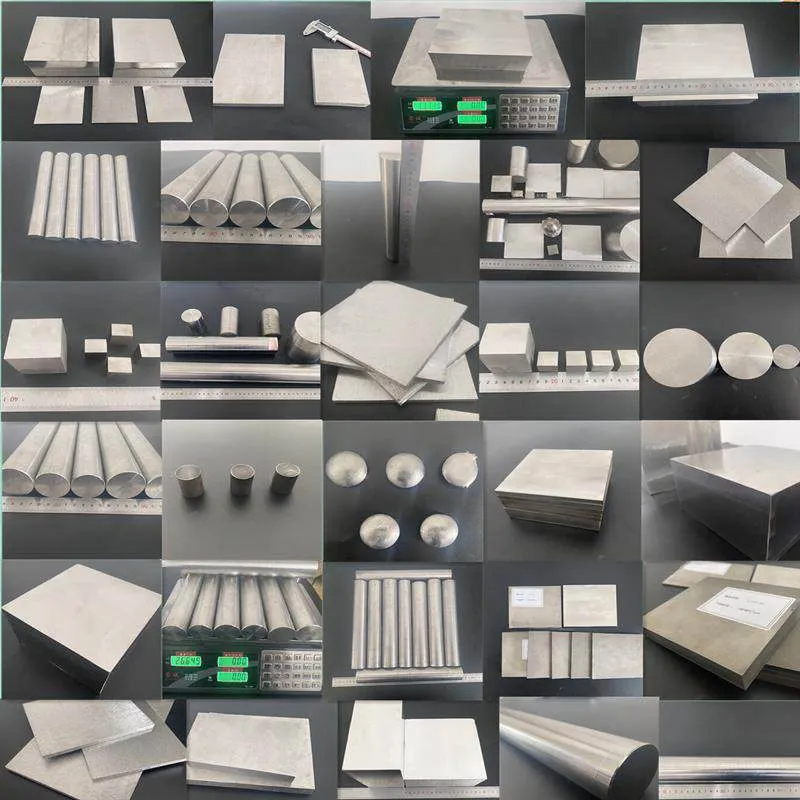
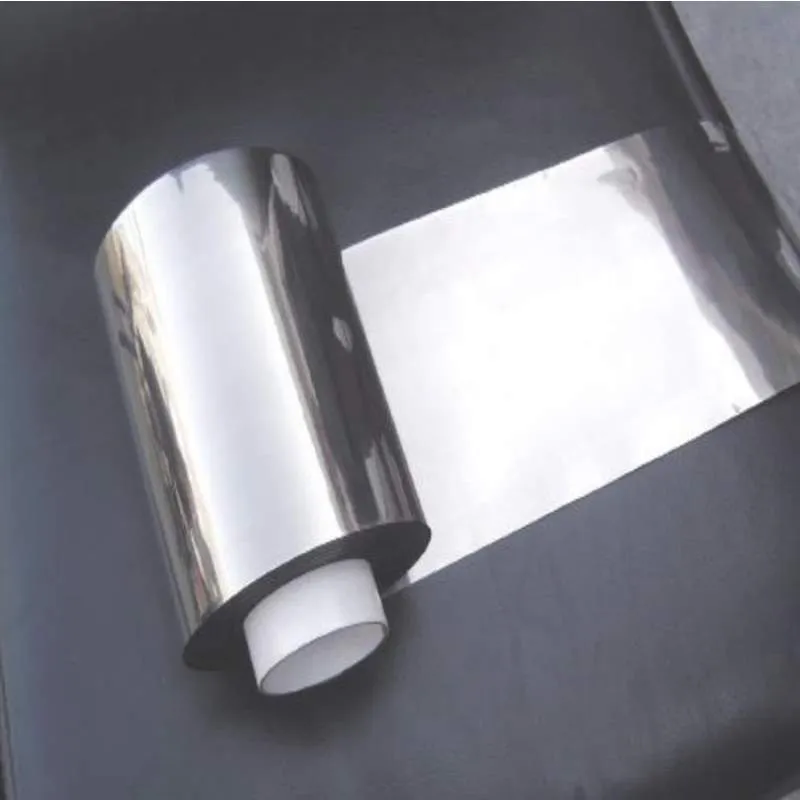
We provide JIS SKS21 Oil-hardening Cold Work Tool Steel Wire is available in Bar (Round bar, Flat bar), Ribbon, Wire, Rods, Tube,Seamless Tube,Pipe, Ingots, Plate, Sheet, Strip and Forging Stock.,Purity, chemical composition, size, etc. can all be customized to meet specific requirements.
Please contact us if you need customized services. We will contact you with the price and availability in 24 hours.
JIS SKS21 Oil-hardening Cold Work Tool Steel Wire Product Information
-:-
For detailed product information, please contact sales.
-:
JIS SKS21 Oil-hardening Cold Work Tool Steel Wire Synonyms
-:-
For detailed product information, please contact sales.
-:
JIS SKS21 Oil-hardening Cold Work Tool Steel Product Information
-:-
For detailed product information, please contact sales.
-:
# **JIS SKS21 Oil-Hardening Cold Work Tool Steel**
**International Standard:** JIS G4404 (Japan Industrial Standard) - Tool Steels
---
## **1. Overview**
JIS SKS21 is a **low-carbon, low-alloy oil-hardening cold work tool steel** specifically engineered for applications requiring **exceptional toughness and shock resistance** while maintaining adequate wear resistance. Characterized by its **lower carbon content compared to other SKS grades**, SKS21 provides superior impact toughness, making it ideal for tools subjected to heavy shock loading, bending stresses, and high-impact applications. It maintains the oil-hardening characteristics of the SKS series, offering good dimensional stability during heat treatment with relatively simple processing requirements.
---
## **2. Chemical Composition (Typical Weight %)**
| Element | Content (%) |
| :------ | :---------- |
| C | 0.70–0.80 |
| Si | 0.15–0.35 |
| Mn | 0.90–1.20 |
| Cr | 0.50–1.00 |
| W | 0.50–1.00 |
| V | 0.10–0.25 |
| P (max) | 0.030 |
| S (max) | 0.030 |
**Balance:** Iron (Fe).
**Key Characteristics:** The **lower carbon content (0.70-0.80%)** is the defining feature of SKS21, which directly contributes to its enhanced toughness. Combined with moderate alloying elements (Cr, W, V), it achieves a balance where sufficient hardenability and wear resistance are maintained while maximizing impact resistance. This composition is similar to SKS2 but with intentionally reduced carbon to prioritize toughness over maximum hardness.
---
## **3. Physical & Mechanical Properties**
### **Physical Properties**
- **Density:** ~7.82 g/cm³
- **Thermal Conductivity:** ~46 W/m·K (at 20°C) – Good heat transfer characteristics
- **Coefficient of Thermal Expansion:** ~12.6 ×10⁻⁶ /K (20–200°C)
- **Specific Heat Capacity:** ~0.46 kJ/kg·K
- **Modulus of Elasticity:** ~205 GPa
### **Mechanical Properties (Heat-Treated)**
- **Annealed Hardness:** 183–217 HB
- **Hardened & Tempered Hardness:** **54–59 HRC** (typical working range)
- Can achieve 56–60 HRC at lower tempering temperatures (150–200°C)
- Lower maximum hardness than higher-carbon SKS grades, by design
- **Tensile Strength:** ~1800–2000 MPa (at 58 HRC)
- **Yield Strength:** ~1600–1800 MPa
- **Elongation:** ~8–12% (better than higher-carbon tool steels)
- **Impact Toughness (Charpy):** **Excellent** – Typically 20–40 J (significantly higher than SKS2)
- **Wear Resistance:** **Good to Very Good** – Adequate for many applications, though less than higher-carbon grades
- **Compressive Strength:** ~2200–2500 MPa
- **Fatigue Strength:** Good, benefiting from high toughness
---
## **4. Heat Treatment Specifications**
### **1. Annealing**
- **Temperature:** 750–800°C
- **Process:** Heat uniformly, hold for 2–4 hours, furnace cool slowly (≤ 20°C/h) to 550°C, then air cool
- **Resulting Hardness:** 183–217 HB (excellent for machining)
- **Spheroidize Annealing:** 760–780°C, hold 4–6 hours, cool at 10°C/h to 600°C (optimal for machinability)
### **2. Stress Relieving**
- **Temperature:** 600–650°C
- **Hold Time:** 1–2 hours per 25mm thickness
- **Purpose:** Especially important for complex tools to minimize distortion
### **3. Hardening (Quenching)**
- **Preheating:** Recommended for uniform heating and reduced distortion
- **First Preheat:** 400–500°C
- **Second Preheat:** 700–750°C
- **Austenitizing Temperature:** **790–850°C** (typically 810–830°C)
- **Soaking Time:** 20–30 minutes per 25mm at temperature
- **Quenching Medium:** **Oil** (40–80°C recommended)
- **Critical Cooling Rate:** Moderate – less severe than water-hardening steels
### **4. Tempering**
- **Immediate Tempering:** Begin when tool reaches 50–80°C
- **Temperature Range:**
- **Low Temperature (150–250°C):** For maximum hardness (56–60 HRC)
- **Medium Temperature (250–400°C):** For optimal toughness-hardness balance (54–58 HRC)
- **High Temperature (400–550°C):** For maximum toughness (50–54 HRC)
- **Hold Time:** 1–2 hours per 25mm, minimum 1 hour
- **Cycles:** Single temper usually sufficient; double tempering for dimensional stability
---
## **5. Key Features & Advantages**
1. **Exceptional Toughness:** The primary advantage – superior impact resistance compared to most cold work tool steels
2. **Good Shock Resistance:** Withstands repeated impact loading without cracking
3. **Moderate Distortion:** Oil quenching provides better dimensional control than water hardening
4. **Excellent Machinability:** Lower carbon content improves machinability in annealed state
5. **Good Fatigue Resistance:** Performs well under cyclic loading conditions
6. **Adequate Wear Resistance:** Sufficient for many applications despite lower carbon
7. **Forging Capability:** Can be forged with proper procedures
8. **Weldability:** Better than higher-carbon tool steels (with precautions)
**Limitations:**
- **Lower Maximum Hardness:** Cannot achieve the high hardness levels of SKS2 or other high-carbon grades
- **Reduced Wear Resistance:** Less wear resistant than higher-carbon, higher-alloy steels
- **Limited Hot Hardness:** Not suitable for applications generating significant heat
---
## **6. Typical Applications**
SKS21 is specifically selected for **applications where toughness and shock resistance are paramount**.
### **High-Impact Tools:**
- **Heavy-Duty Punches:** For thick materials or difficult piercing operations
- **Chisels and Cold Cutters:** For cutting hard materials
- **Rivet Sets and Hammers:** Impact tools requiring resistance to deformation
- **Blacksmith Tools:** Hot work tools (though limited to lower temperatures)
### **Forming and Bending Tools:**
- **Bending Dies:** Especially for thick or spring-back prone materials
- **Forming Rolls:** Subjected to bending stresses
- **Swaging Tools:** For metal forming operations
- **Knurling Tools:** For producing patterns on shafts
### **Shearing and Cutting Applications:**
- **Shear Blades:** For cutting tough materials
- **Slugging Tools:** For heavy blanking operations
- **Notching Tools:** Subjected to impact during operation
### **Machine Components:**
- **Clutch Parts:** Requiring wear resistance with toughness
- **Gears and Sprockets:** For low-speed, high-torque applications
- **Bushings and Wear Plates:** Where impact may occur
- **Lathe Centers:** For supporting heavy workpieces
### **Special Applications:**
- **Plastic Injection Mold Components:** Cavities and cores for abrasive plastics
- **Die Casting Die Components:** Ejector pins, cores (for lower-temperature alloys)
- **Woodworking Tools:** For hardwoods or abrasive woods
---
## **7. International Standard Equivalents**
| Standard | Grade Designation | Notes |
| :--------------- | :------------------ | :----------------------------------------- |
| **JIS** | SKS21 | Original specification (JIS G4404) |
| **AISI/SAE (USA)**| L6 | **Close Equivalent** (slight composition differences) |
| **DIN (Germany)** | 1.2713 | Similar application grade |
| **ISO** | 70MnWCr2 | International designation |
| **BS (UK)** | Type 6 | British classification |
| **GB (China)** | 6CrW2Si | Similar characteristics |
| **UNS** | T61206 | Unified Numbering System |
**Note:** While often compared to AISI L6, exact compositions may vary slightly between standards. SKS21 is specifically optimized within the JIS system for toughness-oriented applications.
---
## **8. Machining & Fabrication Guidelines**
### **Machining (In Annealed State):**
- **Excellent Machinability:** Among the best of tool steels
- **Tooling:** High-speed steel tools work very well; carbide for production
- **Cutting Speeds:** 20–30% higher than higher-carbon tool steels
- **Feeds:** Can use more aggressive feeds due to better chip breaking
- **Surface Finish:** Produces good surface finishes easily
### **Grinding:**
- **Very Good Grindability:** Grinds easily without excessive heat generation
- **Wheel Selection:** Aluminum oxide wheels (A46-KV or similar)
- **Coolant:** Use coolant to maintain dimensional accuracy
- **Parameters:** Can use heavier infeeds than harder steels
### **Electrical Discharge Machining (EDM):**
- **Suitable:** Can be EDMed in hardened or annealed state
- **Post-EDM:** Temper at 150–200°C to relieve white layer stresses
- **Surface Integrity:** Good, with minimal affected zone
### **Welding:**
- **Better Weldability than most tool steels:** Due to lower carbon content
- **Preheat:** 200–300°C minimum
- **Filler Material:** Use matching composition or slightly lower carbon filler
- **Post-Weld Heat Treatment:** Stress relieve at 600–650°C or re-harden
- **Techniques:** Shielded metal arc, TIG, or MIG with proper procedures
### **Forging:**
- **Forging Temperature:** 1050–900°C
- **Start:** 1050°C maximum
- **Finish:** 900°C minimum
- **Cooling:** Slow furnace cool or bury in insulating material after forging
---
## **9. Surface Treatment**
### **1. Nitriding:**
- **Effective:** Improves surface hardness while maintaining tough core
- **Process:** Gas or plasma nitriding at 500–550°C
- **Case Depth:** 0.1–0.3 mm
- **Surface Hardness:** 650–850 HV
- **Benefits:** Significantly improves wear resistance without compromising toughness
### **2. Carburizing:**
- **Can be carburized:** To create a harder case while maintaining tough core
- **Process:** Pack, gas, or liquid carburizing
- **Result:** Case hardness up to 60–63 HRC with 50–55 HRC core
- **Applications:** For parts needing extreme surface wear resistance with tough core
### **3. Induction Hardening:**
- **Suitable:** For selective hardening of specific areas
- **Depth:** Typically 1–3 mm
- **Applications:** For wear surfaces on otherwise tough components
### **4. Coatings:**
- **Phosphate:** For corrosion resistance and lubricity
- **Chrome Plating:** For wear and corrosion resistance (hard chrome 0.01–0.05 mm)
- **PVD Coatings:** TiN, TiCN for specialized applications
---
## **10. Performance Comparison**
### **Within SKS Oil-Hardening Series:**
| Property | SKS21 | SKS2 (O1) | SKS3 (O2) | SKS4 (W1-type) |
|-----------------------|-------------|-------------|-------------|----------------|
| **Carbon Content** | 0.70–0.80% | 0.95–1.10% | 0.85–0.95% | 1.00–1.10% |
| **Typical Hardness** | 54–59 HRC | 57–62 HRC | 55–60 HRC | 58–63 HRC |
| **Impact Toughness** | **Best** | Good | Very Good | Fair |
| **Wear Resistance** | Good | **Best** | Very Good | Good |
| **Machinability** | Excellent | Excellent | Excellent | Excellent |
| **Primary Use** | High impact | General | Balanced | Cutting edges |
### **Compared to Other Toughness-Oriented Tool Steels:**
| Property | SKS21 (L6-type) | S7 | A8 | 6F7 |
|-----------------------|-----------------|-------------|-------------|-------------|
| **Hardening Method** | Oil | Air | Air | Oil/Air |
| **Max Hardness** | 60 HRC | 58 HRC | 60 HRC | 58 HRC |
| **Impact Toughness** | Excellent | **Best** | Very Good | Excellent |
| **Wear Resistance** | Good | Fair | Good | Good |
| **Distortion** | Low | Very Low | Very Low | Low |
| **Cost** | Low | Medium | Medium | Medium |
---
## **11. Design Considerations**
### **Section Size Capability:**
- **Full Hardening:** Up to approximately 30 mm diameter/thickness
- **Case Hardening:** Effective for larger sections when carburized or nitrided
- **Large Tools:** Consider through-hardening limitations in design
### **Stress Management:**
- **Radius All Features:** Minimum 0.75 mm radius on corners
- **Avoid Sharp Transitions:** Use generous fillets and tapers
- **Uniform Sections:** Design for even wall thickness where possible
- **Stress Relief:** Essential after rough machining of complex shapes
### **Hardness Selection:**
- **For Maximum Toughness:** Temper at 400–500°C (50–54 HRC)
- **For Balanced Properties:** Temper at 250–350°C (54–58 HRC)
- **For Maximum Wear Resistance:** Temper at 150–200°C (58–60 HRC)
### **Dimensional Changes:**
- **During Hardening:** Typically 0.04–0.12% growth
- **During Tempering:** Minimal dimensional change
- **Allowance:** Include 0.1–0.2 mm per side for finish grinding after heat treatment
---
## **12. Quality Control & Inspection**
### **Hardness Testing:**
- **Rockwell C Scale:** For hardened material (multiple locations)
- **Superficial Rockwell:** For thin sections or case depth measurement
- **Brinell:** For annealed material
### **Microstructure Evaluation:**
- **Annealed State:** Spheroidized carbides in ferrite matrix
- **Hardened State:** Tempered martensite with fine carbides
- **Grain Size:** ASTM 8 or finer preferred
- **Carbide Distribution:** Even distribution desired
### **Non-Destructive Testing:**
- **Magnetic Particle Inspection:** For surface cracks after heat treatment
- **Ultrasonic Testing:** For internal defects in larger sections
- **Dimensional Verification:** Critical for precision tooling
### **Performance Testing (as needed):**
- **Impact Testing:** Charpy V-notch for critical applications
- **Fatigue Testing:** For cyclic loading applications
- **Wear Testing:** For applications with specific wear requirements
---
## **13. Summary & Selection Guidelines**
JIS SKS21 is a **specialized toughness-oriented oil-hardening tool steel** that excels in applications where impact resistance is the primary concern.
### **Select SKS21 When:**
1. **Exceptional toughness and shock resistance** are required
2. Tools are subjected to **heavy impact or bending stresses**
3. **Fatigue resistance** under cyclic loading is important
4. **Good machinability** facilitates tool manufacturing
5. **Moderate wear resistance** with high toughness is needed
6. **Oil-hardening characteristics** are preferred for dimensional control
7. **Cost-effectiveness** is important for high-toughness applications
### **Optimal Application Examples:**
- **Heavy blanking and punching tools** for thick materials
- **Impact tools** like chisels, hammers, and rivet sets
- **Forming tools** subjected to high bending stresses
- **Machine components** requiring both wear resistance and toughness
- **Prototype tooling** where shock resistance is uncertain
### **Consider Alternatives When:**
- **Maximum wear resistance** is the primary requirement (consider SKS2 or higher-alloy steels)
- **Extreme hardness** (>60 HRC) is necessary
- **High-temperature operation** is involved (consider hot work steels)
- **Maximum dimensional stability** is critical for complex tools (consider air-hardening grades)
- **Corrosion resistance** is required (consider stainless tool steels)
### **Heat Treatment Strategy:**
- **For maximum toughness:** Use higher tempering temperatures (400–550°C)
- **For balanced properties:** Temper at 250–350°C
- **For severe impact applications:** Consider double tempering for stress relief
- **Always stress relieve** after rough machining of complex tools
### **Economic Value:**
- **Material cost** similar to other SKS grades
- **Machining savings** due to excellent machinability
- **Tool life extension** in impact applications compared to harder, more brittle steels
- **Reduced downtime** from tool breakage in demanding applications
### **Industry Preference:**
SKS21 is particularly valued in industries where tools face unpredictable or severe impact conditions, such as:
- Heavy metal stamping and forming
- Tool and die maintenance shops
- Blacksmith and forging operations
- Heavy equipment maintenance
- Prototype and short-run tooling
### **Final Recommendation:**
JIS SKS21 fills a critical niche in the tool steel spectrum as a **toughness-optimized oil-hardening grade**. Its deliberate sacrifice of maximum hardness for superior impact resistance makes it the **ideal choice for applications where tool breakage from shock loading is a greater concern than gradual wear**.
For tool designers and manufacturers facing challenges with tool fracture in demanding applications, SKS21 offers a **proven solution that combines reasonable wear resistance with exceptional toughness**. Its processing simplicity, good machinability, and reliable performance under impact conditions ensure its continued relevance in toolrooms and manufacturing facilities worldwide.
When the application demands a tool steel that can "take a beating" while maintaining functional performance, SKS21 stands as an excellent and economical choice that has proven its value through decades of industrial use.
-:-
For detailed product information, please contact sales.
-:
JIS SKS21 Oil-hardening Cold Work Tool Steel Specification
Dimensions
Size:
Diameter 20-1000 mm Length <6820 mm
Size:We can customized as required
Standard:
Per your request or drawing
We can customized as required
Properties(Theoretical)
Chemical Composition
-:-
For detailed product information, please contact sales.
-:
JIS SKS21 Oil-hardening Cold Work Tool Steel Properties
-:-
For detailed product information, please contact sales.
-:
Applications of JIS SKS21 Oil-hardening Cold Work Tool Steel Wire
-:-
For detailed product information, please contact sales.
-:
Chemical Identifiers JIS SKS21 Oil-hardening Cold Work Tool Steel Wire
-:-
For detailed product information, please contact sales.
-:
Packing of JIS SKS21 Oil-hardening Cold Work Tool Steel Wire
-:-
For detailed product information, please contact sales.
-:
Standard Packing:
-:-
For detailed product information, please contact sales.
-:
Typical bulk packaging includes palletized plastic 5 gallon/25 kg. pails, fiber and Steel Wire drums to 1 ton super sacks in full container (FCL) or truck load (T/L) quantities. Research and sample quantities and hygroscopic, oxidizing or other air sensitive materials may be packaged under argon or vacuum. Solutions are packaged in polypropylene, plastic or glass jars up to palletized 3291 gallon liquid totes Special package is available on request. E FORUs’ is carefully handled to minimize damage during storage and transportation and to preserve the quality of our products in their original condition