JIS SKS2M Oil-Hardening Cold Work Tool Steel
Product Code : STI-GSTI-165-CU
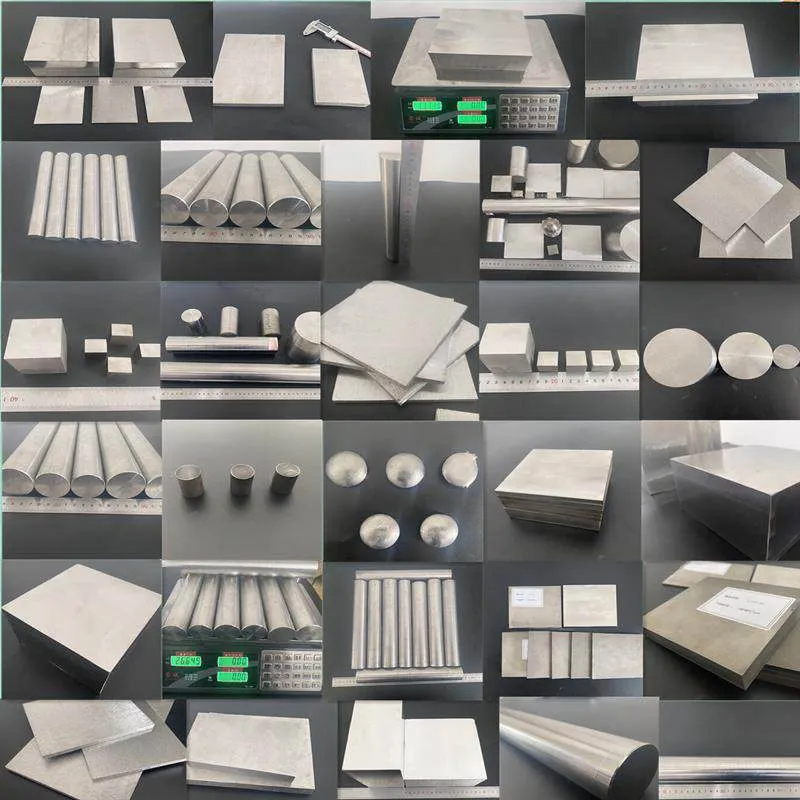
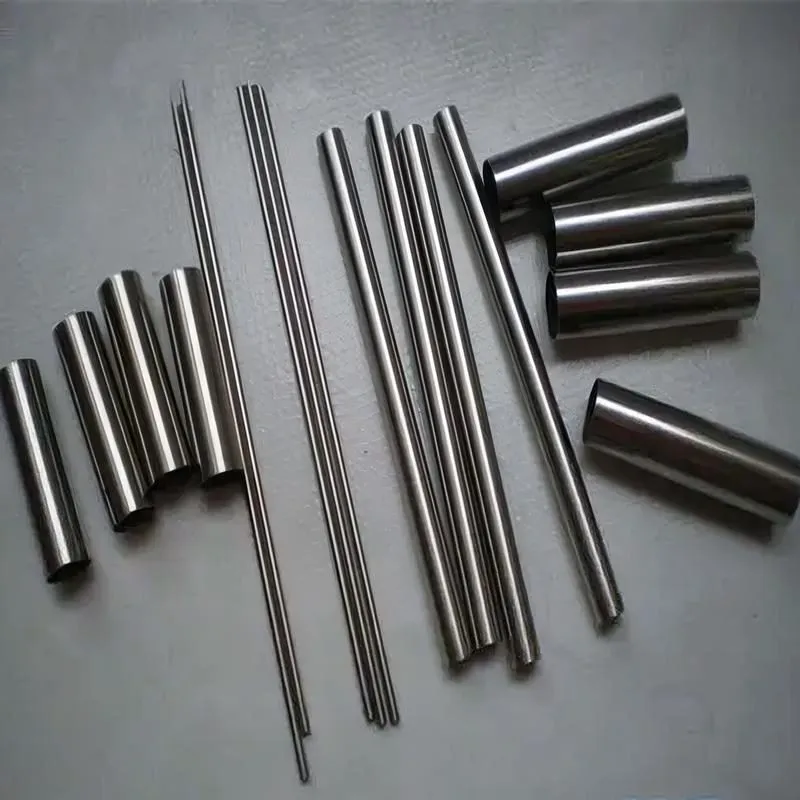
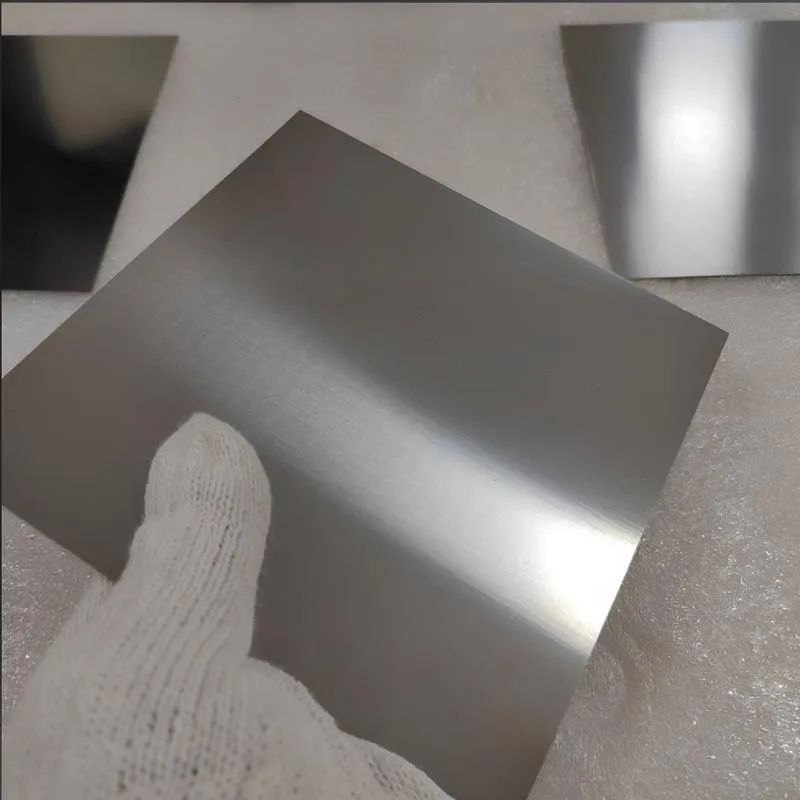
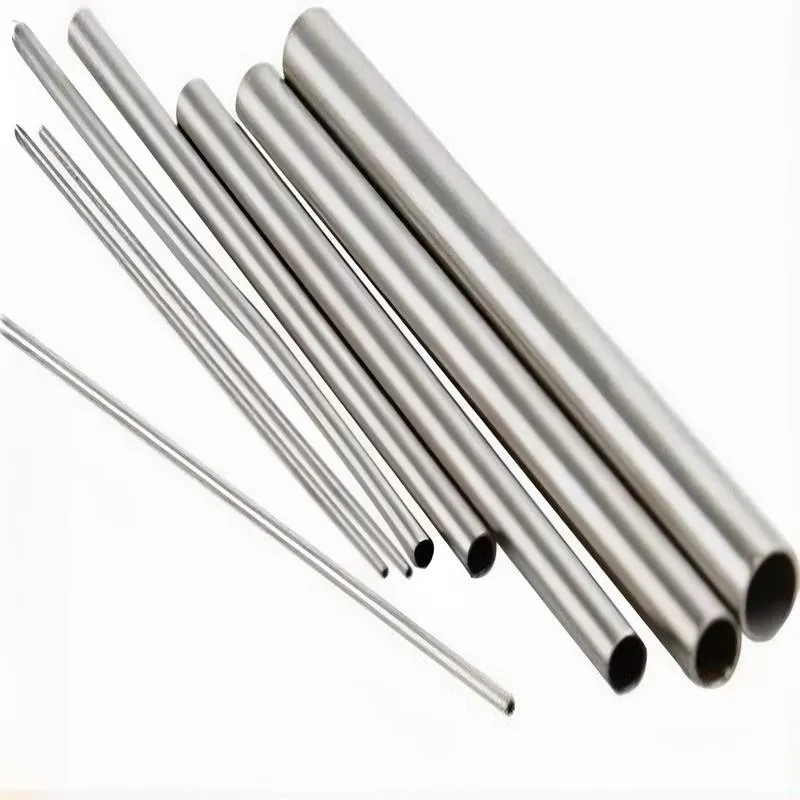
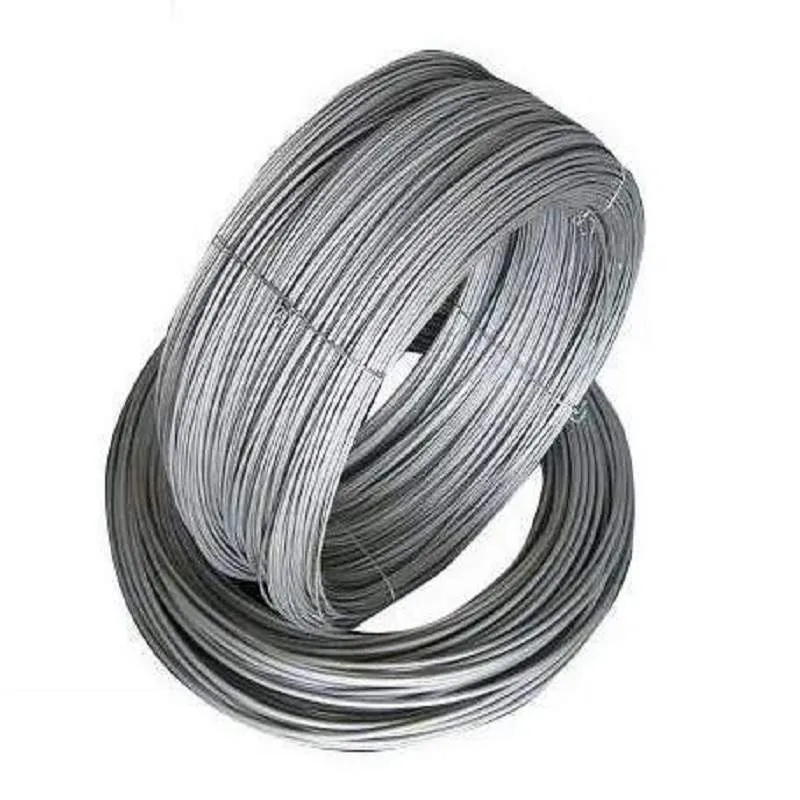
We provide JIS SKS2M Oil-Hardening Cold Work Tool Steel is available in Bar (Round bar, Flat bar), Ribbon, Wire, Rods, Tube,Seamless Tube,Pipe, Ingots, Plate, Sheet, Strip and Forging Stock.,Purity, chemical composition, size, etc. can all be customized to meet specific requirements.
Please contact us if you need customized services. We will contact you with the price and availability in 24 hours.
JIS SKS2M Oil-Hardening Cold Work Tool Steel Product Information
-:-
For detailed product information, please contact sales.
-:
JIS SKS2M Oil-Hardening Cold Work Tool Steel Synonyms
-:-
For detailed product information, please contact sales.
-:
JIS SKS2M Oil-Hardening Cold Work Tool Steel Product Information
-:-
For detailed product information, please contact sales.
-:
# **JIS SKS2M Oil-Hardening Cold Work Tool Steel**
**International Standard:** JIS G4404 (Japan Industrial Standard) - Tool Steels
---
## **1. Overview**
JIS SKS2M is a **specialized high-carbon, low-alloy oil-hardening cold work tool steel** developed as a **machinability-enhanced variant** of the standard SKS2 grade. This steel is characterized by its **excellent free-machining properties in the annealed state while maintaining the core mechanical properties of conventional SKS2 after heat treatment**. The addition of sulfur or other machinability-enhancing elements allows for significantly improved productivity during tool manufacturing, making it particularly valuable for complex tools requiring extensive machining operations.
---
## **2. Chemical Composition (Typical Weight %)**
| Element | Content (%) |
| :------ | :---------- |
| C | 0.95–1.10 |
| Si | 0.15–0.35 |
| Mn | 0.90–1.20 |
| Cr | 0.50–1.00 |
| W | 0.50–1.00 |
| V | 0.10–0.25 |
| S | 0.08–0.15 |
| P (max) | 0.030 |
| Ca (optional) | 0.001–0.005 |
**Balance:** Iron (Fe).
**Key Characteristics:** The primary distinction from standard SKS2 is the **intentional addition of sulfur (0.08–0.15%)** to form manganese sulfide (MnS) inclusions that act as chip breakers during machining. These inclusions improve machinability without significantly compromising the transverse mechanical properties after proper heat treatment. The core alloy composition remains essentially identical to SKS2, ensuring similar performance characteristics in service.
---
## **3. Physical & Mechanical Properties**
### **Physical Properties**
- **Density:** ~7.82 g/cm³ (slightly lower than SKS2 due to inclusions)
- **Thermal Conductivity:** ~44 W/m·K (at 20°C) – Similar to SKS2
- **Coefficient of Thermal Expansion:** ~12.5 ×10⁻⁶ /K (20–200°C)
- **Specific Heat Capacity:** ~0.46 kJ/kg·K
- **Modulus of Elasticity:** ~210 GPa (slightly anisotropic due to inclusions)
### **Mechanical Properties (Heat-Treated)**
- **Annealed Hardness:** 187–229 HB (excellent for machining)
- **Hardened & Tempered Hardness:** **57–62 HRC** (identical to SKS2 in longitudinal direction)
- **Tensile Strength:** ~1950–2150 MPa (at 60 HRC, longitudinal)
- **Transverse Strength:** ~10–20% lower than longitudinal due to sulfide stringers
- **Impact Toughness (Longitudinal):** Good – Similar to SKS2
- **Impact Toughness (Transverse):** Reduced – Typically 30–50% lower than longitudinal
- **Wear Resistance:** **Good** – Comparable to SKS2 for most applications
- **Fatigue Strength:** Slightly reduced in transverse direction
### **Machinability Characteristics**
- **Machinability Rating:** 85–95% (compared to 100% for 1212 steel)
- **Chip Formation:** Short, broken chips – excellent chip control
- **Surface Finish:** Good to excellent with proper parameters
- **Tool Life:** Extended tool life compared to standard SKS2
- **Cutting Forces:** Reduced by 15–25% compared to non-free-machining grades
---
## **4. Heat Treatment Specifications**
### **1. Annealing**
- **Temperature:** 750–800°C
- **Process:** Heat uniformly, hold for 2–4 hours, furnace cool slowly (≤ 20°C/h) to 550°C, then air cool
- **Resulting Hardness:** 187–229 HB (optimal for machining)
- **Note:** Excellent machinability in this condition is the primary advantage
### **2. Stress Relieving**
- **Temperature:** 600–650°C
- **Hold Time:** 1–2 hours per 25mm thickness
- **Importance:** Critical due to higher residual stresses from aggressive machining
### **3. Hardening (Quenching)**
- **Preheating:** Recommended, especially for complex shapes
- **First Preheat:** 400–500°C
- **Second Preheat:** 700–750°C
- **Austenitizing Temperature:** **780–850°C** (typically 800–830°C)
- **Soaking Time:** 20–30 minutes per 25mm at temperature
- **Quenching Medium:** **Oil** (40–80°C recommended for minimal distortion)
- **Caution:** Avoid overheating which may cause grain boundary sulfidation
### **4. Tempering**
- **Immediate Tempering:** Begin when tool reaches 50–80°C
- **Temperature Range:** **150–250°C** for maximum hardness (58–62 HRC)
- Higher tempering temperatures (up to 500°C) for increased toughness
- **Hold Time:** 1–2 hours per 25mm thickness, minimum 1 hour
- **Cycles:** Single temper usually sufficient; double tempering improves stability
### **Special Considerations:**
- **Decarburization Sensitivity:** Similar to SKS2 – protect during heating
- **Grain Growth:** Similar to SKS2 – avoid excessive temperatures or times
- **Dimensional Stability:** Excellent with proper oil quenching technique
---
## **5. Key Features & Advantages**
1. **Exceptional Machinability:** The primary advantage – allows faster machining, better surface finish, and extended tool life during manufacturing
2. **Good Chip Control:** Produces short, broken chips that are easy to manage
3. **Reduced Manufacturing Costs:** Lower machining time and tooling costs
4. **Maintains SKS2 Performance:** After heat treatment, provides similar mechanical properties to standard SKS2 in service
5. **Minimal Distortion:** Oil quenching provides good dimensional control
6. **Versatile Applications:** Suitable for same applications as SKS2 where directional properties are considered
**Limitations:**
- **Anisotropic Properties:** Mechanical properties vary with direction (weaker transverse to rolling direction)
- **Reduced Transverse Toughness:** Not suitable for highly stressed multi-directional applications
- **Surface Finish Limitations:** For some very high polish applications, inclusions may be visible
- **Special Grinding Considerations:** May require adjusted parameters due to inclusions
---
## **6. Typical Applications**
SKS2M is specifically selected for **applications where extensive machining is required during tool manufacturing**, particularly for complex shapes.
### **Intricate Tooling Components:**
- **Complex Punches and Dies:** With elaborate profiles requiring significant machining
- **Forming Tools:** With intricate contours and details
- **Precision Gauges:** Requiring fine detailing and tight tolerances
- **Template and Patterns:** Needing complex machining operations
### **Production Tooling:**
- **Mold Inserts:** For plastic injection or die casting (non-critical surfaces)
- **Fixture Components:** Requiring precise machining
- **Machine Tool Components:** Bushings, guides, wear plates
- **Gear Cutting Tools:** Hobs, shapers (with proper orientation)
### **Specialized Applications:**
- **Prototype Tooling:** Where quick machining turnaround is critical
- **Educational/Training Tools:** Where machinability is prioritized
- **Low to Medium Production Tools:** Where manufacturing efficiency matters
- **Tooling for Non-Ferrous Materials:** Where extreme wear resistance isn't required
### **Application Guidelines:**
- **Best for:** Tools with primary stresses aligned with rolling direction
- **Avoid for:** Tools with significant multi-directional or impact loading
- **Ideal for:** Complex shapes requiring extensive milling, drilling, or tapping
- **Suitable for:** Tools where manufacturing cost reduction is important
---
## **7. International Standard Equivalents**
| Standard | Grade Designation | Notes |
| :--------------- | :------------------ | :----------------------------------------- |
| **JIS** | SKS2M | Original specification (JIS G4404) |
| **AISI/SAE (USA)**| O1 "Free-Machining" | Similar free-machining variant |
| **DIN (Germany)** | 1.2510 (GS) | With sulfur addition |
| **Proprietary** | Various "Improved Machining" grades | From tool steel suppliers |
| **Custom** | O1-Type with S added | Modified by steel producers |
**Note:** The "M" suffix in JIS nomenclature typically indicates improved machinability, usually through sulfur addition. Exact equivalents vary as this is a modified standard grade.
---
## **8. Machining & Fabrication Guidelines**
### **Machining (In Annealed State):**
- **Exceptional Machinability:** 20–40% better than standard SKS2
- **Cutting Speeds:** Can increase by 20–30% compared to standard tool steels
- **Feeds:** Can use more aggressive feeds with good chip control
- **Tool Materials:** High-speed steel works well; carbide for production
- **Tool Geometry:** Standard geometries work well; positive rake recommended
- **Coolants:** Use for best surface finish and tool life
### **Optimal Machining Parameters:**
- **Turning:** 60–90 m/min with HSS, 120–180 m/min with carbide
- **Milling:** 30–45 m/min with HSS, 80–120 m/min with carbide
- **Drilling:** 20–30 m/min with HSS, 40–60 m/min with carbide
- **Tapping:** Excellent tap life – use standard speeds
### **Grinding:**
- **Good Grindability:** But requires attention to wheel selection
- **Wheel Selection:** Softer grade wheels (H–J hardness) recommended
- **Coolant:** Essential to prevent loading of wheel with soft sulfides
- **Surface Finish:** Can achieve good finishes with proper technique
### **Electrical Discharge Machining (EDM):**
- **Excellent for EDM:** Performs very well in both sinking and wire EDM
- **Material Removal Rate:** Similar to standard SKS2
- **Surface Finish:** Good with proper parameters
- **Post-EDM:** Temper at 150–180°C to relieve white layer stresses
### **Welding:**
- **Not Generally Recommended:** Sulfur content increases hot cracking susceptibility
- **If Necessary:** Use low-hydrogen electrodes with high preheat (300–400°C)
- **Post-Weld:** Full annealing or re-hardening recommended
### **Orientation Considerations:**
- **Design Awareness:** Align critical stress directions with rolling direction
- **Stock Selection:** Consider orientation when purchasing material
- **Machining Strategy:** Plan operations to minimize transverse stresses
---
## **9. Surface Treatment**
### **1. Nitriding:**
- **Effective:** Improves surface hardness and wear resistance
- **Process:** Gas or plasma nitriding at 500–550°C
- **Case Depth:** 0.1–0.3 mm typical
- **Surface Hardness:** 700–900 HV
- **Note:** Sulfides may affect case uniformity slightly
### **2. Coatings:**
- **Phosphate Coating:** Good for corrosion resistance and lubricity
- **Chrome Plating:** Standard hard chrome works well (0.01–0.05 mm)
- **PVD Coatings:** TiN, TiCN can be applied (good adhesion)
### **3. Polishing:**
- **Capability:** Can be polished to good finish
- **Consideration:** Sulfide inclusions may be visible at very high polish levels
- **Technique:** Standard polishing procedures apply
---
## **10. Performance Comparison**
### **Compared to Standard SKS2:**
| Property | SKS2M | SKS2 (Standard) |
|-----------------------|---------------------|---------------------|
| **Machinability** | **Excellent** | Very Good |
| **Chip Control** | **Excellent** | Good |
| **Tool Life in Machining** | **Extended** | Standard |
| **Longitudinal Strength** | Similar | Similar |
| **Transverse Strength** | Reduced (10–20%) | Isotropic |
| **Impact Toughness** | Directional | Isotropic |
| **Surface Polish** | Good (inclusions may show) | Excellent |
| **Manufacturing Cost** | **Lower** | Higher |
| **Application Range** | More selective | Broader |
### **Economic Comparison:**
| Factor | SKS2M Advantage |
|-----------------------|---------------------|
| **Machining Time** | 20–40% reduction |
| **Tooling Cost** | 15–30% reduction |
| **Scrap Rate** | Lower for complex parts |
| **Setup Time** | Reduced due to easier machining |
| **Overall Manufacturing Cost** | 15–25% lower |
---
## **11. Design & Manufacturing Considerations**
### **Material Orientation:**
- **Critical:** Always specify and maintain rolling direction in drawings
- **Best Practice:** Align primary tensile stresses with rolling direction
- **Worst Practice:** Apply significant transverse stresses to free-machining grades
### **Section Size:**
- **Similar to SKS2:** Up to 25 mm for full hardening
- **Larger Sections:** Consider case hardening or alternative grades
- **Thin Sections:** Excellent due to good machinability
### **Stress Concentration:**
- **More Sensitive:** To notches and sharp corners in transverse direction
- **Design Rule:** Use larger radii than with isotropic materials
- **Minimum Radius:** 1.0 mm recommended (vs. 0.5 mm for standard SKS2)
### **Quality Control:**
- **Ultrasonic Testing:** May show indications from sulfide stringers (normal)
- **Magnetic Particle:** Standard inspection applicable
- **Dimensional Checks:** Particularly important after heat treatment
---
## **12. Quality Control & Inspection**
### **Material Certification:**
- **Chemistry:** Verify sulfur content (0.08–0.15%)
- **Machinability Tests:** Optional but valuable for critical applications
- **Inclusion Rating:** Per ASTM E45 – sulfides typically Type A
### **Heat Treatment Validation:**
- **Hardness Testing:** Multiple locations and orientations
- **Microstructure:** Check for proper tempering and grain size
- **Case Depth:** For surface-treated components
### **Non-Destructive Testing:**
- **Understand Limitations:** Sulfide stringers will appear in ultrasonic tests
- **Establish Baseline:** Know normal indications for the material
- **Critical Applications:** May require more extensive testing
---
## **13. Summary & Selection Guidelines**
JIS SKS2M is a **strategically optimized variant of SKS2** that prioritizes manufacturing efficiency through enhanced machinability.
### **Select SKS2M When:**
1. **Complex tool geometries** require extensive machining operations
2. **Manufacturing cost reduction** is a significant priority
3. **Production volumes** justify material optimization
4. **Primary service stresses** are aligned with material rolling direction
5. **Tool lead time** reduction is critical
6. **Machining capacity** is a production bottleneck
7. **Prototype development** requires quick turnaround
### **Optimal Application Scenarios:**
- **Intricate stamping dies** with complex profiles
- **Multi-cavity mold inserts** requiring extensive machining
- **Precision gauges and fixtures** with tight tolerances
- **Educational and training tools** where machinability is valued
- **Replacement parts** for existing SKS2 tools needing remanufacturing
### **Avoid SKS2M When:**
1. **Multi-directional loading** is significant in service
2. **Extreme impact resistance** is required in all directions
3. **Maximum transverse properties** are critical
4. **Mirror polishing** is required (inclusions may be visible)
5. **Welding or extensive repair** is anticipated
6. **Material orientation** cannot be controlled in design/manufacturing
### **Economic Justification:**
- **Rule of Thumb:** Consider SKS2M when machining accounts for >30% of total tool cost
- **Break-even Analysis:** Compare material cost difference vs. machining savings
- **Total Cost of Ownership:** Include tool life, maintenance, and performance
### **Implementation Strategy:**
1. **Start with Non-Critical Tools:** Gain experience before critical applications
2. **Document Orientation:** Clearly mark and maintain rolling direction
3. **Optimize Parameters:** Take full advantage of improved machinability
4. **Monitor Performance:** Track tool life and maintenance requirements
5. **Expand Application:** Apply to more tools as experience grows
### **Industry Adoption:**
SKS2M is particularly valued in:
- **High-mix tool and die shops** with varied machining requirements
- **Prototype and development facilities** needing quick turnaround
- **Educational institutions** teaching toolmaking
- **Maintenance departments** making replacement parts
- **Production environments** where machining capacity is limited
### **Final Recommendation:**
JIS SKS2M represents a **practical engineering compromise** that optimizes the total manufacturing process rather than just final material properties. By accepting some directional limitations in exchange for dramatically improved manufacturability, it offers **real economic benefits for appropriate applications**.
For tool designers and manufacturers facing challenges with machining complex tools from conventional tool steels, SKS2M provides a **validated solution that balances performance with producibility**. Its use should be considered within a total cost framework, recognizing that the lowest material cost does not always equate to the lowest total cost.
When applied judiciously with proper attention to orientation and service conditions, SKS2M can deliver **excellent value through reduced manufacturing time and costs while maintaining adequate performance for many cold work tooling applications**.
-:-
For detailed product information, please contact sales.
-:
JIS SKS2M Oil-Hardening Cold Work Tool Steel Specification
Dimensions
Size:
Diameter 20-1000 mm Length <6821 mm
Size:We can customized as required
Standard:
Per your request or drawing
We can customized as required
Properties(Theoretical)
Chemical Composition
-:-
For detailed product information, please contact sales.
-:
JIS SKS2M Oil-Hardening Cold Work Tool Steel Properties
-:-
For detailed product information, please contact sales.
-:
Applications of JIS SKS2M Oil-Hardening Cold Work Tool Steel
-:-
For detailed product information, please contact sales.
-:
Chemical Identifiers JIS SKS2M Oil-Hardening Cold Work Tool Steel
-:-
For detailed product information, please contact sales.
-:
Packing of JIS SKS2M Oil-Hardening Cold Work Tool Steel
-:-
For detailed product information, please contact sales.
-:
Standard Packing:
-:-
For detailed product information, please contact sales.
-:
Typical bulk packaging includes palletized plastic 5 gallon/25 kg. pails, fiber and steel drums to 1 ton super sacks in full container (FCL) or truck load (T/L) quantities. Research and sample quantities and hygroscopic, oxidizing or other air sensitive materials may be packaged under argon or vacuum. Solutions are packaged in polypropylene, plastic or glass jars up to palletized 3292 gallon liquid totes Special package is available on request. E FORUs’ is carefully handled to minimize damage during storage and transportation and to preserve the quality of our products in their original condition