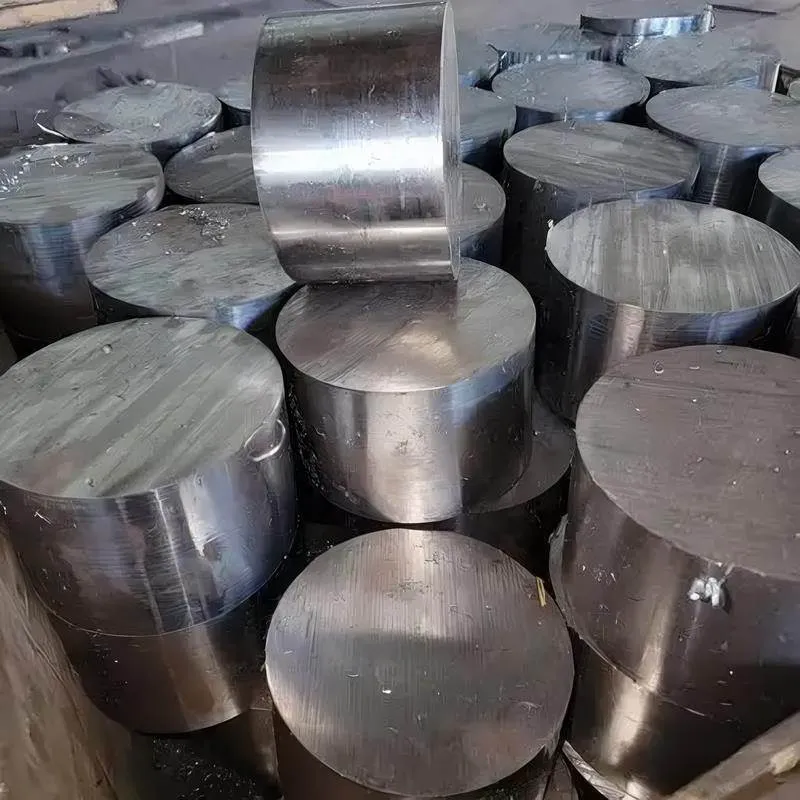
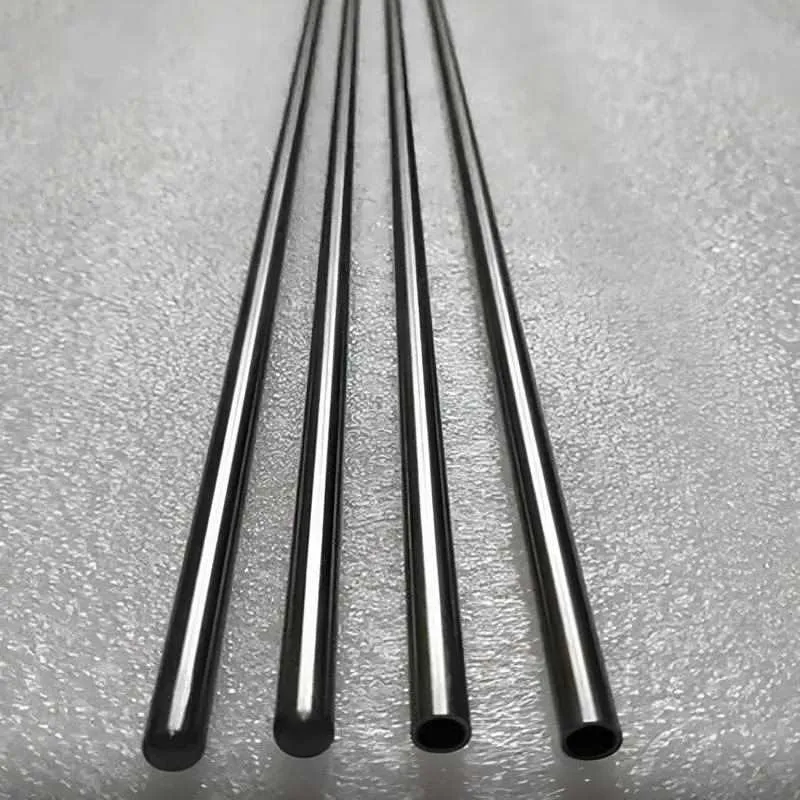
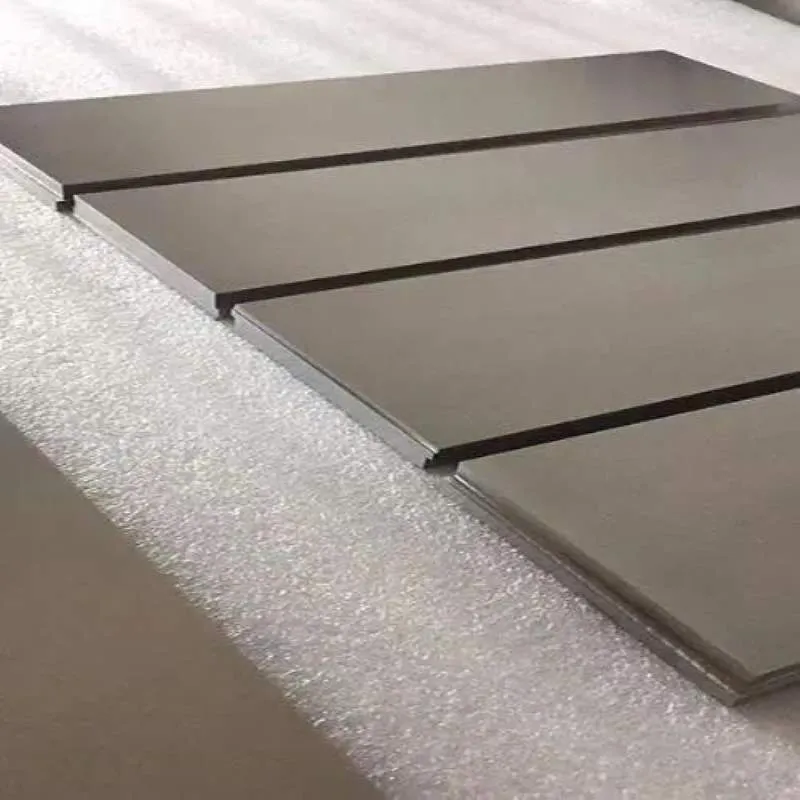
JIS SKS31 Oil-Hardening Cold Work Tool Steel Rod/Bar
Product Code : STI-GSTI-167-CU
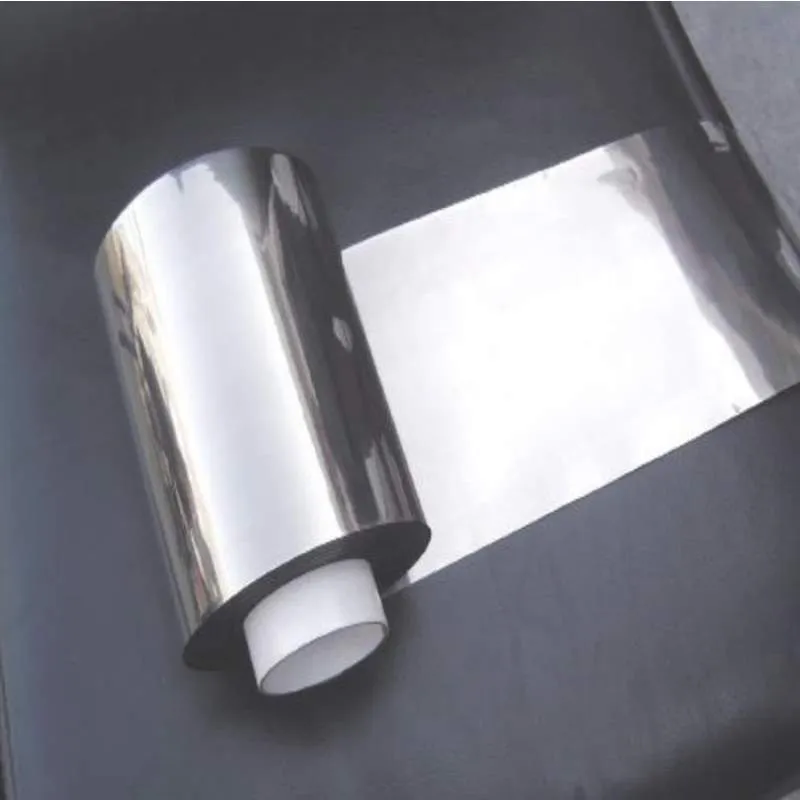
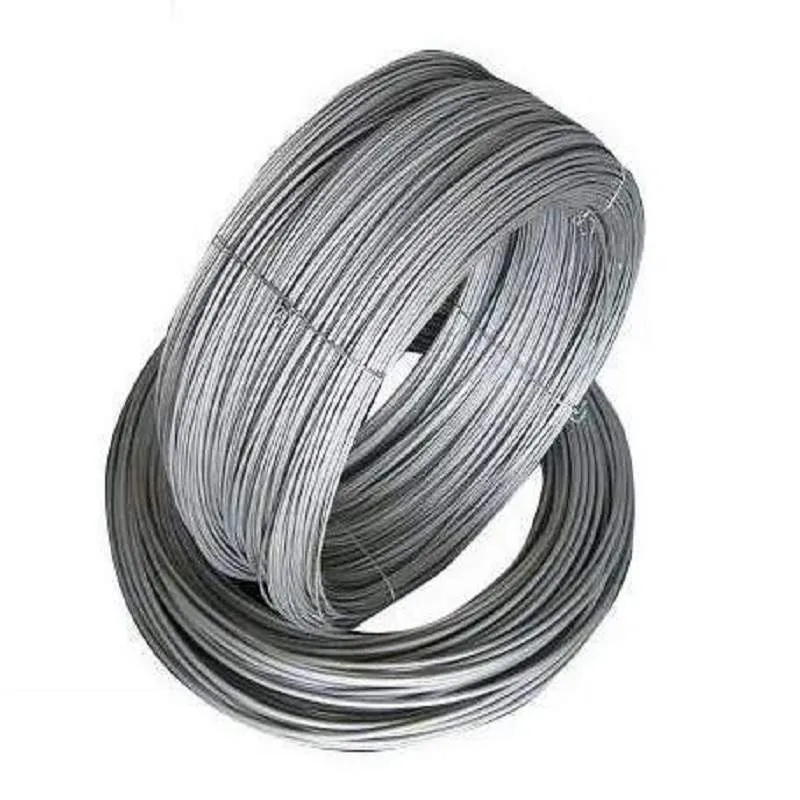
We provide JIS SKS31 Oil-Hardening Cold Work Tool Steel Rod/Bar is available in Bar (Round bar, Flat bar), Ribbon, Wire, Rod/Bars, Tube,Seamless Tube,Pipe, Ingots, Plate, Sheet, Strip and Forging Stock.,Purity, chemical composition, size, etc. can all be customized to meet specific requirements.
Please contact us if you need customized services. We will contact you with the price and availability in 24 hours.
JIS SKS31 Oil-Hardening Cold Work Tool Steel Rod Product Information
-:-
For detailed product information, please contact sales.
-:
JIS SKS31 Oil-Hardening Cold Work Tool Steel Rod Synonyms
-:-
For detailed product information, please contact sales.
-:
JIS SKS31 Oil-Hardening Cold Work Tool Steel Product Information
-:-
For detailed product information, please contact sales.
-:
# **JIS SKS31 Oil-Hardening Cold Work Tool Steel**
**International Standard:** JIS G4404 (Japan Industrial Standard) - Tool Steels
---
## **1. Overview**
JIS SKS31 is a **low-carbon, chromium-manganese alloyed oil-hardening cold work tool steel** specifically formulated for applications requiring **superior toughness and impact resistance** while maintaining adequate wear characteristics. As the lowest carbon grade in the SKS series, SKS31 prioritizes shock absorption and crack resistance over maximum hardness, making it ideal for tools subjected to severe impact loading, bending stresses, and heavy-duty forming operations where tool fracture is a primary concern.
---
## **2. Chemical Composition (Typical Weight %)**
| Element | Content (%) |
| :------ | :---------- |
| C | 0.35–0.45 |
| Si | 0.15–0.35 |
| Mn | 1.20–1.60 |
| Cr | 0.80–1.20 |
| Ni | 0.25–0.50 |
| Mo | 0.15–0.30 |
| V | ≤ 0.10 |
| P (max) | 0.030 |
| S (max) | 0.030 |
**Balance:** Iron (Fe).
**Key Characteristics:** SKS31 features an **intentionally low carbon content (0.35–0.45%)** combined with **enhanced manganese (1.20–1.60%) and nickel (0.25–0.50%)** to achieve deep hardenability and exceptional toughness. This composition creates a predominantly low-carbon martensitic structure with minimal hard carbides, maximizing impact resistance while maintaining sufficient strength for many cold work applications.
---
## **3. Physical & Mechanical Properties**
### **Physical Properties**
- **Density:** ~7.81 g/cm³
- **Thermal Conductivity:** ~48 W/m·K (at 20°C) – Excellent heat transfer
- **Coefficient of Thermal Expansion:** ~12.8 ×10⁻⁶ /K (20–200°C)
- **Specific Heat Capacity:** ~0.47 kJ/kg·K
- **Modulus of Elasticity:** ~200 GPa
- **Magnetic Properties:** Ferromagnetic
### **Mechanical Properties (Heat-Treated)**
- **Annealed Hardness:** 170–207 HB
- **Hardened & Tempered Hardness:** **45–55 HRC** (typical working range)
- Can achieve 50–55 HRC with low tempering (180–250°C)
- Typically operated at 48–52 HRC for optimal toughness balance
- **Tensile Strength:** ~1500–1700 MPa (at 52 HRC)
- **Yield Strength:** ~1300–1500 MPa
- **Elongation:** **Excellent** – 12–18% (superior to higher-carbon tool steels)
- **Reduction of Area:** 40–55%
- **Impact Toughness (Charpy):** **Exceptional** – Typically 40–70 J (2–3× higher than SKS2)
- **Wear Resistance:** **Moderate** – Adequate for many applications, but not for highly abrasive conditions
- **Compressive Strength:** ~1800–2200 MPa
- **Fatigue Strength:** Excellent due to high toughness
---
## **4. Heat Treatment Specifications**
### **1. Annealing**
- **Temperature:** 740–780°C
- **Process:** Heat uniformly, hold for 2–3 hours, furnace cool slowly (≤ 25°C/h) to 500°C, then air cool
- **Resulting Hardness:** 170–207 HB (excellent for machining)
- **Spheroidize Annealing:** Generally not required due to low carbon content
### **2. Stress Relieving**
- **Temperature:** 600–650°C
- **Hold Time:** 1–2 hours per 25mm thickness
- **Purpose:** Important for complex shapes to minimize distortion
### **3. Hardening (Quenching)**
- **Preheating:** Recommended for uniform heating
- **First Preheat:** 400–500°C
- **Second Preheat:** 700–750°C
- **Austenitizing Temperature:** **830–880°C** (typically 840–860°C)
- **Soaking Time:** 20–40 minutes per 25mm at temperature
- **Quenching Medium:** **Oil** (40–80°C recommended)
- **Hardenability Depth:** Excellent – can fully harden sections up to 100mm diameter
### **4. Tempering**
- **Immediate Tempering:** Begin when tool reaches 50–80°C
- **Temperature Range:**
- **Low Temperature (150–250°C):** For higher hardness (52–55 HRC)
- **Medium Temperature (250–400°C):** For optimal balance (48–52 HRC)
- **High Temperature (400–550°C):** For maximum toughness (45–48 HRC)
- **Hold Time:** 1–2 hours per 25mm, minimum 1 hour
- **Cycles:** Single temper usually sufficient; double tempering for stress relief
### **5. Special Considerations:**
- **Less Sensitive to Quenching Cracks:** Due to low carbon content
- **Wider Processing Window:** More forgiving heat treatment than high-carbon grades
- **Minimal Retained Austenite:** Typically <5% after proper tempering
---
## **5. Key Features & Advantages**
1. **Exceptional Impact Resistance:** Primary advantage – withstands severe shock loading without fracturing
2. **Excellent Toughness:** Highest in SKS series – ideal for high-stress applications
3. **Good Fatigue Resistance:** Performs well under cyclic loading conditions
4. **Deep Hardenability:** Can through-harden large sections effectively
5. **Reduced Cracking Tendency:** Lower carbon content minimizes quench cracking risk
6. **Good Machinability:** In annealed state, comparable to medium-carbon steels
7. **Forgiving Heat Treatment:** Wider processing parameters than higher-carbon grades
8. **Weldability:** Better than most tool steels (with proper procedures)
**Limitations:**
- **Lower Maximum Hardness:** Cannot achieve high hardness levels (>55 HRC)
- **Moderate Wear Resistance:** Not suitable for highly abrasive applications
- **Limited Edge Retention:** Not ideal for fine cutting edges requiring extreme sharpness
- **Lower Compressive Strength:** Compared to higher-carbon tool steels
---
## **6. Typical Applications**
SKS31 is specifically engineered for **applications where impact resistance and toughness are paramount**, often where traditional higher-hardness tool steels would fracture.
### **Heavy Impact Tools:**
- **Sledgehammer Faces and Heads:** For heavy striking applications
- **Blacksmith Tools:** Hot work tools (limited temperature range)
- **Demolition Tools:** Chisels, points, and breakers
- **Rivet Busting Tools:** For heavy rivet removal
- **Pile Driving Tools:** Points and accessories
### **Heavy-Duty Forming Tools:**
- **Heavy Blanking Punches:** For thick materials (≥6mm)
- **Forming Dies for Thick Plate:** Subjected to high bending moments
- **Swaging Tools:** For heavy metal forming operations
- **Knockout Punches:** For thick materials
- **Bending Mandrels:** Subjected to high stress
### **Machine Components:**
- **Gears and Sprockets:** For heavy machinery
- **Clutch Parts:** Requiring impact resistance
- **Couplings and Shafts:** Subjected to shock loading
- **Wear Plates:** Where impact occurs with wear
- **Bushings and Bearings:** In high-impact environments
### **Special Applications:**
- **Plastic Injection Mold Bases and Support Plates:** For large molds
- **Die Casting Machine Components:** Ejector boxes, bolster plates
- **Forging Die Blocks:** For non-ferrous forging
- **Anvils and Support Tools:** For heavy work support
### **Safety-Critical Components:**
- **Tool Holders:** For heavy machining operations
- **Fixtures and Clamps:** Subjected to high forces
- **Lifting and Handling Equipment:** Components requiring high toughness
---
## **7. International Standard Equivalents**
| Standard | Grade Designation | Notes |
| :--------------- | :------------------ | :----------------------------------------- |
| **JIS** | SKS31 | Original specification (JIS G4404) |
| **AISI/SAE (USA)**| S5 | **Close Equivalent** (0.50-0.65%C variant) |
| **DIN (Germany)** | 1.2162 | Similar characteristics |
| **ISO** | 45MnCrMo4 | International designation |
| **BS (UK)** | Type 5 | British classification |
| **GB (China)** | 5CrNiMo | Similar application steel |
| **UNS** | T41905 | Unified Numbering System |
**Note:** While S5 is often referenced as equivalent, the carbon range differs (S5: 0.50-0.65%C vs SKS31: 0.35-0.45%C). SKS31 is specifically optimized within the JIS system for maximum toughness applications.
---
## **8. Machining & Fabrication Guidelines**
### **Machining (In Annealed State):**
- **Very Good Machinability:** Comparable to medium-carbon alloy steels
- **Tooling:** High-speed steel tools work excellently; carbide for production
- **Cutting Speeds:** Can use moderate to high speeds
- **Feeds:** Can use aggressive feeds due to good chip breaking
- **Surface Finish:** Produces excellent surface finishes
### **Grinding:**
- **Excellent Grindability:** Grinds easily without excessive heat generation
- **Wheel Selection:** Aluminum oxide wheels (A46-KV or similar)
- **Coolant:** Use for dimensional accuracy and surface finish
- **Parameters:** Can use heavier infeeds than harder steels
### **Electrical Discharge Machining (EDM):**
- **Excellent for EDM:** Performs very well with minimal white layer
- **Parameters:** Can use standard EDM settings
- **Post-EDM:** Temper at 180–220°C to relieve stresses if needed
### **Welding:**
- **Good Weldability (for a tool steel):** Due to low carbon content
- **Preheat:** 200–300°C recommended
- **Filler Material:** Use matching low-carbon alloy steel filler
- **Post-Weld Heat Treatment:** Stress relieve at 600–650°C or re-harden
- **Techniques:** SMAW, GTAW, GMAW all suitable with proper procedures
### **Forging:**
- **Excellent Forgeability:** Can be forged readily
- **Forging Temperature:** 1150–850°C
- **Start:** 1150°C maximum
- **Finish:** 850°C minimum
- **Cooling:** Slow furnace cool or bury in insulating material
### **Cold Working:**
- **Can be Cold Formed:** In annealed condition with intermediate annealing if needed
---
## **9. Surface Treatment**
### **1. Nitriding:**
- **Highly Effective:** Creates hard case while maintaining tough core
- **Process:** Gas or plasma nitriding at 500–550°C
- **Case Depth:** 0.2–0.4 mm (excellent case depth capability)
- **Surface Hardness:** 600–800 HV
- **Benefits:** Significantly improves wear resistance without affecting core toughness
### **2. Carburizing:**
- **Common Treatment:** To create high-carbon wear-resistant case
- **Process:** Gas carburizing at 900–950°C
- **Case Depth:** 0.5–2.0 mm (depending on requirements)
- **Surface Hardness:** 58–62 HRC after hardening
- **Core Hardness:** 35–45 HRC (maintains toughness)
- **Applications:** Ideal for parts needing hard wear surface with tough core
### **3. Induction Hardening:**
- **Excellent Candidate:** For selective hardening of wear surfaces
- **Depth:** Typically 1.5–3.0 mm
- **Surface Hardness:** 55–58 HRC
- **Applications:** For localized wear areas on large components
### **4. Coatings:**
- **Phosphate Coating:** For corrosion resistance and lubricity
- **Hard Chrome Plating:** For wear resistance (0.01–0.10 mm)
- **Thermal Spray Coatings:** For specialized wear applications
---
## **10. Performance Comparison**
### **Within SKS Series:**
| Property | SKS31 | SKS21 | SKS3 (O2) | SKS2 (O1) |
|-----------------------|-------------|-------------|-------------|-------------|
| **Carbon Content** | 0.35–0.45% | 0.70–0.80% | 0.85–0.95% | 0.95–1.10% |
| **Typical Hardness** | 45–55 HRC | 54–59 HRC | 56–61 HRC | 57–62 HRC |
| **Impact Toughness** | **Best** | Excellent | Very Good | Good |
| **Wear Resistance** | Moderate | Good | Very Good | **Best** |
| **Hardenability Depth**| **Best** | Good | Good | Good |
| **Primary Use** | Heavy Impact| High Impact | Balanced | Wear |
### **Compared to Other Toughness-Oriented Tool Steels:**
| Property | SKS31 (S5-type) | S7 | 6F7 | 4140/4142 |
|-----------------------|-----------------|-------------|-------------|-------------|
| **Carbon Content** | 0.35–0.45% | 0.45–0.55% | 0.70–0.85% | 0.38–0.43%/0.40–0.45% |
| **Hardening Method** | Oil | Air | Oil/Air | Oil/Water |
| **Max Hardness** | 55 HRC | 58 HRC | 58 HRC | 52/55 HRC |
| **Impact Toughness** | **Excellent** | **Best** | Very Good | Good |
| **Wear Resistance** | Moderate | Fair | Good | Good |
| **Distortion** | Low | Very Low | Low | Moderate |
| **Cost** | Medium | High | Medium | Low |
---
## **11. Design Considerations**
### **Section Size Capability:**
- **Full Hardening:** Up to 100 mm diameter/thickness
- **Large Components:** Excellent for large tools and machine parts
- **Thin Sections:** Can be through-hardened effectively
### **Stress Management:**
- **Can Tolerate Stress Raisers:** Better than higher-hardness steels
- **Design Flexibility:** Allows somewhat sharper transitions than brittle materials
- **Still Recommended:** Generous radii (minimum 1.0 mm) for optimum life
### **Hardness Selection Strategy:**
- **For Maximum Impact Resistance:** Temper at 450–550°C (45–48 HRC)
- **For Balanced Properties:** Temper at 300–400°C (48–52 HRC)
- **For Increased Wear Resistance:** Temper at 180–250°C (52–55 HRC) and nitride/carburize
### **Dimensional Changes:**
- **During Hardening:** Typically 0.03–0.10% growth
- **During Tempering:** Minimal dimensional change
- **Stability:** Good dimensional stability after tempering
### **Case Hardening Applications:**
- **Design for Case Depth:** Consider stress gradients
- **Case/Core Interface:** Ensure adequate core strength to support case
- **Transition Design:** Avoid sharp changes in section where case meets core
---
## **12. Quality Control & Inspection**
### **Material Certification:**
- **Chemistry:** Verify low carbon and alloy content
- **Hardenability Test:** Jominy or similar to confirm hardenability
- **Cleanliness:** Good cleanliness expected due to forging quality
### **Heat Treatment Validation:**
- **Hardness Testing:** Multiple locations through cross-section
- **Case Depth Measurement:** For surface-hardened components
- **Microstructure:** Tempered martensite with minimal carbides
### **Non-Destructive Testing:**
- **Magnetic Particle Inspection:** For surface cracks
- **Ultrasonic Testing:** For internal defects in large sections
- **Dimensional Verification:** Important for precision components
### **Performance Testing (as needed):**
- **Impact Testing:** Charpy V-notch for critical applications
- **Fatigue Testing:** For cyclic loading applications
- **Field Testing:** For new applications
---
## **13. Summary & Selection Guidelines**
JIS SKS31 is a **specialized toughness-optimized oil-hardening tool steel** that represents the extreme toughness end of the SKS spectrum.
### **Select SKS31 When:**
1. **Exceptional impact resistance and toughness** are the primary requirements
2. Tools are subjected to **severe shock loading or bending stresses**
3. **Tool fracture** is a greater concern than gradual wear
4. **Large section sizes** need to be through-hardened
5. **Fatigue resistance** under cyclic loading is important
6. **Case hardening** (carburizing/nitriding) will be used to provide wear surface
7. **Weldability or repairability** are important considerations
### **Optimal Application Examples:**
- **Heavy blanking and punching tools** for thick, tough materials
- **Blacksmith and forging tools** (within temperature limits)
- **Machine components** subjected to unpredictable impact loads
- **Safety-critical tooling** where failure could be hazardous
- **Large die bases and support plates** requiring toughness
- **Prototype tooling** for high-impact applications
### **Consider Alternatives When:**
1. **Maximum wear resistance** is the primary requirement (consider higher-carbon steels)
2. **Very high hardness** (>55 HRC) is necessary for the application
3. **Fine cutting edges** with extreme sharpness retention are needed
4. **High-temperature operation** (>300°C) is involved
5. **Cost is primary driver** and impact requirements are moderate (consider 4140/4142)
### **Heat Treatment Strategy:**
- **For through-hardened tools:** Select tempering temperature based on required toughness/hardness balance
- **For case-hardened components:** Carburize/nitride after hardening and tempering
- **Always consider:** The trade-off between hardness and toughness for each application
### **Economic Value:**
- **Material cost:** Moderate among tool steels
- **Machining savings:** Good machinability reduces manufacturing costs
- **Tool life:** Exceptional in impact applications compared to harder, more brittle steels
- **Downtime reduction:** Fewer catastrophic failures in demanding applications
### **Industry Preference:**
SKS31 is particularly valued in industries where tools face severe or unpredictable impact:
- Heavy metal stamping and forming
- Forging and blacksmith operations
- Heavy equipment manufacturing and maintenance
- Mining and construction tooling
- Safety-critical component manufacturing
### **Case Hardening Applications:**
One of the most valuable applications of SKS31 is as a **substrate for case hardening**:
1. **Carburizing:** Produces components with hard, wear-resistant case (58–62 HRC) and tough, shock-resistant core (35–45 HRC)
2. **Nitriding:** Creates hard surface with excellent fatigue properties
3. **Induction Hardening:** For selective hardening of wear surfaces
### **Final Recommendation:**
JIS SKS31 fills a **critical niche at the extreme toughness end of the tool steel spectrum**. Its intentionally low carbon content maximizes impact resistance at the expense of wear resistance and maximum hardness, making it the **ideal choice for applications where tool fracture from shock loading is the primary failure mode**.
For tool designers and manufacturers facing challenges with tool breakage in severe impact applications, SKS31 offers a **proven solution that prioritizes survival over wear resistance**. When combined with appropriate surface treatments (carburizing, nitriding), it can provide both exceptional toughness and adequate wear resistance for many demanding applications.
When the application demands a material that can **"absorb punishment" without fracturing**, SKS31 stands as an excellent choice that has proven its value in the most demanding industrial environments. Its combination of exceptional toughness, good hardenability, and reasonable cost ensures its continued relevance for safety-critical and high-impact applications.
-:-
For detailed product information, please contact sales.
-:
JIS SKS31 Oil-Hardening Cold Work Tool Steel Specification
Dimensions
Size:
Diameter 20-1000 mm Length <6823 mm
Size:We can customized as required
Standard:
Per your request or drawing
We can customized as required
Properties(Theoretical)
Chemical Composition
-:-
For detailed product information, please contact sales.
-:
JIS SKS31 Oil-Hardening Cold Work Tool Steel Properties
-:-
For detailed product information, please contact sales.
-:
Applications of JIS SKS31 Oil-Hardening Cold Work Tool Steel Rod
-:-
For detailed product information, please contact sales.
-:
Chemical Identifiers JIS SKS31 Oil-Hardening Cold Work Tool Steel Rod
-:-
For detailed product information, please contact sales.
-:
Packing of JIS SKS31 Oil-Hardening Cold Work Tool Steel Rod
-:-
For detailed product information, please contact sales.
-:
Standard Packing:
-:-
For detailed product information, please contact sales.
-:
Typical bulk packaging includes palletized plastic 5 gallon/25 kg. pails, fiber and Steel Rod drums to 1 ton super sacks in full container (FCL) or truck load (T/L) quantities. Research and sample quantities and hygroscopic, oxidizing or other air sensitive materials may be packaged under argon or vacuum. Solutions are packaged in polypropylene, plastic or glass jars up to palletized 3294 gallon liquid totes Special package is available on request. E FORUs’ is carefully handled to minimize damage during storage and transportation and to preserve the quality of our products in their original condition