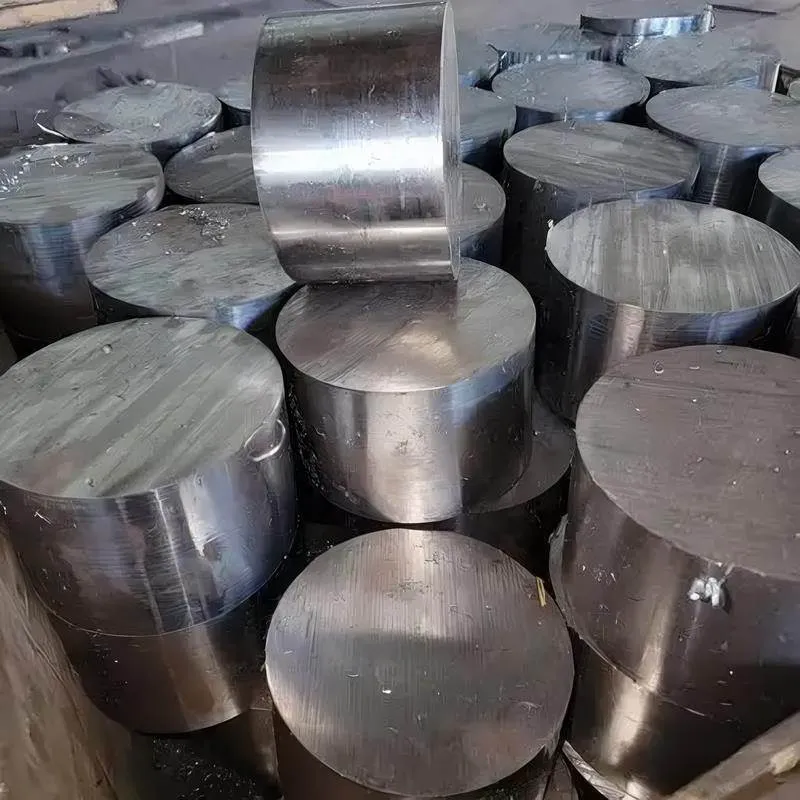
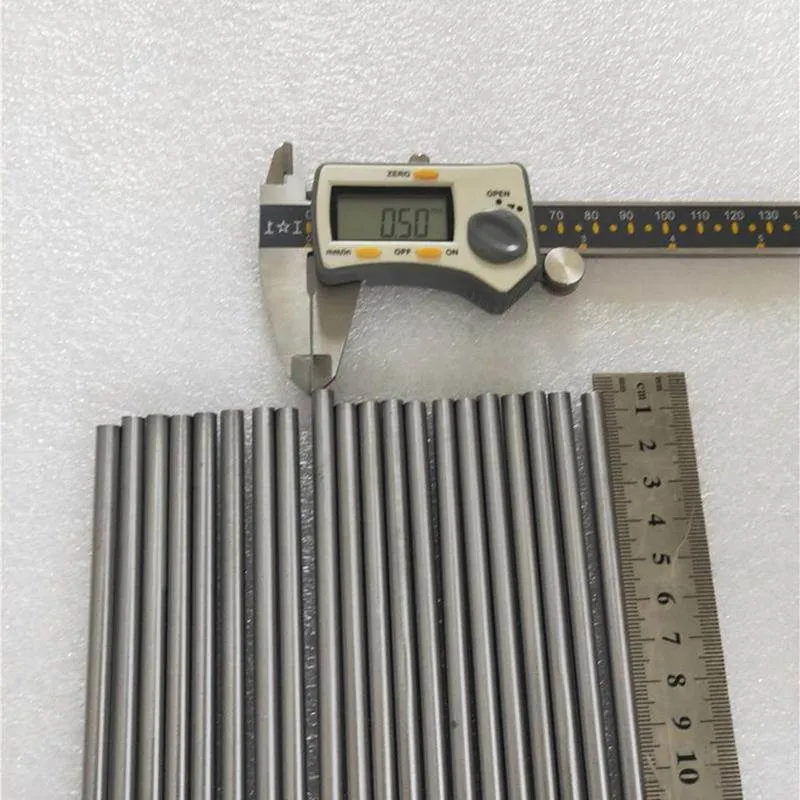
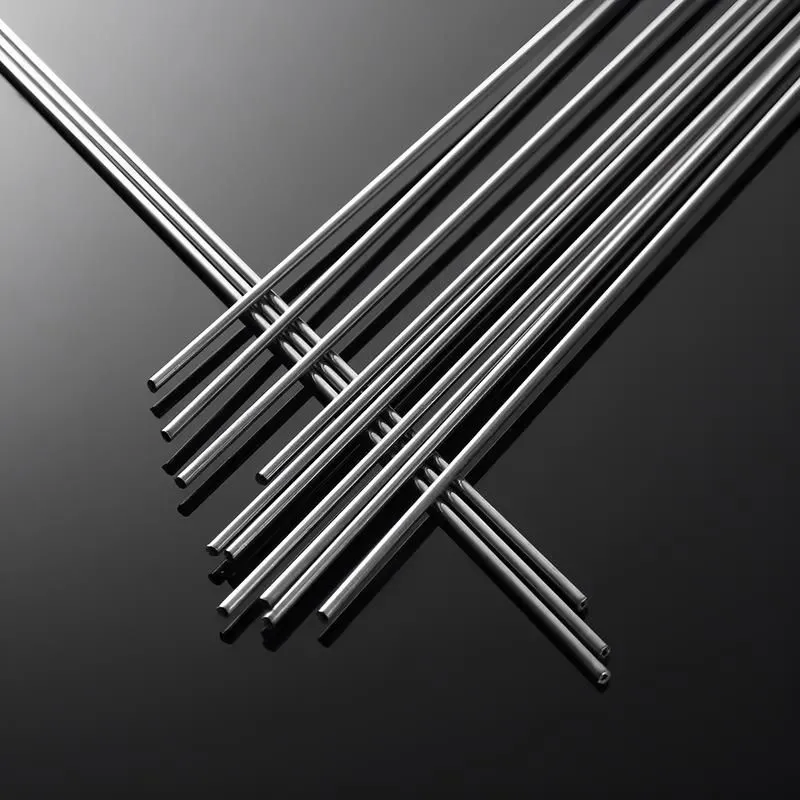
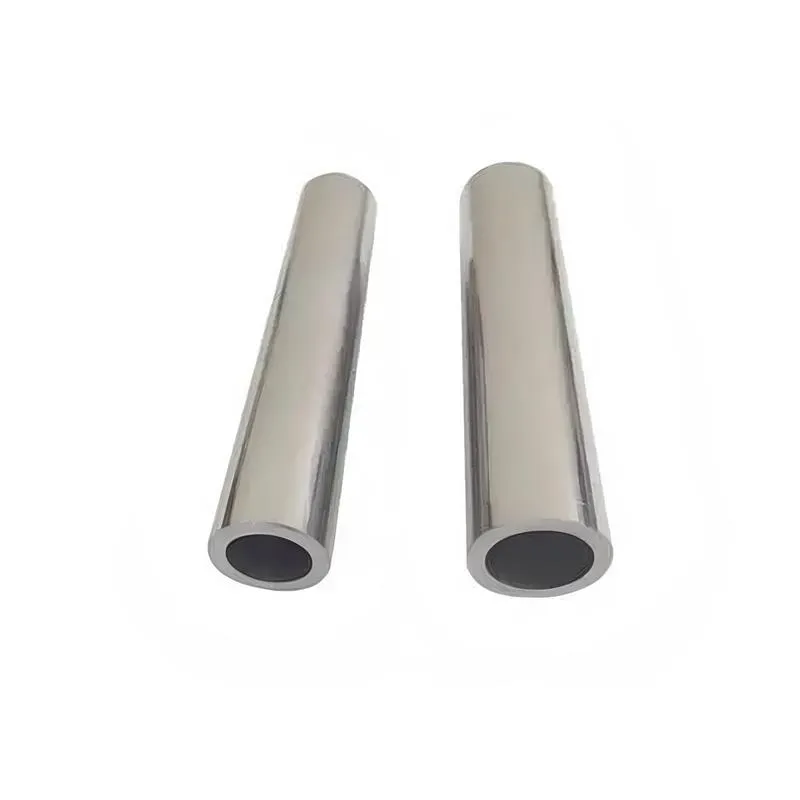
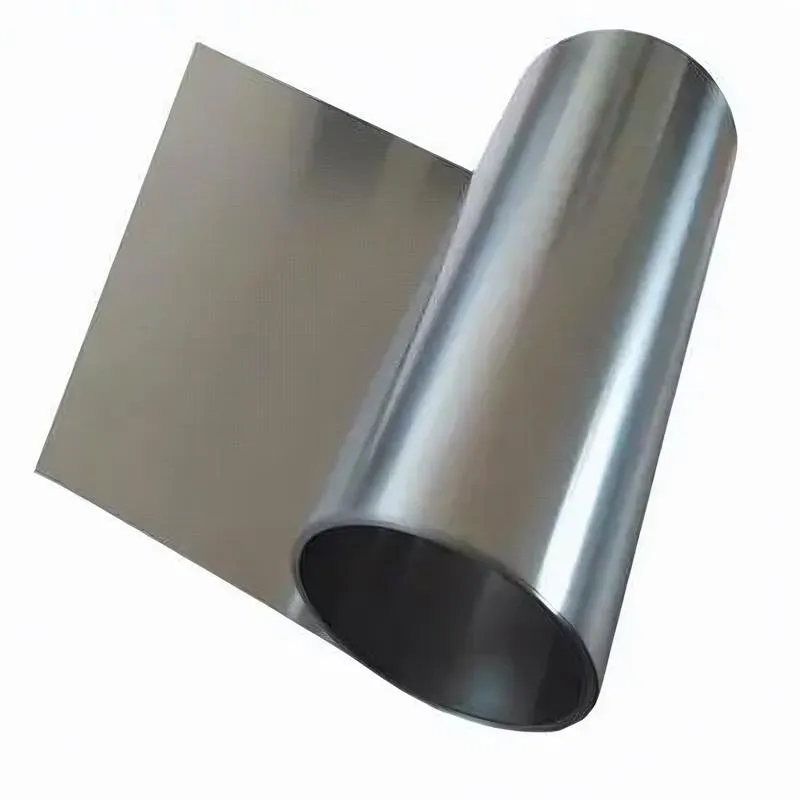
JIS SKS8 Water-Hardening Tool Steel Rod/Bar
Product Code : STI-GSTI-176-CU
We provide JIS SKS8 Water-Hardening Tool Steel Rod/Bar is available in Bar (Round bar, Flat bar), Ribbon, Wire, Rod/Bars, Tube,Seamless Tube,Pipe, Ingots, Plate, Sheet, Strip and Forging Stock.,Purity, chemical composition, size, etc. can all be customized to meet specific requirements.
Please contact us if you need customized services. We will contact you with the price and availability in 24 hours.
JIS SKS8 Water-Hardening Tool Steel Rod Product Information
-:-
For detailed product information, please contact sales.
-:
JIS SKS8 Water-Hardening Tool Steel Rod Synonyms
-:-
For detailed product information, please contact sales.
-:
JIS SKS8 Water-Hardening Tool Steel Product Information
-:-
For detailed product information, please contact sales.
-:
# **JIS SKS8 Water-Hardening Tool Steel**
**International Standard:** JIS G4404 (Japan Industrial Standard) - Tool Steels
---
## **1. Overview**
JIS SKS8 is a **high-carbon, non-alloyed water-hardening tool steel** representing one of the higher-carbon variants within the traditional water-hardening series. Characterized by its **very high carbon content, extreme surface hardness potential, and traditional water quenching requirements**, SKS8 is designed for applications where maximum wear resistance and cutting edge sharpness are paramount, and where the inherent limitations of water hardening can be accommodated through simple tool geometries and skilled heat treatment practices. This grade embodies the traditional approach to tool steel where ultimate hardness at the cutting edge takes precedence over toughness and dimensional stability.
---
## **2. Chemical Composition (Typical Weight %)**
| Element | Content (%) |
| :------ | :---------- |
| C | 1.15–1.25 |
| Si | ≤ 0.35 |
| Mn | ≤ 0.50 |
| Cr | ≤ 0.30 |
| W | — |
| V | — |
| P (max) | 0.030 |
| S (max) | 0.030 |
**Balance:** Iron (Fe).
**Key Characteristics:** SKS8 features an **extremely high carbon content (1.15–1.25%)** with essentially no intentional alloying elements. This composition represents the practical upper limit for carbon content in water-hardening steels, providing:
- **Maximum carbon availability** for martensite formation and carbide creation
- **Extreme hardness potential** when properly water quenched
- **Minimal hardenability** – only surface hardening on all but the thinnest sections
- **Traditional manufacturing** – simple composition for economical production
---
## **3. Physical & Mechanical Properties**
### **Physical Properties**
- **Density:** ~7.85 g/cm³
- **Thermal Conductivity:** ~50 W/m·K (at 20°C) – Higher than alloyed steels
- **Coefficient of Thermal Expansion:** ~11.9 ×10⁻⁶ /K (20–200°C)
- **Specific Heat Capacity:** ~0.47 kJ/kg·K
- **Electrical Resistivity:** Lower than alloyed tool steels
- **Magnetic Properties:** Strongly ferromagnetic
### **Mechanical Properties (Heat-Treated)**
- **Annealed Hardness:** 201–241 HB
- **Hardened & Tempered Hardness:** **63–65+ HRC** (surface, on thin sections)
- Maximum achievable: 65–66 HRC with optimal processing
- Core hardness drops rapidly below surface
- **Tensile Strength:** ~2100–2400 MPa (surface of fully hardened thin sections)
- **Yield Strength:** ~1900–2200 MPa
- **Elongation:** **Very Low** – Typically <4%
- **Impact Toughness (Charpy):** **Very Poor** – 3–10 J (extremely brittle)
- **Wear Resistance:** **Excellent (at surface)** – Outstanding abrasion resistance when fully hardened
- **Compressive Strength:** ~2700–3100 MPa (surface of fully hardened material)
- **Fatigue Strength:** Poor – Limited by extreme brittleness
- **Edge Retention:** Exceptional – Can maintain razor-sharp edges when properly processed
### **Hardenability Characteristics:**
- **Critical Diameter (Water Quench):** ~3–6 mm for 50% martensite at center
- **Hardness Gradient:** Extremely steep – dramatic hardness drop within 1 mm of surface
- **Effective Case Depth:** ~0.5–1.0 mm for >60 HRC
- **Full Hardness Depth:** Only achievable on sections < 2–3 mm
---
## **4. Heat Treatment Specifications**
### **1. Annealing**
- **Temperature:** 740–760°C
- **Process:** Heat uniformly, hold for 1–2 hours, furnace cool slowly (≤ 25°C/h) to 500°C, then air cool
- **Resulting Hardness:** 201–241 HB
- **Full Annealing:** 750–770°C followed by very slow cooling
### **2. Stress Relieving**
- **Temperature:** 600–650°C
- **Hold Time:** 1–2 hours
- **Purpose:** Critical before final hardening to minimize cracking
### **3. Hardening (Quenching)**
- **Preheating:** **Absolutely Critical**
- **First Preheat:** 400–500°C (mandatory)
- **Second Preheat:** 700–750°C (highly recommended)
- **Austenitizing Temperature:** **770–820°C** (typically 780–800°C)
- Narrow temperature range – precise control essential
- Overheating causes catastrophic grain growth
- **Soaking Time:** Very short – 3–10 minutes per 25mm at temperature
- Minimal time needed due to simple composition
- **Quenching Medium:** **Water, brine, or caustic solutions**
- **Water:** Standard medium – severe quench
- **Brine (5–15% NaCl):** Faster, more uniform cooling
- **Caustic (5–10% NaOH):** Most severe quench – highest hardness
- **Oil:** Not effective – insufficient cooling rate
- **Agitation:** Vigorous, uniform agitation absolutely essential
- **Quench Temperature:** Quench to below 50°C (preferably 20–40°C)
- **Special Techniques:**
- **Interrupted quenching:** Water to 200°C, then oil (reduces cracking)
- **Selective quenching:** Only quenching cutting edge
### **4. Tempering**
- **Immediate Tempering Required:** Begin within 15–30 minutes after quenching
- **Temperature Range:**
- **Very Low (100–150°C):** For maximum hardness (64–65+ HRC) – 1–2 hours
- **Low (150–200°C):** For stress relief while maintaining hardness (63–64 HRC) – 1–2 hours
- **Medium (200–300°C):** For some toughness improvement (60–63 HRC) – 1–2+ hours
- **Avoid:** 250–350°C range (severe temper brittleness)
- **Hold Time:** 1–2 hours minimum, longer for thicker sections
- **Cycles:** Single temper usually sufficient
- **Special Note:** Very high carbon content increases retained austenite – sub-zero treatment may be beneficial
### **5. Special Heat Treatment Techniques for SKS8:**
- **Austempering:** Isothermal transformation for improved toughness
- **Martempering:** Interrupted quench for reduced distortion
- **Selective Hardening:** Only hardening cutting edges or wear surfaces
- **Pack Hardening:** Traditional method using charcoal for surface protection
- **Lead or Salt Bath Heating:** For precise temperature control
---
## **5. Key Features & Advantages**
1. **Extreme Surface Hardness:** Can achieve 65–66 HRC on properly hardened thin sections
2. **Outstanding Wear Resistance:** When fully hardened, provides exceptional abrasion resistance
3. **Excellent Edge Sharpness:** Can take and hold razor-sharp edges
4. **Low Cost:** Economical due to simple composition
5. **Traditional Material:** Centuries of experience with similar steels
6. **Simple Quality Control:** Easy to verify composition and properties
7. **Good for Simple Shapes:** Where water quenching can be controlled
8. **Maximum Carbon Utilization:** All carbon contributes to hardness (no alloy "competition")
**Limitations:**
- **Extreme Brittleness:** Very poor impact resistance
- **Very Shallow Hardenability:** Only surface hardening on most sections
- **High Distortion and Cracking Risk:** Inherent to water quenching of high-carbon steel
- **Poor Dimensional Stability:** Significant and unpredictable size changes
- **Limited Section Size:** Not suitable for thick sections (>5mm for full hardness)
- **Narrow Processing Window:** Requires exceptional skill and control
- **Decarburization Sensitivity:** Must be meticulously protected during heating
---
## **6. Typical Applications**
SKS8 is used for **specialized cutting tools and components** where extreme hardness and wear resistance are absolutely essential, and where the tool geometry allows successful water quenching.
### **Cutting Tools Requiring Extreme Hardness:**
- **Razor Blades:** Straight razors, safety razor blades
- **Surgical Instruments:** Scalpels, osteotomes, specialized surgical blades
- **High-Precision Cutting Tools:** Microtomes, histological knives
- **Engraving Tools:** Fine engraving burins, chasing tools
- **Woodworking Tools:** Extremely fine carving tools, veneer knives
### **Specialized Blades and Edges:**
- **Leatherworking Tools:** Skiving knives, precision cutting blades
- **Textile Cutting Tools:** Precision fabric cutters, sample cutters
- **Paper Cutting Tools:** High-precision paper cutters, guillotine blades
- **Food Processing Blades:** High-end sushi knives, specialized cutting blades
### **Measuring and Precision Tools:**
- **Surface Plates:** Scraping tools for precision surface plates
- **Gauges:** Thread plug gauges, small precision gauges
- **Cutting Edges:** For precision measuring instruments
### **Traditional and Artisan Tools:**
- **Japanese Woodworking Tools:** Where traditional materials are specified
- **Calligraphy Tools:** Knives for cutting writing reeds
- **Printmaking Tools:** Woodcut and linocut tools
- **Musical Instrument Tools:** Specialized tools for instrument making
### **Wear Parts (Very Thin Sections):**
- **Wear Plates:** Thin sections subject to extreme abrasion
- **Cutting Inserts:** For specialized cutting applications
- **Guide Components:** For light-duty, precision guidance
### **Application Guidelines:**
- **Best for:** Very thin sections (<3mm) requiring extreme hardness
- **Ideal for:** Tools where edge sharpness is more important than toughness
- **Suitable for:** Hand-made tools where skilled heat treatment is available
- **Avoid for:** Any application subject to impact or bending stress
- **Critical:** Simple, symmetrical geometries only
---
## **7. International Standard Equivalents**
| Standard | Grade Designation | Notes |
| :--------------- | :------------------ | :----------------------------------------- |
| **JIS** | SKS8 | Original specification (JIS G4404) |
| **AISI/SAE (USA)**| W1-1.2C | **Direct Equivalent** (Water-hardening 1.2% C) |
| **DIN (Germany)** | 1.1663 | C110W1 |
| **ISO** | TC120 | International designation |
| **BS (UK)** | BW1C | British water-hardening grade |
| **GB (China)** | T12A | Similar high-carbon grade |
| **UNS** | T72301 | Unified Numbering System (W1 series) |
| **Historical** | Silver Steel, Drill Rod | Common names for similar steels |
**Note:** Water-hardening steels are designated by carbon content in many standards. SKS8 corresponds to approximately 1.20% carbon content, at the high end of the practical range.
---
## **8. Machining & Fabrication Guidelines**
### **Machining (In Annealed State):**
- **Good Machinability:** For a high-carbon steel
- **Tooling:** High-speed steel tools work well; carbide for production
- **Cutting Speeds:** 25–40 m/min for turning with HSS
- **Feeds:** Light to moderate feeds recommended
- **Chip Formation:** Short, brittle chips – good chip control
- **Surface Finish:** Can achieve good finishes with care
- **Work Hardening:** Significant tendency – use sharp tools, positive rakes
### **Grinding:**
- **Fair Grindability:** Hard carbides make grinding more difficult
- **Wheel Selection:** Aluminum oxide wheels (A46-HV or similar)
- **Coolant:** Absolutely essential to prevent cracking
- **Parameters:** Very light infeeds (0.005–0.02 mm/pass)
- **Wheel Speed:** 20–30 m/s
- **Caution:** Extreme risk of grinding cracks and burns
### **Electrical Discharge Machining (EDM):**
- **Not Recommended in Hardened State:** Extreme cracking risk
- **Possible in Annealed State:** With caution
- **Alternative:** Machine completely in annealed state, then harden
- **If EDM Must Be Used:** Multiple light passes, extensive post-EDM tempering
### **Welding:**
- **Not Recommended:** Extreme cracking risk due to high carbon
- **If Absolutely Necessary:**
- Very high preheat: 450–500°C
- Specialized ultra-low hydrogen procedures
- Immediate post-weld annealing
- Complete re-hardening cycle
- **Practical Advice:** Never weld – use alternative joining methods
### **Forging:**
- **Possible but Difficult:** High carbon makes forging challenging
- **Forging Temperature:** 1000–850°C (narrow range)
- **Start:** 1000–1050°C maximum
- **Finish:** 850–900°C minimum
- **Cooling After Forging:** Very slow cooling essential (furnace cool)
- **Annealing:** Always required after forging
### **Cold Working:**
- **Very Limited:** Only simple bending in annealed state
- **Springback:** Extreme due to high yield strength
- **Practical Limitation:** Essentially not a cold-working material
---
## **9. Surface Treatment & Finishing**
### **1. Traditional Hardening Methods:**
- **Differential Hardening:** Creating hard edge with tougher back (clay coating)
- **Edge Packing:** Protecting non-cutting surfaces during heating
- **Selective Quenching:** Quenching only the cutting edge
- **Water Quenching Techniques:** Various traditional methods for controlling cooling
### **2. Case Hardening:**
- **Generally Not Applied:** Already maximum carbon content
- **Possible for Special Effects:** To create ultra-high surface carbon
- **Risk:** May cause excessive surface brittleness and grain boundary carbides
### **3. Surface Protection During Heating:**
- **Traditional Methods:** Charcoal packing, cast iron chips, bone meal
- **Modern Methods:** Controlled atmosphere, vacuum (where applicable)
- **Salt Bath:** Excellent for temperature uniformity and surface protection
### **4. Final Finishes:**
- **Polishing:** Can achieve exceptional polish on properly hardened surfaces
- **Mirror Finishing:** Possible with skilled technique
- **Black Oxide:** Traditional finish for corrosion protection
- **Bluing:** Heat-based oxide coating for appearance
- **Lacquering:** For storage protection
### **5. Special Traditional Techniques:**
- **Japanese Water Quenching Methods:** Sophisticated techniques for tools like plane blades
- **Clay Tempering:** For creating distinctive hardening patterns (hamon)
- **Lead Bath Tempering:** For precise temperature control
- **Traditional Scraping:** For final edge preparation on cutting tools
---
## **10. Performance Comparison**
### **Within Water-Hardening Tool Steels:**
| Property | SKS8 (1.20C) | SKS4 (1.05C) | SKS43 (0.85C) | SKS44 (0.70C) |
|-----------------------|---------------------|---------------------|---------------------|---------------------|
| **Carbon Content** | 1.15–1.25% | 1.00–1.10% | 0.80–0.90% | 0.65–0.75% |
| **Max Hardness** | 65–66 HRC | 63–64 HRC | 61–62 HRC | 59–60 HRC |
| **Impact Toughness** | **Very Poor** | Poor | Fair | **Best** |
| **Wear Resistance** | **Excellent** | Very Good | Good | Moderate |
| **Edge Sharpness** | **Exceptional** | Excellent | Very Good | Good |
| **Hardenability Depth**| Extremely Shallow | Very Shallow | Very Shallow | Very Shallow |
| **Distortion Risk** | Extremely High | Very High | High | Medium-High |
| **Primary Strength** | Extreme Wear | Maximum Wear | Balanced | Maximum Toughness |
### **Compared to Modern Tool Steel Types:**
| Property | SKS8 (Water-H) | SKS2 (Oil-H) | SKD11 (Air-H) | SKH51 (HSS) |
|-----------------------|---------------------|---------------------|---------------------|---------------------|
| **Material Cost** | **Lowest** | Low | High | High |
| **Max Hardness** | **65–66 HRC** | 62 HRC | 62 HRC | 66 HRC |
| **Toughness** | Very Poor | Good | Fair | Good |
| **Wear Resistance** | Excellent (surface) | Very Good | **Excellent** | **Excellent** |
| **Distortion Control**| Very Poor | Good | **Excellent** | Good |
| **Hardenability** | Extremely Shallow | Moderate | Deep | Deep |
| **Processing Skill Required**| **Very High** | Moderate | Low | Moderate |
| **Modern Relevance** | Very Limited | Good | High | High |
---
## **11. Design Considerations for SKS8**
### **Critical Geometry Restrictions:**
- **Extremely Simple Shapes Only:** Uniform cross-sections, no complexity
- **Avoid Absolutely:** Sharp corners, holes, recesses, section changes
- **Required Radii:** Minimum 2.0 mm on all corners (preferably 3.0 mm)
- **Symmetry:** Essential for distortion control
- **Thickness Limitation:** Maximum 3–5 mm for any dimension
### **Section Size Limitations:**
- **Full Hardening:** Only possible on sections < 2–3 mm
- **Effective Hardening:** 3–5 mm (hard case only)
- **Not Suitable:** For any section > 5 mm requiring hardness
- **Rule of Thumb:** Maximum thickness (mm) = 60/HRC desired
### **Stress Concentration Factors:**
- **Extremely Sensitive:** To any stress raisers
- **Design Imperative:** Eliminate all notches, scratches, machining marks
- **Surface Finish:** Critical – polished surfaces essential
- **Residual Stresses:** Extremely high after water quenching
### **Distortion Control Strategies (Limited Effectiveness):**
1. **Perfect Symmetry:** Only symmetrical designs should be considered
2. **Excess Stock:** Allow 0.3–0.8 mm per side for post-hardening grinding
3. **Stress Relieving:** Essential before final hardening
4. **Fixture Quenching:** May help but often causes cracking
5. **Alternative Quenchants:** Brine instead of water for slightly less severity
### **Selective Hardening Designs:**
- **Only Practical Approach:** For tools of any reasonable size
- **Methods:** Localized heating of cutting edges only
- **Traditional Techniques:** Clay coating for differential hardening
- **Modern Methods:** Induction heating for precise control
---
## **12. Quality Control & Inspection**
### **Hardness Testing:**
- **Surface Hardness:** Rockwell C scale (multiple careful readings)
- **Hardness Profile:** Essential – microhardness traverse from surface
- **File Testing:** Traditional method – file should skate without biting
- **Multiple Locations:** Check uniformity across tool surface
### **Microstructure Examination:**
- **Grain Size:** Critical – ASTM 8 or finer required (coarse grain = certain failure)
- **Martensite Structure:** Should be fine, not coarse or twinned
- **Decarburization:** Must be absolutely minimal (<0.05 mm)
- **Carbide Distribution:** Check for grain boundary networks
- **Retained Austenite:** May be significant – check if sub-zero treatment needed
### **Non-Destructive Testing:**
- **Visual Inspection (Magnified):** 10–20× magnification for microcracks
- **Dye Penetrant:** Essential for surface crack detection
- **Magnetic Particle:** Effective but may miss very fine cracks
- **Ring Test:** For tools like chisels – clear ring indicates no major cracks
### **Performance Testing:**
- **Edge Sharpness Test:** Cutting test on appropriate material
- **Brittleness Test:** Careful bending (usually destructive)
- **Service Testing:** Actual use testing – most reliable but risk of failure
- **Comparative Testing:** Against known good tools or materials
### **Traditional Quality Methods:**
- **Spark Testing:** To verify high carbon content
- **Fracture Test:** Examining grain structure of fractured test piece
- **Water Break Test:** Surface cleanliness check before heating
- **Color Temperature Judgment:** Traditional skill for heat treatment
---
## **13. Historical Context & Traditional Use**
### **Historical Development:**
- **Ancient Origins:** Similar steels used for cutting tools for millennia
- **Industrial Revolution:** Peak use of water-hardening steels for tools
- **Traditional Japanese Swords:** Similar high-carbon steels with sophisticated heat treatment
- **Specialized Toolmaking:** Used for specific applications where extreme hardness was needed
### **Traditional Processing Mastery:**
- **Master Craftsmen Techniques:** Passed down through generations
- **Empirical Knowledge:** Based on centuries of experience
- **Specialized Equipment:** Traditional forges, quenching tanks, tempering methods
- **Artisanal Approach:** Each tool individually crafted and heat treated
### **Cultural and Historical Significance:**
- **Japanese Toolmaking Tradition:** Used in specific traditional tools
- **European Craft Traditions:** In certain specialized trades
- **Historical Tool Preservation:** Important for restoration work
- **Living History:** Demonstration of traditional metalworking skills
### **Traditional Tool Patterns Optimized for SKS8:**
1. **Extremely Fine Cutting Tools:** Where nothing else provides adequate edge
2. **Traditional Japanese Plane Blades:** For final smoothing operations
3. **Specialized Surgical Instruments:** Where extreme sharpness is critical
4. **Engraving and Etching Tools:** For fine detail work
5. **Precision Measuring Tools:** Scrapers for surface plate finishing
---
## **14. Summary & Selection Guidelines**
JIS SKS8 represents the **extreme end of the water-hardening steel spectrum**, offering maximum hardness at the expense of virtually all other properties.
### **Select SKS8 When:**
1. **Extreme hardness (65+ HRC)** is absolutely essential
2. **Maximum edge sharpness and retention** are primary requirements
3. Tools are **extremely simple in geometry** (uniform, thin sections)
4. **Traditional materials and methods** are specifically required
5. **Cost must be absolutely minimized** for simple tools
6. **Skilled heat treatment** by experienced craftsmen is available
7. Tools will be used for **light, precision cutting only** (no impact)
8. **Educational or historical demonstration** of traditional methods is needed
### **Optimal Application Examples:**
- **Straight razor blades** and specialized shaving tools
- **Surgical scalpels** and micro-surgical instruments
- **Extremely fine woodworking tools** for final finishing
- **Engraving tools** for fine art and jewelry work
- **Traditional Japanese cutting tools** where specified
- **Historical tool replication** for authenticity
- **Educational projects** in traditional metalworking
### **Avoid SKS8 When:**
1. **Any impact or bending stress** will be encountered
2. **Complex geometries** are involved
3. **Thick sections** (>3mm) need to be hardened
4. **Dimensional precision** after heat treatment is required
5. **Modern production methods** and reliability are priorities
6. **Tool failure** would have any safety or economic consequences
7. **Modern alternatives** are available and acceptable
8. **Skilled heat treatment** is not available
### **Heat Treatment Philosophy for SKS8:**
1. **Respect the extreme nature** of this material
2. **Accept high failure rates** as inherent to the process
3. **Use traditional wisdom** – modern approaches often fail
4. **Control every variable meticulously** – no room for error
5. **Expect and plan for** significant distortion and potential cracking
6. **Test extensively** before committing to production
### **Economic Reality:**
While SKS8 has the **lowest material cost**, the true economics are often unfavorable:
- **Very high scrap rates** from cracking and distortion
- **Extensive finishing required** to correct dimensions
- **Short tool life** from brittleness in service
- **High skill requirements** increase labor costs
- **Production losses** from unexpected tool failure
For most applications, **even other water-hardening grades (SKS4, SKS43) offer better value** through:
- Lower scrap rates
- More forgiving heat treatment
- Better toughness in service
- Lower total cost despite similar material cost
### **Traditional Craft Context:**
In traditional crafts, SKS8 is valued only for specific applications where:
- **Historical authenticity** is paramount
- **Specific working properties** cannot be duplicated by modern steels
- **The craft tradition** specifically calls for this material
- **Artisanal skill demonstration** is part of the value
### **Modern Relevance:**
SKS8 has **extremely limited modern relevance**, confined to:
1. **Specific traditional crafts** where it is prescribed
2. **Historical replication and restoration**
3. **Educational demonstrations** of traditional metallurgy
4. **Very specific cutting applications** where modern steels cannot provide the same edge characteristics
5. **Situations** where no better alternative is available or permissible
### **Final Recommendation:**
JIS SKS8 should be considered a **historical and specialty material** rather than a practical modern tool steel. Its use is justified only in very specific contexts where its extreme characteristics align perfectly with requirements that cannot be met by any other material.
For **virtually all modern tooling applications**, **oil-hardening steels (SKS2, SKS3), air-hardening steels (SKD series), or even lower-carbon water-hardening steels** offer dramatically better performance, reliability, and total cost effectiveness. The extreme brittleness, processing difficulty, and limited applicability of SKS8 make it a poor choice for all but the most specialized applications.
When confronted with a requirement that seems to call for SKS8, **seriously reconsider whether the application truly needs such extreme properties**, or whether a more balanced modern steel might actually perform better in practice. In most cases, the answer will favor modern alternatives.
SKS8 stands as a **testament to traditional metallurgical skill** and as a **specialist material for specific traditional applications**, but as a **general-purpose or even specialized modern tool steel, it has been completely superseded** by more advanced materials that offer better combinations of properties, reliability, and manufacturability. Its continued use is a matter of **tradition and specialty rather than practical engineering optimization**.
-:-
For detailed product information, please contact sales.
-:
JIS SKS8 Water-Hardening Tool Steel Specification
Dimensions
Size:
Diameter 20-1000 mm Length <6832 mm
Size:We can customized as required
Standard:
Per your request or drawing
We can customized as required
Properties(Theoretical)
Chemical Composition
-:-
For detailed product information, please contact sales.
-:
JIS SKS8 Water-Hardening Tool Steel Properties
-:-
For detailed product information, please contact sales.
-:
Applications of JIS SKS8 Water-Hardening Tool Steel Rod
-:-
For detailed product information, please contact sales.
-:
Chemical Identifiers JIS SKS8 Water-Hardening Tool Steel Rod
-:-
For detailed product information, please contact sales.
-:
Packing of JIS SKS8 Water-Hardening Tool Steel Rod
-:-
For detailed product information, please contact sales.
-:
Standard Packing:
-:-
For detailed product information, please contact sales.
-:
Typical bulk packaging includes palletized plastic 5 gallon/25 kg. pails, fiber and Steel Rod drums to 1 ton super sacks in full container (FCL) or truck load (T/L) quantities. Research and sample quantities and hygroscopic, oxidizing or other air sensitive materials may be packaged under argon or vacuum. Solutions are packaged in polypropylene, plastic or glass jars up to palletized 3303 gallon liquid totes Special package is available on request. E FORUs’ is carefully handled to minimize damage during storage and transportation and to preserve the quality of our products in their original condition