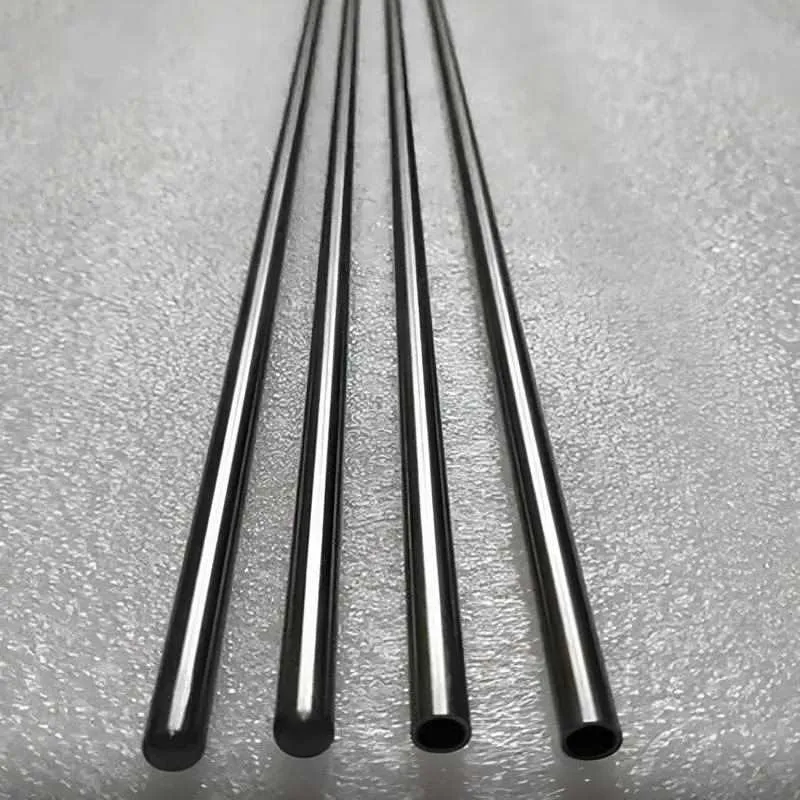
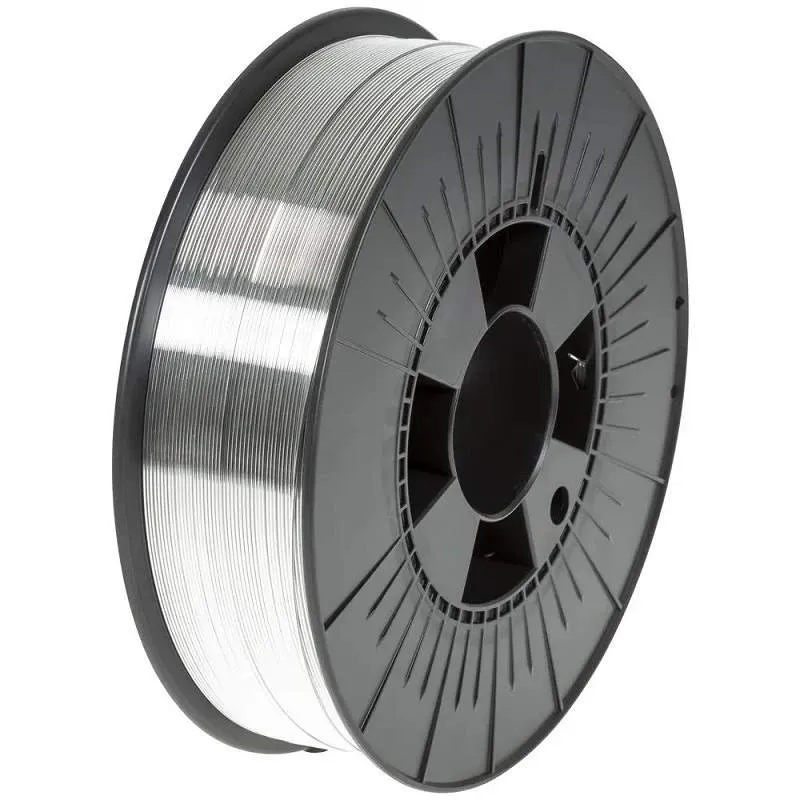
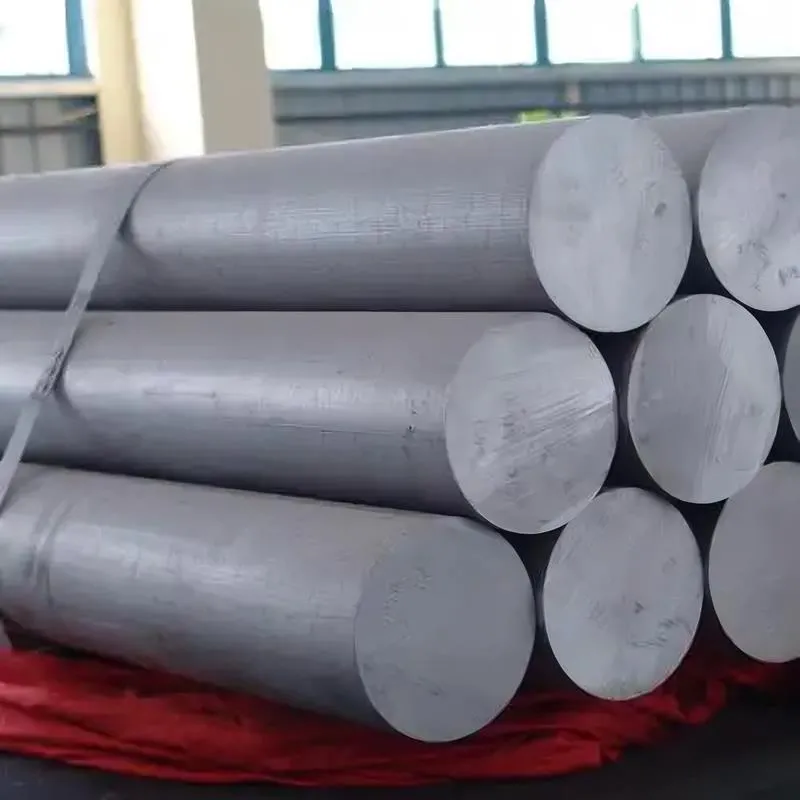
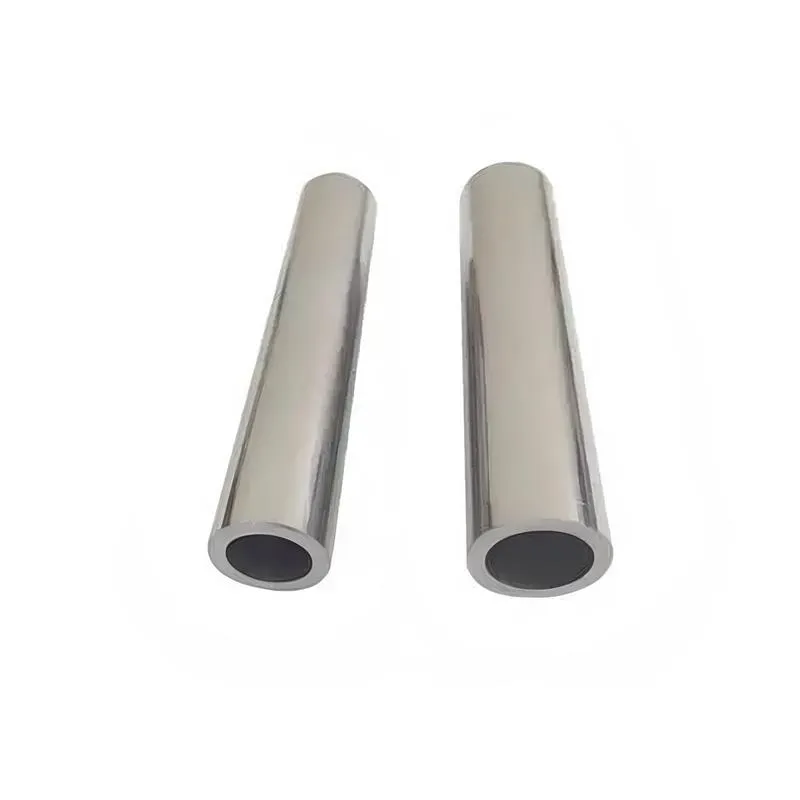
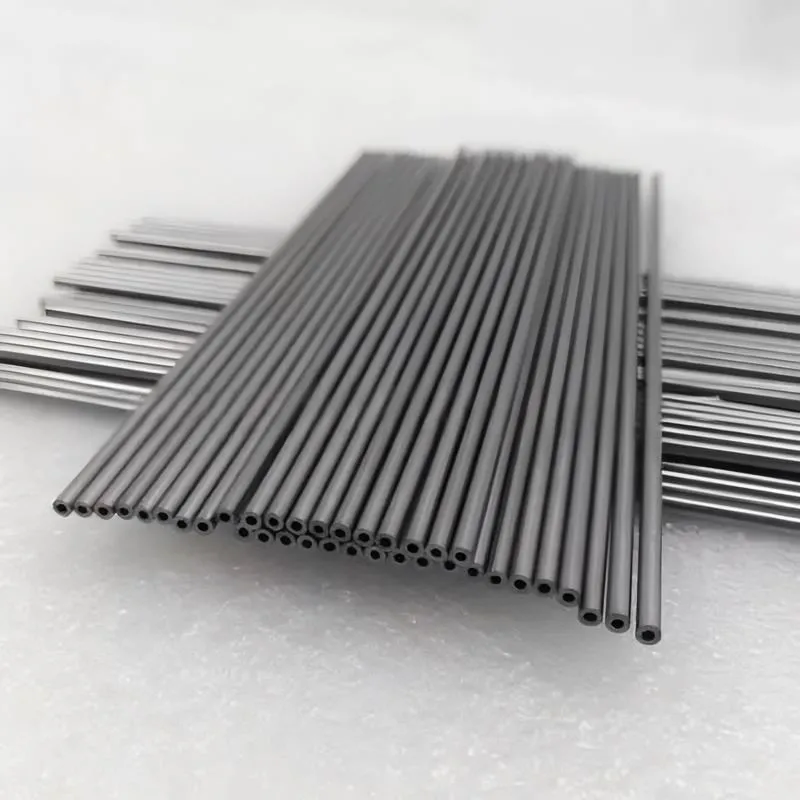
JIS SKS95 Oil-hardening Cold Work Tool Steel Tube,Pipe
Product Code : STI-GSTI-179-CU
We provide JIS SKS95 Oil-hardening Cold Work Tool Steel Tube is available in Bar (Round bar, Flat bar), Ribbon, Wire, Rods, Tube,Seamless Tube,Pipe, Ingots, Plate, Sheet, Strip and Forging Stock.,Purity, chemical composition, size, etc. can all be customized to meet specific requirements.JIS SKS95 Oil-hardening Cold Work Tool Steel Pipe
Please contact us if you need customized services. We will contact you with the price and availability in 24 hours.
JIS SKS95 Oil-hardening Cold Work Tool Steel Tube Product Information
-:-
For detailed product information, please contact sales.
-:
JIS SKS95 Oil-hardening Cold Work Tool Steel Tube Synonyms
-:-
For detailed product information, please contact sales.
-:
JIS SKS95 Oil-hardening Cold Work Tool Steel Product Information
-:-
For detailed product information, please contact sales.
-:
# **JIS SKS95 Oil-Hardening Cold Work Tool Steel**
**International Standard:** JIS G4404 (Japan Industrial Standard) - Tool Steels
---
## **1. Overview**
JIS SKS95 is a **high-carbon, low-alloy oil-hardening cold work tool steel** representing one of the premium grades within the SKS series. Characterized by its **optimized alloy composition, excellent hardenability, and superior dimensional stability**, this steel is designed for demanding cold work applications where maximum wear resistance, high hardness, and reliable performance are essential. SKS95 offers enhanced capabilities over standard oil-hardening grades while maintaining the processing advantages that make oil quenching valuable for precision tooling.
---
## **2. Chemical Composition (Typical Weight %)**
| Element | Content (%) |
| :------ | :---------- |
| C | 1.00–1.10 |
| Si | 0.15–0.35 |
| Mn | 0.80–1.20 |
| Cr | 0.90–1.30 |
| W | 1.00–1.50 |
| V | 0.20–0.35 |
| Mo | 0.20–0.40 |
| P (max) | 0.030 |
| S (max) | 0.030 |
**Balance:** Iron (Fe).
**Key Characteristics:** SKS95 features a **sophisticated alloy balance** specifically engineered for high-performance applications:
- **Very high carbon content (1.00–1.10%)** provides maximum hardenability and carbide formation potential
- **Enhanced alloying (Cr, W, Mo, V)** creates multiple carbide-forming elements for superior wear resistance
- **Balanced composition** ensures good through-hardenability while minimizing distortion
- **Modern alloy approach** represents the evolution of traditional oil-hardening technology
---
## **3. Physical & Mechanical Properties**
### **Physical Properties**
- **Density:** ~7.85 g/cm³
- **Thermal Conductivity:** ~37 W/m·K (at 20°C) - reduced by alloy content
- **Coefficient of Thermal Expansion:** ~11.7 ×10⁻⁶ /K (20–200°C)
- **Specific Heat Capacity:** ~0.46 kJ/kg·K
- **Modulus of Elasticity:** ~210 GPa
- **Electrical Resistivity:** Higher than simple carbon steels
### **Mechanical Properties (Heat-Treated)**
- **Annealed Hardness:** 207–255 HB
- **Hardened & Tempered Hardness:** **62–65 HRC** (typical working range)
- Can achieve 64–65 HRC with proper processing
- **Tensile Strength:** ~2200–2500 MPa (at 64 HRC)
- **Yield Strength:** ~2000–2300 MPa
- **Elongation:** **Moderate** – 3–6%
- **Impact Toughness (Charpy):** **Good** – Typically 8–15 J
- **Wear Resistance:** **Excellent** – Multiple alloy carbides provide exceptional abrasion resistance
- **Compressive Strength:** ~2800–3200 MPa
- **Fatigue Strength:** Good – Suitable for cyclic loading
- **Dimensional Stability:** **Exceptional** – Minimal distortion due to controlled oil quenching
### **Hardenability Characteristics:**
- **Critical Diameter (Oil Quench):** ~50–75 mm for 50% martensite at center
- **Hardness Gradient:** Gradual – excellent through-hardening characteristics
- **Full Hardening Depth:** Up to 100 mm diameter achievable
- **Size Change Predictability:** Excellent – typically 0.06–0.10% expansion
---
## **4. Heat Treatment Specifications**
### **1. Annealing**
- **Temperature:** 770–820°C
- **Process:** Heat uniformly, hold for 2–4 hours, furnace cool slowly (≤ 15°C/h) to 550°C, then air cool
- **Resulting Hardness:** 207–255 HB
- **Spheroidize Annealing:** 780–800°C for 4–8 hours, slow cool to 600°C at 10°C/h
### **2. Stress Relieving**
- **Temperature:** 600–650°C
- **Hold Time:** 1–2 hours per 25mm thickness
- **Purpose:** Essential for complex precision tools
### **3. Hardening (Quenching)**
- **Preheating:** **Essential for optimal results**
- **First Preheat:** 450–550°C
- **Second Preheat:** 750–800°C
- **Austenitizing Temperature:** **810–860°C** (typically 830–850°C)
- **Soaking Time:** 20–40 minutes per 25mm at temperature
- **Quenching Medium:** **Oil** (40–80°C recommended)
- High-speed oil recommended for optimal results
- **Agitation:** Moderate to vigorous agitation
- **Quench Temperature:** Quench to 50–70°C
### **4. Tempering**
- **Immediate Tempering Required:** Begin when tool reaches 50–80°C
- **Temperature Range:**
- **Low Temperature (150–200°C):** For maximum hardness (64–65 HRC) – 1–2 hours
- **Medium-Low (200–300°C):** For optimal balance (62–64 HRC) – 1–2 hours
- **Medium (300–400°C):** For improved toughness (60–62 HRC) – 1–2 hours
- **High (400–550°C):** For maximum toughness (57–60 HRC) – 1.5–2.5 hours
- **Hold Time:** 1–2 hours per 25mm thickness, minimum 1.5 hours
- **Cycles:** **Double tempering recommended** for maximum stability
- **Secondary Hardening:** Excellent response due to multiple alloying elements
### **5. Special Considerations:**
- **Decarburization Control:** Critical – protective atmosphere or vacuum recommended
- **Grain Growth Resistance:** Excellent – multiple carbide formers prevent growth
- **Size Change:** Highly predictable with proper processing
- **Retained Austenite:** May require double tempering or sub-zero treatment for maximum transformation
---
## **5. Key Features & Advantages**
1. **Extreme Hardness Potential:** Can achieve 64–65 HRC, approaching high-speed steel levels
2. **Exceptional Wear Resistance:** Multiple carbide systems provide superior abrasion resistance
3. **Excellent Dimensional Stability:** Controlled oil quenching minimizes distortion
4. **Superior Through-Hardenability:** Can effectively harden very large sections
5. **Good Toughness Balance:** Maintains reasonable impact resistance at high hardness
6. **Modern Alloy Design:** Represents advanced oil-hardening technology
7. **Reliable Performance:** Consistent results in production environments
8. **Versatile Applications:** Suitable for wide range of demanding cold work
**Limitations:**
- **Higher Cost:** More expensive than standard oil-hardening grades
- **Specialized Processing:** Requires careful heat treatment control
- **Limited Availability:** May not be as widely stocked as standard grades
- **Moderate Machinability:** More difficult to machine than simpler grades
---
## **6. Typical Applications**
SKS95 is used for **high-performance cold work tooling** where maximum wear resistance and dimensional stability are critical requirements.
### **Precision Stamping Tools:**
- **High-Volume Blanking Dies:** For automotive, electronics, and appliance industries
- **Progressive Dies:** Multi-station dies requiring extreme durability
- **Fine Blanking Tools:** For clean-edge precision components
- **Forming and Drawing Dies:** For complex shaped parts
- **Lamination Dies:** For electrical and motor components
### **Cutting & Shearing Applications:**
- **Industrial Shear Blades:** For heavy-duty metal cutting
- **Slitting Knives:** For high-production coil processing
- **Cut-off Tools:** For precision cutting operations
- **Specialty Cutting Tools:** For abrasive or difficult materials
### **Mold & Die Manufacturing:**
- **Plastic Injection Molds:** For engineering plastics and composites
- **Die Casting Components:** Cores and cavities requiring high wear resistance
- **Rubber Molds:** For high-volume production with abrasive compounds
- **Glass Molds:** For container and specialty glass production
### **Precision Tooling Components:**
- **Gauges and Fixtures:** High-precision measurement and inspection tools
- **Jigs and Templates:** For critical manufacturing processes
- **Machine Components:** Wear plates, guide pins, bushings subject to heavy wear
- **Tool Holders:** For demanding machining operations
### **Specialized Applications:**
- **Thread Rolling Dies:** For high-precision, high-volume thread production
- **Knurling Tools:** For surface patterning operations
- **Marking and Engraving Tools:** For permanent product identification
- **Wear Parts:** Subject to extreme abrasion in industrial processes
### **Application Guidelines:**
- **Best for:** Tools requiring maximum wear resistance and hardness
- **Ideal for:** High-volume production tooling where tool life is critical
- **Suitable for:** Components subject to severe abrasion and compressive loading
- **Avoid for:** Severe impact applications or where extreme toughness is required
- **Excellent for:** Precision tooling where dimensional stability is paramount
---
## **7. International Standard Equivalents**
| Standard | Grade Designation | Notes |
| :--------------- | :------------------ | :----------------------------------------- |
| **JIS** | SKS95 | Original specification (JIS G4404) |
| **AISI/SAE (USA)**| No direct equivalent | Similar to premium oil-hardening grades |
| **DIN (Germany)** | 1.2510 premium | Enhanced version of standard grades |
| **ISO** | 105WCr6 | International designation |
| **Custom** | Various high-performance oil-hardening grades | Engineered for specific applications |
**Note:** SKS95 represents a premium grade within the Japanese tool steel system, designed for applications requiring performance beyond standard oil-hardening capabilities.
---
## **8. Machining & Fabrication Guidelines**
### **Machining (In Annealed State):**
- **Good Machinability:** For a high-alloy tool steel
- **Tooling:** Carbide tools recommended for production
- **Cutting Speeds:** 25–40 m/min with carbide tools
- **Feeds:** Moderate feeds with good chip control
- **Chip Formation:** Short, broken chips typical
- **Surface Finish:** Good with proper technique
- **Work Hardening:** Moderate tendency – use sharp tools
### **Grinding:**
- **Good Grindability:** With proper wheel selection
- **Wheel Selection:** Aluminum oxide or CBN wheels recommended
- **Coolant:** Essential for optimal results
- **Parameters:** Light to moderate infeeds recommended
- **Surface Finish:** Can achieve excellent finishes
### **Electrical Discharge Machining (EDM):**
- **Suitable:** Can be EDMed in hardened or annealed state
- **Parameters:** Standard EDM settings generally suitable
- **Post-EDM:** Temper at 150–200°C to relieve white layer stresses
- **Surface Integrity:** Good with proper finishing passes
### **Welding:**
- **Possible with Extreme Care:** Specialized procedures required
- **Preheat:** 300–400°C recommended
- **Filler Material:** Use matching or similar high-alloy filler
- **Post-Weld:** Full annealing and re-hardening recommended
- **Practical Approach:** Avoid welding critical areas if possible
### **Forging:**
- **Good Forgeability:** With proper temperature control
- **Forging Temperature:** 1050–900°C
- **Start:** 1050°C maximum
- **Finish:** 900°C minimum
- **Cooling:** Slow furnace cool after forging
- **Annealing:** Always required after forging
---
## **9. Surface Treatment**
### **1. Nitriding:**
- **Highly Effective:** Creates extreme surface hardness
- **Process:** Plasma nitriding at 480–520°C recommended
- **Case Depth:** 0.1–0.3 mm typical
- **Surface Hardness:** 900–1200 HV
- **Benefits:** Dramatically extends tool life in abrasive applications
### **2. PVD Coatings:**
- **Excellent Results:** TiN, TiCN, TiAlN, AlCrN coatings
- **Benefits:** Further enhance wear resistance and reduce friction
- **Application Temperature:** 400–500°C
- **Typical Thickness:** 2–5 μm
### **3. Traditional Treatments:**
- **Black Oxide:** For corrosion protection and appearance
- **Phosphate Coating:** For improved lubricity
- **Chromium Plating:** For specific wear or corrosion applications
### **4. Advanced Surface Engineering:**
- **Laser Surface Treatment:** For localized hardening
- **Thermal Spray Coatings:** For extreme wear applications
- **Duplex Treatments:** Combining multiple surface enhancements
---
## **10. Performance Comparison**
### **Within SKS Oil-Hardening Series:**
| Property | SKS95 | SKS94 | SKS93 | SKS2 (O1) |
|-----------------------|---------------------|---------------------|---------------------|---------------------|
| **Carbon Content** | 1.00–1.10% | 0.95–1.05% | 0.90–1.00% | 0.95–1.10% |
| **Alloy Content** | **Highest** | High | Medium-High | Medium |
| **Max Hardness** | 64–65 HRC | 63–64 HRC | 62–63 HRC | 62 HRC |
| **Wear Resistance** | **Exceptional** | Excellent | Very Good | Good |
| **Hardenability** | **Best** | Very Good | Good | Moderate |
| **Toughness** | Good | Good | Good | Very Good |
| **Cost** | Highest | High | Medium-High | Low |
| **Primary Application**| Extreme Wear | High Wear | General Precision | General Purpose |
### **Compared to Other Tool Steel Categories:**
| Property | SKS95 (Oil-H) | A2 (Air-H) | D2 (High-Cr) | SKH51 (HSS) |
|-----------------------|---------------------|---------------------|---------------------|---------------------|
| **Hardening Method** | Oil | Air | Air | Oil/Air |
| **Max Hardness** | 65 HRC | 62 HRC | 62 HRC | 66 HRC |
| **Distortion Control**| Excellent | Exceptional | Exceptional | Good |
| **Wear Resistance** | Exceptional | Excellent | Exceptional | Exceptional |
| **Toughness** | Good | Good | Fair | Good |
| **Hot Hardness** | Fair | Good | Very Good | Excellent |
| **Cost** | Medium-High | Medium | High | High |
| **Processing Ease** | Moderate | Easy | Easy | Moderate |
---
## **11. Design Considerations**
### **Section Size Optimization:**
- **Excellent Through-Hardening:** Up to 100 mm sections
- **Large Components:** Ideal for substantial tooling applications
- **Optimal Range:** 20–150 mm sections
- **Thin Sections:** Excellent dimensional control
### **Stress Management:**
- **Radius Requirements:** Minimum 0.5–1.0 mm on all corners
- **Uniform Sections:** Design for even stress distribution
- **Stress Relief:** Essential before final hardening
- **Gradual Transitions:** 3:1 minimum taper recommended
### **Hardness Selection Strategy:**
- **For Maximum Wear:** Temper at 150–200°C (64–65 HRC)
- **For Balanced Performance:** Temper at 200–300°C (62–64 HRC)
- **For Increased Toughness:** Temper at 300–400°C (60–62 HRC)
- **With Surface Treatment:** Can optimize core hardness with hard surface
### **Tool Life Optimization:**
- **Design for Service Conditions:** Match hardness to specific requirements
- **Surface Treatment Integration:** Plan from initial design stage
- **Maintenance Strategy:** Design for refurbishment where applicable
- **Cooling Considerations:** For mold applications, complete design before heat treatment
---
## **12. Economic & Technical Value Proposition**
### **Cost-Benefit Analysis:**
- **Higher Initial Cost:** Compared to standard oil-hardening grades
- **Superior Tool Life:** Often 2–3× longer than standard grades
- **Reduced Downtime:** Fewer tool changes and maintenance intervals
- **Improved Product Quality:** Consistent performance ensures part quality
- **Total Cost of Ownership:** Often lower despite higher initial investment
### **Technical Advantages:**
1. **Near-HSS Wear Resistance** with oil-hardening processing advantages
2. **Excellent Dimensional Control** for precision tooling
3. **Predictable Performance** in production environments
4. **Versatile Applications** across multiple industries
5. **Proven Reliability** in demanding applications
### **Application Justification:**
- **High-Volume Production:** Where tool life directly impacts profitability
- **Precision Components:** Where dimensional stability is critical
- **Abrasive Materials:** Where wear resistance determines tool life
- **Critical Applications:** Where tool failure has significant consequences
---
## **13. Quality Control & Assurance**
### **Material Certification:**
- **Full Chemical Analysis:** Verify all alloying elements
- **Hardenability Testing:** Jominy test for hardenability verification
- **Cleanliness Rating:** Assess non-metallic inclusions
- **Microstructure Analysis:** In annealed and hardened conditions
### **Heat Treatment Validation:**
- **Hardness Testing:** Multiple locations and depths
- **Dimensional Verification:** Before and after heat treatment
- **Microstructure Examination:** Grain size, carbide distribution
- **Non-Destructive Testing:** For surface and subsurface defects
### **Performance Testing:**
- **Tool Life Testing:** Under production conditions
- **Wear Testing:** Comparative abrasion resistance
- **Field Trials:** Most valuable for new applications
- **Failure Analysis:** For continuous improvement
---
## **14. Summary & Selection Guidelines**
JIS SKS95 represents the **pinnacle of oil-hardening cold work tool steel technology**, offering exceptional performance for the most demanding applications.
### **Select SKS95 When:**
1. **Maximum wear resistance** is required for abrasive applications
2. **High hardness (62–65 HRC)** is essential for tool performance
3. **Excellent dimensional stability** is critical for precision tooling
4. **Large section hardening** is required without distortion
5. **Reliable, consistent performance** is needed in production environments
6. **Total cost of ownership** justifies premium material cost
7. **Near-HSS performance** is needed with oil-hardening advantages
### **Optimal Application Scenarios:**
- **High-volume stamping and forming dies** for automotive and electronics
- **Precision cutting tools** for abrasive materials
- **Mold components** for engineering plastics and composites
- **Wear parts** subject to extreme abrasion
- **Tooling for critical manufacturing processes**
- **Applications where tool life directly impacts production economics**
### **Consider Alternatives When:**
1. **Cost is primary constraint** and performance requirements are moderate
2. **Extreme impact resistance** is the primary requirement
3. **Elevated temperature operation** (>300°C) is involved
4. **Simple applications** don't justify premium material cost
5. **Air-hardening advantages** are more important than oil-hardening benefits
### **Implementation Strategy:**
1. **Start with Critical Applications:** Where benefits are most pronounced
2. **Document Performance:** Compare against existing materials
3. **Optimize Heat Treatment:** For specific application requirements
4. **Train Personnel:** On proper handling and processing
5. **Expand Application:** As experience and confidence grow
### **Future Outlook:**
- **Continued Relevance:** For applications where oil-hardening advantages are critical
- **Technology Integration:** With advanced surface treatments and coatings
- **Process Optimization:** For even better performance and reliability
- **Market Position:** As premium solution for specific application requirements
### **Final Recommendation:**
JIS SKS95 offers **exceptional performance capabilities** for demanding cold work applications, combining near-high-speed steel wear resistance with the dimensional control advantages of oil hardening. For applications where **maximum tool life, precision, and reliability** are paramount, and where the **economics justify premium material cost**, SKS95 represents an **excellent technical solution**.
Its balanced alloy design provides **superior performance** while maintaining the **processing advantages** that have made oil-hardening steels valuable for generations of toolmakers. For forward-looking manufacturers seeking to **optimize tooling performance** and **minimize total production costs**, SKS95 deserves serious consideration as a **high-performance material solution**.
-:-
For detailed product information, please contact sales.
-:
JIS SKS95 Oil-hardening Cold Work Tool Steel Specification
Dimensions
Size:
Diameter 20-1000 mm Length <6835 mm
Size:We can customized as required
Standard:
Per your request or drawing
We can customized as required
Properties(Theoretical)
Chemical Composition
-:-
For detailed product information, please contact sales.
-:
JIS SKS95 Oil-hardening Cold Work Tool Steel Properties
-:-
For detailed product information, please contact sales.
-:
Applications of JIS SKS95 Oil-hardening Cold Work Tool Steel Tube
-:-
For detailed product information, please contact sales.
-:
Chemical Identifiers JIS SKS95 Oil-hardening Cold Work Tool Steel Tube
-:-
For detailed product information, please contact sales.
-:
Packing of JIS SKS95 Oil-hardening Cold Work Tool Steel Tube
-:-
For detailed product information, please contact sales.
-:
Standard Packing:
-:-
For detailed product information, please contact sales.
-:
Typical bulk packaging includes palletized plastic 5 gallon/25 kg. pails, fiber and Steel Tube drums to 1 ton super sacks in full container (FCL) or truck load (T/L) quantities. Research and sample quantities and hygroscopic, oxidizing or other air sensitive materials may be packaged under argon or vacuum. Solutions are packaged in polypropylene, plastic or glass jars up to palletized 3306 gallon liquid totes Special package is available on request. E FORUs’ is carefully handled to minimize damage during storage and transportation and to preserve the quality of our products in their original condition