JIS SKT3 Low-Alloy Tool Steel
Product Code : STI-GSTI-180-CU
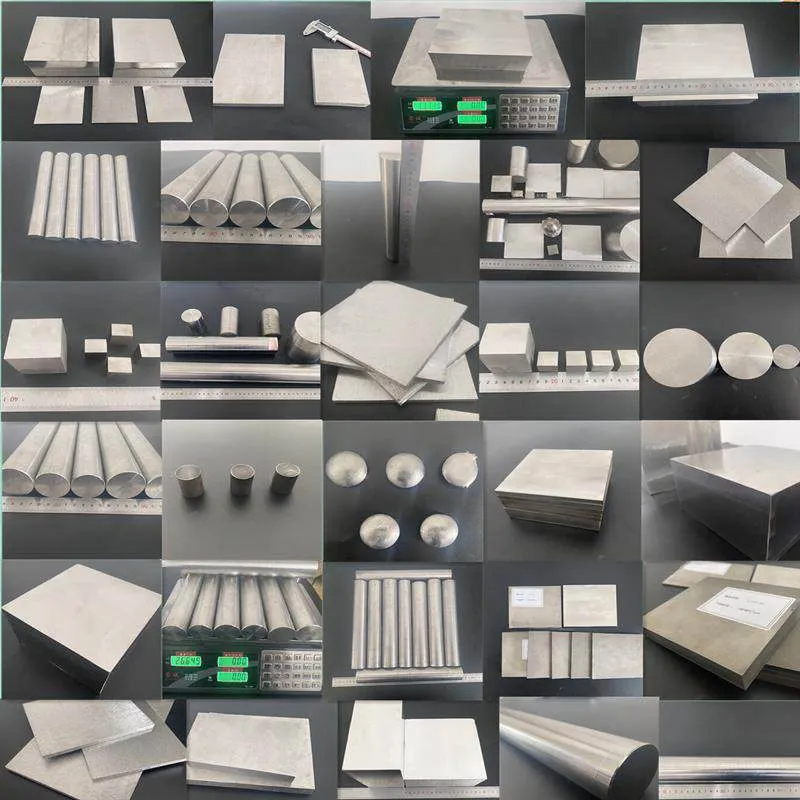
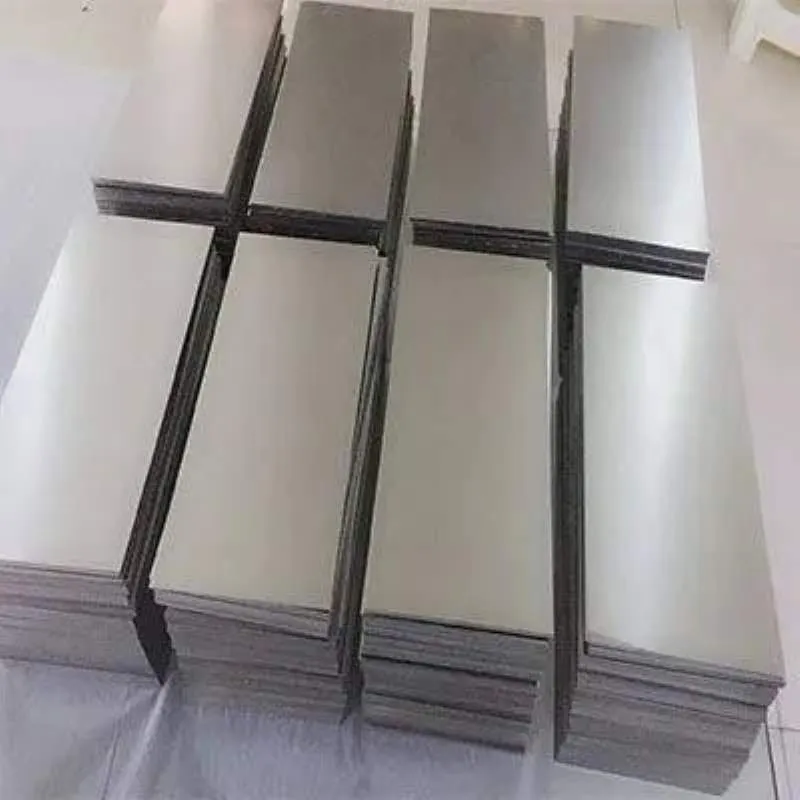
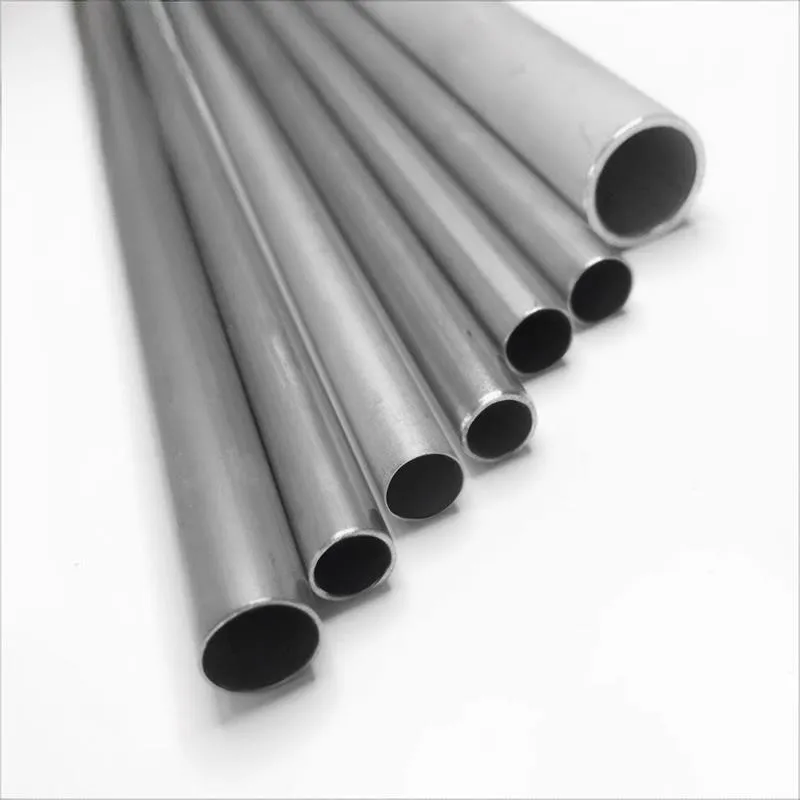
We provide JIS SKT3 Low-Alloy Tool Steel is available in Bar (Round bar, Flat bar), Ribbon, Wire, Rods, Tube,Seamless Tube,Pipe, Ingots, Plate, Sheet, Strip and Forging Stock.,Purity, chemical composition, size, etc. can all be customized to meet specific requirements.
Please contact us if you need customized services. We will contact you with the price and availability in 24 hours.
JIS SKT3 Low-Alloy Tool Steel Product Information
-:-
For detailed product information, please contact sales.
-:
JIS SKT3 Low-Alloy Tool Steel Synonyms
-:-
For detailed product information, please contact sales.
-:
JIS SKT3 Low-Alloy Tool Steel Product Information
-:-
For detailed product information, please contact sales.
-:
# **JIS SKT3 Low-Alloy Tool Steel**
**International Standard:** JIS G4404 (Japan Industrial Standard) - Tool Steels
---
## **1. Overview**
JIS SKT3 is a **nickel-chromium-molybdenum low-alloy tool steel** designed primarily for **hot work applications** where a combination of good toughness, moderate hot hardness, and thermal fatigue resistance is required. As part of the SKT series (hot work tool steels), SKT3 offers a balanced composition that provides reliable performance at elevated temperatures while maintaining reasonable cost and processability. This grade is particularly valued for applications involving moderate temperature ranges and where thermal shock resistance is important.
---
## **2. Chemical Composition (Typical Weight %)**
| Element | Content (%) |
| :------ | :---------- |
| C | 0.25–0.35 |
| Si | 0.15–0.35 |
| Mn | 0.30–0.60 |
| Cr | 1.00–1.50 |
| Ni | 1.50–2.00 |
| Mo | 0.30–0.50 |
| V | ≤ 0.10 |
| P (max) | 0.030 |
| S (max) | 0.030 |
**Balance:** Iron (Fe).
**Key Characteristics:** SKT3 features a **distinct nickel-chromium alloy system** with:
- **Low carbon content (0.25–0.35%)** for maximum toughness and thermal shock resistance
- **Significant nickel addition (1.50–2.00%)** for enhanced toughness and hardenability
- **Moderate chromium (1.00–1.50%)** for hardenability and moderate heat resistance
- **Molybdenum (0.30–0.50%)** for hardenability and temper resistance
- **Balanced composition** optimized for moderate-temperature hot work applications
---
## **3. Physical & Mechanical Properties**
### **Physical Properties**
- **Density:** ~7.83 g/cm³
- **Thermal Conductivity:** ~42 W/m·K (at 20°C)
- **Coefficient of Thermal Expansion:** ~12.5 ×10⁻⁶ /K (20–500°C)
- **Specific Heat Capacity:** ~0.46 kJ/kg·K
- **Modulus of Elasticity:** ~205 GPa
- **Thermal Fatigue Resistance:** **Excellent** – Due to low carbon and nickel content
### **Mechanical Properties (Heat-Treated)**
- **Annealed Hardness:** 170–212 HB
- **Hardened & Tempered Hardness:** **40–50 HRC** (typical working range)
- Can achieve 48–52 HRC with appropriate heat treatment
- **Tensile Strength:** ~1200–1600 MPa (at 45 HRC)
- **Yield Strength:** ~1000–1400 MPa
- **Elongation:** **Excellent** – 12–18%
- **Impact Toughness (Charpy):** **Exceptional** – Typically 40–60 J
- **Hot Hardness:** **Good** – Maintains properties up to approximately 450–500°C
- **Compressive Strength:** ~1800–2200 MPa
- **Fatigue Strength:** Excellent – Particularly at elevated temperatures
- **Thermal Shock Resistance:** **Excellent** – One of the best among hot work steels
### **Hardenability Characteristics:**
- **Critical Diameter (Oil Quench):** ~75–100 mm for 50% martensite at center
- **Hardness Gradient:** Very gradual – excellent through-hardening
- **Full Hardening Depth:** Up to 150+ mm diameter achievable
- **Size Change:** Minimal – typically 0.02–0.06% expansion
---
## **4. Heat Treatment Specifications**
### **1. Annealing**
- **Temperature:** 760–800°C
- **Process:** Heat uniformly, hold for 2–4 hours, furnace cool slowly (≤ 20°C/h) to 550°C, then air cool
- **Resulting Hardness:** 170–212 HB
- **Full Annealing:** Recommended for maximum machinability
### **2. Stress Relieving**
- **Temperature:** 600–650°C
- **Hold Time:** 1–2 hours per 25mm thickness
- **Purpose:** Particularly important for large or complex tools
### **3. Hardening (Quenching)**
- **Preheating:** Recommended for uniform heating
- **First Preheat:** 400–500°C
- **Second Preheat:** 700–750°C
- **Austenitizing Temperature:** **830–880°C** (typically 850–870°C)
- **Soaking Time:** 30–60 minutes per 25mm at temperature
- **Quenching Medium:** **Oil** (40–80°C recommended)
- Air quenching possible for simple shapes
- **Critical Cooling Rate:** Moderate – good hardenability
- **Quench Temperature:** Quench to 50–80°C
### **4. Tempering**
- **Immediate Tempering Recommended:** Begin when tool reaches 50–80°C
- **Temperature Range:**
- **Low Temperature (400–500°C):** For higher hardness (45–50 HRC) – 1–2 hours
- **Medium Temperature (500–550°C):** For balanced properties (40–45 HRC) – 1–2 hours
- **High Temperature (550–600°C):** For maximum toughness (35–40 HRC) – 1.5–2.5 hours
- **Hold Time:** 1–2 hours per 25mm thickness, minimum 1.5 hours
- **Cycles:** Double tempering recommended for maximum toughness and stability
- **Tempering Response:** Good stability at elevated temperatures
### **5. Special Considerations:**
- **Low Distortion:** Excellent dimensional stability during heat treatment
- **Minimal Cracking Risk:** Due to low carbon content
- **Good Hardenability:** Can through-harden large sections effectively
- **Tempering Stability:** Maintains properties well during service at moderate temperatures
---
## **5. Key Features & Advantages**
1. **Exceptional Toughness:** Primary advantage – outstanding impact resistance
2. **Excellent Thermal Shock Resistance:** Low carbon content minimizes cracking from rapid temperature changes
3. **Good Thermal Fatigue Resistance:** Withstands repeated heating/cooling cycles
4. **Superior Hardenability:** Can through-harden very large sections
5. **Good Hot Strength:** Maintains properties at moderate elevated temperatures
6. **Low Distortion:** Minimal size changes during heat treatment
7. **Good Machinability:** In annealed state, comparable to medium-carbon steels
8. **Versatile Applications:** Suitable for wide range of hot work applications
**Limitations:**
- **Limited Hot Hardness:** Not suitable for very high temperature applications (>550°C)
- **Moderate Wear Resistance:** Lower than higher-alloy hot work steels
- **Limited Maximum Hardness:** Cannot achieve high hardness levels (>52 HRC)
- **Specialized Grade:** May have limited availability compared to more common grades
---
## **6. Typical Applications**
SKT3 is primarily used for **hot work tooling applications** where toughness and thermal shock resistance are more important than maximum hot hardness.
### **Forging Tools:**
- **Hammer Forging Dies:** For steel and non-ferrous forging
- **Press Forging Dies:** Subjected to impact and thermal cycling
- **Upsetting Tools:** For bolt and fastener manufacturing
- **Trimming Dies:** For flash removal in forging operations
### **Hot Forming Tools:**
- **Hot Bending Tools:** For pipe and structural bending
- **Hot Stamping Dies:** For automotive and appliance components
- **Extrusion Tooling:** For non-ferrous metal extrusion
- **Hot Piercing Tools:** For billet piercing operations
### **Die Casting Applications:**
- **Aluminum Die Casting Dies:** Cores, cavities, inserts
- **Zinc Die Casting Tooling:** For lower-temperature applications
- **Die Casting Machine Components:** Plunger tips, shot sleeves (aluminum)
### **Plastic Molding Tools:**
- **Hot Runner Components:** Manifolds, nozzles, tips
- **Injection Mold Cores & Cavities:** For engineering thermoplastics
- **Compression Molding Tools:** For thermoset materials
### **Special Applications:**
- **Hot Shear Blades:** For cutting hot materials
- **Hot Work Holding Fixtures:** Jigs and fixtures for hot operations
- **Thermal Processing Tools:** For heat treatment fixtures
- **Aircraft Component Tooling:** For high-toughness requirements
### **Application Temperature Guidelines:**
- **Optimal Range:** 200–450°C
- **Maximum Continuous:** 500°C
- **Intermittent Service:** Up to 550°C (with proper tempering)
- **Thermal Cycling:** Excellent performance in cyclic temperature applications
---
## **7. International Standard Equivalents**
| Standard | Grade Designation | Notes |
| :--------------- | :------------------ | :----------------------------------------- |
| **JIS** | SKT3 | Original specification (JIS G4404) |
| **AISI/SAE (USA)**| 6F2 | **Close Equivalent** (modified) |
| **DIN (Germany)** | 1.2713 mod | Modified version |
| **ISO** | 30NiCrMo2 | International designation |
| **BS (UK)** | BH224/5 | British hot work grade |
| **GB (China)** | 5CrNiMo | Similar characteristics |
| **UNS** | T41913 | Unified Numbering System |
**Note:** While there are similar grades internationally, SKT3 represents a specific Japanese formulation optimized for particular industrial requirements.
---
## **8. Performance Comparison**
### **Within SKT Hot Work Series:**
| Property | SKT3 | SKT4 | SKT6 (H13 type) | SKT2 |
|-----------------------|---------------------|---------------------|---------------------|---------------------|
| **Carbon Content** | 0.25–0.35% | 0.35–0.45% | 0.32–0.42% | 0.50–0.60% |
| **Nickel Content** | 1.50–2.00% | — | — | 1.50–2.00% |
| **Typical Hardness** | 40–50 HRC | 42–52 HRC | 44–52 HRC | 45–55 HRC |
| **Impact Toughness** | **Exceptional** | Very Good | Very Good | Good |
| **Hot Hardness** | Good (to 500°C) | Good (to 500°C) | Excellent (to 600°C)| Moderate |
| **Thermal Fatigue** | **Excellent** | Very Good | Excellent | Good |
| **Primary Strength** | Toughness/Shock | Balanced | Hot Hardness | Strength |
### **Compared to Other Hot Work Steel Categories:**
| Property | SKT3 (Ni-Cr-Mo) | H13 (5Cr-Mo-V) | H11 (Cr-Mo-V) | H21 (W-Cr-V) |
|-----------------------|---------------------|---------------------|---------------------|---------------------|
| **Max Service Temp** | 500°C | 600°C | 550°C | 650°C |
| **Toughness** | **Best** | Very Good | Good | Fair |
| **Thermal Shock** | **Excellent** | Very Good | Good | Fair |
| **Wear Resistance** | Moderate | Very Good | Good | Excellent |
| **Cost** | Medium | Medium-High | Medium | High |
| **Primary Application**| Forging/Hot Forming| Die Casting | Hot Work | High-Temp Tools |
---
## **9. Economic & Technical Value**
### **Cost-Benefit Advantages:**
- **Excellent Toughness:** Reduces tool failure from impact or thermal shock
- **Good Hardenability:** Can use larger sections effectively
- **Long Tool Life:** In applications where toughness is limiting factor
- **Reduced Maintenance:** Lower cracking tendency means fewer repairs
- **Versatility:** Can serve multiple applications within moderate temperature range
### **Application-Specific Benefits:**
1. **Forging Operations:** Where impact loading is significant
2. **Thermal Cycling Applications:** Where temperature changes rapidly
3. **Large Tooling:** Where through-hardening is required
4. **Safety-Critical Tools:** Where failure could be hazardous
5. **Prototype Tooling:** Where conditions may be unpredictable
---
## **10. Design Considerations**
### **Temperature Management:**
- **Operating Limits:** Design for maximum 500°C continuous service
- **Cooling Systems:** Important for thermal management in hot work tools
- **Thermal Gradients:** Minimize to reduce stress concentrations
- **Heating/Cooling Rates:** Can withstand rapid changes better than most hot work steels
### **Section Size Optimization:**
- **Excellent Through-Hardening:** Up to 150+ mm sections
- **Large Components:** Ideal for substantial forging dies and tooling
- **Uniform Hardness:** Achievable across large cross-sections
- **Size Stability:** Minimal distortion in heat treatment
### **Stress Management:**
- **Generous Radii:** Minimum 3–5 mm on all corners
- **Uniform Sections:** Design for even stress distribution
- **Avoid Stress Raisers:** Particularly important in thermal cycling applications
- **Support Structures:** For large or complex tools
---
## **11. Summary & Selection Guidelines**
JIS SKT3 represents a **toughness-optimized hot work tool steel** designed for applications where impact resistance and thermal shock resistance are paramount.
### **Select SKT3 When:**
1. **Exceptional toughness** is required for impact or shock loading
2. **Thermal shock resistance** is critical due to rapid temperature changes
3. **Moderate temperature operation** (up to 500°C) is sufficient
4. **Large section hardening** is required without distortion concerns
5. **Thermal fatigue resistance** is important for cyclic applications
6. **Safety and reliability** are primary concerns in tool design
7. **Forging or hot forming operations** involve significant impact
### **Optimal Application Examples:**
- **Hammer and press forging dies** for steel components
- **Hot bending and forming tools** subject to thermal cycling
- **Aluminum die casting dies** where toughness prevents cracking
- **Hot work fixtures and holders** for manufacturing processes
- **Tools for unpredictable or variable service conditions**
- **Prototype and development tooling** where conditions may change
### **Consider Alternatives When:**
1. **Very high temperature operation** (>550°C) is required
2. **Maximum hot hardness** is the primary requirement
3. **Extreme wear resistance** is needed for abrasive conditions
4. **Very high hardness** (>52 HRC) is necessary
5. **Cost must be minimized** for simple or low-stress applications
### **Technical Implementation:**
1. **Heat Treatment Optimization:** Match tempering temperature to service conditions
2. **Surface Enhancement:** Consider nitriding for improved wear resistance
3. **Cooling System Design:** Critical for thermal management in hot work tools
4. **Maintenance Planning:** Schedule based on observed wear patterns
5. **Performance Monitoring:** Track tool life and failure modes for continuous improvement
### **Final Recommendation:**
JIS SKT3 offers **exceptional toughness and thermal shock resistance** for hot work applications, making it an **ideal choice for demanding forging, hot forming, and die casting applications** where impact loading and thermal cycling are significant factors. While it may not offer the highest hot hardness or wear resistance, its **balanced properties and reliability** make it a **valuable engineering solution** for specific application requirements where toughness and shock resistance are the primary concerns.
-:-
For detailed product information, please contact sales.
-:
JIS SKT3 Low-Alloy Tool Steel Specification
Dimensions
Size:
Diameter 20-1000 mm Length <6836 mm
Size:We can customized as required
Standard:
Per your request or drawing
We can customized as required
Properties(Theoretical)
Chemical Composition
-:-
For detailed product information, please contact sales.
-:
JIS SKT3 Low-Alloy Tool Steel Properties
-:-
For detailed product information, please contact sales.
-:
Applications of JIS SKT3 Low-Alloy Tool Steel
-:-
For detailed product information, please contact sales.
-:
Chemical Identifiers JIS SKT3 Low-Alloy Tool Steel
-:-
For detailed product information, please contact sales.
-:
Packing of JIS SKT3 Low-Alloy Tool Steel
-:-
For detailed product information, please contact sales.
-:
Standard Packing:
-:-
For detailed product information, please contact sales.
-:
Typical bulk packaging includes palletized plastic 5 gallon/25 kg. pails, fiber and steel drums to 1 ton super sacks in full container (FCL) or truck load (T/L) quantities. Research and sample quantities and hygroscopic, oxidizing or other air sensitive materials may be packaged under argon or vacuum. Solutions are packaged in polypropylene, plastic or glass jars up to palletized 3307 gallon liquid totes Special package is available on request. E FORUs’ is carefully handled to minimize damage during storage and transportation and to preserve the quality of our products in their original condition