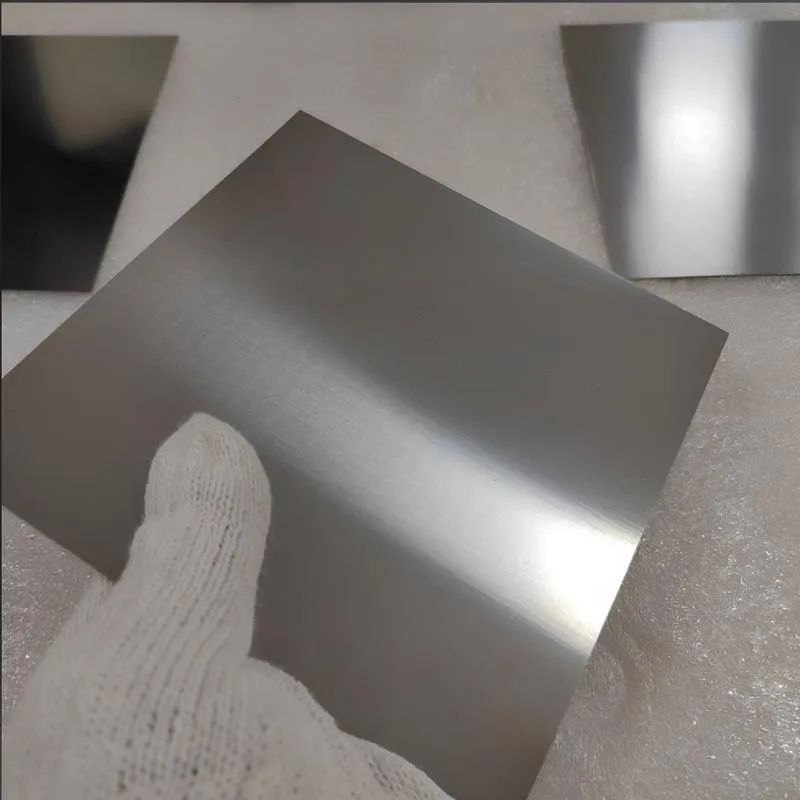
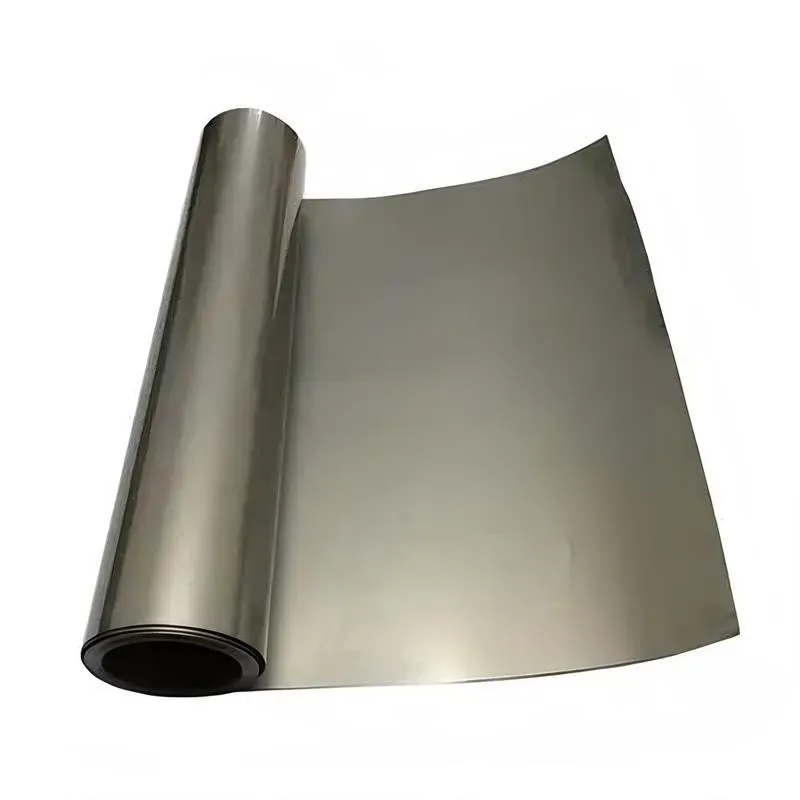
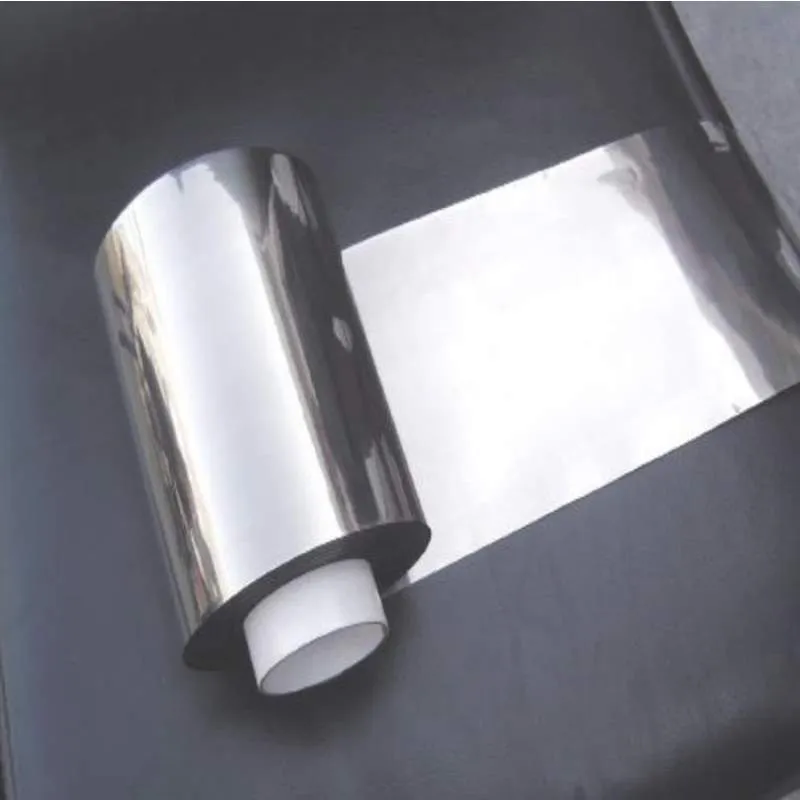
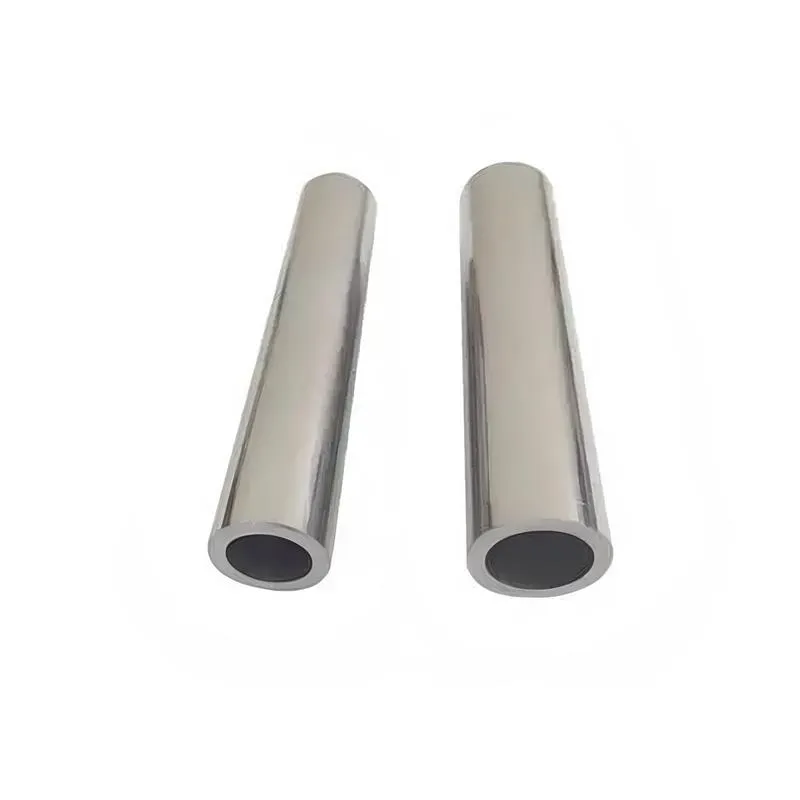
Malleable Iron Sheet,Plate casting, Class 60004
Product Code : STI-IFe-105-CU
We provide Malleable Iron Sheet/Plate casting, Class 60004 is available in Bar (Round bar, Flat bar), Ribbon, Wire, Rods, Tube,Seamless Tube,Pipe, Ingots, Plate, Sheet/Plate, Strip and Forging Stock.,Purity, chemical composition, size, etc. can all be customized to meet specific requirements.
Please contact us if you need customized services. We will contact you with the price and availability in 24 hours.
Malleable Iron Sheet/Plate casting, Class 60004 Product Information
-:-
For detailed product information, please contact sales.
-:
Malleable Iron Sheet/Plate casting, Class 60004 Synonyms
-:-
For detailed product information, please contact sales.
-:
Malleable iron casting, Class 60004 Product Information
-:-
For detailed product information, please contact sales.
-:
# **Malleable Iron Casting - Class 60004: Ultra-High Strength Grade**
## **1. Executive Summary**
**Class 60004** represents the pinnacle of standardized pearlitic malleable iron technology, delivering exceptional mechanical properties that bridge the gap between conventional cast irons and low-alloy steels. Characterized by a minimum tensile strength of **600 MPa (87,000 psi)** and 4% elongation, this premium grade combines near-steel strength levels with the manufacturing advantages of castable iron. Through sophisticated alloy design and precise heat treatment control, Class 60004 achieves a refined microstructure of tempered martensite or bainite, providing outstanding wear resistance, fatigue performance, and durability for the most demanding engineering applications.
## **2. International Standards & Specifications**
### **Primary Governing Standards**
- **ASTM A220/A220M**: *Standard Specification for Pearlitic Malleable Iron Castings* (Latest revision)
- **ASTM A602**: *Automotive Malleable Iron Castings* (Specialized automotive applications)
### **International Equivalents**
| **Standard** | **Designation** | **Region** | **Notes** |
|--------------|-----------------|------------|-----------|
| **ISO 5922** | **JMB 600-4** | International | Primary global equivalent |
| **EN 1562** | EN-GJMB-600-4 | European Union | European harmonized standard |
| **JIS G 5705** | FCMB 600 | Japan | Japanese Industrial Standard |
| **GB/T 9440** | JMB 600 | China | Chinese National Standard |
| **SAE J158** | Class 60004 | North America | Automotive applications |
### **Supporting Specifications**
- **ASTM A247**: Standard test method for evaluating graphite microstructure
- **ASTM E8/E8M**: Standard test methods for tension testing of metallic materials
- **ASTM E10**: Standard test method for Brinell hardness of metallic materials
- **ASTM E23**: Test methods for notched bar impact testing
- **ASTM E384**: Standard test method for microindentation hardness
## **3. Chemical Composition**
### **Critical Element Ranges (Weight %)**
| **Element** | **Minimum** | **Maximum** | **Optimal Range** | **Functional Role** |
|-------------|------------|-------------|-------------------|---------------------|
| **Carbon (C)** | 2.20% | 2.80% | 2.40-2.70% | Strength foundation, carbide formation |
| **Silicon (Si)** | 1.40% | 2.20% | 1.60-2.00% | Graphitizer, solid solution strengthener |
| **Manganese (Mn)** | 1.00% | 1.80% | 1.20-1.60% | Primary hardenability element |
| **Chromium (Cr)** | 0.25% | 0.50% | 0.30-0.45% | Secondary hardenability, wear resistance |
| **Molybdenum (Mo)** | 0.15% | 0.35% | 0.20-0.30% | Heavy section hardenability |
| **Copper (Cu)** | 0.20% | 0.60% | 0.30-0.50% | Hardenability aid, corrosion resistance |
| **Nickel (Ni)** | 0.10% | 0.40% | 0.15-0.30% | Toughness enhancement |
| **Phosphorus (P)** | - | 0.08% | ≤0.06% | Strictly controlled impurity |
| **Sulfur (S)** | - | 0.08% | ≤0.06% | Strictly controlled impurity |
### **Alloy Design Philosophy**
- **Carbon Equivalent**: 3.8-4.3% for optimal castability and properties
- **Hardenability Index**: DI (Ideal Diameter) typically 3-5 inches
- **Alloy Balance**: Mn + Cr + Mo ≥ 1.8% for consistent quench response
- **Silicon Ratio**: Si/C ratio maintained at 0.6-0.8 for controlled graphitization
## **4. Physical & Mechanical Properties**
### **Minimum Requirements per ASTM A220**
| **Property** | **Minimum Value** | **Test Method** | **Notes** |
|--------------|------------------|-----------------|-----------|
| **Tensile Strength** | 600 MPa (87,000 psi) | ASTM E8 | Primary specification |
| **Yield Strength (0.2%)** | 380 MPa (55,000 psi) | ASTM E8 | Proportional limit |
| **Elongation** | 4% in 50 mm | ASTM E8 | Minimum ductility |
| **Hardness** | 255-321 HB | ASTM E10 | Brinell scale |
### **Comprehensive Property Profile**
#### **Mechanical Properties**
- **Tensile Strength Range**: 600-700 MPa (87,000-101,500 psi)
- **Yield Strength Range**: 380-450 MPa (55,000-65,000 psi)
- **Yield Ratio**: 0.63-0.68
- **Elongation**: 4-7% (typically 5-6%)
- **Reduction of Area**: 10-20%
- **Modulus of Elasticity**: 180-190 GPa (26.1-27.6 × 10⁶ psi)
- **Shear Modulus**: 70-75 GPa
- **Poisson's Ratio**: 0.27-0.29
- **Compressive Strength**: 800-900 MPa
#### **Hardness & Wear Characteristics**
- **Brinell Hardness**: 255-321 HB (typically 269-302 HB)
- **Rockwell Hardness**: 25-35 HRC equivalent
- **Vickers Hardness**: 270-340 HV
- **Abrasion Resistance**: Excellent (3-4× better than ferritic grades)
- **Scuffing Resistance**: Superior with proper surface treatment
- **Surface Hardness**: Can achieve 50-55 HRC with induction hardening
#### **Fatigue & Impact Properties**
- **Fatigue Limit (10⁷ cycles)**: 250-300 MPa (rotating bending)
- **Fatigue Ratio**: 0.42-0.48
- **Endurance Ratio**: 0.40-0.45
- **Charpy Impact (Unnotched)**: 12-20 J at 20°C
- **Charpy Impact (V-notch)**: 8-15 J at 20°C
- **Fracture Toughness (K₁c)**: 35-50 MPa√m
- **Transition Temperature**: 0-20°C ductile-to-brittle transition
#### **Physical Properties**
- **Density**: 7.30-7.40 g/cm³
- **Melting Range**: 1150-1220°C
- **Thermal Conductivity**: 36-42 W/m·K at 20°C
- **Specific Heat**: 450-480 J/kg·K
- **Thermal Expansion**: 10.4-11.2 × 10⁻⁶/°C (20-200°C)
- **Electrical Resistivity**: 0.38-0.45 μΩ·m
- **Magnetic Properties**: Strongly ferromagnetic
- **Damping Capacity**: 4-6× better than steel
## **5. Microstructural Characteristics**
### **Heat Treatment Process**
Class 60004 requires a sophisticated three-stage heat treatment:
1. **Stage 1 - Graphitization**
- Temperature: 920-950°C
- Time: 8-20 hours depending on section
- Atmosphere: Neutral or slightly oxidizing
- Result: Complete decomposition of cementite
2. **Stage 2 - Austenitization & Quenching**
- Austenitizing: 850-900°C for 2-4 hours
- Quenching Medium: Oil or polymer quenchant
- Cooling Rate: 30-80°C/second
- Result: Martensitic or bainitic transformation
3. **Stage 3 - Tempering**
- Temperature: 400-550°C
- Time: 2-6 hours
- Atmosphere: Air or protective
- Result: Tempered martensite/bainite with optimal toughness
### **Final Microstructure**
- **Matrix**: Tempered martensite or bainite (80-95%)
- **Carbon Form**: Fine, well-dispersed temper carbon aggregates
- **Prior Austenite Grain Size**: ASTM 6-8
- **Martensite Plate Size**: 0.5-2.0 μm
- **Retained Austenite**: < 5%
- **Carbide Size**: 0.1-0.5 μm
- **Inclusion Rating**: ASTM E45 Method A, ≤ 2.0
## **6. Manufacturing & Processing**
### **Foundry Requirements**
- **Melting**: Electric induction furnace preferred for chemistry control
- **Inoculation**: Late-stream inoculation for nodule refinement
- **Pouring Control**: Strict temperature control (±15°C)
- **Molding**: No-bake or shell molding for dimensional accuracy
- **Quality Systems**: Statistical process control mandatory
### **Machinability Characteristics**
- **Machinability Rating**: 60-70% relative to B1112 steel
- **Cutting Speed**: 80-120 m/min with carbide tools
- **Feed Rate**: 0.15-0.25 mm/rev
- **Tool Life**: 30-50% lower than lower-strength malleable irons
- **Surface Finish**: 1.6-3.2 μm Ra achievable
- **Recommended Tools**: Coated carbide or ceramic tools
### **Post-Processing Capabilities**
- **Heat Treatment Response**: Excellent for secondary hardening
- **Surface Treatments**: Responds well to nitriding, induction hardening
- **Joining Methods**: Limited welding capability, excellent for mechanical joining
- **Coatings**: Accepts all common industrial coatings
## **7. Product Applications**
### **Automotive & Transportation**
- **High-Performance Powertrains**
- Turbocharged diesel crankshafts
- Racing engine components
- Heavy-duty transmission gears
- High-torque differential carriers
- **Commercial Vehicles**
- Class 8 truck steering knuckles
- Heavy-duty wheel hubs
- Fifth wheel components
- Brake system anchors
### **Heavy Equipment & Machinery**
- **Construction Equipment**
- Excavator track components
- Bulldozer final drive gears
- Crane swing mechanisms
- Paving machine drives
- **Agricultural Machinery**
- Combine harvester final drives
- Tractor PTO shafts
- High-horsepower gearboxes
- Planting system drives
### **Industrial & Specialized Applications**
- **Energy Sector**
- Wind turbine gearbox components
- Oil drilling equipment
- Pump and compressor crankshafts
- **Material Handling**
- Heavy conveyor drives
- Crane hoist mechanisms
- Mining equipment gears
- **Defense & Aerospace**
- Vehicle track components
- Support equipment gears
- Landing gear components
## **8. Design Engineering Guidelines**
### **Section Size Limitations**
- **Optimal Wall Thickness**: 6-25 mm
- **Maximum Uniform Section**: 40 mm
- **Minimum Practical Section**: 4 mm
- **Property Uniformity**: ±15% across design section
### **Stress Analysis Considerations**
- **Design Stress (Static)**: 150-200 MPa (22,000-29,000 psi)
- **Fatigue Design Limit**: 100-150 MPa (14,500-21,750 psi)
- **Safety Factors**: 2.5-3.0 for dynamic loading
- **Stress Concentrations**: Kt ≤ 2.0 recommended
### **Geometric Recommendations**
- **Fillet Radii**: Minimum 3 mm, preferred 5 mm
- **Section Transitions**: Gradual changes (< 30°)
- **Rib Design**: Height/width ratio ≤ 4:1
- **Boss Design**: Diameter ≤ 2× wall thickness
## **9. Quality Assurance & Testing**
### **Mandatory Testing**
1. **Chemical Analysis**: For each melt (spectroscopic)
2. **Mechanical Testing**: Tensile tests from separately cast bars
3. **Hardness Testing**: Multiple locations per casting
4. **Microstructural Examination**: 100% verification of proper structure
5. **Non-Destructive Testing**: As specified by drawing requirements
### **Advanced Testing (When Required)**
- **Fatigue Testing**: Axial or rotating bending tests
- **Fracture Toughness**: K₁c or J-integral testing
- **Residual Stress Analysis**: X-ray diffraction methods
- **Metallographic Analysis**: Quantitative image analysis
### **Certification Requirements**
- **Material Certificates**: 3.1 or 3.2 per EN 10204
- **Traceability**: Heat/lot traceability maintained
- **Process Records**: Complete heat treatment documentation
- **SPC Data**: Statistical process control records
## **10. Comparative Analysis**
### **Versus Lower Strength Malleable Irons**
| **Property** | **Class 60004 vs. 50005** | **Advantage** |
|--------------|--------------------------|---------------|
| Tensile Strength | +20% higher | Major |
| Yield Strength | +15-20% higher | Significant |
| Hardness | +10-15% higher | Moderate |
| Wear Resistance | 20-30% better | Major |
| Fatigue Strength | 15-20% higher | Important |
| Machinability | 15-20% lower | Trade-off |
### **Versus Competing Materials**
- **vs. Ductile Iron (800-550-06)**: Higher strength, better wear, lower impact
- **vs. Cast Steel (ASTM A148 Gr. 105-85)**: Better damping, lower cost, similar strength
- **vs. Forged Steel (4140)**: Better casting complexity, lower cost, slightly lower properties
- **vs. Austempered Ductile Iron**: Different property profile, cost/performance trade-offs
## **11. Economic & Technical Considerations**
### **Cost Factors**
- **Material Cost**: 20-30% higher than Class 50005
- **Processing Cost**: Significant due to complex heat treatment
- **Tooling Cost**: Similar to other malleable irons
- **Life Cycle Cost**: Excellent for high-wear applications
### **Technical Trade-offs**
- **Strength vs. Toughness**: Optimized for strength-dominant applications
- **Cost vs. Performance**: Premium material for premium applications
- **Manufacturability vs. Properties**: Requires advanced foundry capabilities
- **Weight vs. Strength**: Excellent strength-to-weight ratio
### **Supply Chain Considerations**
- **Limited Suppliers**: Specialized foundries required
- **Lead Times**: Longer due to complex processing
- **Global Availability**: Limited to industrial regions
- **Technical Support**: Requires metallurgical expertise
## **12. Future Developments & Trends**
### **Technical Advancements**
1. **Alloy Optimization**: Computational materials design for improved toughness
2. **Process Innovation**: Reduced energy heat treatment cycles
3. **Quality Monitoring**: Real-time process control systems
4. **Surface Engineering**: Advanced coating integration
### **Market Trends**
- **Lightweighting**: Continued development for weight-sensitive applications
- **Electrification**: Adaptation for high-torque electric vehicle components
- **Digital Integration**: Industry 4.0 manufacturing implementation
- **Sustainability**: Reduced energy and improved recyclability
### **Research Directions**
- **Nanostructured Variants**: For ultra-high performance applications
- **Hybrid Materials**: Composite structures with other materials
- **Smart Castings**: Embedded sensors for condition monitoring
- **Advanced Simulation**: Digital twin technology for process optimization
## **13. Conclusion**
**ASTM A220 Class 60004** represents the ultimate achievement in conventional pearlitic malleable iron technology, delivering tensile strengths approaching 700 MPa while maintaining useful ductility. This premium engineering material fills a critical niche between standard cast irons and alloy steels, offering designers a unique combination of castability, strength, wear resistance, and damping capacity.
The successful application of Class 60004 requires sophisticated foundry and heat treatment capabilities, careful design consideration of its property limitations, and thorough quality assurance practices. When properly implemented, it provides exceptional value in applications where its specific property profile aligns with demanding performance requirements, particularly in heavy-duty automotive, construction, and industrial equipment sectors.
As manufacturing technologies continue to advance, Class 60004 is poised to evolve through material and process innovations, maintaining its position as a high-performance engineering solution for the most challenging mechanical applications. Its continued development reflects the ongoing relevance of advanced cast iron technology in modern engineering design.
-:-
For detailed product information, please contact sales.
-:
Malleable iron casting, Class 60004 Specification
Dimensions
Size:
Diameter 20-1000 mm Length <6580 mm
Size:We can customized as required
Standard:
Per your request or drawing
We can customized as required
Properties(Theoretical)
Chemical Composition
-:-
For detailed product information, please contact sales.
-:
Malleable iron casting, Class 60004 Properties
-:-
For detailed product information, please contact sales.
-:
Applications of Malleable Iron Sheet,Plate casting, Class 60004
-:-
For detailed product information, please contact sales.
-:
Chemical Identifiers Malleable Iron Sheet,Plate casting, Class 60004
-:-
For detailed product information, please contact sales.
-:
Packing of Malleable Iron Sheet/Plate casting, Class 60004
-:-
For detailed product information, please contact sales.
-:
Standard Packing:
-:-
For detailed product information, please contact sales.
-:
Typical bulk packaging includes palletized plastic 5 gallon/25 kg. pails, fiber and Steel Sheet/Plate drums to 1 ton super sacks in full container (FCL) or truck load (T/L) quantities. Research and sample quantities and hygroscopic, oxidizing or other air sensitive materials may be packaged under argon or vacuum. Solutions are packaged in polypropylene, plastic or glass jars up to palletized 3051 gallon liquid totes Special package is available on request. E FORUs’ is carefully handled to minimize damage during storage and transportation and to preserve the quality of our products in their original condition