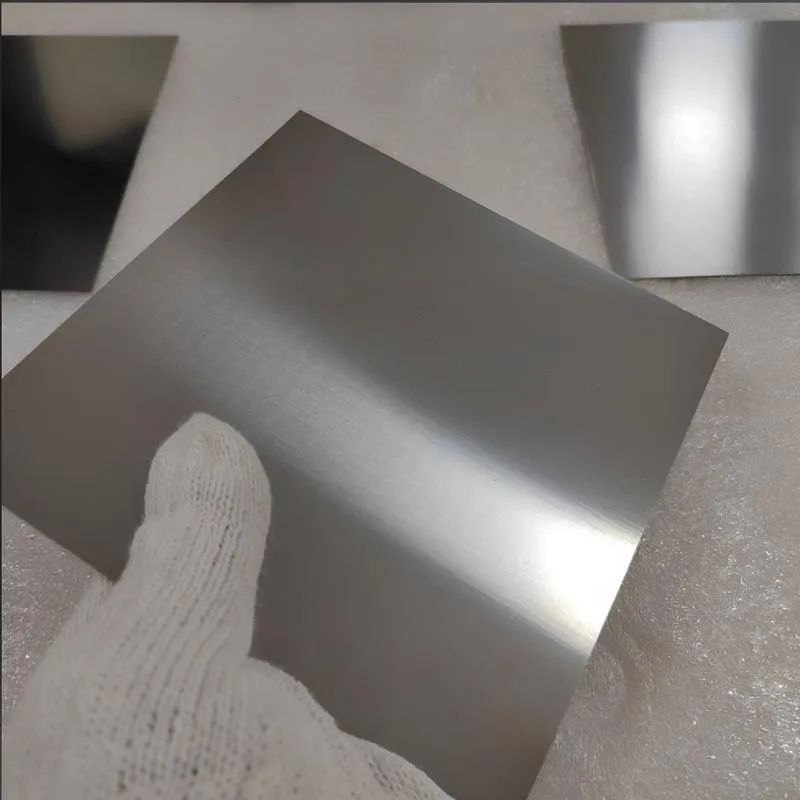
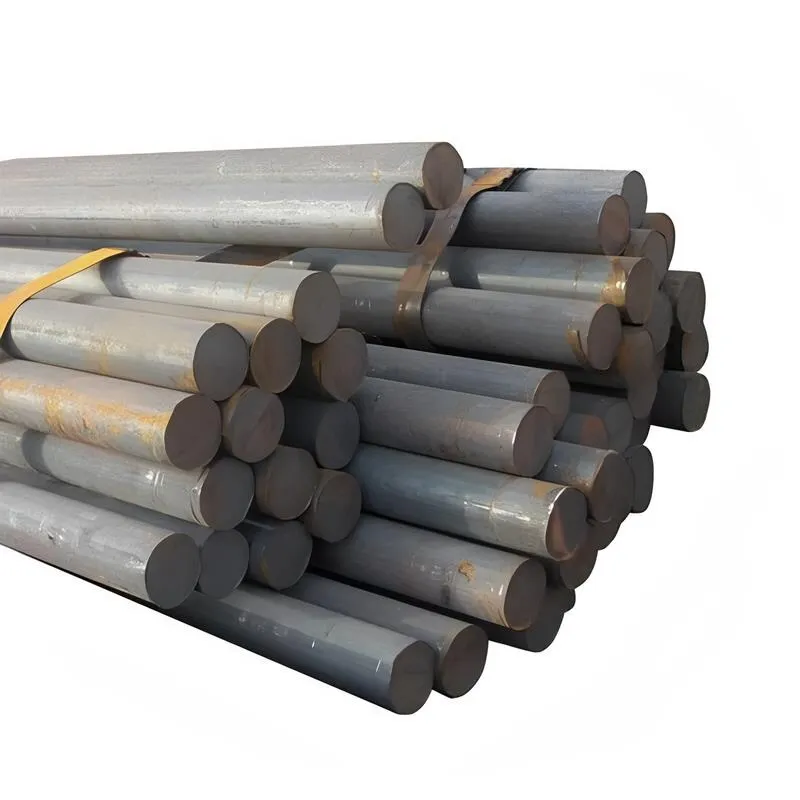
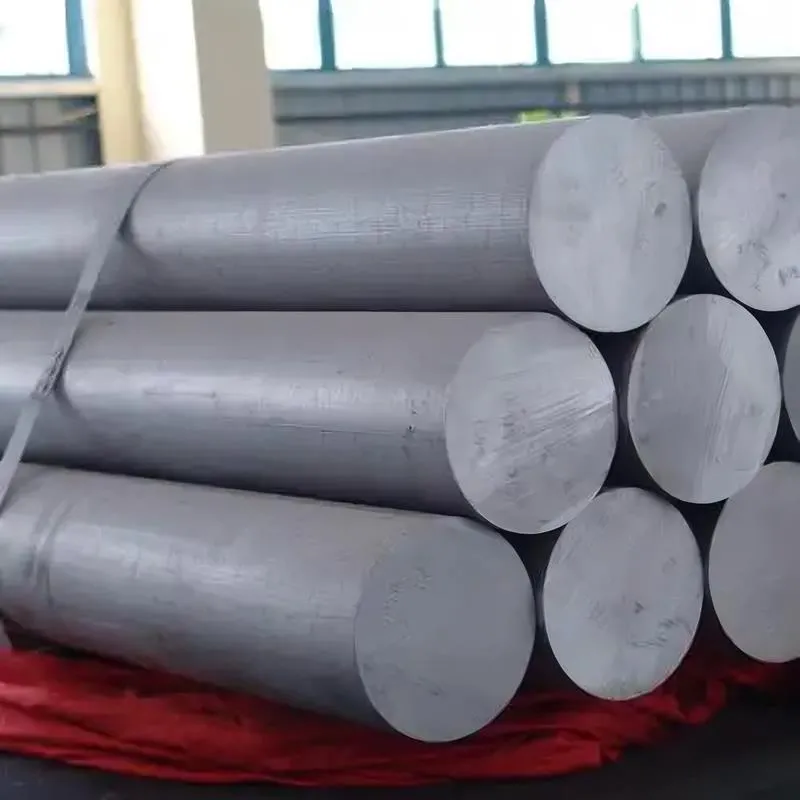
Malleable Iron Sheet,Plate casting, Class M5003
Product Code : STI-IFe-111-CU
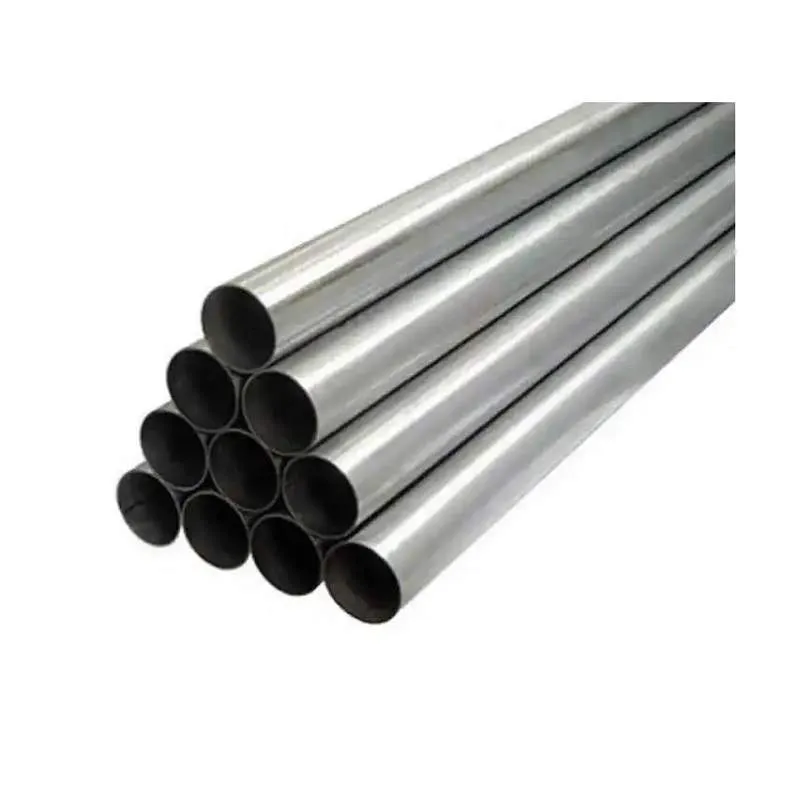
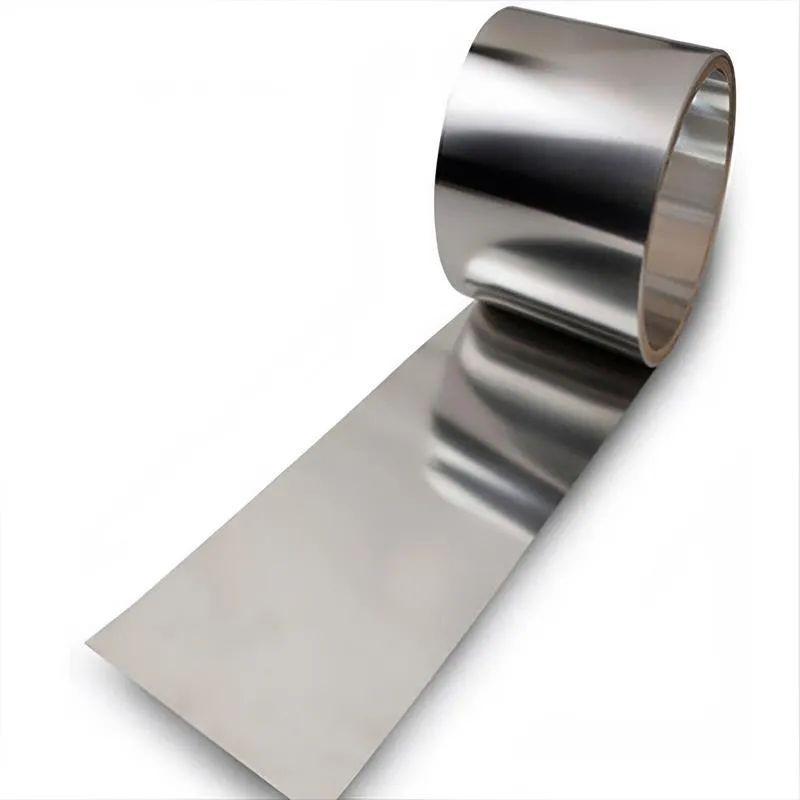
We provide Malleable Iron Sheet/Plate casting, Class M5003 air quenched and tempered is available in Bar (Round bar, Flat bar), Ribbon, Wire, Rods, Tube,Seamless Tube,Pipe, Ingots, Plate, Sheet/Plate, Strip and Forging Stock.,Purity, chemical composition, size, etc. can all be customized to meet specific requirements.
Please contact us if you need customized services. We will contact you with the price and availability in 24 hours.
Malleable Iron Sheet/Plate casting, Class M5003 air quenched and tempered Product Information
-:-
For detailed product information, please contact sales.
-:
Malleable Iron Sheet/Plate casting, Class M5003 air quenched and tempered Synonyms
-:-
For detailed product information, please contact sales.
-:
Malleable iron casting, Class M5003 air quenched and tempered Product Information
-:-
For detailed product information, please contact sales.
-:
## **Malleable Iron Casting - Class M5003 Air Quenched & Tempered**
### **1. Overview**
**Class M5003 Air Quenched & Tempered** represents a **premium, high-strength grade** of pearlitic malleable iron, achieving a minimum tensile strength of **500 MPa (72,500 psi)** with **3% minimum elongation**. This grade distinguishes itself through a specialized **air quenching and tempering** heat treatment process. Unlike conventional oil quenching, air quenching provides a more controlled cooling rate, resulting in superior **dimensional stability, reduced distortion, and lower residual stresses**, while still attaining mechanical properties that compete with low-alloy steels. It is engineered for high-performance applications where precision, wear resistance, and strength under complex loading conditions are paramount.
### **2. Key International Standards**
* **Primary Standards:** **ASTM A220/A220M** (Standard Specification for Pearlitic Malleable Iron Castings) and **ASTM A602** (Automotive Malleable Iron Castings). The "Air Quenched and Tempered" designation specifies a critical process variant within these performance classifications.
* **International Equivalents:**
* **ISO 5922:** **JMB 500-3**
* **EN 1562:** **EN-GJMB-500-3**
* **JIS G 5705:** **FCMB 500**
* **GB/T 9440:** **JMB 500**
### **3. Chemical Composition**
The chemical composition is precisely balanced to ensure sufficient hardenability for air quenching, which has a slower cooling rate than oil quenching. Higher levels of key alloying elements are required.
| Element | Typical Range (%) | Critical Role in Air Quenching |
| :--- | :--- | :--- |
| **Carbon (C)** | 2.40 - 2.85 | Base strength; balanced for hardenability. |
| **Silicon (Si)** | 1.50 - 2.10 | Strong graphitizer and solid solution strengthener. |
| **Manganese (Mn)** | **1.20 - 1.80** | **Essential.** Primary element providing the hardenability needed for transformation during air cooling. |
| **Chromium (Cr)** | **0.30 - 0.60** | **Critical.** Synergistically boosts hardenability and refines the microstructure for strength and wear resistance. |
| **Molybdenum (Mo)** | **0.15 - 0.35** | Enhances hardenability, especially in thicker sections, and improves tempering resistance. |
| **Copper (Cu)** | 0.30 - 0.70 | Aids hardenability and corrosion resistance. |
| **Nickel (Ni)** | 0.10 - 0.40 (optional) | Improves toughness and supports hardenability. |
| **Phosphorus (P)** | ≤ 0.08 | Strictly limited to preserve toughness. |
| **Sulfur (S)** | ≤ 0.08 | Strictly controlled. |
**Alloy Design Philosophy:** The combined content of Mn, Cr, and Mo is critical, typically requiring a sum ≥ 2.0% to achieve a high enough hardenability index (Ideal Diameter ≥ 4 inches) for successful air quenching of production-sized sections.
### **4. Physical & Mechanical Properties**
**Minimum Requirements (ASTM A602 / A220):**
| Property | Minimum Requirement | Typical Achieved Range |
| :--- | :--- | :--- |
| **Tensile Strength** | 500 MPa (72,500 psi) | 500 - 600 MPa |
| **Yield Strength (0.2%)** | 345 MPa (50,000 psi) | 345 - 450 MPa |
| **Elongation** | 3% | 3 - 6% |
| **Brinell Hardness** | 241 - 302 HB | 255 - 285 HB |
**Key Advantages from Air Quenching Process:**
* **Low Distortion & Superior Dimensional Accuracy:** Cooling stresses are significantly lower than in oil quenching, reducing warpage and dimensional variation by **30-50%**. This allows for tighter tolerances and less post-heat-treatment machining.
* **Reduced Residual Stresses:** Results in better long-term dimensional stability and enhanced fatigue performance.
* **Consistent Properties:** More uniform cooling leads to less variation in microstructure and hardness throughout the component.
* **Improved Surface Integrity:** Eliminates risks associated with quenching oils (staining, uneven cooling).
### **5. Specialized Air Quench & Temper Process**
This is a defining characteristic of the grade. The process sequence is carefully controlled:
1. **Full Austenitization:** Heating to 850-900°C in a controlled atmosphere.
2. **Forced Air Quenching:** The castings are cooled in a high-velocity, directed air stream. The cooling rate is precisely managed (between furnace cooling and oil quenching) to transform the austenite into a strong, fine microstructure (martensite/bainite) with minimal thermal shock.
3. **Tempering:** **Mandatory.** Performed at 450-550°C to relieve stresses, improve toughness, and achieve the final optimal balance of strength and ductility.
### **6. Product Applications**
Class M5003 Air Quenched is specified for **high-stress, precision components** where its combination of strength, wear resistance, and dimensional stability is critical.
* **Automotive & Heavy-Duty Trucking:**
* **Steering Knuckles and Hubs:** Complex shapes requiring high precision for bearing fits and alignment. Air quenching minimizes distortion.
* **High-Performance Differentials:** Carriers and gear blanks where dimensional accuracy affects gear mesh and noise.
* **Transmission Components:** Gears and shafts subject to high contact stress.
* **Off-Highway & Agricultural Equipment:**
* **Final Drive Housings**
* **Track System Components** (rollers, idlers)
* **High-Load Pivot Pins and Brackets**
* **Industrial Machinery:**
* **Precision Gears and Sprockets**
* **Pump and Compressor Components**
* **High-Wear Guides and Slides**
### **7. Advantages and Limitations**
**Advantages:**
* **Excellent Strength-to-Weight Ratio:** High strength with lower density than steel.
* **Superior Dimensional Control:** Ideal for complex, net-shape, or near-net-shape castings.
* **Outstanding Wear and Fatigue Resistance.**
* **Good Machinability (relative to strength):** Despite high hardness, it remains machinable with proper tooling.
**Limitations:**
* **Higher Alloy Cost:** Increased Mn, Cr, Mo content raises raw material cost.
* **Section Sensitivity:** Maximum effective hardening section is limited (typically < 40-50 mm) compared to oil quenching.
* **Process Complexity:** Requires precise control of air flow and temperature during quenching.
* **Lower Impact Toughness than Softer Grades:** Not suitable for severe, uncontrolled impact loading.
### **Conclusion**
**Class M5003 Air Quenched & Tempered** is a sophisticated engineering material that solves the critical challenge of achieving **high strength with high precision**. By utilizing the air quenching process, it delivers components with exceptional mechanical properties and outstanding dimensional fidelity, reducing scrap, rework, and machining costs. It is the material of choice for designers who cannot compromise on either performance or precision in demanding automotive, agricultural, and industrial applications.
-:-
For detailed product information, please contact sales.
-:
Malleable iron casting, Class M5003 air quenched and tempered Specification
Dimensions
Size:
Diameter 20-1000 mm Length <6586 mm
Size:We can customized as required
Standard:
Per your request or drawing
We can customized as required
Properties(Theoretical)
Chemical Composition
-:-
For detailed product information, please contact sales.
-:
Malleable iron casting, Class M5003 air quenched and tempered Properties
-:-
For detailed product information, please contact sales.
-:
Applications of Malleable Iron Sheet,Plate casting, Class M5003 air quenched and tempered
-:-
For detailed product information, please contact sales.
-:
Chemical Identifiers Malleable Iron Sheet,Plate casting, Class M5003 air quenched and tempered
-:-
For detailed product information, please contact sales.
-:
Packing of Malleable Iron Sheet/Plate casting, Class M5003 air quenched and tempered
-:-
For detailed product information, please contact sales.
-:
Standard Packing:
-:-
For detailed product information, please contact sales.
-:
Typical bulk packaging includes palletized plastic 5 gallon/25 kg. pails, fiber and Steel Sheet/Plate drums to 1 ton super sacks in full container (FCL) or truck load (T/L) quantities. Research and sample quantities and hygroscopic, oxidizing or other air sensitive materials may be packaged under argon or vacuum. Solutions are packaged in polypropylene, plastic or glass jars up to palletized 3057 gallon liquid totes Special package is available on request. E FORUs’ is carefully handled to minimize damage during storage and transportation and to preserve the quality of our products in their original condition