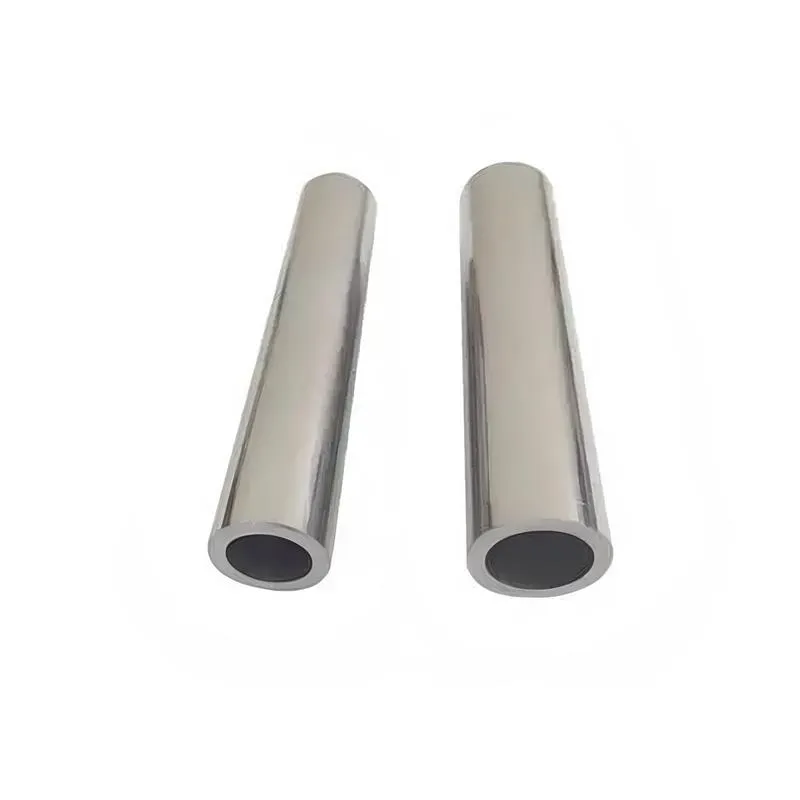
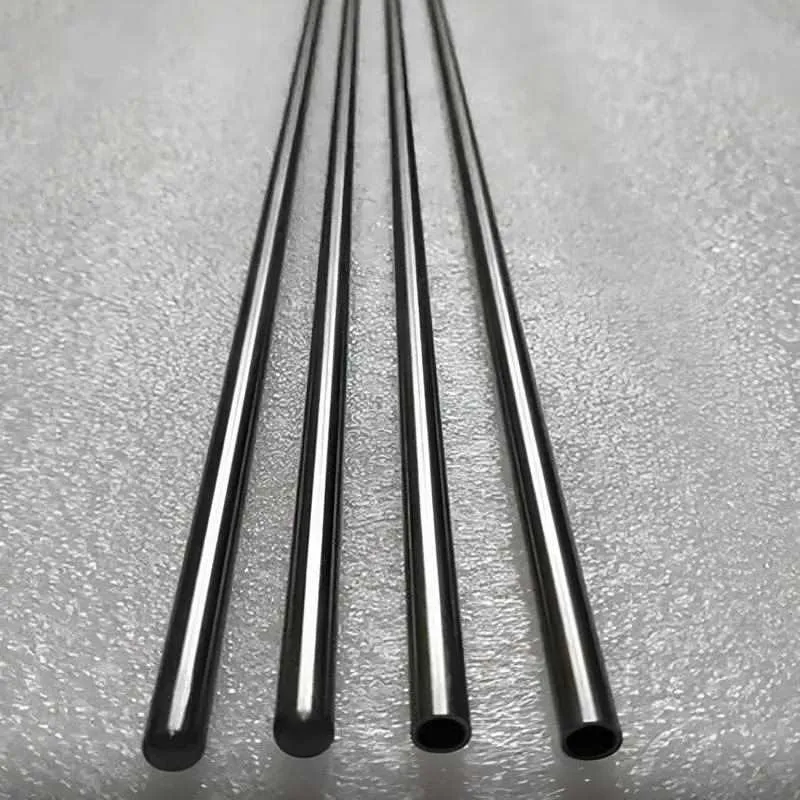
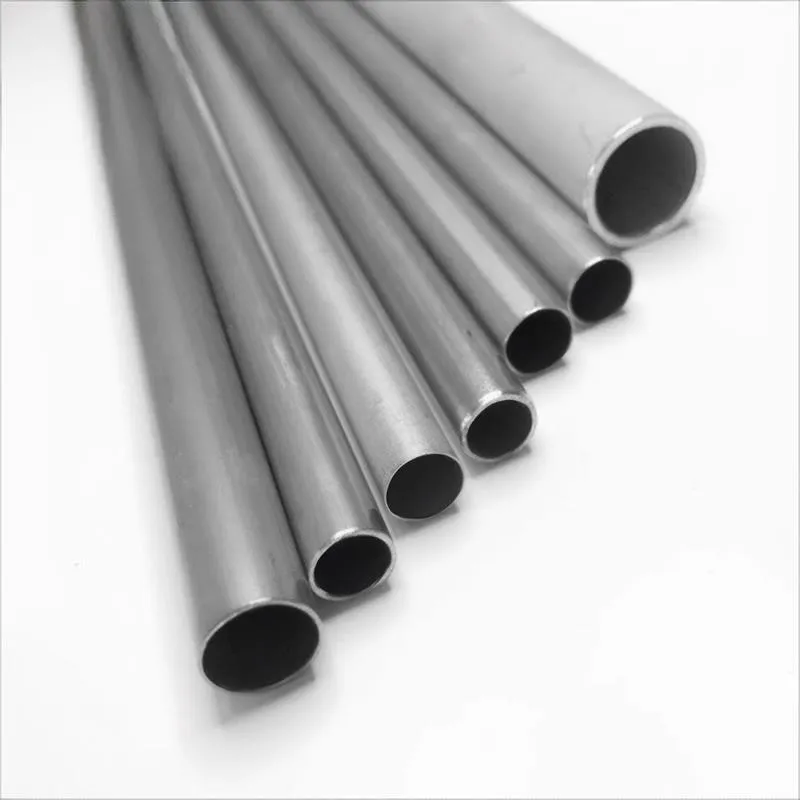
Malleable Iron Tube,Pipe casting, Class M3210 ,Malleable Iron Tube,Pipe casting, Class M3210
Product Code : STI-IFe-109-CU
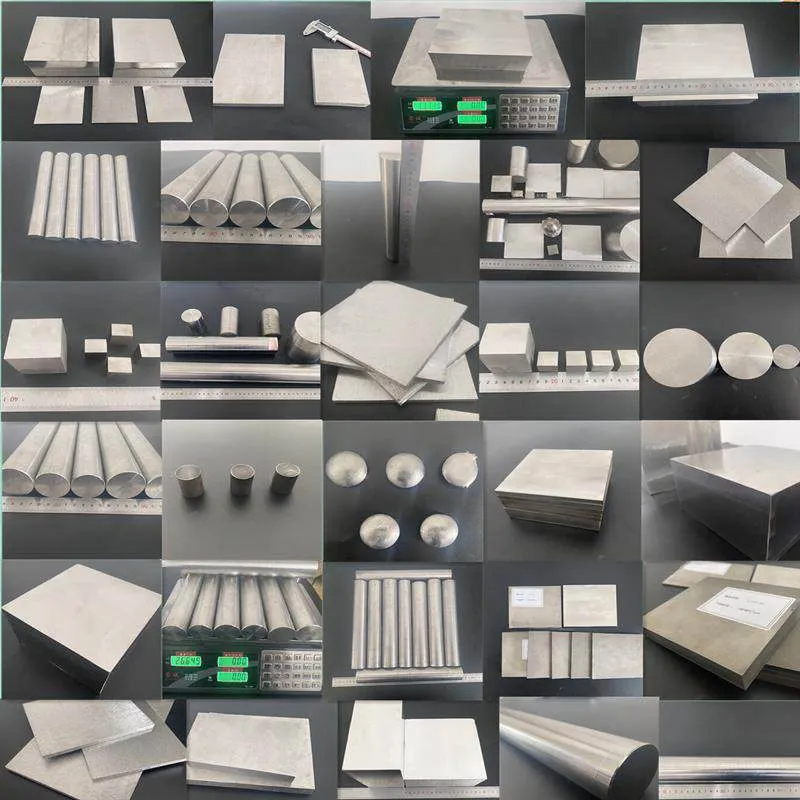
We provide Malleable Iron Tube casting, Class M3210 annealed is available in Bar (Round bar, Flat bar), Ribbon, Wire, Rods, Tube,Seamless Tube,Pipe, Ingots, Plate, Sheet, Strip and Forging Stock.,Purity, chemical composition, size, etc. can all be customized to meet specific requirements.Malleable Iron Pipe casting, Class M3210 ,Malleable Iron Pipe casting, Class M3210
Please contact us if you need customized services. We will contact you with the price and availability in 24 hours.
Malleable Iron Tube casting, Class M3210 annealed Product Information
-:-
For detailed product information, please contact sales.
-:
Malleable Iron Tube casting, Class M3210 annealed Synonyms
-:-
For detailed product information, please contact sales.
-:
Malleable iron casting, Class M3210 annealed Product Information
-:-
For detailed product information, please contact sales.
-:
## **Malleable Iron Casting - Class M3210 Annealed**
### **1. Overview**
**Class M3210** is a standard grade of **annealed ferritic malleable iron** produced through traditional cupola melting processes and subsequent full annealing treatment. This grade, characterized by its excellent ductility and moderate strength, serves as a foundational material in the malleable iron family, offering reliable performance for a wide range of industrial applications where shock resistance and machinability are prioritized over maximum strength. The annealing process transforms the brittle as-cast white iron structure into a ductile ferritic matrix with temper carbon aggregates, resulting in a material with good toughness and dimensional stability.
### **2. International Standards & Specifications**
**Primary Governing Standards:**
- **ASTM A47/A47M** - Standard Specification for Ferritic Malleable Iron Castings
- **ASTM A197/A197M** - Specification for Cupola Malleable Iron
**International Equivalents:**
| Standard | Designation | Region | Notes |
|----------|-------------|--------|-------|
| **ISO 5922** | **JMA 320** | International | Whiteheart malleable iron equivalent |
| **EN 1562** | EN-GJMW-350-4 | European Union | Whiteheart malleable iron |
| **JIS G 5702** | WCB 320 | Japan | White cast iron classification |
| **GB/T 9440** | JMA 320 | China | Chinese standard |
*Note: Class M3210 designation is historical, with modern equivalents typically using the 32510 (32,500 psi tensile, 10% elongation) notation under ASTM A47.*
### **3. Chemical Composition**
**Typical Composition Range (Weight %):**
| Element | Range | Function & Influence |
|---------|-------|---------------------|
| **Carbon (C)** | 2.50-3.00 | Primary carbon source for graphitization |
| **Silicon (Si)** | 0.60-1.20 | Graphitizing agent; promotes carbon precipitation |
| **Manganese (Mn)** | 0.30-0.50 | Neutralizes sulfur, improves mechanical properties |
| **Phosphorus (P)** | ≤ 0.20 | Improves fluidity but reduces toughness |
| **Sulfur (S)** | ≤ 0.12 | Controlled impurity; affects annealing response |
| **Chromium (Cr)** | ≤ 0.10 | Restricted; inhibits decarburization in annealing |
| **Copper (Cu)** | ≤ 0.30 | Optional; may improve corrosion resistance |
**Cupola Process Characteristics:**
- **Higher Phosphorus Tolerance:** Typically 0.08-0.20% due to traditional cupola practice
- **Silicon Control:** Lower silicon than electric furnace malleable iron (typically <1.2%)
- **Carbon Content:** Higher carbon than modern ferritic malleable grades
- **Process Variations:** Composition may vary more than electric furnace production
### **4. Physical & Mechanical Properties**
**Minimum Requirements (ASTM A197):**
| Property | Minimum Value | Typical Range |
|----------|---------------|---------------|
| **Tensile Strength** | 32,000 psi (220 MPa) | 32,000-38,000 psi |
| **Yield Strength** | Not specified | 20,000-26,000 psi (estimated) |
| **Elongation** | 10% in 2" | 10-15% |
| **Hardness** | Not specified | 110-156 HB |
**Comprehensive Property Profile:**
**Mechanical Properties:**
- **Tensile Strength:** 220-260 MPa (32,000-38,000 psi)
- **Yield Strength (0.5% extension):** 140-180 MPa (20,000-26,000 psi)
- **Elongation:** 10-15% in 50 mm
- **Reduction of Area:** 15-25%
- **Modulus of Elasticity:** 165-175 GPa (23.9-25.4 × 10⁶ psi)
- **Shear Modulus:** 64-68 GPa
- **Poisson's Ratio:** 0.26-0.28
**Hardness & Wear:**
- **Brinell Hardness:** 110-156 HB (typically 120-140 HB)
- **Rockwell Hardness:** 65-80 HRB equivalent
- **Abrasion Resistance:** Fair - superior to mild steel but inferior to pearlitic grades
- **Surface Hardness:** Can be increased with surface treatments if needed
**Impact & Fatigue:**
- **Charpy Impact (Unnotched):** 20-30 J at room temperature
- **Fatigue Limit (10⁷ cycles):** 100-130 MPa (rotating bending)
- **Fatigue Ratio:** 0.40-0.45
- **Damping Capacity:** Excellent - 6-8× better than steel
**Physical Properties:**
- **Density:** 7.25-7.35 g/cm³
- **Melting Range:** 1130-1200°C
- **Thermal Conductivity:** 44-50 W/m·K at 20°C
- **Specific Heat:** 480-520 J/kg·K
- **Thermal Expansion:** 11.0-11.5 × 10⁻⁶/°C (20-200°C)
- **Electrical Resistivity:** 0.28-0.35 μΩ·m
### **5. Annealing Process & Microstructure**
**Traditional Annealing Cycle:**
1. **Stage 1 - Decarburization Annealing:**
- Temperature: 950-1000°C
- Time: 40-100 hours depending on section thickness
- Atmosphere: Oxidizing (air or controlled atmosphere)
- Purpose: Remove carbon from surface layers
2. **Stage 2 - Controlled Cooling:**
- Cooling Rate: 10-20°C/hour through critical range
- Final Cooling: Furnace cool to room temperature
- Total Cycle Time: 50-120 hours typical
**Resulting Microstructure:**
- **Surface Zone (1-3 mm):** Ferritic with minimal carbon (decarburized layer)
- **Intermediate Zone:** Ferritic with small temper carbon particles
- **Core Region:** Ferritic matrix with temper carbon aggregates
- **Temper Carbon Form:** Irregular rosette or aggregate morphology
- **Decarburization Depth:** 1-3 mm typical, depending on annealing time
**Metallurgical Characteristics:**
- **Surface Carbon Content:** 0.10-0.30% after annealing
- **Core Carbon Content:** 0.60-1.20% as temper carbon
- **Matrix Structure:** 100% ferritic (no pearlite or carbides)
- **Grain Size:** ASTM 5-7 (medium grain size)
### **6. Manufacturing Considerations**
**Cupola Melting Specifics:**
- **Furnace Type:** Traditional cupola with coke fuel
- **Charge Materials:** Pig iron, steel scrap, and foundry returns
- **Temperature Control:** Less precise than electric furnaces
- **Chemistry Variation:** More batch-to-batch variation expected
- **Historical Method:** Represents traditional malleable iron production
**Machinability Characteristics:**
- **Machinability Rating:** 90-100% relative to B1112 steel
- **Cutting Speed:** 120-180 m/min with HSS or carbide tools
- **Surface Finish:** Excellent - 1.6-3.2 μm Ra easily achievable
- **Tool Life:** Very good - minimal tool wear
- **Chip Formation:** Discontinuous, easy-to-handle chips
**Foundry Advantages:**
- **Lower Equipment Cost:** Cupola installation less expensive than electric furnaces
- **Proven Process:** Centuries of manufacturing experience
- **Material Flexibility:** Can utilize various scrap mixtures
- **Local Production:** Often produced in regional foundries
### **7. Product Applications**
**Traditional & Historical Applications:**
- **Pipe Fittings & Plumbing:**
- Gas and water pipe fittings (elbows, tees, couplings)
- Plumbing hardware and fixtures
- Valve bodies for low-pressure systems
- **Agricultural Equipment:**
- Tractor linkage components
- Implement parts and brackets
- Early farm machinery components
- **Railroad Industry:**
- Coupler parts and brake components
- Signal equipment housings
- Early locomotive fittings
**Modern Industrial Applications:**
- **Electrical Hardware:**
- Conduit bodies and junction boxes
- Cable guards and supports
- Electrical fitting components
- **General Hardware:**
- Brackets, hinges, and fasteners
- Hand tool components (wrenches, pliers)
- Construction hardware
- **Automotive (Legacy Applications):**
- Early automotive chassis parts
- Vintage vehicle restoration components
- Classic car brake and steering parts
**Specialized Uses:**
- **Ornamental Ironwork:** Decorative elements requiring good ductility
- **Vintage Machinery Repair:** Replacement parts for historical equipment
- **Low-Stress Structural Components:** Where vibration damping is beneficial
### **8. Design Engineering Guidelines**
**Section Size Limitations:**
- **Optimal Wall Thickness:** 3-25 mm
- **Maximum Uniform Section:** 50 mm
- **Minimum Practical Section:** 2.5 mm
- **Property Uniformity:** May vary through section due to decarburization
**Allowable Design Stresses:**
- **Static Design Stress:** 70-100 MPa (10,200-14,500 psi)
- **Fatigue Design Stress:** 40-60 MPa (5,800-8,700 psi)
- **Impact Applications:** Well-suited due to good toughness
- **Safety Factors:** 2.0-2.5 for general applications
**Geometric Considerations:**
- **Fillet Radii:** Minimum 2 mm, preferred 3+ mm
- **Section Transitions:** Gradual changes recommended
- **Machining Allowances:** 1.5-3.0 mm typical
- **Dimensional Tolerance:** ±0.5% or ±0.8 mm, whichever greater
### **9. Quality Assurance & Testing**
**Standard Testing Requirements:**
1. **Chemical Analysis:** Batch testing for key elements
2. **Tensile Testing:** From separately cast test bars
3. **Hardness Testing:** Multiple locations including surface and core
4. **Visual Inspection:** Surface quality and soundness
5. **Dimensional Verification:** Per drawing requirements
**Decarburization Assessment:**
- **Microexamination:** Verify decarburization depth
- **Hardness Gradient:** Measure from surface to core
- **Case Depth:** Typically 1-3 mm acceptable
- **Consistency:** Check batch-to-batch uniformity
**Certification Requirements:**
- **Material Certification:** Basic chemical and mechanical properties
- **Heat Treatment Records:** Annealing cycle documentation
- **Foundry Certification:** ASTM or equivalent quality system
- **Lot Traceability:** Basic heat/lot identification
### **10. Comparative Analysis**
**vs. Modern Ferritic Malleable Iron (32510):**
| Aspect | Class M3210 | ASTM A47 32510 |
|--------|-------------|----------------|
| **Production Method** | Cupola melting | Electric furnace |
| **Process Control** | Less precise | More controlled |
| **Chemistry Limits** | Wider ranges | Tighter control |
| **Property Consistency** | More variable | More consistent |
| **Cost** | Often lower | Slightly higher |
**vs. Alternative Materials:**
- **Gray Iron:** Better ductility and impact resistance
- **Ductile Iron:** Lower strength but better machinability
- **Mild Steel:** Better damping, similar strength, easier casting
- **Aluminum Alloys:** Higher density, better strength at temperature
### **11. Economic & Manufacturing Factors**
**Cost Structure:**
- **Raw Material Cost:** Low - utilizes economical scrap mixtures
- **Processing Cost:** Moderate - extended annealing adds cost
- **Tooling Cost:** Low - similar to other cast irons
- **Secondary Processing:** Minimal often required
**Production Economics:**
- **Batch Sizes:** Economical at medium to high volumes
- **Lead Times:** Longer due to annealing cycle (3-7 days)
- **Setup Costs:** Moderate for new patterns
- **Scrap Rates:** Higher than modern processes (5-15%)
**Value Proposition:**
- **Total Cost:** Competitive for traditional applications
- **Performance:** Adequate for many low-stress applications
- **Availability:** Widely available from traditional foundries
- **Heritage Value:** Maintains compatibility with existing designs
### **12. Technical Limitations**
**Material Constraints:**
- **Maximum Service Temperature:** 400°C continuous
- **Weldability:** Poor - not recommended
- **Corrosion Resistance:** Similar to low-carbon steel
- **Strength Limitations:** Not for high-stress applications
- **Property Gradients:** Significant through-section variations
**Processing Limitations:**
- **Long Annealing Cycles:** 2-5 days typical
- **Energy Intensive:** High thermal mass processing
- **Dimensional Changes:** During extended heat treatment
- **Surface Decarburization:** Inevitable with process
**Design Limitations:**
- **Not for Dynamic Loading:** Limited fatigue strength
- **Avoid High Stresses:** Yield strength relatively low
- **Consider Decarburization:** In load calculations
- **Limited Modern Standards:** Few current specifications reference this grade
### **13. Modern Relevance & Legacy Applications**
**Current Market Position:**
- **Niche Applications:** Specific traditional markets
- **Legacy Parts:** Replacement components for older equipment
- **Cost-Sensitive Applications:** Where modern alternatives are too expensive
- **Regional Manufacturing:** Areas with historical foundry infrastructure
**Transition to Modern Grades:**
- **Most Applications:** Now use ASTM A47 32510 or similar
- **Performance Demands:** Increased requirements favor controlled processes
- **Quality Expectations:** Modern industry requires consistent properties
- **Environmental Regulations:** Cupola emissions concerns
**Preservation of Capability:**
- **Historical Equipment:** Maintenance of vintage machinery
- **Traditional Crafts:** Ornamental ironwork and restoration
- **Educational Value:** Demonstrating historical metallurgy
- **Cultural Heritage:** Preserving traditional manufacturing methods
### **14. Implementation Guidelines**
**When to Specify M3210:**
1. **Legacy Equipment:** Replacement parts for historical machinery
2. **Cost-Driven Applications:** Where modern grades are cost-prohibitive
3. **Traditional Industries:** Markets accustomed to this material
4. **Regional Sourcing:** Where local foundries specialize in this process
**Technical Considerations:**
- **Clearly Document Requirements:** Specify expectations clearly
- **Understand Limitations:** Design within material capabilities
- **Consider Alternatives:** Evaluate modern equivalents
- **Communicate with Suppliers:** Ensure mutual understanding
**Quality Assurance Approach:**
- **Increased Testing:** Compensate for process variability
- **First Article Inspection:** Thorough validation
- **Supplier Qualification:** Verify foundry capabilities
- **Acceptance Criteria:** Clearly defined and agreed
### **15. Conclusion**
**Class M3210 Annealed Malleable Iron** represents an important chapter in the history of ferrous metallurgy, embodying traditional manufacturing methods that served industry for generations. While largely superseded by more controlled modern processes (ASTM A47 grades), it maintains relevance in specific applications where its historical precedent, cost structure, or manufacturing heritage provide unique value.
This grade serves as a reminder of the evolution of materials engineering, from artisanal craft to controlled science. Its continued (though diminished) production demonstrates that different manufacturing approaches can coexist, each serving particular market needs.
For new designs, engineers should generally specify modern equivalents (ASTM A47 32510) for better consistency and performance. However, for legacy support, cost-sensitive traditional applications, or specific regional manufacturing contexts, Class M3210 remains a viable engineering material when its characteristics and limitations are properly understood and accommodated.
The knowledge and experience gained from producing Class M3210 contributed significantly to the development of modern malleable iron technology, ensuring its place in the historical progression of engineering materials even as industry moves toward more advanced and controlled manufacturing methods.
-:-
For detailed product information, please contact sales.
-:
Malleable iron casting, Class M3210 annealed Specification
Dimensions
Size:
Diameter 20-1000 mm Length <6584 mm
Size:We can customized as required
Standard:
Per your request or drawing
We can customized as required
Properties(Theoretical)
Chemical Composition
-:-
For detailed product information, please contact sales.
-:
Malleable iron casting, Class M3210 annealed Properties
-:-
For detailed product information, please contact sales.
-:
Applications of Malleable Iron Tube casting, Class M3210 annealed
-:-
For detailed product information, please contact sales.
-:
Chemical Identifiers Malleable Iron Tube casting, Class M3210 annealed
-:-
For detailed product information, please contact sales.
-:
Packing of Malleable Iron Tube casting, Class M3210 annealed
-:-
For detailed product information, please contact sales.
-:
Standard Packing:
-:-
For detailed product information, please contact sales.
-:
Typical bulk packaging includes palletized plastic 5 gallon/25 kg. pails, fiber and Steel Tube drums to 1 ton super sacks in full container (FCL) or truck load (T/L) quantities. Research and sample quantities and hygroscopic, oxidizing or other air sensitive materials may be packaged under argon or vacuum. Solutions are packaged in polypropylene, plastic or glass jars up to palletized 3055 gallon liquid totes Special package is available on request. E FORUs’ is carefully handled to minimize damage during storage and transportation and to preserve the quality of our products in their original condition