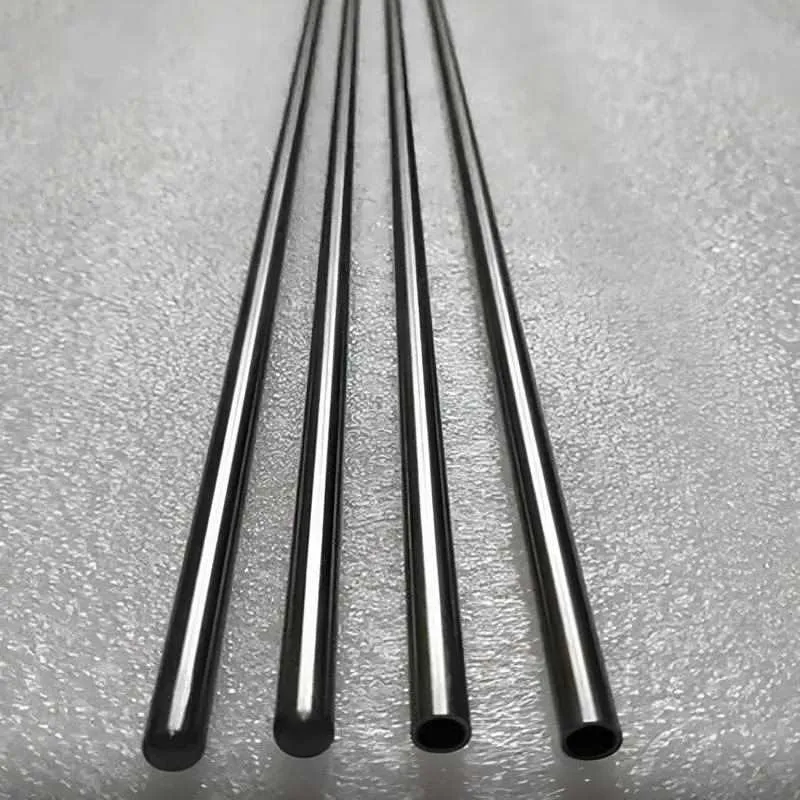
Malleable Iron Wire casting, Class 80002
Product Code : STI-IFe-107-CU
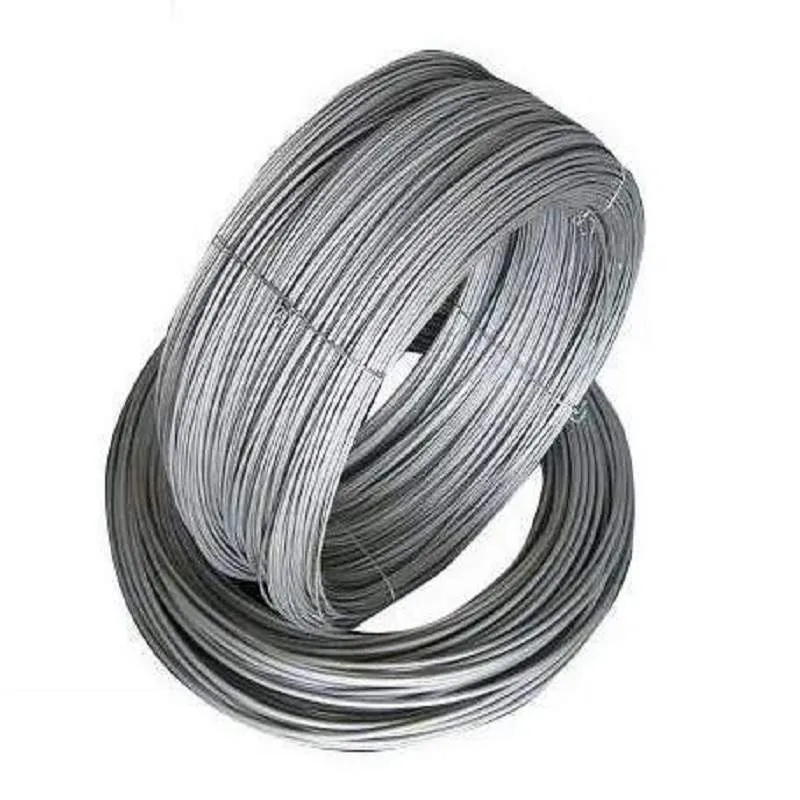
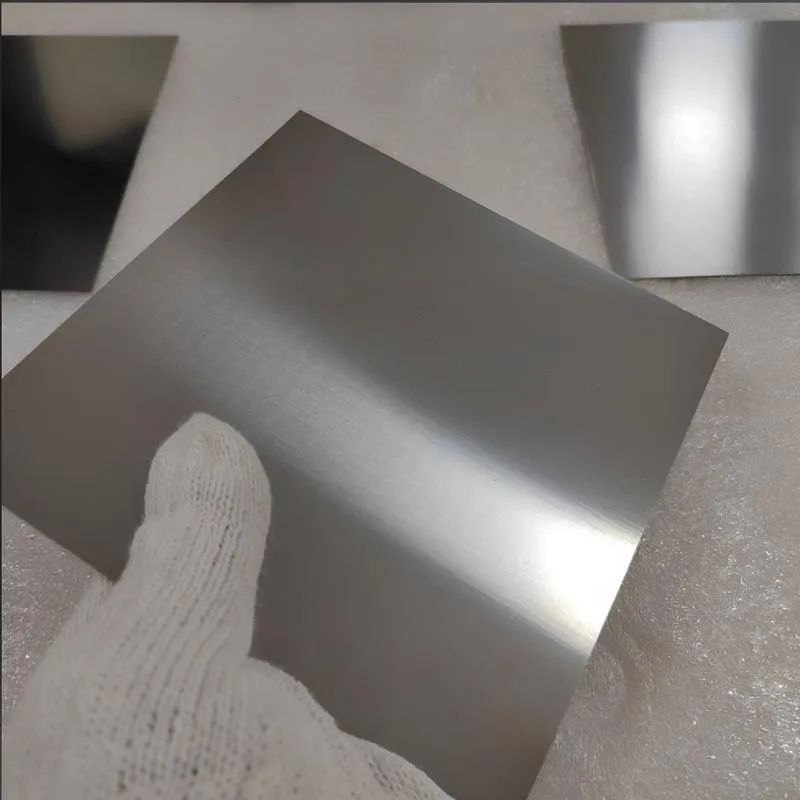
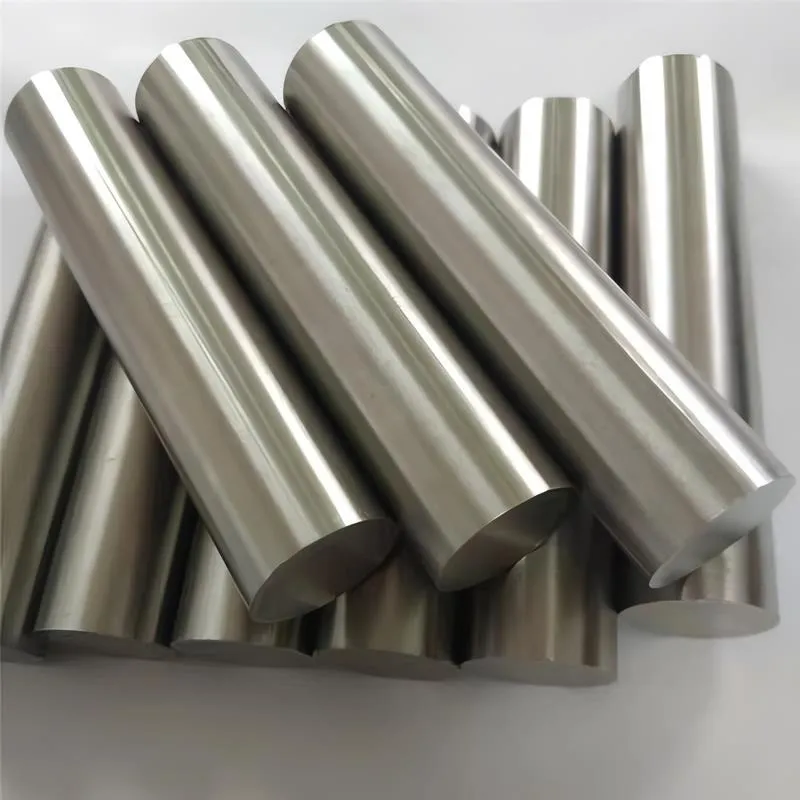
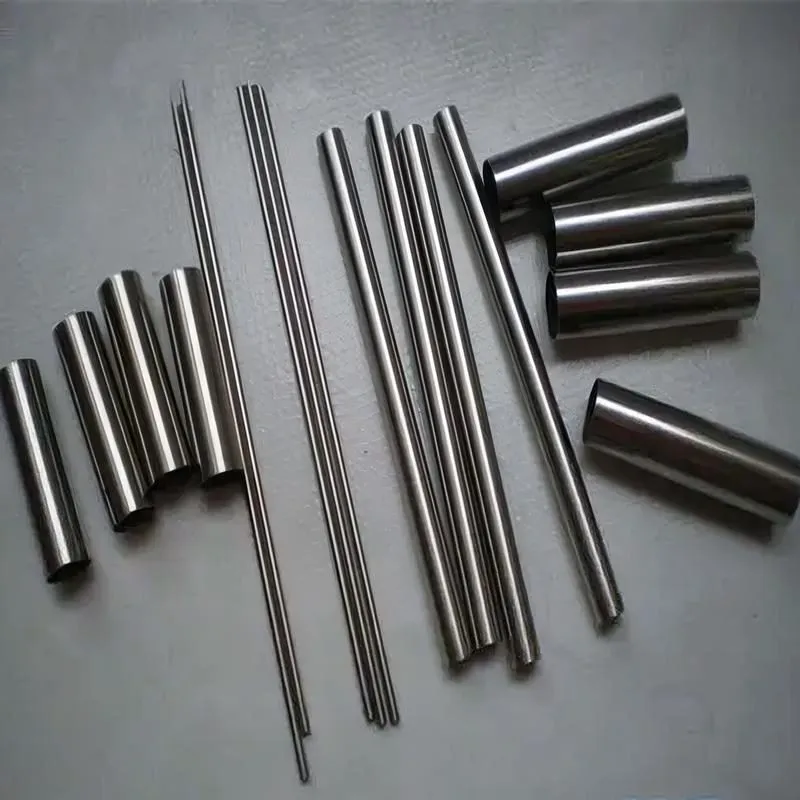
We provide Malleable Iron Wire casting, Class 80002 is available in Bar (Round bar, Flat bar), Ribbon, Wire, Rods, Tube,Seamless Tube,Pipe, Ingots, Plate, Sheet, Strip and Forging Stock.,Purity, chemical composition, size, etc. can all be customized to meet specific requirements.
Please contact us if you need customized services. We will contact you with the price and availability in 24 hours.
Malleable Iron Wire casting, Class 80002 Product Information
-:-
For detailed product information, please contact sales.
-:
Malleable Iron Wire casting, Class 80002 Synonyms
-:-
For detailed product information, please contact sales.
-:
Malleable iron casting, Class 80002 Product Information
-:-
For detailed product information, please contact sales.
-:
## **Malleable Iron Casting - Class 80002: Premium Ultra-High Performance Grade**
### **1. Overview**
**Class 80002** represents the **ultimate performance grade** in standardized pearlitic malleable iron technology, delivering exceptional tensile strength of **800 MPa (116,000 psi) minimum** with **2% minimum elongation**. This specialty grade operates at the very limits of cast iron technology, achieving mechanical properties that directly compete with quenched and tempered alloy steels while maintaining the casting advantages of iron. Developed for extreme-duty applications where conventional materials would fail, Class 80002 requires sophisticated metallurgical control and precision manufacturing processes.
### **2. International Standards**
**Primary Standards:**
- **ASTM A220/A220M** - Standard Specification for Pearlitic Malleable Iron Castings
- **ASTM A602** - Automotive Malleable Iron Castings
**International Equivalents:**
| Standard | Designation | Region | Status |
|----------|-------------|---------|--------|
| **ISO 5922** | **JMB 800-2** | International | Special capability grade |
| **EN 1562** | EN-GJMB-800-2 | European Union | Premium grade, limited availability |
| **JIS G 5705** | FCMB 800 | Japan | Specialty application |
| **GB/T 9440** | JMB 800 | China | High-performance classification |
*Technical Note: Class 80002 is typically produced under **supplier-customer technical agreement** rather than as a standard stock item due to its demanding specifications and limited production volume.*
### **3. Chemical Composition**
**Advanced Alloy Design (Weight %):**
| Element | Range | Critical Function |
|---------|-------|------------------|
| **Carbon (C)** | 2.50-2.90 | Ultra-high strength foundation |
| **Silicon (Si)** | 1.80-2.40 | Enhanced solid solution strengthening |
| **Manganese (Mn)** | 1.40-2.00 | Maximum hardenability for thick sections |
| **Chromium (Cr)** | 0.40-0.80 | Deep hardenability, wear resistance |
| **Molybdenum (Mo)** | 0.25-0.50 | Tempering resistance, heavy section capability |
| **Nickel (Ni)** | 0.30-0.70 | Toughness enhancement, hardenability |
| **Vanadium (V)** | 0.10-0.25 | Grain refinement, secondary hardening |
| **Copper (Cu)** | 0.50-1.00 | Hardenability, corrosion resistance |
| **Boron (B)** | 0.001-0.003 | Hardness enhancement (trace addition) |
| **Phosphorus (P)** | ≤ 0.04 | Ultra-low for maximum toughness |
| **Sulfur (S)** | ≤ 0.04 | Ultra-low for improved machinability |
**Alloy Design Philosophy:**
- **Total Alloy Content:** Mn+Cr+Mo+Ni ≥ 3.0%
- **Carbon Equivalent:** 4.0-4.5%
- **Hardenability Index:** DI (Ideal Diameter) ≥ 6 inches
- **Microstructure Control:** Balanced for martensitic transformation with retained toughness
### **4. Physical & Mechanical Properties**
**Minimum Requirements:**
| Property | Minimum Value | Typical Achievable Range |
|----------|---------------|--------------------------|
| **Tensile Strength** | 800 MPa (116,000 psi) | 800-950 MPa |
| **Yield Strength (0.2%)** | 480 MPa (69,600 psi) | 480-600 MPa |
| **Elongation** | 2% | 2-4% |
| **Hardness** | 321-388 HB | 341-363 HB typical |
**Comprehensive Property Profile:**
**Mechanical Properties:**
- **Tensile Strength:** 800-950 MPa (116,000-137,800 psi)
- **Yield Strength:** 480-600 MPa (69,600-87,000 psi)
- **Yield Ratio:** 0.60-0.65
- **Elongation:** 2-4% in 50 mm
- **Reduction of Area:** 5-12%
- **Modulus of Elasticity:** 190-200 GPa (27.6-29.0 × 10⁶ psi)
- **Shear Modulus:** 75-80 GPa
- **Poisson's Ratio:** 0.28-0.30
- **Compressive Strength:** 900-1100 MPa
**Hardness & Wear Characteristics:**
- **Brinell Hardness:** 321-388 HB (typically 341-363 HB)
- **Rockwell Hardness:** 35-42 HRC equivalent
- **Vickers Hardness:** 345-415 HV
- **Abrasion Resistance:** Superior (5-7× better than ferritic grades)
- **Surface Hardening Capability:** Can achieve 58-62 HRC with induction hardening
- **Wear Coefficient:** 1.5-2.5 × 10⁻⁶ mm³/N·m (pin-on-disk test)
**Fatigue & Fracture Properties:**
- **Fatigue Limit (10⁷ cycles):** 300-380 MPa
- **Fatigue Ratio:** 0.38-0.42
- **Charpy Impact (V-notch):** 4-10 J at 20°C
- **Fracture Toughness (K₁c):** 25-40 MPa√m
- **Ductile-Brittle Transition:** 20-40°C
- **Crack Propagation Rate:** da/dN = 1.0-2.5 × 10⁻⁸ m/cycle (ΔK=20 MPa√m)
**Physical Properties:**
- **Density:** 7.35-7.45 g/cm³
- **Melting Range:** 1170-1240°C
- **Thermal Conductivity:** 32-38 W/m·K at 20°C
- **Specific Heat:** 440-470 J/kg·K
- **Thermal Expansion:** 10.0-10.8 × 10⁻⁶/°C (20-200°C)
- **Electrical Resistivity:** 0.42-0.50 μΩ·m
- **Damping Capacity:** 2-4× better than comparable alloy steels
- **Magnetic Properties:** Ferromagnetic with good permeability
### **5. Advanced Heat Treatment Process**
**Four-Stage Precision Thermal Processing:**
1. **Stage 1 - Super-Critical Graphitization**
- Temperature: 940-970°C (precise control required)
- Time: 4-12 hours with multi-zone programming
- Atmosphere: Controlled neutral with dew point -10 to -20°C
- Result: Complete carbide decomposition with minimal grain growth
2. **Stage 2 - Multi-Step Austenitization**
- Initial Soak: 800-820°C for 1 hour (temperature equalization)
- Final Austenitization: 870-900°C for 1.5-2.5 hours
- Carbon Potential Control: 0.8-1.0% to prevent decarburization
- Grain Size Control: ASTM 8-10 (ultra-fine grain)
3. **Stage 3 - Controlled Intensive Quenching**
- Quenching Medium: High-velocity oil or advanced polymer solution
- Cooling Rate: 80-150°C/second at surface
- Quench Uniformity: Agitation and temperature control critical
- Result: Predominantly martensitic structure with minimal retained austenite
4. **Stage 4 - Multi-Temperature Tempering**
- Low Temperature: 180-220°C for 2 hours (stress relief)
- Intermediate Temperature: 350-400°C for 2-3 hours (toughness optimization)
- High Temperature: 480-520°C for 2-3 hours (secondary hardening)
- Final Stabilization: 150-180°C for 1 hour (dimensional stability)
**Final Microstructure Characteristics:**
- **Matrix:** Tempered martensite with fine carbides (90-98%)
- **Temper Carbon:** Ultra-fine, well-dispersed aggregates
- **Prior Austenite Grain Size:** ASTM 8-10 (≤ 0.022 mm)
- **Martensite Lath Width:** 0.2-1.0 μm
- **Carbide Size:** 0.03-0.15 μm (nanoscale distribution)
- **Retained Austenite:** < 2%
- **Inclusion Rating:** ASTM E45 Method A, ≤ 1.0
- **Microcleanliness:** Oxygen content ≤ 30 ppm
### **6. Manufacturing Requirements**
**Foundry Capabilities:**
- **Melting:** Vacuum or controlled atmosphere induction melting
- **Charge Materials:** Ultra-high purity base materials
- **Inoculation:** Advanced nano-inoculation technology
- **Pouring Control:** ±5°C temperature control
- **Molding:** Ceramic or precision sand molding systems
- **Quality Systems:** IATF 16949 or equivalent required
**Machinability Considerations:**
- **Machinability Rating:** 40-55% of B1112 steel
- **Cutting Speed:** 40-80 m/min with advanced tooling
- **Feed Rate:** 0.08-0.15 mm/rev
- **Tool Requirements:** PVD-coated carbide, CBN, or ceramic tools
- **Coolant:** High-performance synthetic coolant required
- **Surface Finish:** 0.4-1.2 μm Ra achievable under optimal conditions
### **7. Product Applications**
**Extreme-Performance Automotive:**
- **Racing and high-performance powertrain components**
- **Heavy-duty truck components under maximum stress**
- **Specialized military and defense vehicle parts**
- **High-performance brake system components**
**Critical Industrial Applications:**
- **Mining and mineral processing:** Crusher components, grinding mill parts
- **Oil and gas industry:** High-pressure drilling tools, valve components
- **Power generation:** Turbine and generator components
- **Steel production:** Rolling mill components, guide systems**
**Specialized High-Performance Uses:**
- **Aerospace ground support equipment**
- **High-security and ballistic protection systems**
- **Heavy industrial tooling and wear parts**
- **Special machinery in extreme environments**
### **8. Design Engineering Guidelines**
**Critical Design Parameters:**
- **Optimal Wall Thickness:** 4-15 mm
- **Maximum Uniform Section:** 25 mm
- **Minimum Fillet Radius:** 5 mm (8 mm preferred)
- **Stress Concentration Factor:** Kt ≤ 1.5 recommended
- **Section Transitions:** Gradual with maximum 15° angle
**Allowable Design Stresses:**
- **Static Design Stress:** 200-250 MPa (29,000-36,300 psi)
- **Fatigue Design Stress:** 150-200 MPa (21,800-29,000 psi)
- **Safety Factors:** 3.5-4.0 for dynamic loading
- **Proof Test Load:** 1.5× design load recommended
**Geometric Considerations:**
- **Avoid sharp corners and notches**
- **Use generous radii at all transitions**
- **Consider directional solidification in design**
- **Design for uniform cooling during quenching**
### **9. Quality Assurance Protocol**
**Mandatory Testing Requirements:**
1. **Chemical Analysis:** Each melt (ICP-OES or glow discharge)
2. **Mechanical Testing:** Multiple tensile tests from keel blocks
3. **Hardness Mapping:** 9-point minimum per casting type
4. **Microstructural Analysis:** 100% verification at 500-1000×
5. **Non-Destructive Testing:** UT, MT, or RT as specified
**Advanced Testing (Typically Required):**
- **High-Cycle Fatigue Testing:** S-N curves to 10⁹ cycles
- **Fracture Toughness Testing:** ASTM E1820
- **Residual Stress Analysis:** Hole-drilling or X-ray diffraction
- **Metallographic Analysis:** SEM/TEM for carbide characterization
- **Wear Testing:** ASTM G65 or G77 standard tests
**Certification Requirements:**
- **Material Certificate:** EN 10204 3.2 Type
- **Full Traceability:** From raw material to finished part
- **Process Records:** Complete thermal history documentation
- **Statistical Process Control:** Cp ≥ 1.67, Cpk ≥ 1.33
### **10. Comparative Analysis**
**Performance Comparison:**
| Property | Class 80002 vs. 70003 | Class 80002 vs. 4340 Steel |
|----------|------------------------|----------------------------|
| **Tensile Strength** | +15-20% higher | Comparable |
| **Yield Strength** | +10-15% higher | Slightly lower (5-10%) |
| **Ductility** | 25-35% lower | Significantly lower |
| **Wear Resistance** | 20-30% better | Comparable with treatment |
| **Damping Capacity** | 20-25% better | 3-5× better |
| **Cost (Complex Parts)** | 60-70% of steel | Reference (100%) |
**Economic Advantages:**
- **Manufacturing Cost:** 40-60% lower than forged equivalents
- **Material Utilization:** 85-95% vs. 40-60% for machining from billet
- **Lead Time:** 50-70% shorter than custom forgings
- **Tooling Cost:** Lower for complex geometries
### **11. Technical Limitations & Considerations**
**Material Constraints:**
- **Maximum Service Temperature:** 300°C continuous
- **Weldability:** Generally not recommended
- **Impact Toughness:** Limited at sub-zero temperatures
- **Size Limitations:** Maximum weight typically 50-100 kg
- **Production Volume:** Economical at medium volumes (100-10,000 pieces)
**Processing Limitations:**
- **Requires specialized foundry expertise**
- **Limited global production capability**
- **Extended lead times for process development**
- **Higher scrap rates than standard grades**
### **12. Economic & Supply Chain Factors**
**Cost Structure Analysis:**
- **Raw Material Cost:** 2.0-2.5× Class 70003
- **Processing Cost:** High due to advanced thermal treatment
- **Quality Control Cost:** 15-25% of total manufacturing cost
- **Tooling & Setup:** Similar to other premium cast irons
**Supply Chain Considerations:**
- **Limited qualified suppliers worldwide**
- **Extended qualification periods (6-12 months)**
- **Higher minimum order quantities**
- **Technical collaboration essential for success**
### **13. Future Developments**
**Technical Innovation Areas:**
1. **Nanostructure Engineering:** For improved toughness at high strength
2. **Additive Manufacturing Integration:** Hybrid manufacturing approaches
3. **Smart Processing:** AI/ML optimization of heat treatment parameters
4. **Advanced Characterization:** Real-time microstructure monitoring
**Market Trends:**
- **Growing adoption** in electrified heavy equipment
- **Increased use** in renewable energy infrastructure
- **Development** of specialized variants for extreme environments
- **Expansion** into emerging high-tech industries
### **14. Implementation Guidelines**
**Success Factors:**
1. **Early Supplier Involvement:** Critical for design optimization
2. **Prototype Development:** Essential for process validation
3. **Comprehensive Testing:** Extensive validation before production
4. **Continuous Monitoring:** Statistical process control during production
**Risk Mitigation:**
- **Dual sourcing strategy** where possible
- **Comprehensive failure mode analysis**
- **Conservative design margins**
- **Regular supplier audits and assessments**
### **15. Conclusion**
**Class 80002** represents the **pinnacle of traditional malleable iron technology**, delivering unprecedented strength levels while maintaining the manufacturing advantages of cast components. This grade serves critical applications where extreme strength, wear resistance, and component complexity intersect in ways that no other material can economically address.
The successful application of Class 80002 requires:
- **Sophisticated technical capability** from both supplier and customer
- **Significant investment** in process development and validation
- **Conservative design philosophy** accounting for material limitations
- **Rigorous quality assurance** throughout the manufacturing chain
While representing a niche segment of the overall cast iron market, Class 80002 provides irreplaceable value in applications where its unique combination of properties justifies the premium cost and manufacturing complexity. As manufacturing technologies continue to evolve, this grade will likely see expanded application in next-generation engineering challenges.
**Technical Recommendation:** Class 80002 should only be specified after exhaustive evaluation of alternatives and with full understanding of its capabilities and constraints. The investment in proper development and validation is essential for successful implementation.
-:-
For detailed product information, please contact sales.
-:
Malleable iron casting, Class 80002 Specification
Dimensions
Size:
Diameter 20-1000 mm Length <6582 mm
Size:We can customized as required
Standard:
Per your request or drawing
We can customized as required
Properties(Theoretical)
Chemical Composition
-:-
For detailed product information, please contact sales.
-:
Malleable iron casting, Class 80002 Properties
-:-
For detailed product information, please contact sales.
-:
Applications of Malleable Iron Wire casting, Class 80002
-:-
For detailed product information, please contact sales.
-:
Chemical Identifiers Malleable Iron Wire casting, Class 80002
-:-
For detailed product information, please contact sales.
-:
Packing of Malleable Iron Wire casting, Class 80002
-:-
For detailed product information, please contact sales.
-:
Standard Packing:
-:-
For detailed product information, please contact sales.
-:
Typical bulk packaging includes palletized plastic 5 gallon/25 kg. pails, fiber and Steel Wire drums to 1 ton super sacks in full container (FCL) or truck load (T/L) quantities. Research and sample quantities and hygroscopic, oxidizing or other air sensitive materials may be packaged under argon or vacuum. Solutions are packaged in polypropylene, plastic or glass jars up to palletized 3053 gallon liquid totes Special package is available on request. E FORUs’ is carefully handled to minimize damage during storage and transportation and to preserve the quality of our products in their original condition