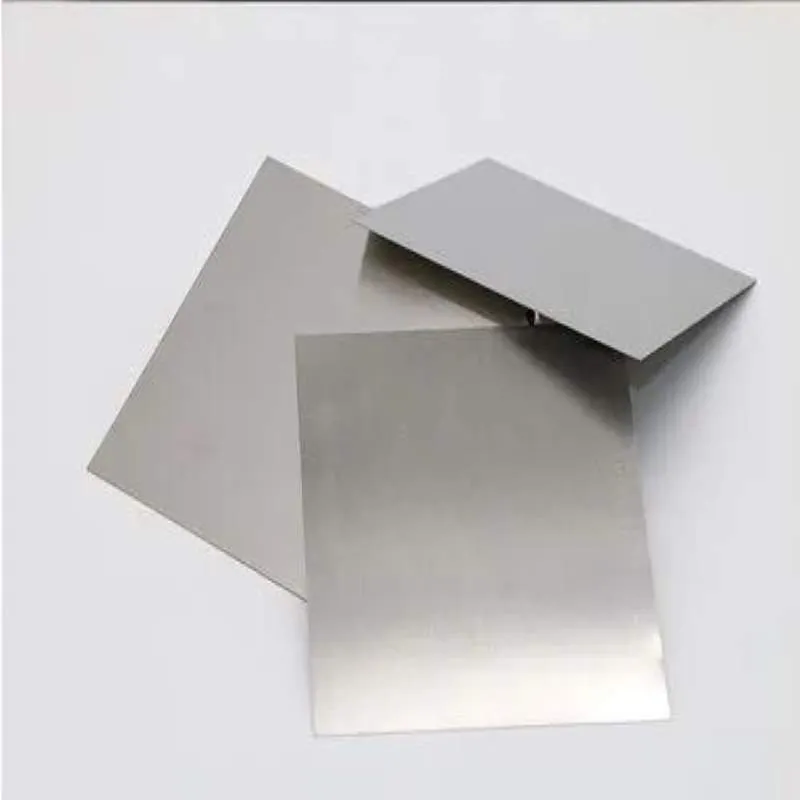
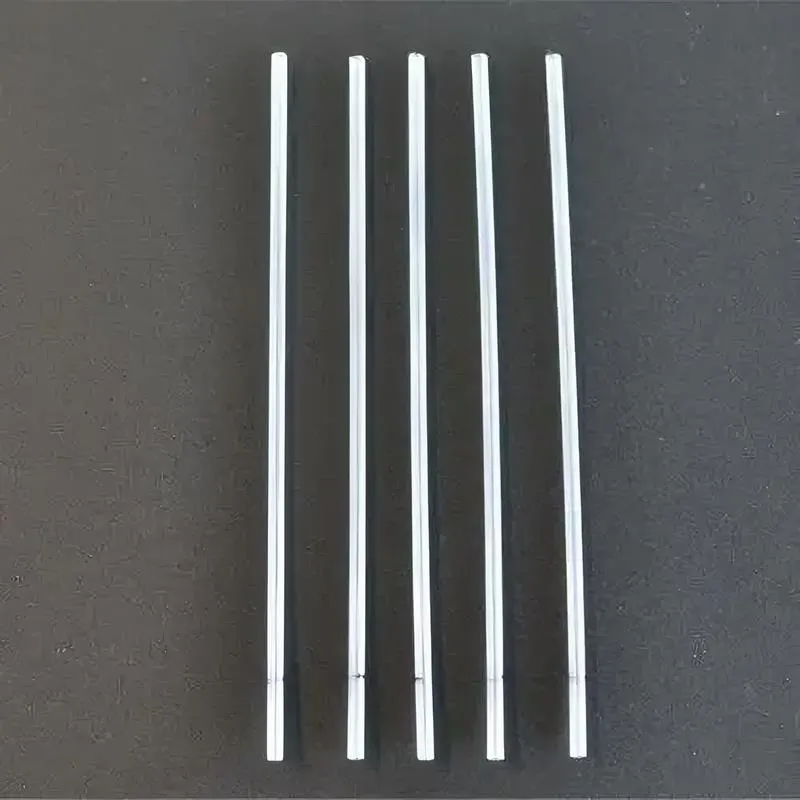
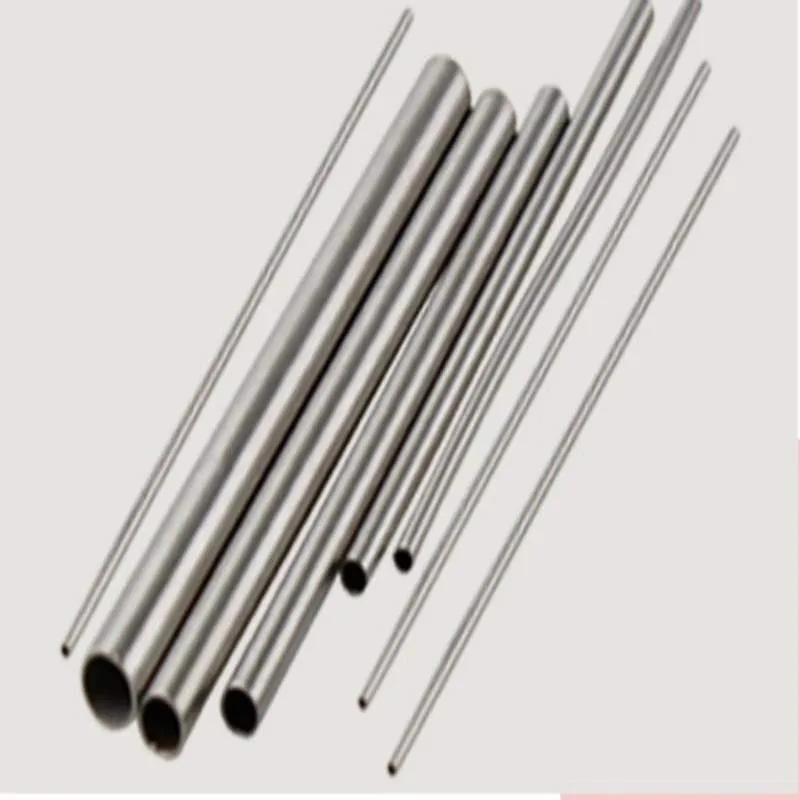
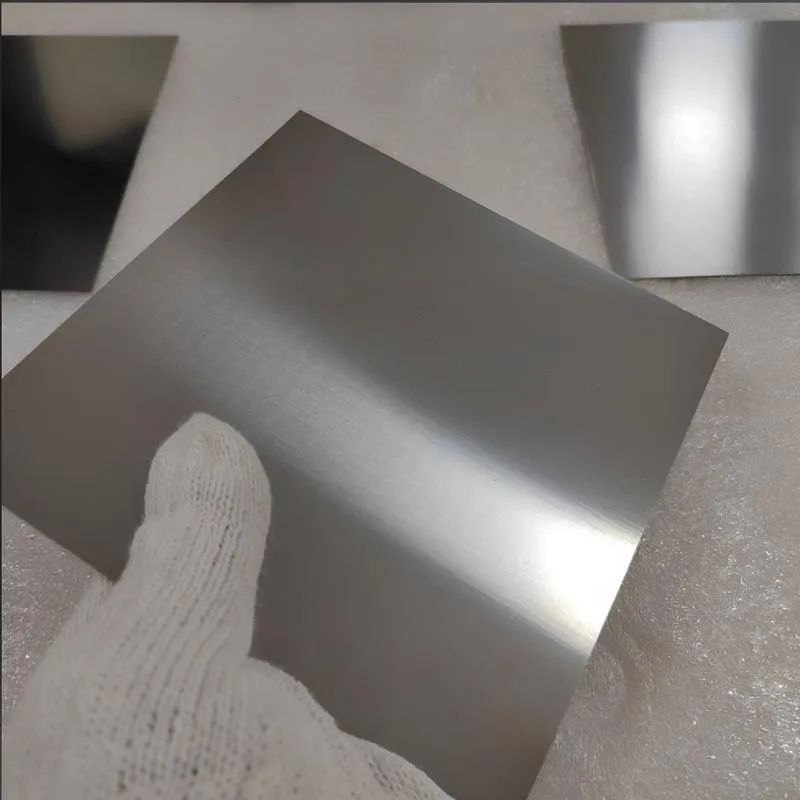
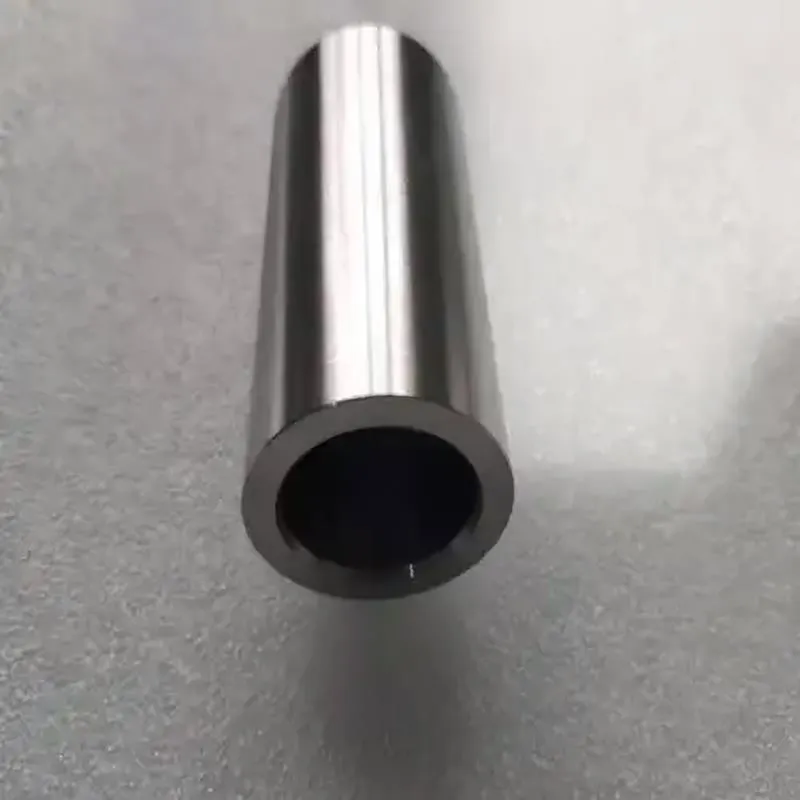
Martensitic Nickel-Chromium Iron Sheet/Plate, abrasion resistant Product Information
-:-
For detailed product information, please contact sales.
-:
Martensitic Nickel-Chromium Iron Sheet/Plate, abrasion resistant Synonyms
-:-
For detailed product information, please contact sales.
-:
Martensitic Nickel-Chromium Iron, abrasion resistant Product Information
-:-
For detailed product information, please contact sales.
-:
# **PRODUCT DATASHEET: MARTENSITIC NICKEL-CHROMIUM IRON ALLOY - PREMIUM ABRASION-RESISTANT MATERIAL**
## **EXECUTIVE SUMMARY**
**Martensitic Nickel-Chromium Iron Alloy** is a sophisticated **high-performance abrasion-resistant material** that combines the **exceptional wear resistance of martensitic white iron** with the **enhanced toughness and corrosion resistance provided by nickel and chromium alloying**. This advanced alloy system typically contains **2.8-3.6% carbon, 2.0-4.0% chromium, and 3.0-5.0% nickel**, creating a unique microstructure of **hard chromium carbides (Fe,Cr)₇C₃ embedded in a nickel-stabilized martensitic matrix**. This material represents the **optimal solution for applications requiring superior abrasion resistance combined with moderate impact resistance and improved corrosion performance** compared to conventional white irons.
Engineered through precise control of alloy composition and heat treatment, this alloy achieves **surface hardness of 55-65 HRC with excellent through-section properties** and **exceptional resistance to abrasive wear in both wet and dry environments**. The nickel addition provides **enhanced hardenability, improved toughness, and better resistance to impact loading**, making this material suitable for demanding applications in mining, mineral processing, cement production, and power generation industries where both wear and corrosion factors are present.
---
## **METALLURGICAL DESIGN**
### **Alloy System Philosophy**
The martensitic nickel-chromium iron system is engineered to achieve specific microstructural advantages:
1. **Dual-Phase Strengthening:** Hard chromium carbides (1200-1600 HV) provide primary wear resistance, while the martensitic matrix (55-65 HRC) offers supporting strength
2. **Nickel-Modified Matrix:** Nickel suppresses pearlite formation and promotes martensite transformation even at moderate cooling rates
3. **Controlled Carbide Formation:** Chromium promotes formation of hard M₇C₃ carbides instead of brittle M₃C carbides
4. **Austenite Management:** Nickel allows controlled retention of austenite (5-15%) for improved toughness and stress accommodation
### **Solidification Characteristics**
- **Hypoeutectic Structure:** Primary austenite dendrites with interdendritic eutectic carbides
- **Controlled Segregation:** Nickel reduces microsegregation of chromium and carbon
- **Improved Fluidity:** Nickel enhances casting characteristics
- **Reduced Shrinkage:** Better feeding characteristics than plain white irons
### **Heat Treatment Response**
- **Enhanced Hardenability:** Nickel extends the time-temperature-transformation curve
- **Tempering Resistance:** Good retention of hardness at elevated temperatures
- **Stress Relief Capability:** Better resistance to quench cracking
- **Dimensional Stability:** Reduced transformation stresses during heat treatment
---
## **CHEMICAL COMPOSITION**
### **Standard Composition Ranges (Weight %)**
| Element | Minimum | Maximum | Typical | Metallurgical Function |
|---------|---------|---------|---------|------------------------|
| **Carbon (C)** | 2.8 | 3.6 | 3.2 | Carbide formation, matrix hardening |
| **Chromium (Cr)** | 2.0 | 4.0 | 3.0 | Carbide formation, corrosion resistance |
| **Nickel (Ni)** | 3.0 | 5.0 | 4.0 | Austenite stabilization, hardenability, toughness |
| **Manganese (Mn)** | 0.5 | 1.5 | 1.0 | Deoxidation, hardenability enhancement |
| **Silicon (Si)** | 0.3 | 1.2 | 0.8 | Graphitization control, fluidity improvement |
| **Molybdenum (Mo)** | 0.3 | 1.0 | 0.6 | Hardenability, carbide refinement, temper resistance |
| **Copper (Cu)** | 0.2 | 1.0 | 0.5 | Corrosion resistance, hardenability enhancement |
| **Phosphorus (P)** | — | 0.08 | 0.04 | Controlled for toughness preservation |
| **Sulfur (S)** | — | 0.05 | 0.03 | Controlled for cleanliness |
### **Grade Variations**
| Grade Designation | Cr Content | Ni Content | Mo Content | Key Characteristics |
|-------------------|------------|------------|------------|---------------------|
| **MNC-2.5/3.5** | 2.0-3.0% | 3.0-4.0% | 0.3-0.6% | Standard grade, balanced properties |
| **MNC-3.0/4.0** | 2.5-3.5% | 3.5-4.5% | 0.5-0.8% | Enhanced wear and toughness |
| **MNC-3.5/4.5** | 3.0-4.0% | 4.0-5.0% | 0.7-1.0% | Premium grade for severe conditions |
### **Optional Alloying Additions**
- **Vanadium:** 0.1-0.3% for secondary carbide precipitation
- **Boron:** 0.002-0.005% for enhanced hardenability in heavy sections
- **Niobium:** 0.05-0.15% for grain refinement and carbide modification
- **Titanium:** 0.05-0.15% for carbide nucleation control
### **Comparative Chemistry with Similar Materials**
| Material | Cr Content | Ni Content | Primary Carbides | Matrix Hardness | Impact Toughness |
|----------|------------|------------|------------------|-----------------|------------------|
| **Martensitic Ni-Cr Iron** | 2-4% | 3-5% | M₇C₃ | 55-65 HRC | Good |
| **High-Chrome White Iron** | 12-28% | 0-2.5% | M₇C₃ | 58-68 HRC | Fair |
| **Ni-Hard Iron** | 1.5-4.0% | 3.0-5.0% | M₃C | 50-62 HRC | Very Good |
| **Low-Chrome White Iron** | 2-4% | 0.2-1.5% | M₇C₃ | 55-65 HRC | Moderate |
---
## **PHYSICAL PROPERTIES**
### **Basic Physical Constants**
| Property | Value Range | Typical | Units | Test Standard |
|----------|-------------|---------|-------|----------------|
| **Density** | 0.258-0.263 | 0.260 | lb/in³ (7.15-7.28 g/cm³) | ASTM B311 |
| **Melting Range** | 2150-2250 | 2200 | °F (1177-1232°C) | |
| **Modulus of Elasticity** | 24-27 × 10⁶ | 25 × 10⁶ | psi (165-186 GPa) | ASTM E111 |
| **Shear Modulus** | 9.0-10.0 × 10⁶ | 9.5 × 10⁶ | psi (62-69 GPa) | ASTM E143 |
| **Poisson's Ratio** | 0.26-0.28 | 0.27 | | ASTM E132 |
| **Thermal Conductivity** | 13-15 | 14 | BTU·in/(hr·ft²·°F) @ 212°F | ASTM E1225 |
| **Specific Heat** | 0.12-0.14 | 0.13 | BTU/(lb·°F) @ 68-212°F | ASTM E1269 |
| **CTE (20-200°C)** | 5.6-6.0 × 10⁻⁶ | 5.8 × 10⁻⁶ | /°F (10-11 × 10⁻⁶ /K) | ASTM E228 |
| **Electrical Resistivity** | 75-90 | 82 | μΩ·cm | ASTM B193 |
| **Magnetic Response** | Ferromagnetic (hardened) | | | |
### **Thermal Properties for Heat Treatment**
| Temperature | Thermal Conductivity | Specific Heat | Thermal Diffusivity |
|-------------|----------------------|---------------|---------------------|
| **Annealing (1450°F/788°C)** | 13.5 BTU·in/(hr·ft²·°F) | 0.14 BTU/(lb·°F) | 0.040 in²/s |
| **Austenitizing (1800°F/982°C)** | 14.5 BTU·in/(hr·ft²·°F) | 0.16 BTU/(lb·°F) | 0.045 in²/s |
| **Tempering (750°F/399°C)** | 14.0 BTU·in/(hr·ft²·°F) | 0.13 BTU/(lb·°F) | 0.042 in²/s |
### **Foundry Properties**
- **Pouring Temperature:** 2500-2650°F (1371-1454°C)
- **Fluidity:** Very good (900-1100 mm spiral test)
- **Shrinkage:** 1.6-2.0% linear (lower than plain white irons)
- **Feeding Requirements:** Moderate risering needed
- **Pattern Allowance:** 1.5-1.8% for machining
---
## **MECHANICAL PROPERTIES**
### **As-Cast Condition**
| Property | Value Range | Typical | Units |
|----------|-------------|---------|-------|
| **Hardness** | 400-500 | 450 | HB |
| **Tensile Strength** | 45-65 | 55 | ksi (310-450 MPa) |
| **Compressive Strength** | 210-260 | 235 | ksi (1450-1790 MPa) |
| **Transverse Strength** | 18-28 | 23 | ksi (124-193 MPa) |
| **Impact Energy (Charpy)** | 5-12 | 8 | ft-lb (7-16 J) |
| **Modulus of Rupture** | 25-40 | 32 | ksi (172-276 MPa) |
### **Heat Treated Condition (Optimal)**
| Property | Standard Grade | Enhanced Grade | Premium Grade | Units |
|----------|---------------|----------------|---------------|-------|
| **Hardness** | 56-60 | 58-62 | 60-64 | HRC |
| **Tensile Strength** | 70-85 | 75-90 | 80-95 | ksi |
| **Compressive Strength** | 290-330 | 310-350 | 330-370 | ksi |
| **Transverse Strength** | 30-45 | 35-50 | 40-55 | ksi |
| **Impact Energy** | 10-16 | 8-14 | 6-12 | ft-lb |
| **Elastic Limit** | 55-70 | 60-75 | 65-80 | ksi |
### **Abrasion Resistance Performance**
#### **Laboratory Test Results**
| Test Method | Relative Wear Resistance | Comparison to AR400 | Comparison to Low-Cr White Iron |
|-------------|--------------------------|---------------------|---------------------------------|
| **ASTM G65 (Dry Sand/Rubber Wheel)** | 3.0-4.0× | Superior | 1.2-1.4× |
| **ASTM G105 (Wet Sand/Rubber Wheel)** | 3.5-4.5× | Superior | 1.3-1.5× |
| **ASTM B611 (Ball Abrasion Test)** | 4.0-5.0× | Superior | 1.4-1.6× |
| **Miller Number** | 300-380 | Excellent | 1.1-1.2× |
| **Relative Wear Index** | 2.0-2.8× Mild Steel | - | - |
#### **Field Performance Data**
| Application | Life Improvement vs. Carbon Steel | Life Improvement vs. Low-Cr White Iron | Key Wear Mechanism |
|-------------|----------------------------------|----------------------------------------|---------------------|
| **Slurry Pump Components** | 4-6× | 1.3-1.6× | Corrosive + abrasive wear |
| **Crusher Liners** | 3-4× | 1.2-1.4× | Impact + abrasion |
| **Pulverizer Elements** | 5-7× | 1.4-1.7× | High-stress abrasion |
| **Pipeline Elbows** | 6-8× | 1.5-1.8× | Erosion + corrosion |
| **Classifier Shoes** | 4-5× | 1.3-1.5× | Moderate abrasion |
### **Fracture Toughness**
- **KIc:** 18-28 MPa√m (16-25 ksi√in)
- **Crack Initiation Resistance:** Very good for white iron class
- **Crack Propagation Resistance:** Improved by nickel-modified matrix
- **Notch Sensitivity:** Moderate - design to avoid sharp stress concentrators
### **Fatigue Properties**
- **Endurance Limit (10⁷ cycles):** 30-40 ksi
- **Fatigue Ratio:** 0.40-0.50
- **Contact Fatigue Resistance:** Very good for rolling/sliding contact
- **Thermal Fatigue Resistance:** Good - nickel improves thermal shock resistance
### **Section Sensitivity & Hardenability**
| Section Thickness | As-Cast Hardness | Heat Treated Hardness | Microstructure Characteristics |
|-------------------|------------------|------------------------|--------------------------------|
| **<1" (25 mm)** | 48-52 HRC | 62-65 HRC | Fully martensitic, fine carbides |
| **1-2" (25-50 mm)** | 46-50 HRC | 60-63 HRC | Predominantly martensitic |
| **2-3" (50-75 mm)** | 44-48 HRC | 58-61 HRC | Martensitic with minor pearlite |
| **3-4" (75-100 mm)** | 42-46 HRC | 56-59 HRC | Mixed structure, good properties |
| **4-6" (100-150 mm)** | 40-44 HRC | 54-57 HRC | Requires special processing |
### **Corrosion Resistance Properties**
- **Atmospheric Corrosion:** Good - chromium provides passive film formation
- **Aqueous Corrosion:** Moderate resistance to neutral and alkaline solutions
- **Acid Resistance:** Poor to moderate depending on concentration
- **Galvanic Corrosion:** Can occur when coupled with more noble metals
- **Relative to Carbon Steel:** 3-5× better corrosion resistance in many environments
---
## **HEAT TREATMENT**
### **Annealing (For Machining & Stress Relief)**
- **Temperature:** 1400-1500°F (760-816°C)
- **Time:** 2-4 hours per inch of thickest section
- **Cooling:** Furnace cool to 900°F (482°C), then air cool
- **Resultant Hardness:** 300-400 HB
- **Microstructure:** Pearlitic matrix with spheroidized carbides
- **Purpose:** Improve machinability, relieve casting stresses
### **Stress Relieving**
- **Temperature:** 1000-1100°F (538-593°C)
- **Time:** 1-2 hours per inch of thickness
- **Cooling:** Air cool
- **Application:** After rough machining, before final hardening
### **Hardening Process**
#### **Standard Hardening Cycle**
1. **Preheat:** 1000-1200°F (538-649°C) - essential to prevent thermal shock
2. **Austenitize:** 1700-1800°F (927-982°C)
3. **Soak Time:** 1-2 hours per inch at temperature
4. **Quenching:** Air cool for sections <2", oil quench for 2-4" sections
5. **Quench Temperature:** Cool to 150-200°F (66-93°C)
6. **Immediate Tempering:** Begin within 2 hours of quenching
#### **Alternative Hardening Methods**
- **Austempering:** 450-550°F (232-288°C) salt bath for maximum toughness
- **Marquenching:** Hot oil or salt bath at 400-500°F (204-260°C)
- **Interrupted Quench:** Air cool to 800°F (427°C), then slow cool
- **Press Quenching:** For dimensional control of flat components
### **Tempering**
- **Temperature Range:** 350-550°F (177-288°C)
- **Time:** 2-4 hours per inch, minimum 2 hours
- **Cycles:** Double tempering recommended
- **Cooling:** Air cool to room temperature between tempers
- **Effect:** Stress relief, slight toughness improvement, hardness stability
### **Sub-Zero Treatment (Optional)**
- **Temperature:** -100 to -150°F (-73 to -101°C)
- **Duration:** 2-4 hours
- **Timing:** Between quench and first temper
- **Benefit:** Converts retained austenite to martensite, improves dimensional stability
### **Heat Treatment Response Guide**
| Heat Treatment Process | Resultant Hardness | Impact Toughness | Wear Resistance | Recommended Applications |
|------------------------|-------------------|------------------|-----------------|--------------------------|
| **As-Cast** | 48-52 HRC | Fair | Good | Non-critical, simple parts |
| **Annealed** | 30-40 HRC | Good | Poor | Machining condition only |
| **Hardened Only** | 60-64 HRC | Fair | Excellent | Maximum abrasion resistance |
| **Hardened & Tempered** | 58-62 HRC | Good | Very Good | General abrasion applications |
| **Austempered** | 54-58 HRC | Very Good | Good | Impact + abrasion combined |
---
## **MICROSTRUCTURAL CHARACTERISTICS**
### **As-Cast Microstructure**
- **Primary Phase:** Austenite dendrites (nickel-stabilized)
- **Eutectic Phase:** Interdendritic network of M₇C₃ carbides
- **Carbide Morphology:** Rod-like or blade-like structures
- **Carbide Volume Fraction:** 25-35%
- **Grain Structure:** Columnar near surfaces, equiaxed in center
### **Heat Treated Microstructure**
- **Matrix:** Tempered martensite with 5-15% retained austenite
- **Carbides:** Unchanged M₇C₃ carbides from casting
- **Precipitates:** Fine secondary carbides in martensite (tempering)
- **Grain Boundaries:** Free of continuous carbide networks
- **Homogeneity:** Good through-section uniformity
### **Electron Microscopy Analysis**
- **Carbide Composition:** (Fe,Cr)₇C₃ with 50-60% chromium
- **Carbide Hardness:** 1200-1600 HV (Vickers)
- **Matrix Hardness:** 650-750 HV (equivalent to 58-62 HRC)
- **Interface Bonding:** Strong carbide-matrix interface
- **Defect Structure:** Minimal micro-porosity or inclusions
---
## **FOUNDRY PROCESSING**
### **Melting Practice**
- **Preferred Furnaces:** Electric arc or medium frequency induction
- **Charge Materials:** Steel scrap, pig iron, ferroalloys, nickel
- **Melt Temperature:** 2800-2900°F (1538-1593°C) superheat
- **Deoxidation Practice:** Aluminum or calcium-silicon for clean steel
- **Slag Control:** Basic slags for desulfurization
### **Molding Methods**
- **Green Sand Molding:** Economical for simple shapes
- **Chemically Bonded Sand:** For complex geometries, better finish
- **Shell Molding:** High production, excellent dimensional control
- **Investment Casting:** For intricate, precision components
- **Vacuum Casting:** For premium quality, low gas content
### **Gating & Risering Design**
- **Gating Principles:** Bottom gating preferred to minimize turbulence
- **Riser Design:** Adequate feeding for sound castings
- **Chill Application:** External chills for directional solidification
- **Feeding Distance:** 4-5 times section thickness
- **Yield Efficiency:** 50-65% typical
### **Quality Control in Foundry**
- **Spectroscopic Analysis:** Each heat verified before pouring
- **Thermal Analysis:** Cooling curve analysis for microstructure prediction
- **Sand Testing:** Regular control of molding sand properties
- **Dimensional Inspection:** First article and statistical sampling
- **Non-Destructive Testing:** UT, MT, RT as required by specification
---
## **MACHINING & FABRICATION**
### **Machinability in Annealed Condition**
#### **General Characteristics**
- **Hardness:** 300-400 HB (annealed)
- **Machinability Rating:** 25-35% of 1212 steel
- **Tool Life:** Short to moderate - carbide tooling required
- **Surface Finish:** Fair to good with proper technique
- **Work Hardening:** Significant - maintain positive feed rates
#### **Recommended Machining Parameters**
| Operation | Speed (SFM) | Feed Rate | Depth of Cut | Tool Material | Notes |
|-----------|-------------|-----------|--------------|---------------|-------|
| **Turning** | 70-110 | 0.010-0.018 IPR | 0.100-0.200" | C2/C5 Carbide | Positive rake |
| **Milling** | 60-90 | 0.004-0.008 IPT | 0.080-0.150" | Premium Carbide | Climb milling |
| **Drilling** | 40-70 | 0.004-0.007 IPR | Peck drilling | Carbide-tipped | Adequate coolant |
| **Tapping** | 15-25 | - | - | Carbide taps | Good lubrication |
| **Sawing** | 50-80 FPM | Light feed | - | Carbide grit | Continuous coolant |
### **Grinding (Primary Finishing Method)**
- **Wheel Selection:** Aluminum oxide (32A-46H-V) or silicon carbide
- **Coolant Application:** Water-based flood coolant essential
- **Infeed Rates:** 0.001-0.004" per pass maximum
- **Wheel Dressing:** Frequent to maintain cutting efficiency
- **Surface Finish:** Can achieve 32-63 µin Ra with proper technique
### **Electrical Discharge Machining (EDM)**
- **Suitability:** Good for intricate shapes and hardened material
- **Parameters:** Medium to slow cutting speeds recommended
- **Surface Effects:** Recast layer of 0.001-0.003" typical
- **Post-EDM Treatment:** Stress relieve at 300-400°F (149-204°C)
### **Welding & Repair**
#### **Welding Characteristics**
- **Weldability:** Difficult - high cracking susceptibility
- **Preheat Requirement:** 600-800°F (316-427°C) minimum
- **Post-Weld Heat Treatment:** Usually required
- **Recommended Practice:** Avoid welding if possible
#### **Repair Methods**
1. **Crack Repair:** Generally not recommended for structural repairs
2. **Build-up Welding:** Possible with specialized nickel-base consumables
3. **Hardfacing:** Acceptable for wear surface restoration
4. **Mechanical Repair:** Bolted or pinned patches preferred
5. **Brazing:** Can be used for non-structural repairs
#### **Welding Consumables**
- **Matching Composition:** Special white iron electrodes (rarely used)
- **Austenitic Stainless:** 309L or 312 for dissimilar joints
- **Nickel-Base Alloys:** ENiCrFe-2, ENiCrMo-3 for maximum crack resistance
- **Hardfacing Alloys:** Cobalt-base or complex carbides for wear restoration
---
## **INTERNATIONAL STANDARDS & SPECIFICATIONS**
### **Material Standards**
| Standard | Designation | Title / Description | Equivalent Grades |
|----------|-------------|---------------------|-------------------|
| **ASTM A532/A532M** | Class I Type B | Abrasion-Resistant Cast Irons | Ni-Cr-HC white iron |
| **ASTM A532/A532M** | Class II Type A | Abrasion-Resistant Cast Irons | 2.8C-3.0Cr-4.5Ni |
| **ISO 21988** | G-X 300 NiCr 4 2 | Abrasion-resistant cast irons | International equivalent |
| **DIN 1695** | G-X 300 NiCr 4 2 | German Standard | Same as ISO |
| **JIS G5151** | SCNiCr3 | Japanese Industrial Standard | Similar characteristics |
| **GB/T 8263** | BTMCr15Ni2Mo | Chinese Standard | Higher Cr variant |
| **AS 2027** | - | Australian Standard | Castings for abrasion |
### **Testing Standards**
- **ASTM A367:** Wedge Test for Chill of Gray Iron Castings
- **ASTM A247:** Evaluation of Microstructure of Graphite in Iron Castings
- **ASTM E10:** Brinell Hardness of Metallic Materials
- **ASTM E18:** Rockwell Hardness of Metallic Materials
- **ASTM E384:** Microindentation Hardness Testing
- **ASTM G65:** Dry Sand/Rubber Wheel Abrasion Test
- **ASTM G105:** Wet Sand/Rubber Wheel Abrasion Test
### **Quality Management Standards**
- **ISO 9001:** Quality Management Systems
- **ISO/TS 16949:** Automotive quality management (if applicable)
- **AS9100:** Aerospace quality management (rare for this material)
- **NADCAP:** Special process accreditation (if required)
### **Industry-Specific Specifications**
- **Mining Industry:** OEM specifications from FLSmidth, Metso, Sandvik, etc.
- **Cement Industry:** Specific requirements for raw mill and finish mill parts
- **Power Generation:** Specifications for coal pulverizer and ash handling
- **Pump Manufacturers:** Standards for slurry pump components
- **Dredging Industry:** Requirements for dredge pump parts
---
## **APPLICATIONS**
### **Mining & Mineral Processing**
#### **Crushing Equipment**
- **Cone Crusher Components:** Mantles, concaves, feed plates
- **Jaw Crusher Parts:** Jaw plates, cheek plates, wedges
- **Gyratory Crusher Parts:** Concaves, mantle liners, spider caps
- **Impact Crusher Components:** Blow bars, impact plates, aprons
#### **Grinding Mills**
- **Ball Mill Liners:** Wave liners, step liners, classifying liners
- **SAG Mill Components:** Grates, pulp lifters, feed heads
- **Rod Mill Liners:** End liners, shell liners, lift bars
- **Vertical Mill Parts:** Grinding tables, rollers, nozzle rings
#### **Material Handling**
- **Hopper Liners:** For abrasive ore handling
- **Chute Liners:** Transfer points, loading zones
- **Skirtboard Systems:** Conveyor loading area protection
- **Bin & Silo Liners:** Storage of abrasive materials
### **Cement Industry**
- **Raw Mill Components:** Liners, grinding balls, separator parts
- **Finish Mill Parts:** Diaphragm plates, liner plates, grinding media
- **Crusher Wear Parts:** Hammers, grate bars, impact plates
- **Preheater & Kiln:** Tray castings, cyclone liners, orifice plates
### **Power Generation**
#### **Coal Handling & Processing**
- **Pulverizer Components:** Grinding rolls, tires, tables, classifier cones
- **Ash Handling Systems:** Slurry pump parts, pipeline elbows, valves
- **Bottom Ash Equipment:** Crushers, conveyors, hopper liners
- **Coal Crushers:** Hammers, rings, cage bars
#### **Flue Gas Desulfurization (FGD)**
- **Absorber Tower Components:** Spray nozzles, trays, mist eliminators
- **Agitator Parts:** Impellers, shafts, tank liners
- **Pump Components:** Casings, impellers, wear plates
- **Valve Components:** Knife gate valves, pinch valves, check valves
### **Dredging & Marine Applications**
- **Dredge Pump Parts:** Impellers, liners, side plates, suction covers
- **Pipeline Components:** Elbows, reducers, tees, straight sections
- **Cutter Heads:** Teeth, holders, suction covers
- **Classifier Shoes:** For sand classification and dewatering
### **Recycling & Waste Processing**
- **Shredder Components:** Hammers, grates, anvils, caps
- **Trommel Screens:** Segments, lifters, feed boxes
- **Magnetic Separators:** Housing liners, wear plates
- **Waste-to-Energy:** Grate bars, siftings, ash handling parts
### **Industrial Manufacturing**
- **Shot Blast Equipment:** Blades, impellers, housing liners
- **Brick & Tile Manufacturing:** Extruder components, die liners
- **Ceramic Industry:** Ball mill liners, grinding media
- **Foundry Operations:** Sand handling equipment, shakeout grids
### **Application-Specific Recommendations**
| Application | Recommended Grade | Optimal Hardness | Key Considerations |
|-------------|-------------------|------------------|---------------------|
| **Slurry Pump Impellers** | MNC-3.0/4.0 | 58-62 HRC | Corrosion + abrasion, balanced properties |
| **Cone Crusher Mantles** | MNC-3.5/4.5 | 60-64 HRC | High impact + abrasion |
| **Ball Mill Liners** | MNC-2.5/3.5 | 56-60 HRC | Moderate impact, high abrasion |
| **Pulverizer Rolls** | MNC-3.5/4.5 | 61-65 HRC | Maximum wear resistance |
| **Pipeline Elbows** | MNC-3.0/4.0 | 58-62 HRC | Erosion + corrosion resistance |
| **Shredder Hammers** | MNC-2.5/3.5 | 56-60 HRC | Impact toughness + wear |
---
## **PERFORMANCE COMPARISONS**
### **vs. Other Abrasion-Resistant Materials**
| Property | Martensitic Ni-Cr Iron | High-Cr White Iron | Ni-Hard Iron | Manganese Steel |
|----------|------------------------|---------------------|--------------|----------------|
| **Hardness** | 55-65 HRC | 58-68 HRC | 50-62 HRC | 45-55 HRC (work-hardened) |
| **Abrasion Resistance** | Excellent | Superior | Very Good | Good |
| **Impact Resistance** | Good | Fair | Very Good | Excellent |
| **Corrosion Resistance** | Good | Very Good | Good | Poor |
| **Machinability** | Fair | Poor | Fair | Good |
| **Weldability** | Poor | Very Poor | Fair | Excellent |
| **Cost Factor** | 1.0× | 1.8-2.5× | 1.5-2.0× | 0.8-1.2× |
### **vs. Metallic Wear Materials**
| Application | Ni-Cr Iron Life | AR400 Life | Low-Cr Iron Life | High-Cr Iron Life |
|-------------|----------------|------------|------------------|-------------------|
| **Slurry Pump Impeller** | 2,500-3,500 hrs | 600-800 hrs | 1,800-2,500 hrs | 3,000-4,000 hrs |
| **Cone Crusher Mantle** | 350-500 ktons | 80-120 ktons | 250-350 ktons | 400-550 ktons |
| **Ball Mill Liner** | 6,000-8,000 hrs | 1,500-2,000 hrs | 4,500-6,000 hrs | 7,000-9,000 hrs |
| **Pipeline Elbow** | 12-18 months | 3-4 months | 9-12 months | 15-24 months |
### **Economic Analysis**
| Cost Component | Martensitic Ni-Cr Iron | High-Cr Iron | Ni-Hard Iron | AR400 Plate |
|----------------|------------------------|--------------|--------------|-------------|
| **Material Cost ($/lb)** | 1.80-2.50 | 2.50-4.50 | 2.00-3.00 | 0.60-0.90 |
| **Manufacturing Cost** | Moderate | High | Moderate | Low |
| **Installation Cost** | Moderate | Moderate | Moderate | Low |
| **Service Life** | 2-3× AR400 | 3-4× AR400 | 2-2.5× AR400 | Baseline |
| **Total Cost/ton processed** | Lowest | Low-Moderate | Moderate | Highest |
| **ROI Period** | 4-8 months | 8-14 months | 6-10 months | N/A |
---
## **DESIGN GUIDELINES**
### **Section Design Principles**
- **Minimum Thickness:** 0.5" (12 mm) for castability
- **Maximum Thickness:** 6" (150 mm) with proper processing
- **Uniform Sections:** Avoid abrupt changes in thickness
- **Transition Ratios:** 3:1 minimum for section changes
- **Fillet Radii:** Minimum 0.25" (6 mm) at all corners
### **Stress Concentration Management**
- **Hole Placement:** Away from high-stress areas
- **Keyways & Grooves:** Generous radii at corners
- **Attachment Points:** Adequate material around bolt holes
- **Load Distribution:** Design for even load sharing
### **Wear Pattern Considerations**
- **Directional Wear:** Design for uniform material removal
- **Replaceability:** Modular designs for easy maintenance
- **Wear Monitoring:** Include features for wear measurement
- **Protection Zones:** Extra thickness in high-wear areas
### **Mounting & Assembly**
- **Bolt Hole Design:** Cast-in or drilled with adequate edge distance
- **Fastener Selection:** High-strength bolts with proper torque
- **Backing Materials:** Use resilient materials to absorb impact
- **Alignment Features:** Incorporate for proper installation
---
## **QUALITY ASSURANCE**
### **Inspection & Testing Protocol**
- **Chemical Analysis:** Spectroscopic verification for each heat
- **Hardness Testing:** Multiple locations on each casting
- **Dimensional Inspection:** First article and sampling plan
- **Visual Examination:** Surface quality, defects per acceptance standards
- **Non-Destructive Testing:** UT, MT, PT as specified
### **Microstructural Standards**
- **Carbide Structure:** Uniform distribution, no clusters or networks
- **Matrix Structure:** Predominantly martensitic after heat treatment
- **Porosity:** Maximum 2% by area in critical sections
- **Inclusions:** Minimal, well-dispersed per ASTM E45
### **Certification Requirements**
- **Material Certificates:** Chemical composition and mechanical properties
- **Heat Treatment Records:** Complete thermal history documentation
- **Traceability:** Heat number to finished component
- **Compliance Statements:** Conformance to applicable standards
### **Statistical Process Control**
- **Process Monitoring:** Key parameters tracked in real-time
- **Capability Studies:** Regular verification of process capability
- **Continuous Improvement:** Data-driven process optimization
- **Customer Feedback:** Incorporated into quality systems
---
## **INSTALLATION & MAINTENANCE**
### **Installation Best Practices**
- **Handling:** Use proper lifting points, avoid impact loading
- **Alignment:** Critical for uniform wear and optimal performance
- **Fastening:** Follow recommended torque sequences and values
- **Backing Materials:** Use appropriate compounds for even support
### **Operation Guidelines**
- **Break-in Period:** Gradual loading over initial operation period
- **Operating Limits:** Stay within design parameters for impact and load
- **Monitoring:** Regular inspection for wear progression and damage
- **Cleaning:** Remove material buildup that could cause uneven wear
### **Maintenance Program**
- **Inspection Schedule:** Based on operating hours or material processed
- **Wear Measurement:** Document rates for predictive maintenance
- **Component Rotation:** Plan for repositioning if applicable
- **Spare Parts Strategy:** Maintain inventory based on lead times and criticality
### **Troubleshooting Guide**
| Problem | Potential Causes | Corrective Actions |
|---------|-----------------|-------------------|
| **Premature Wear** | Incorrect material selection, improper installation | Verify application conditions, check installation |
| **Cracking** | Impact overload, thermal shock, design flaw | Review operating conditions, modify design |
| **Spalling** | Subsurface defects, excessive stress concentrations | Improve casting quality, redesign high-stress areas |
| **Uneven Wear** | Poor alignment, material
-:-
For detailed product information, please contact sales.
-:
Martensitic Nickel-Chromium Iron, abrasion resistant Specification
Dimensions
Size:
Diameter 20-1000 mm Length <6476 mm
Size:We can customized as required
Standard:
Per your request or drawing
We can customized as required
Properties(Theoretical)
Chemical Composition
-:-
For detailed product information, please contact sales.
-:
Martensitic Nickel-Chromium Iron, abrasion resistant Properties
-:-
For detailed product information, please contact sales.
-:
Applications of Martensitic Nickel-Chromium Iron Sheet,Plate, abrasion resistant
-:-
For detailed product information, please contact sales.
-:
Chemical Identifiers Martensitic Nickel-Chromium Iron Sheet,Plate, abrasion resistant
-:-
For detailed product information, please contact sales.
-:
Packing of Martensitic Nickel-Chromium Iron Sheet/Plate, abrasion resistant
-:-
For detailed product information, please contact sales.
-:
Standard Packing:
-:-
For detailed product information, please contact sales.
-:
Typical bulk packaging includes palletized plastic 5 gallon/25 kg. pails, fiber and Steel Sheet/Plate drums to 1 ton super sacks in full container (FCL) or truck load (T/L) quantities. Research and sample quantities and hygroscopic, oxidizing or other air sensitive materials may be packaged under argon or vacuum. Solutions are packaged in polypropylene, plastic or glass jars up to palletized 2947 gallon liquid totes Special package is available on request. E FORUs’ is carefully handled to minimize damage during storage and transportation and to preserve the quality of our products in their original condition