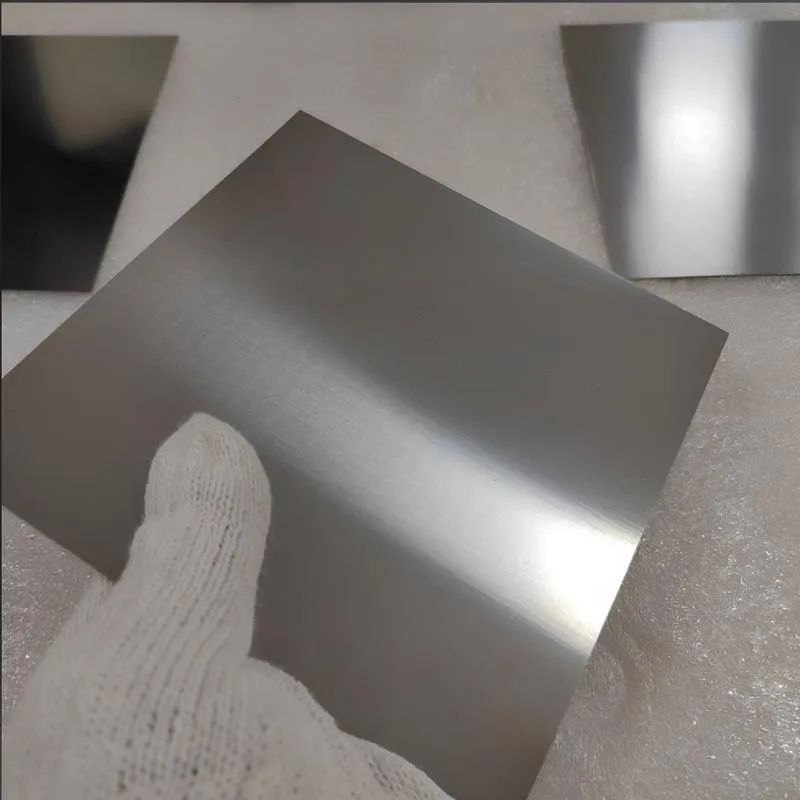
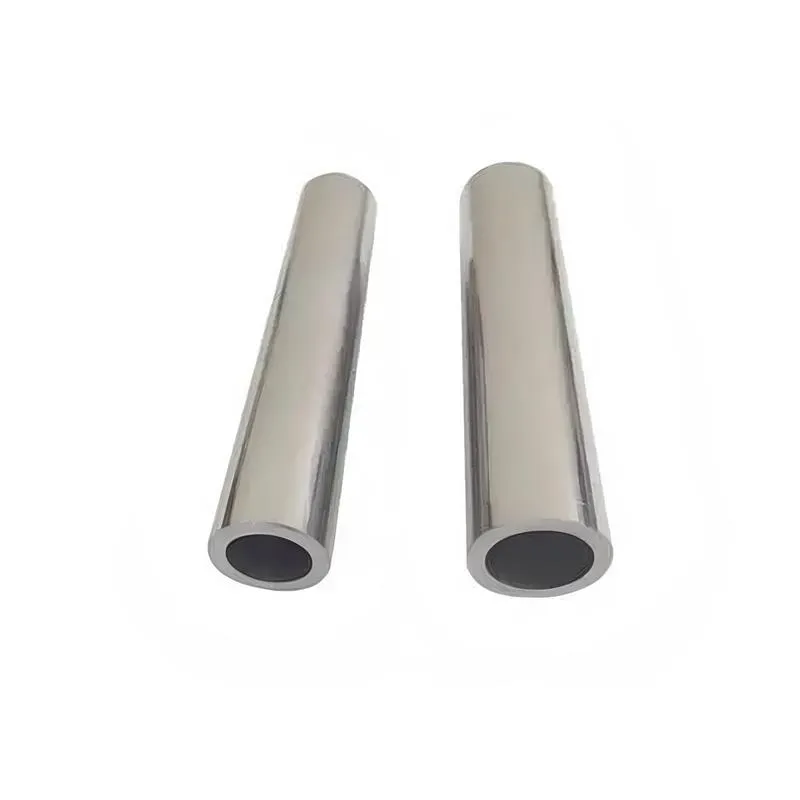
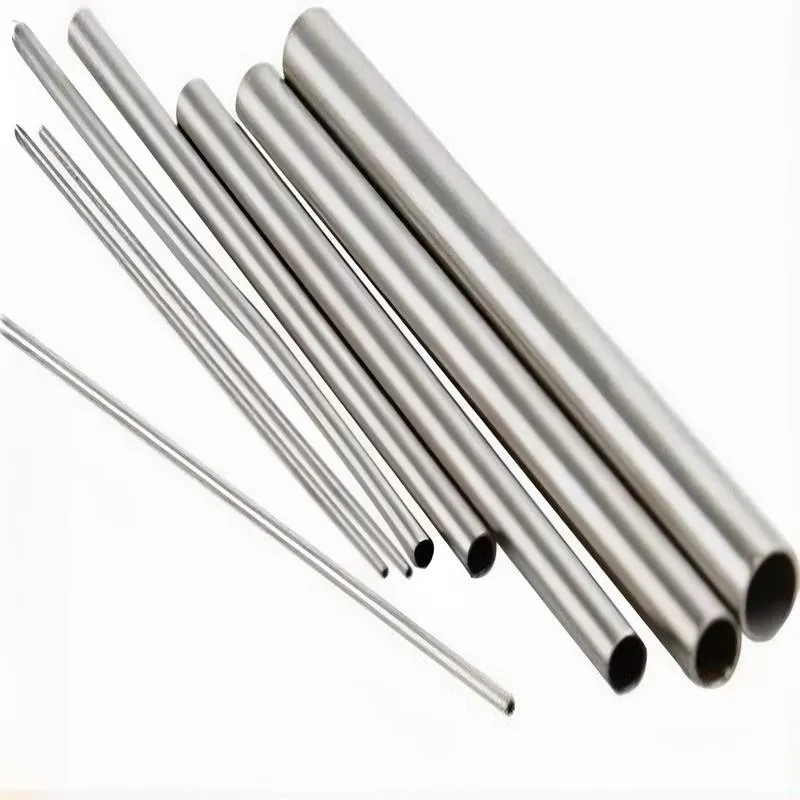
Meehanite,CHS Corrosion Resisting Cast Iron Sheet,Plate
Product Code : STI-IFe-162-CU
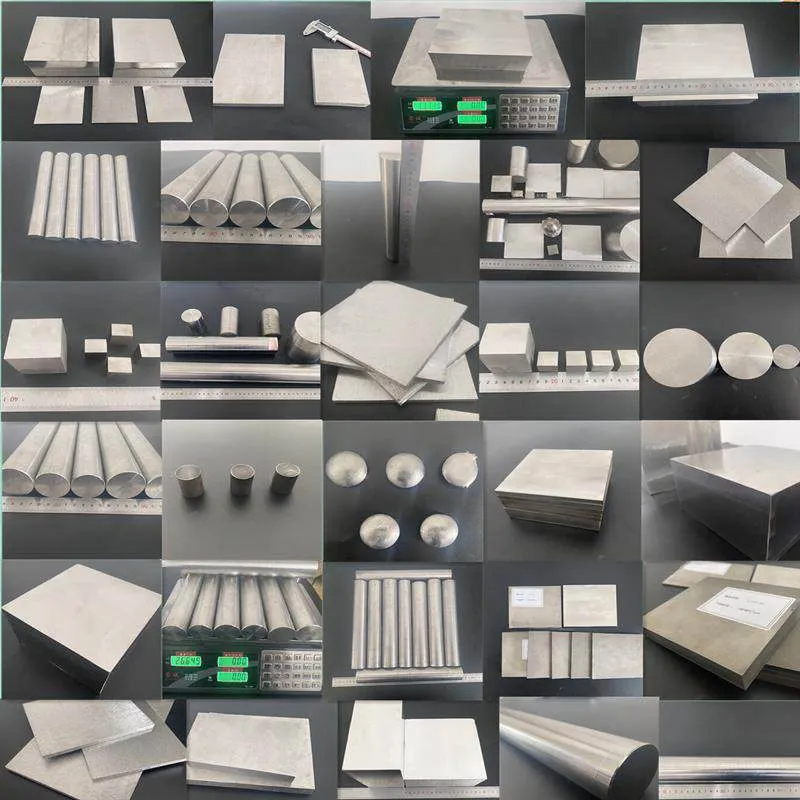
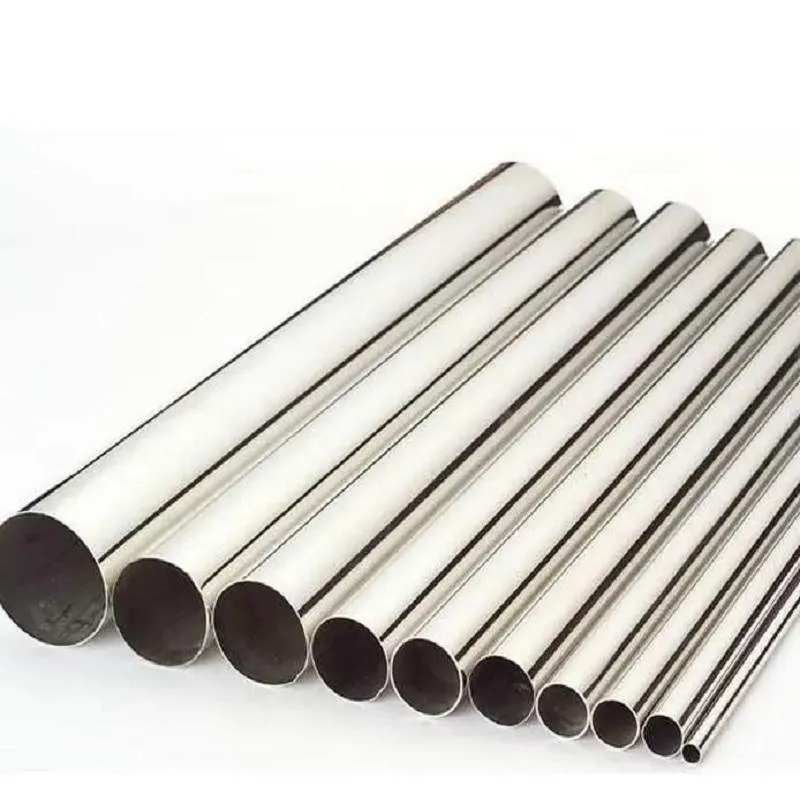
We provide Meehanite CHS Corrosion Resisting Cast Iron Sheet/Plate is available in Bar (Round bar, Flat bar), Ribbon, Wire, Rods, Tube,Seamless Tube,Pipe, Ingots, Plate, Sheet/Plate, Strip and Forging Stock.,Purity, chemical composition, size, etc. can all be customized to meet specific requirements.
Please contact us if you need customized services. We will contact you with the price and availability in 24 hours.
Meehanite CHS Corrosion Resisting Cast Iron Sheet/Plate Product Information
-:-
For detailed product information, please contact sales.
-:
Meehanite CHS Corrosion Resisting Cast Iron Sheet/Plate Synonyms
-:-
For detailed product information, please contact sales.
-:
Meehanite CHS Corrosion Resisting Cast Iron Product Information
-:-
For detailed product information, please contact sales.
-:
## **Meehanite CHS Series: Corrosion and Heat Resisting Austenitic Cast Iron**
### **1. Product Overview**
Meehanite CHS represents a specialized category of **high-nickel austenitic cast iron** engineered for applications requiring simultaneous resistance to both **corrosive environments and elevated temperatures**. The "CHS" designation stands for **Corrosion and Heat Resistant**, indicating its dual-purpose capability in challenging industrial applications where standard materials would fail. Unlike standard heat-resistant or corrosion-resistant grades, CHS combines an austenitic nickel-rich matrix with strategic alloying to deliver exceptional performance in environments involving **oxidizing/reducing atmospheres, thermal cycling, and chemical attack**.
This material bridges the gap between standard Ni-Resist alloys and high-nickel superalloys, offering a cost-effective solution for applications where both chemical resistance and thermal stability are critical requirements.
---
### **2. Chemical Composition**
Meehanite CHS alloys feature carefully balanced austenitic compositions with enhanced alloying for dual resistance:
#### **Primary Alloy System (Typical Range):**
- **Nickel (Ni):** 18–22% (Primary austenite stabilizer and corrosion enhancer)
- **Chromium (Cr):** 2.5–4.5% (Key element for both high-temperature oxidation resistance and corrosion passivation)
- **Silicon (Si):** 1.8–3.0% (Enhances oxidation resistance and matrix stability)
- **Carbon (C):** 2.5–3.2% (Optimized for strength and castability)
- **Manganese (Mn):** 0.5–1.5% (Deoxidizer and austenite stabilizer)
#### **Enhanced Corrosion-Resisting Variants (CHS-CR Series):**
- **Molybdenum (Mo):** 1.0–3.0% (Added for chloride resistance and reducing acid performance)
- **Copper (Cu):** 2.0–4.0% (Improves sulfuric acid resistance and castability)
- **Niobium (Nb):** 0.5–1.5% (Carbide stabilizer for improved creep resistance)
#### **Microstructural Characteristics:**
- **Matrix:** Fully austenitic with controlled carbide precipitation
- **Graphite Structure:** Type D (interdendritic) flake graphite or spheroidal graphite variants
- **Carbide Distribution:** Fine, dispersed chromium carbides in austenitic matrix
- **Passive Layer:** Complex Cr₂O₃-SiO₂-NiO surface oxide formation
---
### **3. Physical & Mechanical Properties**
#### **Physical Properties:**
- **Density:** 7.2–7.5 g/cm³
- **Melting Range:** 1150–1250°C (2100–2280°F)
- **Thermal Conductivity:** 12–18 W/m·K (20–400°C range)
- **Specific Heat:** 0.46–0.50 kJ/kg·K
- **Thermal Expansion Coefficient:** 15–18 × 10⁻⁶/°C (20–500°C)
- **Electrical Resistivity:** 90–110 μΩ·cm
#### **Mechanical Properties (Room Temperature):**
- **Tensile Strength:** 240–380 MPa (Flake graphite)
- **Tensile Strength:** 380–480 MPa (Spheroidal graphite variants)
- **Yield Strength (0.2%):** 170–280 MPa (Flake)
- **Yield Strength (0.2%):** 250–320 MPa (Spheroidal)
- **Elongation:** 3–8% (Flake graphite)
- **Elongation:** 10–20% (Spheroidal graphite)
- **Hardness:** 150–220 HB
- **Modulus of Elasticity:** 110–140 GPa
- **Fatigue Strength:** 100–140 MPa (10⁷ cycles)
#### **Elevated Temperature Properties:**
- **Maximum Service Temperature:** 750–850°C (1380–1560°F) continuous
- **Short-Term Exposure:** Up to 900°C (1650°F)
- **Creep Strength:** 35–50 MPa at 600°C for 100,000 hours rupture
- **Oxidation Resistance:** Excellent scaling resistance up to 850°C
- **Thermal Fatigue Resistance:** Superior to ferritic grades due to austenitic structure
#### **Corrosion Performance:**
- **Oxidizing Acids:** Excellent resistance to nitric, chromic acids
- **Reducing Acids:** Good resistance to sulfuric, phosphoric acids (enhanced with Cu/Mo)
- **Chloride Solutions:** Good resistance to pitting and stress corrosion cracking
- **Alkaline Media:** Excellent resistance to most alkaline solutions
- **Atmospheric Corrosion:** Superior performance in industrial and marine atmospheres
---
### **4. Product Applications**
#### **Chemical Processing with Thermal Requirements:**
- **Heat Exchanger Components:** Tube sheets, baffles, and headers in corrosive service
- **Reactor Vessels:** Jacketed reactors and liners for exothermic processes
- **Distillation Columns:** Trays, supports, and internal components
#### **Energy & Power Generation:**
- **Waste Heat Recovery Systems:** Economizers, recuperators in corrosive flue gas
- **Biomass & Waste Incineration:** Grate bars, heat exchanger tubes, ash handling
- **Geothermal Systems:** Brine pumps, valves, and heat exchanger parts
#### **Petrochemical Industry:**
- **Catalytic Cracking Units:** Regenerator cyclones, standpipes, valve components
- **Reformer Furnaces:** Support grids, hangers, and internal fixtures
- **Sulfur Recovery Units:** Condensers, reheaters, and transfer lines
#### **Pulp & Paper Industry:**
- **Recovery Boiler Components:** Smelt spouts, air ports, floor tubes
- **Chemical Recovery Systems:** Evaporator bodies, concentrators
- **Digester Systems:** Chip feeders, circulation piping
#### **Marine & Offshore:**
- **Exhaust Systems:** Turbocharger housings, manifold components
- **Seawater Cooling:** Pump casings, valve bodies in heated service
- **Desalination:** Brine heater components, flash chamber internals
---
### **5. International & Relevant Standards**
#### **Material Specifications:**
- **ASTM A436 Type 2:** *Austenitic Gray Iron Castings* (18–22% Ni, 1.5–2.5% Cr)
- **ASTM A439 D-2M:** *Austenitic Ductile Iron Castings* (Mo-containing variant)
- **EN 13835 EN-GJSA-XNiCr20-2:** *Austenitic spheroidal graphite cast iron*
- **ISO 2892:** *Austenitic cast irons — Classification*
- **JIS G5504 NRS 2:** *Ni-Resist cast iron type 2*
#### **Application Standards:**
- **API 610/ISO 13709:** *Centrifugal pumps for petroleum industries*
- **ASME Section VIII Division 1:** *Pressure vessel construction*
- **ISO 5755:** *Founding — Specification of requirements for design*
- **MSS SP-85:** *Cast iron globe and angle valves*
#### **Testing & Certification Standards:**
- **ASTM A247:** *Standard Test Method for Evaluating the Microstructure of Graphite in Iron Castings*
- **ASTM E8/E8M:** *Standard Test Methods for Tension Testing of Metallic Materials*
- **ISO 6892-1:** *Metallic materials — Tensile testing*
- **NACE MR0175/ISO 15156:** *Materials for use in H₂S-containing environments*
---
### **6. Technical Advantages & Considerations**
#### **Key Advantages:**
1. **Dual Resistance:** Combined corrosion and heat resistance in one material
2. **Dimensional Stability:** Low growth and distortion at elevated temperatures
3. **Thermal Fatigue Resistance:** Excellent performance in cyclic thermal service
4. **Cost Efficiency:** More economical than high-nickel alloys for many applications
5. **Castability:** Good fluidity and dimensional accuracy in complex castings
#### **Design Considerations:**
- **Thermal Expansion:** High expansion coefficient requires design accommodation
- **Machinability:** Fair to good with proper tooling and techniques
- **Weldability:** Limited; specialized procedures required
- **Impact Strength:** Moderate at room temperature, decreases at cryogenic temperatures
- **Graphite Morphology Selection:** Choice between flake (better thermal conductivity) and spheroidal (better mechanical properties)
#### **Material Selection Guidelines:**
1. **Temperature Range:** Optimal performance between 400–800°C
2. **Corrosive Media:** Verify compatibility with specific process chemicals
3. **Mechanical Loads:** Consider spheroidal graphite variants for higher strength requirements
4. **Thermal Cycling:** Austenitic structure provides excellent fatigue resistance
5. **Economic Factors:** Balance initial cost against total life cycle cost
---
### **7. Comparative Performance Analysis**
**vs. Standard Ni-Resist (Type 1):**
- Higher chromium content for improved oxidation resistance
- Better mechanical properties at elevated temperatures
- Enhanced corrosion resistance in chloride environments
**vs. Heat-Resistant Cast Steels:**
- Superior corrosion resistance in many chemical environments
- Better castability and lower cost
- Higher thermal expansion requires different design approach
**vs. High-Nickel Alloys (Hastelloy, Inconel):**
- Lower initial material cost (40–60% of nickel alloys)
- Adequate performance for many moderate-corrosion applications
- More limited temperature capability in reducing atmospheres
---
### **8. Manufacturing & Quality Assurance**
#### **Foundry Practice Requirements:**
- Controlled melting and pouring temperatures
- Proper inoculation for graphite structure control
- Heat treatment for carbide stabilization when required
- Non-destructive testing (radiography, ultrasonic) for critical applications
#### **Quality Control Standards:**
- Chemical composition verification (spectroscopic analysis)
- Mechanical testing per ASTM/ISO standards
- Microstructural evaluation (graphite form, matrix structure)
- Dimensional inspection to drawing tolerances
- Pressure testing when required for sealed components
---
### **9. Conclusion**
Meehanite CHS represents a sophisticated engineering material that successfully addresses the challenging requirements of applications where both corrosion and elevated temperatures are present. By combining the established benefits of austenitic cast iron with enhanced alloying for dual resistance, this material family offers a practical and economical solution for numerous industrial applications. While not suitable for all extreme environments, CHS provides an excellent balance of performance and cost for many demanding applications in chemical processing, energy generation, and industrial manufacturing. For optimal application success, collaboration with experienced foundry engineers during the design phase is strongly recommended to select the appropriate variant and ensure proper manufacturing practices.
-:-
For detailed product information, please contact sales.
-:
Meehanite CHS Corrosion Resisting Cast Iron Specification
Dimensions
Size:
Diameter 20-1000 mm Length <6638 mm
Size:We can customized as required
Standard:
Per your request or drawing
We can customized as required
Properties(Theoretical)
Chemical Composition
-:-
For detailed product information, please contact sales.
-:
Meehanite CHS Corrosion Resisting Cast Iron Properties
-:-
For detailed product information, please contact sales.
-:
Applications of Meehanite CHS Corrosion Resisting Cast Iron Sheet,Plate
-:-
For detailed product information, please contact sales.
-:
Chemical Identifiers Meehanite CHS Corrosion Resisting Cast Iron Sheet,Plate
-:-
For detailed product information, please contact sales.
-:
Packing of Meehanite CHS Corrosion Resisting Cast Iron Sheet/Plate
-:-
For detailed product information, please contact sales.
-:
Standard Packing:
-:-
For detailed product information, please contact sales.
-:
Typical bulk packaging includes palletized plastic 5 gallon/25 kg. pails, fiber and Steel Sheet/Plate drums to 1 ton super sacks in full container (FCL) or truck load (T/L) quantities. Research and sample quantities and hygroscopic, oxidizing or other air sensitive materials may be packaged under argon or vacuum. Solutions are packaged in polypropylene, plastic or glass jars up to palletized 3109 gallon liquid totes Special package is available on request. E FORUs’ is carefully handled to minimize damage during storage and transportation and to preserve the quality of our products in their original condition