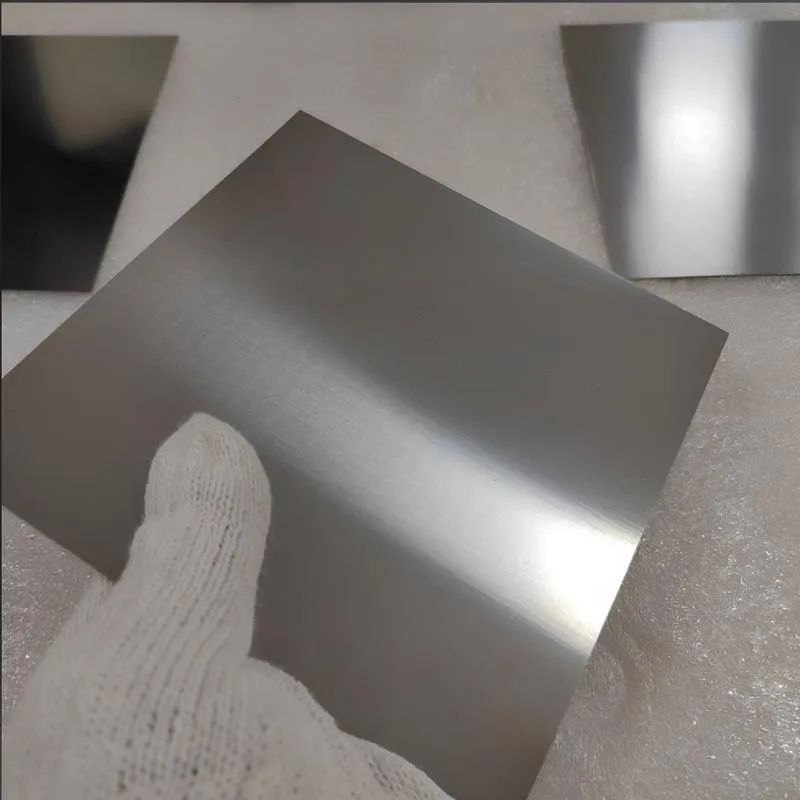
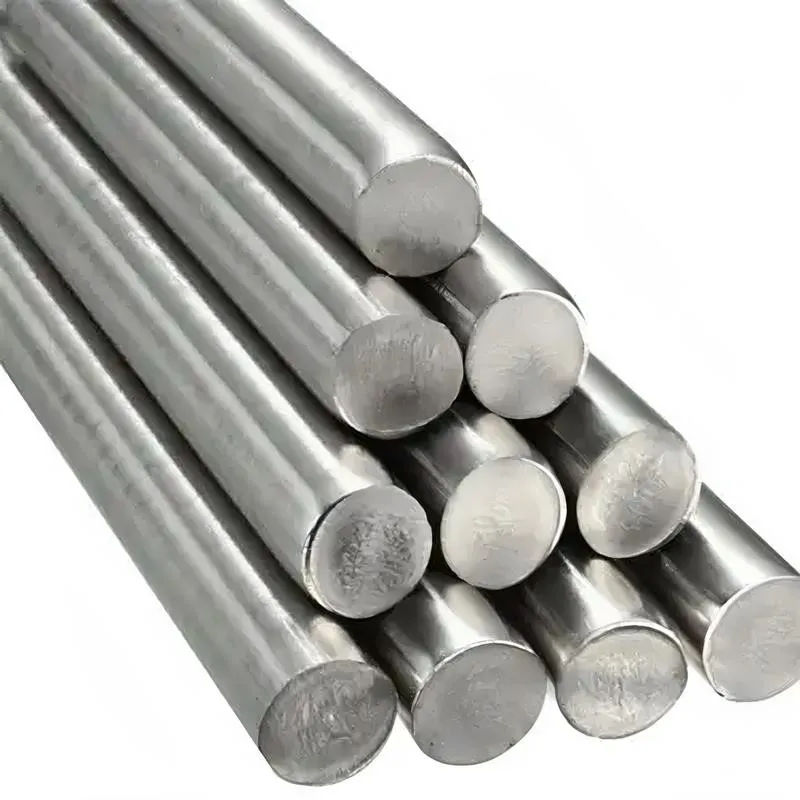
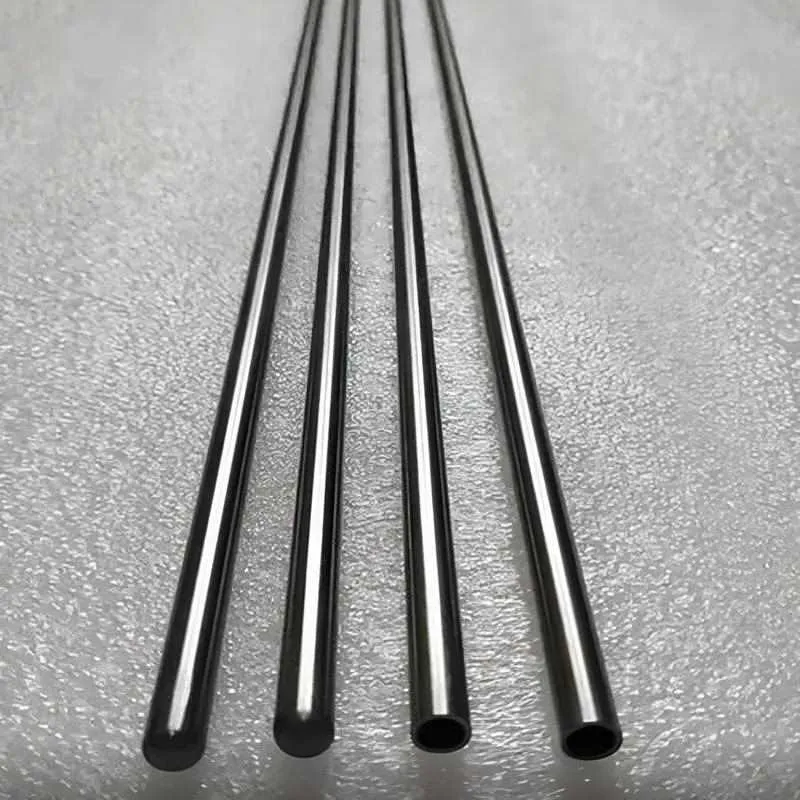
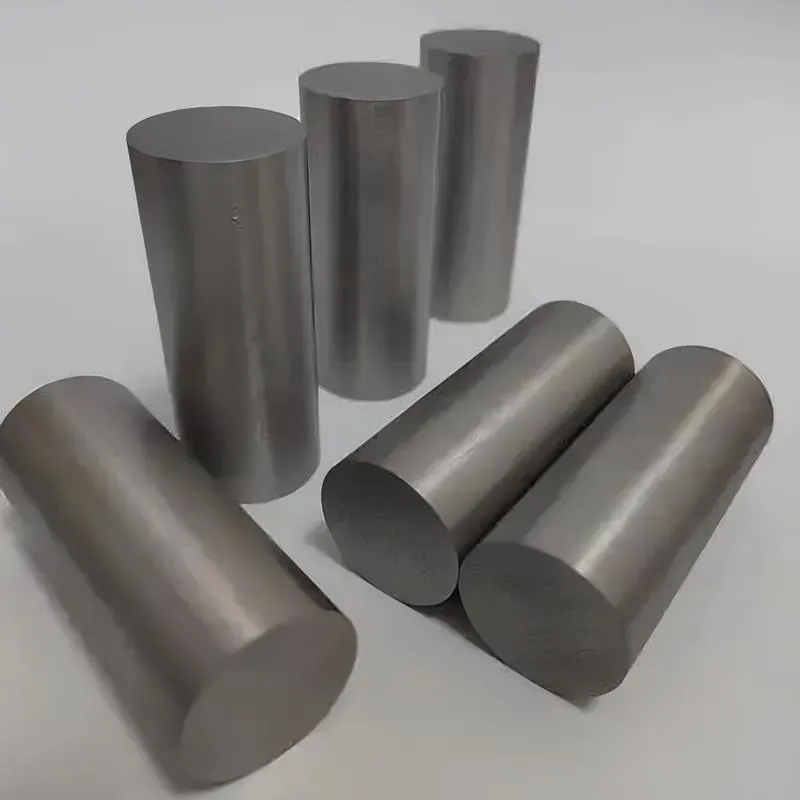
Meehanite,GA-50 Flake Graphite Cast Iron Sheet,Plate
Product Code : STI-IFe-139-CU
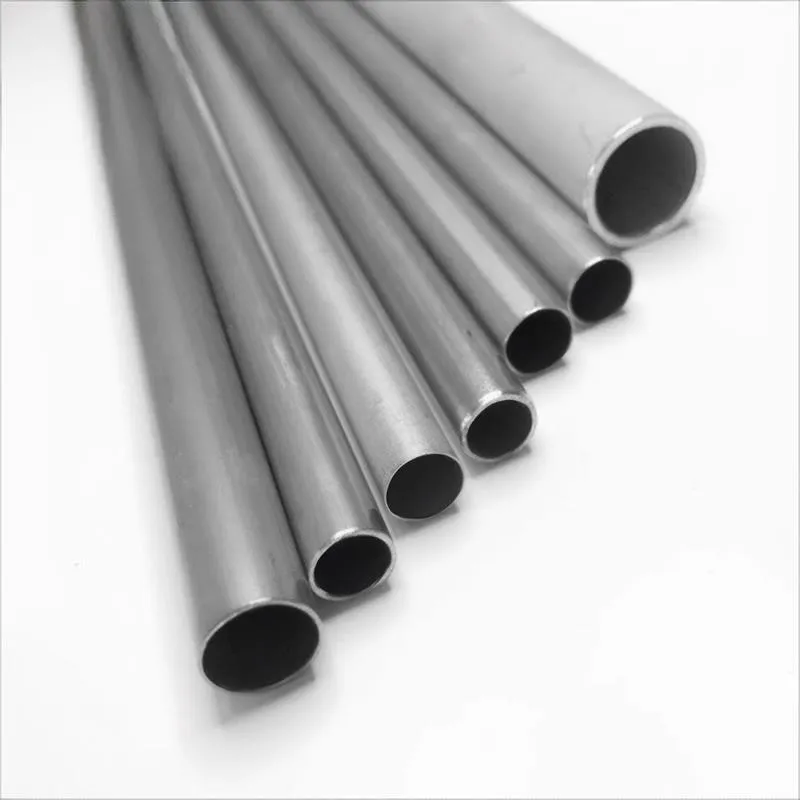
We provide Meehanite GA-50 Flake Graphite Cast Iron Sheet/Plate is available in Bar (Round bar, Flat bar), Ribbon, Wire, Rods, Tube,Seamless Tube,Pipe, Ingots, Plate, Sheet/Plate, Strip and Forging Stock.,Purity, chemical composition, size, etc. can all be customized to meet specific requirements.
Please contact us if you need customized services. We will contact you with the price and availability in 24 hours.
Meehanite GA-50 Flake Graphite Cast Iron Sheet/Plate Product Information
-:-
For detailed product information, please contact sales.
-:
Meehanite GA-50 Flake Graphite Cast Iron Sheet/Plate Synonyms
-:-
For detailed product information, please contact sales.
-:
Meehanite GA-50 Flake Graphite Cast Iron Product Information
-:-
For detailed product information, please contact sales.
-:
# **Meehanite® GA-50 Flake Graphite Cast Iron**
## **Product Overview**
**Meehanite GA-50** is a premium **wear-resistant gray cast iron** produced under the stringent **Meehanite quality control system**, engineered specifically for applications requiring exceptional **resistance to abrasive and adhesive wear** combined with good machinability and damping characteristics. The "GA" designation signifies **General Automotive** quality, while "50" indicates the minimum **tensile strength of 50 ksi (345 MPa)** - positioning this material as a robust, wear-resistant option in the gray iron family.
This specialized material represents an optimized balance between wear resistance, strength, and manufacturability, achieving its superior wear characteristics through careful alloying and microstructural control rather than simply increasing hardness. Through the Meehanite controlled process, GA-50 develops a refined microstructure with uniform Type A graphite distribution in a pearlitic matrix containing carefully controlled carbide phases.
---
## **1. International Standards & Specifications**
| **Standard System** | **Designation** | **Equivalent/Reference** | **Key Characteristics** |
|---------------------|-----------------|--------------------------|------------------------|
| **Meehanite System** | **Type GA-50** | Proprietary classification | Wear-resistant automotive/machinery grade |
| **ASTM International** | **A48 Class 50B** (Special) | Beyond standard grades | Tensile: 50 ksi min (345 MPa) |
| **ISO Standard** | **ISO 185 Grade 350** | International specification | Brinell hardness ~230-280 HB |
| **DIN Standard** | **GG-35 (Special Quality)** | German standard | High-strength wear-resistant gray iron |
| **Japanese Standards** | **JIS G5501 FC300-FC350** | Japanese industrial standard | Upper-medium strength flake graphite grades |
| **SAE Automotive** | **J431 G4500-G5000** range | Automotive standard | Similar strength automotive grades |
| **Common Names** | Wear-Resistant Gray Iron, Automotive Brake Grade Iron, High-Wear Gray Iron | Industry terminology | |
**Note:** Meehanite GA-50 represents a specialized wear-resistant grade that exceeds conventional gray iron specifications through controlled alloying and microstructural optimization for specific wear applications.
---
## **2. Chemical Composition**
The chemistry of GA-50 is carefully balanced with specific alloying elements to enhance wear resistance while maintaining adequate castability and machinability.
| **Element** | **Typical Range (% wt.)** | **Metallurgical Function** | **Wear Resistance Contribution** |
|-------------|---------------------------|---------------------------|---------------------------------|
| **Carbon (C)** | 3.1 - 3.5 | Graphite former | Moderate carbon for balanced properties |
| **Silicon (Si)** | 1.8 - 2.4 | Graphitizer | Controlled to promote pearlite formation |
| **Manganese (Mn)** | 0.7 - 1.0 | Pearlite stabilizer | Enhances matrix strength and wear resistance |
| **Phosphorus (P)** | ≤ 0.10 | Impurity/fluidizer | Limited to prevent excessive phosphide eutectic |
| **Sulfur (S)** | 0.06 - 0.10 | Inoculation control | Balanced for consistent nucleation |
| **Chromium (Cr)** | **0.20 - 0.40** | **Carbide former** | Forms hard carbides for abrasive wear resistance |
| **Molybdenum (Mo)** | **0.15 - 0.30** | **Matrix strengthener** | Solid solution strengthening, increases stability |
| **Copper (Cu)** | **0.40 - 0.70** | **Pearlite promoter** | Enhances matrix strength and corrosion resistance |
| **Vanadium (V)** | **0.10 - 0.20** (Optional) | **Carbide refiner** | Forms fine, hard carbides |
| **Nickel (Ni)** | 0.10 - 0.30 (Optional) | Matrix modifier | May be added for specific applications |
| **Carbon Equivalent** | 3.9 - 4.2 | Quality indicator | Balanced for wear and machinability |
**Microstructural Characteristics (Meehanite Controlled):**
- **Graphite Structure:** **Predominantly Type A**, Size 4-5 (well-dispersed flakes)
- **Graphite Distribution:** Even throughout with controlled flake length
- **Matrix Structure:** **90-95% fine pearlite** with minimal ferrite
- **Carbide Content:** 3-7% (primarily chromium carbides, M₃C and M₇C₃ types)
- **Phosphide Eutectic:** Controlled amount (0.5-1.5%) for wear enhancement
- **Pearlite Lamellar Spacing:** Fine (1-2 μm)
- **Unique Feature:** Balanced carbide distribution provides wear resistance without excessive brittleness
---
## **3. Mechanical Properties**
### **Minimum Guaranteed Properties:**
- **Tensile Strength:** 50,000 psi minimum (345 MPa)
- **Brinell Hardness:** 230 - 280 HB
- **Modulus of Elasticity:** 15 - 17 × 10⁶ psi (103 - 117 GPa)
### **Detailed Property Profile:**
| **Property** | **Minimum** | **Typical** | **Maximum** | **Test Standard** |
|--------------|-------------|-------------|-------------|------------------|
| **Tensile Strength** | 50,000 psi (345 MPa) | 54,000 psi (372 MPa) | 58,000 psi (400 MPa) | ASTM A48 |
| **Compressive Strength** | 160,000 psi (1,103 MPa) | 175,000 psi (1,207 MPa) | 190,000 psi (1,310 MPa) | ASTM E9 |
| **Shear Strength** | 42,000 psi (290 MPa) | 45,000 psi (310 MPa) | 48,000 psi (331 MPa) | - |
| **Hardness (Brinell)** | 230 HB | 255 HB | 280 HB | ASTM E10 |
| **Elastic Modulus** | 15 × 10⁶ psi (103 GPa) | 16 × 10⁶ psi (110 GPa) | 17 × 10⁶ psi (117 GPa) | - |
| **Fatigue Strength** | 22,000 psi (152 MPa) | 25,000 psi (172 MPa) | 28,000 psi (193 MPa) | Rotating bending, 10⁷ cycles |
| **Transverse Strength** | High | Very High | Excellent | Foundry test bars |
### **Wear Resistance Properties:**
| **Wear Test** | **Relative Performance** | **Comparison to Standard Gray Iron** | **Application Significance** |
|---------------|-------------------------|-------------------------------------|----------------------------|
| **Pin-on-Disc (Abrasive)** | Excellent | 2-3× better wear life | Suitable for abrasive environments |
| **Block-on-Ring (Adhesive)** | Very Good | 1.5-2× better wear life | Good for sliding contact applications |
| **Dry Sand/Rubber Wheel** | Good | 1.5-2× better | Resists low-stress abrasion |
| **Scuffing Resistance** | Excellent | Superior | Important for brake applications |
---
## **4. Physical Properties**
| **Property** | **Value** | **Wear Application Significance** |
|--------------|-----------|----------------------------------|
| **Density** | 0.261 lb/in³ (7.22 g/cm³) | Slightly higher than standard gray iron |
| **Thermal Conductivity** | 23-25 Btu/(ft·hr·°F) (40-43 W/m·K) | Good heat dissipation for friction applications |
| **Coefficient of Thermal Expansion** | 6.1 × 10⁻⁶/°F (11.0 × 10⁻⁶/°C) | Important for thermal cycling applications |
| **Specific Heat** | 0.11 Btu/(lb·°F) (460 J/kg·K) | Thermal capacity for heat absorption |
| **Damping Capacity** | **6-10× greater than steel** | **Excellent** for vibration control in wear applications |
| **Thermal Fatigue Resistance** | Good to Very Good | Resists cracking from thermal cycling |
| **Friction Characteristics** | Consistent, moderate coefficient | Good for brake and clutch applications |
### **Thermal Properties for Wear Applications:**
- **Heat Checking Resistance:** Superior to standard gray irons
- **Thermal Stability:** Maintains properties to 750°F (400°C)
- **Heat Dissipation:** Adequate for most friction applications
- **Thermal Shock Resistance:** Moderate to good
---
## **5. Manufacturing & Processing Characteristics**
### **Casting Characteristics:**
- **Fluidity:** Good with proper superheat
- **Shrinkage:** Moderate - requires standard risering practice
- **Machinability:** **Good** (65-75% of free-cutting steel)
### **Machinability Data:**
| **Operation** | **Relative Efficiency** | **Tool Recommendations** | **Notes** |
|--------------|------------------------|-------------------------|-----------|
| **Turning** | 70-80% | C2/C3 carbide, positive rake | Carbides can increase tool wear |
| **Drilling** | 60-70% | Carbide-tipped or HSS-Co drills | Moderate cutting speeds |
| **Milling** | 65-75% | Carbide end mills | Expect moderate tool life |
| **Grinding** | Good | Aluminum oxide wheels | Standard procedures apply |
### **Heat Treatment Capabilities:**
- **Stress Relieving:** 950-1050°F (510-565°C) - recommended for dimensional stability
- **Surface Hardening:** Flame/induction hardening to 50-55 HRC possible
- **Annealing:** 1550-1650°F (845-900°C) - reduces hardness for machining (not typical)
- **Normalizing:** Occasionally used to refine structure
---
## **6. Quality Assurance (Meehanite System)**
### **Special Controls for GA-50:**
1. **Alloy Control:** Precise addition of Cr, Mo, Cu for wear resistance
2. **Inoculation:** Optimized for consistent graphite in presence of carbides
3. **Microstructural Control:** Balanced carbide distribution
4. **Hardness Uniformity:** Controlled across casting sections
### **Testing Regimen:**
- **Mechanical Testing:** Tensile and hardness from test bars
- **Microstructural Analysis:** Carbide distribution and graphite structure
- **Wear Testing:** Optional for critical applications
- **Chemical Analysis:** Full spectrographic analysis
- **Dimensional Verification:** As required
---
## **7. Industrial Applications**
### **Primary Wear Applications:**
| **Application Area** | **Specific Components** | **Wear Mechanism Addressed** | **Why GA-50?** |
|---------------------|-------------------------|-----------------------------|----------------|
| **Automotive Brakes** | Brake drums, rotors (especially heavy-duty) | Adhesive wear, thermal fatigue | Balanced wear and thermal properties |
| **Clutch Systems** | Pressure plates, flywheel surfaces | Adhesive wear, thermal cycling | Good friction characteristics |
| **Machine Tool Ways** | Slide ways, guide surfaces | Adhesive/abrasive wear | Wear resistance with damping |
| **Pump Components** | Wear rings, sleeves, bushings | Abrasive wear (with particles) | Hard carbides resist abrasion |
| **Agricultural Equipment** | Plow shares, cultivator parts | Severe abrasive wear | Cost-effective wear resistance |
| **Mining Equipment** | Chute liners, guide rails | High-stress abrasion | Better than standard gray iron |
### **Specific Application Examples:**
**Heavy-Duty Brake Drums:**
- **Requirements:** Wear resistance, thermal fatigue resistance, consistent friction
- **GA-50 Advantages:** Balanced properties for severe service
- **Typical Specifications:** 50-55 ksi tensile, 240-260 HB hardness
- **Competitive Materials:** Sometimes replaced by alloyed ductile iron
**Machine Tool Slide Ways:**
- **Requirements:** Wear resistance, dimensional stability, damping
- **GA-50 Advantages:** Combines wear resistance with vibration damping
- **Surface Treatments:** Often hand-scraped or flaked after machining
- **Lubrication:** Designed for oil film or way lubrication systems
**Agricultural Wear Parts:**
- **Requirements:** Abrasion resistance, impact resistance, cost-effectiveness
- **GA-50 Advantages:** Better wear than standard iron at reasonable cost
- **Replacement Frequency:** Typically 2-3× longer life than mild steel
- **Design:** Often designed as replaceable wear components
---
## **8. Comparative Performance**
### **Wear Resistance Comparison:**
| **Material** | **Abrasive Wear Resistance** | **Adhesive Wear Resistance** | **Cost** | **Machinability** |
|--------------|-----------------------------|------------------------------|----------|-------------------|
| **Meehanite GA-50** | **Very Good (4/5)** | **Very Good (4/5)** | **Good (3/5)** | **Good (3/5)** |
| **Standard Gray Iron** | Fair (2/5) | Good (3/5) | Excellent (5/5) | Excellent (5/5) |
| **Pearlitic Ductile Iron** | Good (3/5) | Very Good (4/5) | Good (3/5) | Very Good (4/5) |
| **Through-Hardened Steel** | Excellent (5/5) | Excellent (5/5) | Fair (2/5) | Poor (2/5) |
| **White Cast Iron** | Excellent (5/5) | Fair (2/5) | Fair (2/5) | Poor (1/5) |
### **Economic Considerations:**
1. **Initial Cost:** Higher than standard gray iron, lower than many alternatives
2. **Tooling Cost:** Similar to other gray irons
3. **Life Cycle Cost:** Often lower due to extended service life
4. **Replacement Cost:** Reduced frequency of replacement
---
## **9. Design Guidelines**
### **Optimal Design Parameters:**
- **Minimum Section:** 0.25" (6 mm) for sound castings
- **Maximum Sound Section:** 2.5" (63 mm) without significant property variation
- **Wear Surface Design:** Consider directional solidification for optimal properties
- **Fillet Radii:** Minimum 0.09" (2.3 mm) on internal corners
- **Pattern Draft:** Standard 1-3° depending on pattern type
### **Design for Wear Applications:**
1. **Wear Surface Orientation:** Design for uniform wear distribution
2. **Heat Dissipation:** Consider thermal paths for friction applications
3. **Replaceability:** Design wear components as replaceable inserts
4. **Lubrication:** Incorporate proper lubrication systems where applicable
### **Limitations and Constraints:**
- **Impact Resistance:** Moderate - not for severe impact applications
- **Maximum Temperature:** 750°F (400°C) continuous service
- **Corrosion Resistance:** Similar to other gray irons - not for highly corrosive environments
- **Weldability:** Poor - not recommended for repair
---
## **10. Economic & Manufacturing Considerations**
### **Cost-Benefit Analysis:**
- **Material Cost Premium:** 20-40% over standard gray iron
- **Performance Improvement:** 50-100% longer wear life in many applications
- **Machining Cost:** Slightly higher than standard gray iron
- **Total Cost of Ownership:** Often favorable for wear applications
### **Production Considerations:**
- **Pattern Requirements:** Similar to other gray irons
- **Casting Yield:** Good with proper gating and risering
- **Finishing Operations:** Standard machining practices apply
- **Quality Control:** Meehanite system ensures consistency
---
## **Technical Summary**
**Meehanite GA-50 Flake Graphite Cast Iron** represents an **optimized solution for wear applications** requiring:
### **Key Performance Characteristics:**
1. **Balanced Wear Resistance:** Both abrasive and adhesive wear mechanisms
2. **Good Thermal Properties:** Suitable for friction applications
3. **Maintained Machinability:** Despite enhanced wear resistance
4. **Excellent Damping:** Maintains gray iron's vibration absorption
5. **Cost-Effective Performance:** Better wear than standard iron at reasonable cost
### **Application Selection Criteria:**
**Choose Meehanite GA-50 when:**
- Component experiences significant wear in service
- Both abrasive and adhesive wear mechanisms are present
- Thermal management is important (brakes, clutches)
- Vibration damping is beneficial
- Cost-effectiveness is important vs. premium wear materials
**Consider alternatives when:**
- Extreme abrasion resistance is primary requirement (choose white iron)
- Very high impact resistance is needed (choose ductile iron or steel)
- Corrosion resistance is critical (choose stainless or nickel alloys)
- Weight reduction is paramount (consider alternative materials)
### **Economic Justification:**
- **Extended Service Life:** Reduces replacement frequency and downtime
- **Reduced Maintenance:** Lower long-term maintenance costs
- **Performance Reliability:** Consistent performance in wear applications
- **Manufacturing Efficiency:** Good castability and machinability
---
**Meehanite® is a registered trademark of Meehanite Technology Inc.** The GA-50 grade represents a carefully engineered wear-resistant gray iron that fills the gap between standard gray irons and premium wear materials. For applications where wear resistance, thermal management, and cost-effectiveness must be balanced, Meehanite GA-50 offers a proven solution backed by rigorous quality controls and extensive application experience.
-:-
For detailed product information, please contact sales.
-:
Meehanite GA-50 Flake Graphite Cast Iron Specification
Dimensions
Size:
Diameter 20-1000 mm Length <6615 mm
Size:We can customized as required
Standard:
Per your request or drawing
We can customized as required
Properties(Theoretical)
Chemical Composition
-:-
For detailed product information, please contact sales.
-:
Meehanite GA-50 Flake Graphite Cast Iron Properties
-:-
For detailed product information, please contact sales.
-:
Applications of Meehanite GA-50 Flake Graphite Cast Iron Sheet,Plate
-:-
For detailed product information, please contact sales.
-:
Chemical Identifiers Meehanite GA-50 Flake Graphite Cast Iron Sheet,Plate
-:-
For detailed product information, please contact sales.
-:
Packing of Meehanite GA-50 Flake Graphite Cast Iron Sheet/Plate
-:-
For detailed product information, please contact sales.
-:
Standard Packing:
-:-
For detailed product information, please contact sales.
-:
Typical bulk packaging includes palletized plastic 5 gallon/25 kg. pails, fiber and Steel Sheet/Plate drums to 1 ton super sacks in full container (FCL) or truck load (T/L) quantities. Research and sample quantities and hygroscopic, oxidizing or other air sensitive materials may be packaged under argon or vacuum. Solutions are packaged in polypropylene, plastic or glass jars up to palletized 3086 gallon liquid totes Special package is available on request. E FORUs’ is carefully handled to minimize damage during storage and transportation and to preserve the quality of our products in their original condition