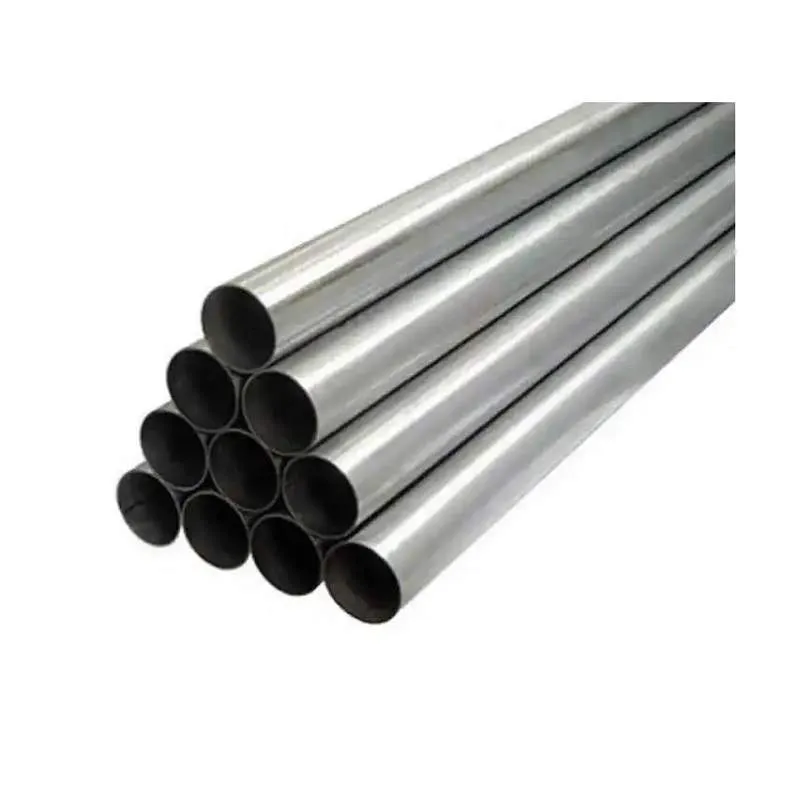
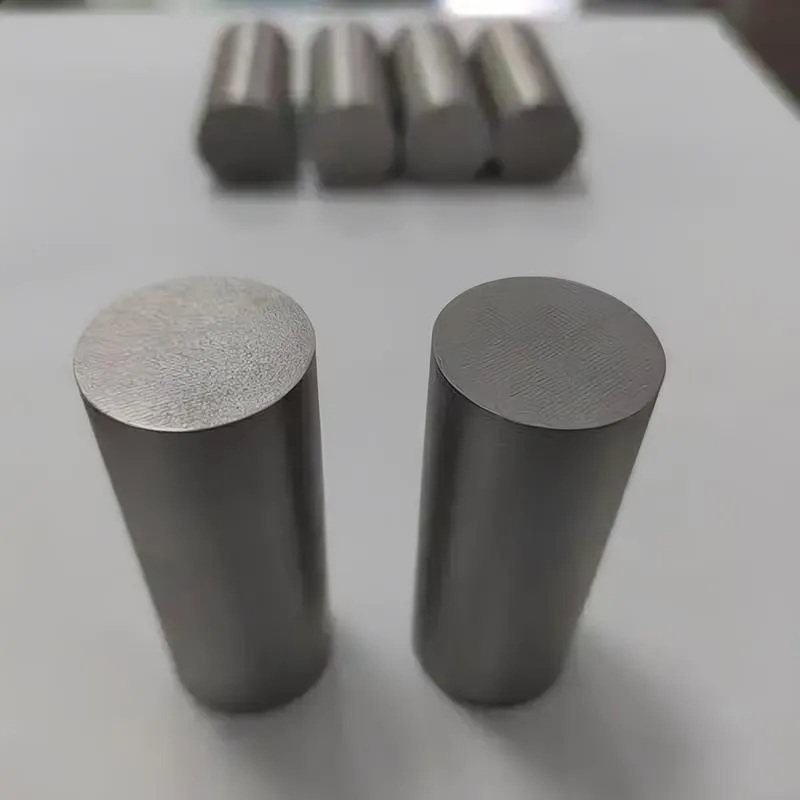
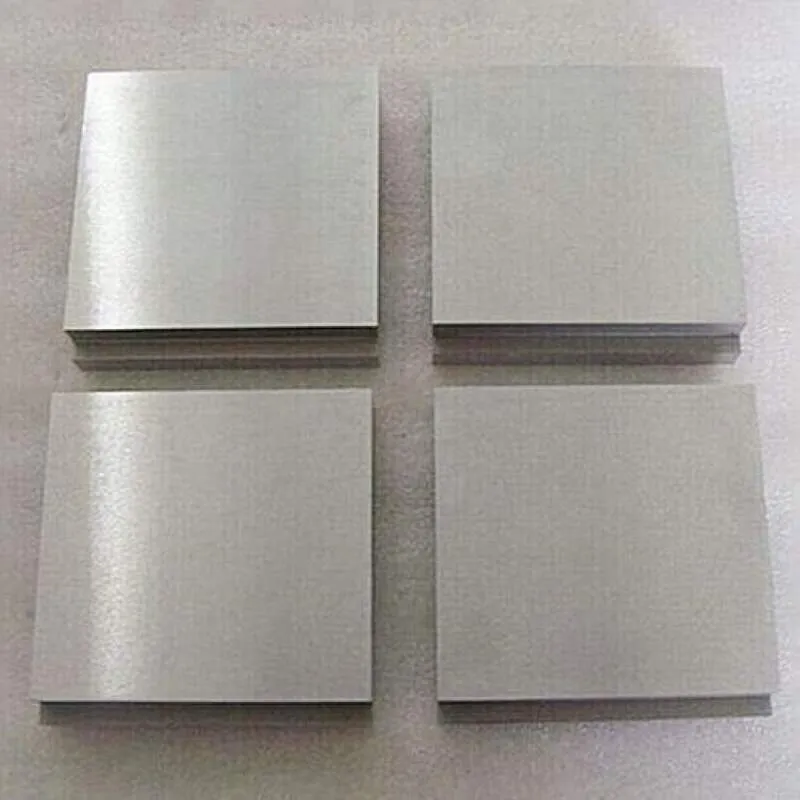
MetalTek,MTEK D5 UNS T90405 Tool Steel Tube,Pipe
Product Code : STI-GSTI-412-CU
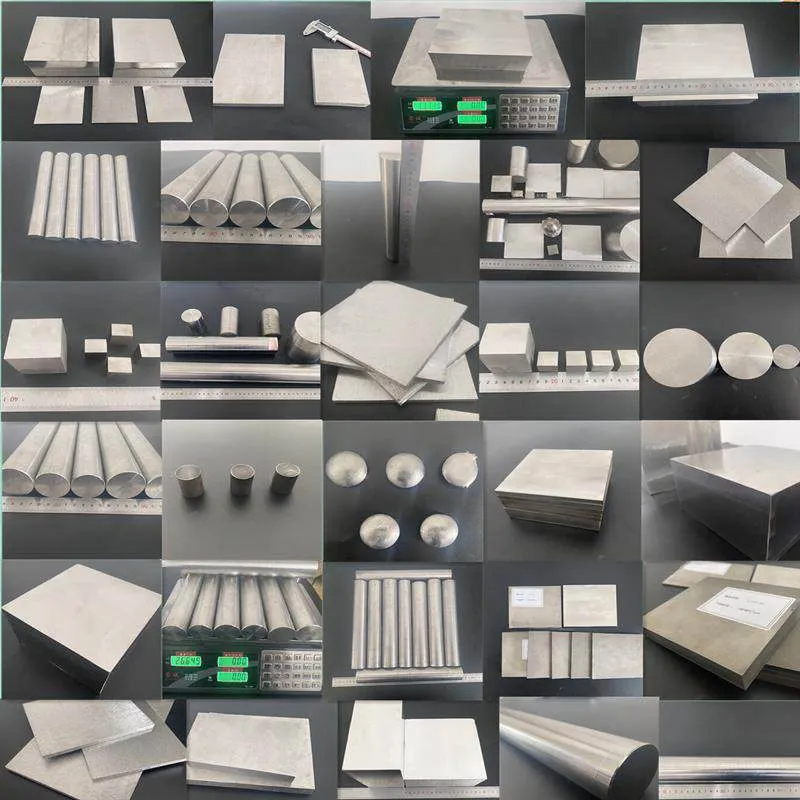
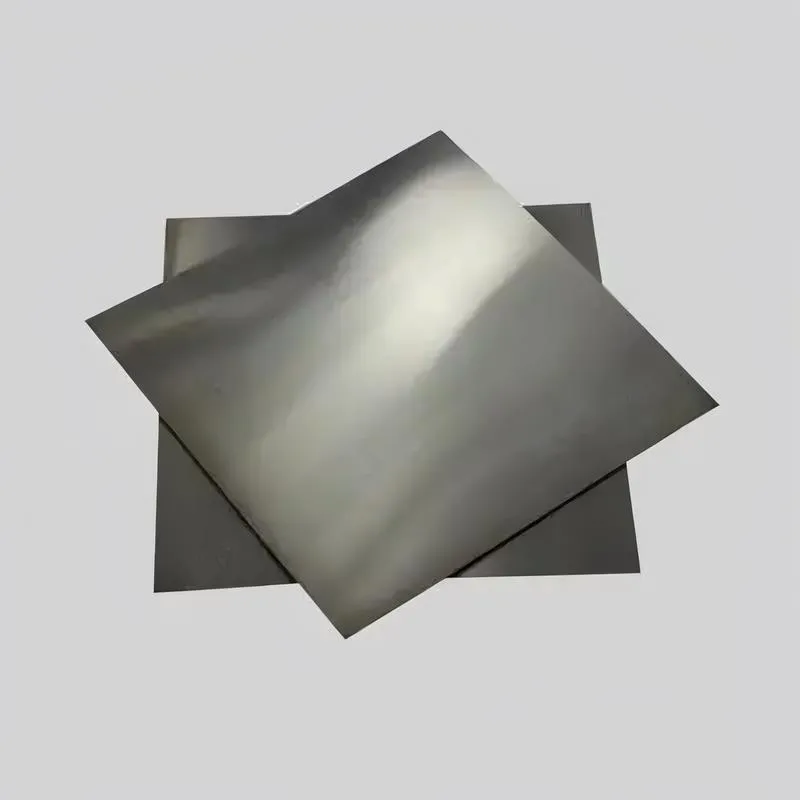
We provide MetalTek MTEK D5 UNS T90405 Tool Steel Tube is available in Bar (Round bar, Flat bar), Ribbon, Wire, Rods, Tube,Seamless Tube,Pipe, Ingots, Plate, Sheet, Strip and Forging Stock.,Purity, chemical composition, size, etc. can all be customized to meet specific requirements.MetalTek,MTEK D5 UNS T90405 Tool Steel Pipe
Please contact us if you need customized services. We will contact you with the price and availability in 24 hours.
MetalTek MTEK D5 UNS T90405 Tool Steel Tube Product Information
-:-
For detailed product information, please contact sales.
-:
MetalTek MTEK D5 UNS T90405 Tool Steel Tube Synonyms
-:-
For detailed product information, please contact sales.
-:
MetalTek MTEK D5 UNS T90405 Tool Steel Product Information
-:-
For detailed product information, please contact sales.
-:
# **Product Introduction: MetalTek MTEK D5 Cast Tool Steel (UNS T90405)**
## **1. Overview**
**MetalTek MTEK D5 Cast Tool Steel** is a specialized **high-carbon, high-chromium, air-hardening cold work tool steel** manufactured through **advanced investment casting processes** to produce near-net-shape components requiring exceptional **wear resistance combined with moderate toughness**. Designated as **UNS T90405** (the cast equivalent of wrought AISI D5), this alloy represents a distinct variant within the high-carbon, high-chromium (HCHCr) family, characterized by its **significantly higher chromium content and moderate carbon** compared to D2. This composition creates an exceptionally high volume of chromium carbides while maintaining better dimensional stability during heat treatment. The casting process enables production of complex, large-scale wear components that would be prohibitively expensive to machine from solid stock, making it an ideal solution for severe abrasive applications in heavy industry.
## **2. International Standards & Specifications**
This material is the cast product form of a specialized, high-chromium tool steel grade.
* **Primary Standard Designations:**
* **UNS T90405:** Unified Numbering System designation for **Cast D5 Tool Steel**.
* **Wrought Reference Standard:** **AISI D5 / UNS T30405**.
* **Governing Cast Standard:** **ASTM A597** Standard Specification for Cast Tool Steel. Specific foundry grades correspond to D5 composition.
* **Key International Equivalents (Wrought Reference):**
* **European:** No direct DIN equivalent; falls between **1.2601 (X165CrMoV12)** and **1.2379 (X153CrMoV12)** in composition.
* **Japanese:** **JIS G4404 SKD1** is a close approximation.
* **Common Industry Names:** **Cast D5**, **High-Chromium D5**, **Investment Cast D5 Tool Steel**.
## **3. Chemical Composition (Weight %, per ASTM A597 typical)**
The composition is distinguished by very high chromium and controlled carbon to optimize carbide formation.
| Element | Typical Range (%) | Role & Benefit in Cast D5 |
|---------|------------------|----------------------------|
| **Carbon (C)** | 1.40 – 1.60 | Similar to D2, but balanced with higher Cr to form massive chromium carbides without excessive matrix brittleness. |
| **Chromium (Cr)** | 14.00 – 16.00 | **Exceptionally high.** Primary carbide former. Creates an extremely high volume of hard chromium carbides (Cr₇C₃) for supreme wear resistance. Also provides better corrosion/oxidation resistance than D2. |
| **Molybdenum (Mo)** | 0.50 – 1.00 | Enhances hardenability and refines cast microstructure. Lower than D2 due to high Cr's hardenability contribution. |
| **Vanadium (V)** | 0.15 – 0.50 | Added for grain refinement. Lower than D2 as primary wear resistance comes from Cr carbides. |
| **Manganese (Mn)** | 0.20 – 0.60 | Aids in deoxidation and hardenability. |
| **Silicon (Si)** | 0.10 – 0.60 | Deoxidizer and solid solution strengthener. |
| **Foundry Practice:** Requires precise control of solidification to prevent excessive carbide network formation. Often utilizes **Hot Isostatic Pressing (HIP)** to ensure density and homogeneity.
## **4. Typical Physical & Mechanical Properties (Heat Treated)**
* **As-Cast Condition:** Supplied annealed (~200-250 HB). **Mandatory heat treatment** required for service properties.
* **Recommended Heat Treatment:**
* **Preheating:** **Critical** – Double preheat at ~650°C then ~850°C.
* **Austenitizing:** 970-1010°C (1780-1850°F) – Slightly lower than D2 due to higher Cr content.
* **Quenching:** **Air cool** – Excellent hardenability from high Cr.
* **Tempering:** **Double tempering mandatory** at 480-540°C (900-1000°F) for optimal properties.
* **Mechanical Properties (Hardened & Double Tempered):**
* **Hardness:** **58 – 62 HRC** (achievable, typically 60-62 HRC).
* **Ultimate Tensile Strength:** 1700 – 1950 MPa (246,000 – 283,000 psi)
* **Compressive Strength:** **Exceptional** – High carbide volume provides excellent load-bearing capability.
* **Impact Toughness:** **Low** – Comparable to or slightly lower than D2 due to higher carbide volume. Not suitable for impact loading.
* **Wear/Abrasion Resistance:** **Outstanding / Superior to D2** in pure abrasive wear. The higher chromium carbide volume provides exceptional service life against abrasives.
* **Dimensional Stability:** **Very Good** with air hardening, though complex castings may require stress relief.
* **Corrosion/Oxidation Resistance:** **Better than D2** due to higher Cr content.
* **Key Advantages of Cast Form:**
* **Complex, Large-Scale Geometries:** Produces monolithic components impossible to machine.
* **Material Efficiency:** Dramatic reduction in buy-to-fly ratio for intricate parts.
* **Uniform Carbide Distribution:** Controlled solidification can yield more homogeneous carbide distribution than wrought material in large sections.
* **Cost-Effectiveness:** Significant savings for complex components vs. machining from solid.
## **5. Product Application**
MTEK D5 Cast Tool Steel is specified for **severe, abrasive wear applications** where component geometry is complex and maximum service life is critical.
* **Mining & Mineral Processing:**
* **Slurry pump volutes, impellers, and liners** for highly abrasive slurries.
* **Hydrocyclone components, classifier parts, and chute liners.**
* **Cement & Aggregate Industry:**
* **Crusher liners, hammer mill tips, and classifier blades.**
* **Fan blades and ductwork liners** for abrasive dust environments.
* **Pulp & Paper:**
* **Refiner plates, disc segments, and wear plates** in fiber processing.
* **Power Generation:**
* **Coal pulverizer rolls, housings, and classifier components.**
* **Specialized Tooling:**
* **Brick and ceramic extrusion dies** requiring extreme wear resistance.
* **Glass industry forming tools and molds.**
## **6. Key Features & Advantages**
* **Superior Abrasion Resistance:** Higher chromium carbide volume than D2 provides extended service life in severe abrasive environments.
* **Excellent Dimensional Stability:** Air hardening minimizes distortion during heat treatment of complex cast shapes.
* **Complex Geometry Capability:** Casting enables integrated features, internal passages, and optimized shapes unattainable by machining.
* **Good Corrosion/Oxidation Resistance:** Higher Cr content provides better environmental resistance than standard D2.
* **Cost-Effective for Complex Parts:** Significant savings in material and machining costs for intricate components.
* **Large Component Manufacturing:** Can produce wear parts in sizes beyond standard wrought billet availability.
## **7. Processing & Quality Considerations**
* **Mandatory Heat Treatment:** As-cast material **must** undergo full AQT cycle.
* **Critical NDT Requirements:**
* **Radiographic Inspection:** Essential for internal soundness verification.
* **Ultrasonic Testing:** For large sections to detect internal flaws.
* **Dye Penetrant Inspection:** For surface defect detection.
* **Hot Isostatic Pressing (HIP):** Strongly recommended for critical components to eliminate micro-porosity and improve mechanical properties.
* **Machining Challenges:** **Difficult to machine** in hardened state due to high carbide content. Most machining should be done in annealed condition.
* **Grinding Considerations:** Requires appropriate abrasives (CBN recommended) due to hard carbides.
* **Design for Compression:** Components should be designed to primarily undergo compressive loading due to material's low toughness.
**Summary:**
MetalTek MTEK D5 Cast Tool Steel (UNS T90405) represents a specialized high-performance material engineered for the most demanding abrasive wear applications. By combining the extreme wear resistance of a high-chromium carbide structure with the geometric freedom of investment casting, it provides a unique solution for industries where component failure is dominated by abrasion and where complex part geometries are required. For engineers designing slurry handling equipment, mineral processing components, or specialized tooling for abrasive materials, cast D5 offers a technically advanced option that extends service life while providing manufacturing flexibility. Its successful application requires careful attention to heat treatment, quality verification, and design that accommodates the material's exceptional wear resistance alongside its inherent brittleness.
-:-
For detailed product information, please contact sales.
-:
MetalTek MTEK D5 UNS T90405 Tool Steel Specification
Dimensions
Size:
Diameter 20-1000 mm Length <7068 mm
Size:We can customized as required
Standard:
Per your request or drawing
We can customized as required
Properties(Theoretical)
Chemical Composition
-:-
For detailed product information, please contact sales.
-:
MetalTek MTEK D5 UNS T90405 Tool Steel Properties
-:-
For detailed product information, please contact sales.
-:
Applications of MetalTek MTEK D5 UNS T90405 Tool Steel Tube
-:-
For detailed product information, please contact sales.
-:
Chemical Identifiers MetalTek MTEK D5 UNS T90405 Tool Steel Tube
-:-
For detailed product information, please contact sales.
-:
Packing of MetalTek MTEK D5 UNS T90405 Tool Steel Tube
-:-
For detailed product information, please contact sales.
-:
Standard Packing:
-:-
For detailed product information, please contact sales.
-:
Typical bulk packaging includes palletized plastic 5 gallon/25 kg. pails, fiber and Steel Tube drums to 1 ton super sacks in full container (FCL) or truck load (T/L) quantities. Research and sample quantities and hygroscopic, oxidizing or other air sensitive materials may be packaged under argon or vacuum. Solutions are packaged in polypropylene, plastic or glass jars up to palletized 3539 gallon liquid totes Special package is available on request. E FORUs’ is carefully handled to minimize damage during storage and transportation and to preserve the quality of our products in their original condition