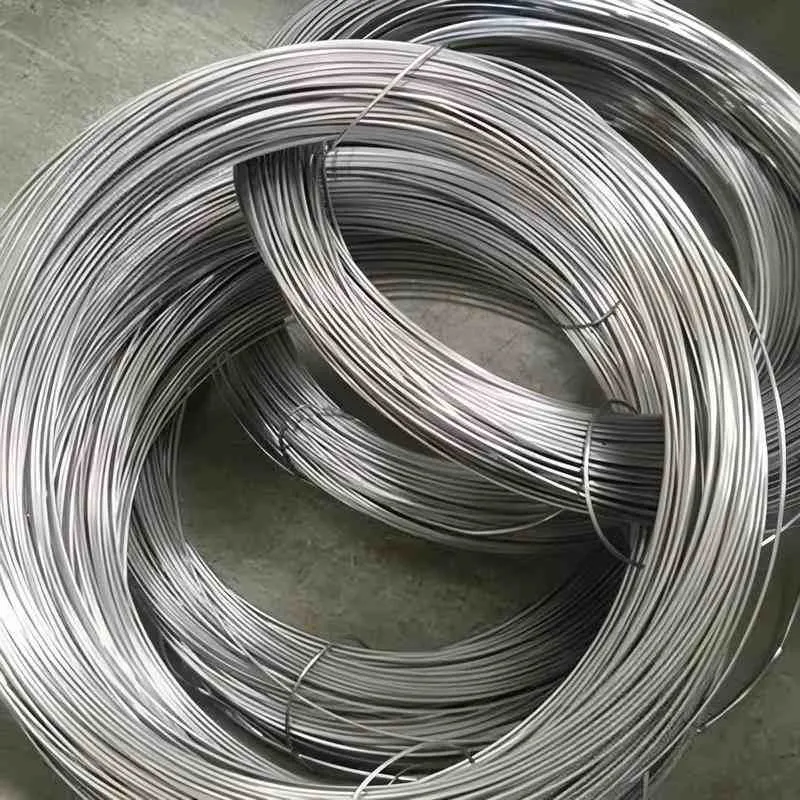
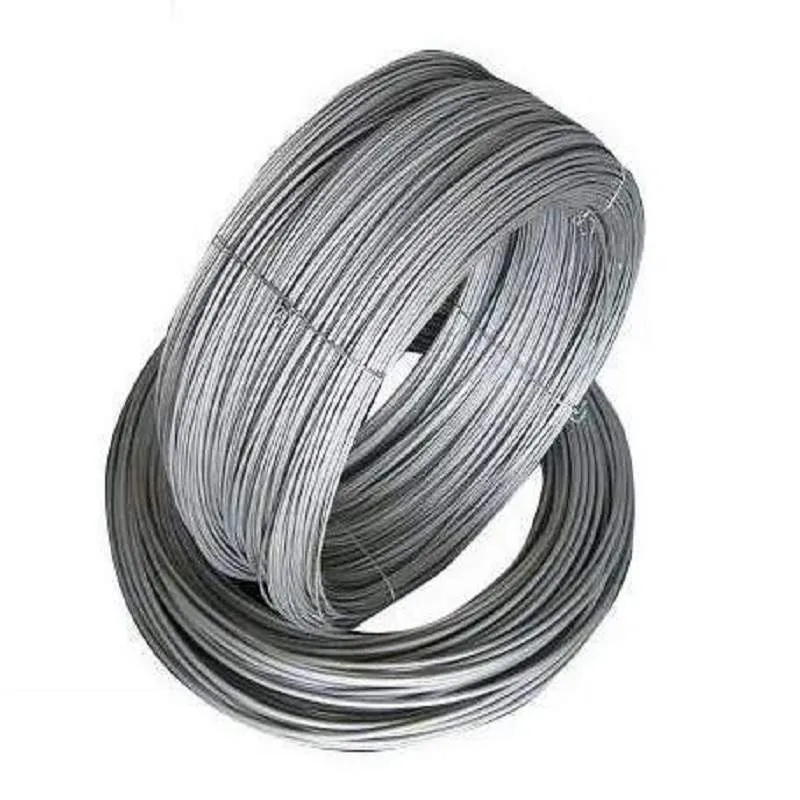
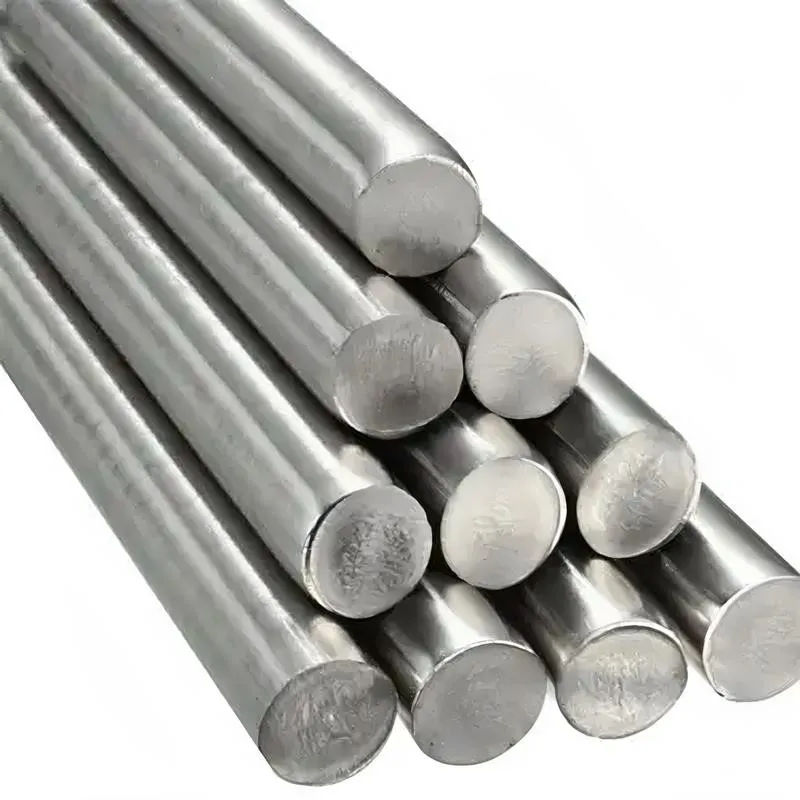
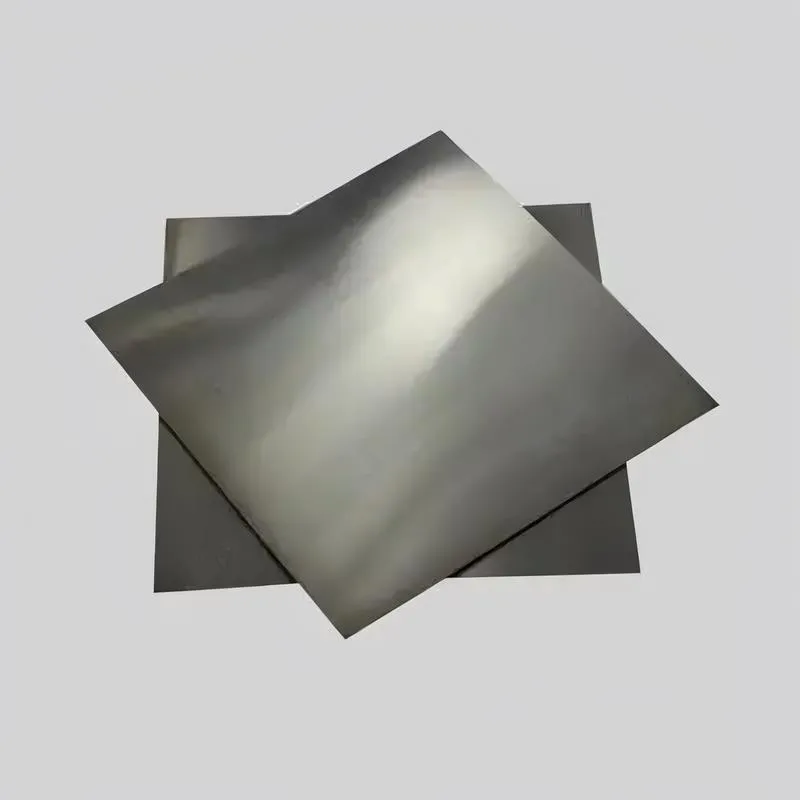
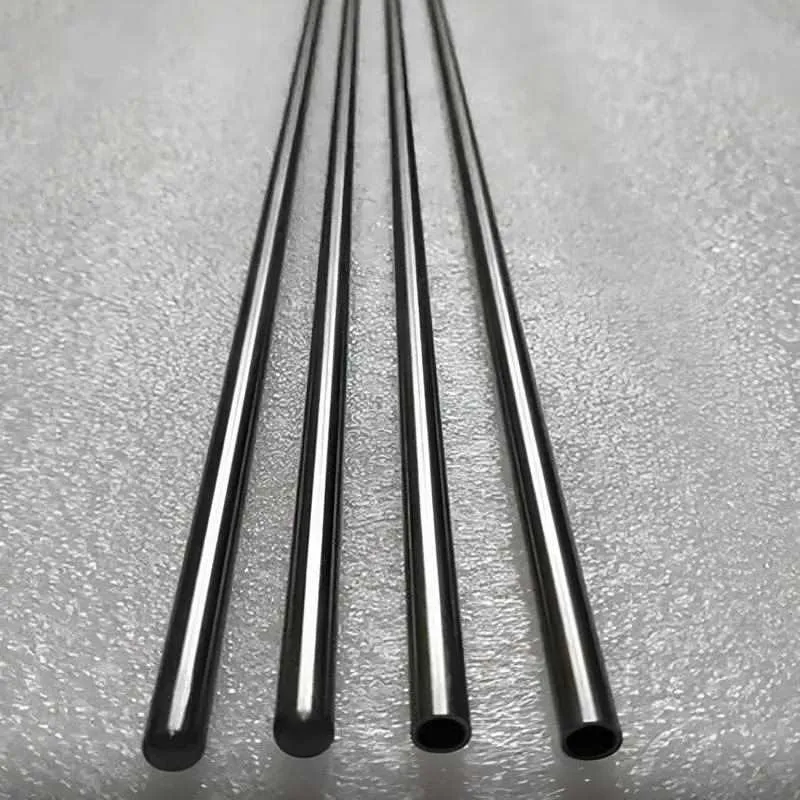
Oil-Hardening Cold Work Tool Steel Wire (UNS T91501)
Product Code : STI-GSTI-014-CU
We provide Oil-Hardening Cold Work Tool Steel Wire (UNS T91501) is available in Bar (Round bar, Flat bar), Ribbon, Wire, Rods, Tube,Seamless Tube,Pipe, Ingots, Plate, Sheet, Strip and Forging Stock.,Purity, chemical composition, size, etc. can all be customized to meet specific requirements.
Please contact us if you need customized services. We will contact you with the price and availability in 24 hours.
Oil-Hardening Cold Work Tool Steel Wire (UNS T91501) Product Information
-:-
For detailed product information, please contact sales.
-:
Oil-Hardening Cold Work Tool Steel Wire (UNS T91501) Synonyms
-:-
For detailed product information, please contact sales.
-:
Oil-Hardening Cold Work Tool Steel (UNS T91501) Product Information
-:-
For detailed product information, please contact sales.
-:
# **Product Introduction: Oil-Hardening Cold Work Tool Steel (UNS T91501 / AISI Type O1)**
## **Overview**
**Oil-Hardening Cold Work Tool Steel**, designated as **UNS T91501** and commonly known as **AISI Type O1**, is a versatile, **low-alloy, oil-quenching tool steel** renowned for its **excellent machinability, good dimensional stability, and balanced wear resistance**. As one of the most widely used and readily available tool steels globally, O1 provides a cost-effective solution for a broad range of tooling applications. Its oil-hardening characteristic offers a favorable balance between minimizing distortion and achieving sufficient hardness, making it a preferred choice for **precision tools, gauges, dies, and blades** that require a combination of toughness, ease of fabrication, and reliable performance.
---
## **Chemical Composition (Typical Weight %)**
The composition is a balanced, low-alloy system designed for reliable oil-hardening response.
| Element | Content (%) | Role in Oil-Hardening |
| :--- | :--- | :--- |
| **Carbon (C)** | 0.85 - 1.00 | Primary hardener; forms carbides for wear resistance. |
| **Manganese (Mn)** | 1.00 - 1.40 | Increases hardenability and strength; stabilizes austenite. |
| **Chromium (Cr)** | 0.40 - 0.60 | Enhances hardenability, wear resistance, and toughness. |
| **Tungsten (W)** | 0.40 - 0.60 | Forms hard carbides for wear resistance and reduces grain growth. |
| **Vanadium (V)** | 0.15 - 0.30 | Powerful grain refiner; improves toughness and wear resistance. |
| **Silicon (Si)** | 0.10 - 0.30 | Deoxidizer; increases strength and hardenability. |
| **Sulfur (S)** | ≤ 0.03 | - |
| **Phosphorus (P)** | ≤ 0.03 | - |
| **Iron (Fe)** | **Balance** | Base metal. |
**Key Feature:** The combination of **manganese and chromium** provides sufficient hardenability for oil quenching in moderate sections, while **tungsten and vanadium** contribute to wear resistance and grain refinement without excessively compromising machinability.
---
## **Physical & Mechanical Properties**
*Properties are for material in the hardened and tempered condition (typically ~60 HRC).*
| Property | Typical Value / Description |
| :--- | :--- |
| **Density** | 7.86 g/cm³ (0.284 lb/in³) |
| **Hardness (Annealed)** | 183 - 212 HB |
| **Hardness (Hardened & Tempered)** | **57 - 62 HRC** (Typically 59-61 HRC) |
| **Wear Resistance** | **Good.** Suitable for many cold work applications; superior to low-carbon steels but less than high-alloy grades like D2 or A2. |
| **Toughness** | **Good to Very Good.** Better than many air-hardening grades of equivalent hardness due to its lower alloy content and oil-quench process. |
| **Dimensional Stability** | **Good.** Oil quenching produces less distortion than water quenching but more than air hardening. Careful quenching technique is key. |
| **Machinability (Annealed)** | **Excellent.** One of the most machinable tool steels (~90% of 1% carbon steel). A primary advantage of O1. |
| **Grindability** | **Very Good.** Grinds easily compared to high-vanadium or high-chromium steels. |
| **Minimum Hardenable Depth** | ~5 mm (0.2 in) from surface in oil quench. |
| **Thermal Conductivity** | ~ 40 W/m·K (Relatively high for a tool steel) |
| **Coefficient of Thermal Expansion** | ~ 11.5 × 10⁻⁶/°C |
---
## **Heat Treatment Guidelines**
Proper heat treatment is critical for achieving optimal properties with minimal distortion.
| Process | Parameters | Purpose/Notes |
| :--- | :--- | :--- |
| **Annealing** | Heat to 760-790°C (1400-1450°F), slow furnace cool. | Achieves ~200 HB for optimal machinability. |
| **Preheating** | 650-700°C (1200-1300°F). **Essential.** | Reduces thermal shock and distortion. |
| **Austenitizing** | **780-810°C (1440-1490°F).** Soak: 20-30 min/in. | Critical range: Higher temps increase hardness but also distortion risk. |
| **Quenching** | **Quench in warm, circulating oil (50-70°C).** | Agitation is crucial for uniformity. Cool to 50-65°C before tempering. |
| **Tempering** | **Temper immediately!** 150-315°C (300-600°F) for 1-2 hrs. | Typical: 175-205°C (350-400°F) for 60-61 HRC. Double temper recommended. |
---
## **Product Applications**
O1 is a general-purpose cold work steel used across countless industries for tooling that requires a balance of hardness, toughness, and manufacturability.
### **Primary Applications:**
1. **Blanks, Forming, and Bending Dies:** For low to medium production runs on sheet metal.
2. **Cutting Tools:** Knives, shears, slitter blades, and hand tools (chisels, punches).
3. **Precision Gauges, Jigs, and Fixtures:** Where good stability and machinability are valued.
4. **Woodworking Tools:** Plane blades, carving tools, and router bits.
5. **Plastic Injection Molds & Cavities:** For prototype and low-volume molds.
6. **Thread Rolling Dies and Master Hubs.**
7. **General Machine Parts:** Bushings, cams, and wear plates requiring hardness.
### **Industry Usage:**
- **Tool & Die Making**
- **Metal Stamping & Fabrication**
- **Cutlery & Hand Tool Manufacturing**
- **Woodworking**
- **General Machining & Maintenance**
---
## **International Standards & Cross-Reference**
UNS T91501 / AISI O1 is recognized worldwide with direct equivalents in major standards.
| Standard | Designation | Equivalent / Similar Grade |
| :--- | :--- | :--- |
| **UNS (USA)** | **T91501** | - |
| **AISI/SAE (USA)** | **Type O1** | - |
| **ASTM (USA)** | A681 | Grade O1 |
| **Europe (EN)** | **1.2510** | 100MnCrW4 |
| **Germany (DIN)** | **1.2510** | 100MnCrW4 |
| **Japan (JIS)** | **SKS3** | - |
| **UK (BS)** | **BO1** | - |
| **Sweden (SS)** | **2140** | - |
---
## **Advantages & Considerations**
### **Advantages:**
1. **Superb Machinability & Grindability:** Low fabrication cost and fast lead times.
2. **Good Toughness:** Resists chipping and breaking better than harder, more brittle steels.
3. **Good Wear Resistance for Many Applications:** Adequate for a wide range of uses.
4. **Readily Available & Cost-Effective:** One of the most accessible and economical tool steels.
5. **Reliable & Forgiving Heat Treatment:** Less sensitive to exact parameters than many high-alloy steels.
### **Considerations:**
1. **Lower Wear Resistance than High-Alloy Steels:** Not suitable for highly abrasive applications or very long production runs.
2. **Moderate Dimensional Distortion:** More prone to warping during quenching than air-hardening grades (A2, D2). Requires careful quenching technique.
3. **Limited Hardenable Section Size:** Typically limited to sections under ~50mm (2") for full through-hardening.
4. **Not for Hot Work:** Lacks high-temperature (red) hardness.
---
## **Comparison with Other Common Grades**
| | **O1 (Oil-Hardening)** | **A2 (Air-Hardening)** | **D2 (High-Carbon, High-Chromium)** |
| :--- | :--- | :--- | :--- |
| **Primary Quench Medium** | Oil | Air | Air |
| **Distortion** | Moderate | **Very Low** | Very Low |
| **Machinability** | **Excellent** | Good | Fair/Poor |
| **Wear Resistance** | Good | Very Good | **Excellent** |
| **Toughness** | **Very Good** | Good | Fair |
| **Cost** | **Lowest** | Moderate | Higher |
---
## **Conclusion**
**Oil-Hardening Cold Work Tool Steel (UNS T91501 / AISI O1)** remains a **fundamental and indispensable material** in the global toolmaking industry. Its unparalleled combination of **ease of fabrication, reliable performance, and cost-effectiveness** solidifies its role as the **ideal "first choice" for a vast array of general-purpose tooling**. While air-hardening steels may offer advantages in specific areas like minimal distortion or extreme wear resistance, O1's balanced properties and user-friendly nature make it the perfect workhorse steel for **prototypes, low-to-medium production tooling, and applications where ease of manufacture and toughness are priorities**. It is the benchmark against which other cold work steels are often compared for overall value and versatility.
-:-
For detailed product information, please contact sales.
-:
Oil-Hardening Cold Work Tool Steel (UNS T91501) Specification
Dimensions
Size:
Diameter 20-1000 mm Length <6670 mm
Size:We can customized as required
Standard:
Per your request or drawing
We can customized as required
Properties(Theoretical)
Chemical Composition
-:-
For detailed product information, please contact sales.
-:
Oil-Hardening Cold Work Tool Steel (UNS T91501) Properties
-:-
For detailed product information, please contact sales.
-:
Applications of Oil-Hardening Cold Work Tool Steel Wire (UNS T91501)
-:-
For detailed product information, please contact sales.
-:
Chemical Identifiers Oil-Hardening Cold Work Tool Steel Wire (UNS T91501)
-:-
For detailed product information, please contact sales.
-:
Packing of Oil-Hardening Cold Work Tool Steel Wire (UNS T91501)
-:-
For detailed product information, please contact sales.
-:
Standard Packing:
-:-
For detailed product information, please contact sales.
-:
Typical bulk packaging includes palletized plastic 5 gallon/25 kg. pails, fiber and Steel Wire drums to 1 ton super sacks in full container (FCL) or truck load (T/L) quantities. Research and sample quantities and hygroscopic, oxidizing or other air sensitive materials may be packaged under argon or vacuum. Solutions are packaged in polypropylene, plastic or glass jars up to palletized 3141 gallon liquid totes Special package is available on request. E FORUs’ is carefully handled to minimize damage during storage and transportation and to preserve the quality of our products in their original condition