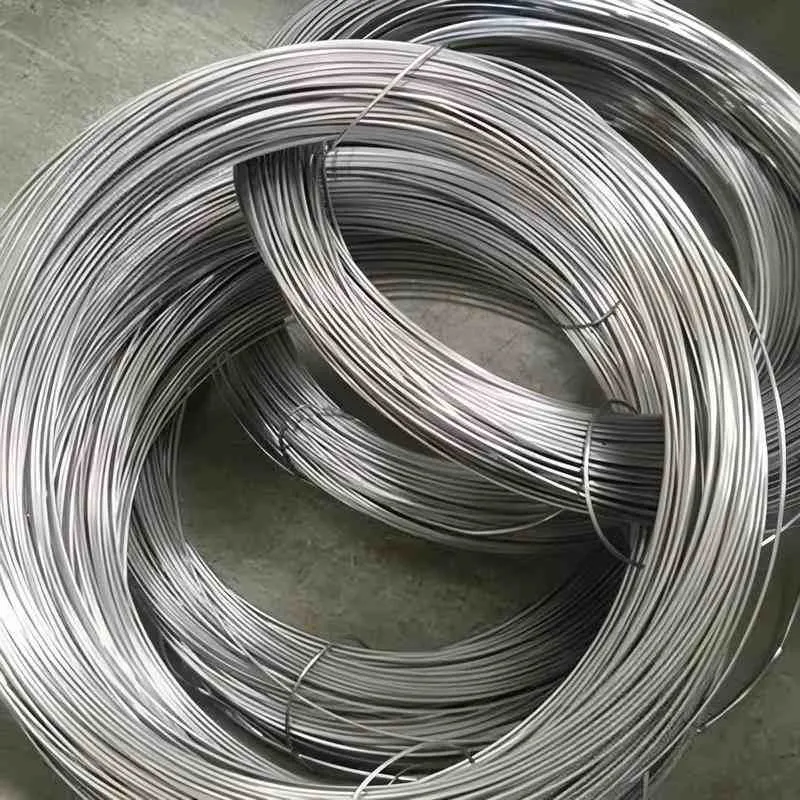
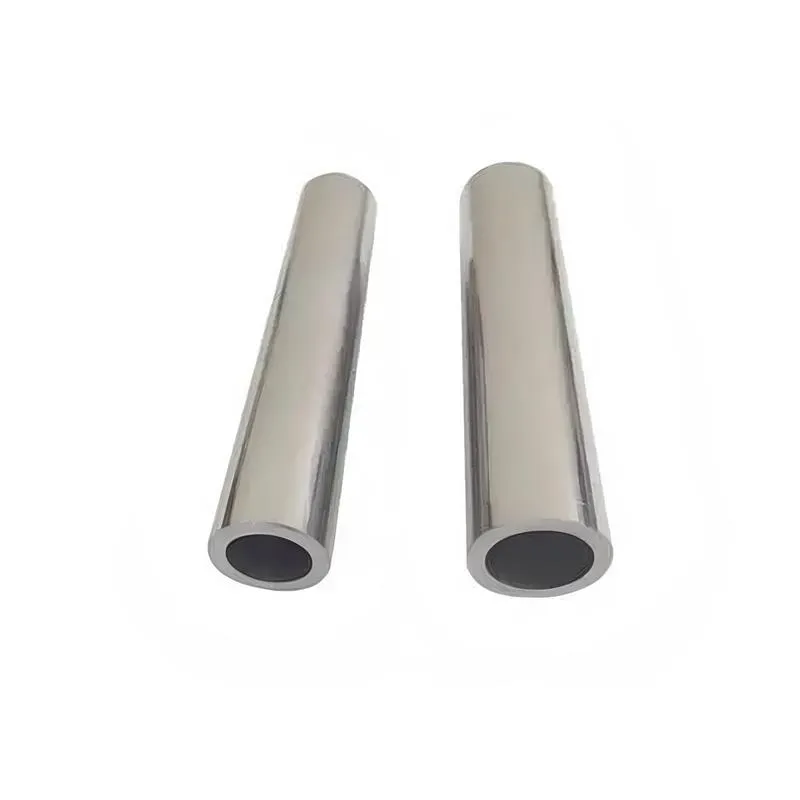
Sandvik,9RU10
Product Code : STI-GSTI-780-CU
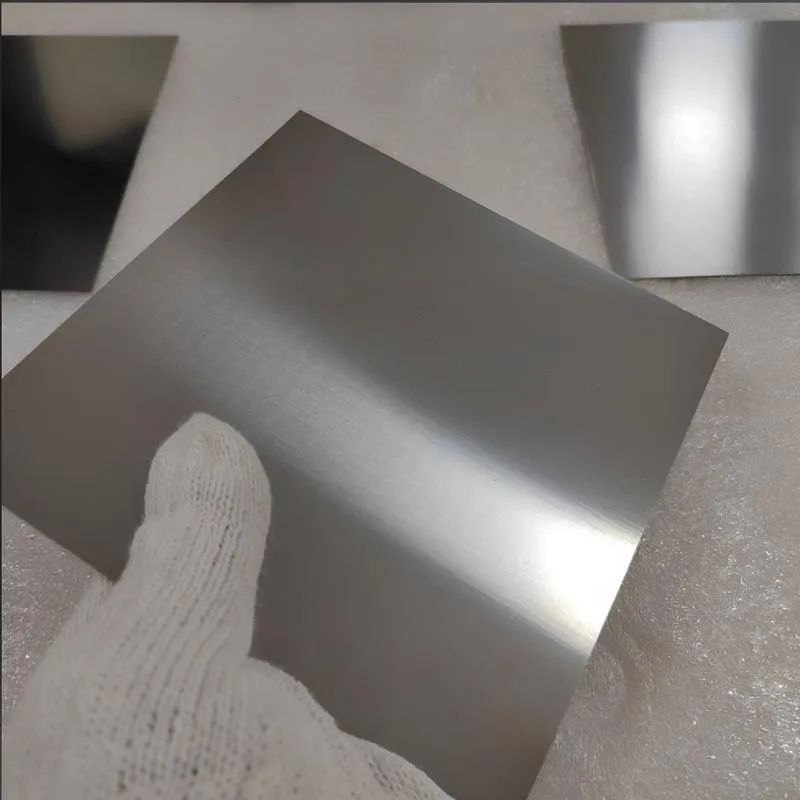
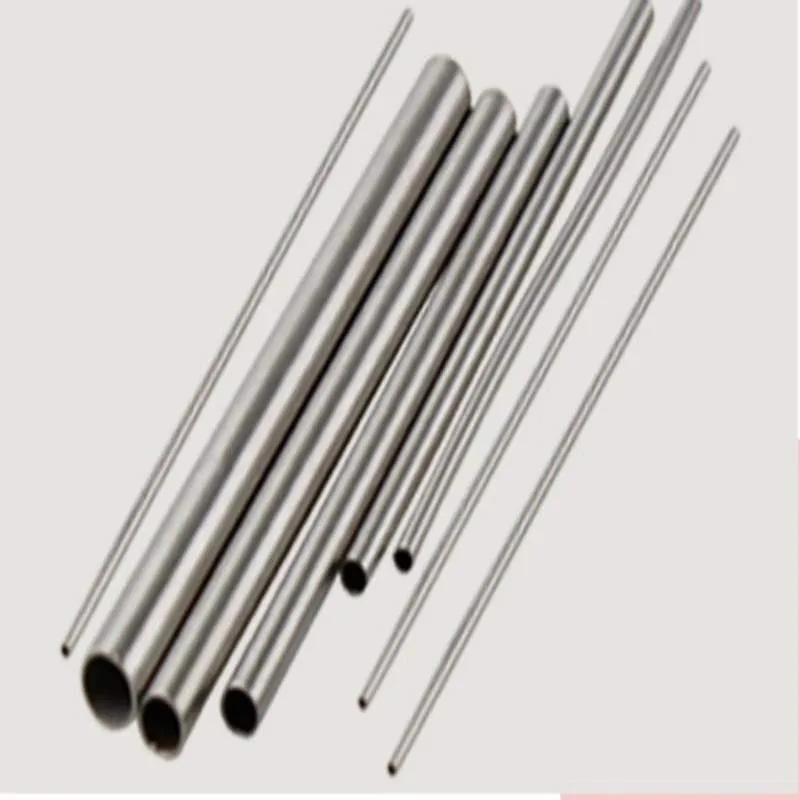
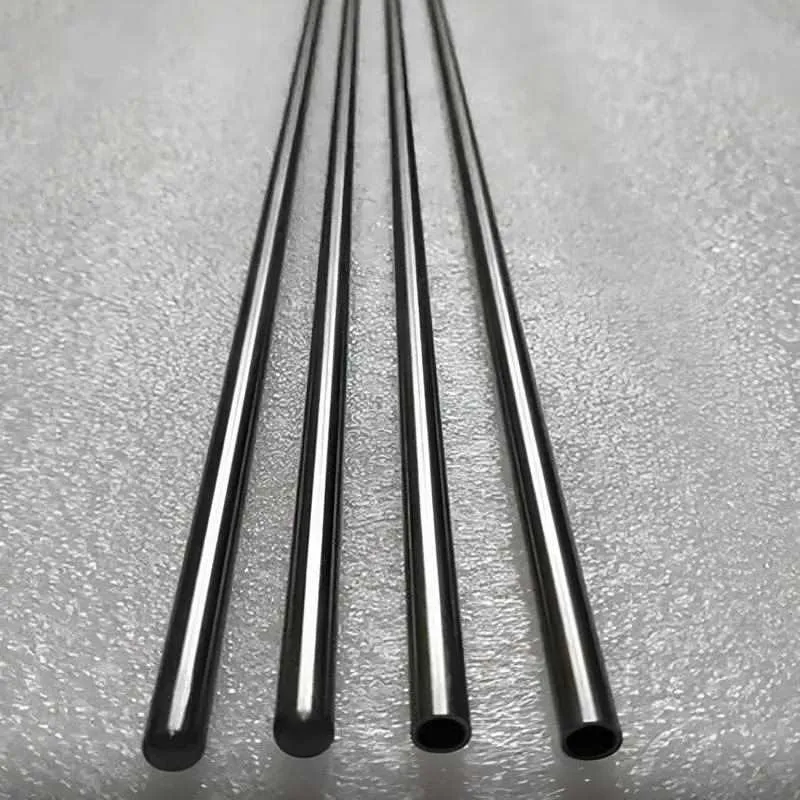
We provide Sandvik 9RU10 Spring Wire is available in Bar (Round bar, Flat bar), Ribbon, Wire, Rods, Tube,Seamless Tube,Pipe, Ingots, Plate, Sheet/Plate, Strip and Forging Stock.,Purity, chemical composition, size, etc. can all be customized to meet specific requirements.
Please contact us if you need customized services. We will contact you with the price and availability in 24 hours.
Sandvik 9RU10 Spring Wire Product Information
-:-
For detailed product information, please contact sales.
-:
Sandvik 9RU10 Spring Wire Synonyms
-:-
For detailed product information, please contact sales.
-:
Sandvik 9RU10 Spring Wire Product Information
-:-
For detailed product information, please contact sales.
-:
# Sandvik 9RU10 Ultra-High-Strength Patent-Tempered Spring Wire
## Overview
Sandvik 9RU10 is a **premium patent-tempered high-carbon spring steel wire** engineered for **ultra-high-strength spring applications where maximum tensile strength, exceptional fatigue performance, and superior surface quality are paramount**. This specialized wire represents the pinnacle of patent-tempered technology, offering **strength levels exceeding conventional oil-tempered wires while maintaining excellent formability and consistent performance**. 9RU10 is particularly valued in applications requiring **maximum space efficiency, high load capacity, and reliable performance under extreme stress conditions**.
## International Standards & Designations
| Standard System | Designation | Equivalent/Synonyms |
|----------------|-------------|-------------------|
| **Sandvik Proprietary** | 9RU10 | Primary commercial name |
| **ISO** | ISO 8458-2:2018 | Steel wire for mechanical springs - Patented cold-drawn non-alloy steel wire |
| **EN** | EN 10270-1:2011 | SH grade - Patented cold-drawn unalloyed steel wire |
| **ASTM** | ASTM A227 (Class III) | Cold-drawn steel mechanical spring wire |
| **JIS** | JIS G 3522 (SWP-B) | Hard-drawn steel wire for springs |
| **DIN** | Similar to DIN 17223-1 | German standard for cold-drawn spring wire |
| **Common Names** | "Ultra-High Tensile Patent Wire", "Piano Wire Grade Plus" | Industry terminology |
## Chemical Composition (Typical, % by weight)
| Element | Composition Range (%) | Key Characteristics | Functional Purpose |
|---------|----------------------|---------------------|-------------------|
| **Carbon (C)** | 0.70 - 0.80 | **Primary strengthening element** | Forms pearlite structure, provides maximum strength |
| **Manganese (Mn)** | 0.40 - 0.70 | Hardenability enhancer | Improves hardenability, controls sulfide morphology |
| **Silicon (Si)** | 0.10 - 0.30 | Deoxidizer | Minimal addition for steel cleanliness |
| **Phosphorus (P)** | ≤ 0.020 | Strict impurity control | Minimized for ductility and fatigue performance |
| **Sulfur (S)** | ≤ 0.020 | Strict impurity control | Minimized for improved fatigue life |
| **Chromium (Cr)** | ≤ 0.10 | Residual element | Naturally occurring, tightly controlled |
| **Nickel (Ni)** | ≤ 0.15 | Residual element | Limited for consistency |
| **Copper (Cu)** | ≤ 0.20 | Residual element | Controlled for surface quality |
| **Molybdenum (Mo)** | ≤ 0.05 | Residual element | Minimal impact |
| **Vanadium (V)** | ≤ 0.05 | Optional trace | Grain refinement if specified |
| **Iron (Fe)** | Balance | Base element | Matrix former |
**Special Composition Features:**
- **High Carbon Content**: 0.70-0.80% for maximum strength potential
- **Ultra-Clean Steel**: Exceptionally low sulfur and phosphorus (<0.020%) for superior fatigue performance
- **Minimal Alloying**: Primarily carbon-manganese steel for consistent properties
- **Precise Carbon Control**: Tight range for predictable strength and formability
- **Residual Element Control**: Strict limits for batch-to-batch consistency
**Special Manufacturing Features:**
- **Patented Process**: Creates fine, uniform pearlitic microstructure before drawing
- **Multi-Stage Drawing**: Progressive cold drawing with controlled reductions
- **Special Temper Treatment**: Optimized for maximum strength retention
- **Surface Perfection**: Advanced processing for ultra-smooth, defect-free surface
- **Precision Dimensional Control**: Industry-leading diameter and ovality tolerances
**Wire Specifications:**
- **Diameter Range**: 0.10 mm to 5.00 mm (comprehensive availability)
- **Tensile Strength Range**: 2200 - 3200 MPa (world-class strength levels)
- **Surface Condition**: Mirror-bright finish, essentially decarb-free
- **Dimensional Tolerances**: ±0.001 mm for diameters <1 mm, ±0.5% for larger sizes
- **Ovality Control**: <0.002 mm for critical applications
- **Spool Types**: Precision wound with tension control
- **Packaging**: Hermetically sealed with VCI protection
## Physical Properties
### **Basic Physical Properties:**
| Property | Typical Value | Test Conditions | Application Significance |
|----------|---------------|-----------------|-------------------------|
| **Density** | 7.85 g/cm³ | 20°C | Standard for carbon steels |
| **Melting Point** | 1430 - 1480°C | - | Processing consideration |
| **Thermal Conductivity** | 50 W/m·K | 20°C | Good heat dissipation |
| **Specific Heat Capacity** | 480 J/kg·K | 20°C | Thermal management |
| **Electrical Resistivity** | 0.18 μΩ·m | 20°C | Lower than alloyed steels |
| **Modulus of Elasticity** | 206 GPa | 20°C | Spring rate calculation basis |
| **Shear Modulus** | 79 GPa | 20°C | Torsional spring design |
| **Coefficient of Thermal Expansion** | 11.5 × 10⁻⁶/K | 20-200°C | Important for temperature applications |
| **Magnetic Properties** | Ferromagnetic | All conditions | Standard for ferritic steels |
### **Temperature-Dependent Properties:**
| Temperature | Modulus (GPa) | Strength Retention | Maximum Recommended |
|-------------|---------------|-------------------|----------------------|
| **20°C** | 206 | 100% | Reference temperature |
| **100°C** | 202 | 97% | Acceptable for short-term |
| **150°C** | 198 | 94% | Limited application |
| **200°C** | 194 | 90% | Not recommended |
| **Note**: Not designed for high-temperature service |
## Mechanical Properties
### **Standard Property Ranges by Diameter:**
| Wire Diameter (mm) | Tensile Strength (MPa) | Torsion Test (revs) | Fatigue Limit (MPa) |
|--------------------|------------------------|---------------------|---------------------|
| **0.10 - 0.30** | 2900 - 3200 | ≥ 60 | 750 - 850 |
| **0.31 - 0.80** | 2700 - 3000 | ≥ 55 | 700 - 800 |
| **0.81 - 1.50** | 2500 - 2800 | ≥ 50 | 650 - 750 |
| **1.51 - 2.50** | 2300 - 2600 | ≥ 45 | 600 - 700 |
| **2.51 - 4.00** | 2200 - 2500 | ≥ 40 | 550 - 650 |
| **4.01 - 5.00** | 2100 - 2400 | ≥ 35 | 500 - 600 |
### **Spring-Specific Mechanical Properties:**
| Property | Typical Value | Test Method | Importance for Spring Applications |
|----------|---------------|-------------|-----------------------------------|
| **Fatigue Limit (rotating bending)** | 500-850 MPa | ISO 1143 | Excellent for high-cycle applications |
| **Torsional Fatigue Strength** | 400-600 MPa | Custom test | Good for torsion applications |
| **Spring Elastic Limit** | 0.40 × UTS | Spring test | High usable stress range |
| **Set Resistance** | Very Good | Spring cycling | Consistent performance |
| **Hysteresis** | Low | Dynamic testing | Energy efficient |
| **Impact Toughness** | 15-30 J | Charpy V-notch | Adequate for spring applications |
### **Comparative Strength Advantages:**
| Wire Type | Typical UTS Range | Strength Advantage vs 9RU10 |
|-----------|------------------|----------------------------|
| **9RU10** | 2100-3200 MPa | Reference (100%) |
| **Oil-Tempered (SAE 1065)** | 1600-2100 MPa | 9RU10 is 25-50% stronger |
| **Stainless 302** | 1800-2200 MPa | 9RU10 is 15-45% stronger |
| **Music Wire (ASTM A228)** | 2000-2800 MPa | 9RU10 is 5-15% stronger |
| **Phosphor Bronze** | 800-1200 MPa | 9RU10 is 150-200% stronger |
## Manufacturing & Processing Characteristics
### **Production Process Flow:**
| Process Stage | Key Parameters | Quality Features for 9RU10 |
|---------------|----------------|--------------------------|
| **Steelmaking** | Electric arc + ladle refining | Ultra-low S, P (<0.020%) |
| **Continuous Casting** | Electromagnetic stirring | Uniform composition |
| **Hot Rolling** | Precise temperature schedule | Fine grain structure |
| **Patenting** | 850-920°C → 450-550°C lead bath | **Fine pearlitic structure** |
| **Acid Pickling** | Controlled multi-stage | Scale-free surface |
| **Multi-Stage Drawing** | Progressive heavy reductions | **Extreme work hardening** |
| **Stress Relieving** | 200-300°C low temperature | **Temper treatment** |
| **Surface Finishing** | Special polishing process | **Mirror-bright finish** (Ra < 0.2 μm) |
### **Spring Manufacturing Guidelines:**
| Process | Recommended Parameters | Special Considerations for 9RU10 |
|---------|------------------------|---------------------------------|
| **Coiling** | Room temperature, slow speed | **High springback**, precise mandrel required |
| **Stress Relieving** | 200-250°C, 30-60 minutes | **Essential** for stability |
| **Shot Peening** | Light to medium intensity | Can significantly improve fatigue |
| **Presetting** | To solid height | Reduces set, stabilizes dimensions |
| **Surface Protection** | **Essential** - plating/coating | High corrosion susceptibility |
| **Handling** | Careful to avoid nicks/scratches | Surface defects critically important |
### **Microstructural Characteristics:**
- **Grain Size**: ASTM 11-13 (extremely fine)
- **Microstructure**: Fine, aligned pearlite with minimal pro-eutectoid ferrite
- **Decarburization**: Essentially eliminated (<0.001 mm depth)
- **Inclusion Rating**: ASTM E45 A ≤0.5, B ≤0.5, C ≤0.5, D ≤0.5 (superior)
- **Surface Condition**: Ra < 0.2 μm (near-mirror finish)
- **Residual Stress**: Carefully controlled compressive surface layer
## Product Applications
### **Precision Instruments & Devices:**
1. **Measuring Instruments:**
- Precision gauge springs
- Test equipment components
- Laboratory instrument springs
- Calibration device springs
2. **Electrical & Electronic:**
- Relay and contactor springs
- Switch components
- Connector contact springs
- Circuit breaker springs
- Miniature motor brushes
### **Medical Devices & Equipment:**
1. **Surgical Instruments:**
- Retractor springs
- Forceps components
- Endoscopic device springs
- Dental instrument springs
2. **Medical Equipment:**
- Diagnostic device springs
- Pump components
- Valve springs in medical devices
- Disposable device mechanisms
### **Consumer Products:**
1. **Writing Instruments:**
- Pen mechanisms
- Mechanical pencil components
- Marker spring mechanisms
2. **Timepieces & Jewelry:**
- Watch mainsprings (certain types)
- Clock mechanisms
- Jewelry clasp springs
3. **Small Mechanisms:**
- Latch mechanisms
- Lock components
- Toy mechanisms
- Appliance components
### **Industrial Components:**
1. **Precision Mechanisms:**
- Camera shutter mechanisms
- Optical device springs
- Meter movement springs
- Control device components
2. **Small Automotive Components:**
- Instrument cluster springs
- Switch mechanisms
- Sensor components
- Locking mechanisms
### **Specialized Applications:**
1. **Aerospace Instrumentation:**
- Avionics components
- Guidance system springs
- Sensor mechanisms
2. **Defense Equipment:**
- Fuse mechanisms
- Safety device components
- Optical sight mechanisms
3. **High-Performance Sporting Goods:**
- Precision fishing reel components
- Firearm mechanisms
- Competition equipment springs
## Performance Characteristics
### **Fatigue Performance:**
| Condition | Fatigue Limit (MPa) | Cycles to Failure | Relative Performance |
|-----------|---------------------|-------------------|----------------------|
| **Standard R=-1** | 500-850 | >10⁷ | Excellent for strength level |
| **With Shot Peening** | 600-950 | >10⁷ | Significant improvement |
| **Surface Protected** | 450-800 | >10⁷ | Maintained with coatings |
| **Actual Spring Service** | 400-700 | >10⁸ | Field verified in applications |
### **Formability & Springback Characteristics:**
| Wire Diameter (mm) | Recommended Bend Ratio | Springback Factor | Forming Difficulty |
|--------------------|------------------------|-------------------|-------------------|
| **<0.50** | 2-3 × diameter | 10-15° | Moderate |
| **0.51-1.00** | 3-4 × diameter | 15-20° | Moderate-High |
| **1.01-2.00** | 4-5 × diameter | 20-25° | High |
| **>2.00** | 5-6 × diameter | 25-30° | Very High |
### **Corrosion Performance:**
- **Inherent Resistance**: Very poor - high carbon steel susceptible to corrosion
- **Protection Required**: Essential for any application
- **Recommended Coatings**: Zinc plating, nickel plating, cadmium (aerospace), organic coatings
- **Service Environment**: Indoor, controlled environments only
- **Maintenance**: Regular inspection recommended in critical applications
## Quality Control & Testing
### **Comprehensive Testing Protocol:**
| Test Category | Specific Tests | Frequency | Standards |
|---------------|---------------|-----------|-----------|
| **Chemical Analysis** | Full elemental analysis | Per heat | ISO 5725, ASTM E415 |
| **Mechanical Testing** | Tensile, torsion, hardness | Per batch | ISO 6892, ISO 7800 |
| **Metallurgical** | Microstructure, decarb, grain size | Per heat | ASTM E112, E1077 |
| **Surface Quality** | Visual, roughness, defects | 100% inspection | ISO 8501, ISO 4287 |
| **Dimensional** | Diameter, ovality, straightness | Continuous | ISO 286, ISO 6316 |
| **Non-Destructive** | Eddy current, magnetic particle | 100% for all material | ASTM E309, E1444 |
### **Specialized Testing for Ultra-High Strength:**
1. **Microcleanliness Analysis**:
- Inclusion counting and rating
- Oxide and sulfide distribution
- Cleanliness index calculation
2. **Surface Integrity Testing**:
- Surface roughness profiling
- Decarburization depth measurement
- Subsurface defect detection
3. **Fatigue Testing Suite**:
- High-cycle fatigue testing
- Surface condition sensitivity testing
- Coating adhesion and effect testing
### **Sandvik's Premium Quality Features:**
- **Statistical Process Control**: Real-time monitoring of all critical parameters
- **Full Traceability**: Complete history from melt to finished wire
- **Surface Perfection**: Industry-leading surface quality standards
- **Consistency Assurance**: Batch-to-batch reproducibility within tight limits
- **Technical Certification**: Comprehensive 3.1/3.2 certificates available
## Technical Advantages
### **Material Advantages:**
1. **Exceptional Strength Levels**: Among highest available for cold-drawn wire
2. **Superior Surface Quality**: Essentially decarb-free, mirror-bright finish
3. **Excellent Fatigue Performance**: Good for high-cycle applications
4. **Consistent Properties**: Reproducible batch-to-batch performance
5. **Space Efficiency**: Maximum strength enables ultra-compact designs
### **Processing Advantages:**
1. **Ultra-Clean Steel**: Minimized inclusions for improved performance
2. **Surface Perfection**: Near-ideal surface for fatigue resistance
3. **Precise Dimensional Control**: Industry-leading tolerances
4. **Optimized Microstructure**: Fine, uniform pearlite structure
5. **Controlled Residual Stresses**: Beneficial compressive surface stresses
### **Application-Specific Advantages:**
1. **Miniature Springs**: Enables extremely small spring designs
2. **High-Load Applications**: Maximum load capacity in minimum space
3. **Precision Applications**: Consistent performance for critical functions
4. **Dynamic Applications**: Good for high-cycle fatigue conditions
5. **Cost-Effective Strength**: Premium performance at reasonable cost
## Limitations & Considerations
### **Technical Limitations:**
1. **Corrosion Resistance**: Very poor - requires complete protection
2. **Temperature Limit**: Maximum ~150°C for very short periods
3. **Formability Challenges**: High springback, requires skilled manufacturing
4. **Not for High Temperatures**: Strength degrades rapidly with temperature
5. **Surface Sensitivity**: Critical performance depends on surface integrity
### **Design Considerations:**
1. **Spring Design**: Must account for high springback and formability challenges
2. **Stress Levels**: Design within conservative fatigue limits
3. **Corrosion Protection**: Essential design consideration
4. **Manufacturing Methods**: Requires precision equipment and skilled operators
5. **Quality Verification**: Critical importance of surface inspection
### **Economic Considerations:**
1. **Material Cost**: Premium over standard patent-tempered wires
2. **Processing Cost**: May require specialized handling and equipment
3. **Protection Cost**: Additional cost for necessary surface coatings
4. **Lifecycle Cost**: Can be favorable with proper protection and application
5. **Total Cost of Ownership**: Good value for space-constrained, high-load applications
## Comparative Analysis
### **vs. Other High-Strength Wires:**
| Parameter | Sandvik 9RU10 | Music Wire (A228) | Oil-Tempered (SAE 1065) | Stainless 302 |
|-----------|---------------|-------------------|-------------------------|---------------|
| **Tensile Strength** | 2100-3200 MPa | 2000-2800 MPa | 1600-2100 MPa | 1800-2200 MPa |
| **Fatigue Limit/UTS** | 0.25-0.30 | 0.25-0.30 | 0.30-0.35 | 0.30-0.35 |
| **Corrosion Resistance** | Very Poor | Very Poor | Poor | Excellent |
| **Maximum Temperature** | 150°C | 120°C | 180°C | 250°C |
| **Cost** | Medium-High | Medium | Low | High |
### **vs. Other Patent-Tempered Grades:**
| Grade | UTS Range | Surface Quality | Fatigue Performance | Typical Applications |
|-------|-----------|----------------|-------------------|----------------------|
| **9RU10** | 2100-3200 MPa | Excellent | Excellent | Precision, high-load |
| **Standard Patent** | 1800-2500 MPa | Good | Good | General purpose |
| **Improved Patent** | 2000-2800 MPa | Very Good | Very Good | Enhanced applications |
| **Music Wire Equivalent** | 2000-2800 MPa | Good | Good | General precision |
## Technical Support & Services
### **Sandvik Support Structure:**
1. **Application Engineering**: Spring design optimization for ultra-high-strength applications
2. **Material Selection**: Guidance on when 9RU10 is appropriate
3. **Processing Guidance**: Specialized manufacturing recommendations
4. **Troubleshooting**: Problem-solving for high-strength spring production
5. **Testing Support**: Assistance with qualification and validation
### **Available Resources:**
- **Technical Data Sheets**: Comprehensive property information
- **Application Guides**: Precision spring manufacturing guidelines
- **Design Manuals**: Special considerations for ultra-high-strength design
- **Case Studies**: Successful application examples
- **Training Programs**: Technical training for precision spring manufacturers
## Future Developments
### **Material Innovations:**
1. **Enhanced Surface Treatments**: Improved coating adhesion technologies
2. **Process Optimization**: Better control of ultra-fine microstructures
3. **Cleanliness Improvements**: Even lower inclusion content
4. **Consistency Enhancements**: Tighter property distributions
5. **Sustainability**: Reduced environmental impact in production
### **Market Trends:**
1. **Miniaturization**: Increasing demand for smaller, stronger springs
2. **Precision Requirements**: Higher accuracy in medical and electronic devices
3. **Performance Demands**: Need for higher strength in existing spaces
4. **Global Standards**: Harmonization of ultra-high-strength specifications
5. **New Applications**: Expanding use in emerging technologies
## Conclusion
Sandvik 9RU10 represents the **pinnacle of patent-tempered high-carbon spring wire technology**, offering **exceptional strength levels, superior surface quality, and reliable performance** for the most demanding precision spring applications. This specialized material provides **industry-leading tensile strength** while maintaining **excellent fatigue performance** and **consistent properties**, making it ideal for applications where **maximum strength in minimum space** is critical.
**Key advantages** of 9RU10 include:
1. **Exceptional strength levels** enabling ultra-compact, high-load spring designs
2. **Superior surface quality** with essentially decarb-free, mirror-bright finish
3. **Excellent fatigue performance** for high-cycle precision applications
4. **Consistent properties** with batch-to-batch reproducibility
5. **Proven performance** in demanding precision and miniature applications
**Primary application areas** where 9RU10 excels:
- Precision instruments and measuring devices
- Medical equipment and surgical instruments
- Electrical and electronic components
- Miniature mechanisms and consumer products
- Any application requiring maximum strength in minimal space
**Critical considerations** for material selection and use:
1. **Corrosion protection essential** - material has very poor inherent corrosion resistance
2. **Temperature limitations** - not suitable for elevated temperature applications
3. **Manufacturing expertise required** - high springback and formability challenges
4. **Surface sensitivity** - performance critically dependent on surface integrity
5. **Proper application** - best suited for precision, space-constrained designs
For applications where **spring size minimization, maximum load capacity, and precision performance** are paramount, and where **environmental protection can be assured**, Sandvik 9RU10 offers a **technologically superior solution** that enables breakthrough designs and enhanced product performance. Its **proven track record in precision instruments, medical devices, and high-performance mechanisms** demonstrates its capability to deliver **exceptional performance in demanding applications**.
While the **specialized nature** of 9RU10 requires **careful application engineering and manufacturing expertise**, for **appropriate precision applications** it provides **exceptional value** through enabling smaller, lighter, and more capable product designs. The material's **proven ability to deliver ultra-high strength with reliable performance** makes it the **preferred choice** for engineers and designers facing the most challenging space and performance constraints in spring design.
-:-
For detailed product information, please contact sales.
-:
Sandvik 9RU10 Spring Wire Specification
Dimensions
Size:
Diameter 20-1000 mm Length <7436 mm
Size:We can customized as required
Standard:
Per your request or drawing
We can customized as required
Properties(Theoretical)
Chemical Composition
-:-
For detailed product information, please contact sales.
-:
Sandvik 9RU10 Spring Wire Properties
-:-
For detailed product information, please contact sales.
-:
Applications of Sandvik 9RU10 Spring Wire
-:-
For detailed product information, please contact sales.
-:
Chemical Identifiers Sandvik 9RU10 Spring Wire
-:-
For detailed product information, please contact sales.
-:
Packing of Sandvik 9RU10 Spring Wire
-:-
For detailed product information, please contact sales.
-:
Standard Packing:
-:-
For detailed product information, please contact sales.
-:
Typical bulk packaging includes palletized plastic 5 gallon/25 kg. pails, fiber and Steel Sheet/Plate drums to 1 ton super sacks in full container (FCL) or truck load (T/L) quantities. Research and sample quantities and hygroscopic, oxidizing or other air sensitive materials may be packaged under argon or vacuum. Solutions are packaged in polypropylene, plastic or glass jars up to palletized 3907 gallon liquid totes Special package is available on request. E FORUs’ is carefully handled to minimize damage during storage and transportation and to preserve the quality of our products in their original condition