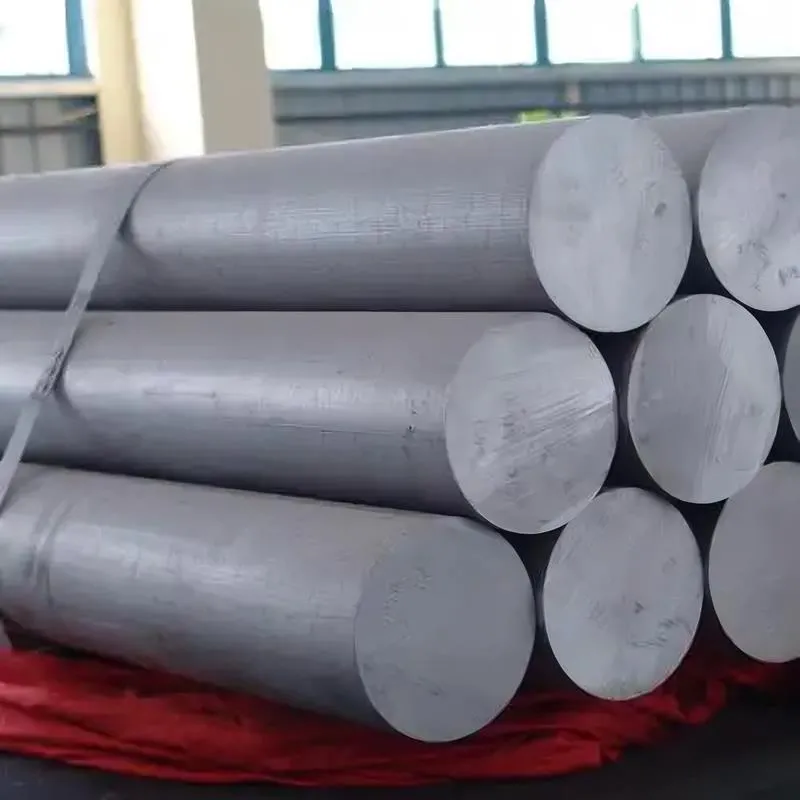
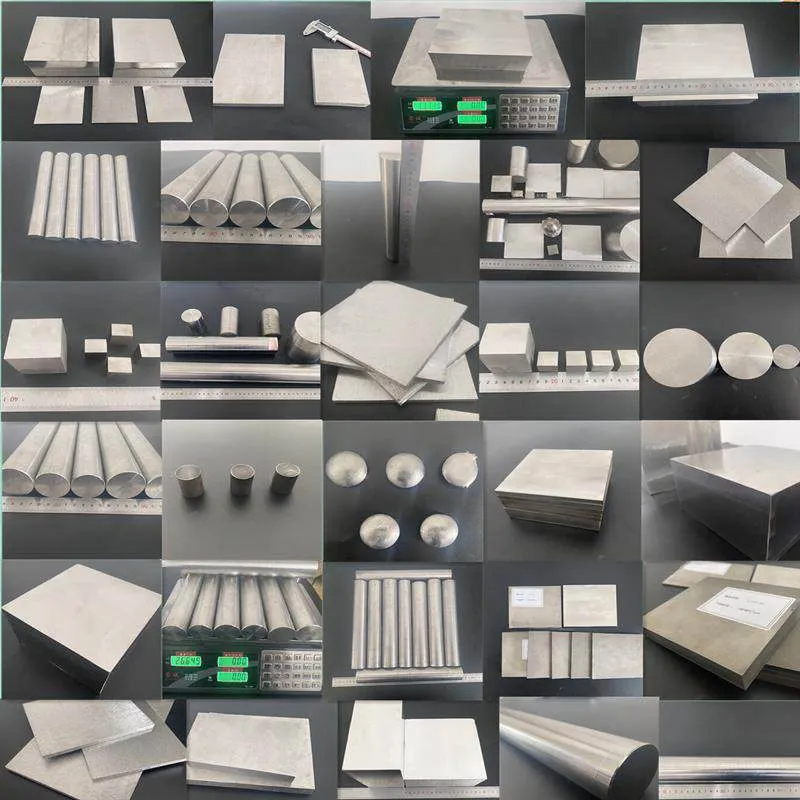
Sandvik,Osprey 1.2709 Tool Steel Rod/Bar
Product Code : STI-GSTI-462-CU
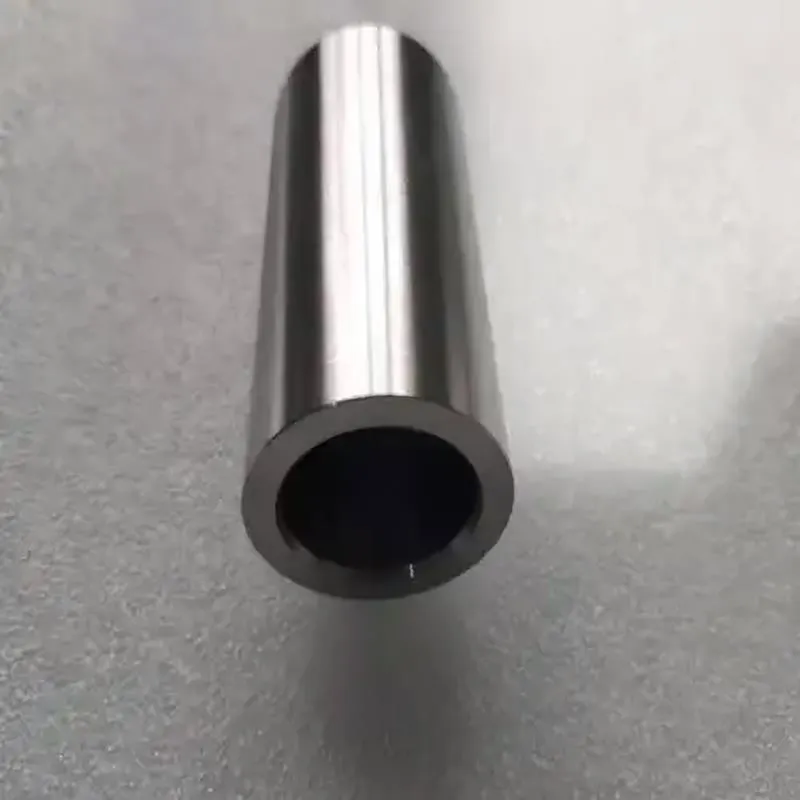
We provide Sandvik Osprey 1.2709 Tool Steel Rod/Bar Powder is available in Bar (Round bar, Flat bar), Ribbon, Wire, Rod/Bars, Tube,Seamless Tube,Pipe, Ingots, Plate, Sheet, Strip and Forging Stock.,Purity, chemical composition, size, etc. can all be customized to meet specific requirements.
Please contact us if you need customized services. We will contact you with the price and availability in 24 hours.
Sandvik Osprey 1.2709 Tool Steel Rod Powder Product Information
-:-
For detailed product information, please contact sales.
-:
Sandvik Osprey 1.2709 Tool Steel Rod Powder Synonyms
-:-
For detailed product information, please contact sales.
-:
Sandvik Osprey 1.2709 Tool Steel Powder Product Information
-:-
For detailed product information, please contact sales.
-:
# **Sandvik Osprey™ 1.2709 (18Ni300) Maraging Steel Powder | Premium Gas-Atomized Maraging Steel for Additive Manufacturing**
## **Overview**
Sandvik Osprey™ 1.2709 is a high-performance, gas-atomized maraging steel powder optimized for Additive Manufacturing (AM) processes, based on the widely recognized 1.2709 (18Ni300) maraging steel grade. This powder leverages Sandvik's proprietary gas atomization technology to deliver exceptional powder quality with **high sphericity, consistent particle size distribution, low oxygen content, and excellent flowability**. 1.2709 belongs to the family of low-carbon, iron-nickel maraging steels, renowned for their unique combination of ultra-high strength, toughness, and dimensional stability after a simple aging heat treatment. Specifically engineered for Laser Powder Bed Fusion (L-PBF) and Direct Energy Deposition (DED), Osprey™ 1.2709 enables the production of complex, high-performance components for demanding tooling, aerospace, and industrial applications, often achieving mechanical properties superior to conventional counterparts.
## **Key Features:**
* **Optimized for AM:** Chemistry and powder morphology are fine-tuned for superior processability in L-PBF and DED systems.
* **Exceptional Powder Quality:** High sphericity (>95%), controlled particle size distribution (15-53 µm typical), minimal satellites, and excellent flowability ensure consistent, high-density builds.
* **Superior As-Built Properties:** Achieves high strength and good toughness directly after printing, requiring only a simple aging treatment to reach peak performance.
* **Minimal Distortion:** Undergoes negligible dimensional change (<0.1%) during the low-temperature aging process, critical for precision components.
* **Excellent Weldability & Processability:** Ultra-low carbon content (<0.03%) significantly reduces hot cracking susceptibility during AM.
* **Simple Heat Treatment:** Hardening is achieved through a single-step aging process (typically 480-500°C for 3-8 hours), eliminating complex quenching.
* **High Recyclability:** Powder maintains consistent chemical and physical properties over multiple reuse cycles with proper handling.
* **Outstanding Fatigue Resistance:** Excellent performance under cyclic loading conditions, especially in high-cycle fatigue regimes.
---
## **Material Specifications: Osprey™ 1.2709 (18Ni300)**
### **1. Chemical Composition (wt%)**
| Element | Content Range (wt%) | Function & AM Considerations |
| :--- | :--- | :--- |
| **Nickel (Ni)** | 17.0 - 19.0 | Primary matrix element; forms intermetallic precipitates (Ni₃Ti, Ni₃Mo). |
| **Cobalt (Co)** | 8.50 - 9.50 | Reduces solubility of Mo in the Fe-Ni matrix, enhancing precipitation hardening efficiency. |
| **Molybdenum (Mo)** | 4.50 - 5.20 | Major hardening element; contributes to precipitate formation. |
| **Titanium (Ti)** | 0.60 - 0.80 | Primary hardening element; forms fine, coherent Ni₃Ti precipitates during aging. |
| **Aluminum (Al)** | 0.05 - 0.15 | Acts as a deoxidizer and forms minor strengthening phases. |
| **Silicon (Si)** | ≤ 0.10 | Minimized to reduce slag formation during atomization. |
| **Manganese (Mn)** | ≤ 0.10 | Tightly controlled to prevent segregation. |
| **Carbon (C)** | ≤ 0.03 | **Ultra-low** to ensure supreme toughness, weldability, and AM processability. |
| **Sulfur (S)** | ≤ 0.010 | Minimized to enhance ductility and toughness. |
| **Phosphorus (P)** | ≤ 0.010 | Minimized to prevent grain boundary embrittlement. |
| **Oxygen (O)** | ≤ 0.010 | Critically low to minimize oxide inclusions and ensure optimal mechanical properties. |
| **Iron (Fe)** | Balance | Matrix. |
**AM-Optimized Powder Characteristics:**
* **Tight Impurity Control:** Lower S, P, and O₂ levels than typical wrought specifications ensure better AM performance.
* **Balanced Ti/Mo Ratio:** Optimized for the rapid solidification characteristics of AM to promote fine, uniform precipitation.
* **Gas Content:** Oxygen typically <100 ppm, nitrogen <50 ppm.
* **Powder Morphology:** High sphericity ensures excellent flowability and consistent powder bed density.
### **2. Powder Characteristics**
| Property | Specification | Test Method |
| :--- | :--- | :--- |
| **Particle Size Distribution** | 15 - 53 µm (D10: 18-25 µm, D50: 30-40 µm, D90: 48-53 µm) | ISO 13320 |
| **Apparent Density** | 4.0 - 4.3 g/cm³ | ISO 3923-1 |
| **Tap Density** | 4.4 - 4.7 g/cm³ | ISO 3953 |
| **Flowability (Hall Flowmeter)** | 20 - 25 s/50g | ISO 4490 |
| **Sphericity** | > 95% | Image Analysis (SEM) |
| **Satellite Particles** | < 3% by count | SEM Analysis |
| **Hausner Ratio** | 1.08 - 1.12 | Calculated (Tap/Apparent Density) |
| **Moisture Content** | < 0.02% | Karl Fischer Titration |
### **3. Mechanical & Physical Properties**
**Typical Properties in Key Conditions:**
| Condition | Heat Treatment | Hardness (HRC) | UTS (MPa) | 0.2% YS (MPa) | Elongation (%) | Charpy Impact (J) |
| :--- | :--- | :--- | :--- | :--- | :--- | :--- |
| **As-Built (L-PBF)** | Directly after build | 32 - 36 | 1,000 - 1,200 | 850 - 1,000 | 8 - 12 | 40 - 60 |
| **Solution Annealed** | 820°C, 1h, AC | 28 - 32 | 900 - 1,000 | 750 - 850 | 12 - 16 | 50 - 70 |
| **Peak Aged** | **490°C, 6h, AC** | **52 - 55** | **1,900 - 2,100** | **1,800 - 2,000** | **6 - 8** | **18 - 25** |
| **Overaged (Tough)** | 540°C, 6h, AC | 46 - 48 | 1,450 - 1,600 | 1,350 - 1,500 | 10 - 12 | 40 - 55 |
**Physical Properties:**
* **Density:** ~8.1 g/cm³
* **Melting Range:** 1410 - 1450 °C
* **Thermal Conductivity:** ~20 W/m·K @ 20°C
* **Coefficient of Thermal Expansion:** ~10.5 x 10⁻⁶ /K (20-100°C)
* **Young's Modulus:** ~180 GPa
**Advanced Properties:**
* **Fatigue Strength (10⁷ cycles, R=-1):** 650 - 750 MPa (Aged condition)
* **Fracture Toughness (K₁c):** 70 - 90 MPa√m (Aged); 100 - 130 MPa√m (Overaged)
* **Build Density:** > 99.7% with optimized L-PBF parameters.
### **4. Microstructural Characteristics**
* **As-Built:** Fine cellular/dendritic solidification structure within a soft, low-carbon martensitic matrix.
* **Aged:** Uniform dispersion of nano-scale intermetallic precipitates (Ni₃Ti, Fe₂Mo, Ni₃Mo) within the martensitic matrix, responsible for peak strength.
* **Porosity:** Typically < 0.3% with optimized parameters.
* **Inclusions:** Very low oxide/sulfide content due to high-purity powder and controlled AM atmosphere.
---
## **Additive Manufacturing Process Guidelines**
### **Recommended L-PBF Parameters (Baseline):**
| Parameter | Typical Range | Notes |
| :--- | :--- | :--- |
| **Laser Power** | 200 - 350 W | Machine and layer thickness dependent. |
| **Scan Speed** | 800 - 1200 mm/s | Optimize for density and surface quality. |
| **Layer Thickness** | 30 - 60 µm | 40 µm is commonly used. |
| **Hatch Spacing** | 100 - 140 µm | 110 - 120 µm is typical. |
| **Scan Strategy** | Stripes/Chessboard with 67° rotation | Reduces residual stress and anisotropy. |
| **Preheat Temperature** | 80 - 150 °C | Helps mitigate thermal stresses. |
| **Atmosphere** | Argon (O₂ < 500 ppm recommended) | Nitrogen can also be used. |
### **Heat Treatment Guidelines:**
1. **Stress Relief (Optional):** 650°C for 1-2 hours. Reduces residual stresses prior to machining.
2. **Solution Annealing (Optional for Machining):** 820°C ± 10°C for 1 hour per 25mm, air cool. Produces a soft, machinable condition (~30 HRC).
3. **Aging (Primary Hardening):**
* **Temperature:** 480 - 510°C (490°C is standard).
* **Time:** 3 - 8 hours (6 hours is typical).
* **Cooling:** Air cool.
* **Result:** Achieves peak strength (52-55 HRC, ~2000 MPa UTS).
---
## **Product Applications**
**Tooling & Molds:**
* **Injection Molds:** High-wear inserts, cores, and cavities featuring **conformal cooling channels** for dramatically reduced cycle times.
* **Die Casting Tooling:** Cores and inserts for aluminum and zinc casting, benefiting from high thermal fatigue resistance.
* **Stamping & Forming Dies:** Punches, dies, and shear blades requiring high strength and wear resistance.
* **Blow Molds & Thermoforming Tools.**
**Aerospace & Defense:**
* **Structural Components:** Lightweight brackets, fittings, mounts, and housings.
* **Rocket & UAV Components:** Engine parts, combustion chambers, lightweight structures.
* **Landing Gear Parts:** Non-primary structural components.
**Industrial & High-Performance Applications:**
* **Hydraulic Manifolds:** Complex internal channels for optimized fluid flow.
* **Motorsport Components:** Lightweight, high-strength parts (gears, suspension components).
* **Medical & Surgical Instruments:** Non-implant components requiring high strength, precision, and sterilizability.
* **Robotics:** End-effectors, grippers, and structural frames.
---
## **Standards & Certifications**
### **Applicable International Standards:**
* **Material Standard:** **DIN 1.2709** / **X3NiCoMoTi18-9-5** (Equivalent to 18Ni300).
* **AM Process Standards:** ISO/ASTM 52900, ISO 17296-3.
* **Powder Standards:** ASTM F3049 (Characterizing Metal Powders).
* **Aerospace Reference:** AMS 6514 (for conventional 18Ni300).
### **Quality Assurance:**
* **Certification:** Each batch supplied with a Material Certificate 3.1 per **EN 10204**.
* **Traceability:** Full chemical analysis and powder property data provided.
* **Reusability Data:** Supported by documentation on powder aging and performance over multiple cycles.
---
## **Safety & Handling**
* **Storage:** Store in sealed, moisture-proof containers under inert gas or dry air.
* **Handling:** Mandatory use of PPE: respirator (NIOSH P100), gloves, and safety glasses. Use local exhaust ventilation.
* **Fire Safety:** Metal powder fire hazard. Use Class D fire extinguishers. Never use water.
* **Health:** Nickel and Cobalt are known sensitizers. Avoid inhalation and skin contact.
---
**Disclaimer:**
The information presented is based on typical data for Sandvik Osprey™ 1.2709 powder. Actual properties and performance depend on specific AM system, process parameters, part design, and post-processing. This document does not constitute a product specification or warranty. Users must validate the material and process for their specific application. Sandvik reserves the right to modify product specifications. Osprey™ is a trademark of Sandvik AB. Always adhere to local safety regulations and the provided Material Safety Data Sheet (MSDS).
-:-
For detailed product information, please contact sales.
-:
Sandvik Osprey 1.2709 Tool Steel Powder Specification
Dimensions
Size:
Diameter 20-1000 mm Length <7118 mm
Size:We can customized as required
Standard:
Per your request or drawing
We can customized as required
Properties(Theoretical)
Chemical Composition
-:-
For detailed product information, please contact sales.
-:
Sandvik Osprey 1.2709 Tool Steel Powder Properties
-:-
For detailed product information, please contact sales.
-:
Applications of Sandvik Osprey 1.2709 Tool Steel Rod Powder
-:-
For detailed product information, please contact sales.
-:
Chemical Identifiers Sandvik Osprey 1.2709 Tool Steel Rod Powder
-:-
For detailed product information, please contact sales.
-:
Packing of Sandvik Osprey 1.2709 Tool Steel Rod Powder
-:-
For detailed product information, please contact sales.
-:
Standard Packing:
-:-
For detailed product information, please contact sales.
-:
Typical bulk packaging includes palletized plastic 5 gallon/25 kg. pails, fiber and Steel Rod drums to 1 ton super sacks in full container (FCL) or truck load (T/L) quantities. Research and sample quantities and hygroscopic, oxidizing or other air sensitive materials may be packaged under argon or vacuum. Solutions are packaged in polypropylene, plastic or glass jars up to palletized 3589 gallon liquid totes Special package is available on request. E FORUs’ is carefully handled to minimize damage during storage and transportation and to preserve the quality of our products in their original condition