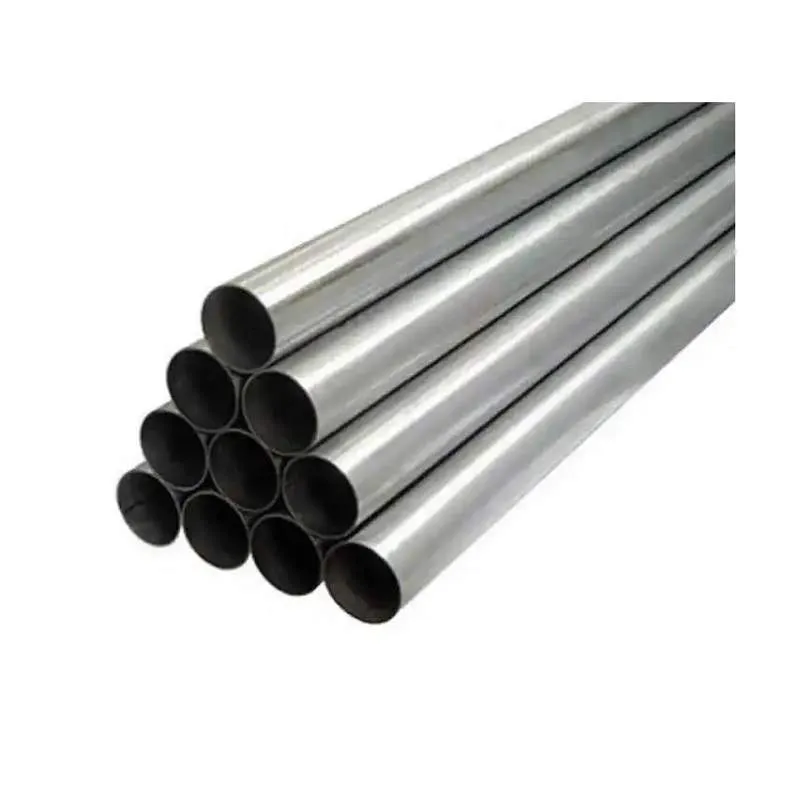
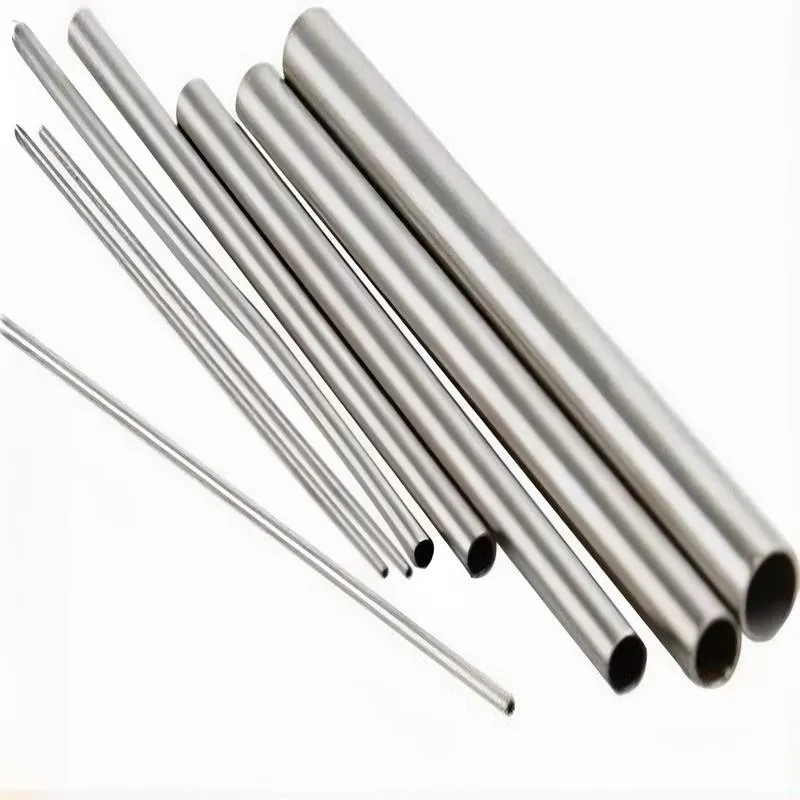
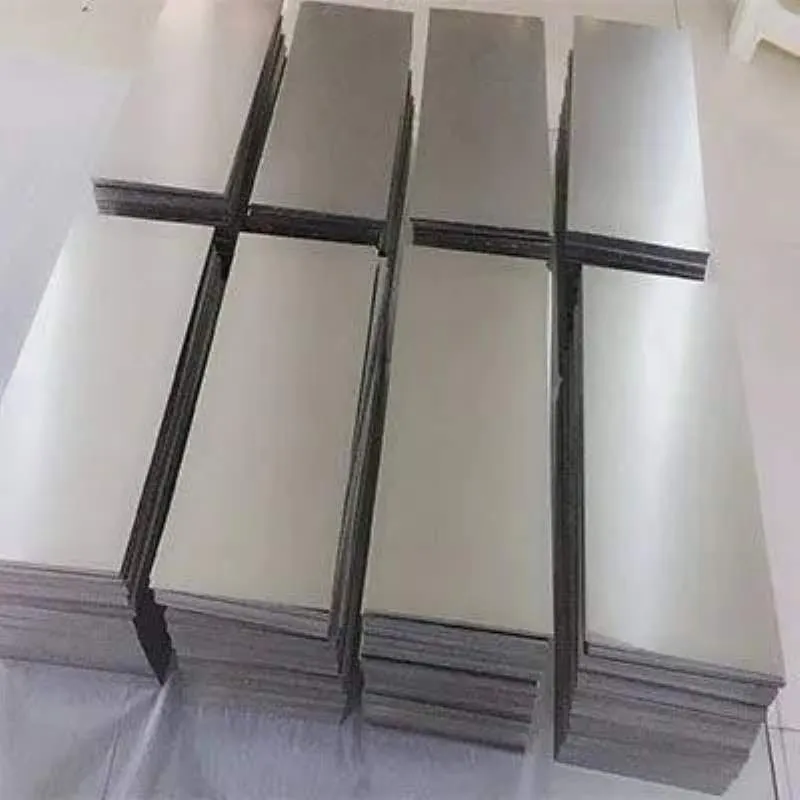
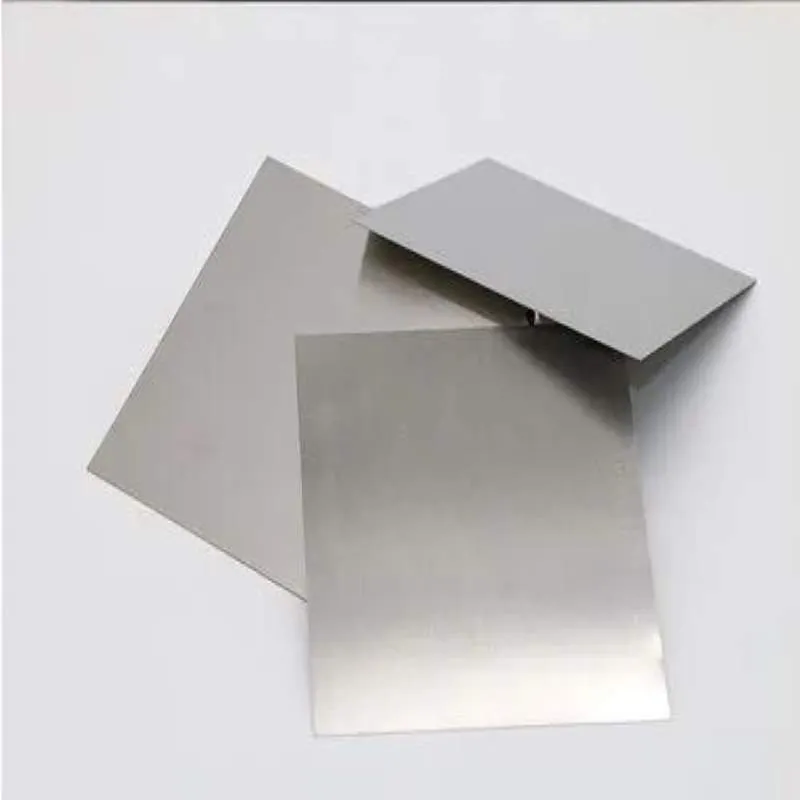
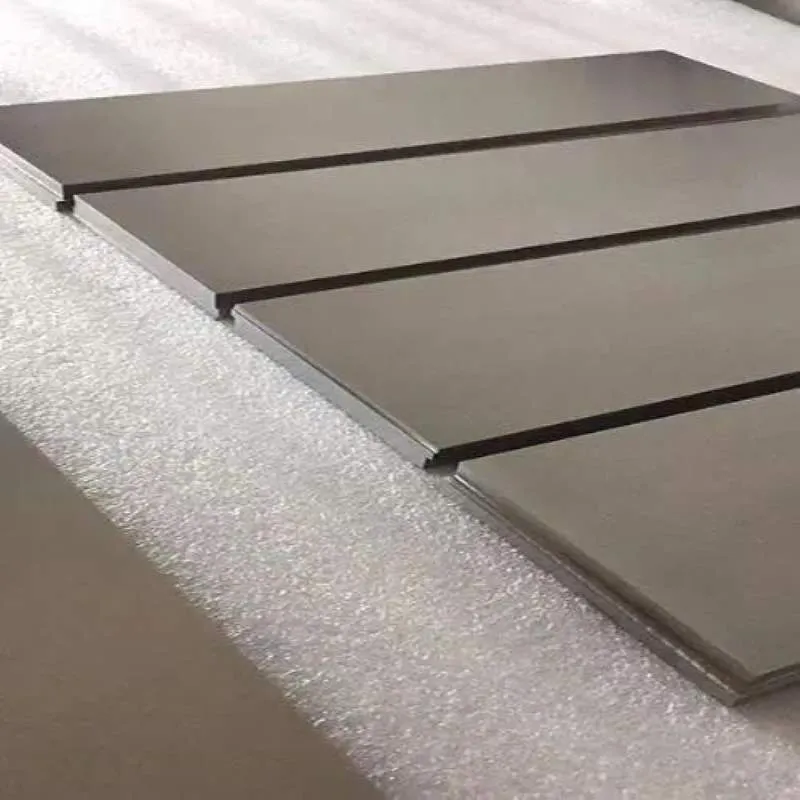
Sandvik,Osprey 18Ni300 Tool Steel Tube,Pipe
Product Code : STI-GSTI-461-CU
We provide Sandvik Osprey 18Ni300 Tool Steel Tube Powder is available in Bar (Round bar, Flat bar), Ribbon, Wire, Rods, Tube,Seamless Tube,Pipe, Ingots, Plate, Sheet, Strip and Forging Stock.,Purity, chemical composition, size, etc. can all be customized to meet specific requirements.Sandvik,Osprey 18Ni300 Tool Steel Pipe
Please contact us if you need customized services. We will contact you with the price and availability in 24 hours.
Sandvik Osprey 18Ni300 Tool Steel Tube Powder Product Information
-:-
For detailed product information, please contact sales.
-:
Sandvik Osprey 18Ni300 Tool Steel Tube Powder Synonyms
-:-
For detailed product information, please contact sales.
-:
Sandvik Osprey 18Ni300 Tool Steel Powder Product Information
-:-
For detailed product information, please contact sales.
-:
# **Sandvik Osprey™ 18Ni300 Maraging Steel Powder | Premium Gas-Atomized Maraging Steel for Additive Manufacturing**
## **Overview**
Sandvik Osprey™ 18Ni300 is a high-performance, gas-atomized maraging steel powder specifically engineered for additive manufacturing (AM) processes, particularly Laser Powder Bed Fusion (L-PBF) and Direct Energy Deposition (DED). This powder is based on the renowned 18Ni300 (1.2709) maraging steel grade, optimized through Sandvik's advanced atomization technology to deliver exceptional **as-built mechanical properties, minimal porosity, and excellent processability** in AM systems. Maraging steels are characterized by their unique combination of ultra-high strength and toughness, achieved through a low-carbon iron-nickel matrix strengthened by intermetallic precipitation during aging. Osprey™ 18Ni300 enables the production of complex, high-performance tooling, aerospace, and industrial components with mechanical properties often exceeding those of traditionally manufactured counterparts.
## **Key Features:**
- **Superior As-Built Properties:** High strength and toughness directly after printing, without traditional quenching
- **Minimal Distortion:** Extremely low dimensional change during age hardening (<0.1%)
- **Excellent Weldability/Processability:** Minimal cracking tendency in AM due to low carbon content
- **Outstanding Powder Characteristics:** High sphericity, controlled size distribution, excellent flowability
- **Simple Heat Treatment:** Single-step aging process (480-500°C) for full hardening
- **Excellent Machinability:** In both as-built and solution annealed conditions
- **Superior Fatigue Resistance:** Particularly in high-cycle fatigue applications
- **Good Corrosion Resistance:** Comparable to conventional maraging steels
- **High Recyclability:** Consistent properties over multiple reuse cycles
---
## **Material Specifications: Osprey™ 18Ni300**
### **1. Chemical Composition (wt%)**
| Element | Content Range (wt%) | Function & AM-Specific Considerations |
|---------|---------------------|--------------------------------------|
| **Nickel (Ni)** | 17.0 - 19.0% | Primary alloying element; forms intermetallic precipitates with Ti, Mo |
| **Cobalt (Co)** | 8.50 - 9.50% | Reduces solubility of Mo in matrix, enhancing precipitation hardening |
| **Molybdenum (Mo)** | 4.50 - 5.20% | Forms strengthening precipitates with Ni during aging |
| **Titanium (Ti)** | 0.60 - 0.80% | Primary precipitation hardening element; forms Ni₃Ti |
| **Aluminum (Al)** | 0.05 - 0.15% | Deoxidizer, forms minor strengthening precipitates |
| **Silicon (Si)** | ≤ 0.10% | Minimized to reduce slag formation during atomization |
| **Manganese (Mn)** | ≤ 0.10% | Controlled to prevent segregation |
| **Carbon (C)** | ≤ 0.03% | Ultra-low to ensure toughness and weldability |
| **Sulfur (S)** | ≤ 0.010% | Minimized for improved ductility and toughness |
| **Phosphorus (P)** | ≤ 0.010% | Minimized to prevent embrittlement |
| **Oxygen (O)** | ≤ 0.010% | Critical for powder quality and final mechanical properties |
| **Iron (Fe)** | Balance | Matrix |
**AM-Specific Composition Optimizations:**
- **Tightened Impurity Control:** Lower S, P, O than conventional 18Ni300
- **Balanced Ti/Al Ratio:** Optimized for AM solidification characteristics
- **Controlled Gas Content:** Oxygen <100 ppm typical
- **Carbon Minimization:** <0.03% ensures excellent AM processability
### **2. Powder Characteristics**
#### **Physical Powder Properties:**
| Property | Specification | Test Method |
|----------|---------------|-------------|
| **Particle Size Distribution** | 15-53 μm (D10: 18-25 μm, D50: 30-40 μm, D90: 48-53 μm) | ISO 13320 |
| **Apparent Density** | 4.1 - 4.4 g/cm³ | ISO 3923-1 |
| **Tap Density** | 4.5 - 4.8 g/cm³ | ISO 3953 |
| **Flowability (Hall Flowmeter)** | 20-25 s/50g | ISO 4490 |
| **Sphericity** | > 96% | Image Analysis |
| **Satellite Particles** | < 2% by count | SEM Analysis |
| **Hausner Ratio** | 1.08 - 1.12 | Calculated |
| **Moisture Content** | < 0.015% | Karl Fischer |
#### **Chemical Powder Properties:**
- **Oxygen Content:** 40-80 ppm typical
- **Nitrogen Content:** 20-50 ppm typical
- **Hydrogen Content:** < 5 ppm
- **Metallic Impurities:** Each < 0.05%
- **Powder Purity:** > 99.9%
### **3. Material Properties**
#### **As-Built Condition (L-PBF, Directly After Build):**
| Property | Typical Value | Test Standard |
|----------|---------------|----------------|
| **Relative Density** | > 99.7% | ASTM E2858 |
| **Hardness** | 32-36 HRC | ASTM E18 |
| **Ultimate Tensile Strength** | 1,000-1,200 MPa | ASTM E8 |
| **Yield Strength (0.2%)** | 850-1,000 MPa | ASTM E8 |
| **Elongation at Break** | 8-12% | ASTM E8 |
| **Young's Modulus** | 180-190 GPa | ASTM E111 |
| **Impact Toughness** | 40-60 J (Charpy) | ASTM E23 |
#### **Solution Annealed Condition (820°C, 1 hour, air cool):**
| Property | Typical Value |
|----------|---------------|
| **Hardness** | 28-32 HRC |
| **Ultimate Tensile Strength** | 900-1,000 MPa |
| **Yield Strength** | 750-850 MPa |
| **Elongation** | 12-16% |
| **Machinability** | Excellent (similar to annealed tool steel) |
#### **Aged Condition (490°C, 6 hours, air cool):**
| Aging Temperature | Hardness (HRC) | UTS (MPa) | YS (MPa) | Elongation (%) | Impact (J) |
|-------------------|----------------|-----------|----------|---------------|------------|
| **480°C, 6h** | 52-54 | 1,850-2,000 | 1,750-1,900 | 6-8 | 20-30 |
| **490°C, 6h** | 53-55 | 1,900-2,100 | 1,800-2,000 | 5-7 | 18-25 |
| **500°C, 6h** | 52-54 | 1,800-1,950 | 1,700-1,850 | 7-9 | 22-32 |
| **510°C, 6h** | 50-52 | 1,700-1,850 | 1,600-1,750 | 8-10 | 25-35 |
#### **Overaged Condition (Higher Toughness):**
| Condition | Hardness (HRC) | UTS (MPa) | Impact (J) | Application |
|-----------|----------------|-----------|------------|-------------|
| **540°C, 6h** | 46-48 | 1,450-1,600 | 40-50 | High toughness needed |
| **580°C, 6h** | 40-42 | 1,200-1,350 | 50-70 | Maximum toughness |
#### **Comparison to Conventional 18Ni300:**
| Property | Osprey™ 18Ni300 (AM + Aged) | Conventional 18Ni300 (Wrought + Aged) | Difference |
|----------|-----------------------------|--------------------------------------|------------|
| **Hardness** | 53-55 HRC | 52-54 HRC | Comparable |
| **Tensile Strength** | 1,900-2,100 MPa | 1,900-2,050 MPa | Comparable |
| **Yield Strength** | 1,800-2,000 MPa | 1,800-1,950 MPa | Comparable |
| **Elongation** | 5-7% | 7-10% | Slightly lower |
| **Impact Toughness** | 18-25 J | 25-35 J | Slightly lower |
| **Fatigue Strength** | 650-750 MPa | 600-700 MPa | Comparable or better |
### **4. Special Properties**
#### **Fatigue Performance:**
- **Fatigue Limit (10⁷ cycles, R=-1):** 650-750 MPa (aged condition)
- **Fatigue Ratio (σ_fat/UTS):** 0.33-0.36
- **Crack Growth Rate:** Lower than conventional steels at same ΔK
#### **Fracture Toughness:**
- **K₁c (Aged):** 70-90 MPa√m
- **K₁c (Overaged):** 100-130 MPa√m
#### **Corrosion Resistance:**
- **General Corrosion:** Good in mild environments
- **Stress Corrosion Cracking:** Susceptible in chloride environments
- **Recommended Protection:** Passivation or coatings for harsh environments
#### **Physical Properties:**
- **Density:** 8.1 g/cm³
- **Melting Range:** 1410-1450°C
- **Thermal Expansion:** 10.5 × 10⁻⁶/K (20-100°C)
- **Thermal Conductivity:** 20 W/m·K @ 20°C
### **5. Microstructural Characteristics**
- **As-Built:** Fine cellular structure with martensitic matrix
- **After Aging:** Fine dispersion of intermetallic precipitates (Ni₃Ti, Fe₂Mo)
- **Grain Structure:** Typically columnar in build direction
- **Porosity:** < 0.3% with optimized parameters
- **Inclusion Content:** Very low (<0.01% by area)
---
## **Additive Manufacturing Process Parameters**
### **Recommended L-PBF Parameters:**
| Parameter | Typical Range | Notes |
|-----------|---------------|-------|
| **Laser Power** | 200-350 W | Higher power for increased density |
| **Scan Speed** | 800-1200 mm/s | Optimize for specific machine |
| **Layer Thickness** | 30-60 μm | 40 μm most common |
| **Hatch Spacing** | 100-140 μm | 110 μm typical |
| **Scan Strategy** | Stripes or chessboard with 67° rotation | Reduces residual stress |
| **Preheat Temperature** | 80-150°C | Reduces thermal stress |
| **Atmosphere** | Argon, O₂ < 500 ppm | Nitrogen also acceptable |
### **Build Rate & Efficiency:**
- **Volumetric Build Rate:** 5-12 cm³/hour (machine dependent)
- **Powder Consumption:** 1.0-1.2 × net part volume
- **Reuse Potential:** 10-15 cycles with proper handling
### **Support Structures:**
- **Required for:** Overhangs < 45°
- **Removal:** Easy in as-built or solution annealed condition
- **Interface:** Minimal scarring with optimized parameters
---
## **Heat Treatment Guidelines**
### **Stress Relief (Optional):**
- **Temperature:** 650°C for 2 hours
- **Purpose:** Reduce residual stresses before machining
- **Hardness after:** 32-36 HRC
### **Solution Annealing:**
- **Temperature:** 820°C ± 10°C
- **Time:** 1 hour per 25mm thickness
- **Cooling:** Air cool
- **Result:** Soft condition for machining (28-32 HRC)
### **Aging (Primary Hardening):**
- **Temperature:** 480-510°C (490°C typical)
- **Time:** 3-8 hours (6 hours typical)
- **Cooling:** Air cool
- **Dimensional Change:** < 0.1%
### **Hot Isostatic Pressing (Optional):**
- **Conditions:** 1150°C @ 100 MPa, 3 hours
- **Benefits:** Eliminates residual porosity, homogenizes microstructure
- **Followed by:** Standard aging treatment
---
## **Product Applications**
### **Tooling & Molds:**
- **Injection Molds:** High-wear inserts, cores with conformal cooling
- **Die Casting Tooling:** Cores and inserts for aluminum and zinc
- **Stamping & Forming Tools:** Punches, dies for sheet metal forming
- **Extrusion Dies:** For non-ferrous metals
### **Aerospace & Defense:**
- **Structural Components:** Brackets, fittings, mounts
- **Landing Gear Parts:** Non-critical components
- **Rocket Engine Parts:** Combustion chamber liners, nozzles
- **UAV Components:** Lightweight structural parts
### **Industrial Applications:**
- **High-Performance Gears:** Especially where weight is critical
- **Hydraulic Components:** Pistons, valves, manifolds
- **Robotics:** End effectors, structural components
- **Medical:** Surgical instrument components, non-implant parts
### **Specific AM Advantages Utilized:**
| Application | AM Benefit | Performance Improvement |
|-------------|------------|-------------------------|
| **Molds with Conformal Cooling** | Reduced cycle time | 30-50% faster cycles |
| **Lightweight Aerospace Brackets** | Weight reduction | 40-60% lighter |
| **Complex Hydraulic Manifolds** | Internal channels | Reduced pressure drop |
| **Integrated Assemblies** | Fewer parts | Reduced assembly time |
---
## **Machining & Post-Processing**
### **Machinability:**
- **As-Built/Aged:** Difficult (53-55 HRC), use carbide tools
- **Solution Annealed:** Excellent (28-32 HRC), similar to annealed tool steel
- **Recommended:** Machine in solution annealed condition, then age
### **Surface Finishing:**
- **As-Built Ra:** 10-25 μm
- **After Machining:** < 1.6 μm achievable
- **Polishing:** Good polishability in aged condition
- **Coatings:** Excellent substrate for PVD coatings (TiN, CrN, DLC)
### **Joining:**
- **Welding:** Excellent weldability using matching filler
- **Heat Affected Zone:** Softens but can be re-aged
- **Brazing:** Good with nickel-based brazing alloys
---
## **Standards & Certifications**
### **Applicable Standards:**
- **ISO/ASTM 52900:** Additive manufacturing - General principles
- **ASTM F3055:** Specification for additive manufacturing nickel alloy
- **AMS 6514:** Conventional 18Ni300 maraging steel
- **ISO 683-13:** Heat-treatable steels, alloy steels and free-cutting steels
- **Customer-Specific Standards:** Qualified for aerospace and defense applications
### **Quality Management:**
- **Batch Testing:** Each lot fully characterized
- **Traceability:** Full chemical and production history
- **Powder Reuse Documentation:** Performance validation over cycles
- **Certification:** Material Certificates 3.1 per EN 10204
---
## **Safety & Handling**
### **Powder Safety:**
- **Storage:** In sealed containers under inert gas or dry air
- **Handling:** Use appropriate PPE (respirator, gloves, eye protection)
- **Ventilation:** Local exhaust ventilation required
- **Fire Safety:** Class D fire extinguisher required
### **Regulatory Compliance:**
- **REACH:** Compliant
- **RoHS:** Compliant
- **OSHA/GHS:** Properly classified and labeled
---
## **Economic Considerations**
### **Cost Factors:**
| Factor | Impact | Mitigation |
|--------|--------|------------|
| **Powder Cost** | High (premium material) | High recyclability (10+ cycles) |
| **Build Speed** | Moderate | Optimized parameters maximize efficiency |
| **Post-Processing** | Low (simple aging) | Minimal machining needed |
| **Tool Life** | Excellent | Extended service life justifies cost |
### **Value Propositions:**
- **Design Freedom:** Complex geometries not possible with conventional methods
- **Weight Reduction:** Up to 60% lighter with topology optimization
- **Performance:** Properties often exceed conventional manufacturing
- **Lead Time:** Significant reduction compared to traditional tooling
---
**Disclaimer:** The information provided is based on typical laboratory data and field experience with Sandvik Osprey™ 18Ni300 powder. Actual performance may vary depending on specific AM equipment, process parameters, part geometry, and post-processing. Users should conduct their own validation for critical applications. Sandvik reserves the right to modify specifications without notice. Osprey™ is a trademark of Sandvik AB. Always follow manufacturer's safety guidelines and local regulations when handling metal powders. Nickel and cobalt may cause allergic reactions in sensitive individuals.
-:-
For detailed product information, please contact sales.
-:
Sandvik Osprey 18Ni300 Tool Steel Powder Specification
Dimensions
Size:
Diameter 20-1000 mm Length <7117 mm
Size:We can customized as required
Standard:
Per your request or drawing
We can customized as required
Properties(Theoretical)
Chemical Composition
-:-
For detailed product information, please contact sales.
-:
Sandvik Osprey 18Ni300 Tool Steel Powder Properties
-:-
For detailed product information, please contact sales.
-:
Applications of Sandvik Osprey 18Ni300 Tool Steel Tube Powder
-:-
For detailed product information, please contact sales.
-:
Chemical Identifiers Sandvik Osprey 18Ni300 Tool Steel Tube Powder
-:-
For detailed product information, please contact sales.
-:
Packing of Sandvik Osprey 18Ni300 Tool Steel Tube Powder
-:-
For detailed product information, please contact sales.
-:
Standard Packing:
-:-
For detailed product information, please contact sales.
-:
Typical bulk packaging includes palletized plastic 5 gallon/25 kg. pails, fiber and Steel Tube drums to 1 ton super sacks in full container (FCL) or truck load (T/L) quantities. Research and sample quantities and hygroscopic, oxidizing or other air sensitive materials may be packaged under argon or vacuum. Solutions are packaged in polypropylene, plastic or glass jars up to palletized 3588 gallon liquid totes Special package is available on request. E FORUs’ is carefully handled to minimize damage during storage and transportation and to preserve the quality of our products in their original condition