Sandvik 2RK66
Product Code : STI-GSTI-777-CU
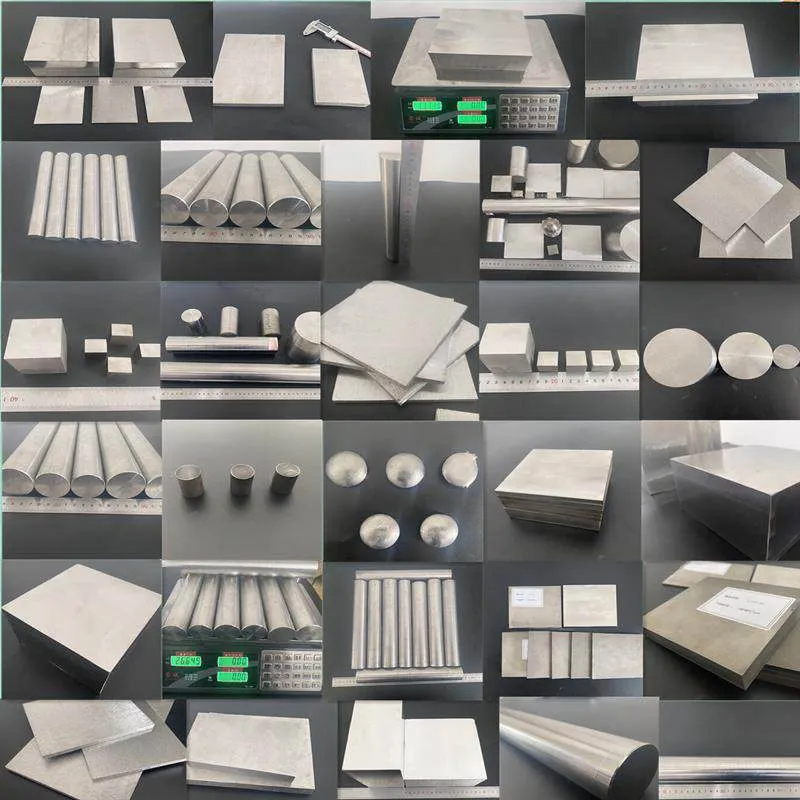
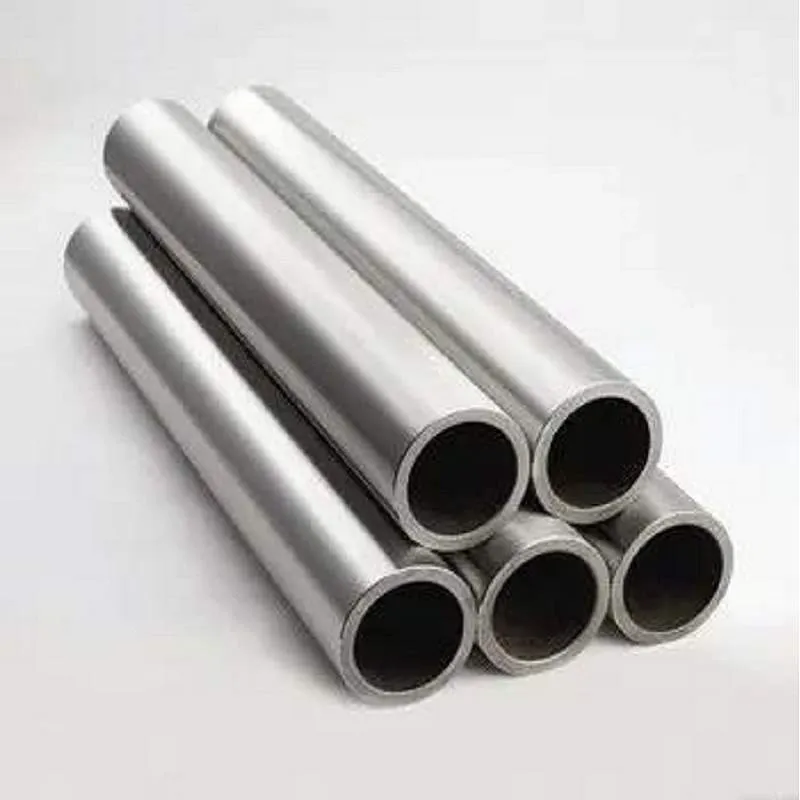
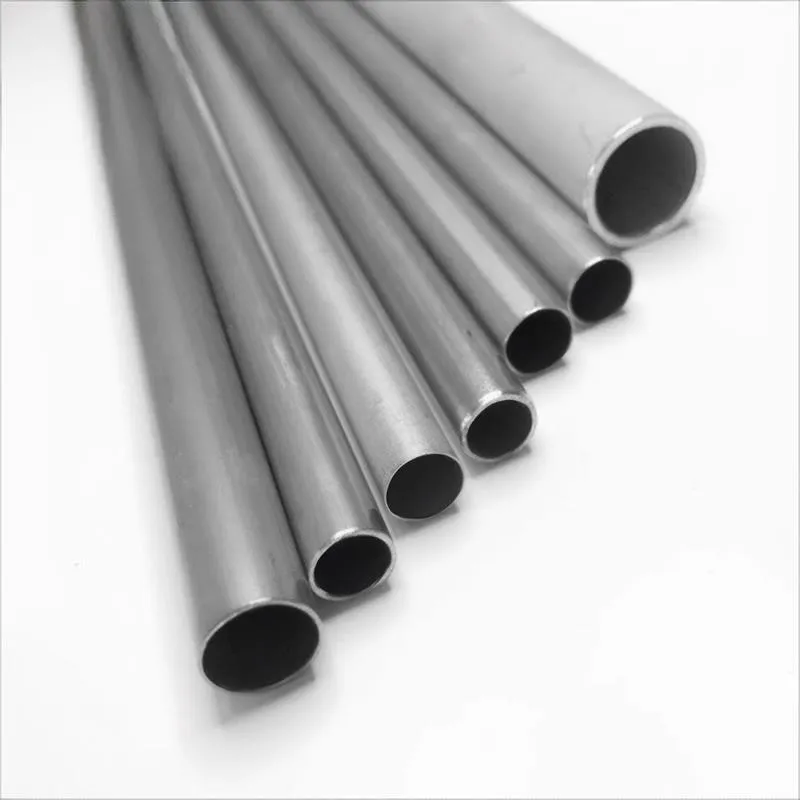
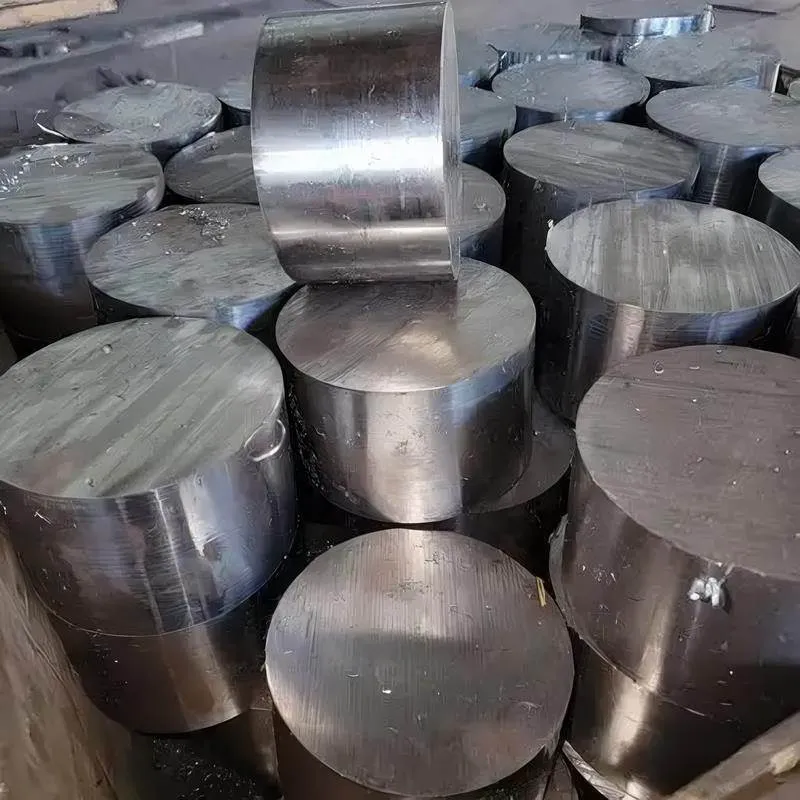
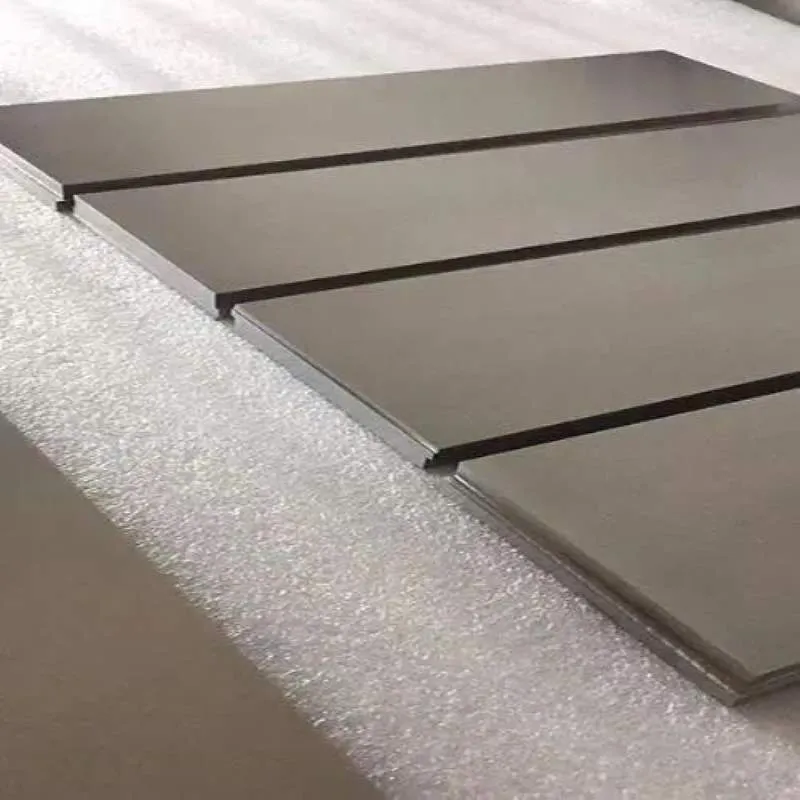
We provide Sandvik 2RK66 Spring Wire is available in Bar (Round bar, Flat bar), Ribbon, Wire, Rods, Tube,Seamless Tube,Pipe, Ingots, Plate, Sheet, Strip and Forging Stock.,Purity, chemical composition, size, etc. can all be customized to meet specific requirements.
Please contact us if you need customized services. We will contact you with the price and availability in 24 hours.
Sandvik 2RK66 Spring Wire Product Information
-:-
For detailed product information, please contact sales.
-:
Sandvik 2RK66 Spring Wire Synonyms
-:-
For detailed product information, please contact sales.
-:
Sandvik 2RK66 Spring Wire Product Information
-:-
For detailed product information, please contact sales.
-:
# Sandvik 2RK66 Premium Duplex Stainless Steel Spring Wire
## Overview
Sandvik 2RK66 is a **nitrogen-alloyed, lean duplex stainless steel spring wire** specifically engineered for **demanding spring applications requiring exceptional corrosion resistance combined with high mechanical strength**. Representing an advanced evolution in corrosion-resistant spring materials, 2RK66 combines the **benefits of both austenitic and ferritic stainless steels** to deliver a unique balance of **high strength, excellent corrosion resistance, good fatigue performance, and stress corrosion cracking resistance**. This material is particularly valuable for applications in aggressive environments where conventional stainless spring steels may be inadequate.
## International Standards & Designations
| Standard System | Designation | Equivalent/Synonyms |
|----------------|-------------|-------------------|
| **Sandvik Proprietary** | 2RK66 | Primary commercial name |
| **UNS** | S32001 (similar concept) | Unified Numbering System |
| **EN** | 1.4162 (similar) | European material number |
| **ASTM** | A276 (similar) | Standard specification |
| **ISO** | Similar to ISO 4954:2018 | Steel for springs and other applications |
| **Common Names** | "Lean Duplex Spring Wire", "High-Strength Corrosion-Resistant Spring Alloy" | Industry terminology |
## Chemical Composition (Typical, % by weight)
| Element | Composition Range (%) | Key Characteristics | Functional Purpose |
|---------|----------------------|---------------------|-------------------|
| **Chromium (Cr)** | 21.0 - 23.0 | Primary corrosion protection | Forms protective Cr₂O₃ passive layer |
| **Nickel (Ni)** | 1.0 - 2.0 | **Low nickel content** | Partial austenite stabilization, cost reduction |
| **Molybdenum (Mo)** | 0.1 - 0.4 | Limited addition | Basic pitting resistance enhancement |
| **Manganese (Mn)** | 4.0 - 6.0 | Austenite stabilizer, nitrogen carrier | Reduces nickel requirement, enables N solubility |
| **Nitrogen (N)** | 0.15 - 0.25 | **Critical strengthening element** | Increases strength, stabilizes austenite phase |
| **Carbon (C)** | ≤ 0.03 | Ultra-low carbon | Prevents sensitization, maintains corrosion resistance |
| **Silicon (Si)** | ≤ 1.00 | Deoxidizer | Improves oxidation resistance |
| **Phosphorus (P)** | ≤ 0.035 | Impurity control | Minimized for optimal properties |
| **Sulfur (S)** | ≤ 0.015 | Impurity control | Controlled for good workability |
| **Copper (Cu)** | 0.1 - 0.5 | Optional addition | May improve certain corrosion aspects |
| **Iron (Fe)** | Balance | Base element | Matrix former |
**Special Composition Features:**
- **Lean Duplex Design**: Lower nickel and molybdenum than standard duplex grades
- **Nitrogen-Strengthened**: N (0.15-0.25%) provides significant solid solution strengthening
- **Optimized Cr/Mn/N Balance**: Achieves duplex structure with minimum nickel
- **Ultra-Low Carbon**: <0.03% prevents sensitization during processing
- **Cost-Effective Corrosion Resistance**: Provides duplex benefits at lower alloy cost
**Wire Specifications:**
- **Standard Diameters**: 0.20 mm to 5.0 mm (comprehensive range available)
- **Tensile Strength Range**: 1400 - 2000 MPa (depending on processing)
- **Surface Finish**: Bright, smooth finish standard
- **Dimensional Tolerances**: Tight control (±0.002 mm typical for fine wires)
- **Microstructural Control**: Balanced ferrite/austenite phase distribution
- **Spool Types**: Precision wound on industry-standard spools
- **Packaging**: Protective to prevent surface damage and corrosion
## Physical Properties
### **Basic Physical Properties:**
| Property | Typical Value | Test Conditions | Application Significance |
|----------|---------------|-----------------|-------------------------|
| **Density** | 7.75 g/cm³ | 20°C | Slightly lower than austenitic grades |
| **Melting Point** | 1420 - 1470°C | - | Processing consideration |
| **Thermal Conductivity** | 19 W/m·K | 20°C | Better than austenitic stainless steels |
| **Specific Heat Capacity** | 480 J/kg·K | 20°C | Thermal management |
| **Electrical Resistivity** | 0.75 μΩ·m | 20°C | Intermediate between austenitic and ferritic |
| **Modulus of Elasticity** | 200 GPa | 20°C | Spring rate calculation basis |
| **Shear Modulus** | 77 GPa | 20°C | Torsional spring design |
| **Coefficient of Thermal Expansion** | 13.0 × 10⁻⁶/K | 20-100°C | Lower than austenitic steels |
| **Magnetic Properties** | Partially magnetic | Room temperature | Ferritic phase contributes magnetism |
### **Temperature-Dependent Properties:**
| Temperature | Modulus (GPa) | CTE (×10⁻⁶/K) | Phase Stability |
|-------------|---------------|---------------|----------------|
| **-50°C** | 205 | 12.5 | Maintains duplex structure |
| **20°C** | 200 | 13.0 | Reference temperature |
| **100°C** | 196 | 13.5 | Stable up to ~300°C |
| **200°C** | 191 | 14.0 | Some phase ratio shift possible |
| **300°C** | 186 | 14.5 | Maximum recommended continuous |
## Mechanical Properties
### **Standard Property Ranges:**
| Wire Diameter (mm) | Tensile Strength (MPa) | Yield Strength (0.2%) | Elongation (%) | Typical Applications |
|--------------------|------------------------|------------------------|----------------|----------------------|
| **0.20 - 0.50** | 1900 - 2200 | 1700 - 2000 | 8 - 15 | Precision springs, instruments |
| **0.51 - 1.00** | 1800 - 2100 | 1600 - 1900 | 10 - 18 | Small mechanical springs |
| **1.01 - 2.00** | 1700 - 2000 | 1500 - 1800 | 12 - 20 | General purpose springs |
| **2.01 - 3.00** | 1600 - 1900 | 1400 - 1700 | 15 - 25 | Larger springs, wire forms |
| **3.01 - 5.00** | 1500 - 1800 | 1300 - 1600 | 18 - 30 | Industrial springs |
### **Spring-Specific Mechanical Properties:**
| Property | Typical Value | Test Method | Importance for Spring Applications |
|----------|---------------|-------------|-----------------------------------|
| **Fatigue Limit (rotating bending)** | 500 - 600 MPa | ISO 1143 | Good for dynamic applications |
| **Torsional Fatigue Strength** | 350 - 450 MPa | Custom test | Important for torsion springs |
| **Relaxation at 150°C** | < 3% after 100h | ISO 15630 | Good high-temperature stability |
| **Set Resistance** | Very Good | Spring test | Consistent performance over life |
| **Hysteresis** | Low | Dynamic testing | Energy efficient |
| **Impact Toughness** | 50 - 80 J | Charpy V-notch | Good damage tolerance |
### **Duplex Microstructure Advantages:**
1. **High Yield Strength**: Typically 70-80% of tensile strength
2. **Good Ductility**: Despite high strength levels
3. **Work Hardening Rate**: Moderate, between austenitic and ferritic steels
4. **Phase Ratio Control**: Typically 40-60% ferrite, balance austenite
5. **Microstructural Stability**: Maintains properties after forming
## Corrosion Resistance
### **General Corrosion Performance:**
| Environment | Resistance Rating | Key Factors | Comparison to Other Stainless Steels |
|-------------|------------------|-------------|--------------------------------------|
| **Atmospheric** | Excellent | High Cr content, duplex structure | Similar to 304, better than 430 |
| **Fresh Water** | Excellent | Good general corrosion resistance | Better than 304 in some conditions |
| **Sea Water** | Good to Very Good | Limited Mo but duplex benefit | Better than 304, less than 316 |
| **Acidic (dilute)** | Good | Balanced phase structure | Similar to 304 |
| **Alkaline** | Excellent | Good general resistance | Similar to other stainless grades |
| **Chloride Solutions** | Good | Duplex structure provides benefit | Better than 304, similar to 316 in some cases |
| **Stress Corrosion Cracking** | **Excellent** | **Key advantage of duplex steels** | **Superior to 304/316** |
### **Quantitative Corrosion Data:**
- **Pitting Resistance Equivalent (PRE)**: PRE = %Cr + 3.3×%Mo + 16×%N = 25-28
- **Critical Pitting Temperature (CPT)**: 25-35°C in 6% FeCl₃
- **Critical Crevice Temperature (CCT)**: 15-25°C in 6% FeCl₃
- **Stress Corrosion Cracking Threshold**: >100°C in chloride solutions (superior to austenitics)
- **Intergranular Corrosion**: Resistant due to low carbon content
### **Special Environmental Resistance:**
1. **Chloride Stress Corrosion**: Excellent resistance (primary advantage)
2. **Pitting/Crevice Corrosion**: Good for moderate chloride environments
3. **General Corrosion**: Excellent in most industrial atmospheres
4. **High Temperature Oxidation**: Good up to 300°C
5. **Wet/Dry Cycling**: Good resistance to alternating conditions
## Manufacturing & Processing Characteristics
### **Wire Manufacturing Process:**
| Process Stage | Key Parameters | Special Considerations for 2RK66 |
|---------------|----------------|---------------------------------|
| **Steelmaking** | AOD or similar refining | Precise nitrogen control critical |
| **Continuous Casting** | Controlled cooling | Avoid detrimental phase formation |
| **Hot Rolling** | 1150-1250°C range | Maintain phase balance |
| **Solution Annealing** | 1050-1150°C, rapid quench | Achieve optimal phase distribution |
| **Pickling** | Controlled acid mixture | Remove scale without surface damage |
| **Cold Drawing** | Moderate reductions | Maintain phase balance, control work hardening |
| **Final Heat Treatment** | Optional stress relief | 300-400°C if required |
### **Spring Manufacturing Guidelines:**
| Process | Recommended Parameters | Special Considerations |
|---------|------------------------|------------------------|
| **Coiling** | Room temperature preferred | Moderate springback characteristics |
| **Stress Relieving** | 350-450°C for 30-60 minutes | Recommended for critical applications |
| **Shot Peening** | Optional for fatigue improvement | Can enhance surface compressive stresses |
| **Surface Treatment** | Passivation recommended | HNO₃ treatment for maximum corrosion resistance |
| **Forming Operations** | Good cold formability | Better than martensitic grades, less than austenitic |
### **Phase Balance Control:**
- **Target Phase Ratio**: 40-60% ferrite, balance austenite
- **Heat Treatment Effects**: Solution annealing controls phase distribution
- **Cold Work Effects**: Can alter phase ratios slightly
- **Temperature Effects**: Stable up to ~300°C
- **Quality Verification**: Feritscope or metallographic examination
## Product Applications
### **Marine & Offshore:**
1. **Marine Equipment:**
- Boat and ship component springs
- Offshore platform springs
- Marine valve springs
- Desalination plant components
2. **Coastal Applications:**
- Seaside facility equipment
- Harbor and port machinery
- Coastal power generation equipment
### **Chemical & Process Industry:**
1. **Chemical Processing:**
- Valve springs in chemical plants
- Pump components
- Reactor safety springs
- Instrumentation springs
2. **Petrochemical:**
- Refinery component springs
- Pipeline valve springs
- Storage tank components
### **Automotive & Transportation:**
1. **Underbody Components:**
- Suspension springs (certain applications)
- Exhaust system springs
- Brake system components
2. **Commercial Vehicles:**
- Truck and bus components
- Agricultural equipment
- Construction machinery
### **Industrial Equipment:**
1. **Pumps & Valves:**
- Chemical pump springs
- Water treatment valves
- Industrial process valves
2. **Food Processing:**
- Processing equipment springs
- Sanitary applications
- Washdown environment components
### **Construction & Infrastructure:**
1. **Building Services:**
- HVAC system components
- Plumbing fixtures
- Elevator components
2. **Infrastructure:**
- Bridge component springs
- Water treatment plants
- Utility equipment
### **Specialized Applications:**
1. **Power Generation:**
- Cooling water system components
- Flue gas desulfurization equipment
- Water treatment plants
2. **Pulp & Paper:**
- Processing equipment
- Chemical recovery systems
- Environmental control equipment
## Performance Characteristics
### **Stress Corrosion Cracking Resistance (Key Advantage):**
| Environment | Performance Rating | Comparison to 304/316 | Application Benefit |
|-------------|-------------------|----------------------|-------------------|
| **Chloride Solutions (<60°C)** | Excellent | **Superior** | Longer service life in chloride environments |
| **Chloride + Tensile Stress** | Very Good to Excellent | **Much better** | Reduced failure risk in stressed components |
| **Marine Atmosphere** | Very Good | Better | Improved reliability in coastal applications |
| **Industrial Atmospheres** | Excellent | Similar | Good general performance |
### **Mechanical Performance Balance:**
| Property | Performance Level | Benefit for Spring Applications |
|----------|------------------|--------------------------------|
| **Strength** | High (1400-2200 MPa) | Allows compact spring designs |
| **Corrosion Resistance** | Good to Very Good | Suitable for moderately aggressive environments |
| **Fatigue Resistance** | Good | Adequate for most spring applications |
| **Cost Effectiveness** | Very Good | Provides duplex benefits at reasonable cost |
| **Manufacturability** | Good | Can be formed using standard spring-making techniques |
## Quality Control & Testing
### **Comprehensive Testing Protocol:**
| Test Category | Specific Tests | Frequency | Standards |
|---------------|---------------|-----------|-----------|
| **Chemical Analysis** | Full elemental analysis | Per heat | ISO 5725, ASTM E415 |
| **Mechanical Testing** | Tensile, hardness, torsion | Per batch | ISO 6892, ISO 7800 |
| **Metallurgical** | Phase balance, grain size, microstructure | Per heat | ASTM E562, E112 |
| **Corrosion Testing** | Intergranular, pitting, SCC | Per heat or as required | ASTM A262, G48 |
| **Surface Quality** | Visual, roughness, defects | Statistical | ISO 8501, ISO 4287 |
| **Dimensional** | Diameter, ovality, straightness | Continuous | ISO 286, ISO 6316 |
### **Specialized Testing for Duplex Steels:**
1. **Phase Balance Verification**:
- Feritscope measurements
- Metallographic examination
- Magnetic measurements
2. **Corrosion Testing**:
- Stress corrosion cracking tests
- Pitting and crevice corrosion evaluation
- Intergranular corrosion testing
3. **Mechanical Property Verification**:
- Impact toughness at various temperatures
- Fatigue testing in corrosive environments
- High-temperature property evaluation
### **Sandvik's Quality Assurance:**
- **Phase Balance Control**: Tight control of ferrite/austenite ratio
- **Nitrogen Precision**: Accurate nitrogen content control
- **Surface Quality**: Excellent surface finish standards
- **Batch Consistency**: Reproducible properties batch-to-batch
- **Technical Documentation**: Complete test certificates available
## Technical Advantages
### **Material Advantages:**
1. **Excellent SCC Resistance**: Superior to austenitic stainless steels in chloride environments
2. **High Strength**: Approximately twice the yield strength of standard austenitics
3. **Good Corrosion Resistance**: Adequate for many industrial environments
4. **Cost-Effective**: Lower alloy cost than standard duplex or super duplex grades
5. **Good Toughness**: Better than martensitic grades at similar strength levels
### **Processing Advantages:**
1. **Good Formability**: Can be formed using standard spring-making equipment
2. **Consistent Properties**: Reliable batch-to-batch performance
3. **Surface Quality**: Good as-drawn surface finish
4. **Heat Treatment Simplicity**: Often used in as-drawn condition
5. **Weldability**: Good if required for spring ends or attachments
### **Application-Specific Advantages:**
1. **Chloride Environments**: Excellent choice where SCC is a concern
2. **Cost-Sensitive Applications**: Provides duplex benefits at reasonable cost
3. **High-Strength Requirements**: Allows more compact spring designs
4. **Moderate Corrosion Environments**: Suitable for many industrial applications
5. **Temperature Applications**: Good stability up to 300°C
## Limitations & Considerations
### **Technical Limitations:**
1. **Corrosion Resistance**: Not for severe chloride or acidic environments
2. **Maximum Temperature**: Limited to ~300°C continuous service
3. **Not for Severe Pitting**: Standard duplex or super duplex better for severe conditions
4. **Magnetic Properties**: Partially magnetic (may be disadvantage for some applications)
5. **Specialized Knowledge Required**: Understanding of duplex steel behavior needed
### **Design Considerations:**
1. **Spring Design**: Account for material's specific properties and behavior
2. **Stress Levels**: Design within recommended limits for long life
3. **Environment Assessment**: Ensure material suitability for specific environment
4. **Manufacturing Methods**: Consider phase balance effects during processing
5. **Quality Verification**: May require phase balance verification
### **Economic Considerations:**
1. **Material Cost**: Higher than standard austenitics, lower than standard duplex
2. **Lifecycle Cost**: Often favorable due to improved reliability
3. **Manufacturing Cost**: Similar to other stainless spring wires
4. **Total Cost of Ownership**: Good value for appropriate applications
5. **Performance/Cost Balance**: Excellent for specific application ranges
## Comparative Analysis
### **vs. Other Stainless Spring Wires:**
| Parameter | Sandvik 2RK66 | 302/304 Stainless | 316 Stainless | 17-7 PH |
|-----------|---------------|-------------------|---------------|---------|
| **Yield Strength** | 1300-2000 MPa | 800-1200 MPa | 700-1100 MPa | 1100-1400 MPa |
| **Corrosion Resistance** | Good to Very Good | Good | Very Good | Good |
| **SCC Resistance** | **Excellent** | Poor to Fair | Fair to Good | Good |
| **Cost** | Medium-High | Low | Medium | Medium-High |
| **Maximum Temperature** | 300°C | 250°C | 280°C | 350°C |
### **vs. Other Duplex Grades:**
| Grade Type | PRE Range | Typical Yield Strength | Cost Relative | Best Application |
|------------|-----------|------------------------|---------------|------------------|
| **Lean Duplex (2RK66)** | 25-28 | 450-550 MPa | 1.0 (Reference) | Moderate chloride, cost-sensitive |
| **Standard Duplex** | 35-40 | 550-700 MPa | 1.5-2.0 | General offshore, chemical |
| **Super Duplex** | 40-45 | 650-800 MPa | 2.5-3.5 | Severe chloride, offshore |
| **Hyper Duplex** | >45 | 700-850 MPa | 4.0+ | Most severe conditions |
## Technical Support & Services
### **Sandvik Support Structure:**
1. **Material Selection Assistance**: Help choosing the right grade for specific applications
2. **Application Engineering**: Spring design and optimization support
3. **Processing Guidance**: Recommendations for spring manufacturing
4. **Troubleshooting**: Assistance with production or application issues
5. **Technical Training**: Education on duplex steel properties and processing
### **Available Resources:**
- **Technical Data Sheets**: Comprehensive property information
- **Application Guides**: Industry-specific recommendations
- **Corrosion Data**: Environmental resistance information
- **Case Studies**: Successful application examples
- **Processing Guidelines**: Manufacturing recommendations
## Future Developments
### **Material Innovations:**
1. **Enhanced Alloy Designs**: Further optimization of properties
2. **Improved Processing**: Better control of microstructure and properties
3. **Surface Treatments**: Advanced surface modifications
4. **Quality Improvements**: Even more consistent properties
5. **Sustainability**: Reduced environmental impact in production
### **Market Trends:**
1. **Increased SCC Awareness**: Growing recognition of stress corrosion issues
2. **Cost Optimization**: Demand for cost-effective corrosion-resistant solutions
3. **Performance Requirements**: Higher demands on spring materials
4. **Global Standards**: Harmonization of specifications and testing
5. **New Applications**: Expanding use in various industries
## Conclusion
Sandvik 2RK66 represents a **strategically important material** in the corrosion-resistant spring wire market, offering a **unique balance of properties** that fills the gap between standard austenitic stainless steels and premium duplex grades. Its **lean duplex design** provides **excellent stress corrosion cracking resistance** combined with **good general corrosion resistance and high mechanical strength**, all at a **more economical cost point** than standard duplex stainless steels.
**Key advantages** of 2RK66 include:
1. **Superior SCC resistance** compared to austenitic stainless steels
2. **High strength** allowing compact spring designs
3. **Good corrosion resistance** for many industrial environments
4. **Cost-effectiveness** compared to higher-alloy duplex grades
5. **Proven performance** in appropriate applications
**Primary application areas** where 2RK66 excels:
- Environments with chloride-induced stress corrosion concerns
- Applications requiring higher strength than standard austenitics
- Cost-sensitive applications needing duplex benefits
- Moderate corrosion environments
- Temperature applications up to 300°C
**Important considerations** for potential users:
1. **Environmental suitability** - not for severe pitting or highly acidic conditions
2. **Proper application** - best where SCC resistance is the primary concern
3. **Manufacturing understanding** - requires knowledge of duplex steel behavior
4. **Quality verification** - phase balance control important
5. **Economic justification** - balance between performance and cost
For applications where **chloride stress corrosion cracking is a concern** and where **standard austenitic stainless steels may be inadequate**, but where **premium duplex grades are economically unjustified**, Sandvik 2RK66 offers an **excellent compromise solution**. Its **proven performance** in appropriate applications, combined with **Sandvik's quality assurance and technical support**, makes it a **valuable option** for engineers and designers seeking optimal spring performance in challenging environments.
While not suitable for all applications, 2RK66 fills an **important niche** in the materials selection spectrum, providing **targeted performance** where it matters most. For appropriate uses, it delivers **good value** through improved reliability, adequate corrosion resistance, and cost-effective performance in environments where other materials might fail prematurely due to stress corrosion cracking.
-:-
For detailed product information, please contact sales.
-:
Sandvik 2RK66 Spring Wire Specification
Dimensions
Size:
Diameter 20-1000 mm Length <7433 mm
Size:We can customized as required
Standard:
Per your request or drawing
We can customized as required
Properties(Theoretical)
Chemical Composition
-:-
For detailed product information, please contact sales.
-:
Sandvik 2RK66 Spring Wire Properties
-:-
For detailed product information, please contact sales.
-:
Applications of Sandvik 2RK66 Spring Wire
-:-
For detailed product information, please contact sales.
-:
Chemical Identifiers Sandvik 2RK66 Spring Wire
-:-
For detailed product information, please contact sales.
-:
Packing of Sandvik 2RK66 Spring Wire
-:-
For detailed product information, please contact sales.
-:
Standard Packing:
-:-
For detailed product information, please contact sales.
-:
Typical bulk packaging includes palletized plastic 5 gallon/25 kg. pails, fiber and steel drums to 1 ton super sacks in full container (FCL) or truck load (T/L) quantities. Research and sample quantities and hygroscopic, oxidizing or other air sensitive materials may be packaged under argon or vacuum. Solutions are packaged in polypropylene, plastic or glass jars up to palletized 3904 gallon liquid totes Special package is available on request. E FORUs’ is carefully handled to minimize damage during storage and transportation and to preserve the quality of our products in their original condition