Sandvik Kanthal SW 010
Product Code : STI-GSTI-771-CU
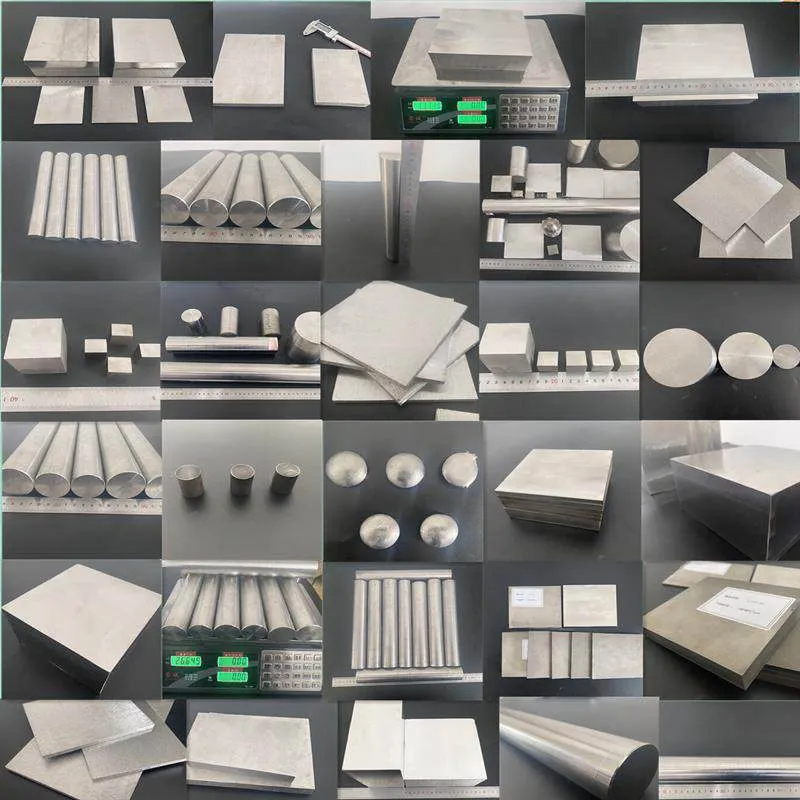
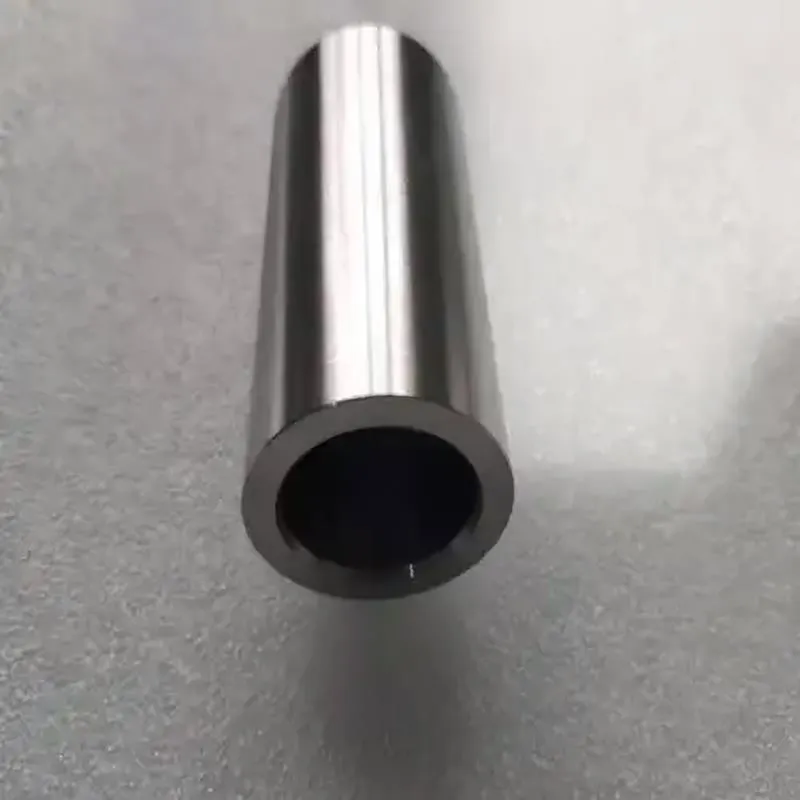
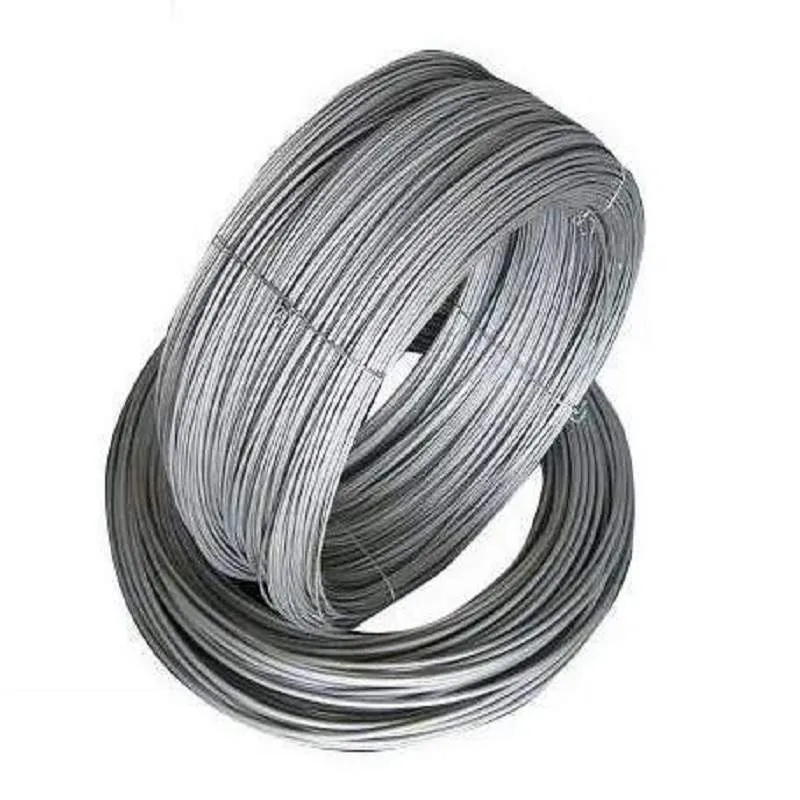
We provide Sandvik Kanthal SW 010 Spray Wire is available in Bar (Round bar, Flat bar), Ribbon, Wire, Rods, Tube,Seamless Tube,Pipe, Ingots, Plate, Sheet, Strip and Forging Stock.,Purity, chemical composition, size, etc. can all be customized to meet specific requirements.
Please contact us if you need customized services. We will contact you with the price and availability in 24 hours.
Sandvik Kanthal SW 010 Spray Wire Product Information
-:-
For detailed product information, please contact sales.
-:
Sandvik Kanthal SW 010 Spray Wire Synonyms
-:-
For detailed product information, please contact sales.
-:
Sandvik Kanthal SW 010 Spray Wire Product Information
-:-
For detailed product information, please contact sales.
-:
# Sandvik Kanthal® SW 010 Spray Wire for Thermal Spray Coatings in Medical Devices
## Overview
Sandvik Kanthal® SW 010 is a specialized nickel-chromium-aluminum (NiCrAl) alloy spray wire engineered for thermal spray applications, particularly in the medical device and aerospace industries. This advanced cored wire product is designed to produce high-quality metallic coatings with excellent adhesion, corrosion resistance, and thermal properties through various thermal spray processes. While not a bulk implant material itself, its coatings serve critical functional roles in medical devices requiring enhanced surface properties, wear resistance, or thermal management.
## International Standards & Designations
| Standard System | Designation | Application Area |
|----------------|-------------|------------------|
| **Proprietary** | Sandvik Kanthal® SW 010 | Primary commercial name |
| **AWS/SFA** | Similar to AWS A5.14 ERNiCr-3 | Welding/thermal spray reference |
| **ISO** | ISO 14919:2015 | Thermal spraying wires classification |
| **AMS** | AMS 4777 (similar) | Aerospace Material Specification |
| **Manufacturer Standards** | Sandvik Internal Specifications | Proprietary quality standards |
## Chemical Composition (Typical, % by weight)
| Element | Composition Range (%) | Key Characteristics | Functional Purpose |
|---------|----------------------|---------------------|-------------------|
| **Nickel (Ni)** | Balance (~70-75%) | Base element, matrix former | Provides ductility, corrosion resistance, and thermal stability |
| **Chromium (Cr)** | 18.0 - 22.0 | Primary alloying element | Enhances oxidation and corrosion resistance, improves coating hardness |
| **Aluminum (Al)** | 4.0 - 6.0 | Reactive element | Forms protective alumina scale, improves coating adhesion and oxidation resistance |
| **Iron (Fe)** | ≤ 3.0 | Controlled impurity | Minimized for optimal corrosion resistance |
| **Carbon (C)** | ≤ 0.15 | Controlled | Affects coating hardness and brittleness |
| **Silicon (Si)** | ≤ 1.0 | Fluxing agent in cored wire | Improves wetting and oxide reduction during spraying |
| **Manganese (Mn)** | ≤ 1.0 | Deoxidizer | Controls oxygen content in coating |
| **Other Elements** | ≤ 0.5 | Trace elements | Yttrium, rare earths may be present for oxide scale adherence |
**Wire Construction Features:**
- **Cored Wire Design:** Metallic sheath with powder core containing reactive/alloying elements
- **Diameter Options:** Typically 1.6 mm, 2.4 mm, 3.2 mm (1/16", 3/32", 1/8")
- **Core Fill Ratio:** Optimized for consistent spraying characteristics
- **Surface Condition:** Clean, oxide-free surface for consistent feeding
## Physical Properties
### **Base Wire Properties:**
| Property | Typical Value | Conditions/Notes |
|----------|---------------|------------------|
| **Density (Solid)** | 7.8 - 8.0 g/cm³ | Solid alloy density |
| **Melting Point** | 1350 - 1400°C | Liquidus temperature range |
| **Thermal Conductivity** | 12 - 15 W/m·K | At 20°C |
| **Electrical Resistivity** | 1.10 - 1.25 μΩ·m | At 20°C |
| **Coefficient of Thermal Expansion** | 13.5 - 14.5 × 10⁻⁶/K | 20-100°C |
| **Wire Tensile Strength** | 600 - 800 MPa | As-drawn wire |
| **Wire Elongation** | 15 - 25% | As-drawn condition |
### **Sprayed Coating Properties:**
| Property | Typical Range | Test Method | Notes |
|----------|---------------|-------------|-------|
| **Coating Density** | 85 - 92% of theoretical | Metallographic analysis | Porosity controlled |
| **Porosity** | 3 - 8% | ASTM E2109 | Process-dependent |
| **Oxide Content** | 1 - 3% | Metallographic/chemical | Process-dependent |
| **Adhesion Strength** | 40 - 70 MPa | ASTM C633 | Substrate and process dependent |
| **Coating Hardness** | 250 - 350 HV | ASTM E384 | As-sprayed condition |
| **Surface Roughness (Ra)** | 5 - 15 μm | ISO 4287 | As-sprayed, pre-machined |
## Thermal Spray Process Parameters
### **Arc Spray (Preferred Method):**
| Parameter | Recommended Range | Effect on Coating |
|-----------|-------------------|-------------------|
| **Voltage** | 28 - 35 V | Affects particle temperature and velocity |
| **Current** | 150 - 300 A | Determines deposition rate and heat input |
| **Air Pressure** | 4 - 6 bar | Atomizing gas pressure |
| **Spray Distance** | 100 - 200 mm | Affects particle temperature and velocity |
| **Traverse Speed** | 500 - 1000 mm/s | Controls coating thickness per pass |
| **Deposition Rate** | 8 - 15 kg/hour | Typical for industrial systems |
### **Flame Spray Parameters:**
| Parameter | Recommended Range | Notes |
|-----------|-------------------|-------|
| **Oxygen Pressure** | 3 - 4 bar | Combustion support |
| **Acetylene Pressure** | 0.7 - 1.0 bar | Fuel gas |
| **Air Pressure** | 4 - 5 bar | Atomization |
| **Spray Distance** | 150 - 250 mm | Longer than arc spray |
| **Deposition Rate** | 3 - 7 kg/hour | Typically lower than arc spray |
### **Plasma Spray Parameters:**
| Parameter | Recommended Range | Special Considerations |
|-----------|-------------------|----------------------|
| **Power Level** | 30 - 50 kW | Higher temperature process |
| **Primary Gas (Ar)** | 40 - 60 slpm | Plasma forming gas |
| **Secondary Gas (H₂/He)** | 5 - 15 slpm | Heat transfer enhancement |
| **Powder Feed Rate** | 30 - 50 g/min | For plasma-specific powders |
| **Spray Distance** | 75 - 150 mm | Shorter for higher temperatures |
## Coating Characteristics & Performance
### **Microstructural Features:**
- **Splat Morphology:** Typical lamellar structure with good inter-splat bonding
- **Oxide Distribution:** Fine, dispersed oxides (primarily alumina and chromia)
- **Porosity:** Controlled, interconnected or isolated depending on parameters
- **Anisotropy:** Directional properties typical of thermally sprayed coatings
### **Mechanical Properties of Coatings:**
| Property | Value Range | Test Standard | Application Significance |
|----------|-------------|---------------|--------------------------|
| **Tensile Strength** | 300 - 500 MPa | Indirect methods | Structural capability |
| **Compressive Strength** | 600 - 900 MPa | ASTM E9 | Wear and load bearing |
| **Elastic Modulus** | 120 - 180 GPa | Ultrasound methods | Stiffness contribution |
| **Fracture Toughness** | 2 - 4 MPa√m | Indentation methods | Damage tolerance |
| **Bond Strength** | 40 - 70 MPa | ASTM C633 | Adhesion to substrate |
| **Coefficient of Friction** | 0.5 - 0.7 | Pin-on-disk | Against various counterparts |
### **Thermal Properties:**
- **Thermal Conductivity:** 5 - 8 W/m·K (as-sprayed, lower than bulk due to porosity)
- **Thermal Expansion:** Matches many steel substrates (reduces thermal stress)
- **Maximum Service Temperature:** 900 - 1000°C (continuous), 1100°C (intermittent)
- **Thermal Cycling Resistance:** Excellent due to NiCrAl composition
### **Corrosion Performance:**
| Environment | Performance Rating | Key Characteristics |
|-------------|-------------------|-------------------|
| **Atmospheric** | Excellent | Forms protective Cr₂O₃/Al₂O₃ scales |
| **High Temperature Oxidation** | Outstanding | Up to 1100°C with minimal scaling |
| **Aqueous Corrosion** | Good | In neutral/alkaline conditions |
| **Chloride Environments** | Fair to Good | Dependent on coating density |
| **Acidic Conditions** | Fair | Limited use in strong acids |
## Product Applications in Medical & Healthcare
### **Medical Device Applications:**
1. **Surgical Instrument Components:**
- Wear-resistant coatings on cutting instrument joints
- Anti-galling surfaces on sliding components
- Corrosion-resistant coatings on reusable instrument surfaces
- Enhanced grip surfaces on handles and controls
2. **Medical Equipment Manufacturing:**
- Build-up and repair of worn equipment components
- Dimensional restoration of mating surfaces
- Wear-resistant coatings on moving parts
- Corrosion protection for equipment in harsh environments
3. **Dental Equipment:**
- Wear coatings on dental handpiece components
- Corrosion protection for sterilization equipment
- Thermal barrier coatings on heating elements
4. **Prosthetic & Orthotic Devices:**
- Wear-resistant coatings on joint surfaces (non-articulating)
- Corrosion protection for external prosthetic components
- Enhanced durability coatings on load-bearing surfaces
### **Non-Medical Applications (Highlighting Performance):**
- **Aerospace:** Gas turbine components, exhaust systems
- **Power Generation:** Boiler tubes, heat exchangers
- **Industrial:** Furnace components, chemical processing equipment
- **Automotive:** Exhaust components, turbocharger parts
### **Coating Functions in Medical Context:**
| Function | How Achieved | Medical Application Example |
|----------|--------------|----------------------------|
| **Wear Resistance** | Hard NiCrAl matrix with oxide dispersion | Surgical instrument pivots |
| **Corrosion Protection** | Chromium-rich protective oxides | Sterilization equipment |
| **Thermal Protection** | Low thermal conductivity coating structure | Heating element coatings |
| **Dimensional Control** | Precise deposition and machining | Component repair/rebuilding |
| **Adhesion Promotion** | Mechanical bonding to substrate | Base layer for other coatings |
## Processing & Application Guidelines
### **Surface Preparation (Critical Step):**
| Step | Method | Parameters | Objective |
|------|--------|------------|-----------|
| **Cleaning** | Solvent degreasing | Acetone, isopropanol | Remove oils and contaminants |
| **Grit Blasting** | Aluminum oxide grit | 60-80 mesh, 4-6 bar | Create anchor pattern (Ra 4-6 μm) |
| **Cleaning (Post-blast)** | Clean air blast | Oil-free compressed air | Remove residual grit |
| **Masking** | Tape, fixtures | High-temperature materials | Protect areas not to be coated |
### **Spraying Best Practices:**
1. **Parameter Optimization:** Conduct test sprays to optimize for specific equipment
2. **Temperature Control:** Maintain substrate temperature <150°C during spraying
3. **Layer Thickness:** Apply in multiple passes to achieve desired thickness
4. **Interpass Cooling:** Allow cooling between passes to prevent overheating
5. **Quality Monitoring:** Regular coating checks during spraying
### **Post-Spray Processing:**
| Process | Purpose | Typical Parameters |
|---------|---------|-------------------|
| **Sealing** | Reduce porosity | Epoxy, inorganic sealers |
| **Machining** | Achieve final dimensions | Grinding, turning, polishing |
| **Heat Treatment** | Improve cohesion | 600-800°C, 1-2 hours (optional) |
| **Finishing** | Surface quality | Polishing to required Ra |
### **Safety Considerations:**
- **Ventilation:** Required for fume extraction
- **Personal Protection:** Respirators, protective clothing, face shields
- **Noise Control:** Hearing protection for arc spray processes
- **Electrical Safety:** Proper grounding and equipment maintenance
## Quality Control & Testing
### **In-Process Controls:**
| Parameter | Monitoring Method | Acceptance Criteria |
|-----------|------------------|-------------------|
| **Wire Feed Rate** | Digital readout | Consistent within ±5% |
| **Spray Parameters** | Digital monitoring | Within specified ranges |
| **Substrate Temperature** | Infrared thermometer | <150°C maximum |
| **Coating Thickness** | Ultrasonic or magnetic gauge | As specified ±10% |
### **Coating Characterization Tests:**
| Test | Standard | Typical Requirements |
|------|----------|---------------------|
| **Adhesion Strength** | ASTM C633 | >40 MPa for most applications |
| **Porosity Measurement** | ASTM E2109 | <8% for corrosion applications |
| **Hardness Testing** | ASTM E384 | 250-350 HV (as-sprayed) |
| **Thickness Measurement** | ASTM B499 | As specified ±10% |
| **Metallographic Examination** | ASTM E1920 | Uniform structure, good bonding |
| **Composition Analysis** | EDS/XRF | Within specified ranges |
### **Sandvik-Specific Quality Features:**
- **Consistent Chemistry:** Tight control of cored wire composition
- **Uniform Diameter:** Precise dimensional control
- **Clean Surface:** Minimized oxidation and contamination
- **Spooling Quality:** Even winding for consistent feeding
- **Lot Traceability:** Complete production history
## Technical Advantages
### **Material Advantages:**
1. **Excellent Oxidation Resistance:** Chromium and aluminum provide dual protection
2. **Good Thermal Stability:** Maintains properties at elevated temperatures
3. **Corrosion Resistance:** Suitable for various environments
4. **Wear Resistance:** Hard oxide dispersion in metallic matrix
5. **Coating Adhesion:** Good bond strength to properly prepared substrates
### **Process Advantages:**
1. **High Deposition Rates:** Particularly with arc spray process
2. **Portability:** Equipment can be brought to large components
3. **Versatility:** Can spray complex geometries
4. **Cost-Effectiveness:** Compared to alternative coating methods
5. **Controlled Thickness:** From 0.1 mm to several millimeters
### **SW 010 Specific Advantages:**
1. **Cored Wire Technology:** Consistent alloy distribution
2. **Optimized for Arc Spray:** Excellent spraying characteristics
3. **Sandvik Quality:** Reproducible performance
4. **Technical Support:** Application engineering assistance
5. **Proven Performance:** Extensive field experience
## Limitations & Considerations
### **Coating Limitations:**
1. **Porosity:** Inherent to thermal spray processes
2. **Anisotropic Properties:** Directional characteristics
3. **Line-of-Sight Process:** Limited for internal surfaces
4. **Surface Preparation Critical:** Performance depends on substrate preparation
5. **Post-Spray Machining Often Required:** For dimensional accuracy
### **Medical Application Specifics:**
1. **Biocompatibility:** Not typically used for implant surfaces in contact with tissue
2. **Sterilization Considerations:** Must withstand repeated sterilization cycles
3. **Surface Finish Requirements:** May require post-spray polishing
4. **Regulatory Considerations:** Coating process validation required for medical devices
5. **Material Compatibility:** Must be compatible with substrate materials
## Economic Considerations
### **Cost Factors:**
| Factor | Impact | Typical Range |
|--------|--------|---------------|
| **Wire Cost** | Moderate | Higher than basic steels, competitive for specialty alloys |
| **Equipment Cost** | High initial investment | $50,000 - $200,000+ for complete systems |
| **Labor Cost** | Skilled operator required | Process-dependent |
| **Preparation Cost** | Significant | Surface preparation critical |
| **Post-Processing Cost** | Often required | Machining, finishing add cost |
### **Cost-Benefit Analysis:**
- **Component Life Extension:** 2-5× typical improvement
- **Reduced Maintenance:** Extended service intervals
- **Performance Enhancement:** Enables use in demanding applications
- **Overall Value:** Favorable for high-value components
## Support & Services
### **Sandvik Technical Support:**
- **Application Engineering:** Process optimization assistance
- **Training Programs:** Operator and technician training
- **Troubleshooting Support:** Technical assistance for issues
- **Process Development:** Assistance with new applications
### **Available Resources:**
- **Technical Data Sheets:** Comprehensive property data
- **Application Guides:** Process parameter recommendations
- **Case Studies:** Real-world application examples
- **Safety Documentation:** Handling and use guidelines
## Future Developments
### **Technology Trends:**
1. **Process Automation:** Increased use of robotics for consistency
2. **In-Situ Monitoring:** Real-time quality control during spraying
3. **Hybrid Processes:** Combining with other surface technologies
4. **New Alloy Developments:** Enhanced performance versions
### **Medical Market Evolution:**
1. **Increased Regulation:** More stringent requirements for coatings
2. **New Applications:** Expanding use in medical devices
3. **Process Validation:** More rigorous validation requirements
4. **Material Innovations:** Coatings with specific biomedical functions
## Conclusion
Sandvik Kanthal® SW 010 spray wire represents a **high-performance solution** for thermal spray applications requiring **excellent oxidation resistance, good wear properties, and reliable coating performance**. While primarily utilized in industrial and aerospace applications, its characteristics make it suitable for specific **medical device applications** where enhanced surface properties are required.
The **cored wire design** ensures consistent alloy composition and reliable spraying performance, particularly in **arc spray processes** where high deposition rates and good coating quality are achieved. The **nickel-chromium-aluminum composition** provides an optimal balance of properties for many demanding applications.
**Key advantages** for medical and healthcare applications include:
1. **Wear resistance** for moving components
2. **Corrosion protection** in sterilization environments
3. **Dimensional restoration** capabilities
4. **Thermal protection** for heated components
5. **Proven reliability** from extensive industrial use
However, medical device manufacturers must consider:
1. **Biocompatibility requirements** for specific applications
2. **Sterilization compatibility** of the coating system
3. **Regulatory validation** of the coating process
4. **Surface finish requirements** for medical components
5. **Long-term performance** in service conditions
For appropriate medical applications – particularly **surgical instruments, equipment components, and non-implant medical devices** – Sandvik Kanthal® SW 010 offers a **technologically mature, well-characterized coating solution** backed by Sandvik's expertise in high-performance alloys and thermal spray materials.
As with all medical device materials and processes, **proper validation, testing, and quality control** are essential to ensure safety and effectiveness. Sandvik's technical support and consistent product quality provide a solid foundation for implementing this technology in medical applications where its specific advantages can provide meaningful benefits.
-:-
For detailed product information, please contact sales.
-:
Sandvik Kanthal SW 010 Spray Wire Specification
Dimensions
Size:
Diameter 20-1000 mm Length <7427 mm
Size:We can customized as required
Standard:
Per your request or drawing
We can customized as required
Properties(Theoretical)
Chemical Composition
-:-
For detailed product information, please contact sales.
-:
Sandvik Kanthal SW 010 Spray Wire Properties
-:-
For detailed product information, please contact sales.
-:
Applications of Sandvik Kanthal SW 010 Spray Wire
-:-
For detailed product information, please contact sales.
-:
Chemical Identifiers Sandvik Kanthal SW 010 Spray Wire
-:-
For detailed product information, please contact sales.
-:
Packing of Sandvik Kanthal SW 010 Spray Wire
-:-
For detailed product information, please contact sales.
-:
Standard Packing:
-:-
For detailed product information, please contact sales.
-:
Typical bulk packaging includes palletized plastic 5 gallon/25 kg. pails, fiber and steel drums to 1 ton super sacks in full container (FCL) or truck load (T/L) quantities. Research and sample quantities and hygroscopic, oxidizing or other air sensitive materials may be packaged under argon or vacuum. Solutions are packaged in polypropylene, plastic or glass jars up to palletized 3898 gallon liquid totes Special package is available on request. E FORUs’ is carefully handled to minimize damage during storage and transportation and to preserve the quality of our products in their original condition