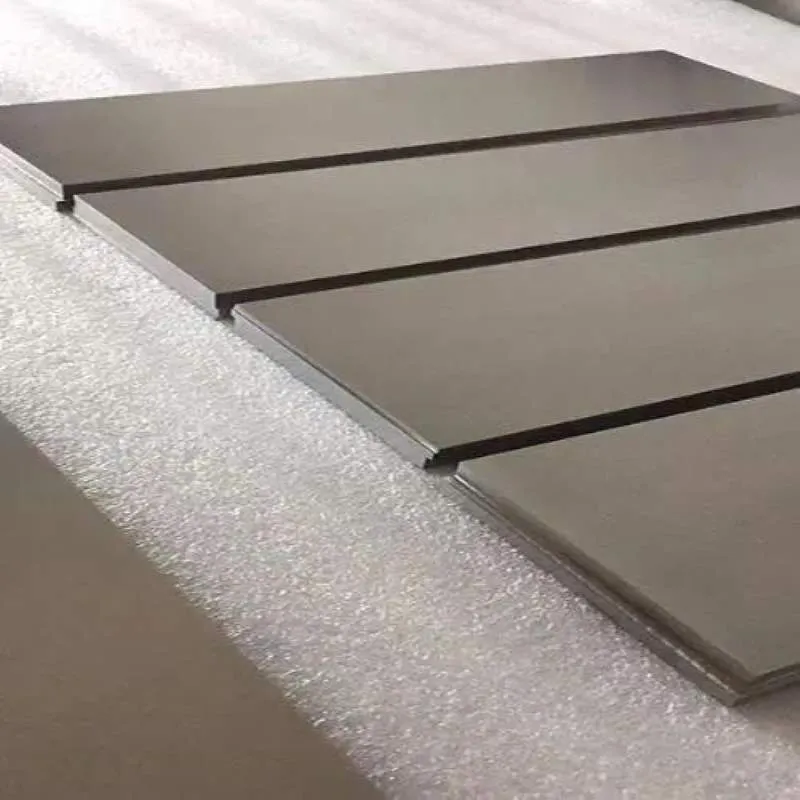
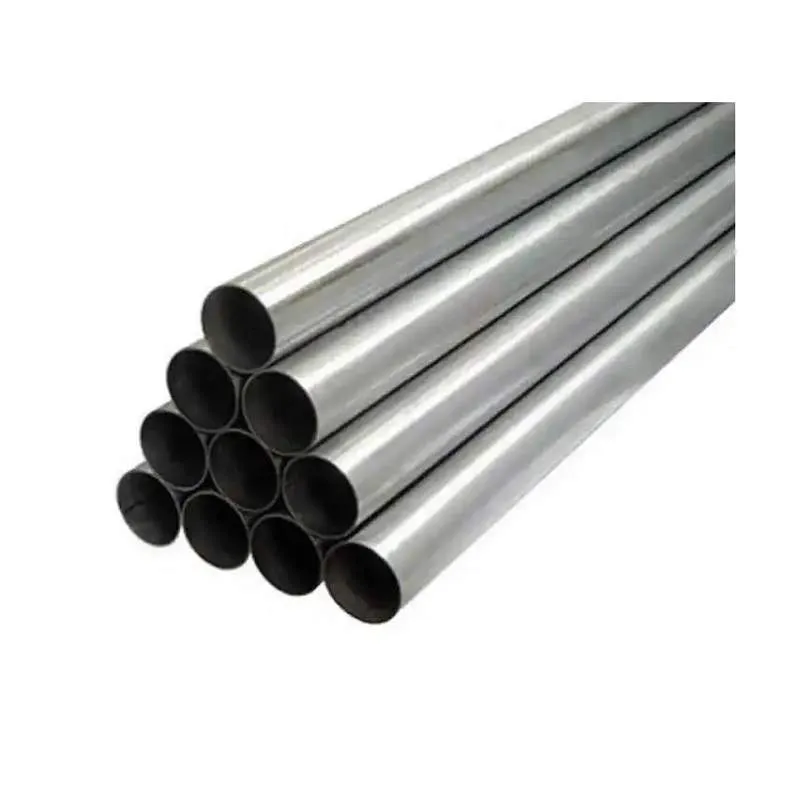
SKS51M Air-Hardening Tool Steel Rod/Bar
Product Code : STI-GSTI-172-CU
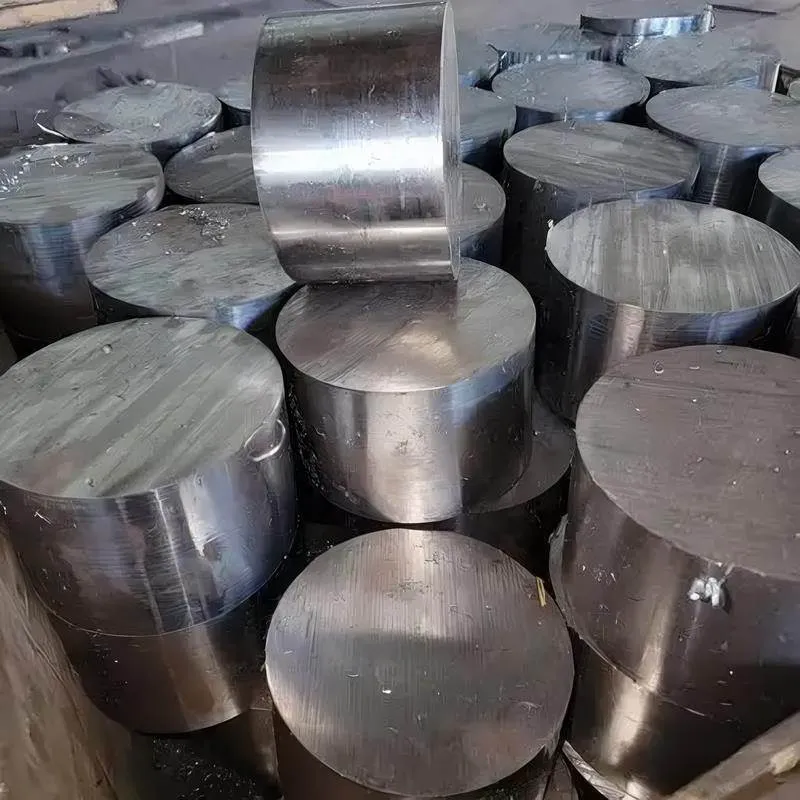
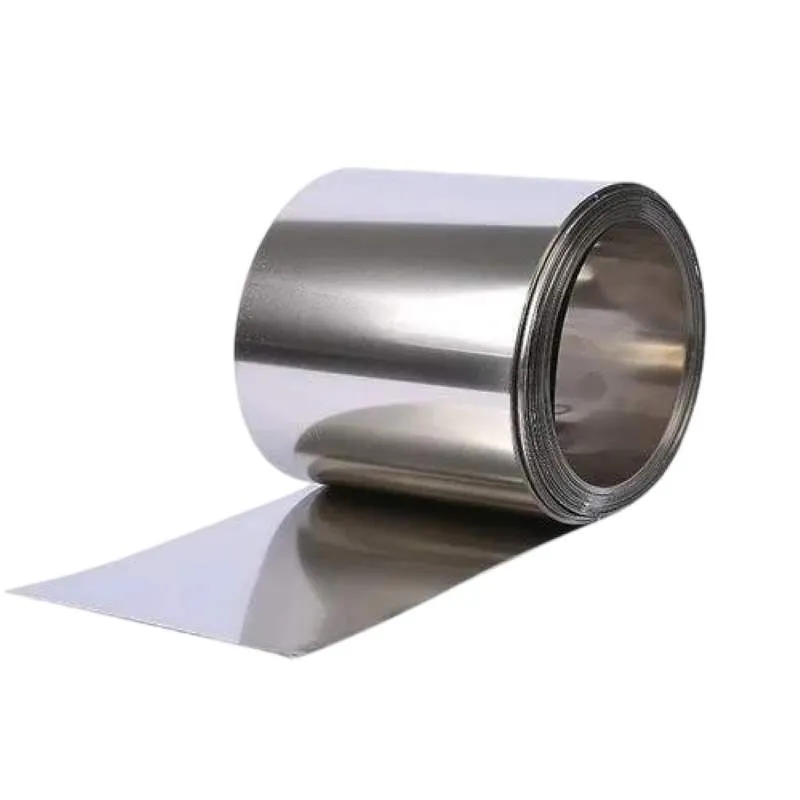
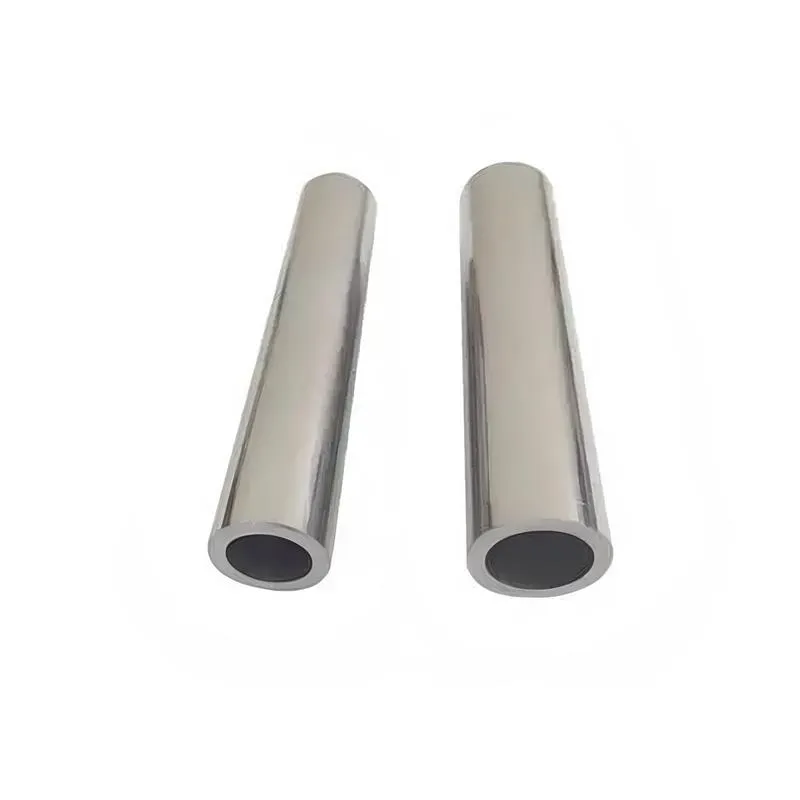
We provide SKS51M Air-Hardening Tool Steel Rod/Bar is available in Bar (Round bar, Flat bar), Ribbon, Wire, Rod/Bars, Tube,Seamless Tube,Pipe, Ingots, Plate, Sheet, Strip and Forging Stock.,Purity, chemical composition, size, etc. can all be customized to meet specific requirements.
Please contact us if you need customized services. We will contact you with the price and availability in 24 hours.
SKS51M Air-Hardening Tool Steel Rod Product Information
-:-
For detailed product information, please contact sales.
-:
SKS51M Air-Hardening Tool Steel Rod Synonyms
-:-
For detailed product information, please contact sales.
-:
SKS51M Air-Hardening Tool Steel Product Information
-:-
For detailed product information, please contact sales.
-:
# **JIS SKS51M Air-Hardening Tool Steel**
**International Standard:** JIS G4404 (Japan Industrial Standard) - Tool Steels
---
## **1. Overview**
JIS SKS51M is an **improved-machinability, medium-alloy air-hardening cold work tool steel** that represents a specialized variant of traditional air-hardening steels. Characterized by its **excellent machinability in the annealed state combined with good dimensional stability during air quenching**, this steel is designed for complex tooling applications where extensive machining is required before heat treatment. The "M" suffix indicates enhanced machinability through controlled sulfur addition, making it particularly valuable for intricate molds, dies, and precision components requiring detailed machining operations.
---
## **2. Chemical Composition (Typical Weight %)**
| Element | Content (%) |
| :------ | :---------- |
| C | 0.90–1.00 |
| Si | 0.15–0.35 |
| Mn | 0.80–1.10 |
| Cr | 0.50–1.00 |
| Mo | 0.15–0.30 |
| V | 0.10–0.20 |
| S | 0.06–0.12 |
| P (max) | 0.030 |
| Ca (optional) | 0.001–0.005 |
**Balance:** Iron (Fe).
**Key Characteristics:** SKS51M is essentially a **machinability-enhanced version of air-hardening tool steel** featuring:
- **Controlled sulfur addition (0.06–0.12%)** to form manganese sulfide inclusions that act as internal chip breakers
- **Balanced alloy content** for air hardenability with minimal distortion
- **Medium carbon content** for good wear resistance after hardening
- **Molybdenum and vanadium** for hardenability and grain refinement
---
## **3. Physical & Mechanical Properties**
### **Physical Properties**
- **Density:** ~7.81 g/cm³ (slightly lower than non-free-machining grades)
- **Thermal Conductivity:** ~36 W/m·K (at 20°C)
- **Coefficient of Thermal Expansion:** ~11.5 ×10⁻⁶ /K (20–200°C)
- **Specific Heat Capacity:** ~0.46 kJ/kg·K
- **Modulus of Elasticity:** ~205 GPa (slightly anisotropic due to inclusions)
- **Air-Hardenability:** Good – hardens fully in still air on moderate sections
### **Mechanical Properties (Heat-Treated)**
- **Annealed Hardness:** 183–229 HB (excellent for machining)
- **Hardened & Tempered Hardness:** **58–62 HRC** (typical working range)
- **Tensile Strength:** ~1900–2200 MPa (at 60 HRC, longitudinal)
- **Transverse Strength:** Reduced by 15–25% compared to longitudinal (due to sulfide stringers)
- **Impact Toughness (Longitudinal):** Good – similar to standard air-hardening grades
- **Impact Toughness (Transverse):** Reduced – typically 40–60% of longitudinal values
- **Wear Resistance:** **Very Good** – Comparable to standard grades in service
- **Dimensional Stability:** **Excellent** – Minimal distortion during air quenching
- **Compressive Strength:** ~2500–2800 MPa
### **Machinability Characteristics**
- **Machinability Rating:** 75–85% (compared to 100% for 1212 steel)
- **Improvement over Standard:** 20–40% better machinability than non-free-machining air-hardening grades
- **Chip Formation:** Short, broken chips – excellent for automated machining
- **Surface Finish:** Good to excellent with proper parameters
- **Tool Life:** Extended compared to standard air-hardening steels
---
## **4. Heat Treatment Specifications**
### **1. Annealing**
- **Temperature:** 780–820°C
- **Process:** Heat uniformly, hold for 2–3 hours, furnace cool slowly (≤ 20°C/h) to 550°C, then air cool
- **Resulting Hardness:** 183–229 HB
- **Spheroidize Annealing:** 790–810°C for 4–6 hours, slow cool to 600°C at 10°C/h
### **2. Stress Relieving**
- **Temperature:** 600–650°C
- **Hold Time:** 1–2 hours per 25mm thickness
- **Purpose:** Critical after extensive machining operations
### **3. Hardening (Quenching)**
- **Preheating:** Recommended for complex shapes
- **First Preheat:** 500–550°C
- **Second Preheat:** 750–800°C
- **Austenitizing Temperature:** **850–900°C** (typically 870–880°C)
- **Soaking Time:** 20–40 minutes per 25mm at temperature
- **Quenching Medium:** **Air** (still air or forced air)
- Oil quenching possible but not typically required
- **Critical Cooling Rate:** Slow – air cooling sufficient for full hardening
- **Hardening Depth:** Good – can through-harden sections up to 100mm
### **4. Tempering**
- **Immediate Tempering Required:** Begin when tool reaches 50–80°C
- **Temperature Range:**
- **Low Temperature (150–250°C):** For maximum hardness (60–62 HRC)
- **Medium Temperature (250–400°C):** For balanced properties (58–60 HRC)
- **High Temperature (400–550°C):** For increased toughness (54–58 HRC)
- **Hold Time:** 1–2 hours per 25mm, minimum 1.5 hours
- **Cycles:** **Double tempering recommended** for dimensional stability
- **Tempering Response:** Good secondary hardness development
### **5. Special Considerations:**
- **Minimal Distortion:** Air quenching provides excellent dimensional control
- **Low Residual Stress:** Compared to oil or water quenching
- **Size Change:** Typically 0.02–0.05% growth during hardening
- **Decarburization Protection:** Recommended during heating
---
## **5. Key Features & Advantages**
1. **Excellent Machinability:** Primary advantage – allows complex machining operations
2. **Superior Dimensional Stability:** Air quenching minimizes distortion
3. **Good Wear Resistance:** After hardening, provides excellent service performance
4. **Reduced Manufacturing Costs:** Faster machining, longer tool life during fabrication
5. **Complex Geometry Capability:** Can machine intricate details before hardening
6. **Good Toughness:** Maintains reasonable impact resistance
7. **Predictable Heat Treatment:** Reliable and consistent results
8. **Anisotropic Properties Managed:** When properly oriented in design
**Limitations:**
- **Directional Properties:** Reduced transverse strength and toughness
- **Surface Finish Limitations:** For very high polish applications, inclusions may be visible
- **Special Grinding Considerations:** May require adjusted parameters
- **Not for Extreme Impact:** In transverse loading conditions
---
## **6. Typical Applications**
SKS51M is specifically designed for **complex tooling requiring extensive machining** where dimensional stability and machinability are critical.
### **Mold & Die Applications:**
- **Plastic Injection Molds:** Complex cavity inserts, cores, ejector pins
- **Die Casting Dies:** For aluminum, zinc, magnesium alloys
- **Powder Metal Compaction Dies:** Intricate shapes requiring precise machining
- **Glass Mold Components:** For precision glassware production
### **Precision Tooling:**
- **Gauges and Fixtures:** Complex inspection fixtures
- **Jigs and Fixtures:** Precision machining fixtures
- **Forming Tools:** With intricate profiles
- **Patterns and Models:** For prototyping and production
### **Stamping & Forming Tools:**
- **Progressive Dies:** Complex multi-station dies
- **Fine Blanking Dies:** Precision blanking applications
- **Lamination Dies:** For electrical motor components
- **Embossing Dies:** Detailed surface patterns
### **Specialized Components:**
- **Machine Tool Components:** Complex gears, cams, guides
- **Wear Parts:** With intricate cooling channels or features
- **Aerospace Tooling:** Jigs and fixtures for composite parts
- **Medical Device Tooling:** Precision molds for medical components
### **Application Guidelines:**
- **Best for:** Complex shapes requiring extensive milling, drilling, EDM
- **Ideal for:** Production tooling where manufacturing efficiency matters
- **Suitable for:** Components with primary stresses aligned with rolling direction
- **Avoid for:** Applications with significant multi-directional impact loading
---
## **7. International Standard Equivalents**
| Standard | Grade Designation | Notes |
| :--------------- | :------------------ | :----------------------------------------- |
| **JIS** | SKS51M | Original specification (JIS G4404) |
| **AISI/SAE (USA)**| A6 Free-Machining | Similar free-machining air-hardening grade |
| **Proprietary** | Various "Improved Machining" grades | From specialty steel producers |
| **Custom** | Modified A-series with S | Engineered for specific applications |
| **DIN (Germany)** | Special treated grades | With machinability enhancement |
**Note:** The "M" designation for improved machinability is consistent across JIS standards, though exact compositions may vary between producers.
---
## **8. Machining & Fabrication Guidelines**
### **Machining (In Annealed State):**
- **Exceptional Machinability for Air-Hardening Steel:** 25–40% better than standard grades
- **Cutting Speeds:** 25–40 m/min with HSS, 80–120 m/min with carbide
- **Feeds:** Can use more aggressive feeds than non-free-machining grades
- **Tool Materials:** Carbide recommended for production, HSS suitable
- **Chip Control:** Excellent – produces short, manageable chips
- **Coolant:** Use for best surface finish and tool life
### **Optimal Machining Parameters:**
- **Turning:** 70–100 m/min with HSS, 150–200 m/min with carbide
- **Milling:** 35–50 m/min with HSS, 100–150 m/min with carbide
- **Drilling:** 20–35 m/min with HSS, 50–80 m/min with carbide
- **Tapping:** Excellent performance – reduced tap breakage
### **Grinding:**
- **Good Grindability:** Requires attention to wheel selection
- **Wheel Selection:** Softer grade wheels (I–K hardness) recommended
- **Coolant:** Essential to prevent wheel loading
- **Surface Finish:** Can achieve good finishes with proper technique
### **Electrical Discharge Machining (EDM):**
- **Excellent for EDM:** Performs very well in both sinking and wire EDM
- **Material Removal Rate:** Similar to standard grades
- **Surface Finish:** Good with proper finishing passes
- **Post-EDM:** Temper at 150–200°C to relieve white layer stresses
### **Welding:**
- **Not Generally Recommended:** Sulfur content increases hot cracking risk
- **If Necessary:** Use specialized low-hydrogen procedures with high preheat (350–450°C)
- **Post-Weld:** Full annealing and re-hardening recommended
- **Practical Approach:** Avoid welding – use mechanical fastening or design as one piece
### **Orientation Considerations:**
- **Critical Design Factor:** Align primary stress direction with rolling direction
- **Material Specification:** Clearly indicate orientation requirements
- **Machining Strategy:** Plan operations to minimize transverse stresses
- **Quality Control:** Verify orientation during incoming inspection
---
## **9. Surface Treatment**
### **1. Nitriding:**
- **Highly Effective:** Improves surface hardness and wear resistance
- **Process:** Plasma or gas nitriding at 480–520°C
- **Case Depth:** 0.1–0.2 mm typical
- **Surface Hardness:** 800–1000 HV
- **Benefits:** Extends tool life without affecting core properties
### **2. PVD Coatings:**
- **Excellent Results:** TiN, TiCN, TiAlN coatings adhere well
- **Benefits:** Further enhance wear resistance and reduce friction
- **Application:** After final polishing and cleaning
### **3. Polishing:**
- **Good Polishability:** Can achieve excellent surface finishes
- **Consideration:** Sulfide inclusions may be visible at very high polish levels
- **Technique:** Standard polishing procedures apply
### **4. Texturing:**
- **Excellent for:** Mold surfaces requiring texture (leather, wood grain, etc.)
- **Methods:** Chemical etching, laser texturing, EDM texturing
- **Benefits:** Good surface consistency for texture replication
---
## **10. Performance Comparison**
### **Compared to Standard Air-Hardening Grades:**
| Property | SKS51M (Free-Machining) | Standard Air-Hardening | Oil-Hardening (O1) |
|-----------------------|-------------------------|------------------------|--------------------|
| **Machinability** | **Excellent** | Fair to Good | Excellent |
| **Dimensional Stability**| **Excellent** | Excellent | Good |
| **Distortion** | Minimal | Minimal | Low |
| **Wear Resistance** | Very Good | Very Good | Good |
| **Toughness (Longitudinal)** | Good | Good | Very Good |
| **Toughness (Transverse)** | Reduced | Isotropic | Isotropic |
| **Grindability** | Good | Good | Excellent |
| **Manufacturing Cost**| **Lower** | Higher | Lowest |
### **Economic Comparison:**
| Factor | SKS51M Advantage | Standard Grade |
|-----------------------|-------------------------|------------------------|
| **Machining Time** | 25–40% reduction | Baseline |
| **Tooling Cost** | 20–35% reduction | Baseline |
| **Scrap Rate** | Lower for complex parts | Higher |
| **Setup Time** | Reduced | Standard |
| **Overall Manufacturing Cost** | 20–30% lower | Baseline |
---
## **11. Design & Manufacturing Considerations**
### **Material Orientation Strategy:**
- **Design Priority:** Align primary tensile stresses with rolling direction
- **Critical Components:** Specify orientation on drawings
- **Stock Selection:** Purchase material with orientation in mind
- **Worst-Case Loading:** Analyze transverse loading scenarios
### **Section Size Capability:**
- **Air Hardening Advantage:** Can harden thick sections uniformly
- **Optimal Range:** 10–150 mm sections
- **Large Components:** Excellent for large mold bases and die sets
- **Thin Sections:** Good dimensional control
### **Stress Concentration Management:**
- **More Sensitive:** To notches in transverse direction
- **Design Rule:** Use larger radii than with isotropic materials
- **Minimum Radius:** 1.0–1.5 mm recommended
- **Critical Areas:** Avoid placing stress raisers in transverse loading zones
### **Heat Treatment Planning:**
- **Minimal Fixturing:** Usually not required due to air hardening
- **Size Change Prediction:** More predictable than oil or water quenching
- **Post-Hardening Machining:** Usually minimal due to dimensional stability
- **Finishing Allowance:** 0.05–0.15 mm per side typically sufficient
---
## **12. Quality Control & Inspection**
### **Material Certification:**
- **Chemistry Verification:** Particularly sulfur content
- **Machinability Tests:** Optional but valuable for critical applications
- **Ultrasonic Testing:** Note that sulfide stringers will appear (normal)
### **Heat Treatment Validation:**
- **Hardness Testing:** Multiple locations and orientations
- **Dimensional Verification:** Check for minimal distortion
- **Microstructure:** Properly tempered martensite
### **Non-Destructive Testing:**
- **Understand Limitations:** Know what sulfide indications look like
- **Establish Baselines:** For normal material characteristics
- **Critical Applications:** May require more extensive testing
### **Orientation Verification:**
- **Marking Systems:** Maintain orientation throughout manufacturing
- **Final Inspection:** Verify critical orientation before heat treatment
- **Documentation:** Record orientation in quality records
---
## **13. Summary & Selection Guidelines**
JIS SKS51M represents a **strategic optimization of air-hardening tool steel** for applications where complex machining and dimensional stability are paramount.
### **Select SKS51M When:**
1. **Complex tool geometries** require extensive machining operations
2. **Dimensional stability** during heat treatment is critical
3. **Manufacturing efficiency** and reduced machining time are priorities
4. **Air-hardening characteristics** are required for minimal distortion
5. **Production tooling** with significant machining content
6. **Prototype development** requires quick turnaround of complex shapes
7. **Cost reduction** in tool manufacturing is important
### **Optimal Application Scenarios:**
- **Complex injection molds** with intricate cores and cavities
- **Precision stamping dies** with detailed features
- **Multi-cavity mold sets** requiring extensive machining
- **Prototype tooling** where design may change frequently
- **Educational and training tools** where machinability is valued
- **Replacement parts** for existing air-hardening tools
### **Avoid SKS51M When:**
1. **Multi-directional impact loading** is significant
2. **Maximum transverse properties** are critical
3. **Mirror polishing** is required (inclusions may be visible)
4. **Welding or extensive repair** is anticipated
5. **Material orientation** cannot be controlled in design/manufacturing
6. **Simple shapes** make machinability advantages less valuable
### **Economic Justification:**
- **Rule of Thumb:** Consider when machining accounts for >40% of total tool cost
- **Break-even Analysis:** Compare material premium vs. machining savings
- **Total Cost Calculation:** Include all manufacturing steps, not just material cost
- **Production Volume:** Higher volumes increase economic benefits
### **Implementation Strategy:**
1. **Start with Medium-Complexity Tools:** Gain experience
2. **Document Orientation Requirements:** From design through manufacturing
3. **Optimize Machining Parameters:** Take full advantage of improved machinability
4. **Monitor Tool Performance:** In service compared to standard grades
5. **Expand Application:** To more complex tools as experience grows
### **Industry Applications:**
SKS51M is particularly valued in:
- **Plastic injection mold making**
- **Die casting tool and die shops**
- **Precision stamping die manufacturers**
- **Prototype and development facilities**
- **Educational institutions** teaching tool and die making
### **Final Recommendation:**
JIS SKS51M offers a **practical engineering solution** that optimizes the total manufacturing process for complex air-hardened tooling. By accepting some directional property limitations in exchange for dramatically improved manufacturability, it provides **real economic benefits for appropriate applications**.
For tool designers and manufacturers facing challenges with machining complex tools from conventional air-hardening steels, SKS51M provides a **validated solution that balances performance with producibility**. Its use should be considered within a **total cost framework**, recognizing that sometimes paying more for material can result in lower total costs through manufacturing efficiencies.
When applied with proper attention to **orientation, design, and service conditions**, SKS51M can deliver **exceptional value through reduced manufacturing time and costs** while maintaining excellent performance for demanding cold work tooling applications. It represents a **smart choice for modern tool manufacturing** where complexity and precision requirements continue to increase while cost pressures remain intense.
-:-
For detailed product information, please contact sales.
-:
SKS51M Air-Hardening Tool Steel Specification
Dimensions
Size:
Diameter 20-1000 mm Length <6828 mm
Size:We can customized as required
Standard:
Per your request or drawing
We can customized as required
Properties(Theoretical)
Chemical Composition
-:-
For detailed product information, please contact sales.
-:
SKS51M Air-Hardening Tool Steel Properties
-:-
For detailed product information, please contact sales.
-:
Applications of SKS51M Air-Hardening Tool Steel Rod
-:-
For detailed product information, please contact sales.
-:
Chemical Identifiers SKS51M Air-Hardening Tool Steel Rod
-:-
For detailed product information, please contact sales.
-:
Packing of SKS51M Air-Hardening Tool Steel Rod
-:-
For detailed product information, please contact sales.
-:
Standard Packing:
-:-
For detailed product information, please contact sales.
-:
Typical bulk packaging includes palletized plastic 5 gallon/25 kg. pails, fiber and Steel Rod drums to 1 ton super sacks in full container (FCL) or truck load (T/L) quantities. Research and sample quantities and hygroscopic, oxidizing or other air sensitive materials may be packaged under argon or vacuum. Solutions are packaged in polypropylene, plastic or glass jars up to palletized 3299 gallon liquid totes Special package is available on request. E FORUs’ is carefully handled to minimize damage during storage and transportation and to preserve the quality of our products in their original condition