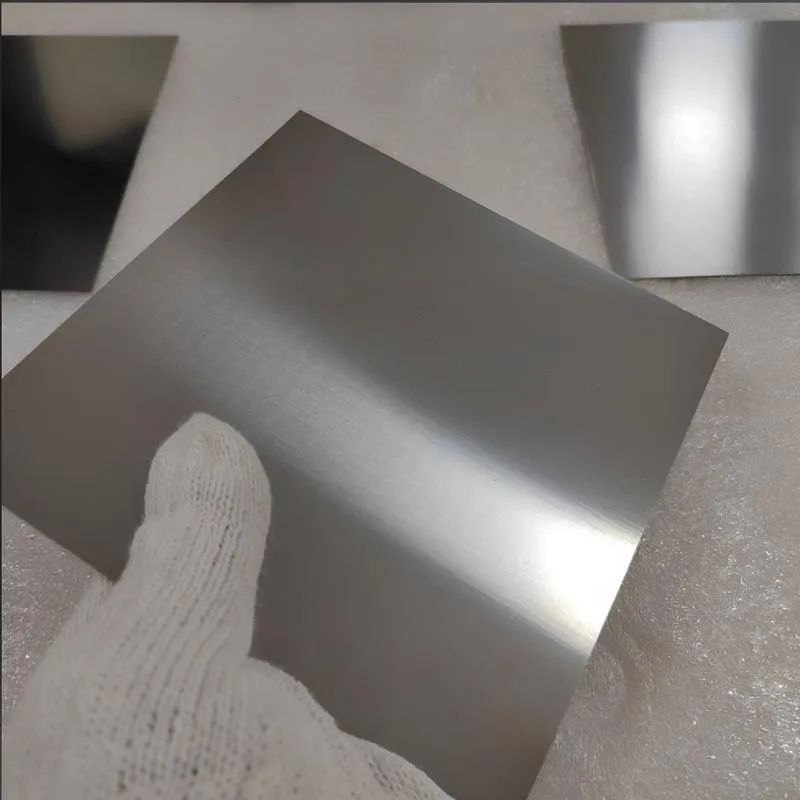
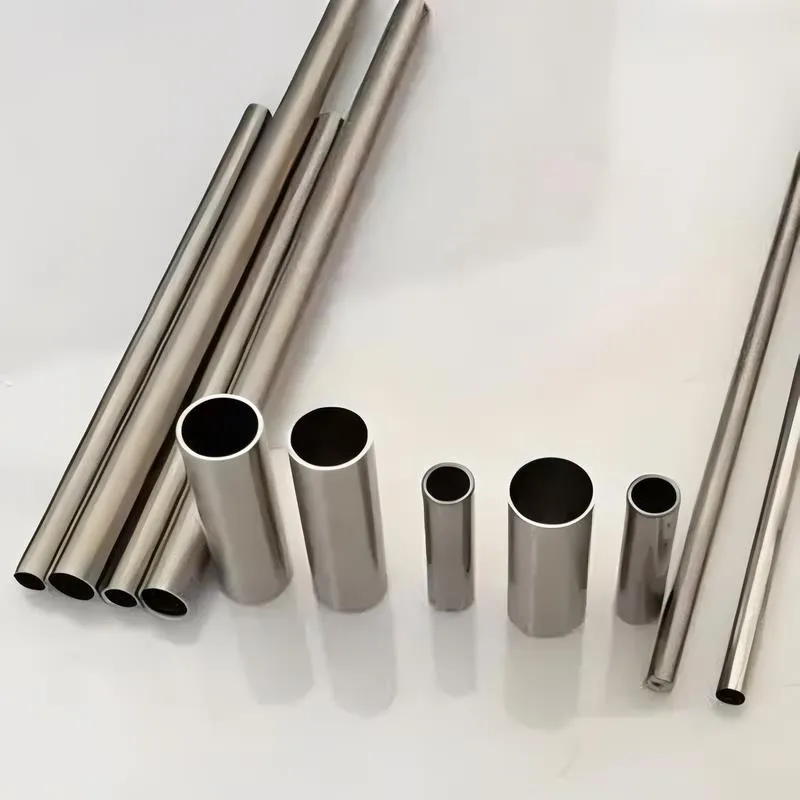
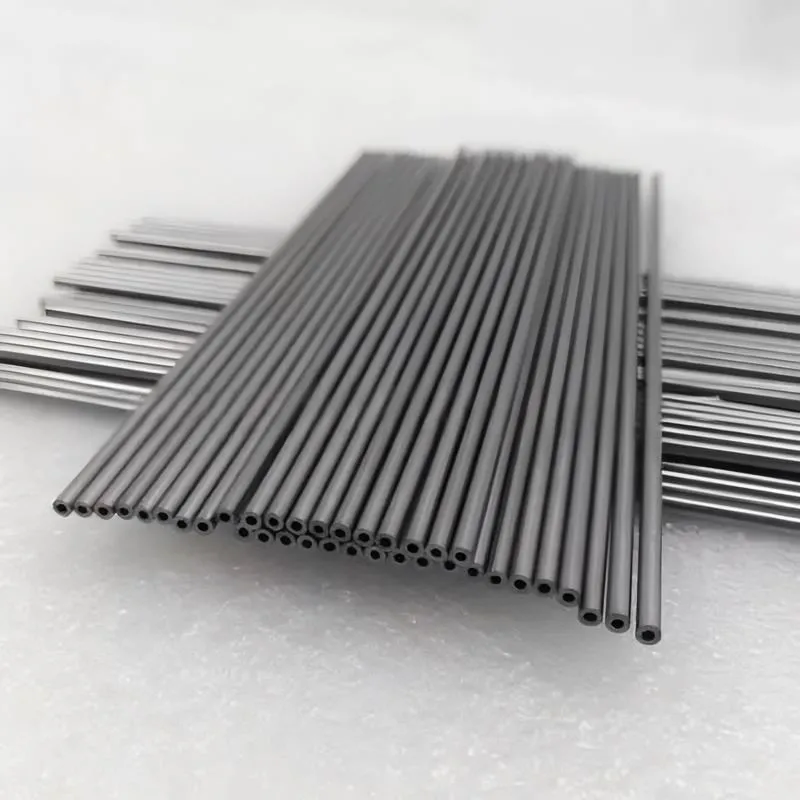
SKS5M Air-Hardening Tool Steel Sheet,Plate
Product Code : STI-GSTI-173-CU
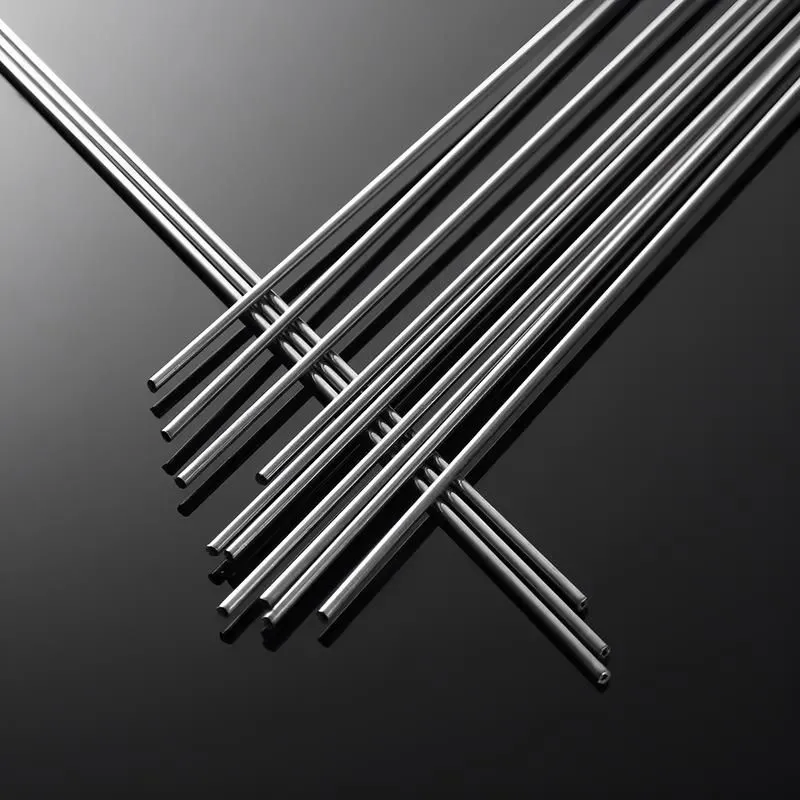
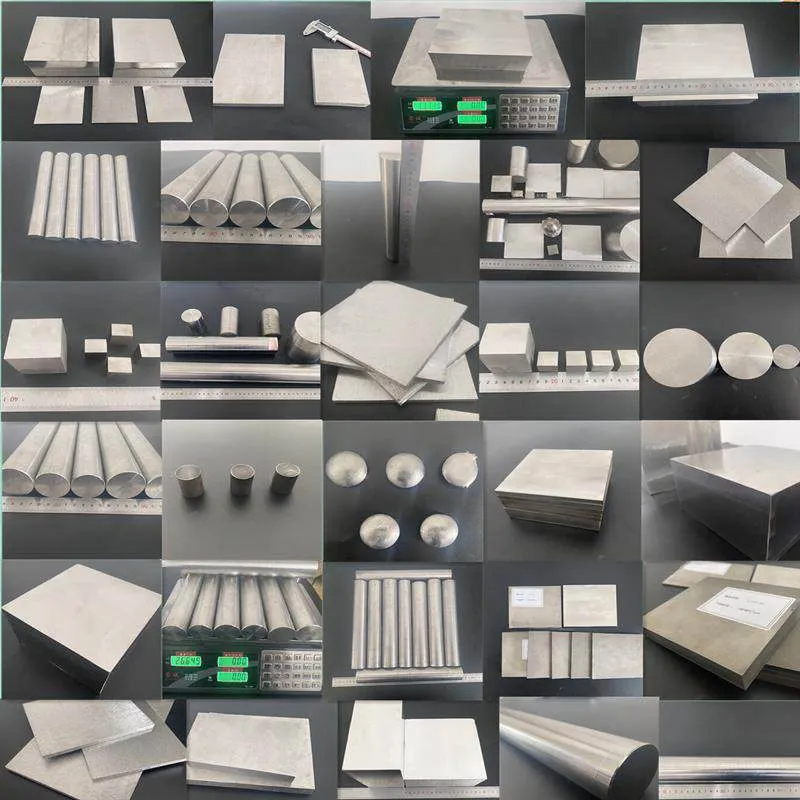
We provide SKS5M Air-Hardening Tool Steel Sheet/Plate is available in Bar (Round bar, Flat bar), Ribbon, Wire, Rods, Tube,Seamless Tube,Pipe, Ingots, Plate, Sheet/Plate, Strip and Forging Stock.,Purity, chemical composition, size, etc. can all be customized to meet specific requirements.
Please contact us if you need customized services. We will contact you with the price and availability in 24 hours.
SKS5M Air-Hardening Tool Steel Sheet/Plate Product Information
-:-
For detailed product information, please contact sales.
-:
SKS5M Air-Hardening Tool Steel Sheet/Plate Synonyms
-:-
For detailed product information, please contact sales.
-:
SKS5M Air-Hardening Tool Steel Product Information
-:-
For detailed product information, please contact sales.
-:
# **JIS SKS5M Air-Hardening Tool Steel**
**International Standard:** JIS G4404 (Japan Industrial Standard) - Tool Steels
---
## **1. Overview**
JIS SKS5M is an **improved-machinability, high-carbon chromium air-hardening tool steel** designed specifically for applications requiring both excellent machinability in the annealed state and superior dimensional stability during heat treatment. As a free-machining variant ("M" designation) of the SKS5 series, this steel incorporates controlled sulfur additions to dramatically improve machining characteristics while maintaining the core advantages of air-hardening tool steels: minimal distortion, uniform hardening, and excellent wear resistance after heat treatment. SKS5M is particularly valuable for manufacturing complex dies, molds, and precision tooling components that require extensive machining operations before final hardening.
---
## **2. Chemical Composition (Typical Weight %)**
| Element | Content (%) |
| :------ | :---------- |
| C | 1.20–1.30 |
| Si | 0.15–0.35 |
| Mn | 0.20–0.50 |
| Cr | 0.20–0.50 |
| Mo | — |
| V | — |
| S | 0.08–0.15 |
| P (max) | 0.030 |
| Ca (optional) | 0.001–0.005 |
**Balance:** Iron (Fe).
**Key Characteristics:**
- **High carbon content (1.20–1.30%)** provides excellent wear resistance potential after hardening
- **Controlled sulfur addition (0.08–0.15%)** creates manganese sulfide (MnS) inclusions that act as internal chip breakers during machining
- **Moderate chromium content (0.20–0.50%)** contributes to hardenability while maintaining relatively good machinability
- **Simple alloy system** without molybdenum or vanadium, focusing on the essential balance of properties
---
## **3. Physical & Mechanical Properties**
### **Physical Properties**
- **Density:** ~7.82 g/cm³ (slightly lower than non-sulfurized grades due to inclusions)
- **Thermal Conductivity:** ~35 W/m·K (at 20°C)
- **Coefficient of Thermal Expansion:** ~11.3 ×10⁻⁶ /K (20–200°C)
- **Specific Heat Capacity:** ~0.46 kJ/kg·K
- **Modulus of Elasticity:** ~210 GPa (anisotropic - higher in longitudinal direction)
- **Air-Hardenability:** Moderate – requires controlled cooling for full hardening on larger sections
### **Mechanical Properties (Heat-Treated)**
- **Annealed Hardness:** 201–241 HB (excellent for machining)
- **Hardened & Tempered Hardness:** **60–64 HRC** (typical working range)
- Can achieve 63–64 HRC with optimal processing
- **Tensile Strength:** ~2000–2300 MPa (at 62 HRC, longitudinal direction)
- **Transverse Strength:** Typically 20–30% lower than longitudinal due to sulfide alignment
- **Impact Toughness (Longitudinal):** Moderate – 10–20 J (typical for high-carbon tool steels)
- **Impact Toughness (Transverse):** Reduced – 5–12 J (40–60% of longitudinal)
- **Wear Resistance:** **Excellent** – High carbon content provides superior abrasion resistance
- **Dimensional Stability:** **Excellent** – Minimal distortion during air quenching (<0.05% typical)
- **Compressive Strength:** ~2600–3000 MPa
- **Fatigue Strength:** Moderate – limited by lower toughness
### **Machinability Characteristics**
- **Machinability Rating:** 70–80% (compared to 1212 steel at 100%)
- **Improvement over Standard SKS5:** 30–50% better machinability
- **Chip Formation:** Short, broken chips – ideal for automated machining
- **Surface Finish:** Good to very good with proper parameters
- **Tool Life:** Significantly extended compared to non-free-machining grades
- **Power Consumption:** Reduced during machining operations
---
## **4. Heat Treatment Specifications**
### **1. Annealing**
- **Temperature:** 760–800°C
- **Process:** Heat uniformly, hold for 2–3 hours, furnace cool slowly (≤ 20°C/h) to 550°C, then air cool
- **Resulting Hardness:** 201–241 HB
- **Spheroidize Annealing:** 770–790°C for 4–6 hours, slow cool to 600°C at 10°C/h (optimal for cold work and machining)
### **2. Stress Relieving**
- **Temperature:** 600–650°C
- **Hold Time:** 1–2 hours per 25mm thickness
- **Purpose:** Critical after extensive machining to prevent distortion during hardening
### **3. Hardening (Quenching)**
- **Preheating:** **Highly Recommended**
- **First Preheat:** 500–550°C
- **Second Preheat:** 750–800°C
- **Austenitizing Temperature:** **800–850°C** (typically 820–830°C)
- **Soaking Time:** 20–40 minutes per 25mm at temperature
- Careful control needed – excessive time causes grain growth
- **Quenching Medium:** **Air** (still or gently moving air)
- Forced air cooling for more consistent results on larger sections
- Oil quenching possible but not typically needed
- **Critical Cooling Rate:** Relatively slow – air cooling sufficient for most sections
- **Hardening Depth:** Good for sections up to 75–100mm diameter
### **4. Tempering**
- **Immediate Tempering Required:** Begin when tool reaches 50–80°C
- **Temperature Range:**
- **Low Temperature (150–200°C):** For maximum hardness (63–64 HRC) – 1–2 hours
- **Medium-Low (200–300°C):** For optimal balance (61–63 HRC) – 1–2 hours
- **Medium (300–400°C):** For improved toughness (58–61 HRC) – 1.5–2.5 hours
- **Avoid Range:** 250–350°C (temper brittleness risk)
- **Hold Time:** 1–2 hours per 25mm, minimum 1.5 hours
- **Cycles:** **Double tempering strongly recommended** for dimensional stability and toughness
- **Size Change:** Minimal during tempering – typically <0.02%
### **5. Special Considerations:**
- **Decarburization Control:** Essential during heating – use protective atmosphere
- **Grain Growth Control:** Avoid excessive temperatures or times
- **Size Change Predictability:** Good – typically 0.03–0.07% expansion during hardening
- **Surface Integrity:** Maintain clean surfaces – sulfides can affect very high polish applications
---
## **5. Key Features & Advantages**
1. **Superior Machinability:** Primary advantage – enables complex machining operations with reduced time and cost
2. **Excellent Dimensional Stability:** Air hardening minimizes distortion – critical for precision tooling
3. **High Wear Resistance:** After hardening, provides excellent service life in abrasive conditions
4. **Good Hardness Potential:** Can achieve 63–64 HRC with proper heat treatment
5. **Reduced Manufacturing Costs:** Faster machining, extended tool life, lower scrap rates
6. **Complex Geometry Capability:** Can produce intricate details before hardening
7. **Predictable Heat Treatment:** Consistent results with proper processing
8. **Good Polishability:** Can achieve excellent surface finishes for mold applications
**Limitations:**
- **Anisotropic Properties:** Reduced mechanical properties transverse to rolling direction
- **Impact Toughness:** Moderate at best – not suitable for severe impact applications
- **High Polish Limitations:** Sulfide inclusions may be visible at very high polish levels
- **Special Grinding Considerations:** May require adjusted parameters
- **Welding Difficulty:** Not recommended due to sulfur content and high carbon
---
## **6. Typical Applications**
SKS5M is specifically designed for **precision tooling applications requiring complex machining and excellent dimensional stability**, particularly in mold and die manufacturing.
### **Mold Manufacturing:**
- **Plastic Injection Molds:** Complex cavity inserts, cores, hot runner components
- **Die Casting Dies:** For aluminum, zinc, and magnesium alloys
- **Glass Molds:** Precision molds for glassware and containers
- **Rubber Molds:** For compression and transfer molding
- **Powder Metal Compaction Dies:** Intricate shapes requiring precision
### **Stamping & Forming Tools:**
- **Precision Blanking Dies:** For electronic components, electrical laminations
- **Progressive Dies:** Multi-station dies with complex features
- **Fine Blanking Tools:** For clean-edge blanking applications
- **Forming Dies:** With intricate profiles and details
- **Embossing Dies:** For decorative surface patterns
### **Precision Tooling & Fixtures:**
- **Gauges and Measuring Tools:** Complex inspection fixtures, master gauges
- **Jigs and Fixtures:** Precision machining and assembly fixtures
- **Machine Tool Components:** Complex gears, cams, guideways
- **Cutting Tools:** Special form tools, broaches (for non-ferrous materials)
### **Specialized Industrial Applications:**
- **Textile Machine Parts:** Complex guides, cams, and forming tools
- **Food Processing Equipment:** Molds and forming tools
- **Packaging Tooling:** Dies for packaging material forming
- **Automotive Tooling:** Precision dies for interior components
### **Application Guidelines:**
- **Best for:** Complex shapes requiring extensive machining before hardening
- **Ideal for:** Production tooling where dimensional stability is critical
- **Suitable for:** Components with primary stresses aligned with rolling direction
- **Avoid for:** Applications with significant multi-directional or impact loading
- **Excellent for:** Molds and dies with intricate cooling channels or ejector systems
---
## **7. International Standard Equivalents**
| Standard | Grade Designation | Notes |
| :--------------- | :------------------ | :----------------------------------------- |
| **JIS** | SKS5M | Original specification (JIS G4404) |
| **AISI/SAE (USA)**| No direct equivalent | Similar to high-carbon free-machining tool steels |
| **Proprietary** | Various free-machining tool steels | From specialty producers |
| **DIN (Germany)** | Special treated grades | With machinability enhancement |
| **Custom** | Modified high-C tool steels | Engineered for specific needs |
**Note:** The "M" suffix in JIS nomenclature consistently indicates improved machinability, though exact compositions may vary between steel producers. SKS5M represents a specialized grade optimized for specific manufacturing requirements.
---
## **8. Machining & Fabrication Guidelines**
### **Machining (In Annealed State):**
- **Excellent Machinability for High-Carbon Tool Steel:** 40–60% better than standard grades
- **Optimal Cutting Speeds:**
- **Turning:** 60–90 m/min with HSS, 120–180 m/min with carbide
- **Milling:** 30–50 m/min with HSS, 80–130 m/min with carbide
- **Drilling:** 20–35 m/min with HSS, 50–80 m/min with carbide
- **Feeds:** Can use more aggressive feeds than non-free-machining grades
- **Tool Materials:** Carbide recommended for production, premium HSS suitable
- **Chip Control:** Excellent – produces short, broken chips ideal for automation
- **Coolant:** Highly recommended for best tool life and surface finish
### **Grinding:**
- **Good Grindability:** Requires proper wheel selection
- **Wheel Selection:** Aluminum oxide wheels (A46-JV or similar), softer grades preferred
- **Coolant:** Essential to prevent wheel loading with sulfur compounds
- **Parameters:** Light to moderate infeeds recommended
- **Surface Finish:** Can achieve excellent finishes with proper technique
### **Electrical Discharge Machining (EDM):**
- **Excellent Candidate:** Performs very well in both sinking and wire EDM
- **Material Removal Rate:** Good – comparable to standard tool steels
- **Surface Finish:** Very good with proper finishing passes
- **Post-EDM Processing:** Temper at 150–200°C to relieve white layer stresses
- **Wire EDM:** Particularly effective for complex profiles
### **Welding:**
- **Generally Not Recommended:** High carbon + sulfur content creates extreme cracking risk
- **If Absolutely Necessary:**
- High preheat: 400–450°C minimum
- Specialized low-hydrogen, low-sulfur electrodes
- Controlled interpass temperatures
- Immediate post-weld annealing
- **Practical Approach:** Avoid welding – redesign as one-piece or use mechanical fastening
### **Orientation Considerations:**
- **Critical Design Factor:** Align primary load direction with rolling direction
- **Material Marking:** Clearly indicate orientation from material receipt through final inspection
- **Machining Strategy:** Plan operations to minimize transverse stresses
- **Quality Control:** Verify orientation compliance at key manufacturing stages
---
## **9. Surface Treatment & Finishing**
### **1. Nitriding:**
- **Highly Effective:** Creates extremely hard wear-resistant surface
- **Process:** Plasma nitriding at 480–520°C recommended
- **Case Depth:** 0.1–0.2 mm typical
- **Surface Hardness:** 900–1100 HV
- **Benefits:** Dramatically extends tool life in abrasive applications
- **Consideration:** Temperature must remain below tempering temperature
### **2. PVD Coatings:**
- **Excellent Results:** TiN, TiCN, TiAlN, CrN coatings adhere well
- **Benefits:** Further enhance wear resistance, reduce friction, prevent galling
- **Application Temperature:** 400–500°C (must not affect base material properties)
- **Typical Thickness:** 2–5 μm
### **3. Polishing & Texturing:**
- **Polishability:** Good to excellent – can achieve #8 mirror finish
- **Limitation:** Sulfide inclusions may become visible at very high polish levels
- **Texturing:** Excellent for chemical and laser texturing applications
- **EDM Texturing:** Produces consistent, reproducible surface patterns
### **4. Special Surface Treatments:**
- **Chromium Plating:** For corrosion resistance (decorative) or hard chrome for wear
- **Black Oxide:** Traditional finish for appearance and mild corrosion protection
- **Phosphate Coating:** For improved lubricity in certain forming applications
---
## **10. Performance Comparison**
### **Within Free-Machining Tool Steel Family:**
| Property | SKS5M | SKS51M | SKS2M (Oil-H) | Standard SKS5 |
|-----------------------|---------------------|---------------------|---------------------|---------------------|
| **Carbon Content** | 1.20–1.30% | 0.90–1.00% | 0.95–1.10% | 1.20–1.30% |
| **Sulfur Content** | 0.08–0.15% | 0.06–0.12% | 0.08–0.15% | ≤ 0.030% |
| **Max Hardness** | 63–64 HRC | 61–62 HRC | 62–63 HRC | 63–64 HRC |
| **Machinability** | **Excellent** | Very Good | **Excellent** | Fair |
| **Wear Resistance** | **Excellent** | Very Good | Good | **Excellent** |
| **Dimensional Stability**| **Excellent** | **Excellent** | Good | **Excellent** |
| **Cost Premium** | Medium | Medium | Low | Baseline |
### **Economic Comparison in Tool Manufacturing:**
| Manufacturing Stage | SKS5M Advantage vs Standard | Notes |
|-----------------------|----------------------------|------------------------------------|
| **Material Cost** | 10–20% higher | Sulfur addition increases cost |
| **Machining Time** | 30–50% reduction | Primary economic benefit |
| **Tooling Cost** | 25–40% reduction | Longer tool life during machining |
| **Scrap Rate** | Significant reduction | Fewer machining-related failures |
| **Heat Treatment Scrap**| Similar | No significant difference |
| **Total Manufacturing Cost**| 20–35% lower | Despite higher material cost |
---
## **11. Design & Manufacturing Considerations**
### **Material Orientation Strategy:**
- **Fundamental Principle:** Design for unidirectional loading aligned with rolling direction
- **Critical Components:** Include orientation requirements on all drawings
- **Purchasing Specification:** Require orientation marking from material supplier
- **Manufacturing Planning:** Sequence operations to maintain orientation awareness
### **Section Size Optimization:**
- **Air Hardening Advantage:** Uniform hardness through thick sections
- **Optimal Range:** 25–150 mm sections
- **Very Large Components:** Excellent for large mold bases and die sets
- **Thin Sections:** Good dimensional control, minimal distortion
### **Stress Concentration Management:**
- **Increased Sensitivity:** To notches and sharp corners in transverse direction
- **Design Rules:**
- Minimum radius: 1.5 mm (preferably 2.0 mm)
- Gradual section transitions
- Avoid stress raisers in transverse load paths
- **FEA Analysis:** Recommended for critical components
### **Heat Treatment Planning:**
- **Minimal Fixturing:** Usually not required due to air hardening
- **Size Change Prediction:** Highly predictable – typically 0.03–0.07% expansion
- **Post-Hardening Machining:** Usually minimal – primarily polishing operations
- **Finishing Allowance:** 0.05–0.10 mm per side typically sufficient
### **Tool Life Optimization:**
- **Design for Re-sharpening/Refurbishment:** Where applicable
- **Modular Design:** For complex tools – replace worn components
- **Surface Treatment Integration:** Plan for nitriding or coating from initial design
- **Cooling System Design:** Critical for mold applications – design before hardening
---
## **12. Quality Control & Inspection**
### **Material Certification & Verification:**
- **Chemistry Analysis:** Verify sulfur and carbon content specifically
- **Sulfide Inclusion Rating:** ASTM E45 Method – typically Type A
- **Ultrasonic Testing:** Establish baseline for sulfide indications
- **Orientation Verification:** Confirm rolling direction marking
### **Heat Treatment Validation:**
- **Hardness Testing:** Multiple locations, different depths
- **Dimensional Verification:** Before/after heat treatment
- **Microstructure Examination:** Grain size, carbide distribution, decarburization check
- **Non-Destructive Testing:** Magnetic particle or dye penetrant for surface defects
### **Performance Testing:**
- **Tool Life Testing:** For production tools – establish baselines
- **Wear Testing:** For critical wear applications
- **Dimensional Stability Testing:** For precision tooling
- **Field Trials:** Most valuable for new applications
### **Documentation Requirements:**
- **Material Certificates:** With chemistry and physical properties
- **Heat Treatment Records:** Times, temperatures, cooling methods
- **Inspection Reports:** Dimensional, hardness, NDT results
- **Performance Data:** Tool life, maintenance intervals, failure analysis
---
## **13. Summary & Selection Guidelines**
JIS SKS5M represents a **strategically optimized air-hardening tool steel** that balances superior machinability with excellent post-hardening performance for precision tooling applications.
### **Select SKS5M When:**
1. **Complex tool geometries** require extensive machining operations
2. **Maximum wear resistance** (60–64 HRC) is needed in service
3. **Excellent dimensional stability** during heat treatment is critical
4. **Manufacturing efficiency** and reduced machining costs are priorities
5. **Air-hardening characteristics** are required for minimal distortion
6. **Production tooling** with significant machining content is being manufactured
7. **Total cost optimization** (not just material cost) is the objective
### **Optimal Application Scenarios:**
- **High-precision injection molds** with complex geometries
- **Die casting tools** requiring extensive machining
- **Precision blanking and forming dies** with intricate details
- **Production tooling** where machining time dominates manufacturing cost
- **Prototype tooling** requiring quick turnaround of complex shapes
- **Replacement components** for existing precision tooling
### **Avoid SKS5M When:**
1. **Severe multi-directional impact loading** is anticipated
2. **Maximum transverse toughness** is critical to application success
3. **Ultra-high polish surfaces** (better than #6 mirror) are required
4. **Welding or major repair** is likely to be needed
5. **Material orientation** cannot be reliably maintained through manufacturing
6. **Simple shapes** make machinability advantages less economically valuable
7. **Extreme toughness** is more important than wear resistance
### **Economic Justification Analysis:**
1. **Calculate Machining Content:** If >50% of total manufacturing time is machining, SKS5M is likely justified
2. **Compare Total Costs:** Include material, machining, heat treatment, finishing, and potential scrap
3. **Consider Production Volume:** Higher volumes increase the value of machining time savings
4. **Evaluate Tool Life:** While initial cost may be higher, total cost per part may be lower
5. **Account for Intangibles:** Faster delivery, design flexibility, reduced risk of machining errors
### **Implementation Strategy:**
1. **Start with Pilot Projects:** Gain experience with less critical tools
2. **Develop Machining Parameters:** Optimize for SKS5M's specific characteristics
3. **Establish Quality Procedures:** Particularly for orientation control
4. **Train Personnel:** On the unique aspects of free-machining tool steels
5. **Document Results:** Build a knowledge base for future applications
6. **Expand Application:** Gradually to more critical and complex tools
### **Industry-Specific Applications:**
- **Plastic Injection Mold Making:** Complex cores, cavities, hot runner systems
- **Die Casting:** Precision dies for automotive, electronics, consumer goods
- **Stamping & Forming:** Progressive dies, fine blanking tools
- **Precision Engineering:** Complex fixtures, gauges, machine components
- **Prototype Development:** Quick-turn tooling for product development
### **Future Trends & Considerations:**
- **Advanced Machining Technologies:** SKS5M works exceptionally well with high-speed machining, 5-axis milling
- **Additive Manufacturing Integration:** For conformal cooling channels in molds
- **Sustainable Manufacturing:** Reduced machining time = lower energy consumption
- **Digital Twin Applications:** More predictable behavior supports simulation-based design
### **Final Recommendation:**
JIS SKS5M offers a **sophisticated solution for modern precision tool manufacturing** where complexity, precision, and manufacturing efficiency must be balanced. By strategically accepting some directional property limitations in exchange for dramatically improved manufacturability, it enables the production of tools that might be uneconomical or impractical with conventional tool steels.
For tooling engineers and manufacturers operating in competitive environments where **lead time, manufacturing cost, and tool performance** are all critical factors, SKS5M represents a **valuable option in the materials toolkit**. Its use should be considered not as a simple material substitution, but as part of a **holistic approach to tool design and manufacturing optimization**.
When applied with proper understanding of its characteristics, appropriate design considerations, and controlled manufacturing processes, SKS5M can deliver **significant competitive advantages** through reduced manufacturing time and costs, while maintaining the high performance expected of premium tool steels. It exemplifies the principle that sometimes **the most economical choice is not the cheapest material, but the one that optimizes the total manufacturing process**.
-:-
For detailed product information, please contact sales.
-:
SKS5M Air-Hardening Tool Steel Specification
Dimensions
Size:
Diameter 20-1000 mm Length <6829 mm
Size:We can customized as required
Standard:
Per your request or drawing
We can customized as required
Properties(Theoretical)
Chemical Composition
-:-
For detailed product information, please contact sales.
-:
SKS5M Air-Hardening Tool Steel Properties
-:-
For detailed product information, please contact sales.
-:
Applications of SKS5M Air-Hardening Tool Steel Sheet,Plate
-:-
For detailed product information, please contact sales.
-:
Chemical Identifiers SKS5M Air-Hardening Tool Steel Sheet,Plate
-:-
For detailed product information, please contact sales.
-:
Packing of SKS5M Air-Hardening Tool Steel Sheet/Plate
-:-
For detailed product information, please contact sales.
-:
Standard Packing:
-:-
For detailed product information, please contact sales.
-:
Typical bulk packaging includes palletized plastic 5 gallon/25 kg. pails, fiber and Steel Sheet/Plate drums to 1 ton super sacks in full container (FCL) or truck load (T/L) quantities. Research and sample quantities and hygroscopic, oxidizing or other air sensitive materials may be packaged under argon or vacuum. Solutions are packaged in polypropylene, plastic or glass jars up to palletized 3300 gallon liquid totes Special package is available on request. E FORUs’ is carefully handled to minimize damage during storage and transportation and to preserve the quality of our products in their original condition