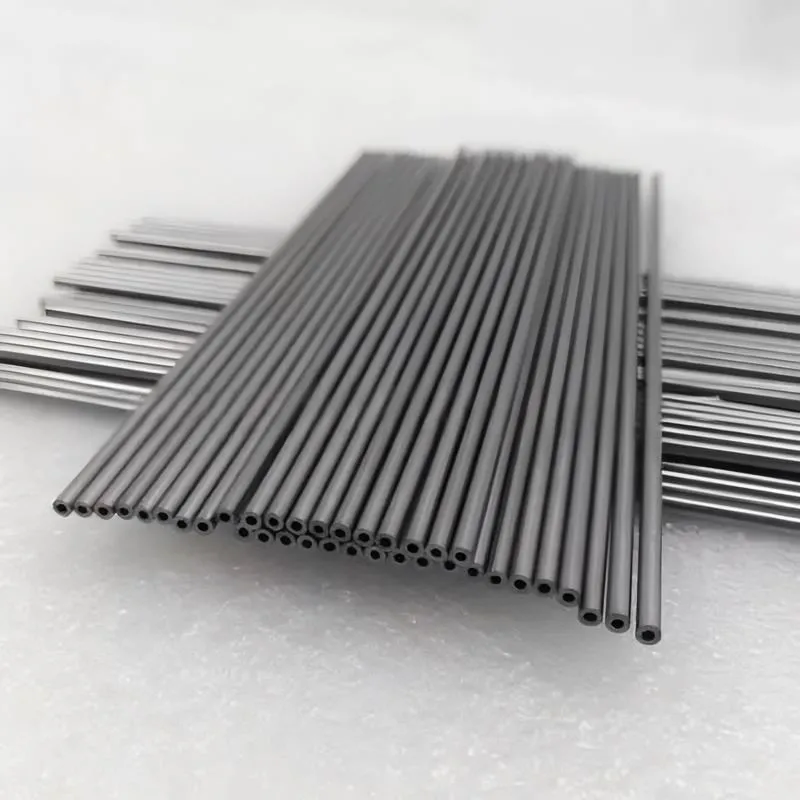
United Cast Bar,Unibar 250 Continuously Cast Iron Wire
Product Code : STI-IFe-169-CU
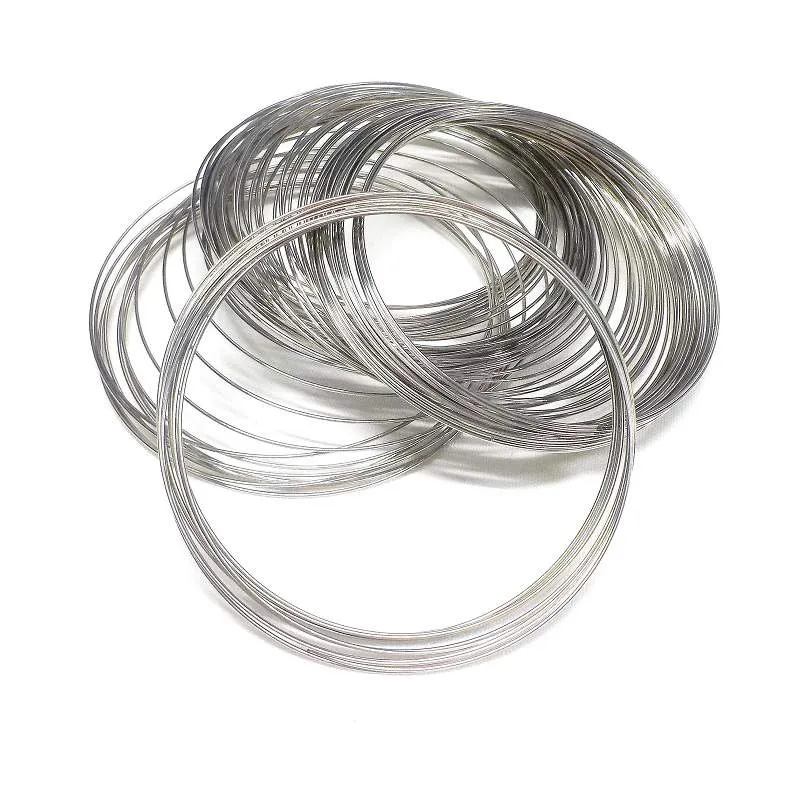
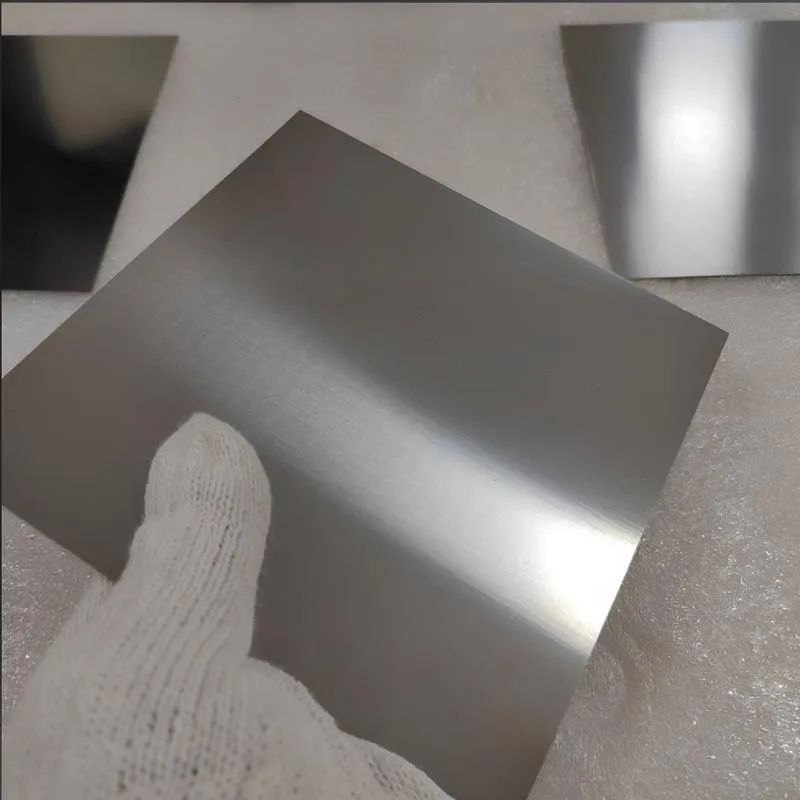
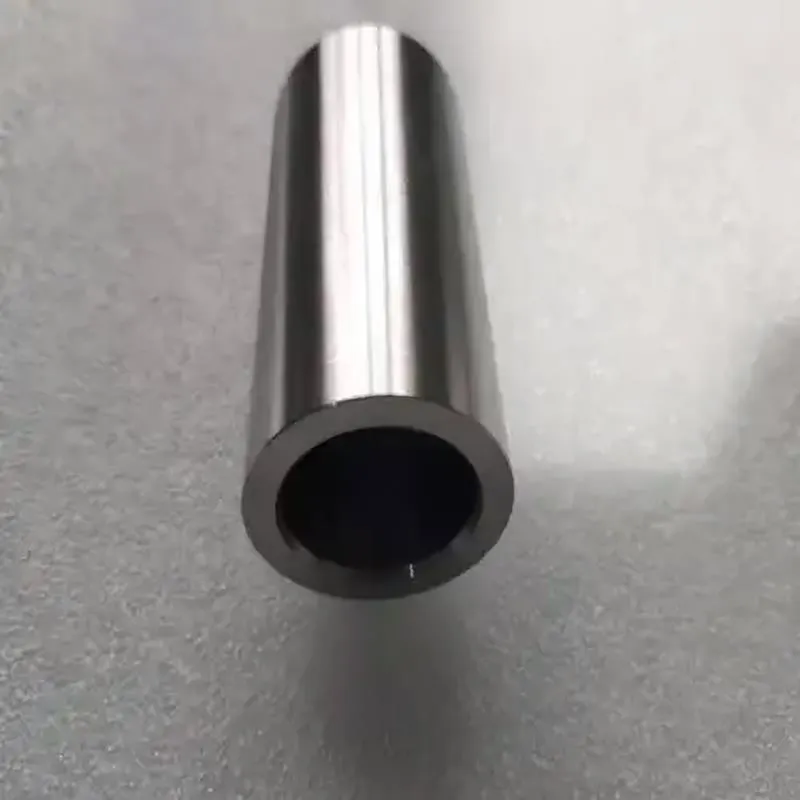
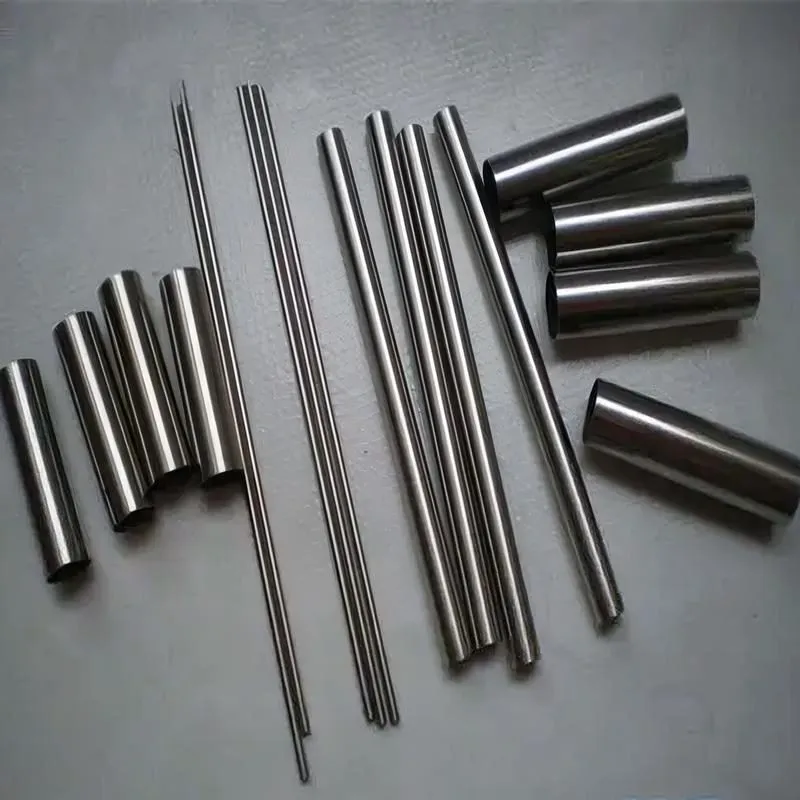
We provide United Cast Bar Unibar 250 Continuously Cast Iron Wire is available in Bar (Round bar, Flat bar), Ribbon, Wire, Rods, Tube,Seamless Tube,Pipe, Ingots, Plate, Sheet, Strip and Forging Stock.,Purity, chemical composition, size, etc. can all be customized to meet specific requirements.
Please contact us if you need customized services. We will contact you with the price and availability in 24 hours.
United Cast Bar Unibar 250 Continuously Cast Iron Wire Product Information
-:-
For detailed product information, please contact sales.
-:
United Cast Bar Unibar 250 Continuously Cast Iron Wire Synonyms
-:-
For detailed product information, please contact sales.
-:
United Cast Bar Unibar 250 Continuously Cast Iron Product Information
-:-
For detailed product information, please contact sales.
-:
# **United Cast Bar Unibar 250 Continuously Cast Iron**
## **1. Product Overview**
**United Cast Bar Unibar 250** is a premium-grade **continuously cast grey cast iron** engineered for applications requiring enhanced mechanical properties while maintaining the exceptional machinability and damping characteristics inherent to cast iron. As part of United's advanced Unibar series, this material represents a mid-range strength grade specifically designed for components subjected to **higher mechanical stresses, improved wear resistance, and demanding precision requirements**.
Produced through United's proprietary vertical continuous casting process, Unibar 250 exhibits **superior microstructural homogeneity, directional solidification benefits, and guaranteed material consistency** that distinguish it from conventional sand-cast alternatives. The "250" designation corresponds to its minimum tensile strength of 250 MPa, positioning it as an optimal choice for engineering applications balancing strength, manufacturability, and cost-effectiveness.
---
## **2. Chemical Composition**
Unibar 250 features a precisely controlled chemical composition engineered to produce a predominantly pearlitic matrix with uniformly distributed Type A graphite, optimized for the continuous casting process:
| Element | Composition Range (%) | Metallurgical Function |
|---------|---------------------|-----------------------|
| **Carbon (C)** | 3.2 - 3.6 | Controls graphite formation and matrix structure; balanced for strength and castability |
| **Silicon (Si)** | 1.9 - 2.3 | Graphitizing agent; regulates pearlite/ferrite ratio and influences strength |
| **Manganese (Mn)** | 0.7 - 1.0 | Pearlite stabilizer; enhances strength and wear resistance through solid solution strengthening |
| **Phosphorus (P)** | 0.05 - 0.12 | Improves fluidity and pressure tightness; controlled to optimize machinability |
| **Sulfur (S)** | ≤ 0.10 | Controlled impurity; affects graphite morphology and tool life |
| **Chromium (Cr)** | 0.15 - 0.25 | Enhances pearlite formation, improves hardness and wear resistance |
| **Copper (Cu)** | 0.4 - 0.8 | Optional alloying element that refines pearlite, improves uniformity in thicker sections, and enhances corrosion resistance |
| **Molybdenum (Mo)** | 0 - 0.2 | Trace addition for improved hardenability and high-temperature stability |
**Microstructural Characteristics:**
- **Graphite Structure:** **Type A lamellar graphite** with uniform distribution (ASTM Type II, Size 4-5)
- **Matrix Structure:** **Predominantly pearlitic** (80-95% pearlite) with minimal ferrite
- **Graphite Morphology:** Fine to medium flakes with favorable orientation from directional solidification
- **Microstructural Uniformity:** Exceptional consistency throughout cross-section due to controlled cooling
---
## **3. Physical & Mechanical Properties**
### **Physical Properties:**
- **Density:** 7.15 - 7.25 g/cm³
- **Melting Range:** 1150 - 1200°C
- **Thermal Conductivity:** 46 - 52 W/m·K (at 20°C)
- **Specific Heat Capacity:** 0.46 - 0.50 kJ/kg·K
- **Coefficient of Thermal Expansion:** 10.5 - 11.5 × 10⁻⁶/°C (20-200°C)
- **Electrical Resistivity:** 75 - 90 μΩ·cm
- **Damping Capacity:** 6-10 × that of steel (logarithmic decrement: 0.003-0.005)
### **Mechanical Properties (Longitudinal Direction):**
- **Tensile Strength:** 250 - 320 MPa
- **Compressive Strength:** 850 - 1000 MPa (3.4-3.8 × tensile strength)
- **Transverse Rupture Strength:** 450 - 550 MPa
- **Modulus of Elasticity:** 110 - 125 GPa
- **Shear Modulus:** 44 - 50 GPa
- **Poisson's Ratio:** 0.26 - 0.28
- **Hardness:** 190 - 240 HB
- **Elongation:** < 1%
- **Impact Toughness:** 2 - 5 J (Charpy unnotched)
- **Fatigue Strength (Rotating Bending):** 100 - 130 MPa
### **Performance Characteristics:**
- **Machinability Index:** 75 - 85% (relative to free-machining steel)
- **Surface Finish Capability:** 0.8 - 3.2 μm Ra achievable
- **Tool Life:** Excellent; graphite provides natural lubrication
- **Wear Resistance:** Very good under lubricated conditions
- **Pressure Tightness:** Excellent due to fine, uniformly distributed graphite
- **Dimensional Stability:** Exceptional; minimal distortion during machining
### **Section-Dependent Properties:**
| Bar Diameter (mm) | Typical Hardness (HB) | Tensile Strength (MPa) |
|-------------------|----------------------|----------------------|
| 25 - 50 | 210 - 240 | 280 - 320 |
| 51 - 100 | 200 - 230 | 260 - 300 |
| 101 - 200 | 190 - 220 | 250 - 280 |
---
## **4. Product Applications**
### **Hydraulic & Pneumatic Systems:**
- **High-Pressure Cylinder Barrels:** For hydraulic cylinders operating at 200-350 bar
- **Valve Blocks and Manifolds:** Requiring pressure tightness and complex internal passages
- **Gear Pump Housings and Bodies:** For industrial hydraulic systems
- **Compressor Cylinders and Liners:** For air and gas compression applications
### **Automotive & Transportation:**
- **Brake Discs and Drums:** For commercial vehicles and performance applications
- **Engine Components:** Flywheels, clutch pressure plates, timing gear covers
- **Turbocharger Housings:** Exhaust manifolds and compressor housings
- **Transmission Cases and Housings:** For manual and automatic transmissions
### **Industrial Machinery:**
- **Machine Tool Structural Components:** Lathe beds, milling machine columns, grinding machine bases
- **Gears and Sprockets:** For moderate to heavy power transmission
- **Press Frames and Slides:** Where vibration damping and rigidity are critical
- **Rolling Mill Guides and Bearings:** For steel and non-ferrous processing
### **Power Generation & Processing:**
- **Pump Casings and Impellers:** For water, chemical, and process pumps
- **Compressor Components:** For refrigeration and air conditioning systems
- **Valve Bodies and Fittings:** For steam and process applications
- **Turbine Casings and Components:** For low-temperature steam applications
### **General Engineering:**
- **Industrial Rollers and Guides:** For material handling and processing equipment
- **Mold Bases and Tooling Plates:** For plastic injection and die casting
- **Precision Measurement Equipment Bases:** Requiring dimensional stability
- **Food Processing Equipment:** Where corrosion resistance and cleanability are important
---
## **5. International & Relevant Standards**
### **Material Specifications:**
- **EN 1561:2011:** *Founding — Grey cast irons*
- **EN-GJL-250:** Minimum tensile strength 250 MPa
- **ISO 185:2019:** *Grey cast irons — Classification*
- **Grade 250:** Minimum tensile strength 250 MPa
- **ASTM A48/A48M-22:** *Standard Specification for Gray Iron Castings*
- **Class 25:** Minimum tensile strength 172 MPa (179 MPa)
- **Class 30:** Minimum tensile strength 207 MPa (214 MPa)
- Unibar 250 typically meets or exceeds Class 30 requirements
- **DIN 1691:** *Grey cast iron*
- **GG-25:** Minimum tensile strength 245 MPa
- **JIS G5501:2022:** *Grey iron castings*
- **FC250:** Minimum tensile strength 245 MPa
- **GB/T 9439-2010:** *Grey iron castings* (Chinese Standard)
- **HT250:** Minimum tensile strength 250 MPa
### **Continuous Casting Standards:**
- **DIN EN 16079:2011:** *Continuous cast iron bars*
- Specifies technical delivery conditions for continuously cast bars
- **United Cast Bar Internal Specifications:**
- UCB-QS-250: Quality specification for Unibar 250
- UCB-PS-002: Process standard for medium-strength grades
### **Testing & Certification Standards:**
- **ASTM A247:** *Evaluating the Microstructure of Graphite in Iron Castings*
- **ISO 945-1:** *Microstructure of cast irons — Part 1: Graphite classification*
- **ASTM E8/E8M:** *Tension Testing of Metallic Materials*
- **ASTM E10:** *Brinell Hardness of Metallic Materials*
- **EN 10204:** *Metallic products — Types of inspection documents*
- Type 3.1 certificate provided with each shipment
---
## **6. Manufacturing & Processing Advantages**
### **Continuous Casting Benefits:**
1. **Directional Solidification:** Creates aligned graphite structure enhancing longitudinal properties
2. **Reduced Defects:** Minimal shrinkage porosity, gas holes, and inclusions
3. **Consistent Quality:** Uniform microstructure and properties along entire bar length
4. **Material Efficiency:** Near-net shape production reduces machining waste
5. **Surface Quality:** Excellent as-cast surface (typically 6.3-12.5 μm Ra)
### **Available Forms & Specifications:**
- **Solid Bars:** 20mm to 500mm diameter
- **Hollow Bars (Tubes):** 50mm to 350mm OD with various wall thicknesses
- **Standard Lengths:** 3-6 meters; custom lengths up to 12 meters available
- **Tolerances:** Diameter ±0.5% to ±1%; straightness within 1.5mm/meter
- **Surface Condition:** As-cast, rough turned, or precision turned finishes available
### **Heat Treatment Options:**
- **Stress Relieving:** 500-550°C for 1-2 hours per inch of thickness
- **Annealing:** For improved machinability in specific applications
- **Surface Hardening:** Flame or induction hardening for wear surfaces
---
## **7. Machining & Fabrication Guidelines**
### **Recommended Cutting Parameters:**
| Operation | Speed (m/min) | Feed (mm/rev) | Depth of Cut (mm) | Tool Material |
|-----------|--------------|---------------|-------------------|--------------|
| Turning | 90 - 140 | 0.15 - 0.35 | 1.5 - 4.0 | C2-C6 Carbide |
| Drilling | 25 - 35 | 0.12 - 0.25 | - | HSS or Carbide |
| Milling | 70 - 110 | 0.12 - 0.30 | 1.5 - 3.0 | Carbide |
| Tapping | 6 - 12 | - | - | HSS with TiN coating |
| Boring | 80 - 120 | 0.10 - 0.25 | 1.0 - 2.5 | Carbide |
### **Tooling Recommendations:**
- **Insert Geometry:** Positive rake angles (5-15°) for reduced cutting forces
- **Coating:** TiN, TiCN, or Al₂O₃ coatings for improved tool life
- **Coolant:** Water-soluble oils or synthetic coolants recommended
- **Chip Control:** Natural chip breaking due to graphite structure
### **Special Machining Considerations:**
1. **Thread Machining:** Excellent thread quality achievable; use sharp tools
2. **Boring Operations:** Stable cutting with minimal chatter
3. **Drilling Deep Holes:** Use peck drilling for holes >5× diameter
4. **Finishing Operations:** Can achieve surface finishes to 0.4 μm Ra with proper techniques
### **Non-Machining Fabrication:**
- **Grinding:** Excellent grindability; use aluminum oxide or silicon carbide wheels
- **Welding:** Not generally recommended; requires specialized pre/post heating
- **Joining:** Mechanical fastening preferred; adhesives work well on clean surfaces
- **Surface Treatments:** Responds well to phosphating, painting, and plating
---
## **8. Quality Assurance & Testing**
### **Standard Quality Protocol:**
1. **Melt Control:** Each heat spectrographically analyzed and recorded
2. **Process Monitoring:** Continuous monitoring of casting temperature, speed, and cooling
3. **Mechanical Testing:** Tensile tests from each production lot (minimum 3 bars)
4. **Hardness Verification:** Multiple readings along bar length and cross-section
5. **Microstructural Analysis:** Regular checks of graphite form and matrix structure
6. **Non-Destructive Testing:** Ultrasonic testing for bars >100mm diameter
7. **Dimensional Inspection:** Full geometric verification to drawing requirements
### **Certification & Traceability:**
- **Full Traceability:** From raw materials to finished bars
- **Material Certificates:** EN 10204 3.1 certificates with each shipment
- **Statistical Process Control:** Real-time SPC on all critical parameters
- **Quality Records:** Maintained for minimum 10 years
### **Additional Testing (Available on Request):**
- **Pressure Testing:** For hydraulic applications
- **Fatigue Testing:** For dynamic load applications
- **Wear Testing:** For components in sliding contact
- **Corrosion Testing:** For specific environmental conditions
---
## **9. Comparative Analysis**
### **vs. Sand-Cast Equivalent (EN-GJL-250):**
| Parameter | Unibar 250 | Sand-Cast EN-GJL-250 | Advantage |
|-----------|------------|----------------------|-----------|
| **Tensile Strength Consistency** | ±4% | ±15-25% | Superior |
| **Internal Soundness** | >99.5% dense | 94-97% dense | Better |
| **Machining Yield** | 88-92% | 65-75% | Higher |
| **As-Cast Surface Finish** | 6.3-12.5 μm Ra | 25-100 μm Ra | Superior |
| **Production Lead Time** | Stock/1-3 weeks | 6-12 weeks | Faster |
| **Scrap Rate in Machining** | 2-4% | 8-15% | Lower |
### **vs. Competitive Continuously Cast Grades:**
| Parameter | Unibar 250 | Competitor A | Competitor B |
|-----------|------------|--------------|--------------|
| **Strength Range (MPa)** | 250-320 | 230-290 | 240-310 |
| **Hardness Range (HB)** | 190-240 | 170-220 | 180-230 |
| **Dimensional Tolerance** | ±0.5% | ±0.8% | ±0.6% |
| **Maximum Diameter (mm)** | 500 | 300 | 400 |
| **Standard Certification** | EN 10204 3.1 | EN 10204 2.2 | EN 10204 3.1 |
---
## **10. Economic & Sustainability Considerations**
### **Cost Analysis:**
- **Material Cost Premium:** 15-25% over sand-cast equivalent
- **Machining Cost Savings:** 20-35% reduction due to better machinability
- **Tooling Cost Reduction:** 30-40% longer tool life
- **Scrap Reduction:** 60-75% less in-process scrap
- **Total Cost per Part:** Typically 10-20% lower despite higher material cost
### **Sustainability Benefits:**
1. **Material Efficiency:** 90-95% utilization vs. 60-70% for conventional processes
2. **Energy Efficiency:** Continuous casting uses 25-35% less energy than sand casting
3. **Waste Reduction:** Minimal sand waste (no sand molds required)
4. **Recyclability:** 100% recyclable at end of product life
5. **Emissions:** Reduced CO₂ footprint compared to steel alternatives
6. **Long Service Life:** Enhanced durability reduces replacement frequency
### **Life Cycle Advantages:**
- **Extended Component Life:** Superior wear resistance and dimensional stability
- **Reduced Maintenance:** Consistent performance with minimal degradation
- **Easy Reclamation:** Simple separation and recycling process
- **Energy Recovery:** High scrap value and efficient recycling
---
## **11. Technical Support & Engineering Services**
### **United Cast Bar Support:**
1. **Material Selection Assistance:** Helping choose optimal grade for specific applications
2. **Design for Manufacturing:** Optimizing component design for continuous cast material
3. **Process Optimization:** Recommending machining parameters and tooling
4. **Troubleshooting Support:** Addressing production issues and quality concerns
5. **Custom Development:** Tailoring compositions for special requirements
### **Value-Added Services:**
- **Pre-Machining:** Rough turning, boring, and facing operations
- **Cut-to-Length:** Precision cutting to customer specifications
- **Quality Documentation:** Comprehensive test reports and certifications
- **Just-in-Time Delivery:** Inventory management and scheduled deliveries
- **Technical Training:** On-site or virtual training for customer teams
---
## **Conclusion**
**United Cast Bar Unibar 250** represents a sophisticated engineering solution that combines the traditional benefits of grey cast iron with the advanced capabilities of modern continuous casting technology. Its balanced combination of strength, machinability, damping capacity, and dimensional stability makes it an ideal material for precision components across diverse industries.
The material's guaranteed consistency, superior internal quality, and excellent processing characteristics provide significant advantages over conventional cast materials, particularly in high-volume production environments where reliability and cost-effectiveness are paramount. Compliance with international standards (EN-GJL-250, ASTM Class 30 equivalent) ensures global acceptance and simplifies specification processes.
**Recommended Applications:** Unibar 250 is particularly suited for:
- Precision hydraulic and pneumatic components requiring pressure tightness
- Automotive and transportation components subjected to dynamic loads
- Machine tool structures where vibration damping is critical
- General engineering applications requiring reliable performance and cost efficiency
- Components where total manufacturing cost optimization is essential
For engineering teams seeking to optimize performance, reduce costs, and improve manufacturing efficiency, Unibar 250 offers a proven material solution backed by United's technical expertise and quality assurance systems.
-:-
For detailed product information, please contact sales.
-:
United Cast Bar Unibar 250 Continuously Cast Iron Specification
Dimensions
Size:
Diameter 20-1000 mm Length <6649 mm
Size:We can customized as required
Standard:
Per your request or drawing
We can customized as required
Properties(Theoretical)
Chemical Composition
-:-
For detailed product information, please contact sales.
-:
United Cast Bar Unibar 250 Continuously Cast Iron Properties
-:-
For detailed product information, please contact sales.
-:
Applications of United Cast Bar Unibar 250 Continuously Cast Iron Wire
-:-
For detailed product information, please contact sales.
-:
Chemical Identifiers United Cast Bar Unibar 250 Continuously Cast Iron Wire
-:-
For detailed product information, please contact sales.
-:
Packing of United Cast Bar Unibar 250 Continuously Cast Iron Wire
-:-
For detailed product information, please contact sales.
-:
Standard Packing:
-:-
For detailed product information, please contact sales.
-:
Typical bulk packaging includes palletized plastic 5 gallon/25 kg. pails, fiber and Steel Wire drums to 1 ton super sacks in full container (FCL) or truck load (T/L) quantities. Research and sample quantities and hygroscopic, oxidizing or other air sensitive materials may be packaged under argon or vacuum. Solutions are packaged in polypropylene, plastic or glass jars up to palletized 3120 gallon liquid totes Special package is available on request. E FORUs’ is carefully handled to minimize damage during storage and transportation and to preserve the quality of our products in their original condition