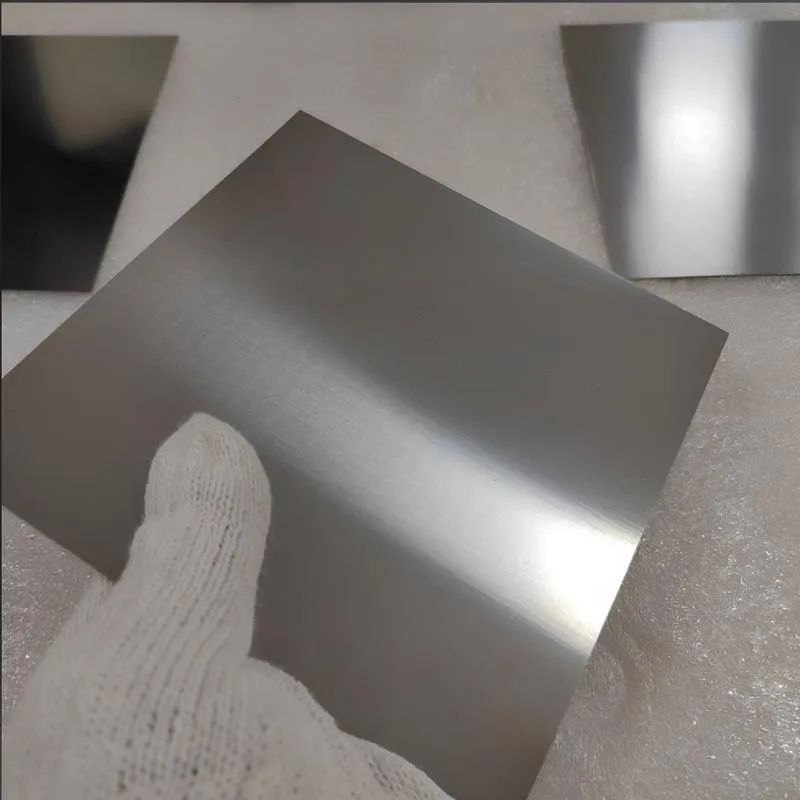
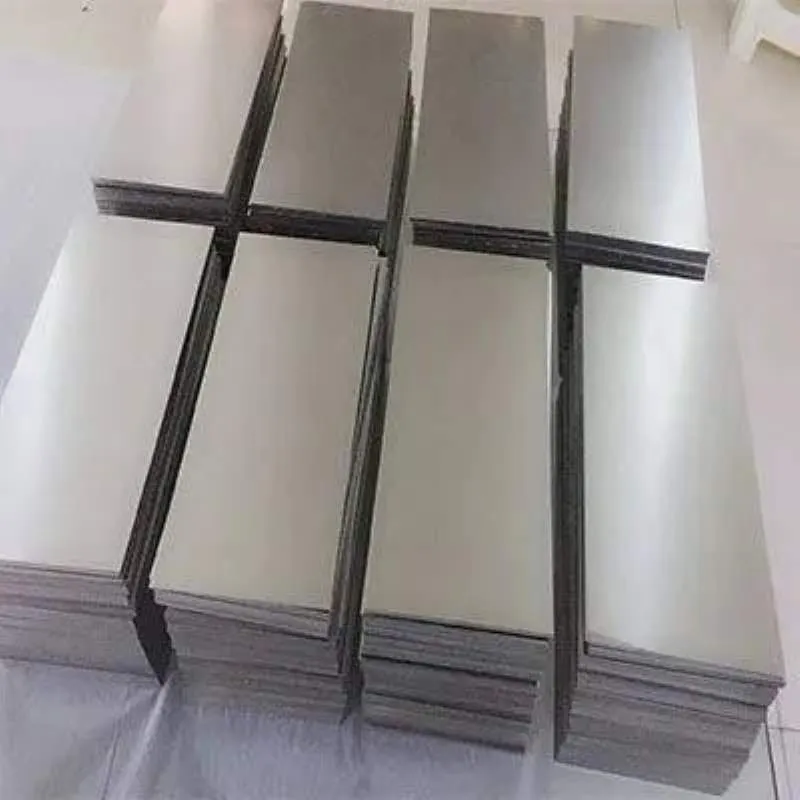
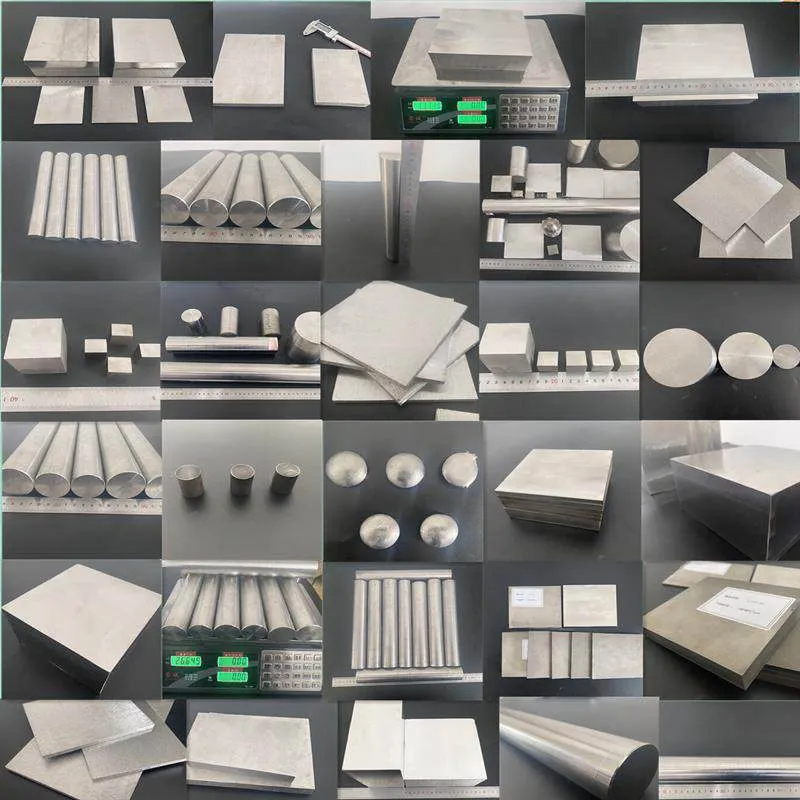
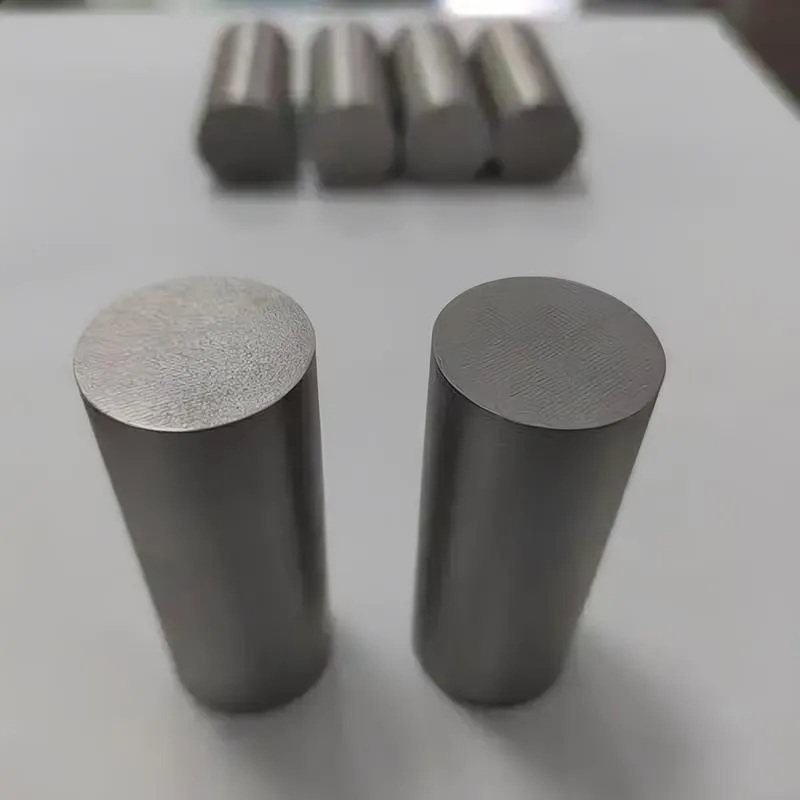
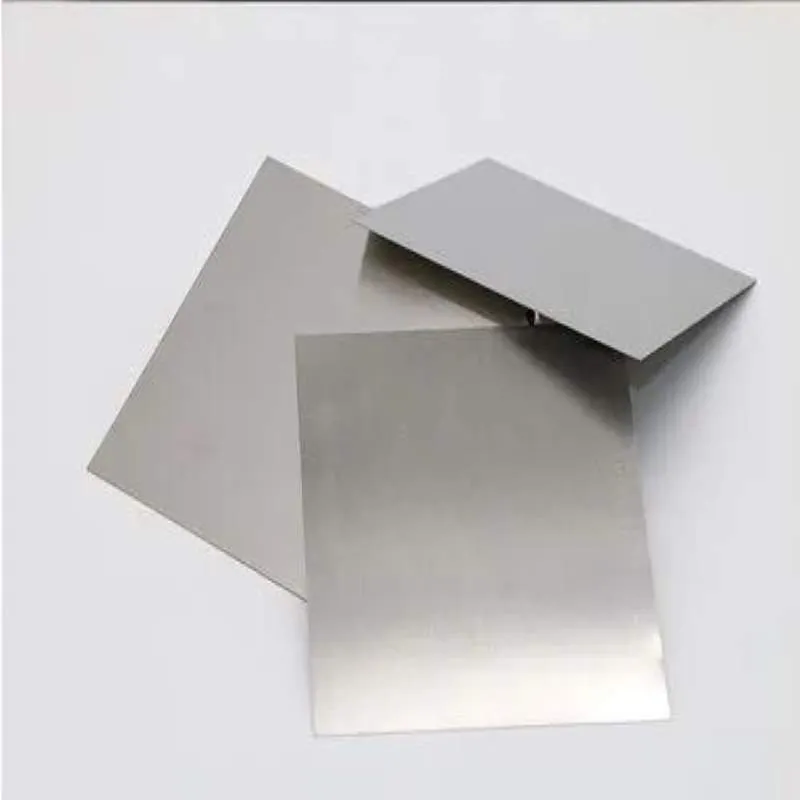
United Cast Bar,Unibar 600-3 Continuously Cast Spheroidal Graphite Iron Sheet,Plate
Product Code : STI-IFe-175-CU
We provide United Cast Bar Unibar 600-3 Continuously Cast Spheroidal Graphite Iron Sheet/Plate is available in Bar (Round bar, Flat bar), Ribbon, Wire, Rods, Tube,Seamless Tube,Pipe, Ingots, Plate, Sheet/Plate, Strip and Forging Stock.,Purity, chemical composition, size, etc. can all be customized to meet specific requirements.
Please contact us if you need customized services. We will contact you with the price and availability in 24 hours.
United Cast Bar Unibar 600-3 Continuously Cast Spheroidal Graphite Iron Sheet/Plate Product Information
-:-
For detailed product information, please contact sales.
-:
United Cast Bar Unibar 600-3 Continuously Cast Spheroidal Graphite Iron Sheet/Plate Synonyms
-:-
For detailed product information, please contact sales.
-:
United Cast Bar Unibar 600-3 Continuously Cast Spheroidal Graphite Iron Product Information
-:-
For detailed product information, please contact sales.
-:
# **United Cast Bar Unibar 600-3 Continuously Cast Spheroidal Graphite Iron**
## **1. Product Overview**
**United Cast Bar Unibar 600-3** is a premium high-strength **continuously cast ductile iron** engineered to deliver **minimum tensile strength of 600 MPa** while maintaining **minimum 3% elongation**. This material represents the upper strength range of standard ductile iron grades, featuring a predominantly pearlitic matrix that provides exceptional load-bearing capacity, excellent wear resistance, and good fatigue performance. Through United's proprietary vertical continuous casting technology combined with optimized alloying and controlled cooling, Unibar 600-3 achieves a refined microstructure with superior mechanical properties directly in the as-cast or normalized condition.
This grade is specifically designed for demanding applications where maximum strength, stiffness, and wear resistance are paramount, while some degree of ductility is still required. The continuous casting process ensures exceptional microstructural homogeneity, minimal internal defects, and excellent dimensional consistency throughout the bar length.
## **2. Chemical Composition**
Unibar 600-3 features a carefully engineered alloy composition designed to achieve high strength through a predominantly pearlitic matrix with excellent graphite spheroidization:
| Element | Composition Range (%) | Metallurgical Function |
|---------|---------------------|-----------------------|
| **Carbon (C)** | 3.3 - 3.7 | Balanced for strength optimization; provides carbon for graphite formation |
| **Silicon (Si)** | 2.0 - 2.4 | Controlled graphitizer; limited to promote pearlite formation |
| **Manganese (Mn)** | 0.4 - 0.8 | Strong pearlite stabilizer; contributes to solid solution strengthening |
| **Phosphorus (P)** | ≤ 0.035 | Strictly limited to maintain limited ductility and impact resistance |
| **Sulfur (S)** | ≤ 0.012 | Minimized for effective magnesium treatment |
| **Magnesium (Mg)** | 0.03 - 0.06 | Essential spheroidizing agent for graphite nodule formation |
| **Copper (Cu)** | 0.8 - 1.2 | Strong pearlite promoter; enhances strength and refines microstructure |
| **Molybdenum (Mo)** | 0.2 - 0.4 | Enhances hardenability, improves elevated temperature strength, and refines pearlite |
| **Nickel (Ni)** | 0.5 - 1.0 | Improves toughness, enhances hardenability, and refines microstructure |
| **Tin (Sn)** | 0.08 - 0.15 | Strong pearlite stabilizer for consistent as-cast properties |
| **Chromium (Cr)** | ≤ 0.15 | Limited to prevent excessive carbide formation |
| **Vanadium (V)** | 0.05 - 0.15 | Optional addition for grain refinement and secondary hardening |
**Microstructural Characteristics:**
- **Graphite Structure:** **Type I spheroidal graphite** with uniform distribution
- **Nodule Count:** 120-200 nodules/mm²
- **Nodule Size:** ASTM Size 3-5 (finer than lower strength grades)
- **Matrix Structure:** **Predominantly pearlitic** (85-95% pearlite, 5-15% ferrite)
- **Nodularity:** >90% (typically 93-97%)
- **Carbide Content:** <1% (typically 0-0.5%)
- **Pearlite Structure:** Very fine lamellar spacing (0.3-0.8 μm)
- **Microstructural Uniformity:** Excellent consistency due to controlled cooling in continuous casting
## **3. Physical & Mechanical Properties**
### **Physical Properties:**
- **Density:** 7.15 - 7.25 g/cm³
- **Melting Range:** 1140 - 1180°C
- **Thermal Conductivity:** 30 - 35 W/m·K (at 20°C)
- **Specific Heat Capacity:** 0.46 - 0.50 kJ/kg·K
- **Coefficient of Thermal Expansion:** 11.5 - 12.5 × 10⁻⁶/°C (20-200°C)
- **Electrical Resistivity:** 70 - 80 μΩ·cm
- **Damping Capacity:** Moderate (approximately 1.5-2.5 × steel)
- **Magnetic Properties:** Ferromagnetic; moderate magnetic permeability
### **Mechanical Properties (As-Cast or Normalized):**
- **Tensile Strength (Rm):** 600 - 750 MPa
- **Yield Strength (Rp0.2):** 400 - 520 MPa
- **Elongation (A):** 3 - 8% (in 5× diameter gauge length)
- **Reduction of Area:** 5 - 15%
- **Hardness:** 200 - 250 HB
- **Modulus of Elasticity:** 168 - 175 GPa
- **Shear Modulus:** 66 - 69 GPa
- **Poisson's Ratio:** 0.27 - 0.29
- **Impact Toughness (Charpy V-notch at 20°C):** 6 - 12 J
- **Impact Toughness (Charpy V-notch at -20°C):** 4 - 8 J
- **Fatigue Strength (Rotating Bending, R=-1):** 230 - 280 MPa (10⁷ cycles)
- **Compressive Strength:** 900 - 1150 MPa
- **Transverse Rupture Strength:** 800 - 1000 MPa
- **Wear Resistance:** Very good (superior to lower-strength ductile iron grades)
- **Contact Fatigue Strength:** Good for rolling contact applications
### **Performance Characteristics:**
- **Machinability Index:** 55 - 65% (relative to free-machining steel)
- **Surface Finish Capability:** 1.0 - 2.5 μm Ra achievable
- **Pressure Tightness:** Excellent
- **Thermal Stability:** Good resistance to thermal growth
- **Weldability:** Fair with proper procedures (pre-heat and post-heat recommended)
- **Response to Heat Treatment:** Excellent hardenability for surface hardening
- **Notch Sensitivity:** Moderate
### **Section-Dependent Properties:**
| Bar Diameter (mm) | Typical Hardness (HB) | Tensile Strength (MPa) | Elongation (%) | Pearlite Content (%) |
|-------------------|----------------------|----------------------|---------------|---------------------|
| 25 - 50 | 220 - 250 | 650 - 750 | 5 - 8 | 90 - 95 |
| 51 - 100 | 210 - 240 | 620 - 700 | 4 - 6 | 85 - 92 |
| 101 - 200 | 200 - 230 | 600 - 680 | 3 - 5 | 80 - 88 |
| 201 - 300 | 190 - 220 | 580 - 650 | 3 - 4 | 75 - 85 |
## **4. Heat Treatment Considerations**
### **Normalized Condition (Typical Supply Condition):**
1. **Austenitizing:** 870-900°C for 1-2 hours per 25mm section
2. **Air Cooling:** Still or forced air cooling to room temperature
3. **Result:** Refined pearlitic structure with optimal mechanical properties
### **Optional Heat Treatments:**
- **Stress Relieving:** 550-580°C for dimensional stability
- **Quenching & Tempering:** For higher hardness requirements
- **Surface Hardening:** Induction, flame, or laser hardening
- **Nitriding:** For enhanced wear and corrosion resistance
## **5. Product Applications**
### **High-Performance Automotive Components:**
- **High-Load Engine Components:** Crankshafts, camshafts, connecting rods for performance engines
- **Transmission Components:** High-strength gears, synchronizer rings, output shafts
- **Drivetrain Components:** Differential gears, drive shafts, universal joint components
- **Steering & Suspension:** High-stress steering knuckles, control arms, pivot components
### **Heavy Industrial Machinery:**
- **Gearbox Components:** High-torque gears, pinions, shafts for industrial reducers
- **Press Components:** Eccentric shafts, slides, guides for metal forming presses
- **Extrusion Equipment:** Screws, barrels, die holders for plastic and metal extrusion
- **Injection Molding:** Tie bars, platens, machine frames
### **Construction & Mining Equipment:**
- **Undercarriage Components:** Track links, rollers, idlers for heavy equipment
- **Crusher Components:** Concaves, mantles, jaw plates for mineral processing
- **Excavator Components:** Bucket teeth adapters, pivot pins, boom components
- **Drilling Equipment:** Drill string components, stabilizers, tool joints
### **Energy & Power Generation:**
- **Wind Turbine Components:** Main shafts, gearbox components, bearing housings
- **Turbine Components:** Non-rotating high-strength parts
- **Hydropower Equipment:** Turbine blades, gate components, shaft couplings
- **Power Transmission:** High-torque couplings, flange connections
### **Railway & Heavy Transportation:**
- **Railway Components:** Axle boxes, gearbox housings, brake discs
- **Commercial Vehicles:** Heavy-duty axle components, suspension parts
- **Marine Applications:** Propeller shafts, rudder stocks, stern tubes
- **Aerospace Ground Support:** High-strength landing gear components
## **6. International & Relevant Standards**
### **Material Specifications:**
- **EN 1563:2018:** *Founding — Spheroidal graphite cast irons*
- **EN-GJS-600-3:** Minimum tensile strength 600 MPa, minimum elongation 3%
- **ISO 1083:2018:** *Spheroidal graphite cast irons*
- **JS/ISO 600-3:** Equivalent international designation
- **ASTM A536-84 (2020):** *Standard Specification for Ductile Iron Castings*
- **Grade 100-70-03:** 100 ksi (689 MPa) tensile, 70 ksi (483 MPa) yield, 3% elongation
- Unibar 600-3 properties align closely with this ASTM grade
- **DIN EN 1563:** *Gusseisen mit Kugelgraphit*
- **GGG-60** (historical designation)
- **JIS G5502:2022:** *Spheroidal graphite iron castings*
- **FCD600-3:** Minimum tensile strength 600 MPa, minimum elongation 3%
- **GB/T 1348-2019:** *Spheroidal graphite iron castings* (Chinese Standard)
- **QT600-3:** Minimum tensile strength 600 MPa, minimum elongation 3%
### **Continuous Casting Standards:**
- **DIN EN 16079:2011:** *Continuous cast iron bars*
- **ISO 16112:2017:** *Compacted graphite cast irons* (reference)
- **United Cast Bar Internal Specifications:**
- UCB-QS-600-3: Premium high-strength ductile iron specification
- UCB-CC-004: Continuous casting process standard for high-strength grades
### **Testing & Certification Standards:**
- **ASTM A247:** *Evaluating the Microstructure of Graphite in Iron Castings*
- **ISO 945-1:** *Microstructure of cast irons — Part 1: Graphite classification*
- **ASTM E8/E8M:** *Tension Testing of Metallic Materials*
- **ASTM E10:** *Brinell Hardness of Metallic Materials*
- **EN 10204:** *Metallic products — Types of inspection documents*
- Type 3.1 certificate standard; Type 3.2 available for critical applications
- **ISO 6892-1:** *Metallic materials — Tensile testing*
- **ISO 148-1:** *Metallic materials — Charpy pendulum impact test*
## **7. Manufacturing & Processing**
### **Continuous Casting Advantages:**
1. **Controlled Solidification:** Precise cooling for optimal microstructure development
2. **Minimal Internal Defects:** Reduced shrinkage porosity and inclusions
3. **Property Consistency:** Uniform mechanical properties throughout bar length
4. **Material Efficiency:** High yield with minimal waste
5. **Surface Quality:** Good as-cast surface (typically 6.3-12.5 μm Ra)
### **Typical Processing Route:**
1. **Melting:** Electric induction furnace with precise temperature control
2. **Treatment:** Magnesium treatment with inoculation
3. **Continuous Casting:** Vertical casting with controlled solidification
4. **Normalizing:** Heat treatment for optimal microstructure
5. **Inspection:** Comprehensive quality verification
### **Available Forms & Specifications:**
- **Solid Bars:** 30mm to 350mm diameter
- **Hollow Bars (Tubes):** 50mm to 250mm OD
- **Standard Lengths:** 3-6 meters; custom lengths available
- **Tolerances:** Diameter ±0.3% to ±0.7%
- **Surface Condition:** As-cast, rough turned, or precision turned
- **Straightness:** Within 1.0mm/meter
- **Supply Condition:** Typically normalized
## **8. Machining & Fabrication Guidelines**
### **Recommended Cutting Parameters:**
| Operation | Speed (m/min) | Feed (mm/rev) | Depth of Cut (mm) | Tool Material |
|-----------|--------------|---------------|-------------------|--------------|
| Turning | 70 - 120 | 0.12 - 0.25 | 1.0 - 3.0 | C5-C8 Carbide |
| Drilling | 15 - 25 | 0.08 - 0.18 | - | Carbide-tipped |
| Milling | 50 - 90 | 0.08 - 0.20 | 1.0 - 2.0 | Carbide |
| Tapping | 4 - 8 | - | - | HSS-E or Carbide |
| Boring | 60 - 100 | 0.05 - 0.15 | 1.0 - 2.0 | Carbide |
| Threading | 25 - 60 | - | - | Carbide inserts |
### **Tooling Recommendations:**
- **Insert Grades:** C5-C8 carbide with advanced coatings (TiAlN, AlCrN)
- **Tool Geometry:** Positive rake angles with reinforced cutting edges
- **Coatings:** PVD or CVD coatings for improved wear resistance
- **Coolant:** Water-soluble oils at 10-15% concentration; high-pressure systems beneficial
- **Chip Control:** Use chipbreakers for optimal chip formation
### **Special Machining Considerations:**
1. **Hard Material:** Requires appropriate tool grades and conservative parameters
2. **Surface Finish:** May require finishing operations for best results
3. **Thread Quality:** Sharp tools and proper alignment critical
4. **Thermal Management:** Important to prevent work hardening
5. **Tool Wear:** Monitor regularly due to higher hardness
### **Fabrication Methods:**
- **Welding:** Limited weldability; requires specialized procedures
- **Machining:** Good machinability with proper tools and parameters
- **Joining:** Excellent for mechanical fastening
- **Surface Treatment:** Responds well to various coatings and platings
## **9. Quality Assurance**
### **Comprehensive Quality Protocol:**
1. **Chemical Analysis:** Complete spectroscopic analysis for each melt
2. **Microstructural Evaluation:** Regular checks of nodularity, matrix, and carbide content
3. **Mechanical Testing:** Tensile and impact tests from each production lot
4. **Hardness Testing:** Systematic hardness mapping across sections
5. **Non-Destructive Testing:** Ultrasonic testing for bars >50mm diameter
6. **Dimensional Inspection:** Complete geometric verification
7. **Surface Inspection:** Visual and dye penetrant examination
### **Certification & Documentation:**
- **Material Certificates:** EN 10204 3.1 certificates standard; 3.2 available
- **Traceability:** Full melt-to-bar traceability
- **Test Reports:** Comprehensive mechanical and microstructural data
- **Heat Treatment Records:** Complete documentation of thermal processing
- **Statistical Process Control:** Real-time monitoring of critical parameters
## **10. Comparative Analysis**
### **vs. Lower Strength Ductile Iron (500-7):**
| Parameter | Unibar 600-3 | Unibar 500-7 | Advantage |
|-----------|-------------|-------------|-----------|
| **Tensile Strength** | 600-750 MPa | 500-650 MPa | Higher strength |
| **Yield Strength** | 400-520 MPa | 320-420 MPa | Better load-bearing |
| **Elongation** | 3-8% | 7-15% | Lower ductility |
| **Hardness** | 200-250 HB | 170-230 HB | Harder, better wear resistance |
| **Fatigue Strength** | 230-280 MPa | 210-260 MPa | Superior fatigue performance |
| **Stiffness** | Similar | Similar | Comparable |
| **Machinability** | More difficult | Easier | 500-7 more easily machined |
### **vs. Steel Alternatives:**
| Material | Tensile (MPa) | Elongation (%) | Density (g/cm³) | Damping | Cost Index |
|----------|---------------|---------------|----------------|---------|------------|
| **Unibar 600-3** | 600-750 | 3-8 | 7.15-7.25 | Good | 1.0 |
| **Steel 1045** | 585-700 | 12-20 | 7.85 | Poor | 1.1-1.3 |
| **Steel 4140** | 655-850 | 13-25 | 7.85 | Poor | 1.5-2.0 |
| **Steel 4340** | 745-1000 | 12-20 | 7.85 | Poor | 2.0-2.5 |
### **vs. Austempered Ductile Iron (ADI):**
| Parameter | Unibar 600-3 | ADI 800/550/10 | Considerations |
|-----------|-------------|----------------|----------------|
| **Tensile Strength** | 600-750 MPa | 800 MPa min | ADI stronger |
| **Yield Strength** | 400-520 MPa | 550 MPa min | ADI higher yield |
| **Elongation** | 3-8% | 10% min | ADI more ductile |
| **Fatigue Strength** | 230-280 MPa | 350-400 MPa | ADI superior |
| **Cost** | Lower | Higher | ADI requires special heat treatment |
| **Machinability** | Better | More difficult | ADI typically machined before heat treatment |
## **11. Economic & Sustainability Benefits**
### **Cost Advantages:**
1. **Material Cost:** Competitive with alloy steels of similar strength
2. **Machining Cost:** Generally lower than equivalent strength steels
3. **Tooling Cost:** Reasonable with proper tool selection
4. **Production Efficiency:** Good consistency reduces inspection costs
5. **Total Cost:** Often 20-40% lower than equivalent steel components
### **Sustainability Benefits:**
1. **Energy Efficiency:** Lower melting temperature than steel (≈150°C lower)
2. **Material Efficiency:** Continuous casting achieves 90-95% yield
3. **Recyclability:** 100% recyclable with established infrastructure
4. **Carbon Footprint:** Lower CO₂ emissions than steel production
5. **Long Service Life:** Excellent wear resistance extends component life
6. **Lightweight Potential:** Lower density than steel (≈10% lighter)
### **Life Cycle Advantages:**
- **Extended Service Life:** Superior wear resistance in many applications
- **Reduced Maintenance:** Good corrosion resistance in many environments
- **Energy Savings:** Lower density reduces energy consumption in moving parts
- **End-of-Life Value:** High scrap value and easy recycling
## **12. Technical Support & Services**
### **United Cast Bar Technical Support:**
1. **Application Engineering:** Material selection and design optimization
2. **Process Development:** Machining parameter optimization and tooling recommendations
3. **Troubleshooting:** On-site or remote technical assistance
4. **Training Programs:** Technical workshops on high-strength ductile iron
5. **Joint Development:** Collaborative projects for new applications
### **Value-Added Services:**
- **Pre-Machining:** Rough machining to near-net shape
- **Heat Treatment:** Various thermal processing options
- **Cutting Services:** Precision cut-to-length with minimal burr
- **Surface Preparation:** Shot blasting, painting, coating
- **Quality Documentation:** Comprehensive test reports and certifications
- **Supply Chain Integration:** Inventory management and JIT delivery
### **Engineering Services:**
- **Finite Element Analysis:** Stress analysis for component design
- **Failure Analysis:** Investigation of service failures
- **Prototype Development:** Support for new product development
- **Testing Services:** Additional mechanical and environmental testing
## **13. Case Studies & Application Examples**
### **Case Study 1: High-Performance Automotive Crankshaft**
- **Application:** Turbocharged diesel engine crankshaft
- **Previous Material:** Forged steel 4140
- **Challenge:** High cost, weight, and machining time
- **Solution:** Switch to Unibar 600-3 continuously cast ductile iron
- **Results:** 15% cost reduction, 10% weight reduction, 25% shorter machining time, met all performance requirements
### **Case Study 2: Industrial Gearbox Pinion**
- **Application:** High-torque pinion gear for industrial reducer
- **Previous Material:** Through-hardened alloy steel
- **Challenge:** Frequent failure due to contact fatigue
- **Solution:** Redesign using Unibar 600-3 with optimized heat treatment
- **Results:** 3x longer service life, reduced maintenance costs, improved reliability
### **Case Study 3: Hydraulic Press Component**
- **Application:** Eccentric shaft for mechanical press
- **Previous Material:** Fabricated steel weldment
- **Challenge:** Vibration issues and frequent cracking
- **Solution:** Monolithic design using Unibar 600-3
- **Results:** Vibration reduced by 40%, no cracking issues, simplified manufacturing
## **Conclusion**
**United Cast Bar Unibar 600-3** represents a premium high-strength ductile iron material that delivers exceptional mechanical properties for demanding applications. With minimum tensile strength of 600 MPa and 3% elongation, it provides an optimal balance of strength, wear resistance, and limited ductility for components subjected to high mechanical stresses.
**Key Advantages:**
- High tensile and yield strength for demanding applications
- Good wear resistance due to pearlitic matrix
- Excellent fatigue performance
- Good machinability with proper tooling and parameters
- Cost-effective alternative to many alloy steels
- Excellent dimensional consistency and material homogeneity
- Meets international standards (EN-GJS-600-3, ASTM 100-70-03 equivalent)
**Recommended Applications:**
- High-performance automotive and transportation components
- Heavy industrial machinery and equipment
- Construction and mining equipment components
- Energy and power generation applications
- Components where strength and wear resistance are primary requirements
**Considerations:**
- Lower ductility than lower-strength ductile iron grades
- Requires appropriate machining parameters and tooling
- Limited weldability compared to lower-strength grades
- Best suited for applications where strength is prioritized over maximum toughness
For manufacturers seeking a high-performance material that combines the strength of alloy steel with the manufacturing advantages and cost-effectiveness of ductile iron, Unibar 600-3 provides an excellent solution backed by United's expertise in continuous casting technology and quality assurance systems.
-:-
For detailed product information, please contact sales.
-:
United Cast Bar Unibar 600-3 Continuously Cast Spheroidal Graphite Iron Specification
Dimensions
Size:
Diameter 20-1000 mm Length <6655 mm
Size:We can customized as required
Standard:
Per your request or drawing
We can customized as required
Properties(Theoretical)
Chemical Composition
-:-
For detailed product information, please contact sales.
-:
United Cast Bar Unibar 600-3 Continuously Cast Spheroidal Graphite Iron Properties
-:-
For detailed product information, please contact sales.
-:
Applications of United Cast Bar Unibar 600-3 Continuously Cast Spheroidal Graphite Iron Sheet,Plate
-:-
For detailed product information, please contact sales.
-:
Chemical Identifiers United Cast Bar Unibar 600-3 Continuously Cast Spheroidal Graphite Iron Sheet,Plate
-:-
For detailed product information, please contact sales.
-:
Packing of United Cast Bar Unibar 600-3 Continuously Cast Spheroidal Graphite Iron Sheet/Plate
-:-
For detailed product information, please contact sales.
-:
Standard Packing:
-:-
For detailed product information, please contact sales.
-:
Typical bulk packaging includes palletized plastic 5 gallon/25 kg. pails, fiber and Steel Sheet/Plate drums to 1 ton super sacks in full container (FCL) or truck load (T/L) quantities. Research and sample quantities and hygroscopic, oxidizing or other air sensitive materials may be packaged under argon or vacuum. Solutions are packaged in polypropylene, plastic or glass jars up to palletized 3126 gallon liquid totes Special package is available on request. E FORUs’ is carefully handled to minimize damage during storage and transportation and to preserve the quality of our products in their original condition