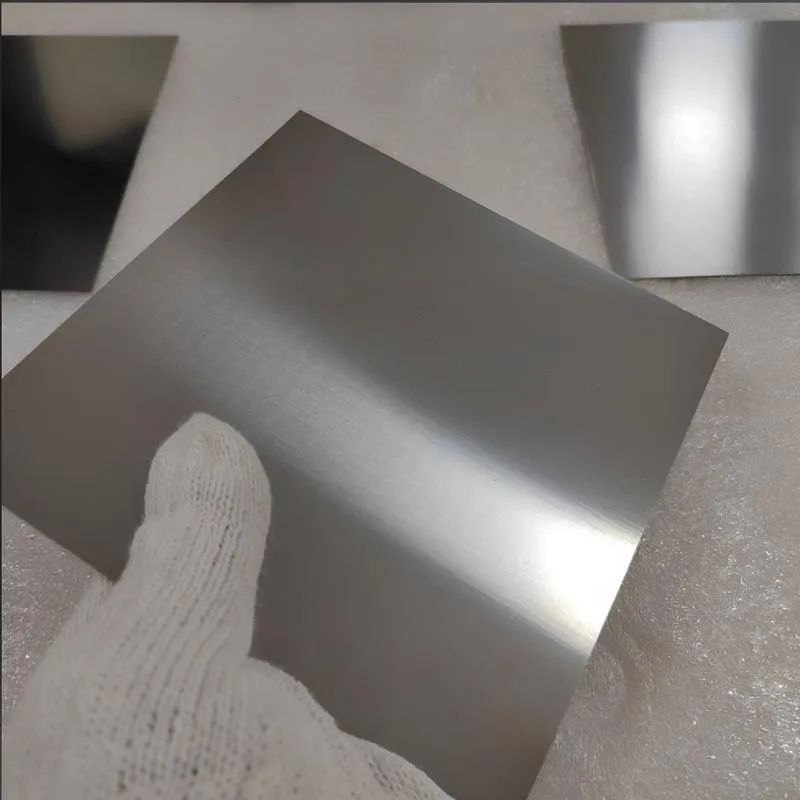
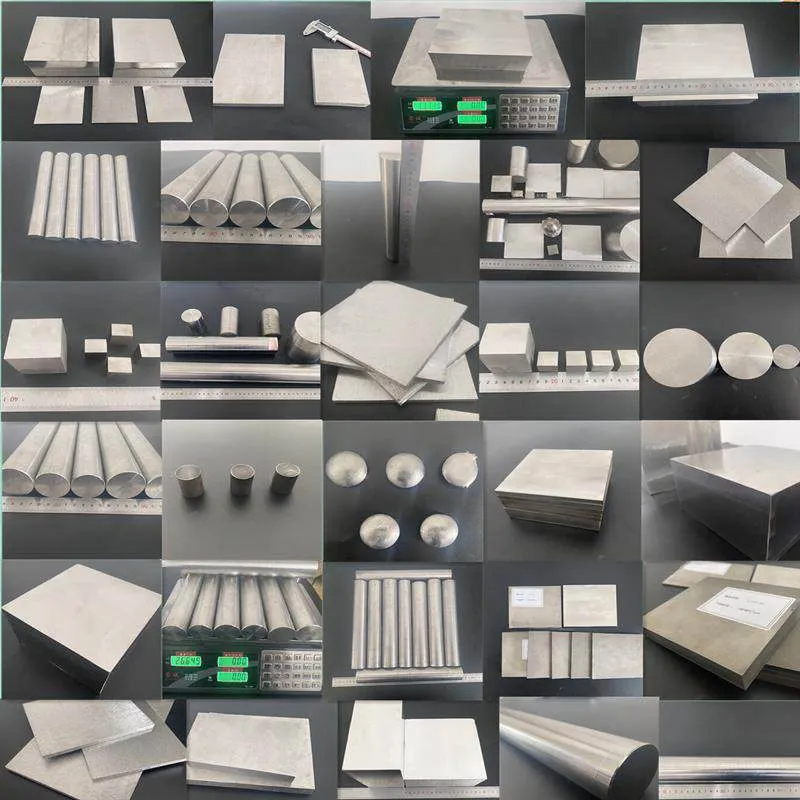
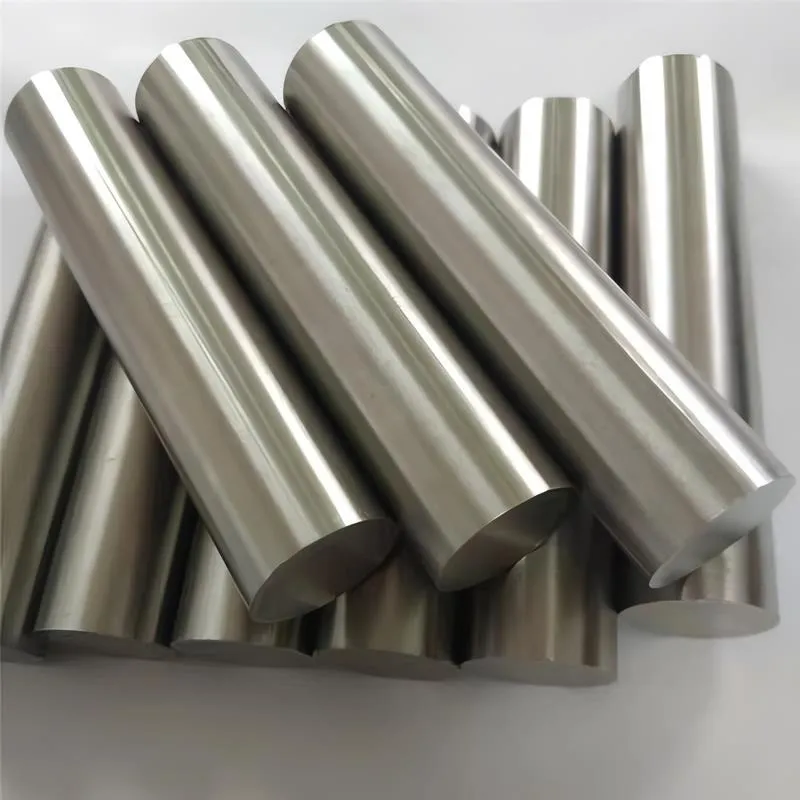
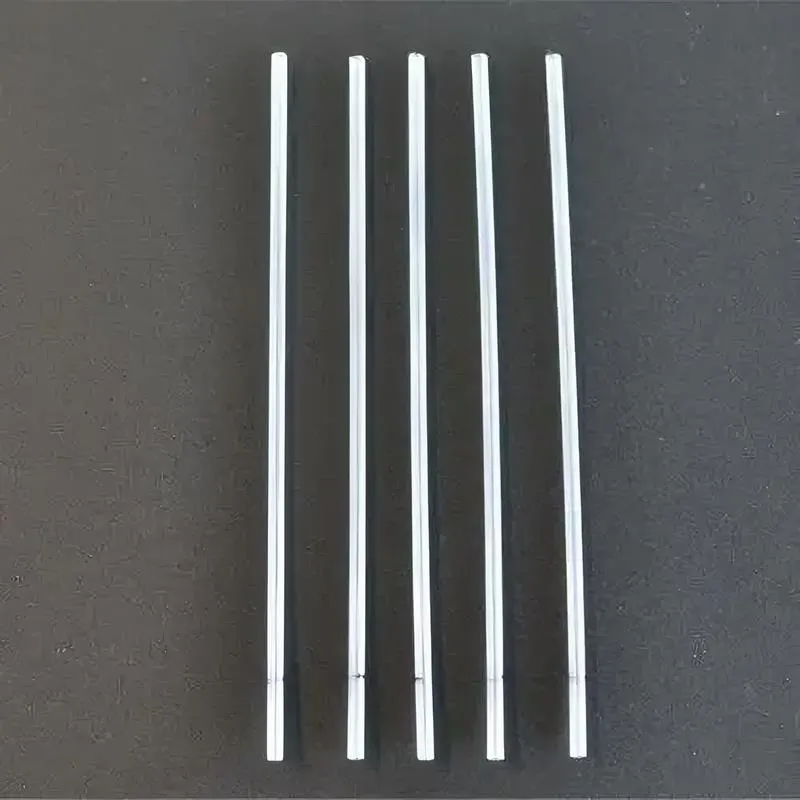
UNS F33101 Cast Iron Sheet,Plate
Product Code : STI-IFe-116-CU
We provide UNS F33101 Cast Iron Sheet/Plate is available in Bar (Round bar, Flat bar), Ribbon, Wire, Rods, Tube,Seamless Tube,Pipe, Ingots, Plate, Sheet/Plate, Strip and Forging Stock.,Purity, chemical composition, size, etc. can all be customized to meet specific requirements.
Please contact us if you need customized services. We will contact you with the price and availability in 24 hours.
UNS F33101 Cast Iron Sheet/Plate Product Information
-:-
For detailed product information, please contact sales.
-:
UNS F33101 Cast Iron Sheet/Plate Synonyms
-:-
For detailed product information, please contact sales.
-:
UNS F33101 Cast Iron Product Information
-:-
For detailed product information, please contact sales.
-:
## **UNS F33101 Cast Iron - Technical Specification**
### **1. Product Overview**
**UNS F33101** is a standardized designation within the Unified Numbering System (UNS) for a **medium-strength pearlitic malleable cast iron**. This specific alphanumeric code identifies a material that exhibits a balanced combination of **enhanced tensile strength, moderate ductility, and improved wear resistance** compared to its ferritic counterpart (F33100), achieved through controlled heat treatment that produces a pearlitic matrix structure. As part of the F33XXX series dedicated to malleable irons, F33101 represents a key grade for applications requiring higher load-bearing capacity while retaining a degree of castability and economic manufacturability.
The material is characterized by a microstructure of **temper carbon aggregates (nodules) within a predominantly pearlitic matrix**, resulting from an interrupted or accelerated cooling cycle during the malleablizing process. This structure provides superior mechanical properties for components subjected to higher stresses, moderate shock, and wear, positioning it between the high-ductility ferritic grades and the ultra-high-strength quenched and tempered grades.
### **2. International Standards & Equivalents**
#### **Primary Governing Standards:**
* **ASTM A220/A220M**: *Standard Specification for Pearlitic Malleable Iron Castings*. This is the **primary reference standard** for the mechanical performance represented by UNS F33101.
* **ASTM A602**: *Automotive Malleable Iron Castings* (commonly referenced for this performance grade).
* **SAE J158**: Society of Automotive Engineers specification for malleable iron.
#### **International Grade Equivalents:**
| **Standard** | **Most Probable Equivalent Grade** | **Notes** |
| :--- | :--- | :--- |
| **ASTM A220** | **Grade 40010** or **Grade 45008** | F33101 typically aligns with the lower to mid-range of pearlitic grades (e.g., 400 MPa / 450 MPa tensile). |
| **ISO 5922** | **JMB 400-10** or **JMB 450-8** | International standard equivalent based on tensile strength and elongation. |
| **EN 1562** | **EN-GJMB-400-10** or **EN-GJMB-450-8** | European designation for malleable cast iron. |
| **JIS G 5705** | **FCMB 450** | Japanese Industrial Standard for blackheart pearlitic malleable iron. |
| **GB/T 9440** | **JMB 450** | Chinese National Standard. |
#### **UNS System Context:**
* **F33101**: The specific number differentiates it from F33100 (ferritic). The "01" suffix often denotes a variant with distinct properties, in this case, a pearlitic microstructure.
* **Related UNS Codes**:
* **F33100**: Ferritic malleable iron (lower strength, higher ductility).
* **F34800**: Higher-strength pearlitic malleable iron (e.g., 450 MPa+).
* **F35XXX / F36XXX Series**: Often used for austenitic and other specialized malleable irons.
### **3. Chemical Composition**
To achieve the pearlitic transformation, the chemistry of F33101 is controlled, often with adjustments to key elements that influence hardenability.
#### **Typical Composition Ranges (Weight %):**
| Element | Typical Range | Function & Rationale |
| :--- | :--- | :--- |
| **Carbon (C)** | 2.30 – 2.80 | Provides strength foundation; excess carbon forms temper nodules. |
| **Silicon (Si)** | 1.20 – 1.80 | Strong graphitizer. Higher than in some ferritic grades to ensure complete first-stage graphitization before pearlite formation. |
| **Manganese (Mn)** | **0.50 – 1.20** | **Critical.** Significantly higher than in ferritic grades (F33100). Increases hardenability to suppress ferrite formation and promote pearlite upon air cooling. |
| **Phosphorus (P)** | ≤ 0.12 | Impurity; kept low to preserve toughness. |
| **Sulfur (S)** | ≤ 0.12 | Impurity; controlled level. |
| **Chromium (Cr)** | 0.10 – 0.25 (optional) | May be added in small amounts to increase hardenability and strength. |
| **Molybdenum (Mo)** | ≤ 0.15 (optional) | Occasionally added for enhanced hardenability in heavier sections. |
**Key Alloying Philosophy:** The defining difference from ferritic grades (e.g., F33100) is the **elevated manganese content**. Manganese is the primary and most economical element used to increase the hardenability of the austenite, allowing it to transform to pearlite instead of ferrite during the cooling stage of heat treatment.
### **4. Physical & Mechanical Properties**
#### **Minimum Requirements (Aligned with ASTM A220 Grade 40010/45008):**
| Property | Minimum Requirement (Representative) | Typical / Achievable Range |
| :--- | :--- | :--- |
| **Tensile Strength** | 400 – 450 MPa (58,000 – 65,000 psi) | 400 – 500 MPa |
| **Yield Strength (0.2% offset)** | 250 – 310 MPa (36,000 – 45,000 psi) | 280 – 350 MPa |
| **Elongation** | 8 – 10 % (in 2" or 50mm) | 5 – 12% |
| **Brinell Hardness** | 187 – 241 HB | 197 – 229 HB |
#### **Comprehensive Property Profile:**
**Mechanical Properties:**
* **Strength:** Significantly higher tensile and yield strength than ferritic malleable iron, providing greater load capacity.
* **Ductility/Toughness:** Maintains useful elongation (typically 5-10%), but impact resistance is lower than ferritic grades like F33100.
* **Fatigue Strength:** **Good to Very Good.** The pearlitic structure offers better resistance to cyclic loading than ferritic structures.
* **Modulus of Elasticity:** ~170-180 GPa, similar to other cast irons.
**Hardness & Wear:**
* **Hardness:** Higher hardness than ferritic grades, leading to **superior wear and abrasion resistance**. This is a key advantage for moving parts.
* **Machinability:** **Good,** but inferior to ferritic malleable iron due to the harder pearlitic matrix. Still more machinable than many steels of equivalent strength.
**Physical Properties:**
* **Density:** ~7.3 g/cm³.
* **Damping Capacity:** Good, though slightly less than ferritic malleable iron, but still superior to steel.
* **Thermal & Electrical Conductivity:** Slightly lower than ferritic iron due to the pearlitic structure.
### **5. Heat Treatment & Microstructure**
UNS F33101 undergoes a specialized **"pearlitic malleablizing"** heat treatment:
1. **First-Stage Graphitization:** Similar to ferritic iron. The white iron casting is heated to ~900-950°C to decompose cementite into temper carbon aggregates.
2. **Controlled Cooling (Air Quenching):** Instead of slow cooling through the lower critical temperature, the casting is cooled in air or accelerated air. The higher manganese content allows the austenite to transform to **pearlite** (a lamellar mixture of ferrite and cementite) rather than just ferrite.
3. The resulting microstructure consists of **temper carbon nodules in a matrix of fine to medium pearlite**. The proportion of pearlite determines the final strength and hardness.
### **6. Product Applications**
UNS F33101 is specified for components that require **higher strength and better wear resistance than ferritic malleable iron can provide**, but where the extreme strength of quenched & tempered grades is unnecessary.
**Automotive & Truck:**
* **Drivetrain Components:** Differential carriers, universal joint yokes, some transmission gears.
* **Chassis Parts:** Steering knuckles, hubs, brake camshafts.
* **Suspension Components:** Shackles, spring hangers.
**Agricultural & Heavy Equipment:**
* **Tractor & Implement Parts:** Gears, sprockets, lever arms, high-strength linkages.
* **Harvester Components.**
**General Industrial & Hardware:**
* **Industrial Machinery:** Gears, cams, rollers, low-to-medium stress wear plates.
* **Valves & Fittings:** For higher-pressure applications than those using ferritic grades.
* **Hand Tools:** High-strength wrenches, sockets.
**Railroad:**
* **Coupler Parts, Brake Components.**
### **7. Advantages and Limitations**
**Advantages:**
* **Good Strength-to-Ductility Balance:** Offers a practical compromise for many engineering applications.
* **Improved Wear Resistance:** Superior to ferritic grades, extending component life.
* **Good Machinability:** For a medium-strength material.
* **Cost-Effective:** Often more economical than forged steel or ductile iron for complex, medium-volume parts.
**Limitations:**
* **Lower Ductility than Ferritic Grades:** Less suitable for very high shock-load applications.
* **Section Sensitivity:** Properties can vary with casting wall thickness due to cooling rate effects.
* **Heat Treatment Complexity:** Requires more precise control than ferritic annealing.
### **8. Conclusion**
**UNS F33101 Pearlitic Malleable Iron** fills an important niche in the materials selection landscape. It provides designers with a reliable, castable material that delivers **enhanced strength and wear performance** over traditional ferritic malleable iron, making it suitable for a broader range of stressed components. When the application demands more than what F33100 can offer but does not justify the cost and processing complexity of the highest strength grades (e.g., quenched & tempered), F33101 presents an optimal, cost-effective solution. Its properties make it a workhorse material in automotive, agricultural, and general industrial sectors for durable, load-bearing cast components.
-:-
For detailed product information, please contact sales.
-:
UNS F33101 Cast Iron Specification
Dimensions
Size:
Diameter 20-1000 mm Length <6591 mm
Size:We can customized as required
Standard:
Per your request or drawing
We can customized as required
Properties(Theoretical)
Chemical Composition
-:-
For detailed product information, please contact sales.
-:
UNS F33101 Cast Iron Properties
-:-
For detailed product information, please contact sales.
-:
Applications of UNS F33101 Cast Iron Sheet,Plate
-:-
For detailed product information, please contact sales.
-:
Chemical Identifiers UNS F33101 Cast Iron Sheet,Plate
-:-
For detailed product information, please contact sales.
-:
Packing of UNS F33101 Cast Iron Sheet/Plate
-:-
For detailed product information, please contact sales.
-:
Standard Packing:
-:-
For detailed product information, please contact sales.
-:
Typical bulk packaging includes palletized plastic 5 gallon/25 kg. pails, fiber and Steel Sheet/Plate drums to 1 ton super sacks in full container (FCL) or truck load (T/L) quantities. Research and sample quantities and hygroscopic, oxidizing or other air sensitive materials may be packaged under argon or vacuum. Solutions are packaged in polypropylene, plastic or glass jars up to palletized 3062 gallon liquid totes Special package is available on request. E FORUs’ is carefully handled to minimize damage during storage and transportation and to preserve the quality of our products in their original condition