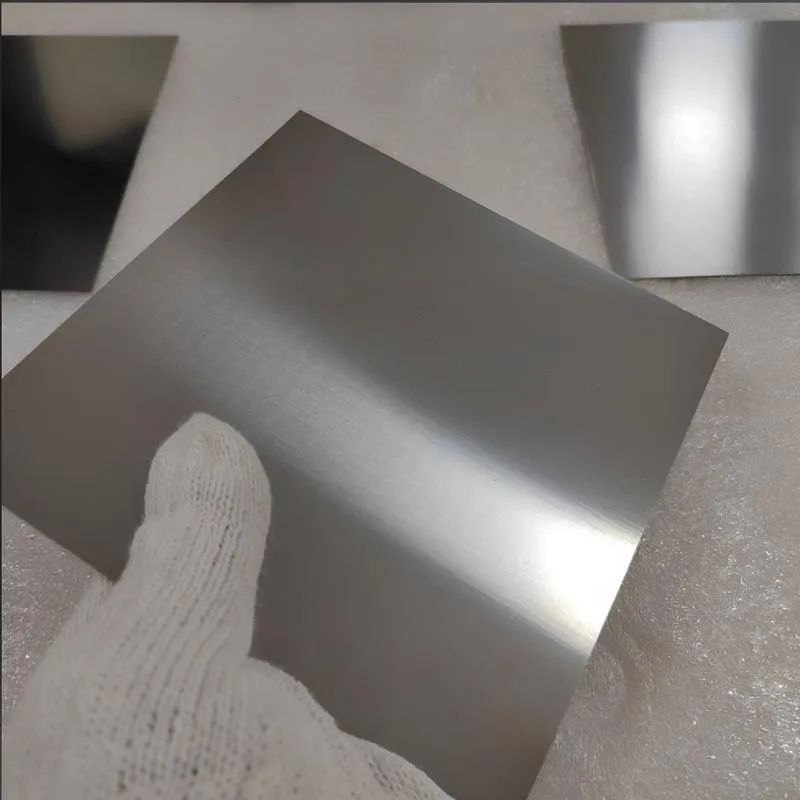
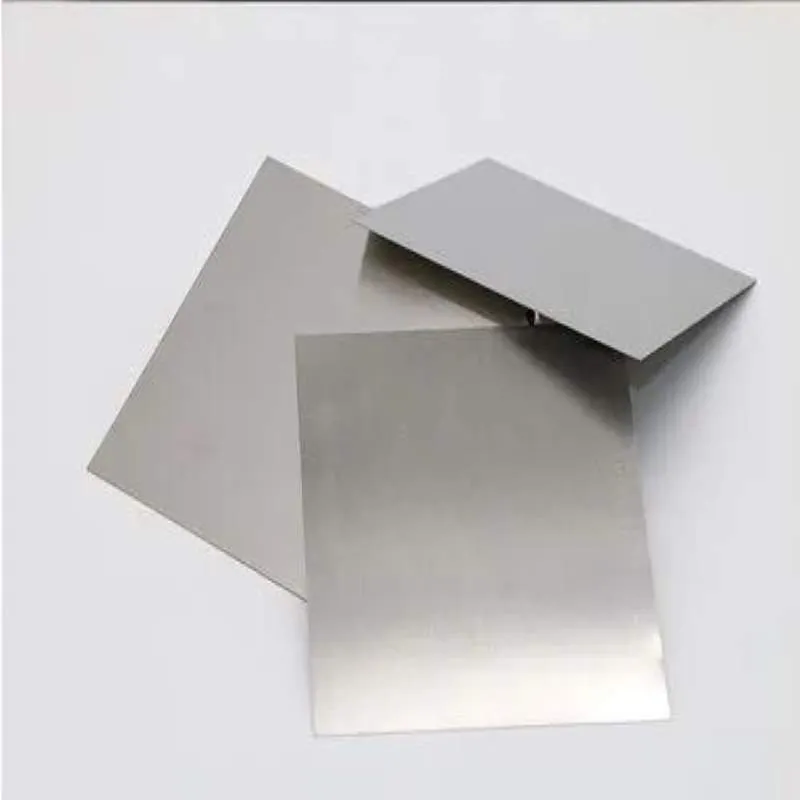
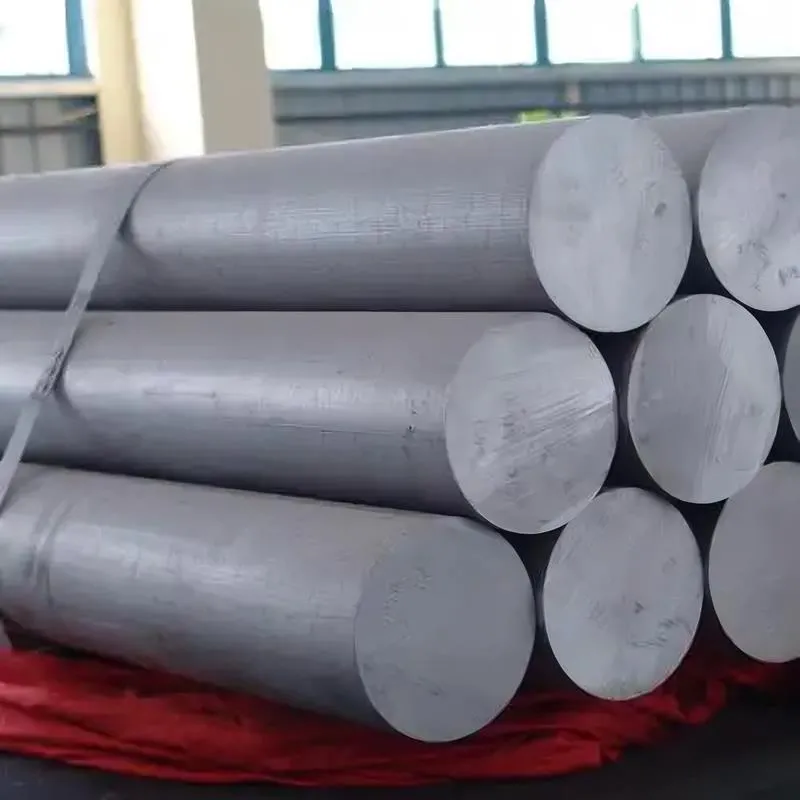
UNS F34800 Cast Iron Sheet,Plate
Product Code : STI-IFe-119-CU
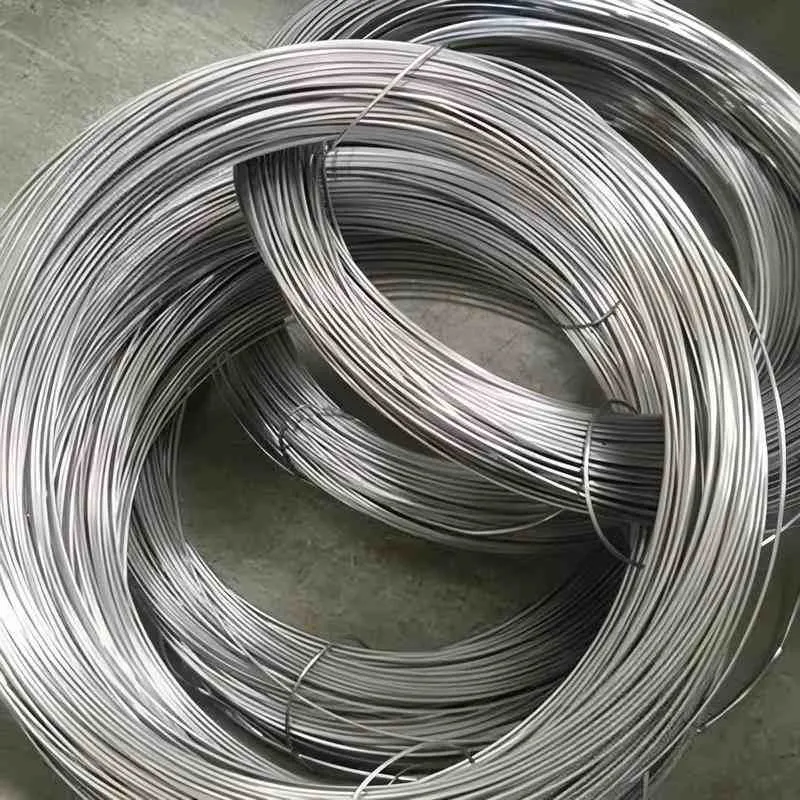
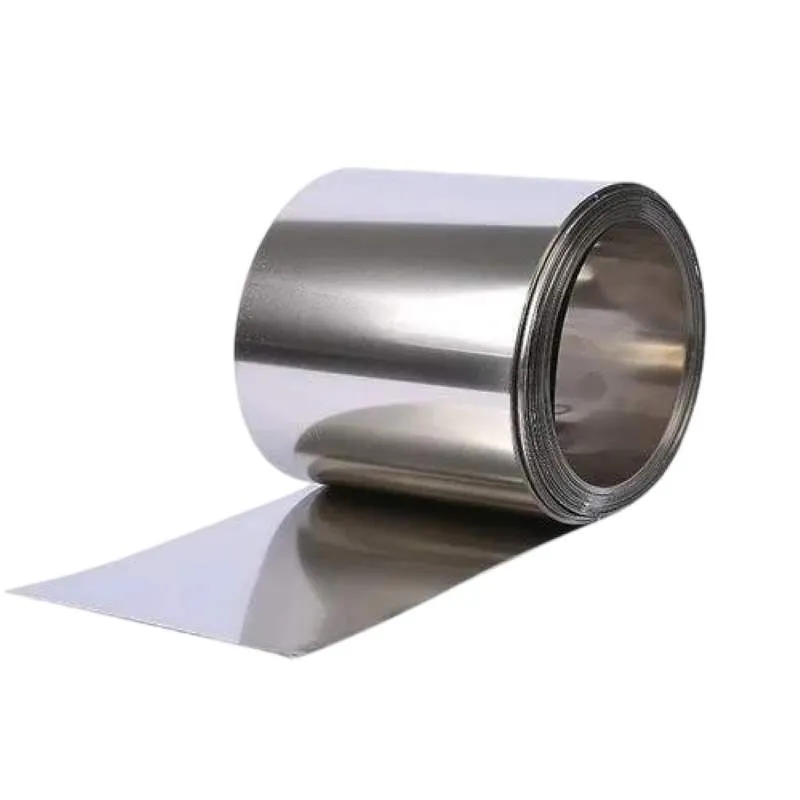
We provide UNS F34800 Cast Iron Sheet/Plate is available in Bar (Round bar, Flat bar), Ribbon, Wire, Rods, Tube,Seamless Tube,Pipe, Ingots, Plate, Sheet/Plate, Strip and Forging Stock.,Purity, chemical composition, size, etc. can all be customized to meet specific requirements.
Please contact us if you need customized services. We will contact you with the price and availability in 24 hours.
UNS F34800 Cast Iron Sheet/Plate Product Information
-:-
For detailed product information, please contact sales.
-:
UNS F34800 Cast Iron Sheet/Plate Synonyms
-:-
For detailed product information, please contact sales.
-:
UNS F34800 Cast Iron Product Information
-:-
For detailed product information, please contact sales.
-:
## **UNS F34800 Cast Iron - Technical Specification**
### **1. Product Overview**
**UNS F34800** is a standardized designation in the Unified Numbering System for a **high-performance, alloy-enhanced pearlitic malleable cast iron**. This material represents a premium grade within the malleable iron family, engineered to deliver **exceptional tensile strength (typically 450-550 MPa range), superior wear resistance, and good fatigue properties** through sophisticated alloy design and controlled heat treatment processes. The "F34800" designation specifically identifies a malleable iron formulation that bridges the performance gap between standard pearlitic grades and quenched-and-tempered materials, offering an optimal balance of strength, ductility, and manufacturability.
Characterized by its refined microstructure of **tempered martensite or fine pearlite with well-dispersed alloy carbides**, F34800 provides engineers with a material solution that combines **near-steel strength levels with the casting advantages of iron**. This grade is particularly valuable for applications requiring high load-bearing capacity, resistance to abrasive wear, and dimensional stability in complex geometries where forging or machining from billet steel would be economically challenging.
### **2. International Standards & Equivalents**
#### **Primary Governing Standards:**
- **ASTM A220/A220M**: *Standard Specification for Pearlitic Malleable Iron Castings* (Primary reference)
- **ASTM A602**: *Automotive Malleable Iron Castings* (Key application specification)
- **SAE J158**: *Malleable Iron Castings* (Automotive engineering standard)
#### **International Grade Equivalents:**
| **Standard** | **Equivalent Grade** | **Tensile Strength** | **Elongation** | **Notes** |
|--------------|----------------------|----------------------|----------------|-----------|
| **ASTM A220** | **Grade 45008** or **Grade 50005** | 450-500 MPa | 5-8% | Most direct equivalents |
| **ISO 5922** | **JMB 450-8** or **JMB 500-5** | 450-500 MPa | 5-8% | International standard |
| **EN 1562** | **EN-GJMB-450-8** or **EN-GJMB-500-5** | 450-500 MPa | 5-8% | European standard |
| **JIS G 5705** | **FCMB 500** | ~500 MPa | ~5% | Japanese industrial standard |
| **GB/T 9440** | **JMB 500** | ~500 MPa | ~5% | Chinese national standard |
| **DIN 1692** | **GTS-70** | ~700 MPa (yield) | - | German standard |
#### **UNS System Context:**
- **F34XXX Series**: Designates enhanced/composition-modified malleable irons
- **F34800**: Specifically identifies high-strength, alloy-enhanced pearlitic malleable iron
- **Numerical Significance**: "4800" typically indicates premium performance grade
- **Related UNS Codes**:
- F33100: Standard ferritic malleable iron
- F33800: Medium-alloy pearlitic malleable iron
- F35XXX: Austenitic/specialty malleable irons
- F36XXX: Special heat-resistant grades
### **3. Chemical Composition**
#### **Enhanced Alloy Composition (Weight %):**
| **Element** | **Typical Range** | **Optimal Target** | **Metallurgical Function** |
|-------------|-------------------|-------------------|---------------------------|
| **Carbon (C)** | 2.40-2.90 | 2.50-2.80 | Strength foundation, carbide formation |
| **Silicon (Si)** | 1.50-2.20 | 1.70-2.00 | Graphitization control, solid solution strengthening |
| **Manganese (Mn)** | **1.00-1.80** | **1.20-1.60** | Primary hardenability element, pearlite refinement |
| **Chromium (Cr)** | **0.25-0.60** | **0.30-0.50** | Secondary hardening, wear resistance, carbide stabilization |
| **Molybdenum (Mo)** | **0.20-0.45** | **0.25-0.40** | Hardenability enhancement, tempering resistance, heavy section capability |
| **Nickel (Ni)** | **0.20-0.60** | **0.30-0.50** | Toughness improvement, hardenability synergy, matrix strengthening |
| **Copper (Cu)** | 0.30-0.80 | 0.40-0.70 | Hardenability aid, corrosion resistance, strength enhancement |
| **Vanadium (V)** | 0.05-0.20 | 0.08-0.15 | Grain refinement, secondary hardening, carbide precipitation |
| **Boron (B)** | 0.001-0.005 | 0.002-0.004 | Potent hardenability multiplier (trace addition) |
| **Phosphorus (P)** | ≤ 0.06 | ≤ 0.05 | Ultra-low for maximum toughness |
| **Sulfur (S)** | ≤ 0.06 | ≤ 0.05 | Ultra-low for improved ductility and machinability |
| **Tin (Sn)** | ≤ 0.02 | ≤ 0.015 | Strictly controlled (temper embrittlement risk) |
#### **Alloy Design Philosophy:**
- **Total Alloy Content (Mn+Cr+Mo+Ni+Cu)**: 2.5-4.0%
- **Hardenability Index**: DI (Ideal Diameter) ≥ 5-7 inches
- **Carbon Equivalent**: 3.9-4.3% for optimal castability/properties balance
- **Alloy Synergy**: Balanced ratios for maximum transformation hardening
- **Purity Requirements**: Oxygen ≤ 30 ppm, Nitrogen ≤ 70 ppm
- **Tramp Element Control**: Pb, Sb, As, Bi < 0.015% each
#### **Key Composition Features:**
1. **Multi-Alloy Approach**: Synergistic combination of Mn, Cr, Mo, Ni
2. **Controlled Carbon**: Optimized for strength without compromising castability
3. **Enhanced Silicon**: Higher than standard grades for solid solution strengthening
4. **Microalloying**: V and B for grain refinement and hardenability enhancement
5. **Impurity Control**: Ultra-low P and S for improved toughness
### **4. Physical & Mechanical Properties**
#### **Minimum Requirements (ASTM A220 Grade 50005 Equivalent):**
| **Property** | **Minimum Value** | **Typical Achieved Range** | **Test Standard** |
|--------------|------------------|---------------------------|------------------|
| **Tensile Strength** | 500 MPa (72,500 psi) | 500-650 MPa | ASTM E8 |
| **Yield Strength (0.2%)** | 345 MPa (50,000 psi) | 345-450 MPa | ASTM E8 |
| **Elongation** | 5% in 50 mm | 5-8% | ASTM E8 |
| **Reduction of Area** | 10% minimum | 10-18% | ASTM E8 |
| **Brinell Hardness** | 241-302 HB | 255-285 HB | ASTM E10 |
#### **Comprehensive Property Profile:**
**Mechanical Properties:**
- **Tensile Strength**: 500-650 MPa (72,500-94,250 psi)
- **Yield Strength**: 345-450 MPa (50,000-65,250 psi)
- **Yield Ratio**: 0.69-0.72
- **Elongation**: 5-8% in 50 mm
- **Reduction of Area**: 10-18%
- **Modulus of Elasticity**: 175-185 GPa (25.4-26.8 × 10⁶ psi)
- **Shear Modulus**: 68-72 GPa
- **Poisson's Ratio**: 0.26-0.28
- **Compressive Strength**: 700-850 MPa
- **Shear Strength**: 350-450 MPa
- **Bearing Strength**: 750-900 MPa
**Hardness & Wear Characteristics:**
- **Brinell Hardness**: 241-302 HB (typically 255-285 HB)
- **Rockwell Hardness**: 25-32 HRC equivalent
- **Vickers Hardness**: 255-320 HV
- **Microhardness (Matrix)**: 280-350 HV
- **Abrasion Resistance**: Excellent - 4-6× better than ferritic grades
- **Scuffing Resistance**: Very good with proper surface finish
- **Wear Coefficient**: 1.2-2.0 × 10⁻⁶ mm³/N·m (ASTM G65)
- **Surface Hardening Response**: Good for induction or flame hardening
**Fatigue & Fracture Properties:**
- **Fatigue Limit (10⁷ cycles)**: 220-280 MPa (rotating bending)
- **Fatigue Ratio**: 0.44-0.48
- **Endurance Limit**: 0.42-0.46 of tensile strength
- **Charpy V-Notch Impact**: 10-18 J at 20°C
- **Charpy Unnotched Impact**: 20-30 J at 20°C
- **Fracture Toughness (K₁c)**: 35-50 MPa√m
- **Crack Growth Threshold**: ΔK_th = 5-7 MPa√m
- **Paris Law Exponent**: n = 2.8-3.3
- **Transition Temperature**: 0-20°C (ductile-brittle)
**Physical & Thermal Properties:**
- **Density**: 7.30-7.40 g/cm³
- **Melting Range**: 1160-1230°C
- **Thermal Conductivity**: 36-42 W/m·K at 20°C
- **Specific Heat**: 460-500 J/kg·K
- **Thermal Expansion**: 10.4-11.2 × 10⁻⁶/°C (20-200°C)
- **Electrical Resistivity**: 0.38-0.45 μΩ·m
- **Damping Capacity**: 3-5× better than equivalent steels
- **Magnetic Properties**: Strongly ferromagnetic
- **Acoustic Damping**: Excellent for vibration reduction
**Manufacturing Properties:**
- **Machinability Rating**: 60-75% of B1112 steel
- **Casting Fluidity**: Good (35-45 inches)
- **Shrinkage**: 0.8-1.2% linear
- **Hot Strength**: Good for complex castings
- **Feedability**: Standard feeding practices apply
### **5. Heat Treatment & Microstructure**
#### **Advanced Heat Treatment Process:**
1. **Stage 1 - Precision Graphitization**:
- Temperature: 920-950°C with multi-zone control
- Time: 8-20 hours depending on section
- Atmosphere: Neutral (endothermic gas) with dew point -10 to -20°C
- Control: Real-time carbon activity monitoring
- Result: Complete carbide decomposition with controlled grain growth
2. **Stage 2 - Austenitization for Hardening**:
- Heating Rate: Controlled to prevent thermal shock
- Temperature: 860-900°C (optimized for alloy content)
- Soaking Time: 2-4 hours for full transformation
- Carbon Potential: 0.8-1.0% to prevent decarburization
- Grain Size Control: ASTM 7-9 achieved
3. **Stage 3 - Controlled Quenching**:
- Medium: Oil or high-performance polymer quenchant
- Cooling Rate: 30-80°C/second at surface
- Agitation: High-velocity, turbulent flow
- Temperature Control: Quenchant maintained at 40-80°C
- Result: Predominantly martensitic transformation
4. **Stage 4 - Multi-Temperature Tempering**:
- First Temper: 180-250°C for 2 hours (stress relief)
- Second Temper: 450-550°C for 2-4 hours (toughness development)
- Optional Third Temper: 300-350°C for 1-2 hours (stabilization)
- Atmosphere: Air or protective atmosphere
- Cooling: Controlled to room temperature
#### **Final Microstructure:**
- **Matrix**: Tempered martensite with fine carbides (85-95%)
- **Alternative Matrix**: Fine pearlite/bainite (if air quenched)
- **Prior Austenite Grain Size**: ASTM 7-9 (0.022-0.044 mm)
- **Martensite Lath Width**: 0.3-1.2 μm
- **Temper Carbon Distribution**: Uniform aggregates (20-50 μm)
- **Alloy Carbides**: Fine (Cr, Mo, V) carbides (0.1-0.5 μm)
- **Retained Austenite**: < 5% (typically 2-4%)
- **Inclusion Rating**: ASTM E45 Method A, ≤ 1.5
- **Microcleanliness**: Oxygen ≤ 30 ppm, Nitrogen ≤ 70 ppm
#### **Microstructural Advantages:**
1. **Refined Structure**: Fine martensite/pearlite for optimal properties
2. **Uniform Distribution**: Even dispersion of carbides and graphite
3. **Alloy Carbide Network**: Enhanced wear and tempering resistance
4. **Consistent Properties**: Reduced section sensitivity
5. **Good Response**: To subsequent surface treatments
### **6. Manufacturing & Processing**
#### **Foundry Requirements:**
- **Melting**: Medium frequency induction furnace preferred
- **Charge Materials**: High-purity base materials, controlled scrap
- **Inoculation**: Advanced late-stream inoculation
- **Temperature Control**: ±10°C pouring temperature tolerance
- **Molding**: Chemically bonded sand for dimensional accuracy
- **Quality Systems**: Statistical process control mandatory
- **Certification**: IATF 16949 or equivalent for automotive
#### **Machinability Characteristics:**
- **Relative Machinability**: 60-75% of B1112 steel
- **Cutting Speeds**: 70-110 m/min with carbide tools
- **Feed Rates**: 0.12-0.25 mm/rev
- **Tool Recommendations**: Coated carbide (TiN, TiCN, Al₂O₃ coatings)
- **Tool Geometry**: Positive rake angles, sharp cutting edges
- **Coolant Requirements**: Water-soluble oils or synthetic coolants
- **Surface Finish**: 1.6-3.2 μm Ra achievable
- **Power Requirements**: Moderate increase over standard grades
#### **Heat Treatment Considerations:**
- **Fixture Design**: Required for complex geometries
- **Atmosphere Control**: Essential for surface quality
- **Distortion Management**: Careful racking and support
- **Process Monitoring**: Continuous temperature recording
- **Quality Verification**: Hardness and microstructure checks
#### **Post-Processing Capabilities:**
- **Surface Hardening**: Excellent response to induction hardening
- **Nitriding/Carburizing**: Suitable for enhanced surface properties
- **Coating Acceptance**: Good for most industrial coatings
- **Joining Methods**: Limited weldability, excellent for mechanical joining
- **Grinding/Finishing**: Standard methods applicable
### **7. Product Applications**
#### **Automotive & Heavy-Duty Vehicles:**
- **Powertrain Components**:
- High-performance crankshafts (diesel and gasoline)
- Camshafts and rocker arms
- Transmission gears and synchronizers
- Differential carriers and ring gear blanks
- Transfer case components
- **Chassis & Suspension**:
- Steering knuckles and hubs (heavy-duty applications)
- Wheel hubs and brake components
- Suspension arms and links
- Fifth wheel components and kingpins
- Axle housings and brackets
- **Commercial Vehicles**:
- Class 6-8 truck components
- Bus and coach drivetrain parts
- Trailer suspension components
- Heavy-duty brake system parts
#### **Agricultural & Construction Equipment:**
- **High-Stress Components**:
- Tractor transmission gears and shafts
- Final drive gears and pinions
- Track rollers, idlers, and sprockets
- Loader arm connections and pivot points
- Excavator swing mechanisms
- **Implement Applications**:
- Combine harvester drive components
- Baler gearboxes and drives
- Planter and seeder mechanisms
- Sprayer pump drives and brackets
#### **Industrial Machinery & Equipment:**
- **Power Transmission**:
- Industrial gearbox gears and housings
- Coupling and clutch components
- Drive shafts and yokes
- Bearing housings and supports
- **Material Handling**:
- Conveyor drive components
- Crane and hoist gears
- Forklift mast components
- Heavy-duty chain sprockets
- **Process Equipment**:
- Pump housings and impellers
- Compressor crankshafts and housings
- Valve bodies for medium-high pressure
- Mixer and agitator drive components
#### **Energy & Heavy Industry:**
- **Energy Sector**:
- Wind turbine gearbox components
- Pump components for oil and gas
- Valve components for power generation
- Turbine control system parts
- **Mining & Mineral Processing**:
- Crusher components
- Mill liners and grinding balls
- Conveyor system drives
- Heavy machinery wear parts
#### **Specialized Applications:**
- **Railroad Components**: Coupler knuckles, brake system parts
- **Marine Equipment**: Stern gear components, winch parts
- **Defense Applications**: Vehicle components, weapon system parts
- **Aerospace Ground Support**: Landing gear components, tow bars
### **8. Design Engineering Guidelines**
#### **Section Size Limitations:**
- **Optimal Wall Thickness**: 6-25 mm
- **Maximum Uniform Section**: 45 mm
- **Minimum Practical Section**: 4 mm
- **Property Uniformity**: ±10% across design section
- **Coring Complexity**: Good for moderate complexity
#### **Design Stress Recommendations:**
- **Static Design Stress**: 165-215 MPa (24,000-31,200 psi)
- **Fatigue Design Stress**: 110-165 MPa (16,000-24,000 psi)
- **Impact Applications**: Suitable for moderate impact loading
- **Safety Factors**: 2.8-3.5 for dynamic applications
- **Proof Test Load**: 1.5× design load recommended
#### **Geometric Considerations:**
- **Fillet Radii**: Minimum 3 mm, preferred 5-8 mm
- **Section Transitions**: Gradual changes (< 25°)
- **Rib Design**: Height/width ratio ≤ 4:1
- **Boss Design**: Diameter ≤ 2× wall thickness
- **Hole Placement**: Minimum 1.5× diameter from edges
- **Draft Angles**: 1-2° minimum
#### **Stress Concentration Factors:**
- **Acceptable Kt**: ≤ 2.0 for dynamic loading
- **Critical Areas**: Reinforce with generous radii
- **Notch Sensitivity**: Moderate to high (design accordingly)
- **Surface Finish**: Important for fatigue applications
#### **Assembly Considerations:**
- **Fastener Selection**: High-strength bolts recommended
- **Clamping Loads**: Consider material yield strength
- **Thermal Expansion**: Account for in constrained assemblies
- **Surface Treatments**: Compatible with most industrial finishes
### **9. Quality Assurance & Testing**
#### **Mandatory Testing Protocol:**
1. **Chemical Analysis**: Each melt (optical emission spectroscopy)
2. **Mechanical Testing**: Tensile tests from separately cast bars
3. **Hardness Testing**: Multiple locations (surface and core)
4. **Microstructural Examination**: 100% verification of structure
5. **Non-Destructive Testing**: UT, MT, or RT as specified
6. **Dimensional Verification**: Per drawing requirements
#### **Advanced Testing (When Specified):**
- **Fatigue Testing**: Rotating bending or axial tests to 10⁷ cycles
- **Fracture Toughness**: ASTM E399 or E1820 testing
- **Impact Testing**: Charpy V-notch at various temperatures
- **Wear Testing**: ASTM G65 or G77 standard tests
- **Metallographic Analysis**: Quantitative image analysis
- **Residual Stress Analysis**: X-ray diffraction methods
#### **Certification Requirements:**
- **Material Certificate**: EN 10204 3.1 or 3.2 Type
- **Full Traceability**: Heat/lot traceability maintained
- **Process Records**: Complete heat treatment documentation
- **Statistical Process Control**: Cp ≥ 1.67, Cpk ≥ 1.33
- **First Article Inspection**: Comprehensive dimensional reports
- **Quality System Certification**: ISO 9001, IATF 16949, or equivalent
#### **Inspection Frequency:**
- **100% Inspection**: Critical dimensions and features
- **Sampling Plans**: MIL-STD-105E or equivalent for bulk properties
- **Process Audits**: Regular supplier quality assessments
- **Capability Studies**: Annual process capability verification
### **10. Comparative Analysis**
#### **vs. Lower Strength Malleable Irons:**
| **Property** | **F34800 vs. F33100** | **Advantage** |
|--------------|------------------------|---------------|
| **Tensile Strength** | +70-100% higher | Major |
| **Yield Strength** | +80-120% higher | Significant |
| **Hardness** | +50-70% higher | Major |
| **Wear Resistance** | 3-5× better | Major |
| **Fatigue Strength** | +60-80% higher | Important |
| **Machinability** | 25-35% lower | Trade-off |
| **Cost** | 40-60% higher | Consideration |
#### **vs. Alternative Materials:**
- **Ductile Iron (800-550-06)**: Higher strength, better wear, lower impact
- **Cast Steel (ASTM A148 Gr. 120-95)**: Better damping, lower cost, similar strength
- **Forged Steel (4140)**: Better casting complexity, lower cost for complex parts
- **Austempered Ductile Iron (Grade 4)**: Different property profile, cost/performance trade-off
- **Aluminum Alloys (A201.0-T7)**: Higher density, much higher strength, different applications
#### **Economic Comparison:**
- **Material Cost**: 1.5-2.0× standard malleable irons
- **Processing Cost**: Higher due to complex heat treatment
- **Tooling Cost**: Similar to other cast irons
- **Life Cycle Cost**: Excellent for high-wear applications
- **Total Cost Advantage**: 30-50% lower than equivalent forged components
### **11. Economic & Technical Considerations**
#### **Cost Structure Analysis:**
- **Raw Material Cost**: 40-70% higher than F33100
- **Processing Cost**: 20-40% higher due to controlled heat treatment
- **Machining Cost**: 10-20% higher than softer grades
- **Tooling Cost**: Similar to other premium cast irons
- **Quality Control Cost**: 10-20% of total manufacturing cost
- **Total Manufacturing Cost**: 1.3-1.8× standard malleable irons
#### **Value Proposition:**
- **Performance/Cost Ratio**: Excellent compared to forged alternatives
- **Manufacturing Flexibility**: Complex geometries at lower cost
- **Life Cycle Value**: Extended service life in wear applications
- **System Cost Savings**: Often enables simpler overall designs
- **Delivery Time**: Faster than forgings for complex parts
#### **Supply Chain Factors:**
- **Supplier Availability**: Limited to specialized foundries
- **Lead Times**: 8-16 weeks typical
- **Minimum Orders**: $50,000-$100,000+ for production runs
- **Technical Support**: Requires metallurgical expertise
- **Global Availability**: Good in major industrial regions
#### **Life Cycle Considerations:**
1. **Design Phase**: Higher initial engineering cost
2. **Manufacturing Phase**: Higher unit cost, but lower system cost
3. **Service Phase**: Extended life, reduced maintenance
4. **End-of-Life**: 100% recyclable, high scrap value
### **12. Technical Limitations & Constraints**
#### **Material Limitations:**
- **Maximum Service Temperature**: 400°C continuous
- **Weldability**: Generally not recommended
- **Corrosion Resistance**: Similar to other cast irons (requires protection)
- **Impact Toughness**: Limited at low temperatures
- **Size Limitations**: Maximum ~150 kg single casting
- **Section Sensitivity**: Properties vary with wall thickness
#### **Processing Limitations:**
- **Heat Treatment Complexity**: Requires precise control
- **Distortion Risk**: During quenching of complex shapes
- **Machining Difficulty**: Requires appropriate tooling and parameters
- **Quality Control Requirements**: More stringent than standard grades
- **Scrap Rates**: Higher than simpler materials (5-15%)
#### **Design Limitations:**
- **Not for Extreme Impact**: Lower toughness than ferritic grades
- **Stress Concentration Sensitivity**: Requires careful design
- **Fatigue Design**: Must consider material limitations
- **Complex Geometries**: May require special processing considerations
- **Thin Sections**: Minimum 4 mm for consistent properties
#### **Application Constraints:**
- **Not for High-Temperature Service**: Limited to <400°C
- **Not for Welded Assemblies**: Poor weldability
- **Not for Severe Corrosion**: Requires protective coatings
- **Not for Extreme Shock Loading**: Limited impact resistance
- **Not for Very Large Parts**: Limited by heat treatment capacity
### **13. Future Developments & Trends**
#### **Technical Advancements:**
1. **Alloy Optimization**: Computational design for improved properties
2. **Process Innovation**: Reduced energy heat treatment cycles
3. **Quality Monitoring**: Real-time process control systems
4. **Surface Engineering**: Advanced coating integration
5. **Digital Manufacturing**: Industry 4.0 implementation
#### **Market Trends:**
- **Lightweighting**: Development for weight-sensitive applications
- **Electrification**: Adaptation for electric vehicle components
- **Sustainability Focus**: Reduced energy and improved recyclability
- **Digital Integration**: Smart manufacturing and quality tracking
- **Global Standardization**: Harmonization of specifications
#### **Research Directions:**
- **Nanostructured Variants**: For ultra-high performance
- **Hybrid Materials**: Composite structures with other materials
- **Smart Castings**: Embedded sensors for condition monitoring
- **Advanced Simulation**: Digital twin technology for process optimization
- **Sustainable Manufacturing**: Reduced environmental impact
#### **Industry 4.0 Integration:**
1. **Smart Foundries**: IoT-enabled process monitoring
2. **Predictive Quality**: AI/ML for defect prediction
3. **Digital Traceability**: Blockchain for supply chain transparency
4. **Additive Manufacturing**: Hybrid casting/printing approaches
5. **Advanced Analytics**: Big data for process optimization
### **14. Implementation Strategy**
#### **Success Factors:**
1. **Early Supplier Involvement**: Critical for design optimization
2. **Comprehensive Testing**: Extensive validation before production
3. **Process Qualification**: Rigorous verification of manufacturing capability
4. **Continuous Improvement**: Ongoing optimization of processes
5. **Technical Collaboration**: Close cooperation between design and manufacturing
#### **Risk Mitigation:**
- **Dual Sourcing**: Where possible and practical
- **Design Validation**: FEA and physical testing
- **Process Audits**: Regular supplier assessments
- **Quality Gates**: Multiple inspection points
- **Contingency Planning**: Alternative material options
#### **Development Process:**
- **Phase 1**: Feasibility study (1-2 months)
- **Phase 2**: Design and process development (2-4 months)
- **Phase 3**: Prototype manufacturing and testing (3-6 months)
- **Phase 4**: Production qualification (2-4 months)
- **Phase 5**: Ramp-up and continuous improvement (ongoing)
#### **Key Performance Indicators:**
1. **Quality Metrics**: Cp/Cpk, PPM, yield rates
2. **Cost Metrics**: Total cost, cost per part, tooling amortization
3. **Delivery Metrics**: On-time delivery, lead time reduction
4. **Technical Metrics**: Property consistency, dimensional accuracy
5. **Customer Metrics**: Satisfaction, warranty claims, field performance
### **15. Conclusion**
**UNS F34800** represents a **premium engineering material** that delivers exceptional mechanical properties while maintaining the manufacturing advantages of cast iron. This grade fills a critical niche in the materials spectrum, offering designers a **cost-effective alternative to forged steels** for complex, high-strength components requiring superior wear resistance and fatigue performance.
The successful application of F34800 requires careful consideration of its specific characteristics, manufacturing requirements, and design limitations. When properly implemented, it provides outstanding value in applications where its unique combination of properties aligns with performance requirements, particularly in automotive, heavy equipment, and industrial machinery sectors.
#### **Strategic Value Summary:**
1. **Performance Excellence**: Near-steel strength with casting advantages
2. **Manufacturing Efficiency**: Complex geometries at lower cost
3. **Economic Viability**: Competitive total cost of ownership
4. **Technical Capability**: Proven performance in demanding applications
5. **Future Relevance**: Aligned with industry trends and needs
#### **Implementation Recommendations:**
1. **Thorough Evaluation**: Assess against alternatives and requirements
2. **Expert Collaboration**: Work with experienced foundries and metallurgists
3. **Comprehensive Validation**: Test under actual service conditions
4. **Continuous Optimization**: Monitor and improve processes
5. **Strategic Sourcing**: Partner with qualified, capable suppliers
**UNS F34800** stands as a testament to the continuing evolution of cast iron technology, demonstrating that advanced metallurgy and precision manufacturing can deliver materials that compete effectively with traditional steel components while offering unique advantages in manufacturability and cost-effectiveness. As manufacturing technologies continue to advance, F34800 is well-positioned to maintain and expand its role in high-performance engineering applications.
-:-
For detailed product information, please contact sales.
-:
UNS F34800 Cast Iron Specification
Dimensions
Size:
Diameter 20-1000 mm Length <6594 mm
Size:We can customized as required
Standard:
Per your request or drawing
We can customized as required
Properties(Theoretical)
Chemical Composition
-:-
For detailed product information, please contact sales.
-:
UNS F34800 Cast Iron Properties
-:-
For detailed product information, please contact sales.
-:
Applications of UNS F34800 Cast Iron Sheet,Plate
-:-
For detailed product information, please contact sales.
-:
Chemical Identifiers UNS F34800 Cast Iron Sheet,Plate
-:-
For detailed product information, please contact sales.
-:
Packing of UNS F34800 Cast Iron Sheet/Plate
-:-
For detailed product information, please contact sales.
-:
Standard Packing:
-:-
For detailed product information, please contact sales.
-:
Typical bulk packaging includes palletized plastic 5 gallon/25 kg. pails, fiber and Steel Sheet/Plate drums to 1 ton super sacks in full container (FCL) or truck load (T/L) quantities. Research and sample quantities and hygroscopic, oxidizing or other air sensitive materials may be packaged under argon or vacuum. Solutions are packaged in polypropylene, plastic or glass jars up to palletized 3065 gallon liquid totes Special package is available on request. E FORUs’ is carefully handled to minimize damage during storage and transportation and to preserve the quality of our products in their original condition