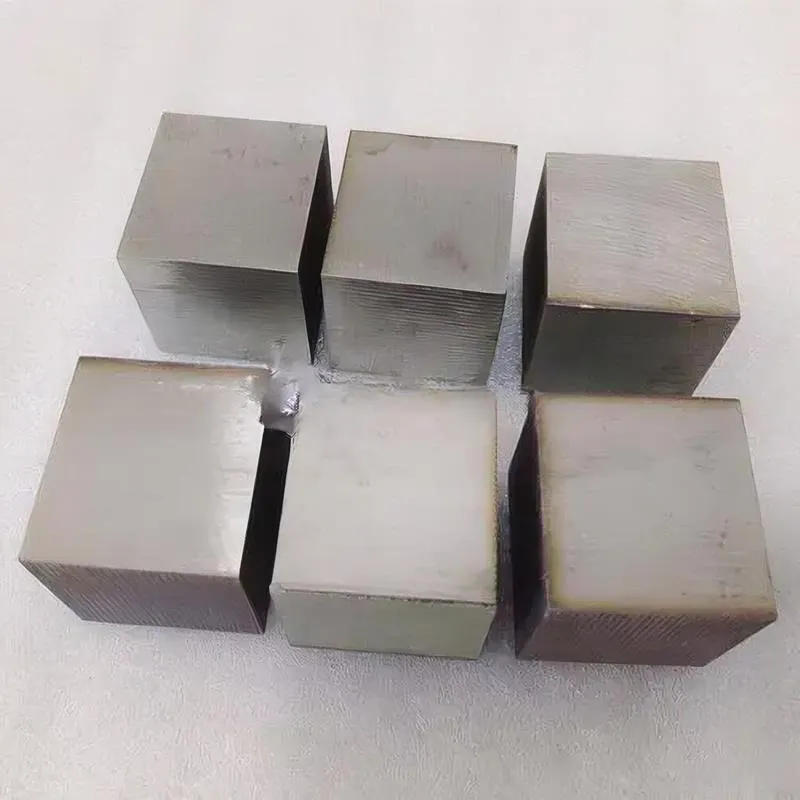
UNS F43030 Cast Iron Rod/Bar
Product Code : STI-IFe-120-CU
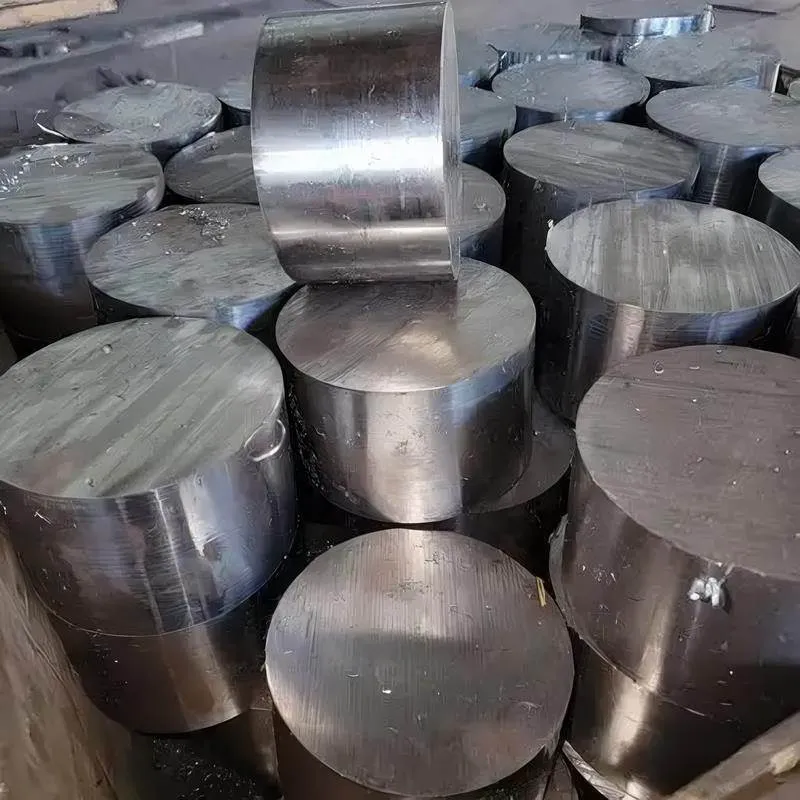
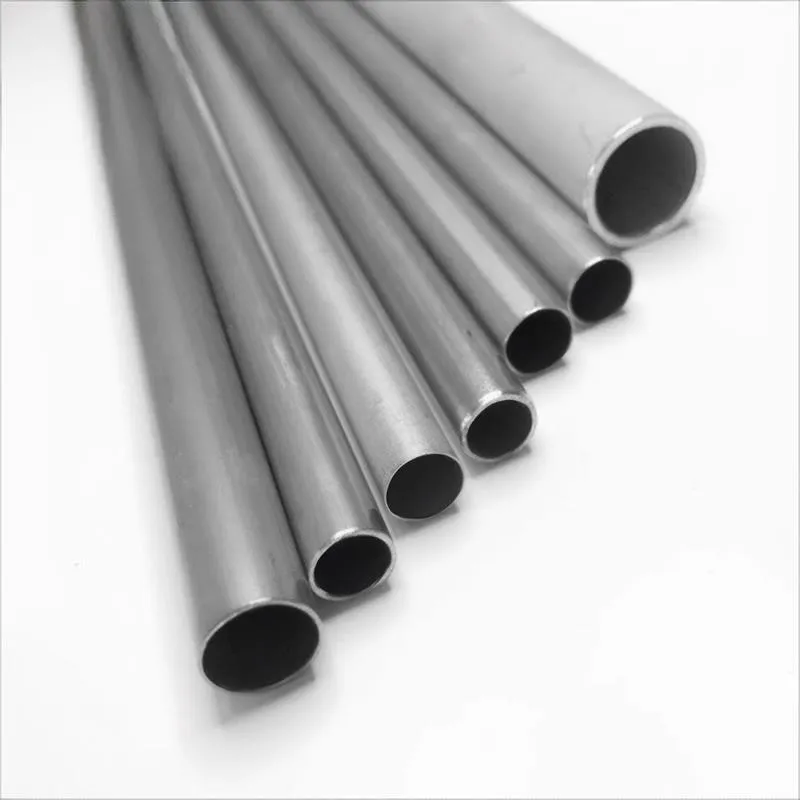
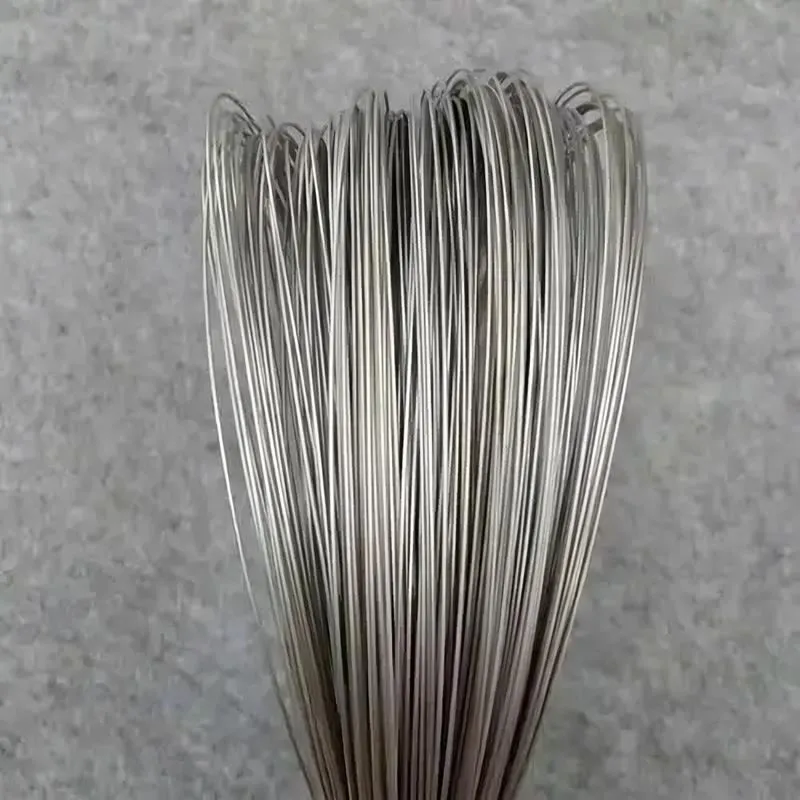
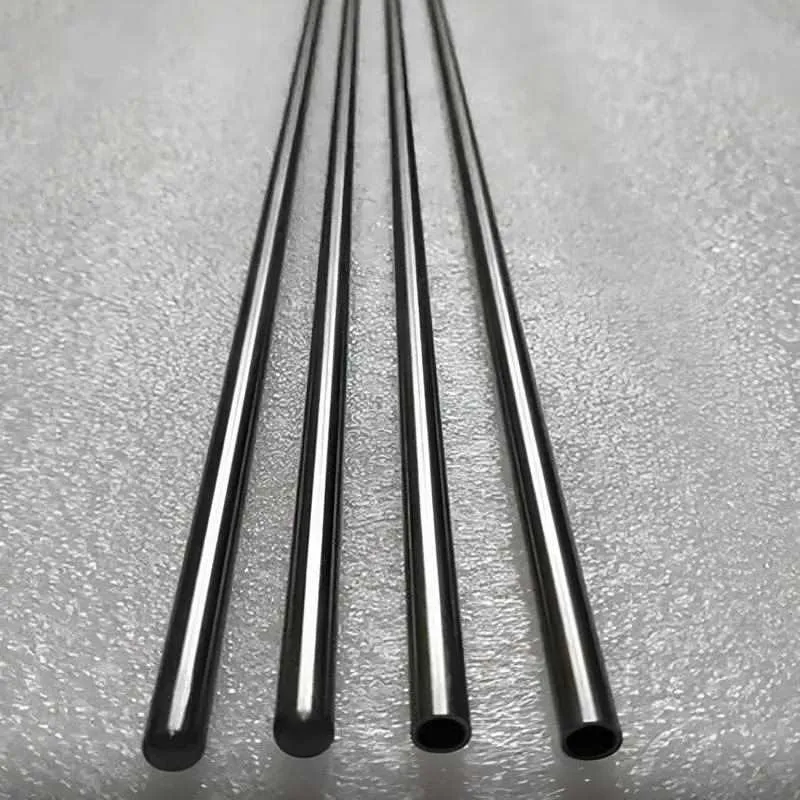
We provide UNS F43030 Cast Iron Rod/Bar is available in Bar (Round bar, Flat bar), Ribbon, Wire, Rod/Bars, Tube,Seamless Tube,Pipe, Ingots, Plate, Sheet, Strip and Forging Stock.,Purity, chemical composition, size, etc. can all be customized to meet specific requirements.
Please contact us if you need customized services. We will contact you with the price and availability in 24 hours.
UNS F43030 Cast Iron Rod Product Information
-:-
For detailed product information, please contact sales.
-:
UNS F43030 Cast Iron Rod Synonyms
-:-
For detailed product information, please contact sales.
-:
UNS F43030 Cast Iron Product Information
-:-
For detailed product information, please contact sales.
-:
## **UNS F43030 Cast Iron - Technical Specification**
### **1. Product Overview**
**UNS F43030** is a specialized designation in the Unified Numbering System for a **medium-strength, alloy-modified ferritic-pearlitic malleable cast iron**. This material represents a **balanced engineering grade** that combines moderate strength with good ductility, machinability, and thermal stability. The "F43030" designation specifically identifies a malleable iron formulation with controlled alloy additions designed to enhance specific properties while maintaining the fundamental advantages of traditional malleable iron production methods.
Characterized by a **mixed ferritic-pearlitic matrix structure** with well-dispersed temper carbon aggregates, F43030 offers engineers a material solution that bridges the gap between standard ferritic malleable irons and higher-strength pearlitic grades. This grade is particularly noted for its **excellent combination of mechanical properties, manufacturing efficiency, and cost-effectiveness** for applications requiring reliable performance without the need for extreme strength or specialized heat treatments.
### **2. International Standards & Equivalents**
#### **Primary Governing Standards:**
- **ASTM A47/A47M**: *Standard Specification for Ferritic Malleable Iron Castings*
- **ASTM A197/A197M**: *Specification for Cupola Malleable Iron*
- **SAE J158**: *Malleable Iron Castings*
#### **International Grade Equivalents:**
| **Standard** | **Equivalent Grade** | **Tensile Strength** | **Elongation** | **Notes** |
|--------------|----------------------|----------------------|----------------|-----------|
| **ASTM A47** | **Grade 35018** or **Grade 40010** | 350-400 MPa | 10-18% | Primary equivalents |
| **ISO 5922** | **JMB 350-10** or **JMB 400-8** | 350-400 MPa | 8-10% | International standard |
| **EN 1562** | **EN-GJMB-350-10** or **EN-GJMB-400-8** | 350-400 MPa | 8-10% | European standard |
| **JIS G 5705** | **FCMB 400** | ~400 MPa | ~8% | Japanese industrial standard |
| **GB/T 9440** | **JMB 400** | ~400 MPa | ~8% | Chinese national standard |
| **DIN 1692** | **GTS-45** | ~450 MPa (yield) | - | German standard equivalent |
#### **UNS System Context:**
- **F43XXX Series**: Designates specially modified or enhanced malleable irons
- **F43030**: Specifically identifies a medium-strength, balanced alloy composition
- **Numerical Significance**: "3030" suggests balanced properties (strength/ductility)
- **Related UNS Codes**:
- F33100: Standard ferritic malleable iron
- F34800: High-strength pearlitic malleable iron
- F34100: Silicon-enhanced malleable iron
- F35XXX: Austenitic or heat-resistant grades
### **3. Chemical Composition**
#### **Balanced Alloy Composition (Weight %):**
| **Element** | **Typical Range** | **Target Range** | **Metallurgical Function** |
|-------------|-------------------|------------------|---------------------------|
| **Carbon (C)** | 2.40-2.85 | 2.50-2.75 | Balanced for strength and ductility |
| **Silicon (Si)** | 1.40-2.00 | 1.60-1.90 | Graphitization control, strength enhancement |
| **Manganese (Mn)** | 0.50-1.00 | 0.60-0.90 | Moderate hardenability, strength improvement |
| **Chromium (Cr)** | 0.10-0.30 | 0.15-0.25 | Mild hardenability, wear resistance |
| **Molybdenum (Mo)** | 0.05-0.20 | 0.08-0.15 | Controlled hardenability, stability |
| **Copper (Cu)** | 0.20-0.60 | 0.30-0.50 | Strength enhancement, corrosion resistance |
| **Nickel (Ni)** | 0.05-0.25 | 0.10-0.20 | Toughness improvement |
| **Phosphorus (P)** | ≤ 0.08 | ≤ 0.07 | Controlled for machinability |
| **Sulfur (S)** | ≤ 0.08 | ≤ 0.07 | Controlled for ductility |
| **Tin (Sn)** | ≤ 0.02 | ≤ 0.015 | Strictly limited |
#### **Alloy Design Philosophy:**
- **Total Alloy Content**: 1.5-2.5% (moderate enhancement)
- **Ferrite-Pearlite Balance**: Chemistry designed for mixed microstructure
- **Carbon Equivalent**: 3.8-4.2% for optimal castability
- **Controlled Hardenability**: DI (Ideal Diameter) ~2-3 inches
- **Balanced Approach**: Optimized for manufacturing efficiency
#### **Key Composition Features:**
1. **Moderate Alloying**: Enough to enhance properties without excessive cost
2. **Silicon Optimization**: Higher than standard for improved properties
3. **Manganese Control**: Balanced for moderate hardenability
4. **Microalloying**: Minor Cr and Mo for property enhancement
5. **Impurity Control**: Standard industrial limits
### **4. Physical & Mechanical Properties**
#### **Minimum Requirements (ASTM A47 Grade 35018 Equivalent):**
| **Property** | **Minimum Value** | **Typical Range** | **Test Standard** |
|--------------|------------------|-------------------|------------------|
| **Tensile Strength** | 350 MPa (50,750 psi) | 350-420 MPa | ASTM E8 |
| **Yield Strength (0.2%)** | 230 MPa (33,350 psi) | 230-280 MPa | ASTM E8 |
| **Elongation** | 10% in 50 mm | 10-15% | ASTM E8 |
| **Brinell Hardness** | 156-207 HB | 163-187 HB | ASTM E10 |
#### **Comprehensive Property Profile:**
**Mechanical Properties:**
- **Tensile Strength**: 350-420 MPa (50,750-60,900 psi)
- **Yield Strength**: 230-280 MPa (33,350-40,600 psi)
- **Yield Ratio**: 0.66-0.70
- **Elongation**: 10-15% in 50 mm
- **Reduction of Area**: 20-30%
- **Modulus of Elasticity**: 170-180 GPa (24.7-26.1 × 10⁶ psi)
- **Shear Modulus**: 66-70 GPa
- **Poisson's Ratio**: 0.26-0.28
- **Compressive Strength**: 550-650 MPa
- **Shear Strength**: 280-350 MPa
**Hardness & Wear Characteristics:**
- **Brinell Hardness**: 156-207 HB (typically 163-187 HB)
- **Rockwell Hardness**: 83-95 HRB equivalent
- **Vickers Hardness**: 165-215 HV
- **Microhardness (Matrix)**: 180-220 HV
- **Abrasion Resistance**: Good - 2-3× better than ferritic grades
- **Scuffing Resistance**: Moderate with proper lubrication
- **Wear Coefficient**: 2.0-3.0 × 10⁻⁶ mm³/N·m
**Fatigue & Impact Properties:**
- **Fatigue Limit (10⁷ cycles)**: 150-190 MPa (rotating bending)
- **Fatigue Ratio**: 0.43-0.48
- **Charpy V-Notch Impact**: 15-25 J at 20°C
- **Charpy Unnotched Impact**: 25-35 J at 20°C
- **Fracture Toughness (K₁c)**: 50-65 MPa√m
- **Transition Temperature**: -10 to 10°C
- **Damping Capacity**: Excellent - 6-8× better than steel
**Physical & Thermal Properties:**
- **Density**: 7.25-7.35 g/cm³
- **Melting Range**: 1140-1210°C
- **Thermal Conductivity**: 42-48 W/m·K at 20°C
- **Specific Heat**: 470-510 J/kg·K
- **Thermal Expansion**: 10.8-11.4 × 10⁻⁶/°C (20-200°C)
- **Electrical Resistivity**: 0.32-0.40 μΩ·m
- **Magnetic Properties**: Ferromagnetic
- **Thermal Stability**: Good up to 400°C
**Manufacturing Properties:**
- **Machinability Rating**: 80-95% of B1112 steel
- **Casting Fluidity**: Good (38-46 inches)
- **Shrinkage**: 0.8-1.2% linear
- **Feedability**: Standard practices adequate
- **Surface Finish**: Good as-cast appearance
### **5. Microstructure & Heat Treatment**
#### **Standard Heat Treatment:**
1. **Conventional Malleablizing**:
- **Stage 1**: 900-940°C for 15-35 hours
- **Stage 2**: 700-730°C for 10-25 hours
- **Cooling**: Controlled furnace cooling
- **Total Time**: 25-60 hours typical
2. **Alternative Process**:
- Accelerated cooling to develop mixed structure
- Controlled transformation for optimal properties
- May include modified cooling cycles
#### **Final Microstructure:**
- **Matrix**: 60-80% ferrite, 20-40% pearlite
- **Graphite Form**: Temper carbon aggregates
- **Aggregate Size**: 20-45 μm
- **Aggregate Distribution**: Uniform dispersion
- **Pearlite Content**: Controlled for property optimization
- **Grain Size**: ASTM 5-7
- **Inclusion Content**: ≤1.5% by volume
#### **Microstructural Advantages:**
1. **Balanced Structure**: Combines ferrite ductility with pearlite strength
2. **Consistent Properties**: Reduced sensitivity to process variations
3. **Good Response**: To machining and finishing operations
4. **Stable**: Under normal service conditions
### **6. Product Applications**
#### **Automotive Components:**
- **Engine & Transmission**:
- Timing chain covers and housings
- Oil pump bodies and covers
- Transmission extension housings
- Clutch housings and covers
- Engine mounting brackets
- **Chassis & Suspension**:
- Steering gear housings
- Brake system brackets and supports
- Suspension linkage brackets
- Wheel bearing caps and housings
- Trailer hitch components
#### **Industrial Machinery:**
- **Power Transmission**:
- Gearbox housings and covers
- Motor brackets and bases
- Coupling guards and covers
- Drive system housings
- **Material Handling**:
- Conveyor system brackets and supports
- Hoist and crane components
- Forklift structural brackets
- Pallet truck components
- **Process Equipment**:
- Pump housings and bases
- Compressor brackets and supports
- Valve bodies (medium pressure)
- Mixing equipment components
#### **Agricultural Equipment:**
- **Tractor Components**:
- Transmission covers and housings
- Hydraulic system brackets
- Implement hitch components
- Cab mounting brackets
- **Implement Parts**:
- Mower deck components
- Baler gearbox housings
- Sprayer frame components
- Harrow and cultivator parts
#### **General Manufacturing:**
- **Machine Tool Components**:
- Machine bases and beds
- Column and housing castings
- Bracket and support elements
- Guard and cover components
- **Tooling & Fixtures**:
- Jig and fixture bases
- Assembly line fixtures
- Inspection equipment bases
- Special machine components
#### **Electrical & Construction:**
- **Electrical Equipment**:
- Motor end bells and frames
- Transformer bases
- Switchgear components
- Electrical enclosure parts
- **Construction Hardware**:
- Pipe fittings and flanges
- Valve bodies and bonnets
- Hardware brackets and supports
- Structural connection components
### **7. Advantages & Limitations**
#### **Key Advantages:**
1. **Excellent Balance**: Good strength with reasonable ductility
2. **Superior Machinability**: Easy to machine with standard tools
3. **Good Castability**: Suitable for complex geometries
4. **Cost-Effective**: Competitive pricing for performance
5. **Reliable Performance**: Consistent properties in service
6. **Versatile Applications**: Wide range of suitable uses
7. **Good Damping**: Excellent vibration absorption
#### **Technical Limitations:**
1. **Moderate Strength**: Not for high-stress applications
2. **Wear Resistance**: Adequate but not exceptional
3. **Temperature Limits**: Maximum 400°C continuous service
4. **Impact Resistance**: Good but not for severe shock
5. **Size Restrictions**: Limited by standard foundry equipment
#### **Economic Considerations:**
- **Material Cost**: Moderate (15-30% above standard grades)
- **Processing Cost**: Standard malleablizing process
- **Machining Cost**: Low due to good machinability
- **Tooling Cost**: Standard for cast irons
- **Total Cost**: Very competitive for performance level
### **8. Quality Assurance**
#### **Standard Testing:**
1. **Chemical Analysis**: Each heat or lot
2. **Mechanical Testing**: Tensile tests from test bars
3. **Hardness Testing**: Multiple locations
4. **Microstructural Examination**: Periodic verification
5. **Dimensional Checks**: Per drawing requirements
#### **Certification Requirements:**
- **Material Certificate**: Standard chemical/mechanical data
- **Process Records**: Heat treatment documentation
- **Traceability**: Basic lot identification
- **Quality System**: ISO 9001 or equivalent
### **9. Future Outlook**
#### **Market Position:**
- **Established Grade**: Well-recognized in industry
- **Broad Applications**: Wide range of suitable uses
- **Cost Performance**: Excellent value proposition
- **Manufacturing Base**: Widely available production
#### **Development Trends:**
1. **Process Optimization**: Improved efficiency
2. **Quality Enhancement**: Better consistency
3. **Application Expansion**: New uses in evolving industries
4. **Sustainability Focus**: Energy and material efficiency
### **10. Conclusion**
**UNS F43030** represents a **well-balanced, cost-effective engineering material** that delivers reliable performance across a wide range of industrial applications. Its combination of **moderate strength, good ductility, excellent machinability, and competitive pricing** makes it an attractive choice for components requiring dependable performance without the need for specialized properties or extreme strength levels.
This grade exemplifies the practical application of material engineering principles, offering optimized properties through controlled alloy additions and standard manufacturing processes. For engineers and designers seeking a **proven, reliable material solution** that balances performance, manufacturability, and cost, F43030 provides an excellent option that has stood the test of time in numerous industrial applications.
#### **Strategic Recommendations:**
1. **Ideal For**: Components requiring balanced properties
2. **Consider When**: Cost-effectiveness is important
3. **Specify With**: Clear property requirements
4. **Manufacture Using**: Standard foundry practices
5. **Quality Assure**: With standard testing protocols
**UNS F43030** continues to serve as a **workhorse material** in many industrial sectors, demonstrating that well-engineered, moderately alloyed materials can provide excellent service in appropriate applications while maintaining economic viability and manufacturing efficiency.
-:-
For detailed product information, please contact sales.
-:
UNS F43030 Cast Iron Specification
Dimensions
Size:
Diameter 20-1000 mm Length <6595 mm
Size:We can customized as required
Standard:
Per your request or drawing
We can customized as required
Properties(Theoretical)
Chemical Composition
-:-
For detailed product information, please contact sales.
-:
UNS F43030 Cast Iron Properties
-:-
For detailed product information, please contact sales.
-:
Applications of UNS F43030 Cast Iron Rod
-:-
For detailed product information, please contact sales.
-:
Chemical Identifiers UNS F43030 Cast Iron Rod
-:-
For detailed product information, please contact sales.
-:
Packing of UNS F43030 Cast Iron Rod
-:-
For detailed product information, please contact sales.
-:
Standard Packing:
-:-
For detailed product information, please contact sales.
-:
Typical bulk packaging includes palletized plastic 5 gallon/25 kg. pails, fiber and Steel Rod drums to 1 ton super sacks in full container (FCL) or truck load (T/L) quantities. Research and sample quantities and hygroscopic, oxidizing or other air sensitive materials may be packaged under argon or vacuum. Solutions are packaged in polypropylene, plastic or glass jars up to palletized 3066 gallon liquid totes Special package is available on request. E FORUs’ is carefully handled to minimize damage during storage and transportation and to preserve the quality of our products in their original condition