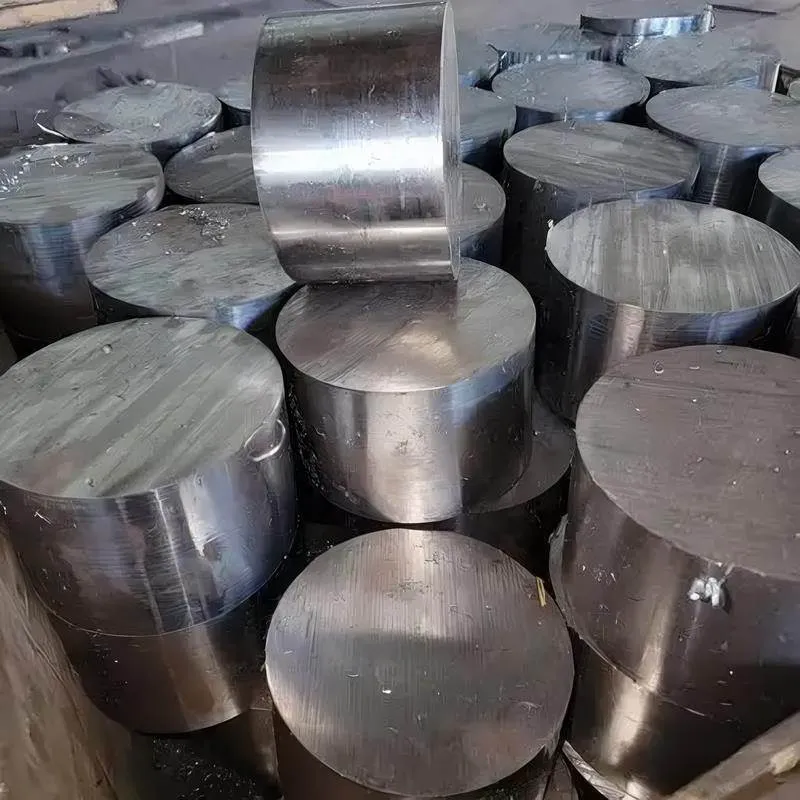
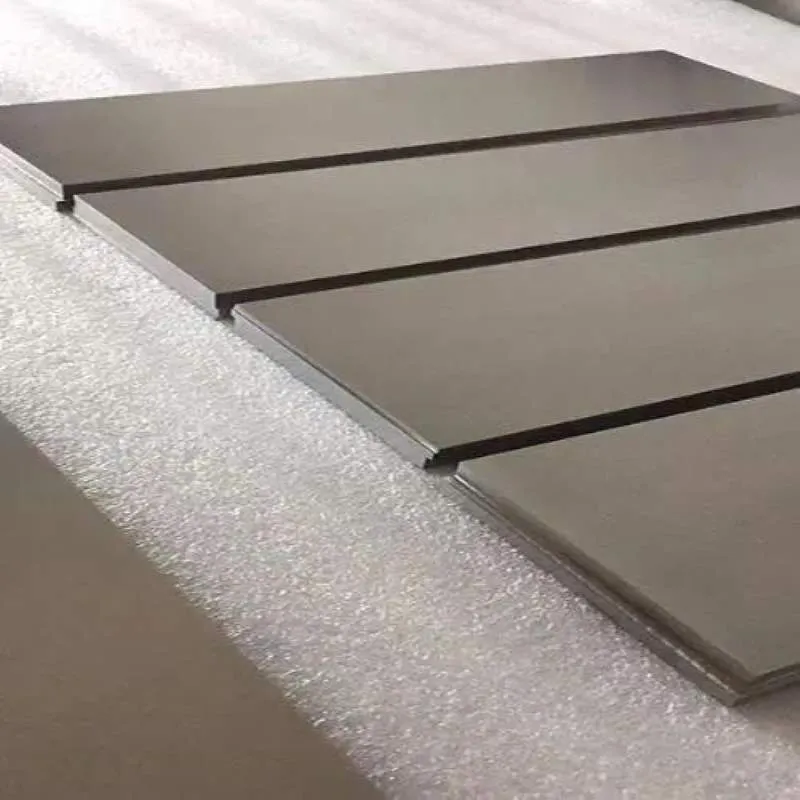
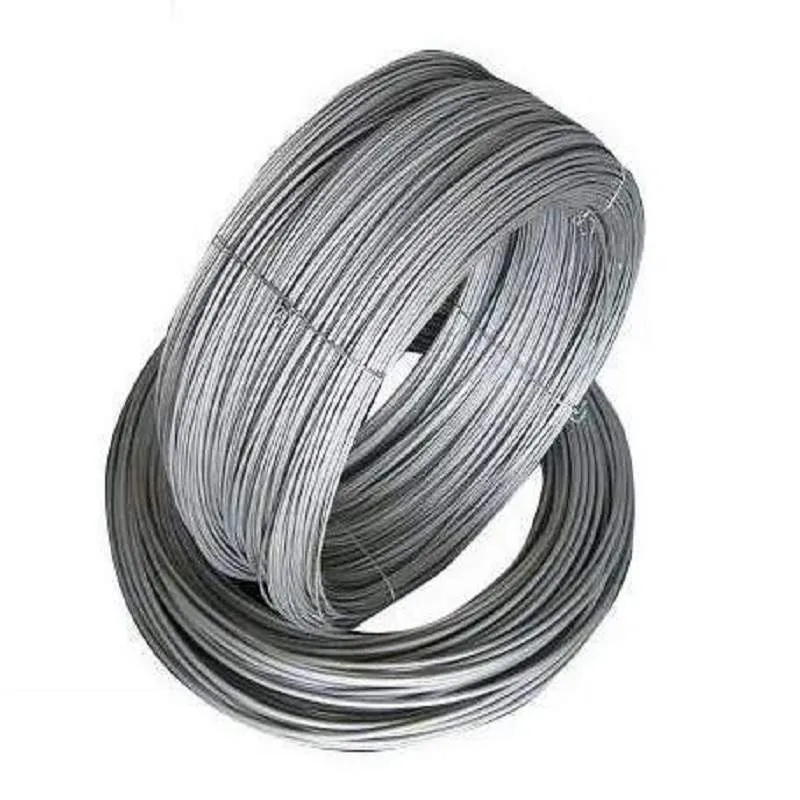
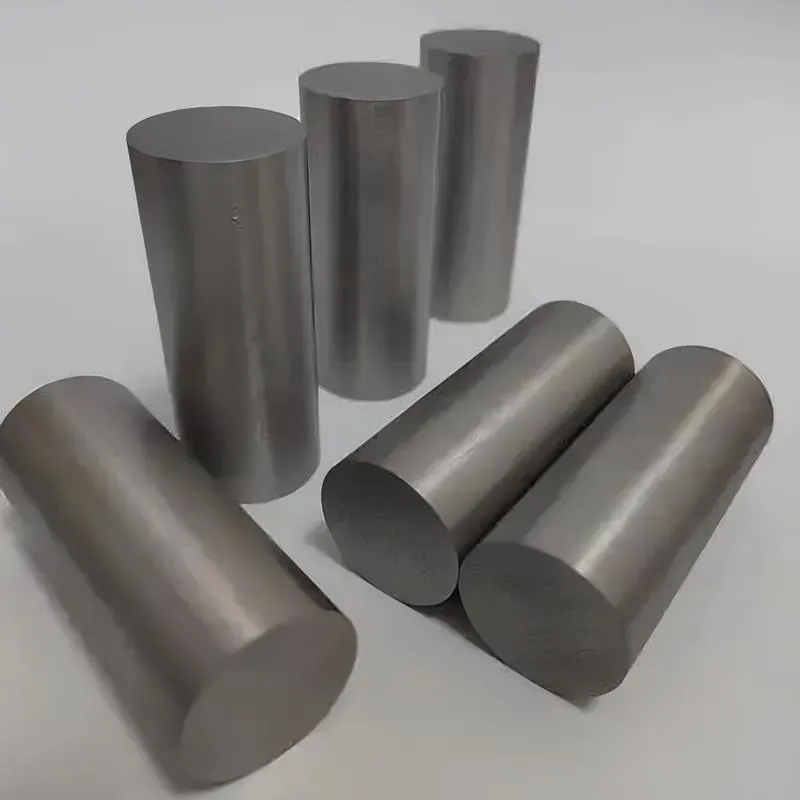
UNS K23505 Tool Steel Rod/Bar
Product Code : STI-GSTI-181-CU
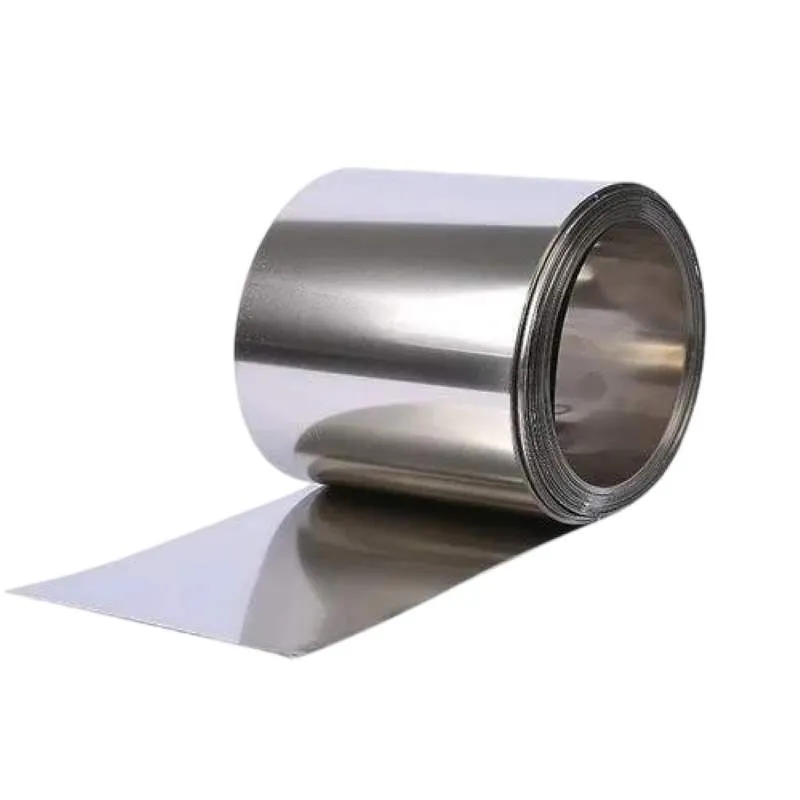
We provide UNS K23505 Tool Steel Rod/Bar is available in Bar (Round bar, Flat bar), Ribbon, Wire, Rod/Bars, Tube,Seamless Tube,Pipe, Ingots, Plate, Sheet, Strip and Forging Stock.,Purity, chemical composition, size, etc. can all be customized to meet specific requirements.
Please contact us if you need customized services. We will contact you with the price and availability in 24 hours.
UNS K23505 Tool Steel Rod Product Information
-:-
For detailed product information, please contact sales.
-:
UNS K23505 Tool Steel Rod Synonyms
-:-
For detailed product information, please contact sales.
-:
UNS K23505 Tool Steel Product Information
-:-
For detailed product information, please contact sales.
-:
# **UNS K23505 Tool Steel**
**(Equivalent to JIS SKS51 / AISI O1 / DIN 1.2510)**
---
## **1. Overview**
**UNS K23505** is a **chromium-tungsten-vanadium oil-hardening cold work tool steel** representing the Unified Numbering System designation for a widely used general-purpose tool steel. This grade is internationally recognized as equivalent to **AISI O1 (American), JIS SKS51 (Japanese), and DIN 1.2510 (German)** standards. Characterized by its **excellent dimensional stability during oil quenching, good wear resistance, and superior machinability in the annealed state**, K23505 serves as a versatile and reliable choice for a broad spectrum of cold work tooling applications. Its balanced composition and predictable heat treatment response have made it a fundamental "workhorse" grade in tool and die manufacturing worldwide.
---
## **2. Chemical Composition (Typical Weight %)**
| Element | Content (%) |
| :------ | :---------- |
| C | 0.85–0.95 |
| Mn | 1.00–1.40 |
| Si | 0.10–0.40 |
| Cr | 0.40–0.60 |
| W | 0.40–0.60 |
| V | 0.10–0.30 |
| P (max) | 0.030 |
| S (max) | 0.030 |
**Balance:** Iron (Fe).
**Key Characteristics:** The composition of K23505 is engineered for **optimal balance**:
- **Carbon (0.85–0.95%)**: Provides good hardenability and wear resistance without excessive brittleness.
- **Manganese (1.00–1.40%)**: Enhances hardenability and contributes to strength.
- **Chromium (0.40–0.60%) and Tungsten (0.40–0.60%)**: Form hard carbides (Cr₇C₃, WC) for wear resistance and contribute to hardenability.
- **Vanadium (0.10–0.30%)**: Refines grain size and improves toughness.
- This alloy system ensures **good through-hardening with oil quenching** and minimal distortion compared to water-hardening steels.
---
## **3. Physical & Mechanical Properties**
### **Physical Properties**
- **Density:** 7.83–7.86 g/cm³
- **Melting Point:** ~1425°C
- **Thermal Conductivity:** ~45 W/m·K (at 20°C)
- **Coefficient of Thermal Expansion:** ~12.5 ×10⁻⁶ /K (20–200°C)
- **Modulus of Elasticity:** 205–210 GPa
- **Magnetic Properties:** Ferromagnetic
### **Mechanical Properties (Heat-Treated)**
- **Annealed Hardness:** 183–229 HB (Brinell)
- **Hardened & Tempered Hardness:** **57–62 HRC** (typical working range)
- Achievable hardness: 61–63 HRC (with optimal low-temperature tempering)
- **Tensile Strength:** 1900–2200 MPa (at 60 HRC)
- **Yield Strength (0.2% offset):** 1650–1950 MPa
- **Elongation:** 5–8%
- **Reduction of Area:** 25–35%
- **Impact Toughness (Charpy V-notch):** 10–20 J (at room temperature, 60 HRC)
- **Wear Resistance:** **Good** – Suitable for many cold work applications.
- **Compressive Strength:** 2400–2800 MPa
- **Fatigue Strength:** Moderate; good for non-impact cyclic loads.
### **Hardenability**
- **Quenching Medium:** Oil
- **Critical Diameter (90% Martensite):** ~25 mm (1 inch) in oil quench.
- **Ideal Section Size:** Up to 50–75 mm (2–3 inches) for effective through-hardening with some hardness gradient.
- **Distortion:** Low to moderate; significantly less than water-hardening steels.
---
## **4. Heat Treatment Specifications**
### **Annealing**
- **Temperature:** 760–790°C (1400–1450°F)
- **Process:** Heat uniformly, hold for 2–4 hours, then furnace cool slowly (≤ 20°C/h) to 550°C (1025°F), followed by air cooling.
- **Resulting Hardness:** 183–229 HB.
- **Purpose:** To produce a soft, spheroidized microstructure for optimal machinability.
### **Hardening (Austenitizing & Quenching)**
- **Preheating:** Highly recommended to minimize thermal shock and distortion.
- Stage 1: 400–500°C (750–930°F)
- Stage 2: 700–750°C (1290–1380°F)
- **Austenitizing Temperature:** **790–820°C (1450–1510°F)**
- **Soaking Time:** 15–30 minutes per 25 mm (1 inch) of thickness at temperature.
- **Quenching Medium:** **Warm oil (40–80°C / 100–175°F)**. Air quenching is possible for simple shapes but results in lower hardness.
- **Critical Step:** Tools must be quenched to below 65°C (150°F) before tempering.
### **Tempering**
- **Mandatory:** Must be performed immediately after quenching.
- **Temperature Range:** **150–250°C (300–480°F)** for most applications requiring high hardness (58–62 HRC).
- Higher temperatures (up to 400°C / 750°F) can be used for increased toughness with reduced hardness.
- **Time:** 1–2 hours per 25 mm (1 inch) of thickness, minimum 1 hour.
- **Cycles:** A single temper is usually sufficient. A double temper (temper twice at the same temperature) is recommended for maximum dimensional stability and stress relief in precision tools.
### **Stress Relieving**
- **Temperature:** 600–650°C (1110–1200°F)
- **Application:** After rough machining, before final hardening, to minimize distortion.
---
## **5. Key Features & Advantages**
1. **Minimal Distortion:** Oil quenching results in significantly less distortion and size change compared to water-hardening grades (like W1), making it ideal for complex tools.
2. **Excellent Machinability:** In the annealed condition, it is one of the most machinable tool steels, allowing for efficient fabrication.
3. **Good Wear Resistance:** Adequate for a wide range of cutting, forming, and stamping applications.
4. **Predictable Heat Treatment:** Relatively forgiving and easy to heat treat consistently with standard shop equipment.
5. **Good Toughness-Hardness Balance:** Offers a practical compromise, resisting chipping better than very high-carbon steels while maintaining a hard edge.
6. **Cost-Effective:** Widely available and offers excellent value for general-purpose tooling.
7. **Shallow Decarburization:** Less prone to surface decarburization during heat treatment than some higher-alloy steels.
**Limitations:**
- **Limited Red Hardness:** Loses hardness rapidly above ~200°C (400°F), unsuitable for high-speed cutting or hot work.
- **Moderate Wear Resistance:** Not as wear-resistant as high-carbon, high-chromium (D2/A2) or high-speed steels (M2).
- **Not for Severe Impact:** Toughness is lower than shock-resistant grades (S-series).
---
## **6. Typical Applications**
UNS K23505 (O1/SKS51) is a **general-purpose cold work tool steel** used across countless industries.
### **Cutting Tools:**
- **Blades:** Shear blades, slitter knives, paper cutters, leather knives.
- **Woodworking Tools:** Planer blades, chisels, carving tools.
- **Metal Cutting Tools:** Lathe tools for soft metals, hand taps, reamers.
### **Forming & Stamping Tools:**
- **Blank and Pierce Dies:** For low to medium production runs.
- **Bending and Forming Dies:** Press brake dies, forming rolls.
- **Thread Rolling Dies:** For softer materials.
- **Embossing Dies.**
### **Measuring & Precision Tools:**
- **Gauges:** Plug gauges, ring gauges, thread gauges.
- **Machine Components:** Bushings, wear plates, guide pins.
- **Jigs and Fixtures.**
### **Miscellaneous Tooling:**
- **Cold Heading Dies.**
- **Molds:** For plastics and zinc die casting (lower-wear applications).
- **Hand Tools:** Quality punches, chisels, screwdrivers.
### **Industry Usage:**
- **Tool & Die Shops:** For prototype and general-purpose tooling.
- **Metal Stamping:** For automotive, appliance, and electronics components.
- **Woodworking:** For industrial cutting tools.
- **Maintenance & Repair:** For making or repairing machine parts.
---
## **7. International Standard Equivalents**
| Standard System | Grade Designation | Country/Region | Notes |
| :--- | :--- | :--- | :--- |
| **UNS** | K23505 | USA (Unified Numbering System) | Primary UNS designation |
| **AISI/SAE** | O1 | USA | Most common name in North America |
| **JIS** | SKS51 | Japan | **Direct Equivalent** |
| **DIN / EN** | 1.2510 / 90MnCrV8 | Germany / Europe | Common European designation |
| **ISO** | 105WCr1 | International | |
| **BS** | BO1 | United Kingdom | |
| **GB** | 9Mn2V / 9CrWMn | China | Similar grades |
| **AFNOR** | 90MV8 | France | |
---
## **8. Machining & Fabrication Guidelines**
### **Machining (Annealed Condition):**
- **Machinability Rating:** Excellent (~85% of 1212 free-machining steel).
- **Recommended Tools:** High-speed steel (HSS) tools perform well; carbide for production.
- **Cutting Speeds:** Moderate to high speeds feasible.
- **Surface Finish:** Can achieve very good finishes.
### **Grinding (Hardened Condition):**
- **Grindability:** Good. Use aluminum oxide (Al₂O₃) wheels.
- **Coolant:** Use ample coolant to prevent overheating and "grinding burns."
- **Caution:** Avoid excessive heat input to prevent tempering or cracking.
### **Electrical Discharge Machining (EDM):**
- Can be successfully EDM'd. The white recast layer should be removed by grinding or polishing, followed by a low-temperature temper to relieve stresses.
### **Welding:**
- **Not generally recommended** for tool fabrication due to risk of cracking.
- If necessary, use a high preheat (300–400°C), low-hydrogen electrodes, and a full post-weld heat treatment (anneal and re-harden).
---
## **9. Surface Treatment**
To enhance performance, various surface treatments can be applied:
1. **Nitriding:** Increases surface hardness (up to 1000 HV) and wear resistance. Must be performed at temperatures below the final tempering temperature (~500°C).
2. **Phosphate Coating:** Provides corrosion resistance and aids in lubricant retention (common for cutting tools).
3. **Chrome Plating:** For corrosion resistance and improved lubricity.
4. **PVD Coatings (TiN, TiCN, TiAlN):** Applied to cutting edges to drastically improve wear resistance and tool life (common for knives and forming tools).
---
## **10. Summary**
**UNS K23505 (AISI O1 / JIS SKS51)** is the quintessential **oil-hardening, general-purpose cold work tool steel**. Its enduring popularity stems from a perfect balance of key properties:
- **Manufacturability:** Easy to machine and predictable to heat treat.
- **Performance:** Offers good wear resistance and adequate toughness for a vast array of applications.
- **Value:** Provides reliable performance at a reasonable cost.
**It is the default choice when:**
* A tool requires more wear resistance than plain carbon steel (W1) but not the complexity/cost of air-hardening (A2/D2) steels.
* Dimensional stability during heat treatment is important for complex shapes.
* A versatile, all-around tool steel is needed for a workshop or for tools with varied functions.
**Consider alternative grades when:**
* **Maximum wear resistance** is needed (choose D2 or high-speed steel).
* **Minimal distortion** is critical for very complex tools (choose air-hardening A2).
* **High-temperature (hot work)** applications are involved (choose H13, H11).
* **Extreme toughness** under impact is required (choose S7, L6).
In essence, UNS K23505 remains a fundamental and indispensable material in the global toolmaking industry, embodying the principle of "the right tool for the job" in material form.
-:-
For detailed product information, please contact sales.
-:
UNS K23505 Tool Steel Specification
Dimensions
Size:
Diameter 20-1000 mm Length <6837 mm
Size:We can customized as required
Standard:
Per your request or drawing
We can customized as required
Properties(Theoretical)
Chemical Composition
-:-
For detailed product information, please contact sales.
-:
UNS K23505 Tool Steel Properties
-:-
For detailed product information, please contact sales.
-:
Applications of UNS K23505 Tool Steel Rod
-:-
For detailed product information, please contact sales.
-:
Chemical Identifiers UNS K23505 Tool Steel Rod
-:-
For detailed product information, please contact sales.
-:
Packing of UNS K23505 Tool Steel Rod
-:-
For detailed product information, please contact sales.
-:
Standard Packing:
-:-
For detailed product information, please contact sales.
-:
Typical bulk packaging includes palletized plastic 5 gallon/25 kg. pails, fiber and Steel Rod drums to 1 ton super sacks in full container (FCL) or truck load (T/L) quantities. Research and sample quantities and hygroscopic, oxidizing or other air sensitive materials may be packaged under argon or vacuum. Solutions are packaged in polypropylene, plastic or glass jars up to palletized 3308 gallon liquid totes Special package is available on request. E FORUs’ is carefully handled to minimize damage during storage and transportation and to preserve the quality of our products in their original condition