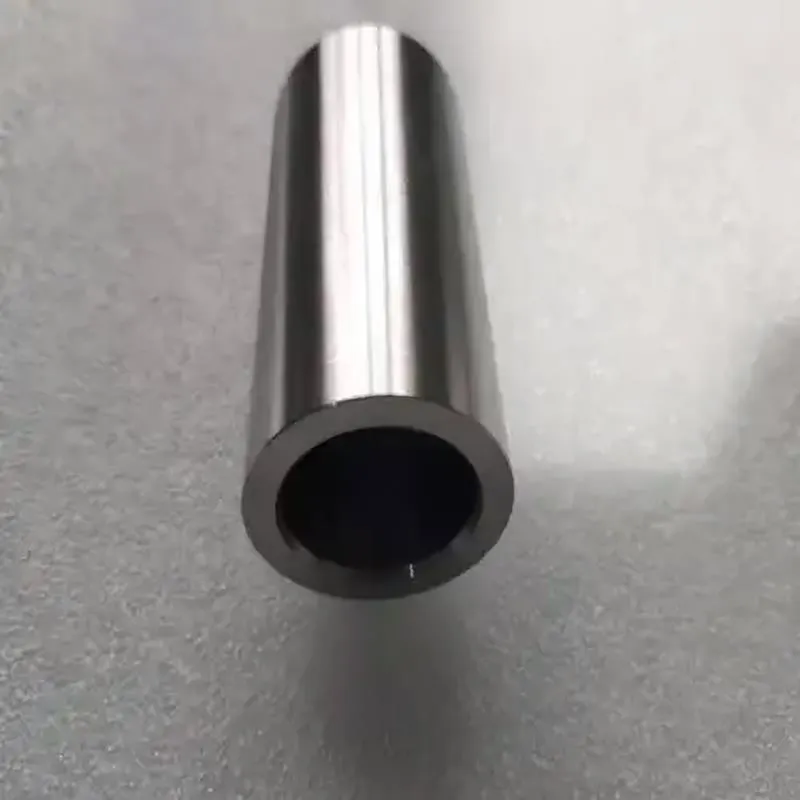
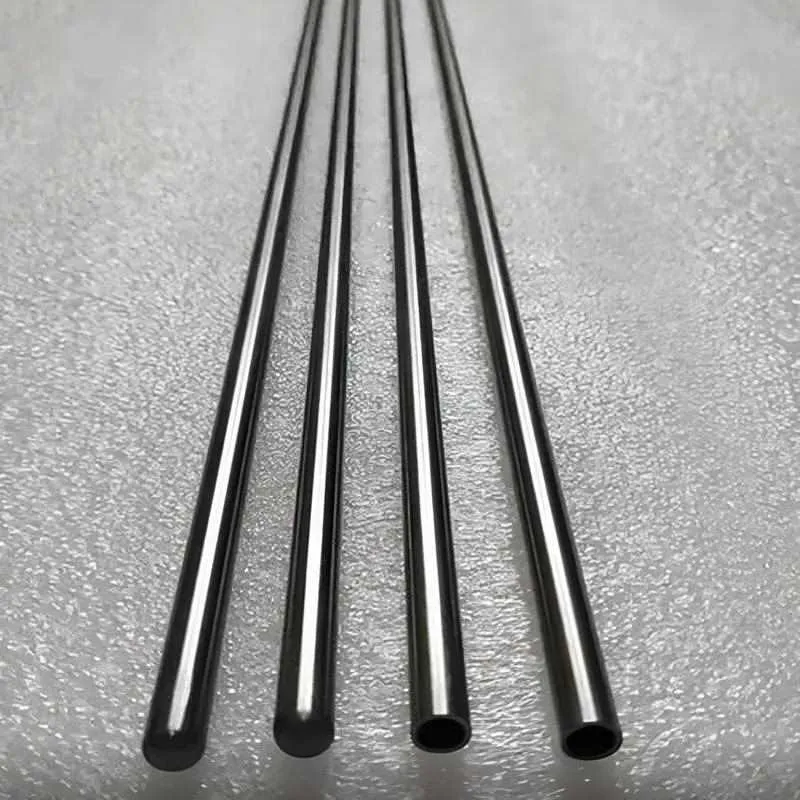
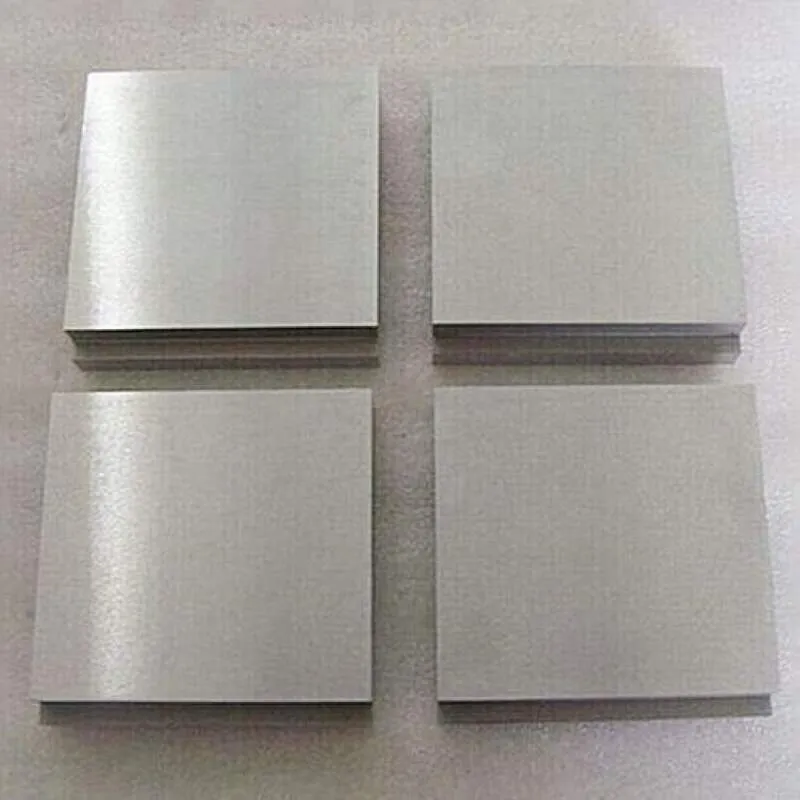
X12CrMoS17 Stainless Steel Tube,Pipe,for medical instruments
Product Code : STI-GSTI-761-CU
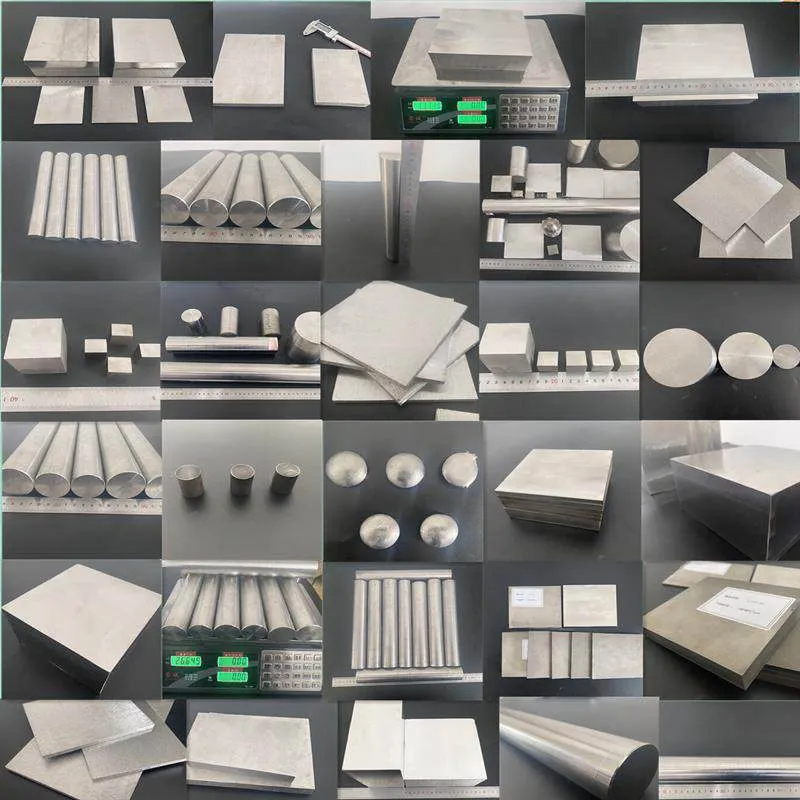
We provide X12CrMoS17 Stainless Steel Tube for medical instruments is available in Bar (Round bar, Flat bar), Ribbon, Wire, Rods, Tube,Seamless Tube,Pipe, Ingots, Plate, Sheet, Strip and Forging Stock.,Purity, chemical composition, size, etc. can all be customized to meet specific requirements.X12CrMoS17 Stainless Steel Pipe,for medical instruments
Please contact us if you need customized services. We will contact you with the price and availability in 24 hours.
X12CrMoS17 Stainless Steel Tube for medical instruments Product Information
-:-
For detailed product information, please contact sales.
-:
X12CrMoS17 Stainless Steel Tube for medical instruments Synonyms
-:-
For detailed product information, please contact sales.
-:
X12CrMoS17 Stainless Steel for medical instruments Product Information
-:-
For detailed product information, please contact sales.
-:
# X12CrMoS17 Free-Machining Martensitic Stainless Steel for Medical Instruments
## Overview
X12CrMoS17 is a sulfur-enhanced, free-machining martensitic stainless steel that offers a unique combination of reasonable corrosion resistance, excellent machinability, and the ability to be hardened through heat treatment. The deliberate sulfur addition significantly improves machinability by forming manganese sulfide inclusions that act as chip breakers and lubricants during cutting operations. This makes it particularly suitable for high-volume production of medical instruments where complex machining is required, while maintaining adequate corrosion resistance for many medical applications.
## International Standards & Designations
- **EN 10088-3:** 1.4104 (Primary European designation)
- **AISI 430F / UNS S43020:** Equivalent American free-machining grade
- **ISO 7153-1:** Surgical instruments – Materials – Part 1: Metals
- **ASTM A581/A581M:** Standard Specification for Free-Machining Stainless Steel Wire and Wire Rods
- **JIS SUS430F:** Japanese Industrial Standard
- **DIN 17440:** Stainless steels – Technical delivery conditions
- **ISO 4955:** Heat-resisting steels and alloys
## Chemical Composition (Typical, % by weight)
| Element | Content Range (%) | Medical Grade Target (%) | Functional Role |
|---------|-------------------|--------------------------|-----------------|
| **Carbon (C)** | 0.08–0.15 | 0.10–0.13 | Hardening element |
| **Chromium (Cr)** | 15.5–17.5 | 16.0–17.0 | Corrosion resistance |
| **Molybdenum (Mo)** | 0.20–0.60 | 0.30–0.50 | Pitting resistance enhancer |
| **Sulfur (S)** | 0.15–0.35 | 0.20–0.30 | Machinability enhancer |
| **Manganese (Mn)** | ≤ 1.50 | 1.0–1.3 | Sulfide former, deoxidizer |
| **Silicon (Si)** | ≤ 1.00 | ≤ 0.80 | Deoxidizer |
| **Phosphorus (P)** | ≤ 0.060 | ≤ 0.040 | Impurity control |
| **Nickel (Ni)** | ≤ 1.00 | ≤ 0.60 | Residual element |
| **Iron (Fe)** | Balance | Balance | Base element |
**Key Alloying Elements Significance:**
- **Sulfur (0.15–0.35%):** Forms manganese sulfide (MnS) inclusions that improve machinability by acting as internal lubricants and chip breakers during cutting operations.
- **Chromium (15.5–17.5%):** Provides basic corrosion resistance through formation of a passive chromium oxide layer.
- **Molybdenum (0.20–0.60%):** Enhances pitting corrosion resistance compared to standard free-machining grades.
- **Carbon (0.08–0.15%):** Provides hardenability through martensite formation during quenching.
## Physical Properties (Annealed Condition)
| Property | Value | Notes |
|----------|-------|-------|
| **Density** | 7.70 g/cm³ | Slightly lower than austenitic grades |
| **Melting Point** | 1420–1460 °C | Standard for martensitic stainless |
| **Thermal Conductivity** | 25.0 W/m·K (at 20°C) | Better than austenitic grades |
| **Specific Heat Capacity** | 460 J/kg·K | Standard for ferritic/martensitic steels |
| **Electrical Resistivity** | 0.60 μΩ·m | Lower than austenitic grades |
| **Modulus of Elasticity** | 215–220 GPa | Higher than austenitic grades |
| **Magnetic Permeability** | Strongly magnetic | Inherently magnetic |
| **Coefficient of Thermal Expansion** | 10.4 × 10⁻⁶/K (20–100°C) | Lower than austenitic grades |
| **Thermal Diffusivity** | 7.0 mm²/s | Better heat dissipation |
## Mechanical Properties
### **Annealed Condition:**
| Property | Value Range | Typical for Machining |
|----------|-------------|------------------------|
| **Tensile Strength (Rm)** | 450–650 MPa | 500–600 MPa |
| **Yield Strength (Rp0.2)** | 250–400 MPa | 300–350 MPa |
| **Elongation at Break (A)** | 15–25% | 18–22% |
| **Hardness (Brinell)** | 180–250 HBW | 200–220 HBW |
| **Hardness (Rockwell B)** | 90–100 HRB | 95–100 HRB |
### **Hardened and Tempered Condition:**
| Property | Value Range | Typical for Medical Instruments |
|----------|-------------|---------------------------------|
| **Tensile Strength (Rm)** | 800–1100 MPa | 900–1000 MPa |
| **Yield Strength (Rp0.2)** | 650–900 MPa | 750–850 MPa |
| **Elongation at Break (A)** | 8–15% | 10–12% |
| **Hardness (Rockwell C)** | 38–48 HRC | 42–46 HRC |
| **Impact Toughness** | 20–40 J | 25–35 J |
## Heat Treatment
### **Annealing:**
- **Full Annealing:** 750–800°C followed by slow cooling (furnace cooling)
- **Process Annealing:** 650–700°C for stress relief after cold working
- **Purpose:** Soften material for machining operations
### **Hardening:**
- **Austenitizing Temperature:** 950–1050°C (typically 980–1020°C)
- **Quenching Medium:** Oil or air quenching
- **Holding Time:** 15–30 minutes per 25 mm thickness
### **Tempering:**
- **Temperature Range:** 150–400°C
- **Typical Medical Instrument Temper:** 200–300°C
- **Purpose:** Relieve quenching stresses and achieve desired hardness/toughness balance
### **Special Considerations:**
- Sulfur content may affect surface quality during heat treatment
- Controlled atmosphere or vacuum heat treatment recommended for optimal results
- Decarburization protection important during hardening
## Machinability Characteristics
### **Machinability Rating:**
- **Excellent machinability** – approximately 80–85% of free-cutting carbon steel (12L14)
- **Significantly better** than standard martensitic stainless steels (2–3 times better than 420)
- **Chip Formation:** Short, broken chips due to manganese sulfide inclusions
### **Optimal Machining Parameters:**
| Operation | Cutting Speed | Feed Rate | Depth of Cut | Notes |
|-----------|---------------|-----------|--------------|-------|
| **Turning** | 60–100 m/min | 0.15–0.30 mm/rev | 1–4 mm | High-speed steel or carbide tools |
| **Drilling** | 20–30 m/min | 0.10–0.20 mm/rev | - | Peck drilling recommended |
| **Milling** | 50–80 m/min | 0.10–0.25 mm/tooth | 1–3 mm | Climb milling preferred |
| **Tapping** | 10–15 m/min | - | - | Use sharp, premium taps |
### **Tooling Recommendations:**
- **Carbide tools:** Grade K10–K20 for general machining
- **High-speed steel:** M2, M35 for complex tools
- **Coatings:** TiN, TiCN, or AlTiN for improved tool life
- **Coolant:** Soluble oil or semi-synthetic coolants recommended
## Corrosion Resistance
### **General Characteristics:**
- **Moderate corrosion resistance** – suitable for many medical applications
- Good resistance to:
- Atmospheric corrosion
- Fresh water and steam
- Mild chemicals and disinfectants
- Body fluids (limited exposure)
- Limited resistance to:
- Chloride-containing solutions
- Strong acids and alkalis
- Marine environments
### **Medical Environment Performance:**
- **Sterilization Compatibility:**
- **Autoclaving:** Good resistance for limited cycles (121–134°C)
- **Dry Heat:** Suitable for moderate temperatures (<200°C)
- **Chemical Sterilization:** Compatible with alcohols, mild disinfectants
- **Limited compatibility** with strong oxidizing agents and chlorinated solutions
- **Disinfectant Resistance:**
- Good: Alcohol-based solutions
- Moderate: Quaternary ammonium compounds
- Poor: Chlorine-based disinfectants, hydrogen peroxide concentrates
### **Corrosion Limitations:**
- Sulfur inclusions can create micro-galvanic cells, potentially reducing corrosion resistance
- Not suitable for instruments requiring frequent sterilization with aggressive chemicals
- Surface treatments (passivation, plating) often required for enhanced performance
## Product Applications in Medical Field
### **Primary Medical Applications:**
1. **Non-Critical Surgical Instruments:**
- Instrument handles and knobs
- Retractor components
- Clamp bodies and adjustment mechanisms
- Orthopedic instrument components not contacting tissue
2. **Medical Device Components:**
- Housings and enclosures
- Adjustment screws and fasteners
- Gear components in mechanical devices
- Structural components not exposed to body fluids
3. **Dental and Orthodontic Tools:**
- Dental handpiece components
- Orthodontic plier bodies
- Laboratory instrument components
- Model trimmer parts
4. **Support Equipment:**
- Medical furniture components
- Equipment adjustment mechanisms
- Cabinet hardware and fittings
- Non-critical support structures
### **Specific Instrument Examples:**
- Bone forceps handles
- Hemostat adjustment screws
- Speculum adjustment mechanisms
- Instrument tray components
- Diagnostic equipment housings
### **Advantages for Medical Manufacturing:**
- **Excellent Machinability:** Reduces manufacturing time and cost for complex components
- **Heat Treatable:** Can be hardened for wear resistance in specific areas
- **Cost-Effective:** Lower material cost than austenitic or higher-alloy grades
- **Good Strength:** Adequate mechanical properties for many instrument applications
- **Magnetic Properties:** Can be advantageous for certain specialized applications
## Fabrication Characteristics
### **Forming Operations:**
- **Cold Forming:** Fair formability in annealed condition
- **Hot Working:** Good hot workability at 1050–850°C
- **Forging:** Suitable for hot forging operations
- **Limitations:** Reduced ductility compared to austenitic grades
### **Welding and Joining:**
- **Weldability:** Poor to fair due to sulfur content and martensitic structure
- **Recommended Methods:**
- Resistance welding (spot, projection)
- Laser welding with proper procedures
- Electron beam welding
- **Precautions Required:**
- Preheating (200–300°C) often necessary
- Post-weld heat treatment recommended
- Limited to non-critical joints in medical instruments
### **Surface Treatments:**
- **Passivation:** Nitric acid treatment improves corrosion resistance
- **Plating:** Chrome plating common for enhanced corrosion and wear resistance
- **Black Oxide:** For reduced glare and improved appearance
- **Polishing:** Can achieve good surface finishes despite sulfur inclusions
## Quality Assurance for Medical Applications
### **Material Certification:**
- EN 10204 3.1 certificate with full traceability
- Chemical analysis including sulfur content verification
- Mechanical property testing (annealed and hardened conditions)
- Machinability test results (optional)
### **Medical-Specific Requirements:**
- Inclusion control and rating (sulfide stringer assessment)
- Surface finish verification
- Corrosion testing for intended application
- Biocompatibility assessment for patient contact applications
### **Microstructural Requirements:**
- Uniform distribution of manganese sulfide inclusions
- Grain size control (ASTM 5–8 typically specified)
- Freedom from excessive banding or segregation
## Biocompatibility Considerations
### **General Assessment:**
- **Limited Use for Tissue Contact:** Primarily for instruments with limited or indirect tissue contact
- **Surface-Dependent Performance:** Corrosion resistance and biocompatibility highly dependent on surface treatment
- **Nickel Content:** Typically low nickel (<1%), reducing sensitization concerns
### **Testing Requirements:**
- **ISO 10993 Compliance:** May require testing for specific applications
- **Extractables Testing:** Particularly important due to sulfur content
- **Surface Characterization:** Critical for assessing biocompatibility
### **Regulatory Considerations:**
- **FDA:** Acceptable for certain medical device applications with proper validation
- **EU MDR:** Requires thorough technical documentation
- **Restrictions:** Often limited to Class I and some Class IIa devices
## Comparison with Related Medical Stainless Steels
| Property | X12CrMoS17 (1.4104) | X20Cr13 (1.4021) | X6Cr17 (1.4016) | X5CrNi18-10 (1.4301) |
|----------|----------------------|-------------------|------------------|----------------------|
| **Machinability** | **Excellent** | Fair | Good | Fair |
| **Corrosion Resistance** | Moderate | Good | Moderate | Excellent |
| **Hardenability** | Good (HRC 42–46) | Good (HRC 48–52) | Not hardenable | Not hardenable by heat treatment |
| **Sulfur Content** | **0.15–0.35%** | ≤0.030% | ≤0.030% | ≤0.030% |
| **Magnetic Properties** | Magnetic | Magnetic | Magnetic | Non-magnetic |
| **Primary Medical Use** | Machined components | Cutting instruments | General components | General instruments |
| **Cost Factor** | 0.8–1.0× | 1.0 (Baseline) | 0.7–0.9× | 1.2–1.5× |
## Limitations and Special Considerations
### **Material Limitations:**
- **Reduced Corrosion Resistance:** Compared to austenitic and higher-chromium martensitic grades
- **Limited High-Temperature Performance:** Not suitable for repeated high-temperature sterilization
- **Reduced Toughness:** Lower impact resistance than austenitic grades
- **Surface Quality:** Sulfur inclusions can affect surface finish and polishing
### **Design Considerations:**
- Avoid use in applications requiring frequent aggressive sterilization
- Consider surface treatments for enhanced corrosion resistance
- Account for dimensional changes during heat treatment
- Design for machinability to maximize material benefits
### **Manufacturing Considerations:**
- Heat treatment required for optimal properties
- Surface treatments often necessary for medical applications
- Special handling may be required for optimal machining results
- Quality control important for inclusion distribution
## Economic and Production Aspects
### **Cost Advantages:**
- **Lower Material Cost:** Compared to austenitic and specialty grades
- **Reduced Machining Costs:** Faster machining speeds and longer tool life
- **High-Volume Production:** Ideal for mass-produced components
- **Scrap Reduction:** Improved chip control reduces material waste
### **Production Efficiency:**
- Reduced cycle times for complex components
- Lower tooling costs due to reduced wear
- Consistent machining performance
- Good dimensional stability during processing
## Environmental and Safety Considerations
### **Manufacturing Safety:**
- Standard machining safety practices apply
- Proper ventilation for cutting operations
- Coolant management for optimal performance
### **Environmental Impact:**
- Recyclable through standard steel recycling channels
- Energy requirements comparable to other stainless steels
- Long service life for properly selected applications
### **End-of-Life Considerations:**
- Fully recyclable material
- No special disposal requirements
- Compatible with standard waste streams
## Future Developments
### **Material Improvements:**
- Enhanced corrosion resistance variants
- Improved inclusion morphology control
- Specialized grades for specific medical applications
### **Processing Technologies:**
- Advanced heat treatment methods
- Improved surface treatment technologies
- Additive manufacturing compatibility assessment
### **Application Expansion:**
- Evaluation for new medical device applications
- Assessment of performance with new sterilization technologies
- Development of medical-specific variants
## Conclusion
X12CrMoS17 represents a specialized free-machining martensitic stainless steel that offers an excellent balance of machinability, mechanical properties, and moderate corrosion resistance for specific medical instrument applications. Its sulfur-enhanced composition makes it particularly valuable for high-volume production of complex medical components where machining efficiency is paramount.
While its corrosion resistance is inferior to austenitic grades like 304/316 and its mechanical properties differ from standard martensitic grades like 420, X12CrMoS17 fills an important niche in medical device manufacturing. It is ideally suited for instruments and components that require complex machining, benefit from heat treatability, but do not require the highest levels of corrosion resistance.
For medical device manufacturers, careful consideration must be given to the specific application requirements when selecting X12CrMoS17. Its advantages in manufacturing efficiency must be balanced against its limitations in corrosion resistance and biocompatibility. With proper design, surface treatment, and application selection, this alloy can provide cost-effective solutions for many medical instrument applications while maintaining acceptable performance characteristics.
As medical device manufacturing continues to evolve toward more complex designs and cost-effective production methods, free-machining stainless steels like X12CrMoS17 will continue to play an important role in the medical device industry, particularly for components where manufacturing efficiency and cost control are critical considerations.
-:-
For detailed product information, please contact sales.
-:
X12CrMoS17 Stainless Steel for medical instruments Specification
Dimensions
Size:
Diameter 20-1000 mm Length <7417 mm
Size:We can customized as required
Standard:
Per your request or drawing
We can customized as required
Properties(Theoretical)
Chemical Composition
-:-
For detailed product information, please contact sales.
-:
X12CrMoS17 Stainless Steel for medical instruments Properties
-:-
For detailed product information, please contact sales.
-:
Applications of X12CrMoS17 Stainless Steel Tube for medical instruments
-:-
For detailed product information, please contact sales.
-:
Chemical Identifiers X12CrMoS17 Stainless Steel Tube for medical instruments
-:-
For detailed product information, please contact sales.
-:
Packing of X12CrMoS17 Stainless Steel Tube for medical instruments
-:-
For detailed product information, please contact sales.
-:
Standard Packing:
-:-
For detailed product information, please contact sales.
-:
Typical bulk packaging includes palletized plastic 5 gallon/25 kg. pails, fiber and Steel Tube drums to 1 ton super sacks in full container (FCL) or truck load (T/L) quantities. Research and sample quantities and hygroscopic, oxidizing or other air sensitive materials may be packaged under argon or vacuum. Solutions are packaged in polypropylene, plastic or glass jars up to palletized 3888 gallon liquid totes Special package is available on request. E FORUs’ is carefully handled to minimize damage during storage and transportation and to preserve the quality of our products in their original condition