X20CrNi172 Stainless Steel,for medical instruments
Product Code : STI-GSTI-762-CU
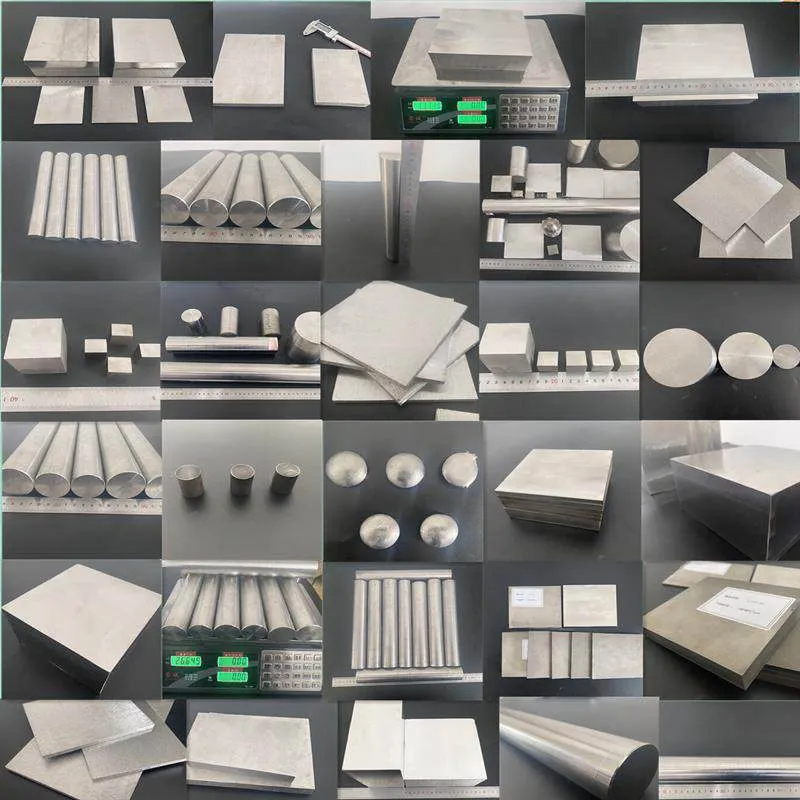
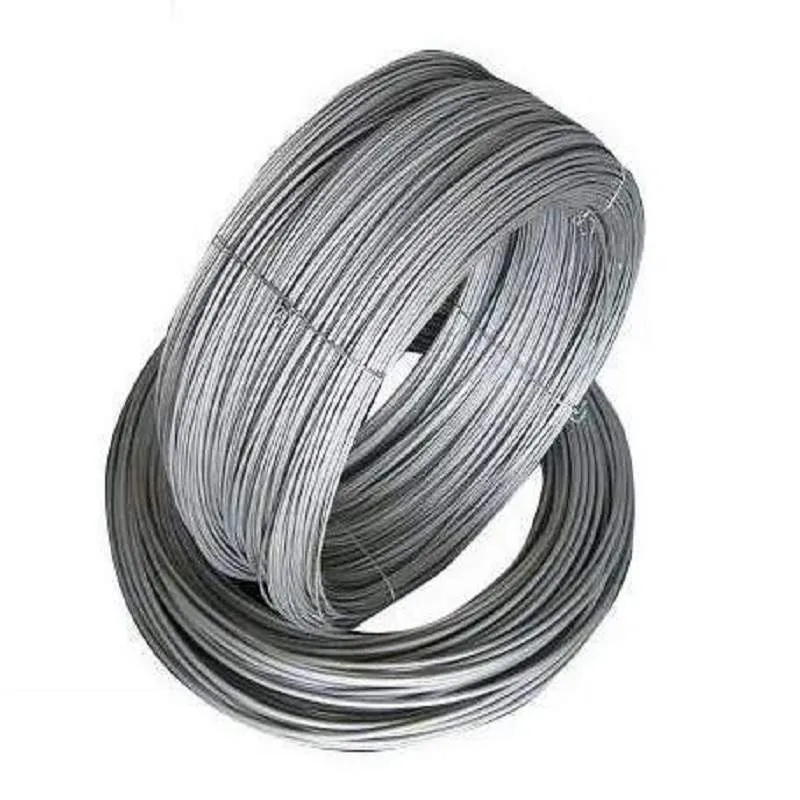
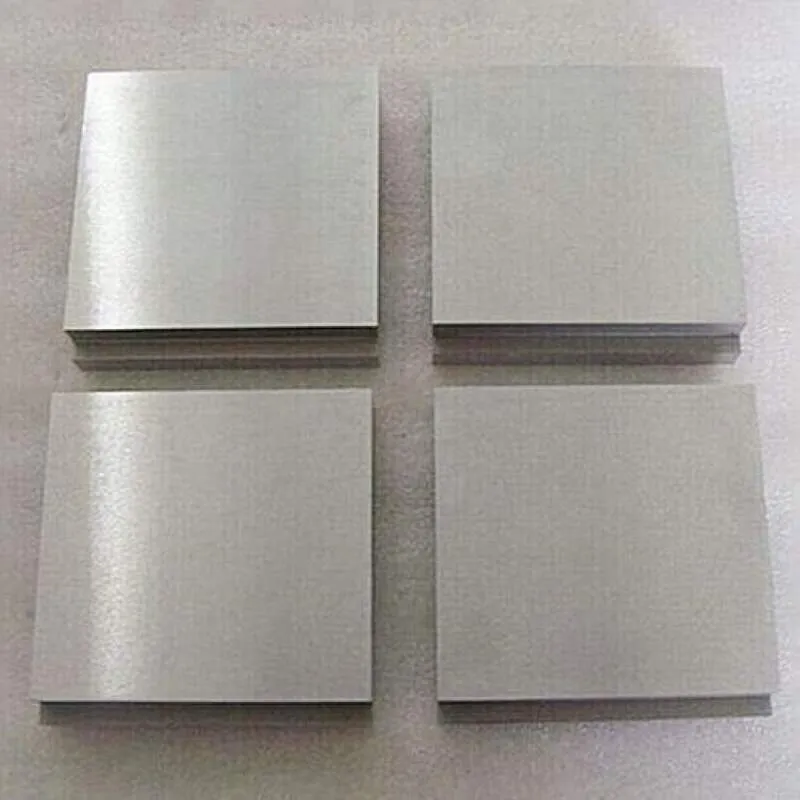
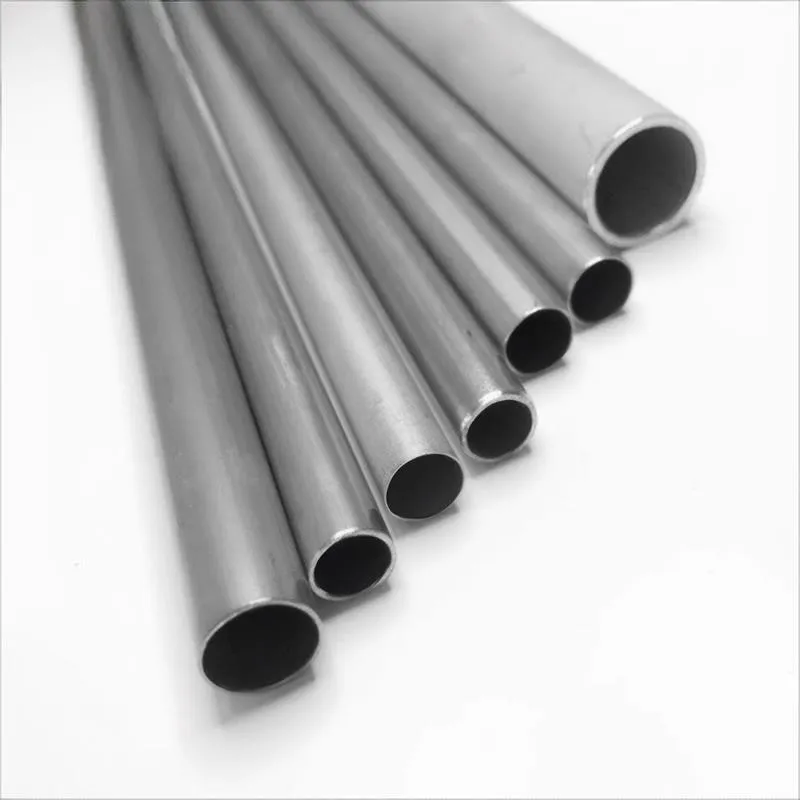
We provide X20CrNi172 Stainless Steel for medical instruments is available in Bar (Round bar, Flat bar), Ribbon, Wire, Rods, Tube,Seamless Tube,Pipe, Ingots, Plate, Sheet, Strip and Forging Stock.,Purity, chemical composition, size, etc. can all be customized to meet specific requirements.
Please contact us if you need customized services. We will contact you with the price and availability in 24 hours.
X20CrNi172 Stainless Steel for medical instruments Product Information
-:-
For detailed product information, please contact sales.
-:
X20CrNi172 Stainless Steel for medical instruments Synonyms
-:-
For detailed product information, please contact sales.
-:
X20CrNi172 Stainless Steel for medical instruments Product Information
-:-
For detailed product information, please contact sales.
-:
# X20CrNi17-2 Precipitation-Hardening Martensitic Stainless Steel for Medical Instruments
## Overview
X20CrNi17-2 is a precipitation-hardening martensitic stainless steel that combines the excellent mechanical properties of martensitic steels with enhanced corrosion resistance through carefully balanced chromium and nickel content. As a 17-4 PH type alloy (similar to UNS S17400), it offers a unique combination of high strength, good corrosion resistance, and excellent dimensional stability after heat treatment. This makes it particularly suitable for precision medical instruments requiring complex geometries, tight tolerances, and reliable performance in demanding medical environments.
## International Standards & Designations
- **EN 10088-3:** 1.4057 (European material number)
- **AISI 630 / UNS S17400:** Equivalent 17-4 PH grade
- **ISO 683-13:** Heat-treatable steels, alloy steels and free-cutting steels - Part 13: Wrought precipitation-hardening stainless steels
- **ISO 7153-1:** Surgical instruments - Materials - Part 1: Metals
- **ASTM A564/A564M:** Standard Specification for Hot-Rolled and Cold-Finished Age-Hardening Stainless Steel Bars and Shapes
- **AMS 5643:** Aerospace Material Specification (U.S.)
- **GB 0Cr17Ni4Cu4Nb:** Chinese National Standard
## Chemical Composition (Typical, % by weight)
| Element | Content Range (%) | Medical Grade Target (%) | Functional Role |
|---------|-------------------|--------------------------|-----------------|
| **Carbon (C)** | 0.15–0.25 | 0.18–0.22 | Matrix strengthener |
| **Chromium (Cr)** | 15.5–17.5 | 16.0–17.0 | Corrosion resistance |
| **Nickel (Ni)** | 1.5–2.5 | 1.8–2.2 | Austenite stabilizer |
| **Copper (Cu)** | 3.0–4.0 | 3.2–3.8 | Precipitation hardening |
| **Niobium (Nb)** | 0.15–0.45 | 0.25–0.35 | Carbide/nitride former |
| **Manganese (Mn)** | ≤ 1.50 | ≤ 1.00 | Deoxidizer |
| **Silicon (Si)** | ≤ 1.00 | ≤ 0.80 | Deoxidizer |
| **Phosphorus (P)** | ≤ 0.040 | ≤ 0.025 | Impurity control |
| **Sulfur (S)** | ≤ 0.030 | ≤ 0.015 | Machinability control |
| **Iron (Fe)** | Balance | Balance | Base element |
**Precipitation Hardening Mechanism:**
The alloy achieves its high strength through a combination of martensitic transformation and precipitation hardening. Copper-rich precipitates (ε-phase) form during aging, providing significant strengthening while maintaining good toughness.
## Physical Properties (Solution Annealed Condition)
| Property | Value | Notes |
|----------|-------|-------|
| **Density** | 7.78 g/cm³ | Slightly lower than austenitic grades |
| **Melting Point** | 1400–1440 °C | Standard range for martensitic stainless |
| **Thermal Conductivity** | 18.0 W/m·K (at 20°C) | Better than austenitic grades |
| **Specific Heat Capacity** | 460 J/kg·K | Standard for martensitic steels |
| **Electrical Resistivity** | 0.80 μΩ·m | Higher than standard martensitics |
| **Modulus of Elasticity** | 196 GPa | Similar to austenitic grades |
| **Magnetic Permeability** | Magnetic (martensitic) | Ferromagnetic |
| **Coefficient of Thermal Expansion** | 10.8 × 10⁻⁶/K (20–100°C) | Lower than austenitic grades |
| **Thermal Diffusivity** | 5.0 mm²/s | Good heat transfer |
## Mechanical Properties
### **Solution Annealed Condition (Condition A):**
| Property | Value Range | Typical Value |
|----------|-------------|---------------|
| **Tensile Strength (Rm)** | 850–1050 MPa | 950 MPa |
| **Yield Strength (Rp0.2)** | 500–700 MPa | 600 MPa |
| **Elongation at Break (A)** | 10–20% | 15% |
| **Hardness (Rockwell C)** | 28–36 HRC | 32 HRC |
| **Impact Toughness** | 40–80 J | 60 J |
### **Precipitation Hardened Conditions:**
| Condition | Aging Temperature | Tensile Strength | Yield Strength | Hardness | Elongation |
|-----------|-------------------|------------------|----------------|----------|------------|
| **H900** | 480°C (900°F) | 1310–1380 MPa | 1170–1240 MPa | 40–45 HRC | 10–14% |
| **H925** | 495°C (925°F) | 1170–1240 MPa | 1070–1140 MPa | 38–42 HRC | 12–16% |
| **H1025** | 550°C (1025°F) | 1070–1140 MPa | 1000–1070 MPa | 35–39 HRC | 14–18% |
| **H1075** | 580°C (1075°F) | 1000–1070 MPa | 860–930 MPa | 32–36 HRC | 16–20% |
| **H1150** | 620°C (1150°F) | 930–1000 MPa | 760–830 MPa | 28–32 HRC | 18–22% |
*Note: H900 condition provides maximum strength; H1150 provides maximum toughness and corrosion resistance.*
## Heat Treatment Sequence
### **Solution Annealing (Condition A):**
- **Temperature:** 1040–1060°C (1900–1950°F)
- **Holding Time:** 30 minutes minimum (or 1 hour per 25 mm thickness)
- **Cooling:** Rapid air cool or oil quench to room temperature
- **Microstructure:** Austenite transforms to martensite on cooling
### **Conditioning Treatment (Optional):**
- **Temperature:** 750–800°C (1380–1470°F)
- **Purpose:** Adjust properties before final aging
- **Cooling:** Air cool
### **Precipitation Hardening (Aging):**
- **Temperature Range:** 480–620°C (900–1150°F)
- **Holding Time:** 1–4 hours (typically 1 hour per 25 mm thickness)
- **Cooling:** Air cool to room temperature
- **Precipitates:** Fine copper-rich ε-phase particles
### **Special Considerations:**
- Double aging treatments sometimes used for optimal properties
- Overaging can occur if temperatures exceed recommended ranges
- Cryogenic treatment (-73°C/-100°F) sometimes used between solution and aging
## Machinability and Fabrication
### **Machinability Ratings:**
- **Solution Annealed (Condition A):** Fair (40% of free-cutting steel)
- **Aged Conditions:** Poor to fair (varies with hardness)
- **Best Machined In:** Solution annealed or overaged conditions
### **Recommended Machining Parameters (Condition A):**
| Operation | Cutting Speed | Feed Rate | Depth of Cut | Tool Material |
|-----------|---------------|-----------|--------------|---------------|
| **Turning** | 25–40 m/min | 0.15–0.30 mm/rev | 1–3 mm | Carbide (C2-C6) |
| **Drilling** | 10–15 m/min | 0.10–0.20 mm/rev | - | HSS-Co or carbide |
| **Milling** | 20–35 m/min | 0.10–0.25 mm/tooth | 1–2 mm | Carbide end mills |
| **Tapping** | 3–6 m/min | - | - | Premium HSS taps |
### **Forming Characteristics:**
- **Cold Forming:** Limited in aged conditions; better in solution annealed state
- **Hot Working:** Good between 1150–900°C
- **Forging:** Suitable with proper temperature control
- **Precautions:** Minimize work hardening during forming operations
### **Welding Characteristics:**
- **Weldability:** Fair to good with proper procedures
- **Recommended Methods:** GTAW (TIG), PAW, LBW, EBW
- **Filler Metals:** Matching composition or overalloyed grades
- **Post-Weld Heat Treatment:** Required to restore properties in HAZ
- **Preheating:** 150–200°C recommended for thicker sections
## Corrosion Resistance
### **General Characteristics:**
- **Corrosion Resistance Level:** Good to very good (superior to standard martensitic grades)
- **Comparable to:** 304 stainless steel in many environments
- **Key Advantage:** Maintains corrosion resistance at high strength levels
### **Specific Resistance:**
- **Excellent:** Atmospheric exposure, fresh water, steam
- **Good:** Mild acids, alkalis, body fluids, physiological saline
- **Moderate:** Chloride-containing solutions (better than 410/420 grades)
- **Stress Corrosion Cracking:** Good resistance compared to martensitic grades
### **Medical Environment Performance:**
- **Sterilization Compatibility:**
- **Autoclaving:** Excellent (121–134°C)
- **Dry Heat:** Good up to 300°C (higher temperatures affect properties)
- **Chemical Sterilization:** Compatible with most medical sterilants
- **Radiation:** No significant degradation
- **Optimal Aging Condition for Medical Use:** H1025 or H1075 for best corrosion resistance
### **Surface Treatments:**
- **Passivation:** Nitric acid passivation enhances corrosion resistance
- **Electropolishing:** Improves surface finish and corrosion resistance
- **Plating:** Various medical-grade coatings can be applied
## Product Applications in Medical Field
### **Primary Medical Applications:**
1. **Precision Surgical Instruments:**
- Microsurgical instruments requiring high strength and stiffness
- Orthopedic instruments for joint replacement and trauma surgery
- Neurosurgical tools requiring dimensional stability
- Ophthalmic surgical instruments
2. **Medical Device Components:**
- Surgical robot components and end effectors
- Arthroscopic instrument shafts and components
- Biopsy device mechanisms
- Dental implant placement instruments
3. **Orthopedic Applications:**
- Trial instruments for joint replacement
- Surgical guides and templates
- Bone cutting guides and instruments
- Spinal surgery instrumentation
4. **Specialized Equipment:**
- Components for minimally invasive surgery systems
- High-precision adjustment mechanisms
- Surgical instrument hinges and pivots
- Dental handpiece components
### **Advantages for Medical Use:**
- **High Strength-to-Weight Ratio:** Enables miniaturization of instruments
- **Excellent Dimensional Stability:** Minimal distortion during heat treatment
- **Good Fatigue Resistance:** Important for instruments with moving parts
- **Consistent Properties:** Reproducible mechanical properties
- **Corrosion Resistance:** Adequate for most medical environments
## Biocompatibility and Regulatory Aspects
### **Biocompatibility Assessment:**
- **ISO 10993 Compliance:** Generally meets requirements for medical devices
- **Cytotoxicity:** Typically non-cytotoxic
- **Sensitization:** Copper content requires evaluation for sensitization potential
- **Implantation:** Limited long-term implantation data; primarily for instruments
### **Regulatory Status:**
- **FDA:** Recognized for medical device applications with proper validation
- **EU MDR:** Acceptable with comprehensive technical documentation
- **Special Considerations:** Copper content may require additional testing
### **Surface Requirements:**
- Smooth surface finish for cleanability
- Proper passivation for corrosion resistance
- Freedom from surface defects
## Quality Assurance for Medical Manufacturing
### **Material Certification:**
- EN 10204 3.1 certificate with full traceability
- Chemical analysis including copper and niobium content
- Mechanical property certification for specified condition
- Heat treatment certification
### **Medical-Specific Testing:**
- Corrosion testing per intended application
- Microstructural examination
- Hardness mapping for complex components
- Surface finish verification
### **Process Validation:**
- Heat treatment process validation
- Machining process validation
- Surface treatment validation
- Cleaning and sterilization validation
## Comparison with Related Medical Stainless Steels
| Property | X20CrNi17-2 (1.4057) | X20Cr13 (1.4021) | X5CrNiCuNb16-4 (1.4542) | X2CrNiMo17-12-2 (1.4404) |
|----------|----------------------|-------------------|--------------------------|--------------------------|
| **Strength (Typical)** | 1300 MPa (H900) | 800 MPa | 1100 MPa | 550 MPa |
| **Corrosion Resistance** | Good | Moderate | Good | Excellent |
| **Heat Treatment** | Precipitation hardening | Quench & temper | Precipitation hardening | Solution annealing |
| **Machinability** | Fair | Fair | Fair | Fair |
| **Primary Advantage** | High strength + corrosion | Cost-effective hardness | Corrosion resistance + strength | Maximum corrosion resistance |
| **Medical Applications** | High-strength instruments | General instruments | Special components | General/corrosive environments |
## Limitations and Special Considerations
### **Material Limitations:**
- **Limited High-Temperature Use:** Properties degrade above 300°C
- **Copper Content:** Potential for copper-induced corrosion in specific environments
- **Not for Cutting Edges:** Lower hardness than tool steels for cutting applications
- **Specialized Heat Treatment:** Requires precise thermal processing
### **Design Considerations:**
- Account for dimensional changes during heat treatment
- Design for machinability in appropriate condition
- Consider corrosion protection for harsh environments
- Evaluate sterilization method compatibility
### **Manufacturing Considerations:**
- Heat treatment expertise required
- Machining challenges in hardened conditions
- Special handling for optimal results
- Quality control critical for consistent properties
## Economic and Production Aspects
### **Cost Factors:**
- **Higher Material Cost:** Than standard martensitic grades
- **Processing Costs:** Specialized heat treatment adds cost
- **Tooling Costs:** Higher than for more machinable grades
- **Life Cycle Value:** Extended service life may justify higher initial cost
### **Production Efficiency:**
- Near-net shape manufacturing beneficial
- Batch heat treatment for production efficiency
- Consistent properties reduce scrap rates
- Good for medium to high volume production
## Future Developments
### **Material Advancements:**
- Improved corrosion resistance variants
- Enhanced machinability grades
- Additive manufacturing compatibility
- Surface modification technologies
### **Medical Applications:**
- Evaluation for new minimally invasive devices
- Assessment for robotic surgery components
- Development of instrument-specific variants
- Integration with advanced manufacturing methods
## Conclusion
X20CrNi17-2 represents a high-performance precipitation-hardening martensitic stainless steel that offers an exceptional combination of mechanical properties for demanding medical instrument applications. Its ability to achieve high strength while maintaining good corrosion resistance makes it uniquely suited for precision surgical instruments where strength, stiffness, and dimensional stability are critical requirements.
The alloy's precipitation hardening mechanism allows for flexible property optimization through different aging treatments, enabling manufacturers to tailor mechanical properties to specific application needs. While requiring specialized heat treatment and presenting some machining challenges, X20CrNi17-2 provides performance advantages that justify its use in advanced medical instrumentation.
For medical device designers and manufacturers, this alloy offers a valuable material solution when standard martensitic or austenitic grades cannot meet the mechanical property requirements. Its selection should be based on a thorough evaluation of strength needs, corrosion resistance requirements, manufacturability considerations, and total cost of ownership.
As medical technology continues to advance toward more complex and minimally invasive procedures, high-performance materials like X20CrNi17-2 will play an increasingly important role in enabling the next generation of surgical instruments and medical devices, providing the reliability and performance demanded by modern healthcare delivery.
-:-
For detailed product information, please contact sales.
-:
X20CrNi172 Stainless Steel for medical instruments Specification
Dimensions
Size:
Diameter 20-1000 mm Length <7418 mm
Size:We can customized as required
Standard:
Per your request or drawing
We can customized as required
Properties(Theoretical)
Chemical Composition
-:-
For detailed product information, please contact sales.
-:
X20CrNi172 Stainless Steel for medical instruments Properties
-:-
For detailed product information, please contact sales.
-:
Applications of X20CrNi172 Stainless Steel for medical instruments
-:-
For detailed product information, please contact sales.
-:
Chemical Identifiers X20CrNi172 Stainless Steel for medical instruments
-:-
For detailed product information, please contact sales.
-:
Packing of X20CrNi172 Stainless Steel for medical instruments
-:-
For detailed product information, please contact sales.
-:
Standard Packing:
-:-
For detailed product information, please contact sales.
-:
Typical bulk packaging includes palletized plastic 5 gallon/25 kg. pails, fiber and steel drums to 1 ton super sacks in full container (FCL) or truck load (T/L) quantities. Research and sample quantities and hygroscopic, oxidizing or other air sensitive materials may be packaged under argon or vacuum. Solutions are packaged in polypropylene, plastic or glass jars up to palletized 3889 gallon liquid totes Special package is available on request. E FORUs’ is carefully handled to minimize damage during storage and transportation and to preserve the quality of our products in their original condition