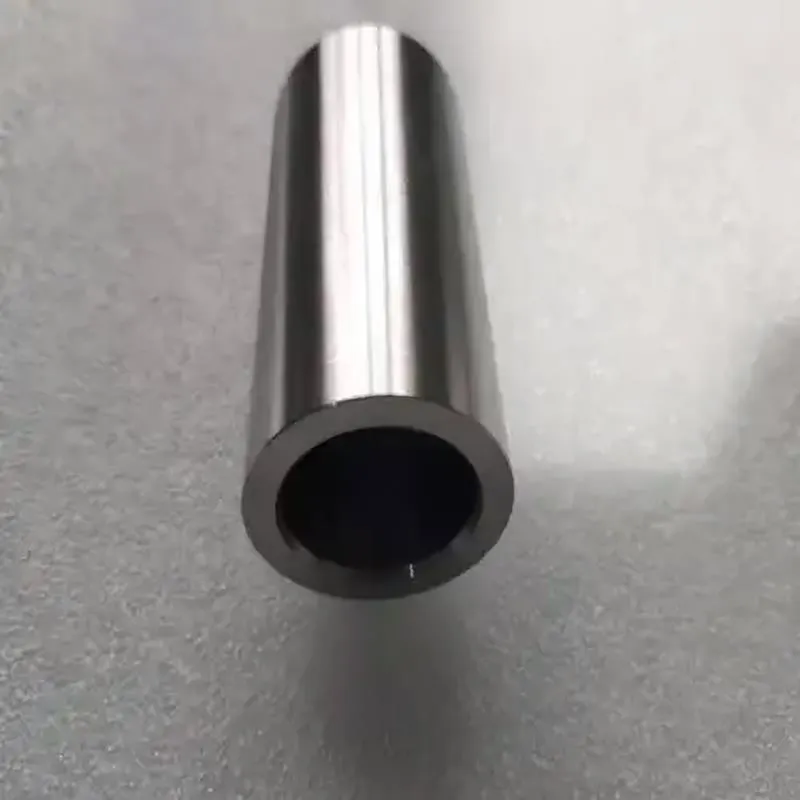
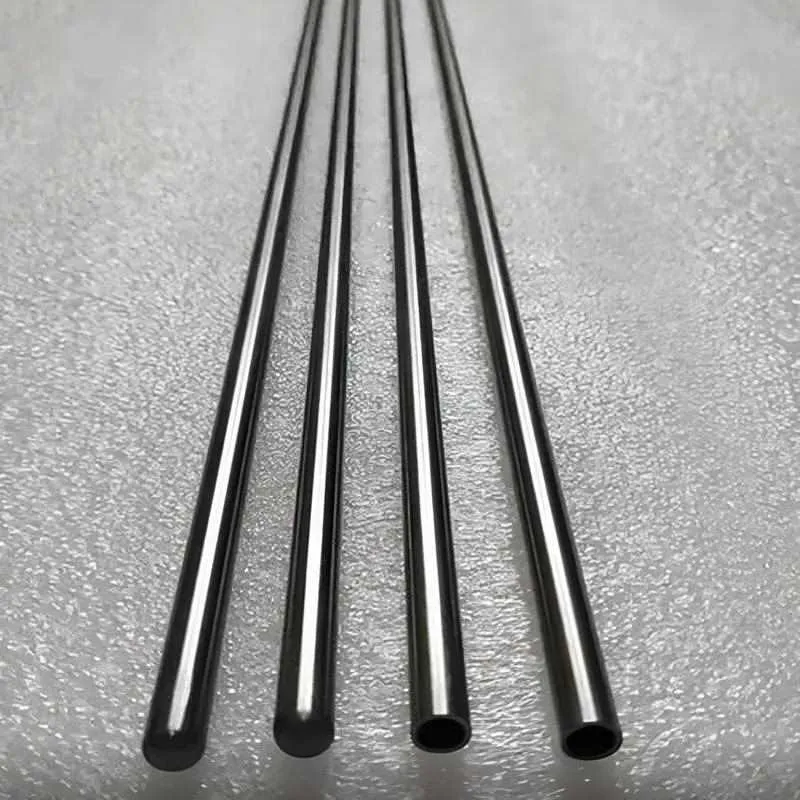
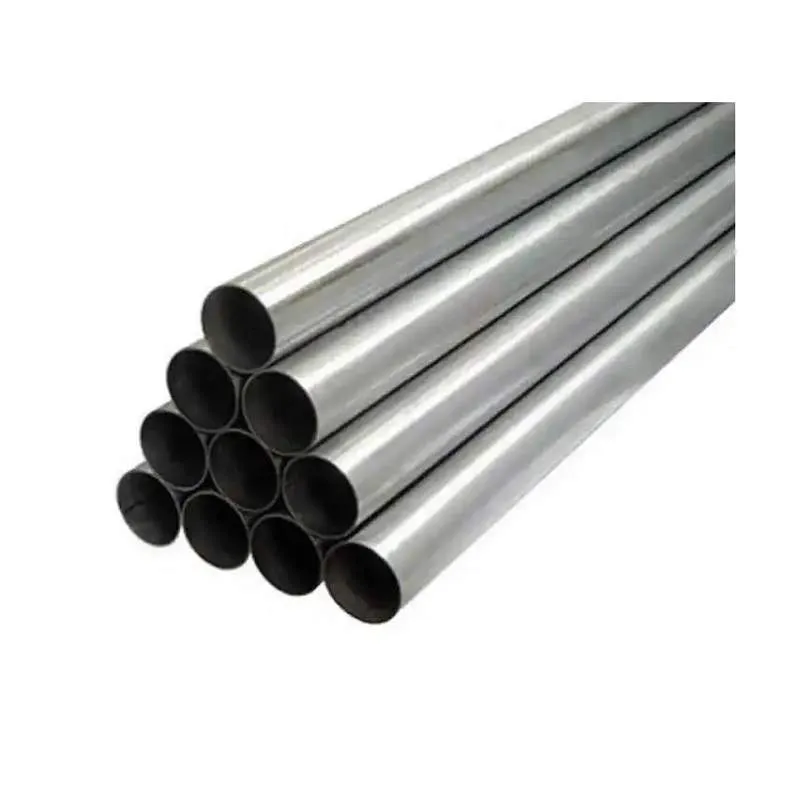
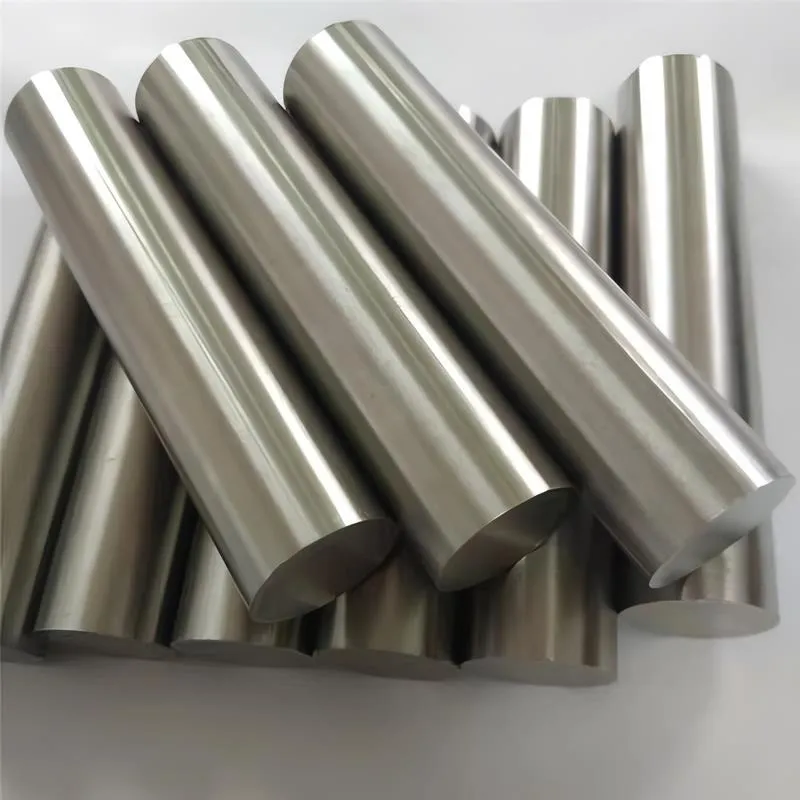
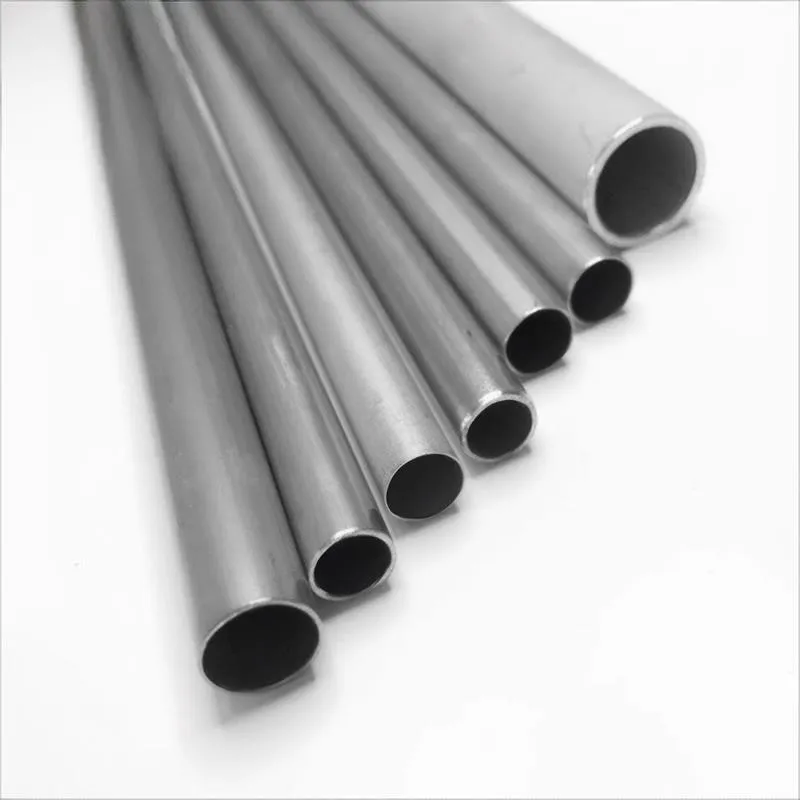
X2CrNiMnMoN22136 Stainless Steel Tube,Pipe,for implant surgery
Product Code : STI-GSTI-769-CU
We provide X2CrNiMnMoN22136 Stainless Steel Tube for implant surgery is available in Bar (Round bar, Flat bar), Ribbon, Wire, Rods, Tube,Seamless Tube,Pipe, Ingots, Plate, Sheet, Strip and Forging Stock.,Purity, chemical composition, size, etc. can all be customized to meet specific requirements.X2CrNiMnMoN22136 Stainless Steel Pipe,for implant surgery
Please contact us if you need customized services. We will contact you with the price and availability in 24 hours.
X2CrNiMnMoN22136 Stainless Steel Tube for implant surgery Product Information
-:-
For detailed product information, please contact sales.
-:
X2CrNiMnMoN22136 Stainless Steel Tube for implant surgery Synonyms
-:-
For detailed product information, please contact sales.
-:
X2CrNiMnMoN22136 Stainless Steel for implant surgery Product Information
-:-
For detailed product information, please contact sales.
-:
# X2CrNiMnMoN22-13-6 High-Nitrogen, Low-Nickel Austenitic Stainless Steel for Implant Surgery
## Overview
X2CrNiMnMoN22-13-6 is an advanced **high-nitrogen, low-nickel** austenitic stainless steel specifically developed for next-generation implant applications. This alloy represents a significant evolution in implant metallurgy by substantially reducing nickel content while maintaining austenitic stability through high nitrogen and manganese additions. Engineered to address growing concerns about nickel hypersensitivity while providing exceptional mechanical properties and corrosion resistance, it offers a compelling alternative to conventional nickel-rich implant steels for patients with metal sensitivities and for applications requiring maximum biocompatibility.
## International Standards & Designations
| Standard System | Designation | Notes |
|----------------|-------------|-------|
| **ISO** | X2CrNiMnMoN22-13-6 | Primary material designation |
| **European (EN)** | Under development | Often proprietary/commercial grades |
| **ASTM** | F2229 (similar philosophy) | Nitrogen-strengthened 22Mn-13Cr-1Mo type |
| **ISO 5832-9** | Applicable | Wrought high nitrogen stainless steel |
| **ISO 5832-18** | Future consideration | For nickel-reduced/replacement alloys |
| **Common Names** | "Nickel-Safe", "Low-Ni HNS", "Medical-Grade High-N Stainless" | Commercial/descriptive names |
## Chemical Composition (Typical, % by weight)
| Element | Minimum (%) | Maximum (%) | Optimal Range (%) | Functional Significance |
|---------|-------------|-------------|-------------------|-------------------------|
| **Carbon (C)** | - | 0.030 | 0.010-0.020 | Ultra-low for sensitization resistance |
| **Chromium (Cr)** | 21.00 | 23.00 | 21.5-22.5 | Enhanced corrosion resistance, passive film |
| **Nickel (Ni)** | 12.00 | 14.00 | 12.5-13.5 | **Reduced vs. conventional steels** - addresses hypersensitivity |
| **Manganese (Mn)** | 5.00 | 7.00 | 5.5-6.5 | Austenite stabilizer, nitrogen solubility enhancer (key nickel replacement) |
| **Molybdenum (Mo)** | 5.50 | 6.50 | 5.8-6.2 | **High content** - exceptional pitting/crevice corrosion resistance |
| **Nitrogen (N)** | 0.35 | 0.50 | 0.40-0.45 | **Very high** - primary austenite stabilizer, potent strengthener |
| **Silicon (Si)** | - | 0.50 | 0.10-0.30 | Deoxidizer |
| **Phosphorus (P)** | - | 0.015 | ≤0.010 | Ultra-low impurity for fatigue resistance |
| **Sulfur (S)** | - | 0.005 | ≤0.002 | Ultra-low impurity for ductility |
| **Niobium (Nb)** | - | 0.20 | 0.05-0.15 | Optional - grain refinement, carbide stabilization |
| **Vanadium (V)** | - | 0.15 | 0.05-0.10 | Optional - nitride formation, strengthening |
| **Iron (Fe)** | Balance | Balance | Balance | Base element |
**Revolutionary Composition Features:**
- **Dramatically reduced nickel** (12-14% vs. 14-16% in conventional premium steels) - addresses nickel hypersensitivity concerns
- **Very high nitrogen** (0.35-0.50%) - primary austenite stabilizer replacing nickel, provides exceptional strengthening
- **High manganese** (5-7%) - enables high nitrogen solubility, further reduces nickel requirement
- **Elevated chromium** (21-23%) - enhanced corrosion resistance
- **Very high molybdenum** (5.5-6.5%) - exceptional resistance to pitting/crevice corrosion
- **Ultra-low impurities** (P, S) - optimized for fatigue resistance and ductility
## Physical Properties (Solution Annealed Condition)
| Property | Value | Test Condition | Clinical Relevance |
|----------|-------|----------------|-------------------|
| **Density** | 7.92 g/cm³ | 20°C | Slightly lower than nickel-rich counterparts |
| **Melting Point** | 1360-1400°C | - | Compatible with manufacturing processes |
| **Thermal Conductivity** | 13.8 W/m·K | 20°C | Lower than conventional steels - machining considerations |
| **Specific Heat Capacity** | 500 J/kg·K | 20°C | Similar to other austenitic steels |
| **Electrical Resistivity** | 0.92 μΩ·m | 20°C | Higher - electrosurgical considerations |
| **Modulus of Elasticity** | 205 GPa | 20°C | Slightly higher than nickel-rich austenitics |
| **Magnetic Permeability** | ≤1.02 | Annealed | Excellent MRI compatibility (effectively non-magnetic) |
| **Coefficient of Thermal Expansion** | 15.2 × 10⁻⁶/K | 20-100°C | Lower than conventional austenitics |
| **Thermal Diffusivity** | 3.3 mm²/s | 20°C | Heat transfer characteristics |
## Mechanical Properties (Implant Grade)
### **Solution Annealed Condition (Minimum Requirements):**
| Property | Minimum Value | Typical Range | Test Standard |
|----------|---------------|---------------|---------------|
| **Tensile Strength (Rm)** | 900 MPa | 950-1150 MPa | ISO 6892-1 |
| **Yield Strength (Rp0.2)** | 600 MPa | 650-800 MPa | ISO 6892-1 |
| **Elongation at Break (A)** | 30% | 35-50% | ISO 6892-1 |
| **Reduction of Area (Z)** | 50% | 55-70% | ISO 6892-1 |
| **Hardness (HV)** | 320 HV | 340-420 HV | ISO 6507-1 |
| **Fatigue Strength** | 550 MPa | 580-680 MPa (10⁷ cycles, R=-1) | ISO 1099 |
| **Impact Toughness** | 100 J | 120-180 J (Charpy V, 20°C) | ISO 148-1 |
| **Fracture Toughness (KIC)** | 110 MPa√m | 120-150 MPa√m | ASTM E399 |
### **Cold Worked Properties:**
| Cold Work Level | Tensile Strength | Yield Strength | Hardness | Fatigue Strength |
|-----------------|------------------|----------------|----------|------------------|
| **20% Cold Work** | 1100-1300 MPa | 900-1100 MPa | 380-450 HV | 620-720 MPa |
| **30% Cold Work** | 1200-1400 MPa | 1000-1200 MPa | 420-490 HV | 650-750 MPa |
| **40% Cold Work** | 1300-1500 MPa | 1100-1300 MPa | 450-520 HV | 680-780 MPa |
### **Exceptional Mechanical Advantages:**
- **Highest strength** among commercial stainless implant steels
- **Outstanding fatigue resistance** - exceeds many titanium alloys
- **Excellent strength-ductility combination** despite very high strength
- **Superior to nickel-rich steels** in yield and fatigue strength
## Corrosion Resistance in Physiological Environments
### **Quantitative Corrosion Metrics:**
- **Pitting Resistance Equivalent Number (PREN):** PREN = %Cr + 3.3×%Mo + 16×%N
- **Typical PREN:** **50-58** (highest among stainless steels, exceeds some CoCr alloys)
- **Critical Pitting Temperature (CPT):** >70°C in 6% FeCl₃ (often exceeds test limits)
- **Critical Crevice Temperature (CCT):** >50°C in 6% FeCl₃
- **Clinical significance:** **Exceptional** resistance to localized corrosion, even in severe inflammatory conditions
### **In-Vivo Corrosion Performance:**
| Environment | Performance | Test Method | Key Metrics |
|-------------|-------------|-------------|-------------|
| **Physiological Saline** | Outstanding | ASTM F2129 | Ebreakdown >900 mV vs. SCE |
| **Simulated Inflammatory (Low pH, ROS)** | Excellent | Custom protocols | Corrosion rate <0.01 μm/year |
| **Crevice Conditions** | Superior | ASTM G48 | CCT >50°C |
| **Fretting Corrosion** | Exceptional | Custom methods | Metal release <2 ng/cm²/cycle |
### **Metal Ion Release Profile (Key Advantage):**
- **Nickel release:** **<0.01 μg/cm²/week** (extremely low - key benefit)
- **Chromium release:** <0.015 μg/cm²/week
- **Molybdenum release:** <0.005 μg/cm²/week
- **Manganese release:** <0.02 μg/cm²/week (monitored but generally low)
- **Total metal ion release:** **70-90% lower** than conventional 316L implants
- **Clinical benefit:** **Minimized hypersensitivity risk**, reduced biological response
### **Corrosion Mechanism Advantages:**
1. **Galvanic Corrosion:** Favorable behavior with titanium and CoCr alloys
2. **Stress Corrosion Cracking:** Extremely resistant - higher than nickel-rich steels
3. **Intergranular Attack:** Minimal risk with proper processing
4. **Fretting Corrosion:** Outstanding performance in modular systems
## Heat Treatment & Microstructural Control
### **Solution Annealing (Critical Process):**
- **Temperature Range:** 1100-1160°C (2010-2120°F) - **higher than conventional steels**
- **Soak Time:** 60-90 minutes (dependent on section size)
- **Cooling Method:** Rapid water quenching **essential**
- **Atmosphere Control:** Nitrogen-enriched atmosphere preferred
- **Special Consideration:** Higher temperatures needed for nitrogen dissolution
### **Microstructural Characteristics:**
- **Fully austenitic structure** with <0.05% delta ferrite
- **Grain size:** ASTM 8-10 (very fine) - natural result of high nitrogen
- **Nitrogen in solution:** >95% in properly processed material
- **Potential precipitates:** Fine Cr₂N, Mo-rich phases with improper processing
- **Inclusion control:** Extremely stringent - cleaner than conventional grades
### **Advanced Manufacturing Requirements:**
- **Melting Process:** **Pressure Electroslag Remelting (PESR)** or **High-Pressure Induction Melting** - essential for high nitrogen content
- **Hot Working:** Controlled thermomechanical processing with specific schedules
- **Clean Room Processing:** Mandatory for implant manufacturing
- **Special Handling:** Nitrogen atmosphere protection during processing
## Biocompatibility & Biological Response
### **ISO 10993 Compliance (Expected):**
| Test Category | Expected Result | Clinical Advantage |
|---------------|-----------------|-------------------|
| **Cytotoxicity** | Non-cytotoxic | Excellent cell compatibility |
| **Sensitization** | **Minimal/none** | **Key benefit - reduced nickel content** |
| **Irritation** | Non-irritating | Minimal tissue inflammation |
| **Systemic Toxicity** | Non-toxic | Safe systemic exposure |
| **Genotoxicity** | Non-genotoxic | No mutagenic risk |
| **Implantation** | Excellent integration | Reduced metal ion release benefits |
### **Nickel Hypersensitivity - Primary Advantage:**
- **Reduced nickel content** (12-14% vs. 14-16% in premium steels)
- **Extremely low nickel ion release** (<0.01 μg/cm²/week)
- **Clinical implications:**
- **Suitable for patients with nickel sensitivity**
- Reduced risk of developing nickel allergy
- Potential for broader patient population use
- **Manganese considerations:**
- Higher manganese content monitored
- Current evidence suggests good biocompatibility at these levels
- Ongoing research for long-term confirmation
### **Osteocompatibility & Tissue Response:**
- **Expected excellent bone apposition** with proper surface preparation
- **Surface modification compatibility:**
- Hydroxyapatite coatings adhere well
- Porous structures feasible
- Bioactive surfaces applicable
- **Inflammatory response:** Potentially reduced due to lower metal ion release
## Product Applications in Implant Surgery
### **Primary Target Applications:**
1. **Patients with Metal Hypersensitivity:**
- **Nickel-sensitive patients** - primary indication
- Patients with history of metal reactions
- Revision cases with suspected metal sensitivity
2. **High-Performance Spinal Implants:**
- Long-segment deformity corrections
- Complex revision spinal surgery
- Motion preservation devices
- Cervical disc replacements (non-articulating components)
3. **Demanding Trauma Applications:**
- Periarticular fractures in active patients
- Complex polytrauma cases
- Nonunion treatment requiring strong fixation
- External fixation in infection-prone scenarios
4. **Revision Joint Arthroplasty:**
- Revision stems for metal-sensitive patients
- Augments and cones in revision surgery
- **Note:** Not for bearing surfaces
### **Specific Implant Systems:**
1. **Spinal Systems:**
- Titanium-compatible screw/rod systems
- Interbody devices with improved corrosion resistance
- Dynamic stabilization components
2. **Trauma Systems:**
- Locking plates for periarticular fractures
- Intramedullary nails for femoral/tibial fractures
- Polyaxial locking systems
3. **CMF Applications:**
- Reconstruction plates for craniofacial surgery
- Orthognathic surgery fixation
- Custom patient-specific implants
### **Advantages for Specific Clinical Scenarios:**
| Clinical Scenario | Key Advantage | Clinical Benefit |
|-------------------|---------------|------------------|
| **Nickel-Sensitive Patients** | Low nickel content/release | **Avoids hypersensitivity reactions** |
| **Young Active Patients** | High fatigue strength | Long-term durability |
| **Inflammatory Conditions** | Exceptional corrosion resistance | Reduced metal-related inflammation |
| **Revision Surgery** | High strength, biocompatibility | Reliable performance in compromised tissue |
## Manufacturing & Processing Challenges
### **Machinability Characteristics:**
- **Rating:** **Very Difficult** (15-25% of free-machining steel)
- **Major Challenges:**
- **Extremely high work hardening rate**
- **Very high cutting forces** due to high strength
- **Abrasive nitrides** causing rapid tool wear
- **Heat generation** during machining
- **Recommended Tooling:**
- **Premium carbide** with advanced coatings (AlCrN, diamond coatings)
- **Positive geometry** with sharp edges
- **High rigidity** tooling and machines
- **Cutting Parameters:**
- **Turning:** 10-20 m/min, feed 0.10-0.20 mm/rev
- **Milling:** 8-15 m/min, feed 0.08-0.15 mm/tooth
- **Drilling:** 4-10 m/min, peck drilling essential
- **Coolants:** High-performance, biocompatible coolants
### **Forming & Forging:**
- **Hot Working Range:** 1150-950°C - narrow window
- **Cold Forming:** **Limited** - high springback, work hardening
- **Forging:** Requires precise temperature control
- **Special Processes:** Potential for superplastic forming under specific conditions
### **Surface Finishing:**
1. **Electropolishing:** Essential but challenging due to high nitrogen
2. **Mechanical Polishing:** Possible with diamond compounds
3. **Specialized Coatings:** Compatible with standard implant coatings
4. **Passivation:** Critical - optimized processes needed
### **Joining Technologies:**
- **Laser Welding:** Preferred but requires parameter optimization
- **Electron Beam Welding:** Suitable in vacuum environment
- **Challenges:** Nitrogen loss, nitride formation in HAZ
- **Mechanical Joining:** Often preferred for modular systems
## Quality Assurance & Regulatory Pathway
### **Material Certification Requirements:**
- **Extended EN 10204 3.2 Certificate:** With nitrogen content validation
- **Comprehensive Testing:** Beyond standard requirements
- **Special Nitrogen Analysis:** Accurate measurement methods
- **Microcleanliness:** Higher standards than conventional steels
### **Testing Protocol:**
| Test | Special Considerations | Acceptance Criteria |
|------|----------------------|-------------------|
| **Chemical Analysis** | Accurate nitrogen measurement | All elements within tight ranges |
| **Mechanical Testing** | Higher strength requirements | Minimums exceed conventional steels |
| **Corrosion Testing** | Extended testing for high PREN | Superior to conventional grades |
| **Biocompatibility** | Focus on sensitization | Excellent results required |
| **Long-term Testing** | Essential for new composition | Comparable/better than existing |
### **Regulatory Considerations:**
- **Novel Material Status:** May require more extensive data
- **Clinical Evidence:** Need for comparative studies
- **Standards Development:** New standards may be needed
- **Global Approval:** Country-specific requirements
## Comparative Analysis
### **vs. Conventional High-Nickel Steels (X2CrNiMoN18-15-4):**
| Parameter | X2CrNiMnMoN22-13-6 | X2CrNiMoN18-15-4 | Advantage |
|-----------|-------------------|-----------------|-----------|
| **Nickel Content** | 12-14% | 14-16% | **Lower - hypersensitivity benefit** |
| **Nitrogen Content** | 0.35-0.50% | 0.18-0.28% | **Higher - strength, stabilizer** |
| **PREN Value** | 50-58 | 38-44 | **Higher - better corrosion** |
| **Yield Strength** | 650-800 MPa | 550-700 MPa | **Higher - better mechanical** |
| **Biocompatibility** | Potentially better | Standard | **Hypersensitivity advantage** |
### **vs. Titanium Alloys:**
- **Strength:** Comparable or superior to Ti-6Al-4V
- **Modulus:** Higher - potential stress shielding concern
- **Corrosion:** Comparable excellence
- **Biocompatibility:** Titanium still benchmark but this steel closes gap
- **Cost:** Potentially favorable
### **vs. CoCr Alloys:**
- **Ductility:** Much better
- **MRI Compatibility:** Better
- **Wear Resistance:** Inferior for bearing
- **Biocompatibility:** Different profile - nickel advantage vs. cobalt concerns
## Limitations & Challenges
### **Clinical Limitations:**
1. **New Material:** Limited long-term clinical data
2. **Manganese Content:** Monitoring required despite good current evidence
3. **Modulus:** Higher than titanium - stress shielding considerations
4. **Not for Bearing:** Wear applications not recommended
### **Manufacturing Challenges:**
1. **Difficult Machining:** Increases manufacturing cost
2. **Special Melting Required:** PESR or similar needed
3. **Limited Suppliers:** Currently few manufacturers
4. **Higher Cost:** Material and processing costs higher
### **Technical Challenges:**
1. **Nitrogen Control:** Critical during all processing
2. **Welding:** Requires specialized parameters
3. **Surface Treatment:** Electrochemical behavior different
4. **Standardization:** Evolving standards
## Future Perspectives
### **Clinical Adoption Potential:**
- **Primary Driver:** Nickel hypersensitivity management
- **Secondary Driver:** Performance in demanding applications
- **Adoption Curve:** Likely gradual, starting with sensitive patients
- **Market Position:** Premium option for specific indications
### **Research Directions:**
1. **Long-term Clinical Studies:** Essential for adoption
2. **Surface Modifications:** Optimized for this alloy
3. **Additive Manufacturing:** Development of powders and parameters
4. **Further Nickel Reduction:** Research into even lower nickel versions
### **Market Evolution:**
- **Initial Niche:** Metal-sensitive patients
- **Potential Expansion:** Performance-driven applications
- **Cost Reduction:** With scale and process optimization
- **Standardization:** Development of specific standards
## Economic Considerations
### **Cost Structure:**
- **Material Cost:** 3-4× conventional 316L
- **Processing Cost:** 2-3× conventional steels
- **Tooling Cost:** Higher due to machining difficulty
- **Clinical Value:** Potentially high for specific patient groups
### **Value Proposition:**
1. **For Patients:** Solution for nickel hypersensitivity
2. **For Surgeons:** High-performance option for demanding cases
3. **For Healthcare Systems:** Potentially reduced revision rates
4. **Overall:** Premium solution for specific needs
## Conclusion
X2CrNiMnMoN22-13-6 represents a **significant advancement** in implant stainless steel technology, specifically designed to address the dual challenges of **nickel hypersensitivity** and **demanding mechanical requirements**. By substantially reducing nickel content while maintaining and even enhancing performance through high nitrogen and manganese additions, this alloy offers a **unique value proposition** in the implant materials landscape.
The **exceptionally high corrosion resistance** (PREN 50-58), **outstanding mechanical properties**, and **reduced nickel content** make this material particularly suitable for:
1. **Patients with nickel hypersensitivity** who require metallic implants
2. **Demanding applications** where conventional steels may be marginal
3. **Situations requiring maximum corrosion resistance** in aggressive physiological environments
While challenges exist in **manufacturing, cost, and clinical validation**, the fundamental advantages of this alloy position it as a **promising option** for specific segments of the implant market. Its development reflects the **evolving priorities** in implant materials science: reducing potential allergens while enhancing performance.
As clinical experience accumulates and manufacturing processes mature, X2CrNiMnMoN22-13-6 has the potential to establish a **new category** of implant stainless steels - one that addresses biocompatibility concerns without compromising mechanical performance. For the right applications and patient populations, it represents a **meaningful advance** in the pursuit of safer, more effective implant solutions.
The successful integration of this material into clinical practice will require **collaboration** between material scientists, manufacturers, regulatory bodies, and clinicians to ensure that its theoretical advantages translate into tangible patient benefits. With proper development and validation, X2CrNiMnMoN22-13-6 could play an important role in the future of implant surgery, particularly as awareness of metal hypersensitivity grows and patient expectations for implant performance continue to rise.
-:-
For detailed product information, please contact sales.
-:
X2CrNiMnMoN22136 Stainless Steel for implant surgery Specification
Dimensions
Size:
Diameter 20-1000 mm Length <7425 mm
Size:We can customized as required
Standard:
Per your request or drawing
We can customized as required
Properties(Theoretical)
Chemical Composition
-:-
For detailed product information, please contact sales.
-:
X2CrNiMnMoN22136 Stainless Steel for implant surgery Properties
-:-
For detailed product information, please contact sales.
-:
Applications of X2CrNiMnMoN22136 Stainless Steel Tube for implant surgery
-:-
For detailed product information, please contact sales.
-:
Chemical Identifiers X2CrNiMnMoN22136 Stainless Steel Tube for implant surgery
-:-
For detailed product information, please contact sales.
-:
Packing of X2CrNiMnMoN22136 Stainless Steel Tube for implant surgery
-:-
For detailed product information, please contact sales.
-:
Standard Packing:
-:-
For detailed product information, please contact sales.
-:
Typical bulk packaging includes palletized plastic 5 gallon/25 kg. pails, fiber and Steel Tube drums to 1 ton super sacks in full container (FCL) or truck load (T/L) quantities. Research and sample quantities and hygroscopic, oxidizing or other air sensitive materials may be packaged under argon or vacuum. Solutions are packaged in polypropylene, plastic or glass jars up to palletized 3896 gallon liquid totes Special package is available on request. E FORUs’ is carefully handled to minimize damage during storage and transportation and to preserve the quality of our products in their original condition