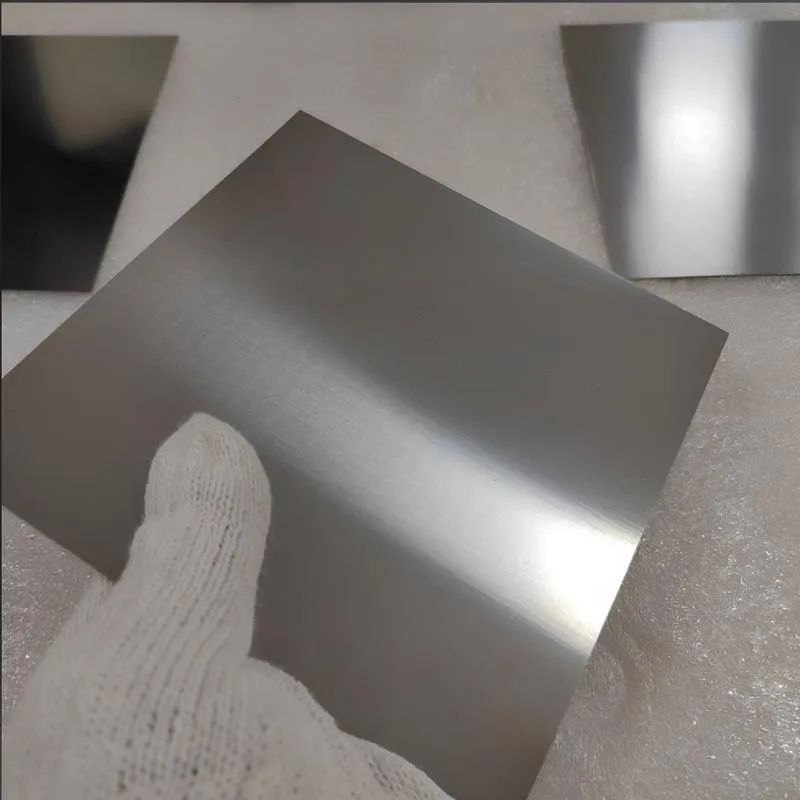
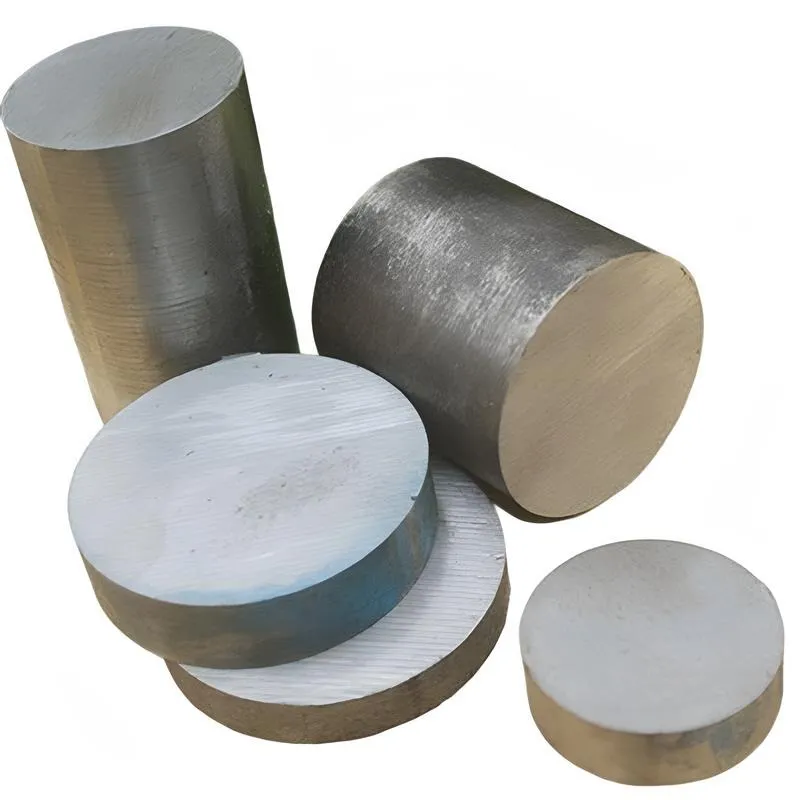
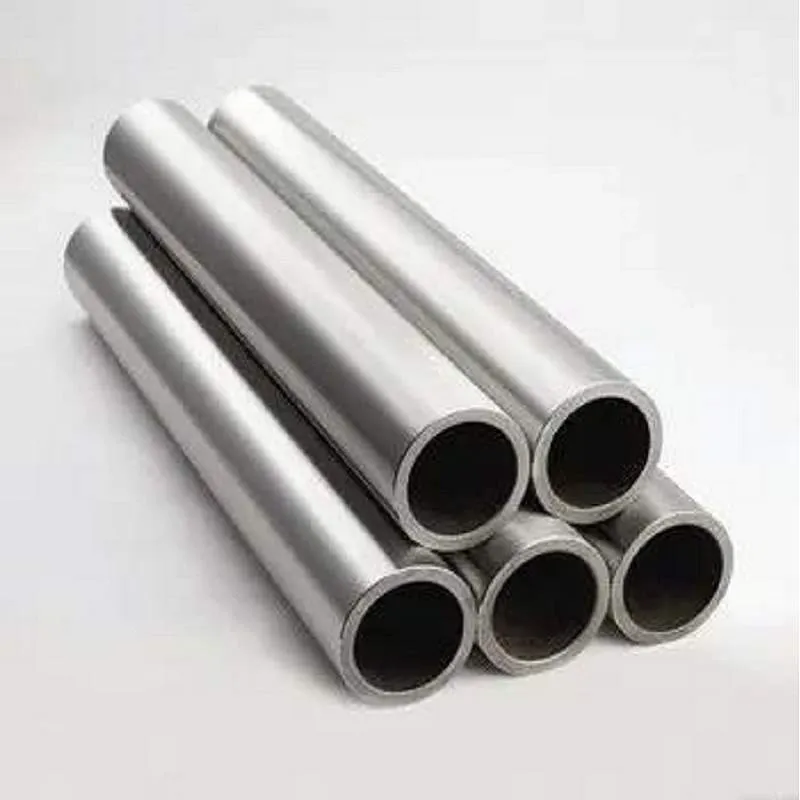
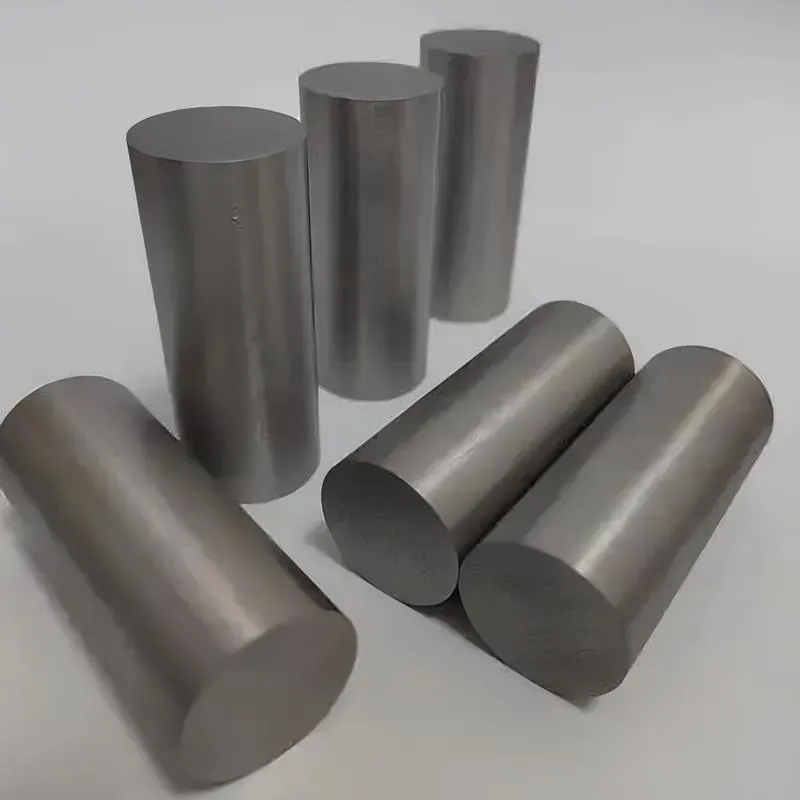
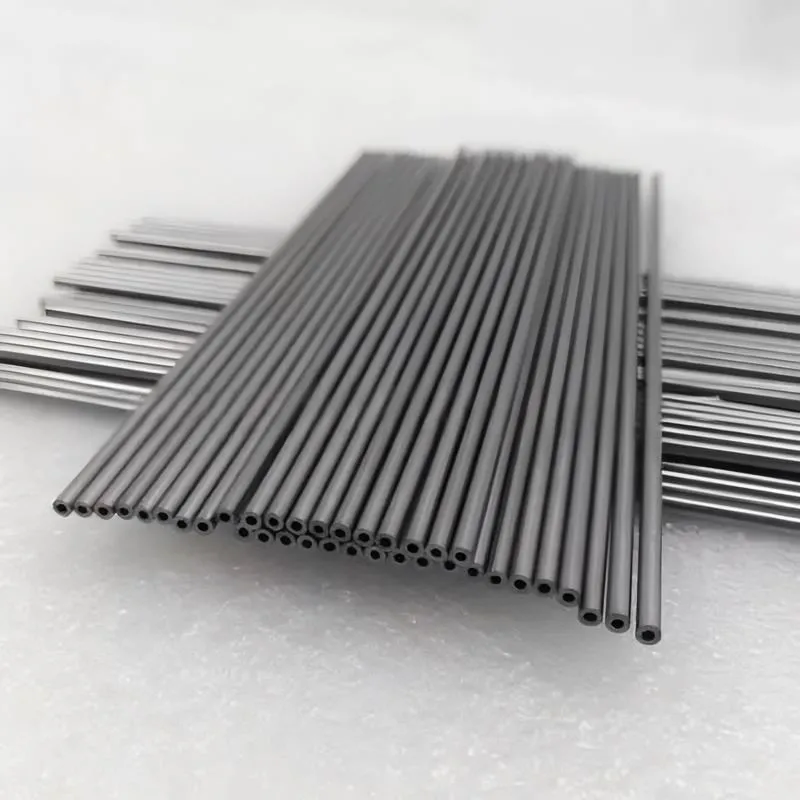
X2CrNiMoN17133 Austenitic Stainless Steel Sheet,Plate,for medical instruments
Product Code : STI-GSTI-757-CU
We provide X2CrNiMoN17133 Austenitic Stainless Steel Sheet/Plate for medical instruments is available in Bar (Round bar, Flat bar), Ribbon, Wire, Rods, Tube,Seamless Tube,Pipe, Ingots, Plate, Sheet/Plate, Strip and Forging Stock.,Purity, chemical composition, size, etc. can all be customized to meet specific requirements.
Please contact us if you need customized services. We will contact you with the price and availability in 24 hours.
X2CrNiMoN17133 Austenitic Stainless Steel Sheet/Plate for medical instruments Product Information
-:-
For detailed product information, please contact sales.
-:
X2CrNiMoN17133 Austenitic Stainless Steel Sheet/Plate for medical instruments Synonyms
-:-
For detailed product information, please contact sales.
-:
X2CrNiMoN17133 Austenitic Stainless Steel for medical instruments Product Information
-:-
For detailed product information, please contact sales.
-:
# X2CrNiMoN17-13-3 Nitrogen-Enhanced Austenitic Stainless Steel for Medical Instruments
## Overview
X2CrNiMoN17-13-3 is a nitrogen-enhanced, low-carbon austenitic stainless steel that represents an advanced evolution of the 316L family. The deliberate addition of nitrogen significantly enhances mechanical strength, corrosion resistance, and stability of the austenitic microstructure without compromising the excellent fabrication characteristics inherent to austenitic stainless steels. This alloy is particularly valuable for medical instruments requiring superior strength-to-weight ratios, enhanced fatigue resistance, and exceptional corrosion performance in demanding clinical environments.
## International Standards
- **EN 10088-3:** 1.4435 (Primary European designation)
- **ISO 7153-1:** Surgical instruments – Materials – Part 1: Metals
- **ASTM F1314:** Standard Specification for Wrought Nitrogen Strengthened 22Chromium-13Nickel-5Manganese-2.5Molybdenum Stainless Steel Alloy Bar and Wire for Surgical Implants (similar philosophy)
- **ASTM A276/A276M:** Standard Specification for Stainless Steel Bars and Shapes
- **UNS S31653:** Similar grade designation (316LN)
- **ISO 5832-9:** Implants for surgery – Metallic materials – Part 9: Wrought high nitrogen stainless steel
- **EN ISO 15156-3/MR0175:** Materials for use in H₂S-containing environments in oil and gas production (indicates high corrosion resistance)
## Chemical Composition (Typical, % by weight)
| Element | Content Range (%) | Medical Grade Target (%) |
|---------|-------------------|--------------------------|
| **Carbon (C)** | ≤ 0.030 | ≤ 0.020 |
| **Chromium (Cr)** | 16.5–18.5 | 17.0–18.0 |
| **Nickel (Ni)** | 10.5–13.5 | 12.0–13.0 |
| **Molybdenum (Mo)** | 2.5–3.0 | 2.7–3.0 |
| **Nitrogen (N)** | 0.12–0.22 | 0.15–0.20 |
| **Manganese (Mn)** | ≤ 2.00 | 1.5–2.0 |
| **Silicon (Si)** | ≤ 1.00 | ≤ 0.50 |
| **Phosphorus (P)** | ≤ 0.045 | ≤ 0.025 |
| **Sulfur (S)** | ≤ 0.030 | ≤ 0.010 |
| **Iron (Fe)** | Balance | Balance |
**Key Alloying Elements Significance:**
- **Nitrogen (0.12–0.22%):** The defining addition that provides solid solution strengthening, significantly increases yield and tensile strength, enhances pitting corrosion resistance, and stabilizes the austenitic structure against martensite formation during cold working.
- **Molybdenum (2.5–3.0%):** Synergizes with nitrogen to dramatically improve resistance to pitting and crevice corrosion, especially in chloride-containing environments.
- **Low Carbon (≤0.030%):** Prevents sensitization (chromium carbide precipitation) during welding or improper heat treatment, ensuring maintained corrosion resistance in heat-affected zones.
- **Manganese (≤2.00%):** Enhances nitrogen solubility in the austenitic matrix and contributes to strength.
## Physical Properties (Annealed Condition)
| Property | Value |
|----------|-------|
| **Density** | 7.98 g/cm³ |
| **Melting Point** | 1380–1420 °C |
| **Thermal Conductivity** | 15.0 W/m·K (at 20°C) |
| **Specific Heat Capacity** | 500 J/kg·K (at 20°C) |
| **Electrical Resistivity** | 0.78 μΩ·m |
| **Modulus of Elasticity** | 200–205 GPa |
| **Magnetic Permeability** | <1.02 (practically non-magnetic) |
| **Coefficient of Thermal Expansion** | 15.8 × 10⁻⁶/K (20–100°C) |
## Mechanical Properties (Annealed Condition)
| Property | Minimum Requirement | Typical Value for Medical Grade |
|----------|---------------------|--------------------------------|
| **Tensile Strength (Rm)** | ≥ 580 MPa | 620–750 MPa |
| **Yield Strength (Rp0.2)** | ≥ 300 MPa | 320–400 MPa |
| **Elongation at Break (A)** | ≥ 35% | 40–50% |
| **Reduction of Area (Z)** | ≥ 45% | 55–65% |
| **Hardness (Brinell)** | ≤ 230 HBW | 190–220 HBW |
| **Hardness (Rockwell B)** | ≤ 100 HRB | 92–98 HRB |
| **Fatigue Strength (10⁷ cycles, R=-1)** | 280–320 MPa | 300–340 MPa |
| **Impact Toughness (Charpy V, 20°C)** | >100 J | 120–150 J |
**Note:** The nitrogen addition provides approximately a **30-50% increase in yield strength** compared to standard 316L (X2CrNiMo17-12-2) in the same annealed condition, without significant loss of ductility. Further strength increases of 50-100% are achievable through controlled cold working.
## Heat Treatment
- **Solution Annealing:** 1050–1150°C followed by rapid cooling (water quenching). This dissolves carbides and nitrides, homogenizes the austenitic structure, and ensures maximum corrosion resistance and ductility.
- **Stress Relieving:** 400–550°C to relieve internal stresses from machining or cold working without significant loss of strength or corrosion resistance.
- **No Phase Transformation Hardening:** Cannot be hardened by quenching. The high strength is intrinsic due to nitrogen solid solution strengthening and can be further enhanced by cold working.
## Corrosion Resistance
X2CrNiMoN17-13-3 offers **exceptional corrosion resistance**, surpassing standard 316L, particularly in aggressive medical and sterilization environments.
### **Quantitative Corrosion Metrics:**
- **Pitting Resistance Equivalent Number (PREN):** **PREN = %Cr + 3.3 × %Mo + 16 × %N**
- Typical PREN: **29–34** (compared to ~25 for standard 316L)
- This high PREN indicates superior resistance to localized pitting corrosion.
- **Critical Pitting Temperature (CPT) in 6% FeCl₃:** Typically **10–25°C higher** than standard 316L.
- **Critical Crevice Temperature (CCT):** Significantly improved over molybdenum-bearing grades without nitrogen.
### **Resistance in Medical Environments:**
- **Excellent/Outstanding:** Physiological saline, Ringer's solution, blood, plasma, and other body fluids.
- **Superior:** Chloride-containing disinfectants (sodium hypochlorite, chlorhexidine), hydrogen peroxide-based sterilants, peracetic acid solutions.
- **Exceptional:** Resistance to **crevice corrosion** under gaskets, seals, and in instrument joints – a common failure point in reusable medical devices.
- **Sterilization Cycles:** Withstands thousands of autoclave (steam), dry heat, and chemical sterilization cycles without significant degradation or surface pitting.
## Product Applications in Medical Field
This high-performance alloy is selected for demanding applications where standard 316L may be at its performance limit.
### **Primary Medical Applications:**
1. **High-Strength, Thin-Wall Instruments:** Laparoscopic and endoscopic instrument shafts requiring high stiffness and small diameters.
2. **Minimally Invasive Surgical (MIS) Tools:** Components subject to high torsional and bending stresses in confined spaces.
3. **Orthopedic Trial Instruments & Guides:** Reusable trials, drill guides, and alignment jigs that undergo frequent, rigorous sterilization and mechanical loading.
4. **Surgical Staplers and Advanced Energy Devices:** Internal components requiring high fatigue strength and corrosion resistance in complex, fluid-exposed mechanisms.
5. **Reusable Bone Cutting & Drilling Guides:** Where resistance to corrosive biological fluids and repeated sterilization is critical.
6. **Components for Implantable Devices:** Housings, connectors, and springs for active implantable medical devices (AIMDs) where strength and long-term stability are paramount.
7. **Specialized Dental Instruments:** Surgical guides and instruments used in implantology.
### **Advantages for Specific Uses:**
- **Weight Reduction:** Higher strength allows for downsizing of components without sacrificing performance, leading to lighter instruments.
- **Extended Fatigue Life:** Crucial for instruments with moving parts or those subject to cyclic loading.
- **Improved Reliability in Harsh Conditions:** Enhanced resistance to pitting and crevice corrosion in challenging anatomy or with aggressive cleaning chemistries.
## Fabrication and Processing Characteristics
### **Machinability:**
- **Fair to Difficult.** The high strength and work-hardening rate (exacerbated by nitrogen) present challenges.
- **Recommended Practice:**
- **Tools:** Use premium, sharp carbide tools with positive rake angles and tough substrates/coatings (e.g., TiAlN).
- **Parameters:** Lower cutting speeds, higher feed rates, and greater depth of cut to get beneath the work-hardened layer.
- **Coolant:** Use generous amounts of high-performance coolant to manage heat and work hardening.
- **Rigidity:** Ensure maximum machine and workpiece rigidity to combat high cutting forces.
### **Forming and Joining:**
- **Cold Forming:** Good, but requires higher forces than 316L. Intermediate annealing may be needed for severe forming operations due to rapid work hardening.
- **Hot Working:** Excellent forgeability in the range of 1150–900°C.
- **Welding:**
- **Weldability:** Good, but requires careful procedure development. The nitrogen content can lead to porosity if not controlled.
- **Methods:** TIG (GTAW) and laser welding are preferred for precision medical components.
- **Filler Metal:** Must use overalloyed filler metals with sufficient nitrogen, chromium, and molybdenum (e.g., ER316L or higher alloys) to maintain corrosion resistance in the weldment. Post-weld annealing is generally not required due to the low carbon content.
### **Surface Finishing:**
- Achieves excellent surface finishes, critical for cleanability and corrosion resistance.
- **Electropolishing:** Highly effective and recommended to enhance the passive layer, improve cleanability, and increase fatigue strength by removing surface defects.
- **Passivation:** Nitric acid passivation (per ASTM A967) is essential after any machining or grinding to restore the optimal chromium oxide layer.
## Biocompatibility and Regulatory Considerations
- **Biocompatibility:** Generally exhibits excellent biocompatibility similar to 316L. The nitrogen addition is not known to introduce any toxicological concerns.
- **Testing:** Must comply with the **ISO 10993** series (Biological evaluation of medical devices) for the intended body contact and duration.
- **Nickel Release:** While nickel content is moderate, the highly stable passive layer typically results in very low nickel ion release. Testing per ISO 17294 may be required for certain certifications.
- **Regulatory Path:** Well-established for medical devices in the EU (MDR), USA (FDA), and other major markets. Material certifications and validations are crucial.
## Quality Assurance for Medical Manufacturing
- **Material Certification:** EN 10204 3.1 Certificate with full traceability, including melt analysis.
- **Special Cleanliness:** Medical grades often require controlled inclusion content (e.g., ASTM E45 method) for improved fatigue performance.
- **Microstructure:** Austenitic structure should be verified, with minimal delta ferrite.
- **Surface Integrity:** Verification of surface finish (Ra, Rz) and freedom from defects per drawing requirements.
## Comparison with Related Medical Alloys
| Property | X2CrNiMoN17-13-3 (1.4435) | X2CrNiMo17-12-2 (1.4404/316L) | X2CrNiMoN17-11-2 (1.4429/316LN) |
| :--- | :--- | :--- | :--- |
| **Yield Strength (Annealed)** | **320–400 MPa** | 220–300 MPa | 300–380 MPa |
| **PREN (Corrosion Index)** | **29–34** | ~25 | 33–38 |
| **Nitrogen Content** | **0.12–0.22%** | ≤0.11% | **0.12–0.22%** |
| **Key Advantage** | **Optimal balance of strength & corrosion resistance** | Standard corrosion resistance, excellent fabricability | Very high corrosion resistance, good strength |
| **Typical Medical Use** | High-strength instruments, MIS tools | General instruments, containers | Extremely corrosive environments (e.g., some implant applications) |
## Conclusion
X2CrNiMoN17-13-3 is a **high-performance, nitrogen-strengthened austenitic stainless steel** that fills a critical niche in medical device manufacturing. It delivers a **substantial increase in mechanical strength and enhanced localized corrosion resistance** compared to the ubiquitous 316L, while retaining the excellent formability, weldability, and non-magnetic properties of the austenitic family.
Its value is most apparent in **thin-wall, high-strength, or fatigue-critical components** for reusable surgical instruments and advanced medical devices, particularly those exposed to the combined challenges of mechanical stress, chloride-containing body fluids, and aggressive sterilization protocols. While it presents some machining challenges and comes at a premium cost, the benefits of increased device reliability, potential for miniaturization, and extended service life make it a strategically important material for innovators in the medical technology field.
-:-
For detailed product information, please contact sales.
-:
X2CrNiMoN17133 Austenitic Stainless Steel for medical instruments Specification
Dimensions
Size:
Diameter 20-1000 mm Length <7413 mm
Size:We can customized as required
Standard:
Per your request or drawing
We can customized as required
Properties(Theoretical)
Chemical Composition
-:-
For detailed product information, please contact sales.
-:
X2CrNiMoN17133 Austenitic Stainless Steel for medical instruments Properties
-:-
For detailed product information, please contact sales.
-:
Applications of X2CrNiMoN17133 Austenitic Stainless Steel Sheet,Plate for medical instruments
-:-
For detailed product information, please contact sales.
-:
Chemical Identifiers X2CrNiMoN17133 Austenitic Stainless Steel Sheet,Plate for medical instruments
-:-
For detailed product information, please contact sales.
-:
Packing of X2CrNiMoN17133 Austenitic Stainless Steel Sheet/Plate for medical instruments
-:-
For detailed product information, please contact sales.
-:
Standard Packing:
-:-
For detailed product information, please contact sales.
-:
Typical bulk packaging includes palletized plastic 5 gallon/25 kg. pails, fiber and Steel Sheet/Plate drums to 1 ton super sacks in full container (FCL) or truck load (T/L) quantities. Research and sample quantities and hygroscopic, oxidizing or other air sensitive materials may be packaged under argon or vacuum. Solutions are packaged in polypropylene, plastic or glass jars up to palletized 3884 gallon liquid totes Special package is available on request. E FORUs’ is carefully handled to minimize damage during storage and transportation and to preserve the quality of our products in their original condition