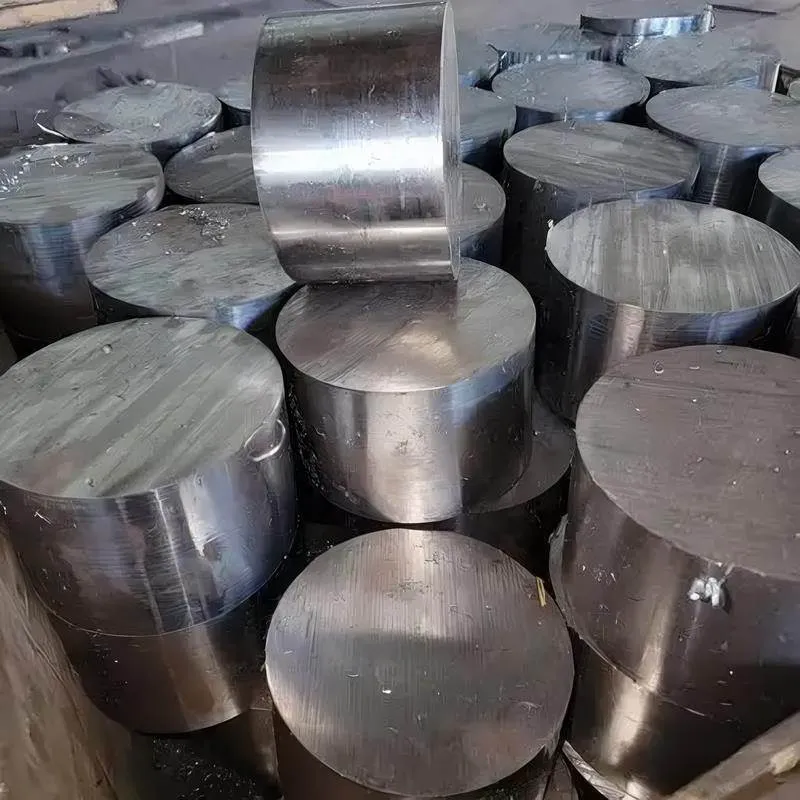
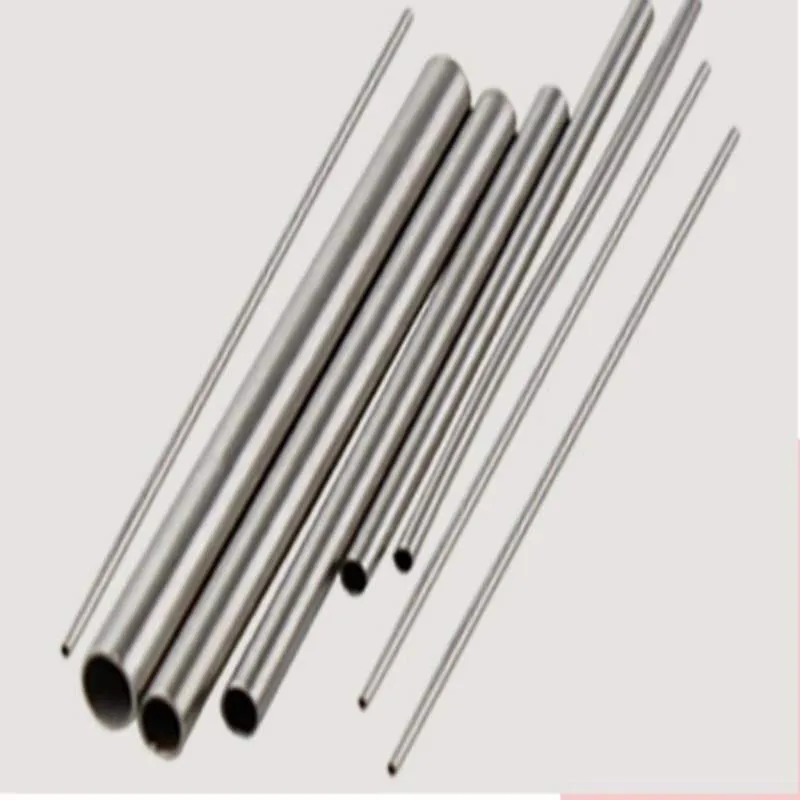
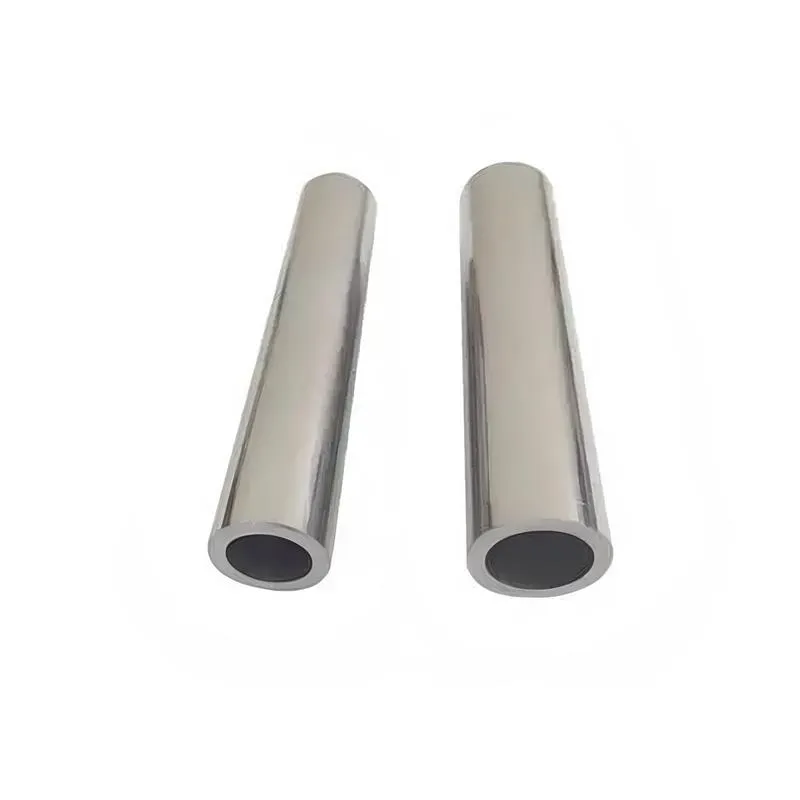
X5CrNiMo1713 Austenitic stainless Steel Rod/Bar,for medical instruments
Product Code : STI-GSTI-764-CU
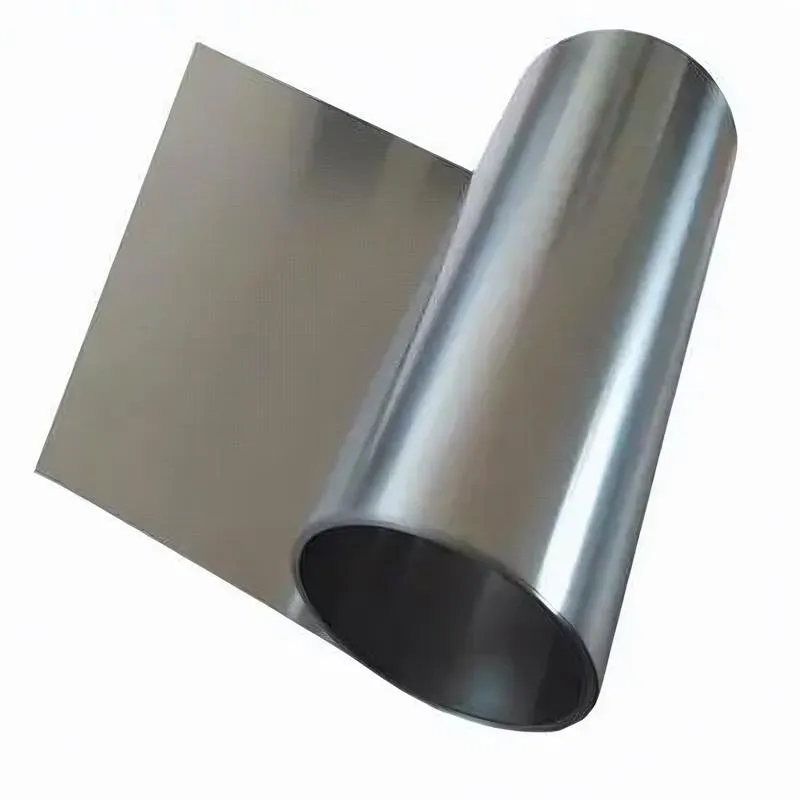
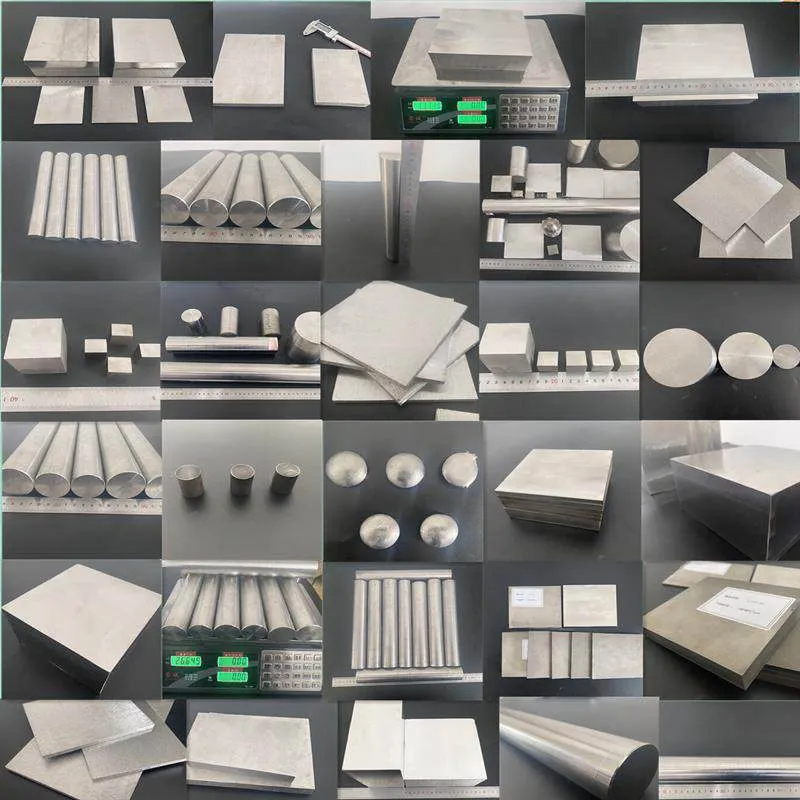
We provide X5CrNiMo1713 Austenitic stainless Steel Rod/Bar for medical instruments is available in Bar (Round bar, Flat bar), Ribbon, Wire, Rod/Bars, Tube,Seamless Tube,Pipe, Ingots, Plate, Sheet, Strip and Forging Stock.,Purity, chemical composition, size, etc. can all be customized to meet specific requirements.
Please contact us if you need customized services. We will contact you with the price and availability in 24 hours.
X5CrNiMo1713 Austenitic stainless Steel Rod for medical instruments Product Information
-:-
For detailed product information, please contact sales.
-:
X5CrNiMo1713 Austenitic stainless Steel Rod for medical instruments Synonyms
-:-
For detailed product information, please contact sales.
-:
X5CrNiMo1713 Austenitic stainless steel for medical instruments Product Information
-:-
For detailed product information, please contact sales.
-:
# X5CrNiMo17-13 Austenitic Stainless Steel for Medical Instruments
## Overview
X5CrNiMo17-13 is a medium-carbon, molybdenum-containing austenitic stainless steel designed to provide enhanced corrosion resistance compared to standard 304/304L grades while maintaining excellent mechanical properties and fabricability. As a bridge between the common 304/316 families, this alloy offers a balanced combination of moderate corrosion resistance, good strength, and economic viability for medical applications requiring better performance than 304 but not the full capabilities of premium grades like 316L.
## International Standards & Designations
| Standard System | Designation | Equivalent/Synonym |
|----------------|-------------|-------------------|
| **European (EN)** | 1.4449 (Note: Not exact; closest is 1.4441 for X2CrNiMo17-13-2) | - |
| **ISO** | X5CrNiMo17-13 | - |
| **UNS** | S31700 (approximate) | - |
| **AISI/ASTM** | 317 (approximate) | - |
| **DIN** | 1.4449 (with variations) | - |
| **Medical Standards** | ISO 7153-1 | Surgical Instruments - Materials |
*Note: X5CrNiMo17-13 is a less common designation; it typically falls between standard 316 (1.4401) and 317 (1.4449) in composition.*
## Chemical Composition (Typical, % by weight)
| Element | Minimum (%) | Maximum (%) | Optimal Range (%) | Function |
|---------|-------------|-------------|-------------------|----------|
| **Carbon (C)** | 0.04 | 0.07 | 0.05-0.06 | Strength & carbide formation |
| **Chromium (Cr)** | 16.00 | 18.00 | 16.5-17.5 | Corrosion resistance |
| **Nickel (Ni)** | 12.00 | 14.00 | 12.5-13.5 | Austenite stabilization |
| **Molybdenum (Mo)** | 2.00 | 3.00 | 2.2-2.8 | Pitting/crevice corrosion resistance |
| **Manganese (Mn)** | - | 2.00 | 1.0-1.8 | Austenite stabilization |
| **Silicon (Si)** | - | 1.00 | 0.30-0.60 | Deoxidizer |
| **Phosphorus (P)** | - | 0.045 | ≤0.035 | Impurity control |
| **Sulfur (S)** | - | 0.030 | ≤0.015 | Impurity control |
| **Nitrogen (N)** | - | 0.11 | 0.05-0.09 | Optional strengthening |
| **Iron (Fe)** | Balance | Balance | Balance | Base element |
**Key Composition Features:**
- **Moderate carbon content** (0.04-0.07%) provides good strength while maintaining reasonable corrosion resistance
- **Molybdenum addition** (2-3%) enhances resistance to pitting and crevice corrosion compared to 304 grades
- **Balanced Cr/Ni ratio** ensures stable austenitic structure with good formability
- **Higher nickel** than standard 316 provides better austenite stability and ductility
## Physical Properties (Annealed Condition)
| Property | Value | Test Condition | Notes |
|----------|-------|----------------|-------|
| **Density** | 7.98 g/cm³ | 20°C | Slightly higher than 304 |
| **Melting Point** | 1390-1440°C | - | - |
| **Thermal Conductivity** | 15.5 W/m·K | 20°C | Lower than 304 |
| **Specific Heat Capacity** | 500 J/kg·K | 20°C | Similar to other austenitics |
| **Electrical Resistivity** | 0.75 μΩ·m | 20°C | Higher than 304 |
| **Modulus of Elasticity** | 195 GPa | 20°C | - |
| **Magnetic Permeability** | ≤1.05 | Annealed | Essentially non-magnetic |
| **Coefficient of Thermal Expansion** | 15.8 × 10⁻⁶/K | 20-100°C | - |
| **Thermal Diffusivity** | 3.9 mm²/s | 20°C | - |
## Mechanical Properties
### **Annealed Condition (Typical Values):**
| Property | Minimum Value | Typical Range | Standard |
|----------|---------------|---------------|----------|
| **Tensile Strength (Rm)** | 520 MPa | 550-700 MPa | EN 10088-3 |
| **Yield Strength (Rp0.2)** | 220 MPa | 240-320 MPa | EN 10088-3 |
| **Elongation at Break (A₅)** | 40% | 45-55% | EN 10088-3 |
| **Reduction of Area (Z)** | 55% | 60-70% | - |
| **Hardness (Brinell)** | 215 HBW max | 180-210 HBW | EN 10088-3 |
| **Hardness (Rockwell B)** | 95 HRB max | 85-92 HRB | - |
| **Impact Toughness** | 100 J min | 120-180 J | 20°C, Charpy V |
| **Fatigue Strength** | 260 MPa | 280-320 MPa | 10⁷ cycles |
### **Cold Worked Properties (Examples):**
| Cold Work Level | Tensile Strength | Yield Strength | Hardness | Elongation |
|-----------------|------------------|----------------|----------|------------|
| **¼ Hard** | 750-900 MPa | 400-550 MPa | 85-95 HRB | 30-40% |
| **½ Hard** | 900-1100 MPa | 700-850 MPa | 95-105 HRB | 15-25% |
| **Full Hard** | 1100-1300 MPa | 950-1150 MPa | ≤110 HRB | 8-15% |
## Heat Treatment
### **Solution Annealing:**
- **Temperature:** 1040-1120°C (1900-2050°F)
- **Soak Time:** 15-30 minutes per 25 mm thickness
- **Cooling:** Rapid water quenching or air cooling
- **Purpose:** Dissolve carbides, homogenize structure, optimize corrosion resistance
### **Stress Relieving:**
- **Temperature:** 400-500°C (750-930°F)
- **Time:** 1-2 hours
- **Purpose:** Relieve internal stresses from machining or cold working
### **Stabilization Annealing (Optional):**
- **Temperature:** 870-900°C (1600-1650°F)
- **Purpose:** Precipitate carbides in controlled manner to prevent sensitization
### **Special Considerations:**
- Higher carbon content compared to "L" grades increases risk of sensitization during welding
- Post-weld heat treatment may be beneficial for welded assemblies in corrosive service
- Avoid prolonged exposure to 450-850°C range to prevent chromium carbide precipitation
## Corrosion Resistance
### **General Performance:**
- **Pitting Resistance Equivalent (PRE):** PRE = %Cr + 3.3×%Mo = 23-28 (approx.)
- **Excellent** resistance to atmospheric corrosion, fresh water, steam
- **Very Good** resistance to organic acids, alkalis, oxidizing agents
- **Good** resistance to mild chloride environments
- **Moderate** resistance to reducing acids
### **Medical Environment Specific:**
| Environment | Resistance Level | Notes |
|-------------|-----------------|-------|
| **Physiological Saline** | Very Good | Better than 304, slightly less than 316L |
| **Blood & Body Fluids** | Excellent | Compatible with biological fluids |
| **Disinfectants** | Good to Very Good | Alcohol-based: Excellent; Chlorine-based: Good |
| **Sterilization Methods** | Excellent | Compatible with all standard methods |
### **Comparison with Other Grades:**
| Corrosion Type | X5CrNiMo17-13 | 304/304L | 316/316L |
|----------------|---------------|----------|----------|
| **General Corrosion** | Very Good | Very Good | Excellent |
| **Pitting Corrosion** | Good | Fair | Very Good |
| **Crevice Corrosion** | Good | Poor | Good |
| **Intergranular Corrosion** | Good (with care) | Good (304L) | Excellent (316L) |
| **Stress Corrosion Cracking** | Good | Fair | Very Good |
## Product Applications in Medical Field
### **Surgical Instruments:**
1. **General Surgical Instruments:**
- Forceps and clamps
- Retractors and specula
- Needle holders
- Surgical scissors (non-cutting parts)
2. **Orthopedic Instruments:**
- Bone reduction tools
- Plate benders
- External fixator components
- Trial implants and guides
### **Medical Equipment:**
1. **Sterilization & Processing:**
- Instrument trays and containers
- Washer-disinfector racks
- Autoclave accessories
2. **Patient Handling:**
- Medical cart components
- IV pole accessories
- Bed adjustment mechanisms
3. **Diagnostic Equipment:**
- X-ray table components
- Ultrasound probe holders
- Monitor mounting systems
### **Dental Applications:**
- Dental instrument handles
- Sterilization tray systems
- Laboratory equipment components
- Dental chair adjustment parts
### **Advantages for Medical Use:**
- **Cost-Effective Performance:** Better corrosion resistance than 304 at reasonable cost
- **Good Sterilization Resistance:** Withstands repeated autoclave cycles
- **Adequate Biocompatibility:** Suitable for most instrument applications
- **Manufacturing Flexibility:** Good formability and weldability
- **Strength Retention:** Maintains properties after multiple sterilization cycles
## Fabrication Characteristics
### **Machinability:**
- **Rating:** Fair (approximately 40% of free-cutting steel)
- **Characteristics:**
- Work hardens rapidly during machining
- Produces stringy chips
- Requires sharp tools and rigid setups
- **Recommended Practices:**
- Use carbide tools with positive rake angles
- Moderate cutting speeds (20-35 m/min for turning)
- Adequate feed rates to minimize work hardening
- Copious coolant flow
### **Forming Operations:**
- **Cold Forming:** Very Good - suitable for most forming operations
- **Springback:** Significant (similar to other austenitic grades)
- **Hot Working:** 1150-900°C range recommended
- **Annealing:** May be required between severe forming operations
### **Welding Characteristics:**
| Welding Method | Suitability | Filler Metal | Notes |
|----------------|-------------|--------------|-------|
| **TIG (GTAW)** | Very Good | ER316, ER316L, ER317 | Primary choice |
| **MIG (GMAW)** | Very Good | ER316, ER316L, ER317 | Production welding |
| **Resistance** | Good | - | Spot and seam welding |
| **Plasma** | Very Good | ER316, ER316L | Precision work |
**Welding Precautions:**
- Higher carbon content increases sensitization risk in heat-affected zone
- Consider low heat input techniques
- Post-weld annealing may be beneficial for corrosive applications
### **Surface Finishing:**
- **Mechanical Polishing:** Can achieve good surface finishes
- **Electropolishing:** Effective for enhanced corrosion resistance
- **Passivation:** Nitric acid treatment per ASTM A967
- **Surface Roughness:** Typically Ra ≤ 0.8 μm for medical instruments
## Biocompatibility and Regulatory Compliance
### **Biocompatibility Assessment:**
- **Generally Suitable** for medical instrument applications
- **Cytotoxicity:** Typically non-cytotoxic (similar to 304/316)
- **Sensitization:** Nickel content requires consideration for sensitive patients
- **Testing Required:** Per ISO 10993 for specific applications
### **Regulatory Considerations:**
- **FDA:** Generally acceptable with proper documentation
- **EU MDR:** Requires technical documentation and validation
- **Surface Finish:** Critical for cleanability and biocompatibility
- **Sterilization Validation:** Required for medical device applications
### **Special Notes:**
- **Not typically used for implants** due to carbon content and sensitization risk
- **Better suited for reusable instruments** than long-term implants
- **Surface treatments** significantly affect biocompatibility
## Quality Assurance for Medical Manufacturing
### **Material Certification:**
- **EN 10204 3.1 Certificate:** Required for medical applications
- **Chemical Analysis:** Per heat/lot
- **Mechanical Testing:** As specified by application
- **Corrosion Testing:** May be required for critical applications
### **Medical-Specific Requirements:**
| Requirement | Typical Specification | Notes |
|-------------|----------------------|-------|
| **Surface Finish** | Ra ≤ 0.8 μm | For most instruments |
| **Passivation** | ASTM A967 Method | Nitric acid treatment |
| **Cleanliness** | ISO 19227 | Visual and microscopic |
| **Dimensional Tolerance** | ISO 2768-m | Medium tolerance |
### **Process Control:**
- **Heat Treatment Records:** Complete documentation required
- **Welding Procedures:** Qualified and documented
- **Surface Treatment:** Validated processes
- **Final Inspection:** Per device specifications
## Comparison with Similar Medical Grades
| Property | X5CrNiMo17-13 | X2CrNiMo17-12-2 (316L) | X5CrNi18-10 (304) |
|----------|---------------|------------------------|-------------------|
| **Carbon Content** | 0.04-0.07% | ≤0.030% | ≤0.07% |
| **Molybdenum** | 2-3% | 2-2.5% | 0% |
| **Corrosion Resistance** | Good to Very Good | Excellent | Very Good |
| **Intergranular Corrosion** | Good (with care) | Excellent | Good (if 304L) |
| **Cost Factor** | 1.1-1.3 | 1.3-1.5 | 1.0 |
| **Primary Medical Use** | Cost-effective instruments | Premium instruments | General instruments |
## Limitations and Design Considerations
### **Material Limitations:**
1. **Not for Cutting Applications:** Insufficient hardness
2. **Limited High-Temperature Performance:** Not for continuous high-temperature service
3. **Sensitization Risk:** Requires careful thermal management during welding
4. **Chloride Resistance:** Moderate - not for highly corrosive environments
### **Design Guidelines:**
1. **Wall Thickness:** Minimum 0.8 mm for structural components
2. **Radii:** Minimum bend radius of 1.5× thickness
3. **Welding Design:** Avoid welds in corrosive areas when possible
4. **Surface Protection:** Consider passivation or coatings for harsh environments
### **Sterilization Compatibility:**
- **Autoclave Cycles:** Suitable for repeated sterilization
- **Chemical Compatibility:** Verify with specific sterilants
- **Temperature Limits:** Maximum 250°C for extended periods
- **Cycle Life:** 500-1000 cycles typical
## Economic and Production Aspects
### **Cost Considerations:**
- **Material Cost:** 10-30% higher than 304, 10-20% lower than 316L
- **Processing Cost:** Similar to other austenitic stainless steels
- **Life Cycle Cost:** Favorable for reusable instruments
- **Value Proposition:** Balance between performance and cost
### **Production Recommendations:**
- **Suitable for:** Medium to high volume production
- **Tooling:** Standard stainless steel tooling applicable
- **Secondary Operations:** Similar to 304/316
- **Quality Control:** Standard stainless steel protocols
## Future Developments
### **Potential Improvements:**
- **Modified Compositions:** Optimized for specific medical applications
- **Surface Treatments:** Enhanced antibacterial properties
- **Processing Technologies:** Improved welding techniques to minimize sensitization
### **Market Trends:**
- **Cost-Performance Optimization:** Growing interest in balanced materials
- **Sustainability:** Focus on durable, reusable instruments
- **Manufacturing Efficiency:** Improved fabrication methods
## Conclusion
X5CrNiMo17-13 represents a balanced austenitic stainless steel offering a practical compromise between the excellent corrosion resistance of 316/316L grades and the economic advantages of 304/304L. Its moderate molybdenum content provides enhanced resistance to pitting and crevice corrosion compared to standard 304, making it suitable for medical applications where improved corrosion performance is needed but premium-grade materials are not justified.
While requiring careful attention to thermal processing to minimize sensitization risks, this alloy provides good mechanical properties, adequate biocompatibility, and reliable performance for a wide range of medical instruments and equipment. Its balanced composition makes it particularly suitable for reusable instruments subjected to regular sterilization cycles, offering a cost-effective solution that extends service life compared to standard 304 grades.
For medical device manufacturers, X5CrNiMo17-13 offers a viable alternative when 304 lacks sufficient corrosion resistance and 316L represents unnecessary expense. With proper design, processing, and quality control, this alloy can deliver reliable performance in medical applications, contributing to the development of durable, cost-effective healthcare products that meet the evolving needs of modern medical practice.
-:-
For detailed product information, please contact sales.
-:
X5CrNiMo1713 Austenitic stainless steel for medical instruments Specification
Dimensions
Size:
Diameter 20-1000 mm Length <7420 mm
Size:We can customized as required
Standard:
Per your request or drawing
We can customized as required
Properties(Theoretical)
Chemical Composition
-:-
For detailed product information, please contact sales.
-:
X5CrNiMo1713 Austenitic stainless steel for medical instruments Properties
-:-
For detailed product information, please contact sales.
-:
Applications of X5CrNiMo1713 Austenitic stainless Steel Rod for medical instruments
-:-
For detailed product information, please contact sales.
-:
Chemical Identifiers X5CrNiMo1713 Austenitic stainless Steel Rod for medical instruments
-:-
For detailed product information, please contact sales.
-:
Packing of X5CrNiMo1713 Austenitic stainless Steel Rod for medical instruments
-:-
For detailed product information, please contact sales.
-:
Standard Packing:
-:-
For detailed product information, please contact sales.
-:
Typical bulk packaging includes palletized plastic 5 gallon/25 kg. pails, fiber and Steel Rod drums to 1 ton super sacks in full container (FCL) or truck load (T/L) quantities. Research and sample quantities and hygroscopic, oxidizing or other air sensitive materials may be packaged under argon or vacuum. Solutions are packaged in polypropylene, plastic or glass jars up to palletized 3891 gallon liquid totes Special package is available on request. E FORUs’ is carefully handled to minimize damage during storage and transportation and to preserve the quality of our products in their original condition