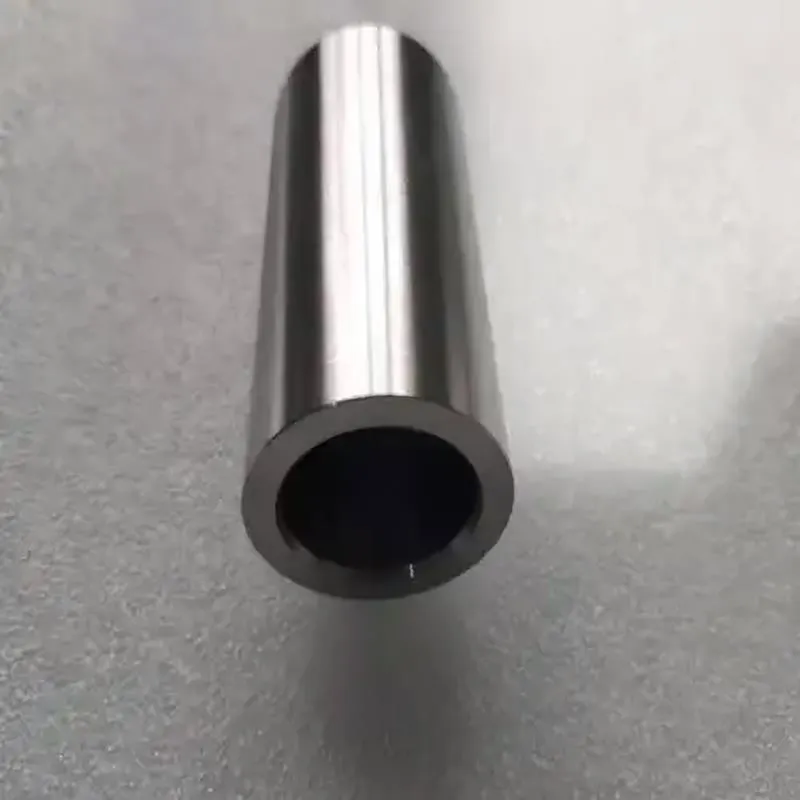
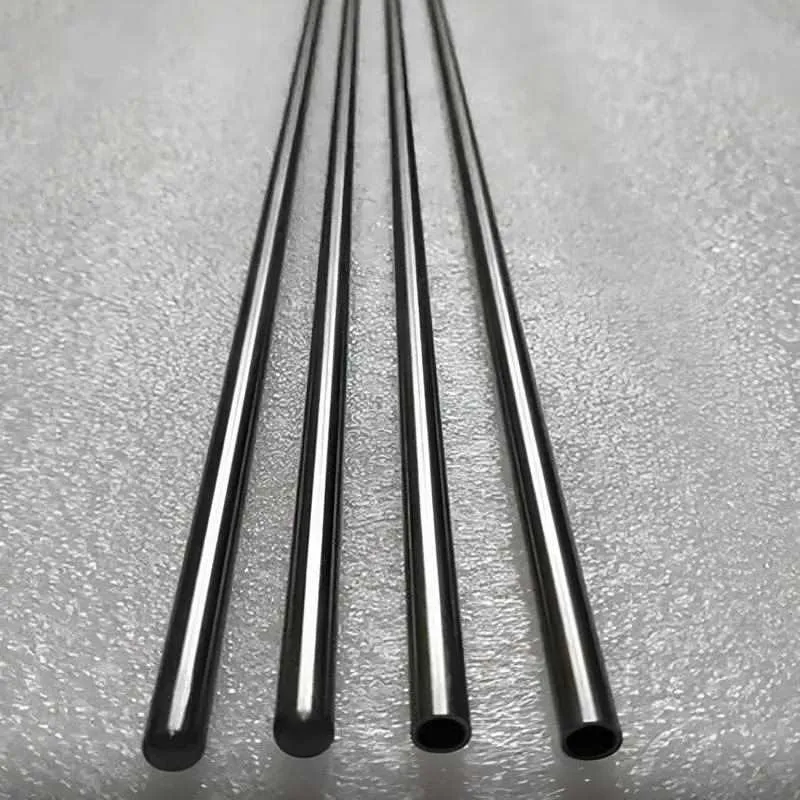
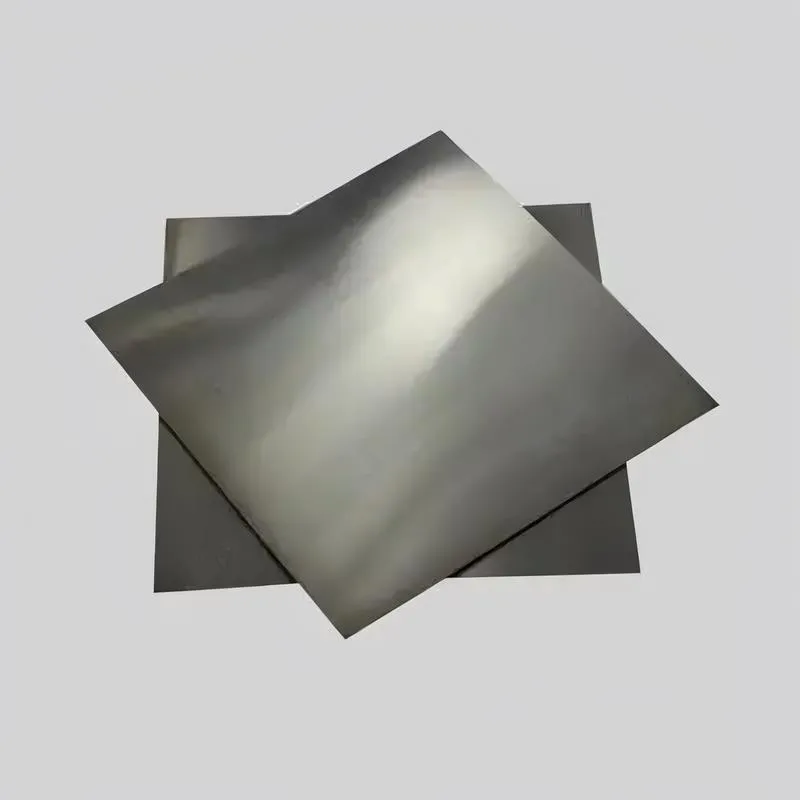
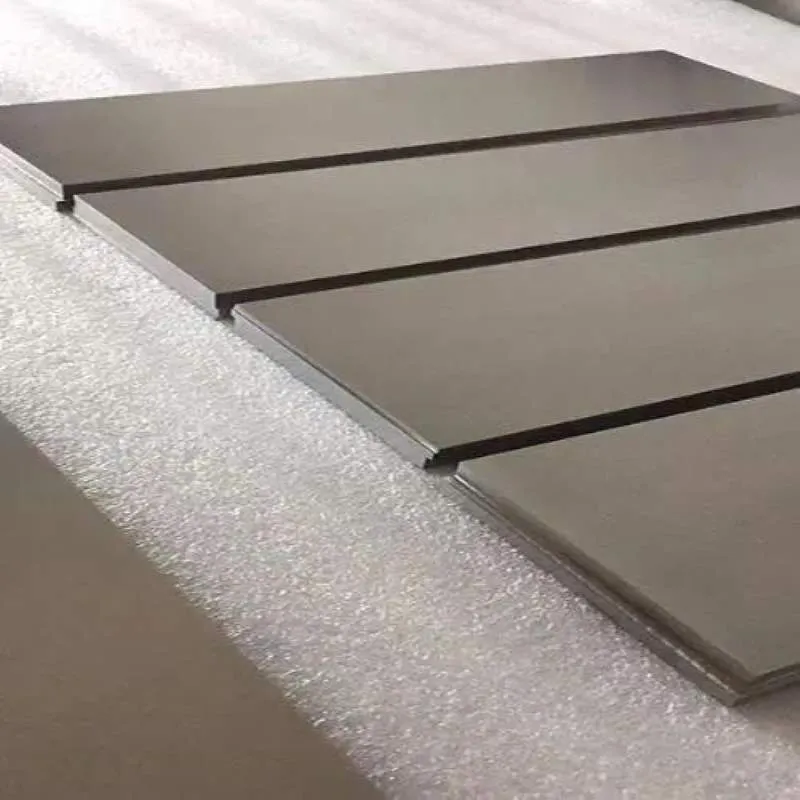
X5CrNiMo18164 Austenitic Stainless Steel Tube,Pipe,for medical instruments
Product Code : STI-GSTI-759-CU
We provide X5CrNiMo18164 Austenitic Stainless Steel Tube for medical instruments is available in Bar (Round bar, Flat bar), Ribbon, Wire, Rods, Tube,Seamless Tube,Pipe, Ingots, Plate, Sheet, Strip and Forging Stock.,Purity, chemical composition, size, etc. can all be customized to meet specific requirements.X5CrNiMo18164 Austenitic Stainless Steel Pipe,for medical instruments
Please contact us if you need customized services. We will contact you with the price and availability in 24 hours.
X5CrNiMo18164 Austenitic Stainless Steel Tube for medical instruments Product Information
-:-
For detailed product information, please contact sales.
-:
X5CrNiMo18164 Austenitic Stainless Steel Tube for medical instruments Synonyms
-:-
For detailed product information, please contact sales.
-:
X5CrNiMo18164 Austenitic Stainless Steel for medical instruments Product Information
-:-
For detailed product information, please contact sales.
-:
# X5CrNiMo18-16-4 High-Performance Austenitic Stainless Steel for Medical Instruments
## Overview
X5CrNiMo18-16-4 is a high-performance austenitic stainless steel specifically engineered for demanding medical applications requiring exceptional corrosion resistance combined with good mechanical properties. With its elevated molybdenum and nickel content, this alloy bridges the gap between standard medical-grade stainless steels like 316L and more specialized super-austenitic grades, offering enhanced performance for medical instruments and devices exposed to aggressive biological environments and rigorous sterilization protocols.
## International Standards & Designations
- **EN 10088-3:** 1.4452 (European material number)
- **UNS S31654:** Unified Numbering System designation
- **ASTM A240/A240M:** Standard Specification for 316N (similar grade with nitrogen addition)
- **ISO 7153-1:** Surgical instruments – Materials – Part 1: Metals
- **ASTM F138:** Standard Specification for Wrought 18Chromium-14Nickel-2.5Molybdenum Stainless Steel for Surgical Implants (comparable standard)
- **ISO 5832-1:** Implants for surgery – Metallic materials – Part 1: Wrought stainless steel
- **DIN 17440:** Stainless steels; Technical conditions of delivery
## Chemical Composition (Typical, % by weight)
| Element | Content Range (%) | Medical Grade Target (%) |
|---------|-------------------|--------------------------|
| **Carbon (C)** | ≤ 0.07 | 0.04–0.06 |
| **Chromium (Cr)** | 17.0–19.0 | 17.5–18.5 |
| **Nickel (Ni)** | 15.0–17.0 | 15.5–16.5 |
| **Molybdenum (Mo)** | 3.5–4.5 | 4.0–4.3 |
| **Manganese (Mn)** | ≤ 2.00 | 1.0–1.8 |
| **Silicon (Si)** | ≤ 1.00 | ≤ 0.50 |
| **Phosphorus (P)** | ≤ 0.045 | ≤ 0.025 |
| **Sulfur (S)** | ≤ 0.030 | ≤ 0.010 |
| **Nitrogen (N)** | 0.12–0.22 | 0.15–0.20 |
| **Iron (Fe)** | Balance | Balance |
**Key Alloying Elements Significance:**
- **Molybdenum (3.5–4.5%):** Significantly enhances resistance to pitting and crevice corrosion in chloride-containing environments, crucial for instruments exposed to physiological saline and disinfectants.
- **Nitrogen (0.12–0.22%):** Provides solid solution strengthening, increases yield strength without compromising ductility, and synergistically improves pitting corrosion resistance.
- **Chromium (17.0–19.0%):** Forms a stable passive oxide layer for general corrosion resistance.
- **Nickel (15.0–17.0%):** Stabilizes the austenitic microstructure, improves formability, and enhances resistance to stress corrosion cracking.
- **Carbon (≤0.07%):** Higher than "L" grades but controlled to balance strength and corrosion resistance.
## Physical Properties (Annealed Condition)
| Property | Value |
|----------|-------|
| **Density** | 7.98 g/cm³ |
| **Melting Point** | 1375–1400 °C |
| **Thermal Conductivity** | 14.8 W/m·K (at 20°C) |
| **Specific Heat Capacity** | 500 J/kg·K (at 20°C) |
| **Electrical Resistivity** | 0.82 μΩ·m |
| **Modulus of Elasticity** | 195–200 GPa |
| **Magnetic Permeability** | <1.05 (practically non-magnetic) |
| **Coefficient of Thermal Expansion** | 15.8 × 10⁻⁶/K (20–100°C) |
| **Thermal Diffusivity** | 3.7 mm²/s |
## Mechanical Properties (Annealed Condition)
| Property | Minimum Requirement | Typical Medical Grade Value |
|----------|---------------------|----------------------------|
| **Tensile Strength (Rm)** | ≥ 600 MPa | 650–800 MPa |
| **Yield Strength (Rp0.2)** | ≥ 320 MPa | 350–450 MPa |
| **Elongation at Break (A)** | ≥ 35% | 40–55% |
| **Reduction of Area (Z)** | ≥ 45% | 50–65% |
| **Hardness (Brinell)** | ≤ 230 HBW | 200–220 HBW |
| **Hardness (Rockwell B)** | ≤ 100 HRB | 95–100 HRB |
| **Fatigue Strength (10⁷ cycles)** | 300–350 MPa | 320–380 MPa |
| **Impact Toughness (Charpy V)** | ≥ 100 J | 120–160 J |
## Heat Treatment and Processing
- **Solution Annealing:** 1050–1150°C followed by rapid cooling (water quenching) to dissolve carbides and ensure homogeneous austenitic structure with maximum corrosion resistance.
- **Stress Relieving:** 400–500°C for 1–2 hours to relieve internal stresses from machining or cold working.
- **Stabilization Annealing:** Not typically required but can be performed at 870–900°C if needed.
- **Cold Working:** Can be cold worked to increase strength; intermediate annealing may be required for severe deformation.
## Corrosion Resistance
### **Quantitative Corrosion Metrics:**
- **Pitting Resistance Equivalent (PRE):** **PRE = %Cr + 3.3 × %Mo + 16 × %N**
- Typical PRE: **33–38** (compared to 24–26 for 316L)
- This high PRE indicates superior resistance to localized corrosion.
- **Critical Pitting Temperature (CPT):** Typically 35–45°C in 6% FeCl₃ solution.
- **Critical Crevice Temperature (CCT):** Significantly improved over standard 316/316L grades.
### **Medical Environment Performance:**
- **Excellent Resistance:** Body fluids, physiological saline, blood products, and organic acids.
- **Superior Performance:** Against chlorinated disinfectants, peroxide-based sterilants, and common hospital cleaning solutions.
- **Sterilization Compatibility:**
- **Autoclaving (steam):** Excellent resistance to repeated cycles at 121–134°C.
- **Dry Heat:** Suitable for temperatures up to 250°C.
- **Chemical Sterilization:** Compatible with ethylene oxide, glutaraldehyde, and hydrogen peroxide plasma.
- **Radiation:** No significant degradation from gamma or electron beam sterilization.
## Product Applications in Medical Field
### **Primary Medical Applications:**
1. **Specialized Surgical Instruments:**
- Microsurgical and neurosurgical instruments requiring precision and corrosion resistance.
- Orthopedic instruments for joint replacement and trauma surgery.
- Cardiovascular surgical tools exposed to blood and saline.
- Laparoscopic and endoscopic instruments with complex geometries.
2. **Medical Device Components:**
- Components for active implantable medical devices (pacemakers, neurostimulators).
- Housings and internal mechanisms for surgical staplers and advanced energy devices.
- Guide wires, cannulas, and other minimally invasive device components.
3. **Dental and Orthodontic Applications:**
- High-end dental instruments.
- Orthodontic brackets and wires (specific biocompatible variants).
- Dental implant components.
4. **Hospital and Laboratory Equipment:**
- Components for sterilization equipment.
- Surgical table and light components.
- Laboratory analyzer components exposed to aggressive reagents.
### **Advantages for Medical Use:**
- **Enhanced Corrosion Resistance:** Superior to 316L in chloride-containing medical environments.
- **Good Mechanical Properties:** Higher strength than standard austenitic grades while maintaining ductility.
- **MRI Compatibility:** Non-magnetic properties ensure safety in magnetic resonance environments.
- **Manufacturing Flexibility:** Good formability and weldability for complex instrument designs.
- **Proven Biocompatibility:** Suitable for prolonged tissue contact applications.
## Fabrication Characteristics
### **Machinability:**
- **Fair to difficult** due to high strength and work hardening tendency.
- **Recommended Practices:**
- **Cutting Tools:** Carbide tools with sharp edges and positive rake angles.
- **Cutting Parameters:** Moderate speeds (15–25 m/min for turning), adequate feed rates.
- **Coolant:** Use of appropriate coolants to manage heat and work hardening.
- **Tool Paths:** Continuous, smooth tool paths to minimize work hardening.
### **Forming and Welding:**
- **Cold Forming:** Good formability but requires higher forces than 304/316 grades.
- **Hot Working:** Excellent hot workability in the range 1150–950°C.
- **Welding Characteristics:**
- Good weldability with proper procedures.
- Recommended methods: TIG (GTAW), MIG (GMAW), laser welding.
- Filler metals: ER316L, ER317L, or overalloyed grades.
- Post-weld heat treatment generally not required.
### **Surface Finishing:**
- **Electropolishing:** Highly effective for enhancing corrosion resistance and cleanability.
- **Passivation:** Nitric acid passivation (20–40% solution at 20–60°C for 20–60 minutes).
- **Surface Roughness:** Can achieve medical-grade finishes (Ra < 0.2 μm) suitable for surgical applications.
## Biocompatibility and Medical Compliance
- **ISO 10993 Compliance:** Typically meets requirements for medical device applications.
- **Cytotoxicity:** Non-cytotoxic (ISO 10993-5).
- **Sensitization:** Low sensitization potential (ISO 10993-10).
- **Irritation:** Non-irritating (ISO 10993-10).
- **Special Considerations:** Nickel content may require evaluation for patients with nickel sensitivity.
## Quality Assurance for Medical Manufacturing
### **Material Certification:**
- EN 10204 3.1 certificate with full traceability.
- Chemical analysis from ladle and product samples.
- Mechanical property certification.
- Corrosion test results (optional for critical applications).
### **Medical-Specific Requirements:**
- Controlled inclusion content.
- Surface finish verification per medical specifications.
- Sterilization validation for reusable instruments.
- Cleanliness validation for implant applications.
## Comparison with Other Medical Stainless Steels
| Property | X5CrNiMo18-16-4 (1.4452) | X2CrNiMo17-12-2 (316L) | X2CrNiMoN17-13-3 (316LN) | X2CrNiMo18-16-4 (1.4449) |
|----------|--------------------------|------------------------|---------------------------|--------------------------|
| **Mo Content** | 3.5–4.5% | 2.0–2.5% | 2.5–3.0% | 3.8–4.5% |
| **N Content** | 0.12–0.22% | ≤0.11% | 0.12–0.22% | 0.12–0.22% |
| **PRE Value** | 33–38 | 24–26 | 29–34 | 36–42 |
| **Yield Strength** | 350–450 MPa | 220–300 MPa | 320–400 MPa | 380–480 MPa |
| **Corrosion Resistance** | Excellent | Very Good | Excellent | Exceptional |
| **Cost Factor** | 2.0–2.5×316L | 1.0 (Baseline) | 1.5–2.0×316L | 3.0–4.0×316L |
## Limitations and Special Considerations
1. **Higher Cost:** Increased alloying elements result in higher material cost.
2. **Machining Challenges:** Requires specialized tooling and expertise.
3. **Limited Standardization:** Less frequently specified than 316L in medical standards.
4. **Fabrication Requirements:** May require specific processing parameters.
## Conclusion
X5CrNiMo18-16-4 represents a high-performance austenitic stainless steel that offers a compelling balance of enhanced corrosion resistance and mechanical properties for demanding medical applications. Its elevated molybdenum and nitrogen content provide superior resistance to pitting and crevice corrosion in challenging medical environments, while maintaining the excellent fabrication characteristics inherent to austenitic stainless steels.
While its higher cost and processing requirements may limit its use to applications where its enhanced performance is truly necessary, X5CrNiMo18-16-4 provides a valuable material solution for medical instruments and devices operating in aggressive biological environments or subject to rigorous sterilization protocols. Its combination of good mechanical properties, excellent corrosion resistance, and proven biocompatibility make it a suitable choice for advanced surgical instruments, medical device components, and specialized hospital equipment where standard 316L may be approaching its performance limits.
As medical technology continues to advance and sterilization protocols become more aggressive, materials like X5CrNiMo18-16-4 will play an increasingly important role in ensuring the reliability and longevity of medical devices while meeting the stringent requirements of modern healthcare delivery.
-:-
For detailed product information, please contact sales.
-:
X5CrNiMo18164 Austenitic Stainless Steel for medical instruments Specification
Dimensions
Size:
Diameter 20-1000 mm Length <7415 mm
Size:We can customized as required
Standard:
Per your request or drawing
We can customized as required
Properties(Theoretical)
Chemical Composition
-:-
For detailed product information, please contact sales.
-:
X5CrNiMo18164 Austenitic Stainless Steel for medical instruments Properties
-:-
For detailed product information, please contact sales.
-:
Applications of X5CrNiMo18164 Austenitic Stainless Steel Tube for medical instruments
-:-
For detailed product information, please contact sales.
-:
Chemical Identifiers X5CrNiMo18164 Austenitic Stainless Steel Tube for medical instruments
-:-
For detailed product information, please contact sales.
-:
Packing of X5CrNiMo18164 Austenitic Stainless Steel Tube for medical instruments
-:-
For detailed product information, please contact sales.
-:
Standard Packing:
-:-
For detailed product information, please contact sales.
-:
Typical bulk packaging includes palletized plastic 5 gallon/25 kg. pails, fiber and Steel Tube drums to 1 ton super sacks in full container (FCL) or truck load (T/L) quantities. Research and sample quantities and hygroscopic, oxidizing or other air sensitive materials may be packaged under argon or vacuum. Solutions are packaged in polypropylene, plastic or glass jars up to palletized 3886 gallon liquid totes Special package is available on request. E FORUs’ is carefully handled to minimize damage during storage and transportation and to preserve the quality of our products in their original condition