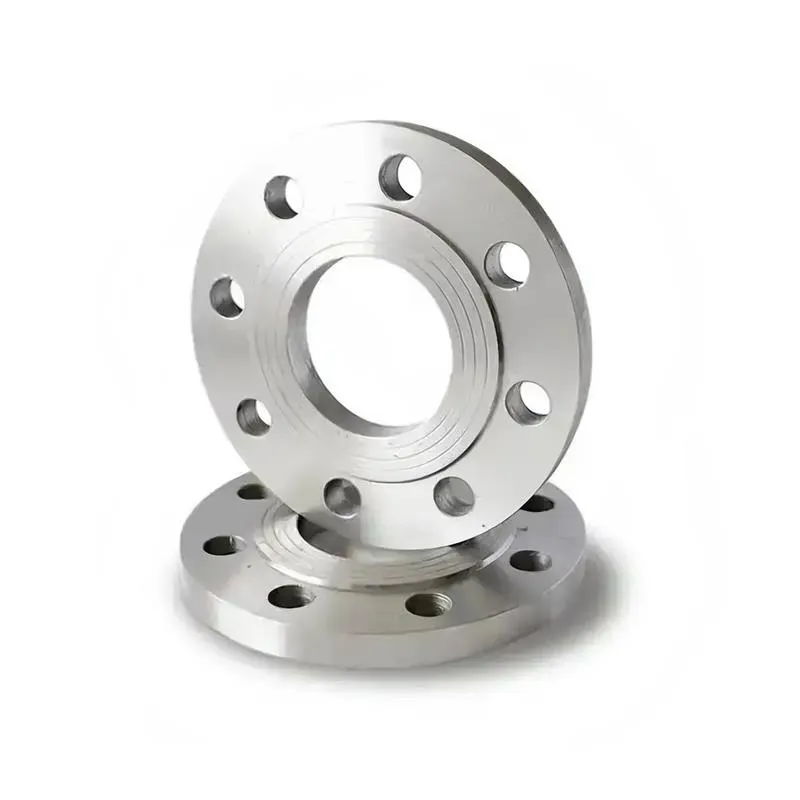
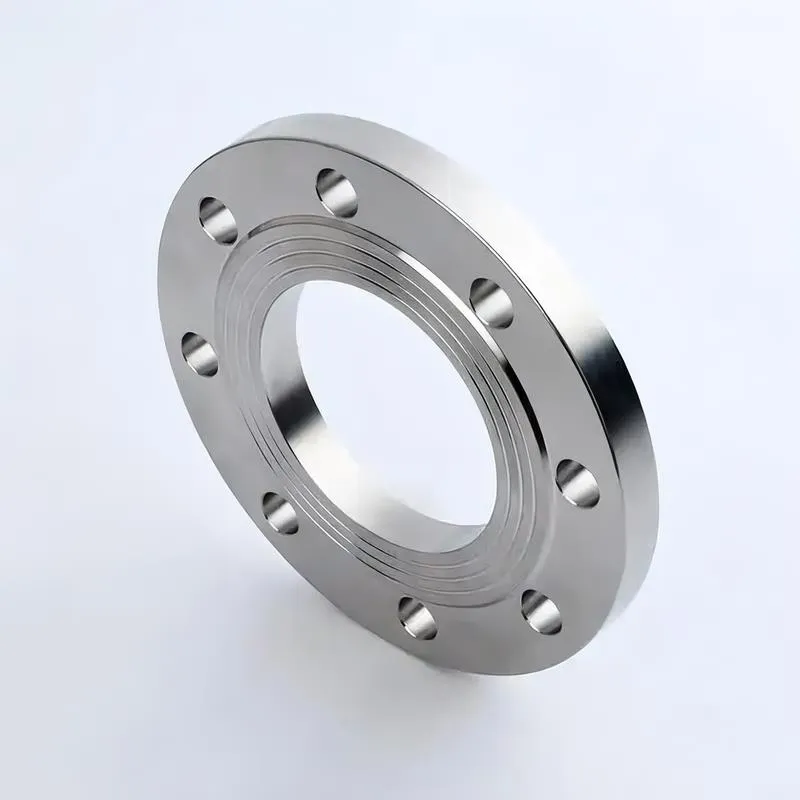
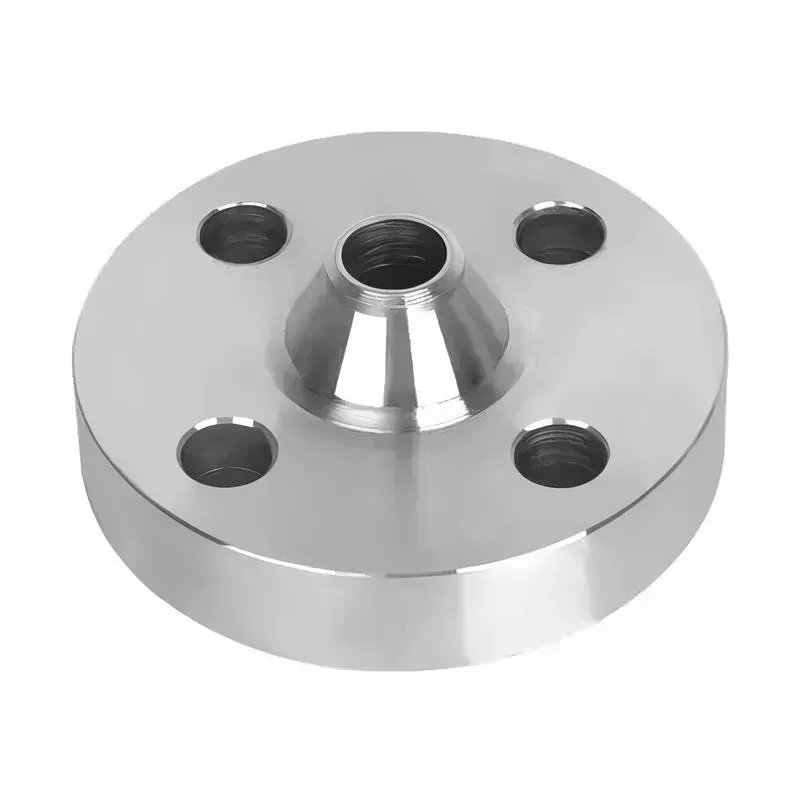
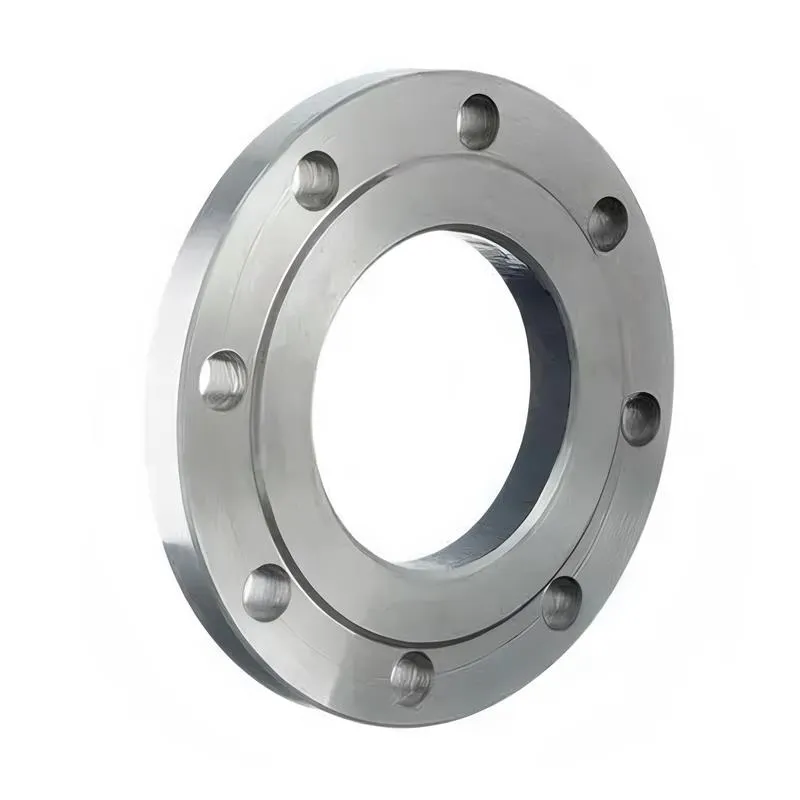
1,We Manufacturing processes are primarily classified into four types:
1:Forging,
2:Casting,
3:Cutting,
4:Rolling.
2,We can manufacture in accordance with these standards.
Standards:
GB Series (Chinese Standards), JB Series (Machinery Standards), HG Series (Chemical Industry Standards), ASME B16.5 (American Standards), BS4504 (British Standards), DIN (German Standards), and JIS (Japanese Standards).
Internationally, there are two primary systems of pipe flange standards: the European system, represented by the German DIN standards (including those of the former Soviet Union), and the American system, represented by the US ANSI pipe flange standards. Other common standards include: the Chinese Ministry of Machinery Industry standards (JB series), the Ministry of Chemical Industry standards (HG series), the Chinese National Standard *GB/T 9112–9124-2010 Steel Pipe Flanges*, as well as US standards (ASME B16.5), British standards (BS4504), German standards (DIN), Japanese standards (JIS), and marine standards (CBM), among others.
The nominal pressure ratings for the PN series are designated by "PN" and comprise the following nine levels: PN2.5, PN6, PN10, PN16, PN25, PN40, PN63, PN100, and PN160.
The nominal pressure ratings for the Class series are designated by "Class" and comprise the following six levels: Class150, Class300, Class600, Class900, Class1500, and Class2500.
Flange Classification
1. **According to Chemical Industry Standards:** Flanges are classified as follows:
Plate Flat Welding Flange (PL), Necked Flat Welding Flange (SO), Necked Butt Welding Flange (WN), Integral Flange (IF), Socket Welding Flange (SW), Threaded Flange (Th), Butt Welding Ring Loose Flange (PJ/SE), Blind Flange (BL), Flat Welding Ring Loose Flange (PJ/PJ), and Lined Blind Flange (BL(s)).
2. **According to Petrochemical (SH) Industry Standards:** Flanges are classified as follows:
Threaded Flange (PL), Butt Welding Flange (WN), Flat Welding Flange (SO), Socket Welding Flange (SW), Loose Flange (LJ), and Blind Flange (no specific designation).
3. **According to Machinery (JB) Industry Standards:** Flanges are classified as follows:
Integral Flange, Butt Welding Flange, Plate Flat Welding Flange, Butt Welding Ring Plate Loose Flange, Flat Welding Ring Plate Loose Flange, Lap Joint Ring Plate Loose Flange, and Blind Flange.
4. **According to Connection Method/Type:** Flanges are classified as follows:
Plate Flat Welding Flange, Necked Flat Welding Flange, Necked Butt Welding Flange, Socket Welding Flange, Threaded Flange, Blind Flange, Necked Butt Welding Ring Loose Flange, Flat Welding Ring Loose Flange, Ring-Type Joint (RTJ) Flange and Blind Flange, Large-Diameter Plate Flange, Large-Diameter High-Neck Flange, Figure-8 Blind Plate, Butt Welding Ring Loose Flange, etc.
5. **According to the Component Being Connected:** Flanges can be classified into Vessel Flanges and Pipe Flanges.
6. **According to Structural Type:** Flanges include Integral Flanges, Threaded Flanges, Flat Welding Flanges, Butt Welding Flanges, Lap Joint (Loose/Swivel) Flanges, and Blind Flanges.
A flange—also referred to as a flange plate or rim—is a component used to connect shafts to one another, or, more commonly, to join the ends of pipes. Flanges are also utilized at the inlet and outlet ports of equipment to facilitate connections between two devices—for instance, the flange on a speed reducer. A "flange connection" or "flanged joint" refers to a detachable joint assembly comprising three interconnected elements—a flange, a gasket, and bolts—that together form a sealed structural unit. In the context of piping systems, a "pipe flange" specifically denotes a flange used for plumbing within the installation; when applied to equipment, it refers to the inlet or outlet flange of that specific device. Flanges feature a series of holes through which bolts are inserted to securely fasten the two flanges together, while a gasket placed between the flanges ensures a leak-proof seal. Flanges are broadly categorized into three types: threaded (screw-in) flanges, welded flanges, and clamp-type flanges. Flanges are invariably used in pairs; threaded flanges are suitable for low-pressure piping applications, whereas welded flanges are required for systems operating at pressures exceeding 4 kilograms per square centimeter. A sealing gasket is inserted between the two flange plates, which are then firmly secured using bolts. The thickness of a flange—as well as the specifications of the bolts used to fasten it—vary depending on the specific pressure rating required for the application. When connecting equipment such as water pumps or valves to piping systems, the corresponding connection points on these devices are often manufactured in the shape of a matching flange; this method of attachment is also referred to as a "flange connection." Generally, any connecting component that utilizes bolts to join and seal the perimeters of two flat surfaces—such as the joints in ventilation ducts—is termed a "flange"; such components may collectively be classified as "flange-type parts." However, since such a connection often constitutes merely a *portion* of a larger device—for instance, the interface between a flange and a water pump—it would be inappropriate to classify the entire water pump itself as a "flange-type part." Conversely, smaller components—such as valves—that feature such flanged interfaces may indeed be appropriately categorized as "flange-type parts."
-:-
For detailed product information, please contact sales.
-:
Ovako 100CrMnSi6-4 5625/837Z Steel Flange Product Information
-:-
For detailed product information, please contact sales.
-:
Ovako 100CrMnSi6-4 5625/837Z Steel Flange Synonyms
-:-
For detailed product information, please contact sales.
-:
Ovako 100CrMnSi6-4 5625/837Z Steel Product Information
-:-
For detailed product information, please contact sales.
-:
# **Ovako 100CrMnSi6-4 5625/837Z Steel**
## **Product Overview**
Ovako 100CrMnSi6-4 5625/837Z is a **premium-grade, high-performance bearing steel** representing Ovako's **highest quality tier** for the silicon-enhanced 100CrMnSi6-4 alloy family. This dual designation **"5625/837Z"** indicates specialized processing routes and exceptional quality controls: the **"5625"** identifier is typically associated with premium **hot-forging quality** bar stock, while the **"837Z"** suffix signifies the **ultimate level of micro-cleanliness ("Z" grade)** and material homogeneity. This steel is engineered for manufacturing **safety-critical, heavily loaded components** that demand the perfect synergy of **deep hardenability, exceptional core toughness, supreme fatigue resistance, and flawless internal integrity**.
## **Key Features & Benefits**
* **Ultimate Micro-Cleanliness (837Z):** The **"Z"** grade represents the pinnacle of steel purity, with **extremely low levels of sulfur (S ≤ 0.001%) and oxygen (O < 8 ppm)**. This virtually eliminates non-metallic inclusions (MnS, oxides) that act as fatigue crack initiation sites, resulting in the **highest possible and most predictable Rolling Contact Fatigue (RCF) life** with minimal data scatter.
* **Optimized Forging & Processing Quality (5625):** The 5625 specification ensures the material is produced with **superior internal soundness, minimal segregation, and optimized hot workability**. This makes it ideal for producing high-integrity **forgings of complex shapes or large cross-sections**, where material flow and internal quality are paramount.
* **Enhanced Strength-Toughness Balance from Silicon:** The elevated silicon content (~0.6%) provides **powerful solid solution strengthening**, increasing tensile and yield strength. Crucially, silicon also **improves fracture toughness** by suppressing brittle cementite formation, creating an unparalleled combination of strength and damage tolerance for a through-hardening bearing steel.
* **Exceptional Hardenability & Property Uniformity:** The balanced alloy content (Cr, Mn, Si) provides excellent hardenability, ensuring uniform through-hardening in large sections. Combined with the Z-grade homogeneity, this guarantees **consistent mechanical properties from surface to core** in large forgings or heavy components.
* **Designed for Maximum Reliability:** This material is the definitive choice for applications where **component failure carries catastrophic consequences** (safety, environmental, extreme economic loss). It provides the maximum possible margin of safety against fatigue, brittle fracture, and overload.
## **International Standards & Designations**
This product is a proprietary, top-tier variant that exceeds standard specifications.
| Internal/Ovako Designation | Base Standard | Quality Level |
| :--- | :--- | :--- |
| **5625/837Z** | **EN 1.3538 (100CrMnSi6-4)** | **Premium Forging Quality ("5625") + Ultimate Cleanliness ("Z" Grade)** |
| | **ISO 683-17: 100CrMnSi6-4** | Material meets/exceeds the standard's requirements for chemical composition. |
| *Note* | There is no direct single international standard for this combined quality level. It is typically specified on **customer engineering drawings** for critical components in aerospace, energy, and heavy industry. | |
## **Chemical Composition (Typical - %)**
The composition is tightly controlled to the premium 100CrMnSi6-4 specification.
| Element | Content (%) | Role & Quality Implication |
| :--- | :--- | :--- |
| **Carbon (C)** | 0.95 - 1.10 | Provides basis for high hardness. Tight control ensures consistency. |
| **Chromium (Cr)** | 1.40 - 1.70 | Enhances hardenability and wear resistance via carbide formation. |
| **Manganese (Mn)** | 0.60 - 1.00 | Provides strong hardenability, essential for large forgings. |
| **Silicon (Si)** | **0.50 - 0.70** | **Critical alloying element.** Provides solid solution strengthening and markedly improves toughness and tempering resistance. |
| **Sulfur (S)** | **≤ 0.001** | **Extremely low – defining feature of Z-grade.** Eliminates MnS inclusions for supreme fatigue performance. |
| **Phosphorus (P)** | **≤ 0.008** | Ultra-low to maximize toughness. |
| **Oxygen [O]** | **< 8 ppm** | Ultra-low to minimize oxide inclusions. |
| **Iron (Fe)** | Balance | |
## **Physical & Mechanical Properties (After Hardening & Tempering)**
*Properties are for optimally processed material, typically supplied as annealed forging stock.*
* **Hardness (Hardened & Tempered):** **60 - 64 HRC**
* **Ultimate Tensile Strength (UTS):** **2100 - 2400 MPa**
* **Yield Strength (0.2% offset):** **1700 - 2000 MPa**
* **Fracture Toughness (KIC):** **Exceptionally High** for the hardness level, typically **25-35 MPa√m**, due to Si and cleanliness.
* **Impact Toughness (Charpy V-notch):** **Superior**, with excellent low-temperature retention.
* **Rolling Contact Fatigue Life (L10):** **Maximum Attainable.** Demonstrates the longest life with the narrowest statistical distribution.
* **Through-Hardening Capacity:** Excellent for large sections (>150 mm diameter).
## **Typical Applications**
This material is reserved for the most critical forged and machined components.
* **Aerospace Critical Structural Components:** Landing gear bearings, rotor mast components, and critical gears in jet engines/APUs.
* **Ultra-Demanding Wind Turbine Components:** Main shaft forgings and gearbox components for next-generation offshore turbines.
* **Giant Bearing Races for Heavy Industry:** Forgings for slewing rings in offshore cranes, tunnel boring machines, and large radar platforms.
* **High-Performance Motorsports & Defense:** Critical drivetrain components where absolute reliability under extreme loads is required.
* **Oil & Gas Critical Safety Equipment:** Components in subsea blowout preventers (BOPs) and top drives.
## **Processing Guidelines**
* **Supply Form:** **Hot-rolled or forged round bar in a soft-annealed condition**, suitable for subsequent forging or direct machining.
* **Forging:** Excellent hot workability within the 1050-1150°C range. Must be followed by **normalizing and spheroidize annealing**.
* **Final Heat Treatment:**
1. **Austenitizing:** 830-850°C in a **vacuum or high-purity atmosphere**.
2. **Quenching:** Intensive oil or high-pressure gas quench.
3. **Tempering:** **Double/Triple tempering** at 160-220°C.
* **Quality Assurance:** Requires **100% ultrasonic testing** of forgings/bar stock, often with **fracture toughness testing** of witness coupons.
## **Summary**
**Ovako 100CrMnSi6-4 5625/837Z Steel** represents the **absolute zenith of bearing steel technology for critical forged components**. It merges the forging-optimized integrity of the 5625 grade with the metallurgical perfection of the 837Z cleanliness level. This creates a material that is not only capable of being formed into the most demanding shapes but also delivers **unrivaled fatigue life, exceptional toughness, and guaranteed performance uniformity**. For engineers tasked with designing the **"heart" of mega-machinery or safety-critical systems**, this steel provides the ultimate material assurance, where the cost of material is justified by the imperative of absolute reliability and longevity. It is the definitive choice when failure is not an option.
-:-
For detailed product information, please contact sales.
-:
Ovako 100CrMnSi6-4 5625/837Z Steel Specification
Dimensions
Size:
Diameter 20-1000 mm Length <5292 mm
Size:We can customized as required
Standard:
Per your request or drawing
We can customized as required
Properties(Theoretical)
Chemical Composition
-:-
For detailed product information, please contact sales.
-:
Ovako 100CrMnSi6-4 5625/837Z Steel Properties
-:-
For detailed product information, please contact sales.
-:
Applications of Ovako 100CrMnSi6-4 5625/837Z Steel Flange
-:-
For detailed product information, please contact sales.
-:
Chemical Identifiers Ovako 100CrMnSi6-4 5625/837Z Steel Flange
-:-
For detailed product information, please contact sales.
-:
Packing of Ovako 100CrMnSi6-4 5625/837Z Steel Flange
-:-
For detailed product information, please contact sales.
-:
Standard Packing:
-:-
For detailed product information, please contact sales.
-:
Typical bulk packaging includes palletized plastic 5 gallon/25 kg. pails, fiber and Steel Flange drums to 1 ton super sacks in full container (FCL) or truck load (T/L) quantities. Research and sample quantities and hygroscopic, oxidizing or other air sensitive materials may be packaged under argon or vacuum. Solutions are packaged in polypropylene, plastic or glass jars up to palletized 1763 gallon liquid totes Special package is available on request. E FORUs’ is carefully handled to minimize damage during storage and transportation and to preserve the quality of our products in their original condition