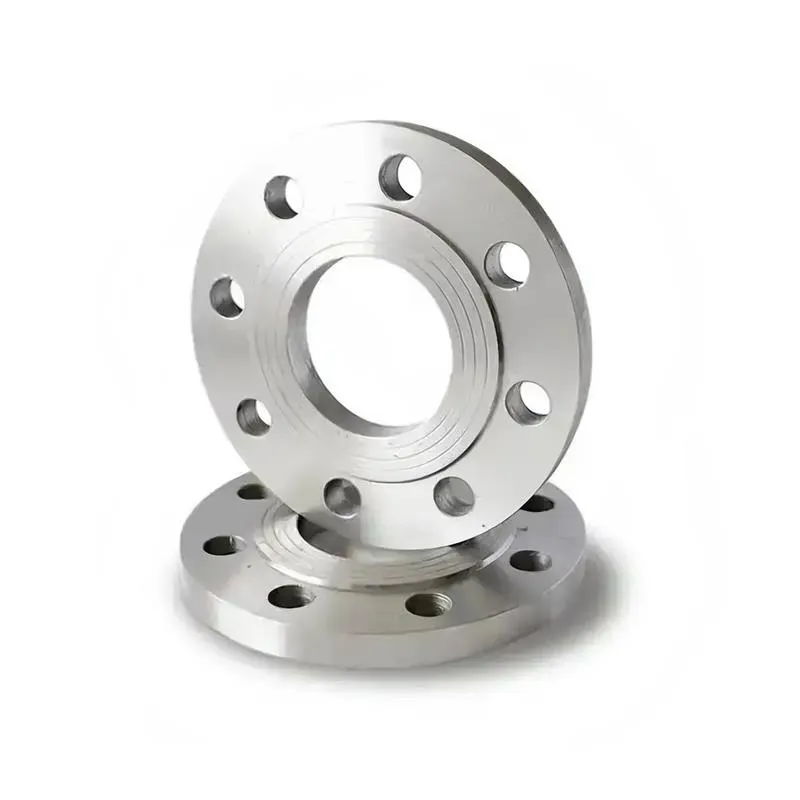
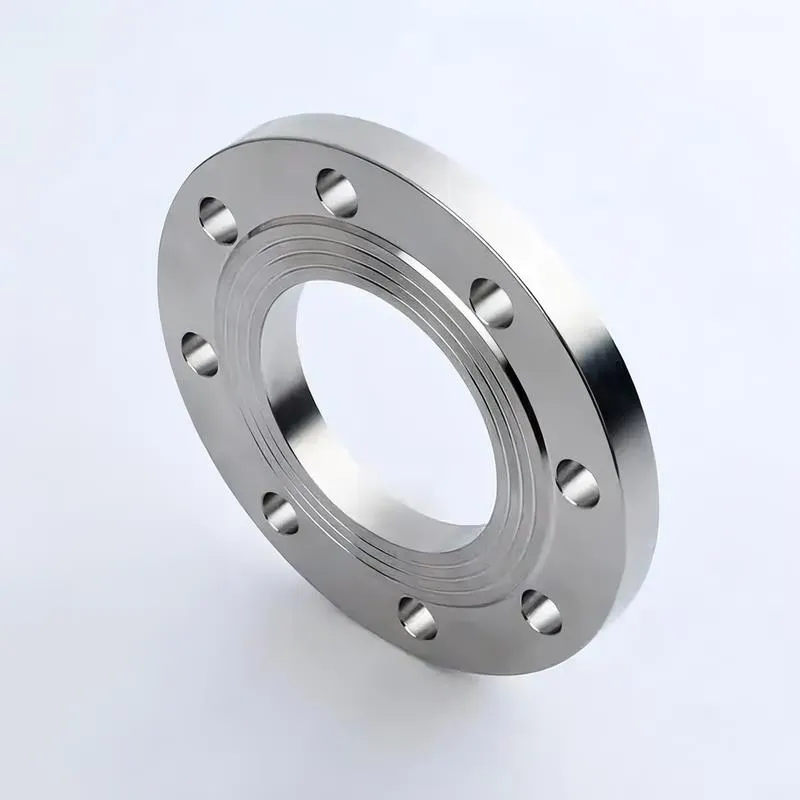
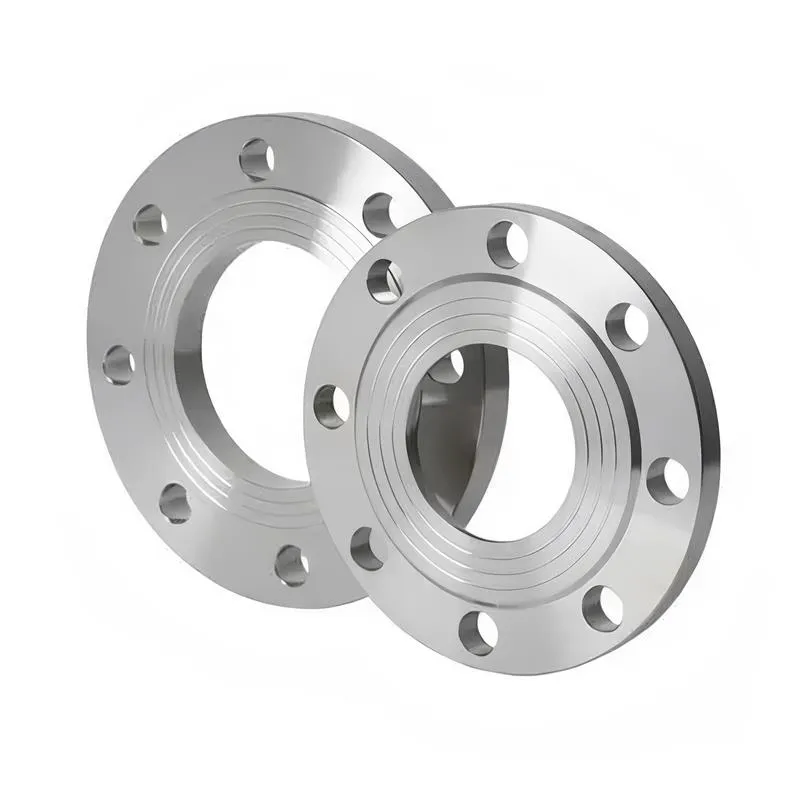
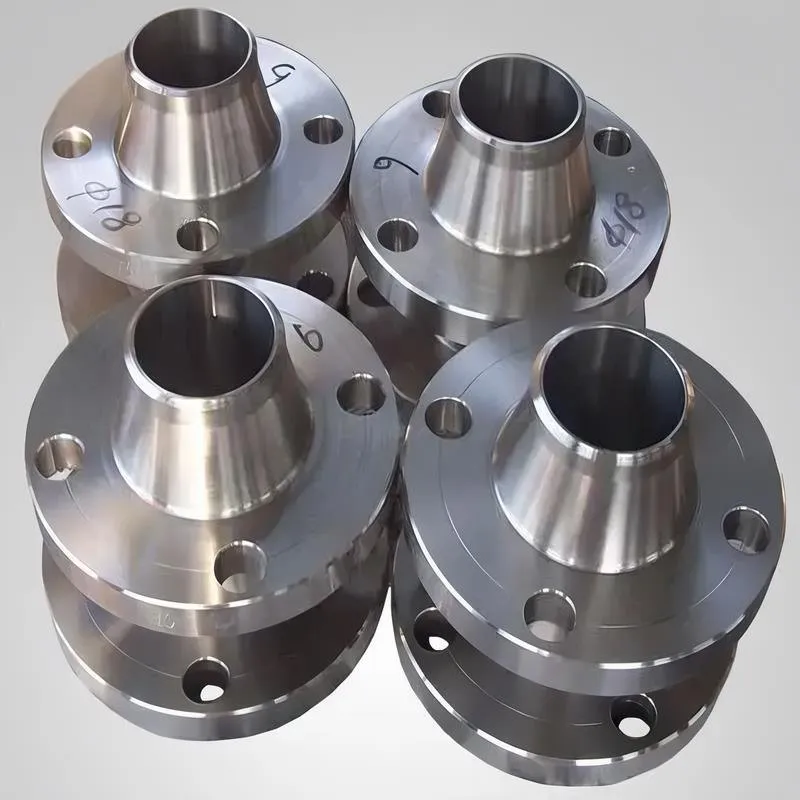
1,We Manufacturing processes are primarily classified into four types:
1:Forging,
2:Casting,
3:Cutting,
4:Rolling.
2,We can manufacture in accordance with these standards.
Standards:
GB Series (Chinese Standards), JB Series (Machinery Standards), HG Series (Chemical Industry Standards), ASME B16.5 (American Standards), BS4504 (British Standards), DIN (German Standards), and JIS (Japanese Standards).
Internationally, there are two primary systems of pipe flange standards: the European system, represented by the German DIN standards (including those of the former Soviet Union), and the American system, represented by the US ANSI pipe flange standards. Other common standards include: the Chinese Ministry of Machinery Industry standards (JB series), the Ministry of Chemical Industry standards (HG series), the Chinese National Standard *GB/T 9112–9124-2010 Steel Pipe Flanges*, as well as US standards (ASME B16.5), British standards (BS4504), German standards (DIN), Japanese standards (JIS), and marine standards (CBM), among others.
The nominal pressure ratings for the PN series are designated by "PN" and comprise the following nine levels: PN2.5, PN6, PN10, PN16, PN25, PN40, PN63, PN100, and PN160.
The nominal pressure ratings for the Class series are designated by "Class" and comprise the following six levels: Class150, Class300, Class600, Class900, Class1500, and Class2500.
Flange Classification
1. **According to Chemical Industry Standards:** Flanges are classified as follows:
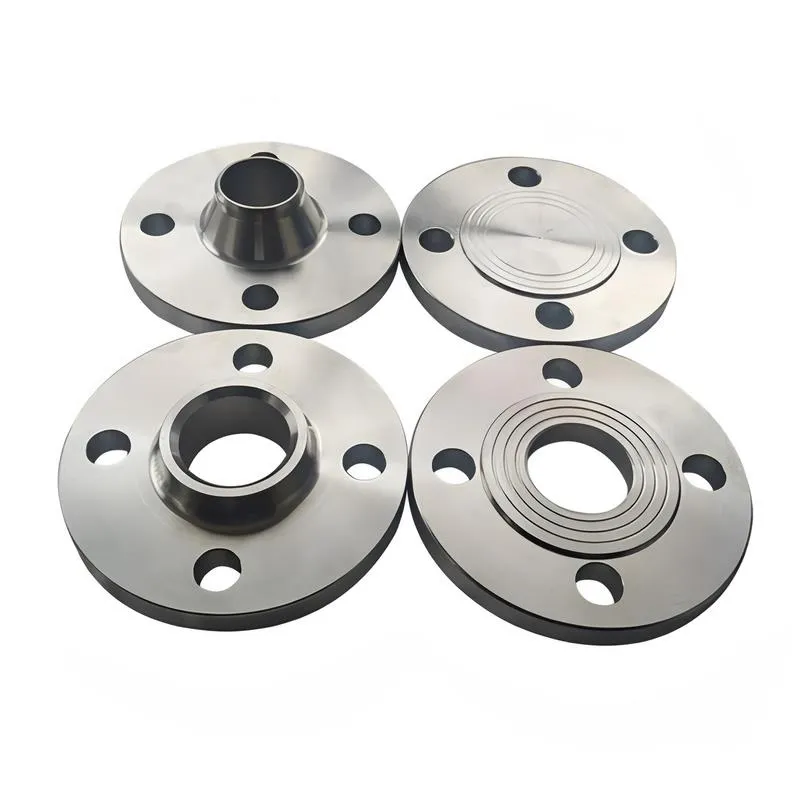
Plate Flat Welding Flange (PL), Necked Flat Welding Flange (SO), Necked Butt Welding Flange (WN), Integral Flange (IF), Socket Welding Flange (SW), Threaded Flange (Th), Butt Welding Ring Loose Flange (PJ/SE), Blind Flange (BL), Flat Welding Ring Loose Flange (PJ/PJ), and Lined Blind Flange (BL(s)).
2. **According to Petrochemical (SH) Industry Standards:** Flanges are classified as follows:
Threaded Flange (PL), Butt Welding Flange (WN), Flat Welding Flange (SO), Socket Welding Flange (SW), Loose Flange (LJ), and Blind Flange (no specific designation).
3. **According to Machinery (JB) Industry Standards:** Flanges are classified as follows:
Integral Flange, Butt Welding Flange, Plate Flat Welding Flange, Butt Welding Ring Plate Loose Flange, Flat Welding Ring Plate Loose Flange, Lap Joint Ring Plate Loose Flange, and Blind Flange.
4. **According to Connection Method/Type:** Flanges are classified as follows:
Plate Flat Welding Flange, Necked Flat Welding Flange, Necked Butt Welding Flange, Socket Welding Flange, Threaded Flange, Blind Flange, Necked Butt Welding Ring Loose Flange, Flat Welding Ring Loose Flange, Ring-Type Joint (RTJ) Flange and Blind Flange, Large-Diameter Plate Flange, Large-Diameter High-Neck Flange, Figure-8 Blind Plate, Butt Welding Ring Loose Flange, etc.
5. **According to the Component Being Connected:** Flanges can be classified into Vessel Flanges and Pipe Flanges.
6. **According to Structural Type:** Flanges include Integral Flanges, Threaded Flanges, Flat Welding Flanges, Butt Welding Flanges, Lap Joint (Loose/Swivel) Flanges, and Blind Flanges.
A flange—also referred to as a flange plate or rim—is a component used to connect shafts to one another, or, more commonly, to join the ends of pipes. Flanges are also utilized at the inlet and outlet ports of equipment to facilitate connections between two devices—for instance, the flange on a speed reducer. A "flange connection" or "flanged joint" refers to a detachable joint assembly comprising three interconnected elements—a flange, a gasket, and bolts—that together form a sealed structural unit. In the context of piping systems, a "pipe flange" specifically denotes a flange used for plumbing within the installation; when applied to equipment, it refers to the inlet or outlet flange of that specific device. Flanges feature a series of holes through which bolts are inserted to securely fasten the two flanges together, while a gasket placed between the flanges ensures a leak-proof seal. Flanges are broadly categorized into three types: threaded (screw-in) flanges, welded flanges, and clamp-type flanges. Flanges are invariably used in pairs; threaded flanges are suitable for low-pressure piping applications, whereas welded flanges are required for systems operating at pressures exceeding 4 kilograms per square centimeter. A sealing gasket is inserted between the two flange plates, which are then firmly secured using bolts. The thickness of a flange—as well as the specifications of the bolts used to fasten it—vary depending on the specific pressure rating required for the application. When connecting equipment such as water pumps or valves to piping systems, the corresponding connection points on these devices are often manufactured in the shape of a matching flange; this method of attachment is also referred to as a "flange connection." Generally, any connecting component that utilizes bolts to join and seal the perimeters of two flat surfaces—such as the joints in ventilation ducts—is termed a "flange"; such components may collectively be classified as "flange-type parts." However, since such a connection often constitutes merely a *portion* of a larger device—for instance, the interface between a flange and a water pump—it would be inappropriate to classify the entire water pump itself as a "flange-type part." Conversely, smaller components—such as valves—that feature such flanged interfaces may indeed be appropriately categorized as "flange-type parts."
-:-
For detailed product information, please contact sales.
-:
Ovako 100CrMo7 824P Steel Flange Product Information
-:-
For detailed product information, please contact sales.
-:
Ovako 100CrMo7 824P Steel Flange Synonyms
-:-
For detailed product information, please contact sales.
-:
Ovako 100CrMo7 824P Steel Product Information
-:-
For detailed product information, please contact sales.
-:
# **Ovako 100CrMo7 824P Steel**
## **Product Overview**
Ovako 100CrMo7 824P is a **precision-engineered, molybdenum-alloyed bearing steel** optimized for applications demanding **exceptional dimensional stability and predictable heat treatment response**. Based on the high-performance 100CrMo7 alloy, the **"824P"** designation signifies Ovako's **precision-grade quality**, where the "P" denotes specialized processing for **minimal distortion and superior geometric consistency** during hardening. This steel combines the inherent advantages of molybdenum-enhanced hardenability and toughness with metallurgical controls specifically aimed at reducing residual stresses and transformation anomalies, making it the ideal choice for manufacturing complex, thin-walled, or large-diameter precision components where post-heat treatment machining must be minimized.
## **Key Features & Benefits**
* **Superior Dimensional Stability & Low Distortion:** The core value proposition of the 824P grade is its engineered behavior during heat treatment. Through precise control of chemical homogeneity, grain refinement, and optimized annealing, this steel exhibits **significantly reduced and more predictable distortion** during quenching compared to standard grades. This enables tighter manufacturing tolerances, reduced grinding stock, and lower scrap rates for precision components.
* **Enhanced Hardenability with Uniform Properties:** The molybdenum addition ensures deep and uniform through-hardening, while the "P"-grade processing guarantees this hardenability is consistent throughout the material volume. This eliminates soft spots and irregular property gradients, ensuring **reliable and uniform performance (60-64 HRC)** across the entire component, even in challenging geometries.
* **Excellent Strength-Toughness Balance:** Inheriting the benefits of the 100CrMo7 chemistry, this grade offers high tensile/yield strength alongside **improved fracture toughness over standard 100Cr6**, thanks to molybdenum's role in microstructural refinement and tempering resistance.
* **Predictable Machining and Grinding Response:** The homogeneous and stable microstructure provides consistent behavior during both soft-state machining and post-hardening grinding operations, leading to better surface finish, extended tool life, and more efficient manufacturing processes.
* **Ideal for Costly-to-Machine or High-Precision Parts:** This material is particularly valuable for components that are expensive to machine or that must maintain critical geometric relationships (e.g., runout, flatness, bore alignment) after heat treatment, where unpredictable distortion would be economically or technically catastrophic.
## **International Standards & Designations**
This is a premium, application-focused variant of a standard bearing steel grade.
| Base Material Standard | Ovako Designation | Key Characteristic |
| :--- | :--- | :--- |
| **EUR (EN) 1.3536** | **100CrMo7 824P** | **"P" = Precision Grade**, indicating optimization for dimensional stability and predictable heat treatment distortion. |
| **ISO 683-17: 100CrMo7** | | While meeting the base standard, the 824P grade fulfills additional, stricter internal criteria for distortion control. |
| *Note*: There is no specific international standard for the "P" quality designation; it is Ovako's proprietary specification for enhanced performance. | | |
## **Chemical Composition (Typical - %)**
The composition adheres to strict 100CrMo7 limits with enhanced controls for homogeneity.
| Element | Content (%) | Role in Precision Performance |
| :--- | :--- | :--- |
| **Carbon (C)** | 0.93 - 1.05 | Basis for hardness. Uniform distribution is critical for consistent transformation and minimal stress. |
| **Chromium (Cr)** | 1.40 - 1.70 | Enhances hardenability and wear resistance. Homogeneity prevents localized hardenability variations. |
| **Molybdenum (Mo)** | **0.15 - 0.25** | **Key element.** Increases hardenability depth and improves toughness. Its uniform distribution is vital for isotropic behavior. |
| **Manganese (Mn)** | 0.25 - 0.45 | Provides hardenability. Content and segregation are tightly controlled. |
| **Silicon (Si)** | 0.15 - 0.35 | Deoxidizer and strengthener. |
| **Sulfur (S)** | **≤ 0.005** | Very low to minimize anisotropic behavior and inclusion-related stress risers. |
| **Phosphorus (P)** | **≤ 0.012** | Kept very low to improve toughness and reduce distortion sensitivity. |
| **Residual Elements & Segregation** | **Minimized** | **Fundamental to "P" grade.** Maximum chemical and microstructural homogeneity is enforced to ensure uniform thermal expansion and transformation kinetics. |
## **Physical & Mechanical Properties (After Hardening & Tempering)**
*Properties assume optimal "P"-grade processing and standard heat treatment (austenitize 840-860°C, oil quench, temper 160-200°C).*
* **Hardness:** **60 - 64 HRC** (with high uniformity, typical gradient < 2 HRC within a part)
* **Ultimate Tensile Strength (UTS):** **2100 - 2400 MPa**
* **Yield Strength (0.2% offset):** **1700 - 2000 MPa**
* **Dimensional Stability Parameters:**
* **Distortion:** Typically **30-50% lower** than standard 100CrMo7 grades. Roundness, flatness, and bore geometry are exceptionally well-preserved.
* **Size Change:** Highly predictable and consistent.
* **Impact Toughness:** Good, benefiting from Mo addition and clean steel.
* **Fatigue Performance:** Excellent rolling contact fatigue life, aided by homogeneous structure and minimal residual stress anomalies.
## **Typical Applications**
This material is specified for high-value precision components where geometry is critical.
* **Precision Bearing Rings for Machine Tools:** High-precision angular contact ball bearing rings, cylindrical roller bearing rings for spindles requiring sub-micron runout accuracy.
* **Complex, Thin-Walled Aerospace Bearings:** Bearings for guidance systems, actuators, and auxiliary drives where complex shapes must be maintained post-hardening.
* **Large, Thin-Section Slewing Ring Blanks:** For manufacturing rings where post-machining correction is limited or impossible.
* **High-Precision Gears and Transmission Components:** Gears where heat treatment distortion would adversely affect tooth profile, lead, or alignment.
* **Metrology and Gauge Components:** Master rings, gauge blocks, and calibration artifacts requiring long-term dimensional stability.
## **Processing Guidelines**
* **Supply Condition:** Typically supplied in a **spheroidize annealed condition** optimized for the "P" grade.
* **Heat Treatment Best Practices:** To fully leverage its low-distortion characteristics:
1. **Use controlled, uniform heating** (preheating is beneficial).
2. **Employ a protective/vacuum atmosphere** to prevent surface effects.
3. **Use uniform quenching media** (agitated oil, high-pressure gas).
4. **Implement double tempering** for stress relief.
* **Machining & Grinding:** Standard practices apply. The predictable behavior allows for optimized CNC programs and reduced trial runs.
## **Summary**
**Ovako 100CrMo7 824P Steel** is a **specialist material that transforms heat treatment from a variable into a controlled process step**. It directly addresses one of the most significant challenges in manufacturing hardened precision components: unpredictable dimensional change. By engineering a bearing steel for maximal homogeneity and stability, Ovako provides designers and manufacturers with a tool to achieve **geometric precision alongside high mechanical performance**. For applications where "form" and "function" are equally critical—such as in advanced machinery, aerospace systems, and precision instruments—the 824P grade delivers guaranteed consistency, reducing cost, risk, and enabling higher performance standards.
-:-
For detailed product information, please contact sales.
-:
Ovako 100CrMo7 824P Steel Specification
Dimensions
Size:
Diameter 20-1000 mm Length <5296 mm
Size:We can customized as required
Standard:
Per your request or drawing
We can customized as required
Properties(Theoretical)
Chemical Composition
-:-
For detailed product information, please contact sales.
-:
Ovako 100CrMo7 824P Steel Properties
-:-
For detailed product information, please contact sales.
-:
Applications of Ovako 100CrMo7 824P Steel Flange
-:-
For detailed product information, please contact sales.
-:
Chemical Identifiers Ovako 100CrMo7 824P Steel Flange
-:-
For detailed product information, please contact sales.
-:
Packing of Ovako 100CrMo7 824P Steel Flange
-:-
For detailed product information, please contact sales.
-:
Standard Packing:
-:-
For detailed product information, please contact sales.
-:
Typical bulk packaging includes palletized plastic 5 gallon/25 kg. pails, fiber and Steel Flange drums to 1 ton super sacks in full container (FCL) or truck load (T/L) quantities. Research and sample quantities and hygroscopic, oxidizing or other air sensitive materials may be packaged under argon or vacuum. Solutions are packaged in polypropylene, plastic or glass jars up to palletized 1767 gallon liquid totes Special package is available on request. E FORUs’ is carefully handled to minimize damage during storage and transportation and to preserve the quality of our products in their original condition