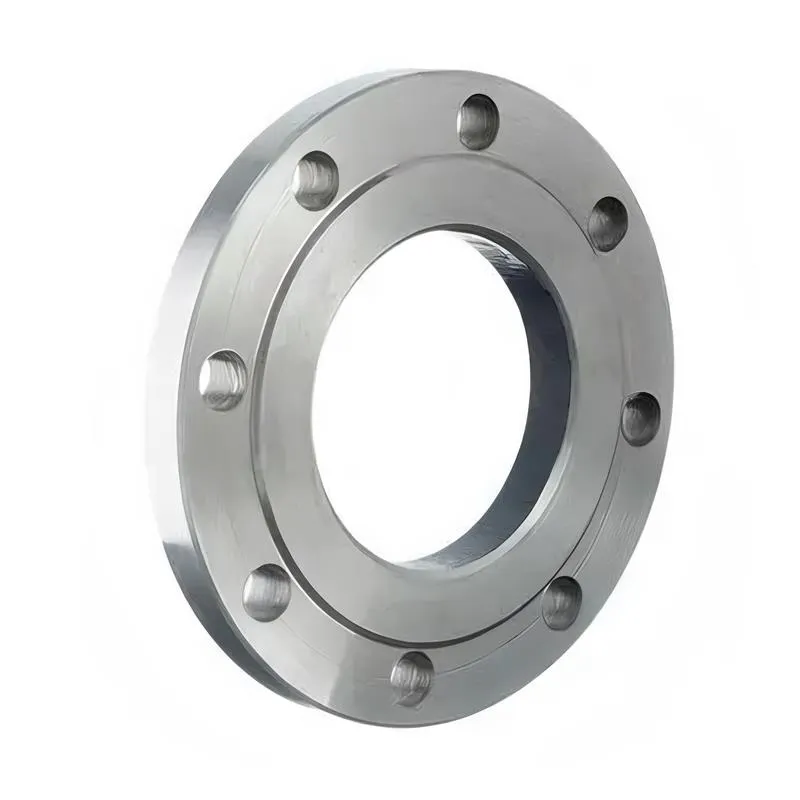
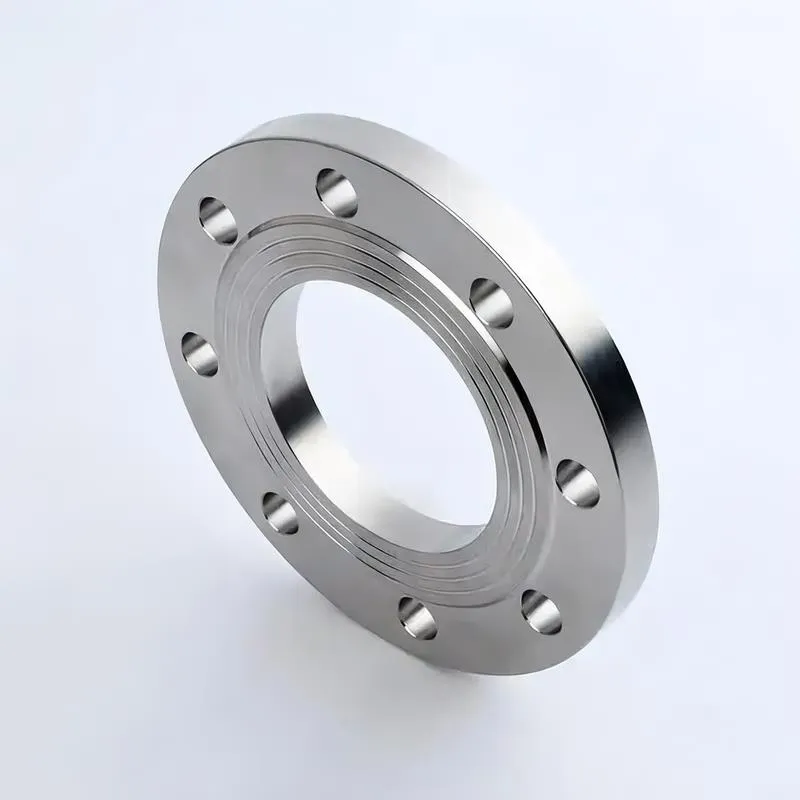
1,We Manufacturing processes are primarily classified into four types:
1:Forging,
2:Casting,
3:Cutting,
4:Rolling.
2,We can manufacture in accordance with these standards.
Standards:
GB Series (Chinese Standards), JB Series (Machinery Standards), HG Series (Chemical Industry Standards), ASME B16.5 (American Standards), BS4504 (British Standards), DIN (German Standards), and JIS (Japanese Standards).
Internationally, there are two primary systems of pipe flange standards: the European system, represented by the German DIN standards (including those of the former Soviet Union), and the American system, represented by the US ANSI pipe flange standards. Other common standards include: the Chinese Ministry of Machinery Industry standards (JB series), the Ministry of Chemical Industry standards (HG series), the Chinese National Standard *GB/T 9112–9124-2010 Steel Pipe Flanges*, as well as US standards (ASME B16.5), British standards (BS4504), German standards (DIN), Japanese standards (JIS), and marine standards (CBM), among others.
The nominal pressure ratings for the PN series are designated by "PN" and comprise the following nine levels: PN2.5, PN6, PN10, PN16, PN25, PN40, PN63, PN100, and PN160.
The nominal pressure ratings for the Class series are designated by "Class" and comprise the following six levels: Class150, Class300, Class600, Class900, Class1500, and Class2500.
Flange Classification
1. **According to Chemical Industry Standards:** Flanges are classified as follows:
Plate Flat Welding Flange (PL), Necked Flat Welding Flange (SO), Necked Butt Welding Flange (WN), Integral Flange (IF), Socket Welding Flange (SW), Threaded Flange (Th), Butt Welding Ring Loose Flange (PJ/SE), Blind Flange (BL), Flat Welding Ring Loose Flange (PJ/PJ), and Lined Blind Flange (BL(s)).
2. **According to Petrochemical (SH) Industry Standards:** Flanges are classified as follows:
Threaded Flange (PL), Butt Welding Flange (WN), Flat Welding Flange (SO), Socket Welding Flange (SW), Loose Flange (LJ), and Blind Flange (no specific designation).
3. **According to Machinery (JB) Industry Standards:** Flanges are classified as follows:
Integral Flange, Butt Welding Flange, Plate Flat Welding Flange, Butt Welding Ring Plate Loose Flange, Flat Welding Ring Plate Loose Flange, Lap Joint Ring Plate Loose Flange, and Blind Flange.
4. **According to Connection Method/Type:** Flanges are classified as follows:
Plate Flat Welding Flange, Necked Flat Welding Flange, Necked Butt Welding Flange, Socket Welding Flange, Threaded Flange, Blind Flange, Necked Butt Welding Ring Loose Flange, Flat Welding Ring Loose Flange, Ring-Type Joint (RTJ) Flange and Blind Flange, Large-Diameter Plate Flange, Large-Diameter High-Neck Flange, Figure-8 Blind Plate, Butt Welding Ring Loose Flange, etc.
5. **According to the Component Being Connected:** Flanges can be classified into Vessel Flanges and Pipe Flanges.
6. **According to Structural Type:** Flanges include Integral Flanges, Threaded Flanges, Flat Welding Flanges, Butt Welding Flanges, Lap Joint (Loose/Swivel) Flanges, and Blind Flanges.
A flange—also referred to as a flange plate or rim—is a component used to connect shafts to one another, or, more commonly, to join the ends of pipes. Flanges are also utilized at the inlet and outlet ports of equipment to facilitate connections between two devices—for instance, the flange on a speed reducer. A "flange connection" or "flanged joint" refers to a detachable joint assembly comprising three interconnected elements—a flange, a gasket, and bolts—that together form a sealed structural unit. In the context of piping systems, a "pipe flange" specifically denotes a flange used for plumbing within the installation; when applied to equipment, it refers to the inlet or outlet flange of that specific device. Flanges feature a series of holes through which bolts are inserted to securely fasten the two flanges together, while a gasket placed between the flanges ensures a leak-proof seal. Flanges are broadly categorized into three types: threaded (screw-in) flanges, welded flanges, and clamp-type flanges. Flanges are invariably used in pairs; threaded flanges are suitable for low-pressure piping applications, whereas welded flanges are required for systems operating at pressures exceeding 4 kilograms per square centimeter. A sealing gasket is inserted between the two flange plates, which are then firmly secured using bolts. The thickness of a flange—as well as the specifications of the bolts used to fasten it—vary depending on the specific pressure rating required for the application. When connecting equipment such as water pumps or valves to piping systems, the corresponding connection points on these devices are often manufactured in the shape of a matching flange; this method of attachment is also referred to as a "flange connection." Generally, any connecting component that utilizes bolts to join and seal the perimeters of two flat surfaces—such as the joints in ventilation ducts—is termed a "flange"; such components may collectively be classified as "flange-type parts." However, since such a connection often constitutes merely a *portion* of a larger device—for instance, the interface between a flange and a water pump—it would be inappropriate to classify the entire water pump itself as a "flange-type part." Conversely, smaller components—such as valves—that feature such flanged interfaces may indeed be appropriately categorized as "flange-type parts."
-:-
For detailed product information, please contact sales.
-:
AISI 5117 Steel Flange Composition Spec (UNS G51170) Product Information
-:-
For detailed product information, please contact sales.
-:
AISI 5117 Steel Flange Composition Spec (UNS G51170) Synonyms
-:-
For detailed product information, please contact sales.
-:
AISI 5117 Steel Composition Spec (UNS G51170) Product Information
-:-
For detailed product information, please contact sales.
-:
# **AISI 5117 / UNS G51170 Low Carbon Chromium Steel - Technical Specification**
## **1. Product Overview**
**AISI 5117 (UNS G51170)** is a low-carbon chromium alloy steel primarily designed for **case hardening applications** through carburizing or carbonitriding processes. Characterized by its balanced composition of approximately 0.15-0.20% carbon and 0.70-0.90% chromium, this steel offers an optimal combination of core toughness and case hardenability. The chromium content enhances the hardenability of the carburized case while maintaining good ductility in the core, making it suitable for components requiring wear-resistant surfaces with impact-resistant cores.
This steel is typically supplied in the hot-rolled, cold-drawn, or annealed condition and is intended for subsequent heat treatment by the end-user. Its consistent response to case hardening and good machinability in the as-supplied state make it a reliable choice for medium-duty automotive and industrial components.
---
## **2. Chemical Composition (SAE J404/J412)**
| Element | Composition Range (%) | Specification Limits | Metallurgical Function |
|---------|----------------------|----------------------|------------------------|
| **Carbon (C)** | 0.15 - 0.20 | SAE J404 | Provides core strength; optimal balance for case/core properties |
| **Manganese (Mn)** | 0.70 - 0.90 | SAE J404 | Enhances hardenability, improves strength, refines grain structure |
| **Phosphorus (P)** | ≤ 0.035 | SAE J404 | Residual impurity; minimized for improved toughness |
| **Sulfur (S)** | ≤ 0.040 | SAE J404 | Residual element; typically low for uniform properties |
| **Silicon (Si)** | 0.15 - 0.35 | SAE J404 | Deoxidizer; provides solid solution strengthening |
| **Chromium (Cr)** | 0.70 - 0.90 | SAE J404 | **Primary alloying element**; forms carbides in case, improves wear resistance and hardenability |
| **Iron (Fe)** | Balance | - | Base matrix |
**Material Designations:**
- **SAE/AISI:** 5117
- **UNS:** G51170
- **Common Conditions:** Annealed, Hot Rolled, Cold Drawn, Normalized
---
## **3. Physical & Mechanical Properties**
### **As-Supplied Conditions:**
**Hot-Rolled (Typical):**
- **Hardness:** 170-212 HB (Brinell)
- **Tensile Strength:** 540-690 MPa (78-100 ksi)
- **Yield Strength:** 385-515 MPa (56-75 ksi)
- **Elongation (in 2"):** 20-28%
- **Reduction of Area:** 45-55%
**Annealed (Optimal for Machining):**
- **Hardness:** 156-197 HB
- **Machinability Rating:** 55-60% (relative to 1212 steel = 100%)
**Cold Drawn (Improved Precision):**
- **Hardness:** 183-229 HB
- **Tensile Strength:** 585-760 MPa (85-110 ksi)
- **Yield Strength:** 485-655 MPa (70-95 ksi)
- **Surface Finish:** 63-125 μin Ra
- **Improved Dimensional Accuracy**
### **After Case Hardening (Typical):**
*Standard Carburizing Process:*
- **Temperature:** 900-925°C (1650-1700°F)
- **Carbon Potential:** 0.80-0.95%
- **Quench:** Oil, 815-845°C (1500-1550°F)
- **Tempering:** 150-200°C (300-400°F)
**Resultant Properties:**
- **Surface Hardness:** 58-63 HRC
- **Effective Case Depth (550 HV):** 0.5-2.0 mm (adjustable)
- **Core Hardness:** 28-40 HRC (depends on section size)
- **Core Tensile Strength:** 900-1150 MPa
- **Core Toughness (Charpy V):** 35-65 J
### **Physical Constants:**
- **Density:** 7.85 g/cm³ (0.284 lb/in³)
- **Modulus of Elasticity:** 205 GPa (29,700 ksi)
- **Poisson's Ratio:** 0.29
- **Thermal Conductivity:** 46.6 W/m·K at 100°C
- **Coefficient of Thermal Expansion:** 11.5-12.5 μm/m·°C (20-400°C)
- **Melting Range:** 1480-1520°C (2695-2765°F)
---
## **4. Product Applications**
### **Automotive Components:**
- **Transmission Parts:** Gears, synchronizer hubs, shift forks
- **Steering Components:** Steering arm balls, linkage parts
- **Engine Components:** Valve train parts, cam followers, tappets
- **Drivetrain:** Universal joint components, drive shaft yokes
- **Fasteners:** High-strength bolts, studs (after carbonitriding)
### **Industrial Machinery:**
- **Gear Components:** Small to medium-sized gears, pinions
- **Bearing Elements:** Bearing races, rollers (medium duty)
- **Hydraulic Components:** Pump gears, valve parts
- **Agricultural Equipment:** Implement gears, drive components
- **Material Handling:** Conveyor system components, rollers
### **Consumer & Specialty Products:**
- **Power Tool Components:** Gear elements, drive shafts
- **Appliance Parts:** Timer mechanisms, drive gears
- **Hardware Components:** High-wear pins, bushings
- **Recreational Equipment:** Bicycle components, exercise machine parts
### **Typical Case Depth Applications:**
- **Shallow Case (0.25-0.75 mm):** Fasteners, small pins, light-duty gears
- **Medium Case (0.75-1.5 mm):** Automotive gears, bearing components
- **Deep Case (1.5-2.0 mm):** Heavy-duty gears, high-load components
---
## **5. International Standards & Equivalent Grades**
### **Primary Specifications:**
| Standard Organization | Designation | Specification Document |
|----------------------|-------------|------------------------|
| **SAE/AISI (USA)** | **5117** | SAE J404, J412 |
| **ASTM** | - | A322 (Alloy Steel Bars) |
| **UNS** | **G51170** | Unified Numbering System |
### **Global Equivalent Grades:**
| Country/Region | Standard | Equivalent Grade | Notes |
|----------------|----------|-----------------|-------|
| **Germany** | DIN 17210 | **17Cr3** | Close equivalent |
| **Europe (EN)** | EN 10084 | **17Cr4** | Designation 1.7017 |
| **Japan** | JIS G4105 | **SCr417** | Similar composition |
| **China** | GB/T 5216 | **17Cr** | Chinese standard |
| **International** | ISO 683-11 | **17Cr4** | Type 1.7017 |
| **France** | NF A35-552 | **17C3** | French equivalent |
### **Related Processing Standards:**
- **ASTM A534:** Carburizing Steels
- **AMS 2300:** Steel Cleanliness (Aircraft Quality)
- **ISO 2639:** Determination of Effective Case Depth
- **SAE J423:** Methods of Measuring Case Depth
---
## **6. Manufacturing & Processing Characteristics**
### **Machinability:**
- **As-Annealed Condition:** Good machinability
- **Cutting Speed:** 60-75 SFPM for turning operations
- **Tool Material:** HSS or carbide recommended
- **Chip Formation:** Continuous chips; chip breakers beneficial
- **Surface Finish:** Good with proper tool geometry and coolant
### **Forming & Fabrication:**
- **Cold Forming:** Fair capability in annealed condition
- **Hot Forming:** Excellent at 1100-900°C (2010-1650°F)
- **Welding:** Fair weldability with precautions
- Pre-heat: 150-200°C recommended
- Process: GTAW or GMAW with low-hydrogen electrodes
- Post-weld: Stress relief or full heat treatment required if carburized
### **Optimal Heat Treatment Sequence:**
1. **Initial Condition:** Annealed or normalized for machining
2. **Rough Machining:** Leave 0.2-0.5 mm stock for distortion
3. **Carburizing:** 900-925°C with controlled atmosphere
4. **Quenching:** Oil quench from 820-840°C
5. **Tempering:** 180°C for 2 hours minimum
6. **Finish Machining:** Grinding, honing as required
7. **Final Surface Treatment:** Shot peening, coating if needed
### **Distortion Control:**
- Normalize or stress relieve before machining
- Use fixtures during quenching
- Consider carbonitriding for lower temperature process
- Design symmetrical parts where possible
---
## **7. Quality Control & Inspection**
### **Standard Testing Methods:**
1. **Chemical Analysis:**
- Spectrochemical analysis per ASTM A751
- Wet chemical methods for certification
2. **Mechanical Testing:**
- Tensile testing per ASTM A370
- Hardness testing (Brinell, Rockwell) per ASTM E10/E18
3. **Case Hardening Evaluation:**
- Microhardness traverse per ISO 2639
- Effective case depth at 550 HV (50 HRC)
- Microstructure examination per ASTM E112 (grain size)
4. **Non-Destructive Testing:**
- Magnetic particle inspection per ASTM E1444
- Ultrasonic testing for internal defects if specified
### **Typical Quality Requirements:**
- **Grain Size:** ASTM 5-8 (fine grain preferred)
- **Decarburization:** ≤ 0.25 mm total per side (as-supplied)
- **Surface Quality:** Free from seams, laps, and excessive scale
- **Cleanliness:** Controlled inclusion content per specified grade
---
## **8. Design Considerations**
### **Optimal Application Parameters:**
- **Section Size:** 10-75 mm diameter optimal for case hardening
- **Case/Depth Ratio:** Case depth typically 10-20% of radius
- **Loading Conditions:** Suitable for medium to high contact stresses
- **Service Temperature:** Up to 200°C (400°F) continuous
### **Advantages of 5117:**
✅ **Consistent response** to case hardening processes
✅ **Good balance** of core toughness and case hardness
✅ **Cost-effective** compared to nickel-alloyed grades
✅ **Good machinability** in annealed condition
✅ **Widely available** in various forms and sizes
✅ **Predictable distortion** characteristics
### **Limitations:**
⚠️ **Not suitable** for extremely heavy impact loading
⚠️ **Limited depth** of hardening compared to higher-alloy steels
⚠️ **Weldability** requires special procedures
⚠️ **Corrosion resistance** limited without coatings
⚠️ **Not recommended** for through-hardening applications
### **Comparison with Similar Grades:**
| Property | 5117 | 5120 | 8620 | 1020 |
|----------|------|------|------|------|
| **Carbon Range** | 0.15-0.20 | 0.17-0.22 | 0.18-0.23 | 0.18-0.23 |
| **Chromium Content** | 0.70-0.90 | 0.70-0.90 | 0.40-0.60 | - |
| **Case Hardenability** | Good | Very Good | Excellent | Poor |
| **Core Toughness** | Good | Good | Excellent | Excellent |
| **Relative Cost** | 1.0 | 1.05 | 1.2 | 0.7 |
---
## **9. Technical Performance Data**
### **Fatigue Properties (Case Hardened):**
- **Rotating Bending Fatigue Limit:** 400-550 MPa
- **Contact Fatigue Resistance:** Good to very good
- **Fatigue Life Improvement:** 30-50% over through-hardened at same hardness
### **Wear Characteristics:**
- **Abrasive Wear Resistance:** Excellent (58-63 HRC surface)
- **Adhesive Wear:** Good with proper lubrication
- **Galling Resistance:** Fair to good
- **Break-in Characteristics:** Good with proper surface finish
### **Dimensional Stability:**
- **Growth during Carburizing:** 0.05-0.15% typical
- **Distortion during Quench:** Controllable with proper fixturing
- **Stability after Tempering:** Good for most applications
---
## **10. Environmental & Safety Considerations**
### **Material Safety:**
- **MSDS Classification:** Not hazardous in solid form
- **Dust/Fumes:** Machining requires standard ventilation
- **Heat Treatment:** Standard furnace safety procedures apply
### **Environmental Impact:**
- **Recyclability:** 100% recyclable as ferrous scrap
- **RoHS/REACH Compliant:** Contains no restricted substances
- **Processing:** Standard steel manufacturing environmental controls
### **Sustainability Factors:**
- Long service life reduces replacement frequency
- Energy efficient compared to some high-alloy alternatives
- Compatible with modern, efficient heat treatment processes
---
## **11. Storage & Handling Guidelines**
### **Material Storage:**
- **Indoor Storage:** Recommended to prevent rust
- **Protection:** Oil coating or VCI paper for long-term storage
- **Identification:** Maintain heat/lot traceability
- **Handling:** Standard steel handling procedures
### **Rust Prevention:**
- **Temporary:** Oil film, rust preventatives
- **Permanent:** Phosphate coating, plating, painting
- **Cleaning:** Degrease before heat treatment
---
**Technical Note:** AISI 5117 represents an optimal balance for many case hardening applications where the higher carbon of 5120 is not required but better hardenability than 5115 is desired. Its consistent performance and predictable behavior make it a reliable choice for quality-conscious manufacturers.
**Revision:** 1.0
**Date:** October 2023
**Disclaimer:** This technical information is for reference purposes. Actual properties may vary based on manufacturer, processing history, and specific heat treatment parameters. Always consult with material suppliers and conduct application-specific testing for critical components. Case hardening results are highly dependent on process control and equipment capabilities.
-:-
For detailed product information, please contact sales.
-:
AISI 5117 Steel Composition Spec (UNS G51170) Specification
Dimensions
Size:
Diameter 20-1000 mm Length <4108 mm
Size:We can customized as required
Standard:
Per your request or drawing
We can customized as required
Properties(Theoretical)
Chemical Composition
-:-
For detailed product information, please contact sales.
-:
AISI 5117 Steel Composition Spec (UNS G51170) Properties
-:-
For detailed product information, please contact sales.
-:
Applications of AISI 5117 Steel Flange Composition Spec (UNS G51170)
-:-
For detailed product information, please contact sales.
-:
Chemical Identifiers AISI 5117 Steel Flange Composition Spec (UNS G51170)
-:-
For detailed product information, please contact sales.
-:
Packing of AISI 5117 Steel Flange Composition Spec (UNS G51170)
-:-
For detailed product information, please contact sales.
-:
Standard Packing:
-:-
For detailed product information, please contact sales.
-:
Typical bulk packaging includes palletized plastic 5 gallon/25 kg. pails, fiber and Steel Flange drums to 1 ton super sacks in full container (FCL) or truck load (T/L) quantities. Research and sample quantities and hygroscopic, oxidizing or other air sensitive materials may be packaged under argon or vacuum. Solutions are packaged in polypropylene, plastic or glass jars up to palletized 579 gallon liquid totes Special package is available on request. E FORUs’ is carefully handled to minimize damage during storage and transportation and to preserve the quality of our products in their original condition