1,We Manufacturing processes are primarily classified into four types:
1:Forging,
2:Casting,
3:Cutting,
4:Rolling.
2,We can manufacture in accordance with these standards.
Standards:
GB Series (Chinese Standards), JB Series (Machinery Standards), HG Series (Chemical Industry Standards), ASME B16.5 (American Standards), BS4504 (British Standards), DIN (German Standards), and JIS (Japanese Standards).
Internationally, there are two primary systems of pipe flange standards: the European system, represented by the German DIN standards (including those of the former Soviet Union), and the American system, represented by the US ANSI pipe flange standards. Other common standards include: the Chinese Ministry of Machinery Industry standards (JB series), the Ministry of Chemical Industry standards (HG series), the Chinese National Standard *GB/T 9112–9124-2010 Steel Pipe Flanges*, as well as US standards (ASME B16.5), British standards (BS4504), German standards (DIN), Japanese standards (JIS), and marine standards (CBM), among others.
The nominal pressure ratings for the PN series are designated by "PN" and comprise the following nine levels: PN2.5, PN6, PN10, PN16, PN25, PN40, PN63, PN100, and PN160.
The nominal pressure ratings for the Class series are designated by "Class" and comprise the following six levels: Class150, Class300, Class600, Class900, Class1500, and Class2500.
Flange Classification
1. **According to Chemical Industry Standards:** Flanges are classified as follows:
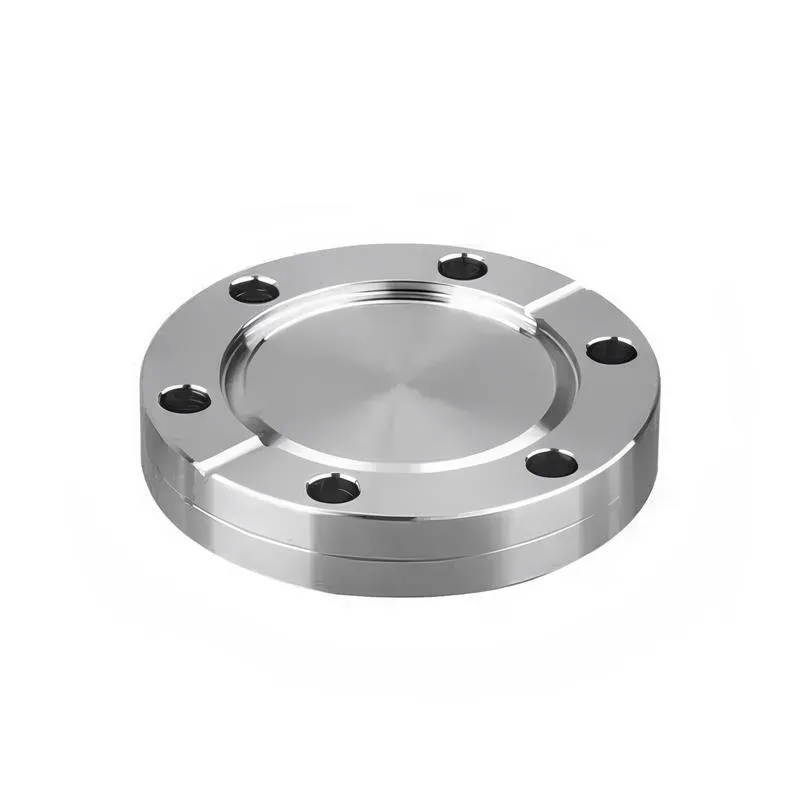
Plate Flat Welding Flange (PL), Necked Flat Welding Flange (SO), Necked Butt Welding Flange (WN), Integral Flange (IF), Socket Welding Flange (SW), Threaded Flange (Th), Butt Welding Ring Loose Flange (PJ/SE), Blind Flange (BL), Flat Welding Ring Loose Flange (PJ/PJ), and Lined Blind Flange (BL(s)).
2. **According to Petrochemical (SH) Industry Standards:** Flanges are classified as follows:
Threaded Flange (PL), Butt Welding Flange (WN), Flat Welding Flange (SO), Socket Welding Flange (SW), Loose Flange (LJ), and Blind Flange (no specific designation).
3. **According to Machinery (JB) Industry Standards:** Flanges are classified as follows:
Integral Flange, Butt Welding Flange, Plate Flat Welding Flange, Butt Welding Ring Plate Loose Flange, Flat Welding Ring Plate Loose Flange, Lap Joint Ring Plate Loose Flange, and Blind Flange.
4. **According to Connection Method/Type:** Flanges are classified as follows:
Plate Flat Welding Flange, Necked Flat Welding Flange, Necked Butt Welding Flange, Socket Welding Flange, Threaded Flange, Blind Flange, Necked Butt Welding Ring Loose Flange, Flat Welding Ring Loose Flange, Ring-Type Joint (RTJ) Flange and Blind Flange, Large-Diameter Plate Flange, Large-Diameter High-Neck Flange, Figure-8 Blind Plate, Butt Welding Ring Loose Flange, etc.
5. **According to the Component Being Connected:** Flanges can be classified into Vessel Flanges and Pipe Flanges.
6. **According to Structural Type:** Flanges include Integral Flanges, Threaded Flanges, Flat Welding Flanges, Butt Welding Flanges, Lap Joint (Loose/Swivel) Flanges, and Blind Flanges.
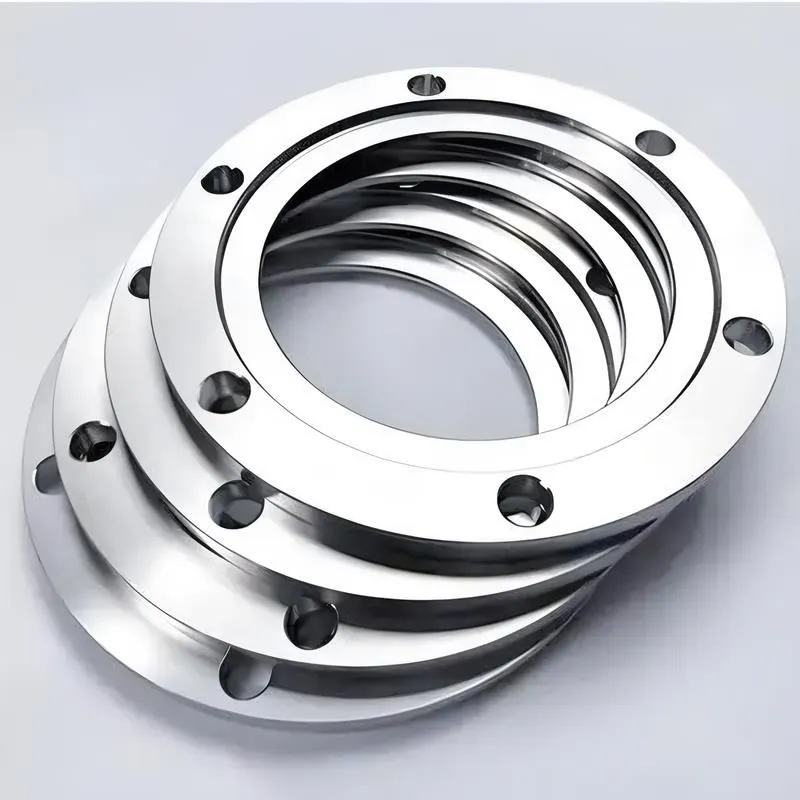
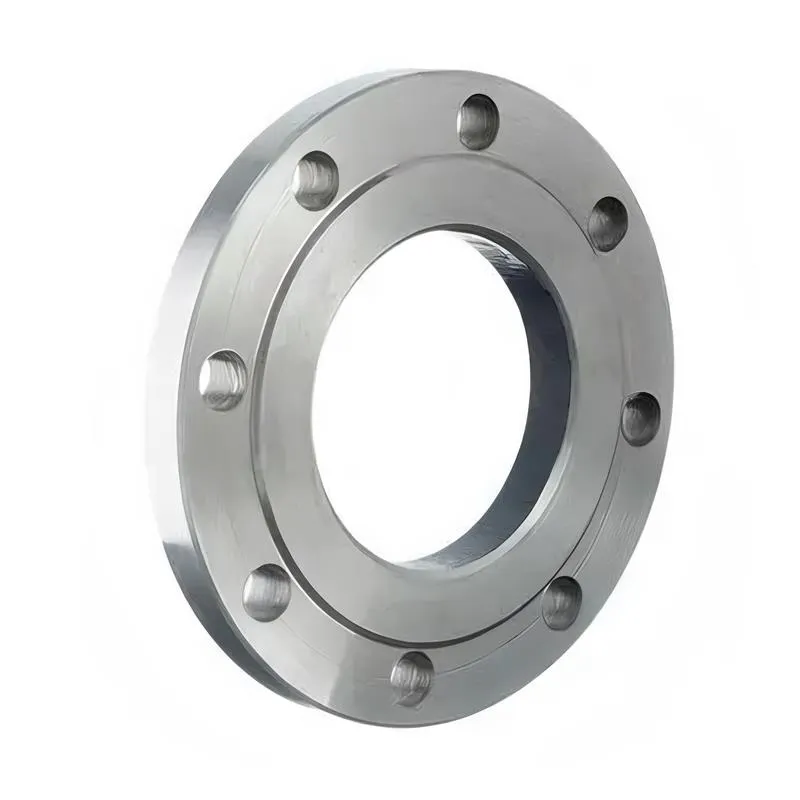
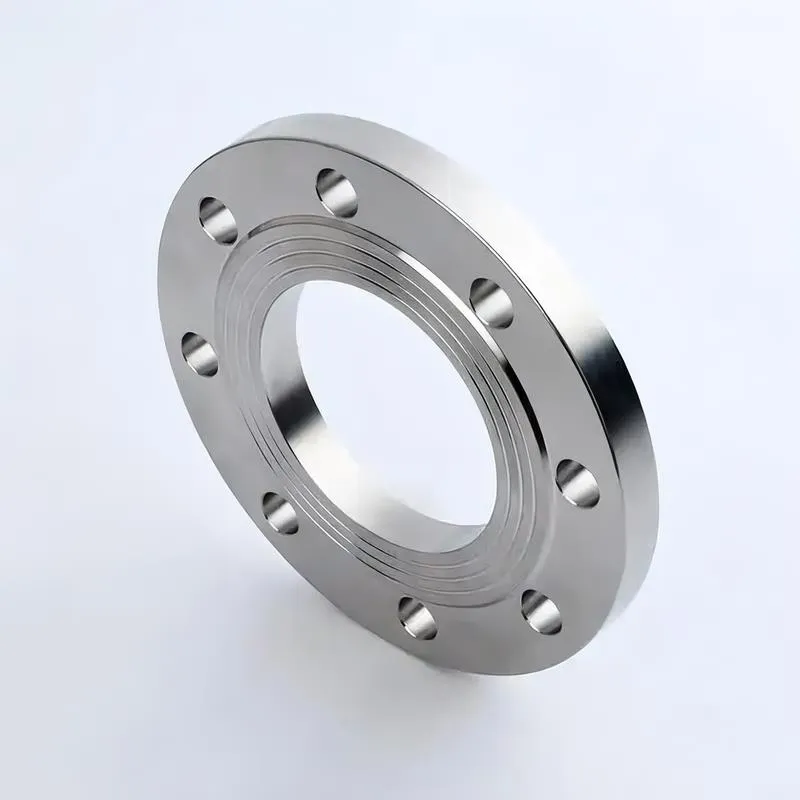
A flange—also referred to as a flange plate or rim—is a component used to connect shafts to one another, or, more commonly, to join the ends of pipes. Flanges are also utilized at the inlet and outlet ports of equipment to facilitate connections between two devices—for instance, the flange on a speed reducer. A "flange connection" or "flanged joint" refers to a detachable joint assembly comprising three interconnected elements—a flange, a gasket, and bolts—that together form a sealed structural unit. In the context of piping systems, a "pipe flange" specifically denotes a flange used for plumbing within the installation; when applied to equipment, it refers to the inlet or outlet flange of that specific device. Flanges feature a series of holes through which bolts are inserted to securely fasten the two flanges together, while a gasket placed between the flanges ensures a leak-proof seal. Flanges are broadly categorized into three types: threaded (screw-in) flanges, welded flanges, and clamp-type flanges. Flanges are invariably used in pairs; threaded flanges are suitable for low-pressure piping applications, whereas welded flanges are required for systems operating at pressures exceeding 4 kilograms per square centimeter. A sealing gasket is inserted between the two flange plates, which are then firmly secured using bolts. The thickness of a flange—as well as the specifications of the bolts used to fasten it—vary depending on the specific pressure rating required for the application. When connecting equipment such as water pumps or valves to piping systems, the corresponding connection points on these devices are often manufactured in the shape of a matching flange; this method of attachment is also referred to as a "flange connection." Generally, any connecting component that utilizes bolts to join and seal the perimeters of two flat surfaces—such as the joints in ventilation ducts—is termed a "flange"; such components may collectively be classified as "flange-type parts." However, since such a connection often constitutes merely a *portion* of a larger device—for instance, the interface between a flange and a water pump—it would be inappropriate to classify the entire water pump itself as a "flange-type part." Conversely, smaller components—such as valves—that feature such flanged interfaces may indeed be appropriately categorized as "flange-type parts."
-:-
For detailed product information, please contact sales.
-:
ASTM A387 Alloy Steel Flange, Grade 12, Class 2 Product Information
-:-
For detailed product information, please contact sales.
-:
ASTM A387 Alloy Steel Flange, Grade 12, Class 2 Synonyms
-:-
For detailed product information, please contact sales.
-:
ASTM A387 Alloy Steel, Grade 12, Class 2 Product Information
-:-
For detailed product information, please contact sales.
-:
### **Product Introduction: ASTM A387 Grade 12 Class 2 Steel**
**ASTM A387 Grade 12 Class 2** is a chromium-molybdenum alloy steel plate supplied in the normalized and tempered condition, offering enhanced mechanical properties for pressure vessel applications requiring higher strength at elevated temperatures. This class provides improved strength characteristics compared to Class 1 while maintaining good elevated temperature performance.
---
#### **1. International Standards & Classification**
**Primary Standard:** **ASTM A387/A387M** - "Standard Specification for Pressure Vessel Plates, Alloy Steel, Chromium-Molybdenum"
**Grade Classification:**
- **Grade 12** - 1.0% Chromium - 0.5% Molybdenum alloy steel
- **Class 2** - Normalized and tempered condition
**International Equivalents:**
- **EN 10028-2**: 15CrMo5
- **JIS G4109**: SCMV 2
- **GB/T 3077**: 12CrMo
- **ISO 9328-2**: 15CrMo5
---
#### **2. Chemical Composition**
The chemical composition requirements for ASTM A387 Grade 12 Class 2:
| Element | Composition (Maximum %) |
|---|---|
| Carbon (C) | 0.05-0.17 |
| Manganese (Mn) | 0.40-0.65 |
| Phosphorus (P) | 0.035 |
| Sulfur (S) | 0.035 |
| Silicon (Si) | 0.50-0.80 |
| Chromium (Cr) | 0.80-1.15 |
| Molybdenum (Mo) | 0.45-0.60 |
**Key Composition Features:**
- **Chromium Content**: 0.80-1.15% for oxidation and corrosion resistance
- **Molybdenum Enhancement**: 0.45-0.60% for creep strength and temper resistance
- **Optimized Carbon**: 0.05-0.17% balanced for normalized and tempered condition
- **Silicon Control**: 0.50-0.80% for deoxidation and strength enhancement
---
#### **3. Physical & Mechanical Properties**
**Mechanical Properties (Class 2 condition):**
| Property | Value |
|---|---|
| **Tensile Strength** | 515-690 MPa (75-100 ksi) |
| **Yield Strength (min.)** | 310 MPa (45 ksi) |
| **Elongation in 2" (min.)** | 20% |
| **Elongation in 8" (min.)** | 22% |
**Elevated Temperature Properties:**
- **Maximum Service Temperature**: Up to 565°C (1050°F)
- **Creep Strength**: Enhanced compared to Class 1
- **Oxidation Resistance**: 2-3 times better than carbon steel
- **Temper Stability**: Good property retention at operating temperatures
**Physical Properties:**
- **Density**: 7.86 g/cm³ (0.284 lb/in³)
- **Modulus of Elasticity**: 200 GPa (29,000 ksi)
- **Thermal Conductivity**: 47.5 W/m·K
- **Coefficient of Thermal Expansion**: 11.8 × 10⁻⁶/°C
- **Specific Heat Capacity**: 470 J/kg·K
---
#### **4. Product Applications**
**High-Temperature Pressure Vessels:**
- Power boiler drums and headers
- High-pressure reactors
- Petrochemical processing equipment
- High-temperature heat exchangers
**Power Generation Equipment:**
- Steam generation components
- High-pressure piping systems
- Turbine casings and components
- Power plant pressure vessels
**Petrochemical Industry:**
- Hydrotreating reactors
- Catalytic cracking units
- High-temperature separators
- Refinery pressure equipment
**Industrial Applications:**
- High-temperature processing vessels
- Thermal reactor systems
- Industrial furnace components
- High-pressure manufacturing equipment
---
#### **5. Fabrication Characteristics**
**Welding Performance:**
- **Good Weldability**: Requires strict procedure control
- **Preheat Requirements**: 175-225°C (350-450°F) minimum
- **Post-Weld Heat Treatment**: Mandatory at 675-705°C (1250-1300°F)
- **Recommended Processes**: GMAW, FCAW, SAW (low-hydrogen)
- **Filler Metals**: E8018-B2, ER80S-B2 or equivalent
**Forming & Machining:**
- **Moderate Formability**: Hot forming recommended for complex shapes
- **Machinability**: Fair (approximately 55% of B1112 steel)
- **Cutting Methods**: Plasma, waterjet, and laser cutting preferred
- **Tooling Requirements**: Carbide tools recommended
**Heat Treatment:**
- Supplied in normalized and tempered condition
- Normalizing temperature: 900-925°C (1650-1700°F)
- Tempering temperature: 650-705°C (1200-1300°F)
- Microstructure: Fine-grained bainitic structure
**Quality Assurance:**
- **Comprehensive Testing**: Tensile, chemical, and impact tests
- **Hardness Verification**: Required throughout heat treatment
- **Impact Testing**: Typically specified for pressure vessel applications
- **Non-Destructive Testing**: UT, RT, MT as required by specification
---
### **Technical Summary**
ASTM A387 Grade 12 Class 2 represents an enhanced chromium-molybdenum alloy steel offering higher strength levels while maintaining excellent elevated temperature performance. The normalized and tempered condition provides a refined microstructure that ensures optimal combination of strength, ductility, and toughness for demanding pressure vessel applications.
With a minimum yield strength of 45 ksi (310 MPa), Class 2 offers approximately 30% higher strength than Class 1, enabling more efficient vessel designs with potential weight savings in high-pressure applications. The chromium-molybdenum alloy system provides reliable performance at temperatures up to 565°C (1050°F), with superior creep strength and oxidation resistance compared to carbon steels.
While requiring more stringent fabrication controls, particularly in welding and heat treatment operations, Grade 12 Class 2 delivers superior performance in critical high-temperature pressure vessel applications. The material's proven service history in power generation and petrochemical industries has established it as a preferred choice for engineers designing equipment where both enhanced mechanical strength and elevated temperature capability are essential requirements.
The improved properties of Class 2 make it particularly valuable for applications involving higher design pressures or where component size and weight reduction are important considerations, while maintaining the corrosion resistance and high-temperature stability characteristic of chromium-molybdenum alloys.
-:-
For detailed product information, please contact sales.
-:
ASTM A387 Alloy Steel, Grade 12, Class 2 Specification
Dimensions
Size:
Diameter 20-1000 mm Length <4365 mm
Size:We can customized as required
Standard:
Per your request or drawing
We can customized as required
Properties(Theoretical)
Chemical Composition
-:-
For detailed product information, please contact sales.
-:
ASTM A387 Alloy Steel, Grade 12, Class 2 Properties
-:-
For detailed product information, please contact sales.
-:
Applications of ASTM A387 Alloy Steel Flange, Grade 12, Class 2
-:-
For detailed product information, please contact sales.
-:
Chemical Identifiers ASTM A387 Alloy Steel Flange, Grade 12, Class 2
-:-
For detailed product information, please contact sales.
-:
Packing of ASTM A387 Alloy Steel Flange, Grade 12, Class 2
-:-
For detailed product information, please contact sales.
-:
Standard Packing:
-:-
For detailed product information, please contact sales.
-:
Typical bulk packaging includes palletized plastic 5 gallon/25 kg. pails, fiber and Steel Flange drums to 1 ton super sacks in full container (FCL) or truck load (T/L) quantities. Research and sample quantities and hygroscopic, oxidizing or other air sensitive materials may be packaged under argon or vacuum. Solutions are packaged in polypropylene, plastic or glass jars up to palletized 836 gallon liquid totes Special package is available on request. E FORUs’ is carefully handled to minimize damage during storage and transportation and to preserve the quality of our products in their original condition