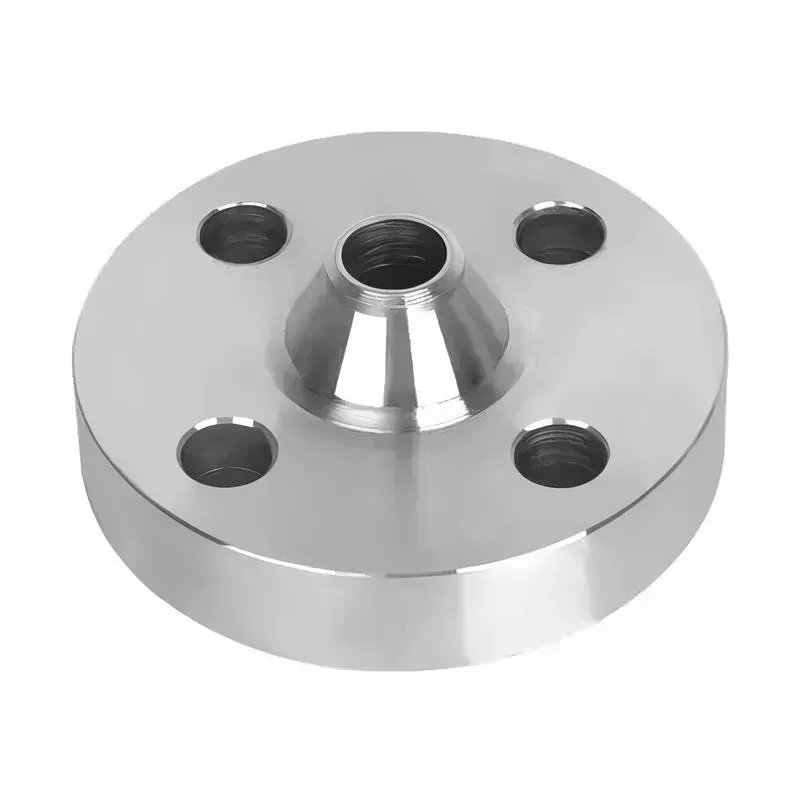
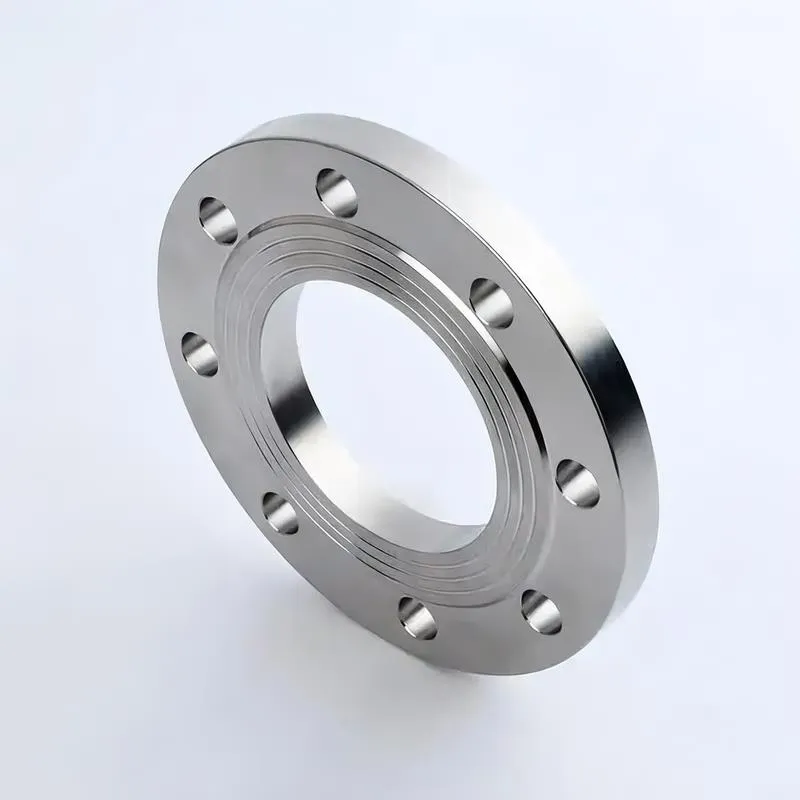
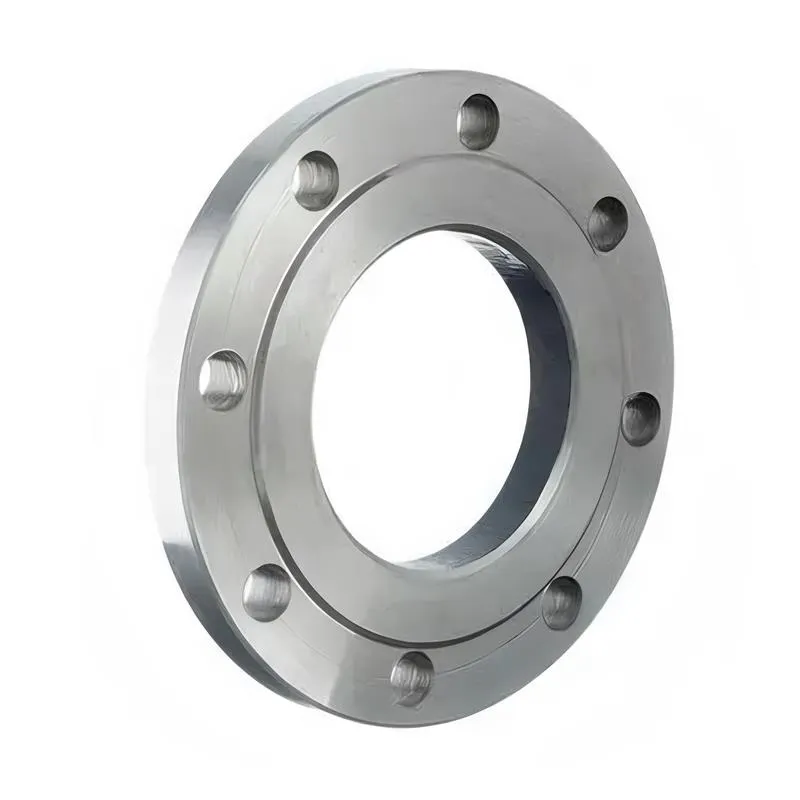
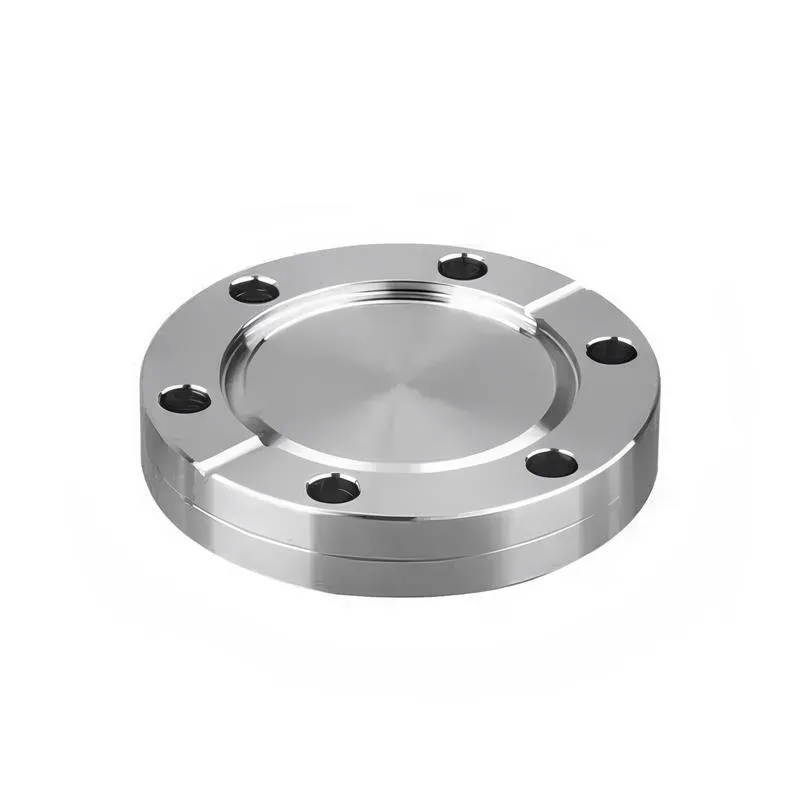
1,We Manufacturing processes are primarily classified into four types:
1:Forging,
2:Casting,
3:Cutting,
4:Rolling.
2,We can manufacture in accordance with these standards.
Standards:
GB Series (Chinese Standards), JB Series (Machinery Standards), HG Series (Chemical Industry Standards), ASME B16.5 (American Standards), BS4504 (British Standards), DIN (German Standards), and JIS (Japanese Standards).
Internationally, there are two primary systems of pipe flange standards: the European system, represented by the German DIN standards (including those of the former Soviet Union), and the American system, represented by the US ANSI pipe flange standards. Other common standards include: the Chinese Ministry of Machinery Industry standards (JB series), the Ministry of Chemical Industry standards (HG series), the Chinese National Standard *GB/T 9112–9124-2010 Steel Pipe Flanges*, as well as US standards (ASME B16.5), British standards (BS4504), German standards (DIN), Japanese standards (JIS), and marine standards (CBM), among others.
The nominal pressure ratings for the PN series are designated by "PN" and comprise the following nine levels: PN2.5, PN6, PN10, PN16, PN25, PN40, PN63, PN100, and PN160.
The nominal pressure ratings for the Class series are designated by "Class" and comprise the following six levels: Class150, Class300, Class600, Class900, Class1500, and Class2500.
Flange Classification
1. **According to Chemical Industry Standards:** Flanges are classified as follows:
Plate Flat Welding Flange (PL), Necked Flat Welding Flange (SO), Necked Butt Welding Flange (WN), Integral Flange (IF), Socket Welding Flange (SW), Threaded Flange (Th), Butt Welding Ring Loose Flange (PJ/SE), Blind Flange (BL), Flat Welding Ring Loose Flange (PJ/PJ), and Lined Blind Flange (BL(s)).
2. **According to Petrochemical (SH) Industry Standards:** Flanges are classified as follows:
Threaded Flange (PL), Butt Welding Flange (WN), Flat Welding Flange (SO), Socket Welding Flange (SW), Loose Flange (LJ), and Blind Flange (no specific designation).
3. **According to Machinery (JB) Industry Standards:** Flanges are classified as follows:
Integral Flange, Butt Welding Flange, Plate Flat Welding Flange, Butt Welding Ring Plate Loose Flange, Flat Welding Ring Plate Loose Flange, Lap Joint Ring Plate Loose Flange, and Blind Flange.
4. **According to Connection Method/Type:** Flanges are classified as follows:
Plate Flat Welding Flange, Necked Flat Welding Flange, Necked Butt Welding Flange, Socket Welding Flange, Threaded Flange, Blind Flange, Necked Butt Welding Ring Loose Flange, Flat Welding Ring Loose Flange, Ring-Type Joint (RTJ) Flange and Blind Flange, Large-Diameter Plate Flange, Large-Diameter High-Neck Flange, Figure-8 Blind Plate, Butt Welding Ring Loose Flange, etc.
5. **According to the Component Being Connected:** Flanges can be classified into Vessel Flanges and Pipe Flanges.
6. **According to Structural Type:** Flanges include Integral Flanges, Threaded Flanges, Flat Welding Flanges, Butt Welding Flanges, Lap Joint (Loose/Swivel) Flanges, and Blind Flanges.
A flange—also referred to as a flange plate or rim—is a component used to connect shafts to one another, or, more commonly, to join the ends of pipes. Flanges are also utilized at the inlet and outlet ports of equipment to facilitate connections between two devices—for instance, the flange on a speed reducer. A "flange connection" or "flanged joint" refers to a detachable joint assembly comprising three interconnected elements—a flange, a gasket, and bolts—that together form a sealed structural unit. In the context of piping systems, a "pipe flange" specifically denotes a flange used for plumbing within the installation; when applied to equipment, it refers to the inlet or outlet flange of that specific device. Flanges feature a series of holes through which bolts are inserted to securely fasten the two flanges together, while a gasket placed between the flanges ensures a leak-proof seal. Flanges are broadly categorized into three types: threaded (screw-in) flanges, welded flanges, and clamp-type flanges. Flanges are invariably used in pairs; threaded flanges are suitable for low-pressure piping applications, whereas welded flanges are required for systems operating at pressures exceeding 4 kilograms per square centimeter. A sealing gasket is inserted between the two flange plates, which are then firmly secured using bolts. The thickness of a flange—as well as the specifications of the bolts used to fasten it—vary depending on the specific pressure rating required for the application. When connecting equipment such as water pumps or valves to piping systems, the corresponding connection points on these devices are often manufactured in the shape of a matching flange; this method of attachment is also referred to as a "flange connection." Generally, any connecting component that utilizes bolts to join and seal the perimeters of two flat surfaces—such as the joints in ventilation ducts—is termed a "flange"; such components may collectively be classified as "flange-type parts." However, since such a connection often constitutes merely a *portion* of a larger device—for instance, the interface between a flange and a water pump—it would be inappropriate to classify the entire water pump itself as a "flange-type part." Conversely, smaller components—such as valves—that feature such flanged interfaces may indeed be appropriately categorized as "flange-type parts."
-:-
For detailed product information, please contact sales.
-:
ASTM A724 Carbon Steel Flange, Grade B Product Information
-:-
For detailed product information, please contact sales.
-:
ASTM A724 Carbon Steel Flange, Grade B Synonyms
-:-
For detailed product information, please contact sales.
-:
ASTM A724 Carbon Steel, Grade B Product Information
-:-
For detailed product information, please contact sales.
-:
# **Product Introduction: ASTM A724 Grade B Carbon Steel Plate for High-Pressure Layered Vessels**
**ASTM A724 Grade B** is a high-strength, quenched-and-tempered carbon-manganese steel plate specifically engineered for the construction of **welded multilayer pressure vessels**. As part of the specialized A724 specification, it is designed to be **split into two or more layers** during fabrication, a technique used to build extremely thick-walled vessels for ultra-high-pressure service. **Grade B provides a higher minimum yield strength (75 ksi / 515 MPa) than Grade A**, making it the material of choice for the most demanding pressure vessel applications where maximizing strength-to-weight ratio and managing immense hoop stresses are critical, such as in modern ammonia, methanol, and hydrogen synthesis reactors.
---
## **International Standard & Key Specifications**
* **Primary Standard:** **ASTM A724 / A724M** - Standard Specification for Pressure Vessel Plates, Carbon-Manganese-Silicon Steel, for Quenched-and-Tempered Layered Pressure Vessels.
* **Governing Standard:** This standard mandates **simulated post-weld heat treatment (SPWHT)** testing on all plates to verify mechanical property stability after the thermal cycles of vessel fabrication.
* **Mandatory Heat Treatment:** Plates are supplied exclusively in the **quenched-and-tempered (Q&T) condition** to achieve a uniform, fine-grained tempered martensitic/bainitic microstructure essential for both splitting and final performance.
* **ASME Code Equivalent:** **SA-724 / SA-724M** in ASME Boiler and Pressure Vessel Code, Section II, Part A. This is the mandatory specification for ASME-stamped layered pressure vessels.
---
## **Chemical Composition (Weight %, max unless range is specified)**
The chemistry is tightly controlled to achieve the higher hardenability required for the 75 ksi strength level while maintaining adequate toughness and weldability. Grade B has a modified composition compared to Grade A, primarily with higher manganese.
| Element | Composition (%) | Role/Note |
| :--- | :--- | :--- |
| **Carbon (C)** | 0.15 - 0.21 | Provides strength and hardenability; upper range controlled for weldability. |
| **Manganese (Mn)** | **1.20 - 1.50** | **Key difference from Grade A.** Higher Mn increases hardenability and strength to achieve the 75 ksi yield strength. |
| **Phosphorus (P)** | 0.025 | Impurity, kept very low for notch toughness. |
| **Sulfur (S)** | 0.025 | Impurity, kept very low to prevent hot shortness and improve through-thickness ductility. |
| **Silicon (Si)** | 0.15 - 0.50 | Deoxidizer and solid solution strengthener. |
| **Nickel (Ni)** | 0.40 (optional) | May be added to enhance low-temperature toughness. |
| **Chromium (Cr)** | 0.25 | Residual/allowable, limited to control hardenability and carbon equivalent. |
| **Molybdenum (Mo)** | 0.08 | Residual/allowable. |
| **Vanadium (V)** | 0.05 | Residual/allowable; fine grain refiner. |
| **Copper (Cu)** | 0.35 | Residual/allowable; can be specified for corrosion resistance. |
---
## **Typical Physical & Mechanical Properties**
All properties are for the Q&T plate and must be met **after** the mandatory simulated PWHT cycle.
| Property | Value / Description |
| :--- | :--- |
| **Tensile Strength** | **620 - 795 MPa (90,000 - 115,000 psi)** |
| **Yield Strength (min)** | **515 MPa (75,000 psi)** |
| **Elongation in 2-in (50 mm) (min)** | 17% |
| **Reduction of Area (min)** | 35% |
| **Modulus of Elasticity** | ~200 GPa (29 x 10⁶ psi) |
| **Density** | ~7.85 g/cm³ (0.284 lb/in³) |
| **Charpy V-Notch Impact Toughness** | **Test Temperature:** **-30°F (-34°C)**. **Minimum Avg. for 3 Specimens:** **20 ft·lbf (27 J)**. **Minimum Single Value:** 15 ft·lbf (20 J). |
| **Simulated PWHT Requirement:** | Mechanical properties are certified **after** specimen exposure to a simulated PWHT cycle (e.g., 1150°F ± 25°F / 620°C ± 14°C for a specified time), ensuring no degradation occurs during actual vessel fabrication. |
---
## **Product Applications**
ASTM A724 Grade B is used exclusively in the construction of **multilayer pressure vessels** for the world's most severe high-pressure process services. Its higher strength allows for more compact and/or higher-pressure designs compared to Grade A.
**Primary High-Pressure Applications:**
1. **Petrochemical & Fertilizer Synthesis:**
* **Modern High-Capacity Ammonia Converters** (operating at 150-250 bar).
* **Methanol Synthesis Reactors.**
* **High-Pressure Polyethylene and Polypropylene Reactors.**
2. **Oil & Gas Refining:**
* **Hydrocracking Reactors** (for converting heavy oils into lighter fractions under high hydrogen pressure).
* **Hydrodesulfurization (HDS) and Hydrotreating Reactors.**
3. **Energy Transition & Gas Processing:**
* **Large-Scale Hydrogen Electrolyzers** and **Hydrogen Storage Vessels** for high-pressure gas storage.
* **Carbon Dioxide (CO2) Compression and Transportation Vessels** for CCS (Carbon Capture and Storage).
* **Syngas and Synthesis Loops** in gas-to-liquids (GTL) plants.
**Why Use A724 (Layered) Construction with Grade B?**
* **Manages Extreme Wall Thickness:** Allows construction of vessels with walls over 300mm thick that would be impossible with monolithic forged shells.
* **Improves Safety:** The layered design inherently inhibits through-wall crack propagation.
* **Optimizes Material Use:** The high strength of Grade B reduces the total vessel weight and material cost for a given pressure rating.
* **Controls Residual Stress:** Layering results in favorable through-thickness stress profiles, reducing susceptibility to stress-oriented hydrogen-induced cracking (SOHIC).
---
## **Advantages and Critical Fabrication Considerations**
* **Advantages:**
* **Ultra-High Strength:** 75 ksi min yield strength enables more efficient, higher-pressure vessel designs.
* **Guaranteed Property Stability:** The SPWHT requirement is a critical quality assurance step for fabrication.
* **Excellent Fracture Toughness:** Maintains good CVN values at -30°F despite its high strength.
* **Critical Fabrication & Welding Considerations:**
* **Specialized Fabricator Required:** Only shops with proven expertise in multilayer vessel fabrication (layer rolling, shrinking, welding, and banding) should use this material.
* **Extremely Strict Welding Controls:** **Mandatory use of ultra-low-hydrogen welding practices.** Welding Procedure Specifications (WPS) must be meticulously qualified for the Q&T base metal. Preheat and interpass temperature control are vital.
* **Precise PWHT Adherence:** The actual vessel PWHT cycle must closely follow the parameters used in the plate's simulation test to guarantee final properties.
* **Non-Destructive Testing (NDT):** Extensive UT (Ultrasonic Testing) of plates and all weldments is standard procedure.
**In summary, ASTM A724 Grade B represents the premium tier of carbon steel for layered pressure vessel construction. Its combination of 75 ksi yield strength, verified post-PWHT properties, and the inherent safety advantages of multilayer design make it an indispensable material for containing the most aggressive high-pressure processes in the petrochemical, fertilizer, and emerging hydrogen economies.**
-:-
For detailed product information, please contact sales.
-:
ASTM A724 Carbon Steel, Grade B Specification
Dimensions
Size:
Diameter 20-1000 mm Length <4519 mm
Size:We can customized as required
Standard:
Per your request or drawing
We can customized as required
Properties(Theoretical)
Chemical Composition
-:-
For detailed product information, please contact sales.
-:
ASTM A724 Carbon Steel, Grade B Properties
-:-
For detailed product information, please contact sales.
-:
Applications of ASTM A724 Carbon Steel Flange, Grade B
-:-
For detailed product information, please contact sales.
-:
Chemical Identifiers ASTM A724 Carbon Steel Flange, Grade B
-:-
For detailed product information, please contact sales.
-:
Packing of ASTM A724 Carbon Steel Flange, Grade B
-:-
For detailed product information, please contact sales.
-:
Standard Packing:
-:-
For detailed product information, please contact sales.
-:
Typical bulk packaging includes palletized plastic 5 gallon/25 kg. pails, fiber and Steel Flange drums to 1 ton super sacks in full container (FCL) or truck load (T/L) quantities. Research and sample quantities and hygroscopic, oxidizing or other air sensitive materials may be packaged under argon or vacuum. Solutions are packaged in polypropylene, plastic or glass jars up to palletized 990 gallon liquid totes Special package is available on request. E FORUs’ is carefully handled to minimize damage during storage and transportation and to preserve the quality of our products in their original condition